Located on Kehu Road in Zhudong Township, 蟲咬飯食 sits in Hsinchu County's quieter agricultural belt, where ingredient sourcing and local produce define the dining character more than spectacle. The restaurant represents a strand of Taiwan's broader turn toward land-rooted cooking that has quietly developed outside Taipei's fine-dining circuit. Visitors should check current booking arrangements directly before planning a visit.
Pearl is the En Primeur Club membership app — saves, bookings, and concierge access live there. Same editors, same standards.
- Address
- No. 312號, Section 3, Kehu Rd, Zhudong Township, Hsinchu County, Taiwan 310
- Phone
- +88635718181
- Website
- facebook.com
- Directions
- Get directions
 Saves & bookings on Pearl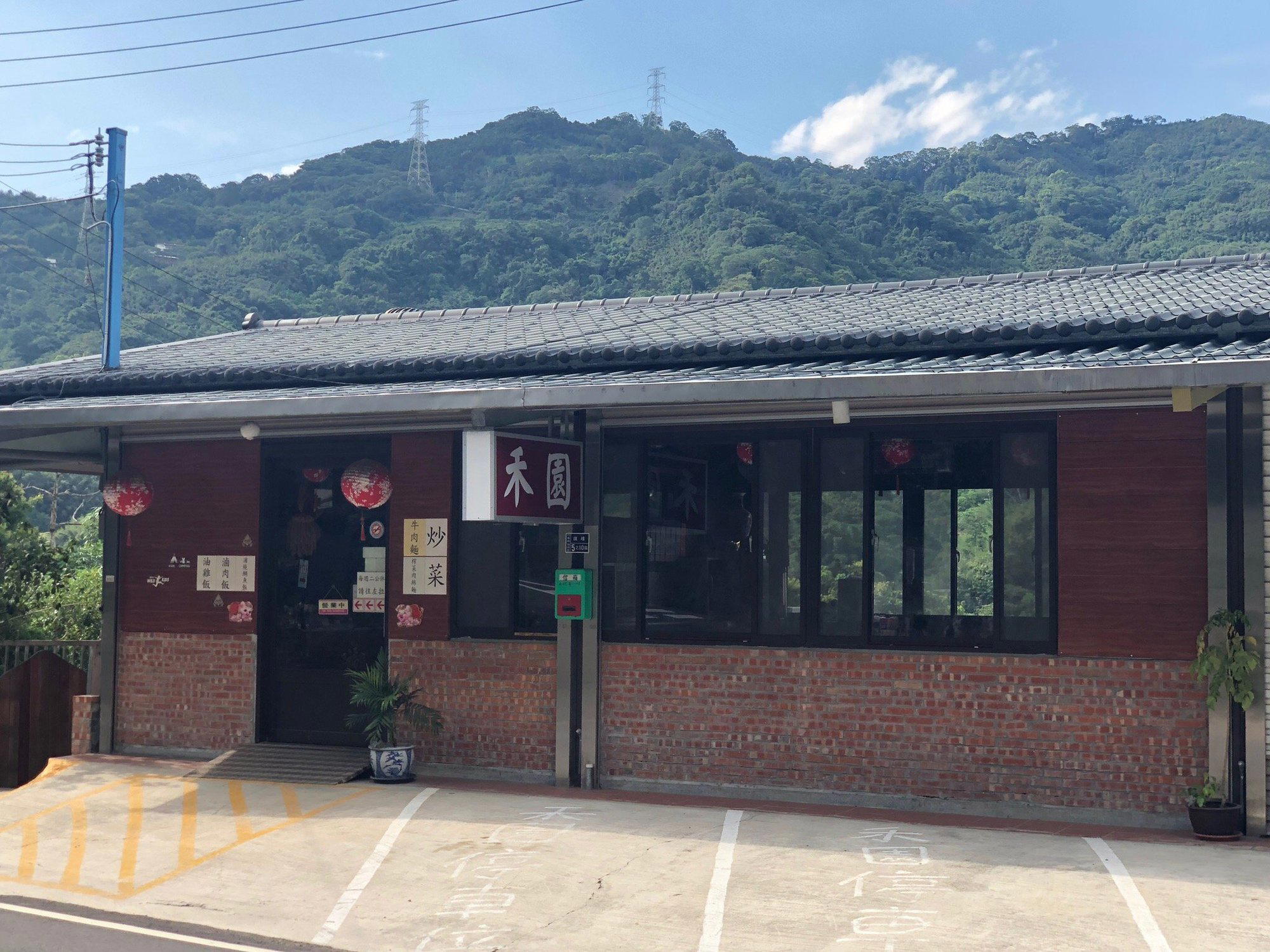
Where Hsinchu County's Agricultural Belt Meets the Table
Zhudong Township does not announce itself the way Taipei or Taichung do. The town sits in Hsinchu County's inland stretch, where rice paddies and fruit orchards press close to low-rise streets, and where the rhythm of the day is still set more by seasonal harvests than by restaurant reservation windows. Kehu Road, where 蟲咬飯食 occupies a spot at No. 312, runs through this quieter register of Taiwan's food culture, a register that has attracted increasing attention from cooks and eaters who find the capital's tasting-menu circuit too removed from its own agricultural sources.
The broader pattern here matters: Taiwan's dining development over the past decade has not been confined to Taipei. A parallel movement has taken root in smaller counties and townships, where proximity to specific growing regions, fishing villages, and traditional food producers gives cooks a material advantage that urban addresses simply cannot replicate. Akame in Wutai Township and AKAME in Neipu have both built reputations on exactly this logic, grounding their menus in indigenous and hyper-local sourcing rather than imported technique. 蟲咬飯食 in Zhudong occupies a similar geographic position within that shift, placed in an area where the agricultural supply chain is short and the seasonal calendar is legible in what ends up on the plate.
Ingredient Logic in Hsinchu County's Growing Zones
Hsinchu County's inland townships, Zhudong among them, sit at the confluence of foothills and river plains that have historically supported rice cultivation, tea growing, and orchard farming. The Zhudong area specifically benefits from the Touqian River watershed, which has sustained wet-rice agriculture for generations. When a restaurant locates itself in this kind of landscape, the sourcing argument is not incidental; it is structural. The distance from field to kitchen compresses to a degree that urban dining, however technically accomplished, cannot fully simulate.
This is the same underlying logic that has drawn attention to places like Shen Yen in Yilan, where the county's particular agricultural identity shapes what the kitchen can credibly offer. In Hsinchu County, that identity includes not only rice but also persimmons, pears, and the mountain vegetables and foraged ingredients that come down from the Shei-Pa National Park foothills. A kitchen with genuine access to these supply lines operates differently from one that sources through Taipei's wholesale markets, the decision-making process, the menu flexibility, and the degree of seasonal specificity all shift when the producer is a short drive rather than a logistics chain away.
Nearby, Bebu in Hsinchu County represents another strand of this approach, and the existence of multiple serious addresses in the county signals that the region's food identity is developing beyond its historical association with rice noodles and pork dishes. That local staple tradition remains represented by places like Dongmen Rice Noodle Soup in Hsinchu City, which anchors the more traditional end of the county's dining range.
Taiwan's Broader Turn Toward Land-Rooted Cooking
The movement 蟲咬飯食 belongs to has counterparts across Taiwan's dining scene, and understanding those counterparts sharpens the picture. At the fine-dining end, logy in Taipei and JL Studio in Taichung work in a register that is more technically elaborate and internationally oriented, with price points and formats that place them alongside venues like Le Bernardin in New York City or Lazy Bear in San Francisco in the conversation about contemporary tasting menus. Further south, GEN in Kaohsiung and Amei in Tainan represent the way older city food cultures are being reinterpreted by younger cooks. What distinguishes the Hsinchu County approach, at 蟲咬飯食 and its county peers, is that the sourcing argument precedes the technique argument. The question of where the food comes from is not secondary to how it is prepared; it is the primary editorial decision.
The country's agricultural diversity across a relatively small geographic footprint, tropical fruits in the south, high-altitude tea gardens in the center, cool-climate vegetables in the mountain counties, seafood along long coastlines, gives cooks who pay attention to place a genuinely varied pantry to work with. The restaurants that have built particularly durable reputations outside Taipei are, with notable consistency, the ones that have treated that pantry as their main asset rather than a supporting character.
Planning a Visit to Zhudong
Zhudong is accessible from Hsinchu City by local bus and taxi, and from Taipei by train to Zhubei or Hsinchu stations followed by onward transport into the township. The address at No. 312, Section 3, Kehu Road places 蟲咬飯食 in a residential-commercial stretch of the township rather than in any tourist cluster, which is itself an indication of the kind of dining it represents: local-facing, neighbourhood-rooted, not oriented toward passing visitor traffic. Travelers staying in the region may also consider Volando Urai Spring Spa and Resort in Wulai District as a base for exploring Hsinchu County and the surrounding hill country.
For comparable experiences in the broader New Taipei and northern Taiwan orbit, Chi Yuan in New Taipei offers a useful point of reference, as does the seafood-focused restaurant in Gongliao District for coastal sourcing contrast. Those interested in how Taiwanese cooking handles preserved and fermented ingredients might also look at the Xihu Township address known for its flavored rice preparations, or the braised meat rice specialist in Sanchong District for a sense of the traditional end of the spectrum. For yakiniku contrast within the broader Taiwan circuit, Abura Yakiniku in Taichung City provides a reference point on the meat-sourcing conversation that parallels the produce-sourcing one in Hsinchu County.
Comparable Venues
Comparable venues nearby, for context on price, style, and recognition.
| Venue | Cuisine | Price | Awards | Notes |
|---|---|---|---|---|
| é´»éé£å This venue — the venue you are viewing | Traditional Taiwanese Noodles & Comfort Food | $$ | Not listed | Not listed |
| Hung Chin | Hakka Cuisine | $$ | Bib Gourmand | Zhudong Township |
| Zhudong Fried Sparerib Noodle (Zhudong) | Traditional Taiwanese Fried Sparerib Noodles | $ | Michelin Plate | Zhudong Town |
| Cingjing Lumama Restaurant | Authentic Yunnan Shan Cuisine | $$ | Not listed | Ren'ai Township |
| 東勢牛稼莊 | Taiwanese Yellow Cow Full Cow Feast & Hakka | $$ | Not listed | Dongshi Dist |
| Duan Chun Zhen | Traditional Taiwanese Beef Noodles with Sichuan Flavors | $$ | Not listed | East District |





At a Glance
- Casual
- Cozy
- Casual Hangout
- Family
- Group Dining
- Standalone
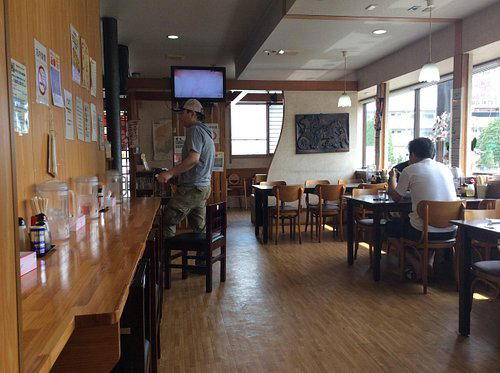
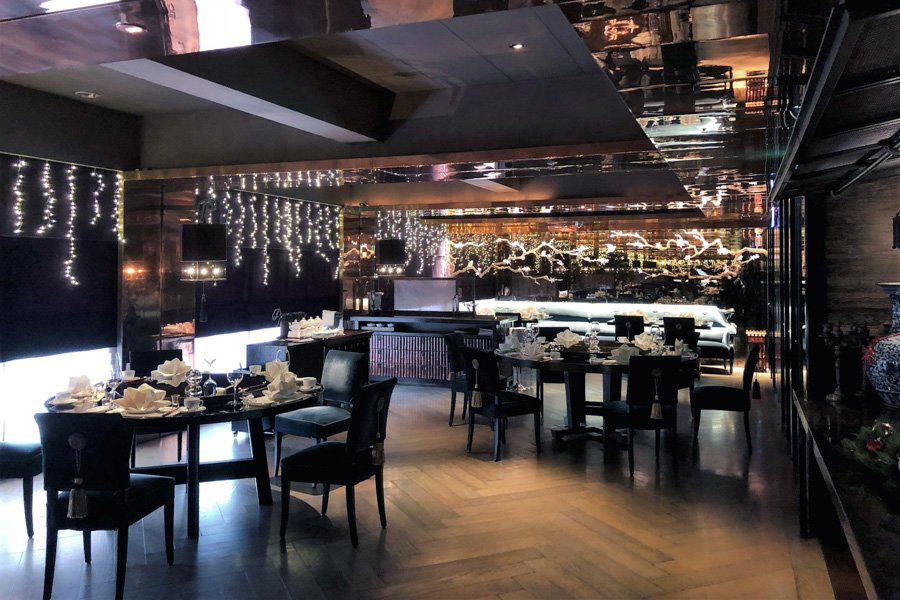
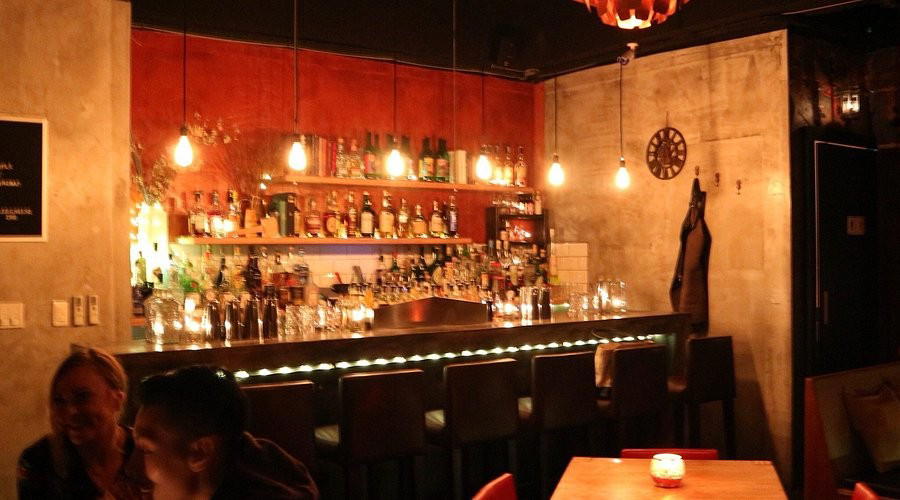
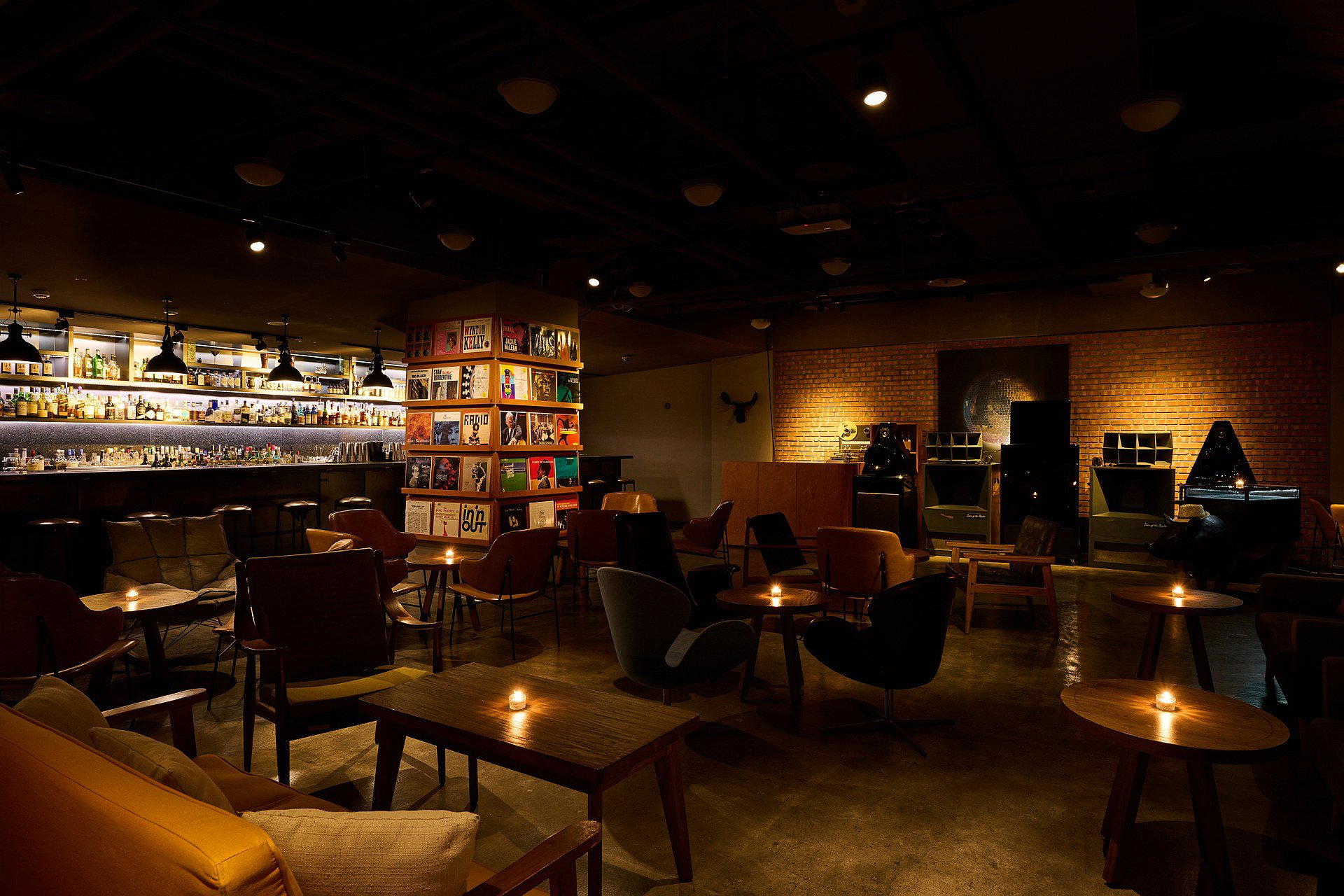
Warm and welcoming neighborhood atmosphere with simple, unpretentious decor typical of traditional Taiwanese eateries.