A Gan Yi Taro Balls

Operating from Jiufen Old Street since the 1960s, A Gan Yi Taro Balls is among the more enduring taro ball shops in northern Taiwan. Hand-made chewy taro balls arrive over shaved ice or in red bean soup, with the shop's hillside position offering valley and sea views that make it a reference point for understanding Jiufen's food culture as much as its scenery.
Pearl is the En Primeur Club membership app — saves, bookings, and concierge access live there. Same editors, same standards.
- Address
- 5 Shuqi Road, Ruifang District
- Phone
- +886 2 2497 6505
- Directions
- Get directions
 Saves & bookings on Pearl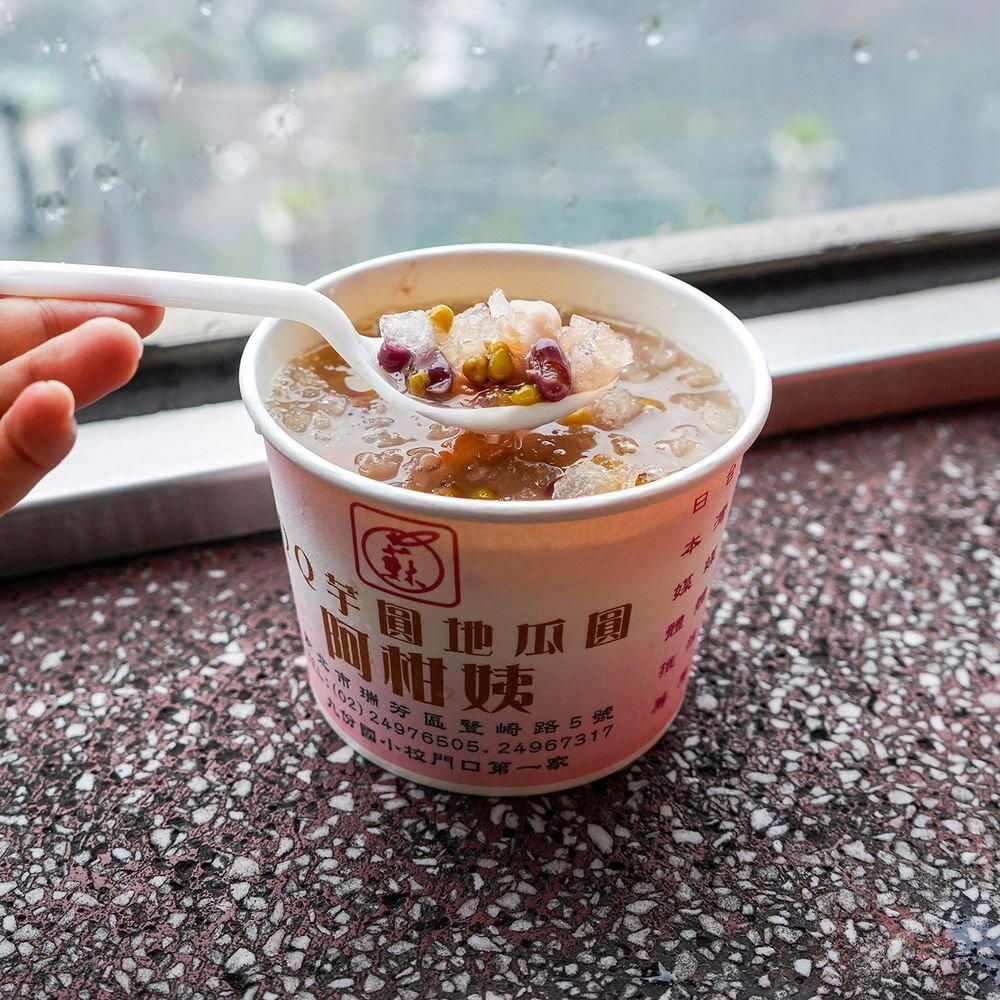
Where the Street Meets the Slope
Jiufen Old Street climbs steeply through Ruifang District, its narrow lanes lined with lantern-lit storefronts and the persistent smell of sweet bean soup drifting from open doorways. The experience of arriving at A Gan Yi Taro Balls is inseparable from the walk that leads to it: a gradual ascent past souvenir stalls and tea houses until the terraced room appears, its windows framing a panorama of the valley and the Pacific coast beyond. That view is not incidental. In a destination where food and scenery have always been tightly linked, the elevation of the shop itself becomes part of what you are consuming.
Jiufen's identity was shaped by gold mining prosperity in the late nineteenth and early twentieth centuries, and the old street has carried the memory of that era into contemporary tourism. The dessert culture embedded in its lanes, taro balls included, belongs to a longer Taiwanese tradition of sweet bean preparations and glutinous rice confections that predate the area's fame as a travel destination. Understanding that lineage matters when you sit down in front of a bowl here: this is not a food trend shaped by visitor demand, but a local repertoire that visitors eventually found their way toward.
Taro as Ingredient, Not Ornament
The taro ball is a study in how a single root vegetable, properly handled, can anchor an entire category of Taiwanese dessert. Taro (yu-tai or f芋頭 in Mandarin) is grown widely across Taiwan, with the Dajia region of Taichung County producing particularly prized varieties for their dense, starchy flesh and pronounced natural sweetness. When cooked, processed into dough, shaped, and boiled to order, taro becomes something with real textural resistance: the characteristic chew that distinguishes a freshly made ball from one that has been held too long.
At A Gan Yi, the taro balls are made in-house, which places the shop within a narrower subset of Jiufen vendors who maintain production on site rather than sourcing pre-made product. That distinction matters in a street where convenience has pressured many operations toward pre-packaged ingredients. The hand-made format means the texture holds a slightly irregular, handworked quality that is the point rather than a deficiency. For a food that has been produced consistently since the 1960s, the continuity of method is itself a kind of credential.
The shop works across two temperature registers: the taro balls arrive either in hot red bean soup or over shaved ice. Both formats sit within the broader Taiwanese dessert tradition of combining chewy glutinous elements with a sweetened liquid base, then layering in assorted beans, typically red bean (azuki) and sometimes green mung bean or peanuts. The choice between hot and cold is partly seasonal, partly personal, but the hot preparation in particular has the kind of functional warmth that local vendors have always understood as comfort rather than theatre. For visitors making their way up from Taipei, the journey from our full New Taipei restaurants guide to Ruifang involves roughly an hour on the Pingxi or Ruifang lines, and arriving cold and damp in the rainy season makes the soup version a practical as much as a culinary decision.
The Competitive Context on Jiufen Old Street
Taro ball shops on Jiufen Old Street operate in a category where longevity functions as the primary form of differentiation. Several vendors have been operating for decades, and reputation moves through word of mouth and repeat visits from Taiwanese locals rather than through formal award structures. A Gan Yi's operation since the 1960s places it among the longer-established names on the street, positioning it differently from shops that opened in response to the tourism surge of the 1990s and 2000s.
The comparison set within the taro ball category extends beyond Jiufen. Elsewhere in New Taipei, A-ba's Taro Ball represents a related tradition worth knowing. Further along the New Taipei food scene, Amajia, BAK KUT PAN, Chi Yuan, and Chia I represent the broader range of what New Taipei's food culture covers. For those building a wider Taiwan itinerary, the contrast between Jiufen's heritage dessert shops and formal fine dining venues like JL Studio in Taichung or logy in Taipei underscores how broadly Taiwanese food spans register and formality. Southern Taiwan adds further range through GEN in Kaohsiung, Zhu Xin Ju in Tainan, and the indigenous-focused cooking at Akame in Wutai Township.
Planning a Visit
A Gan Yi Taro Balls sits at 5 Shuqi Road in Ruifang District, which is the main artery of Jiufen Old Street. The shop does not operate on a reservation basis: visitors queue and order at the counter, then find a seat in the tiered room. Weekend afternoons draw the heaviest crowds, both from Taipei day-trippers and from tour groups arriving by bus. Weekday mornings, particularly outside the July-to-September summer peak, offer shorter waits and a version of the shop that feels closer to its local function than its tourist one.
Jiufen is most easily reached by train to Ruifang Station, then by bus or taxi up the hill to the old street entrance. The journey from Taipei Main Station takes approximately 40 minutes by train. Those combining the visit with a broader northeastern Taiwan loop might consider pairing it with a stay in the area; our full New Taipei hotels guide covers options across the district. For those exploring New Taipei's drinking culture or other experiences beyond the food circuit, our full New Taipei bars guide, our full New Taipei wineries guide, and our full New Taipei experiences guide provide further orientation. For those with an appetite for resort-style retreats after the street food circuit, Volando Urai Spring Spa and Resort in Wulai District represents a contrasting but complementary side of the New Taipei experience.
Payment norms at Jiufen street vendors are typically cash-based, though this varies by operator. Prices across the taro ball category in Jiufen remain modest relative to Taipei dining; the category competes on quality and tradition rather than price positioning. There is no dress code and no booking infrastructure: the experience is walk-in by design, and has been since the shop opened.
Fast Comparison
Comparable venues nearby, for context on price, style, and recognition.
| Venue | Cuisine | Price | Awards | Notes |
|---|---|---|---|---|
| A Gan Yi Taro BallsThis venue — the venue you are viewing | Traditional Taiwanese Taro Balls | $ | Michelin Plate | Not listed |
| BAK KUT PAN | Traditional Taiwanese Bak Kut Teh | $ | Michelin Plate | Xindian District |
| NATURAL TEA MANOR | Tea-infused Taiwanese | $$ | Michelin Plate | Xizhi District |
| Zhang Ji Fish Ball | Traditional Taiwanese Fish Ball Noodles | $ | Michelin Plate | Ruifang District |
| Lao Hsu | Taiwanese and Jiangzhe Cuisine | $$ | Michelin Plate | New Taipei City |
| JIA YEN | Greater Chinese: Cantonese-Shanghai-Sichuan-Zhejiang-Shaanxi Fusion | $$$ | Michelin Plate | Banqiao District |
Recognition history
Dated appearances from independent guides and award organizations, with the underlying list record or original source where available.
Michelin Plate
Michelin
Continue exploring
More in New Taipei
Restaurants in New Taipei
Browse all →
Bars in New Taipei
Browse all →
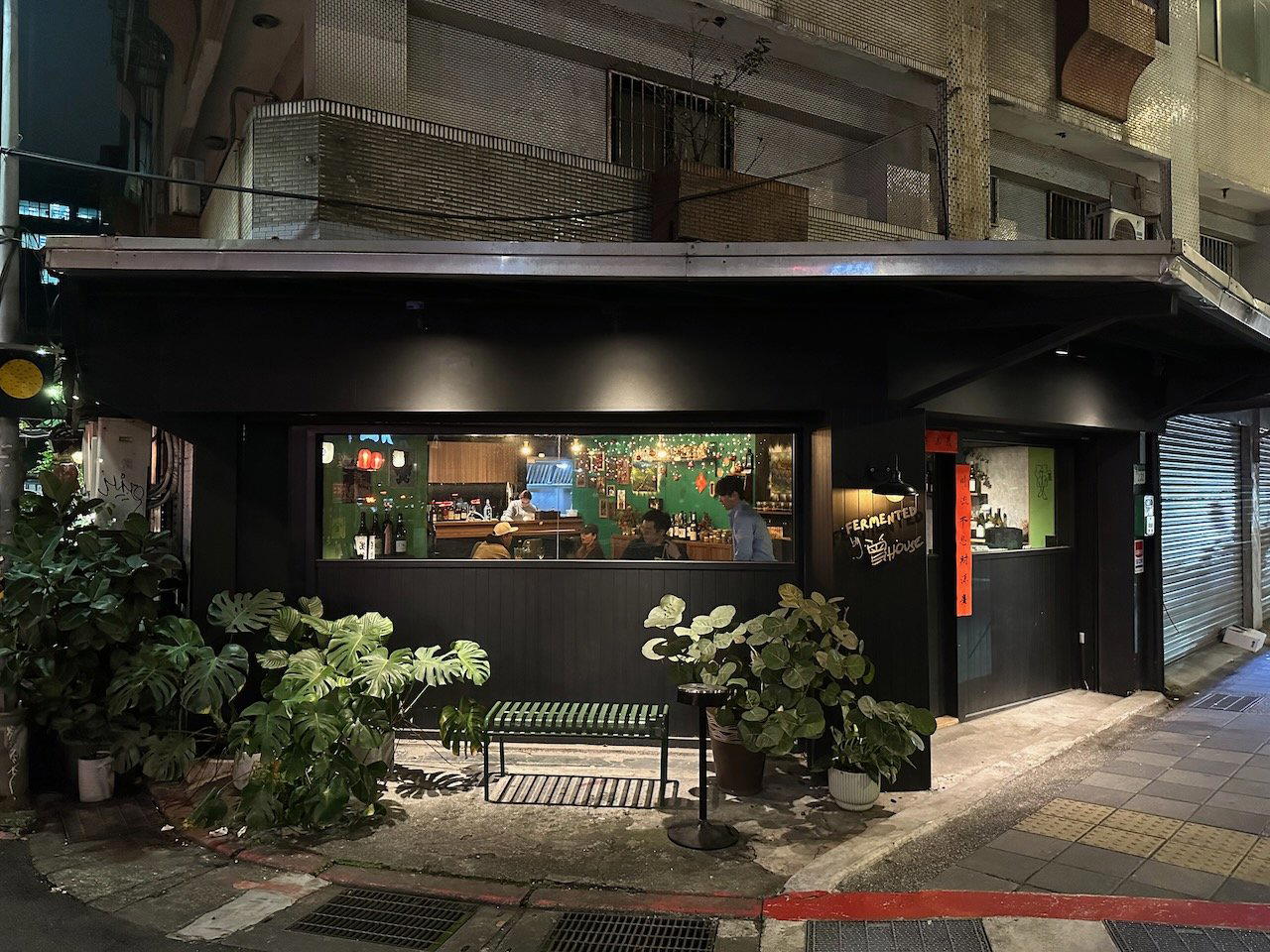
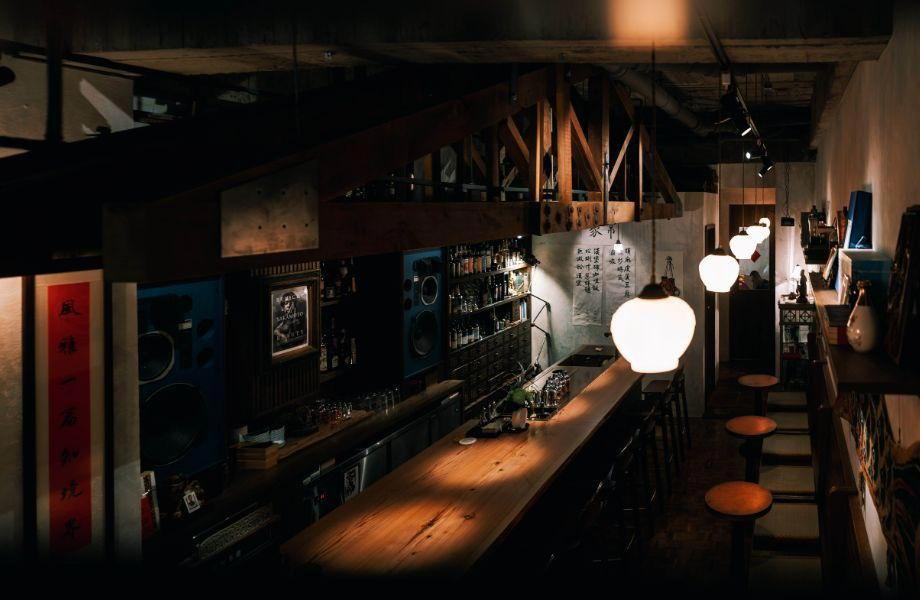
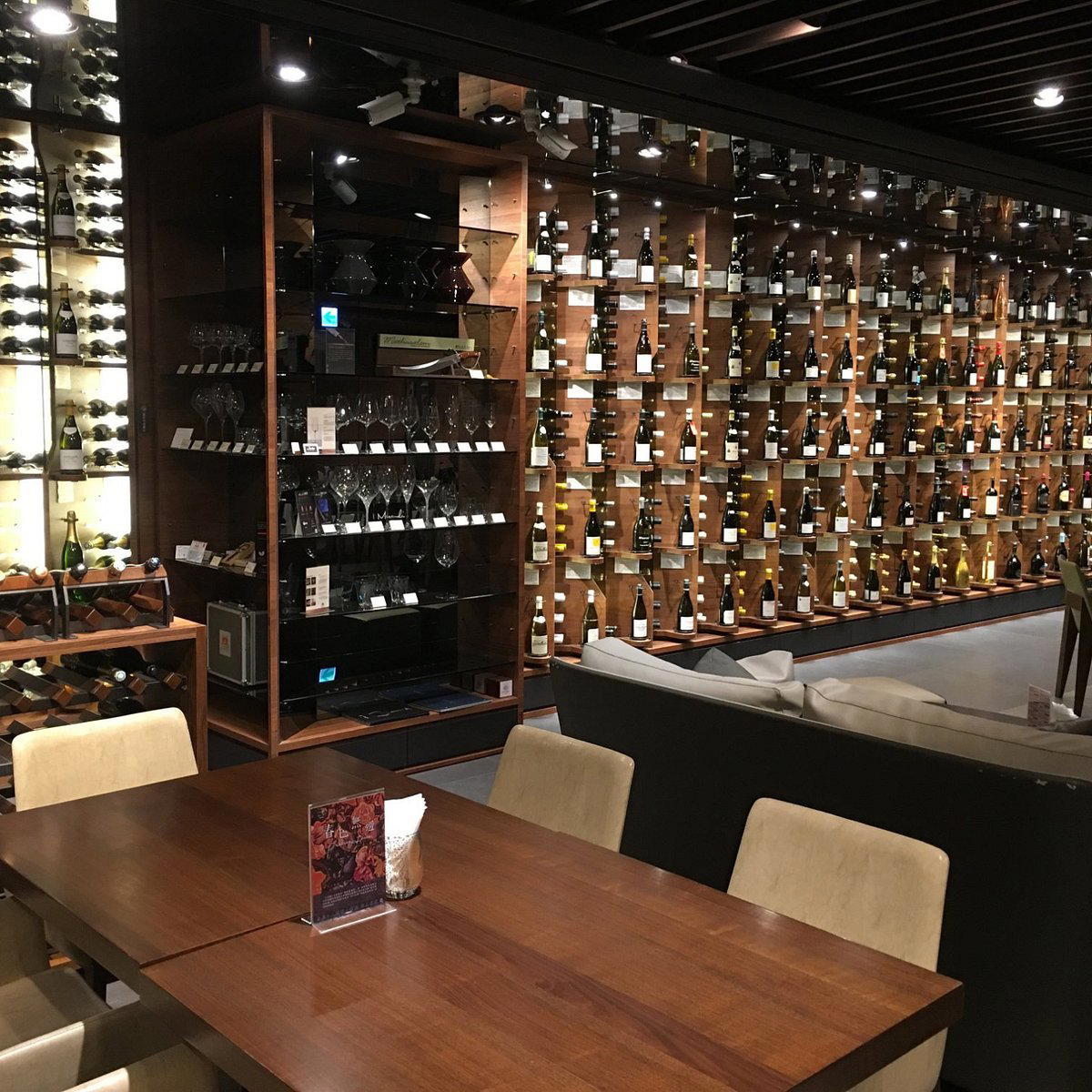
Hotels in New Taipei
Browse all →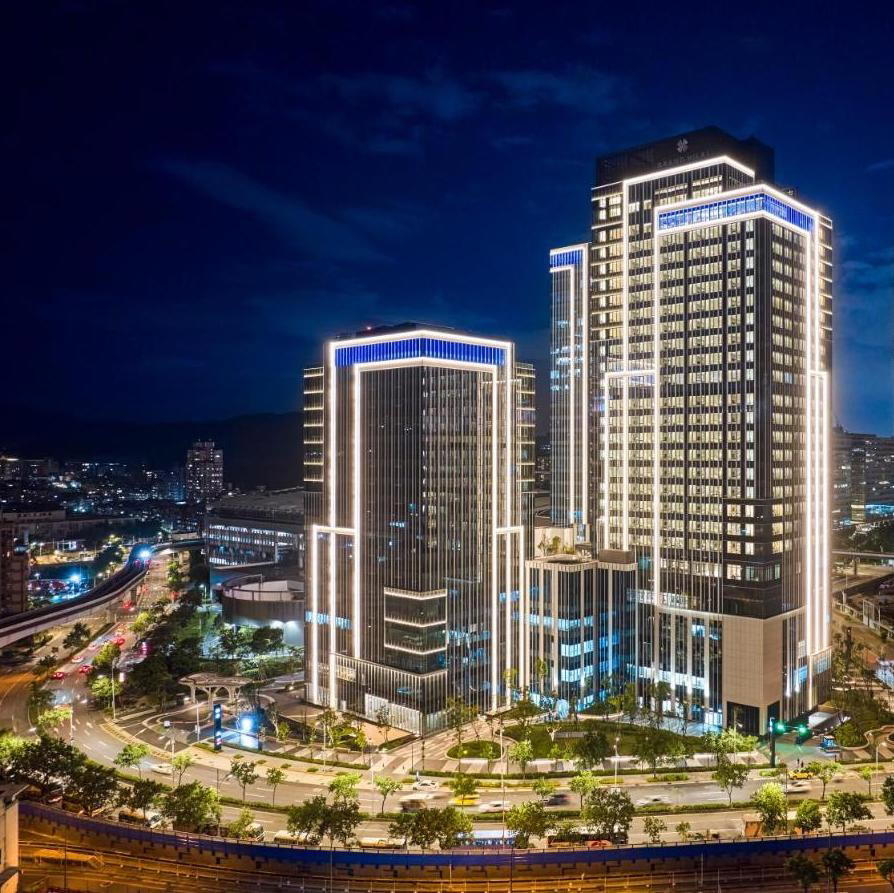



Wineries in New Taipei
Browse all →
At a Glance
- Cozy
- Scenic
- Casual Hangout
- Family
- Street Scene
Current opening hours
- Monday
- 8:30 AM–8:30 PM
- Tuesday
- 8:30 AM–8:30 PM
- Wednesday
- 8:30 AM–8:30 PM
- Thursday
- 8:30 AM–8:30 PM
- Friday
- 8:30 AM–8:30 PM
- Saturday
- 8:30 AM–9:30 PM
- Sunday
- 8:30 AM–9 PM
Hours can change for holidays and private events. Last verified .
Casual hillside spot with window seating offering gorgeous valley and sea views, evoking nostalgic Taiwanese daily life.