
1 Michelin Star
Our verdict
Kaohsiung's sole Michelin-starred Cantonese address occupies a quietly considered room in Cianjhen District, where a kitchen brigade trained in Macau and Hong Kong works through three set menus built around gourmet dried seafood, bird's nest, abalone, and reworked 1980s Cantonese classics. The space, structured around an arc-shaped counter and private dining rooms, sits in a different competitive register from the city's broader fine-dining scene.

Pearl is the En Primeur Club membership app, where members save venues, book tables and use the concierge.
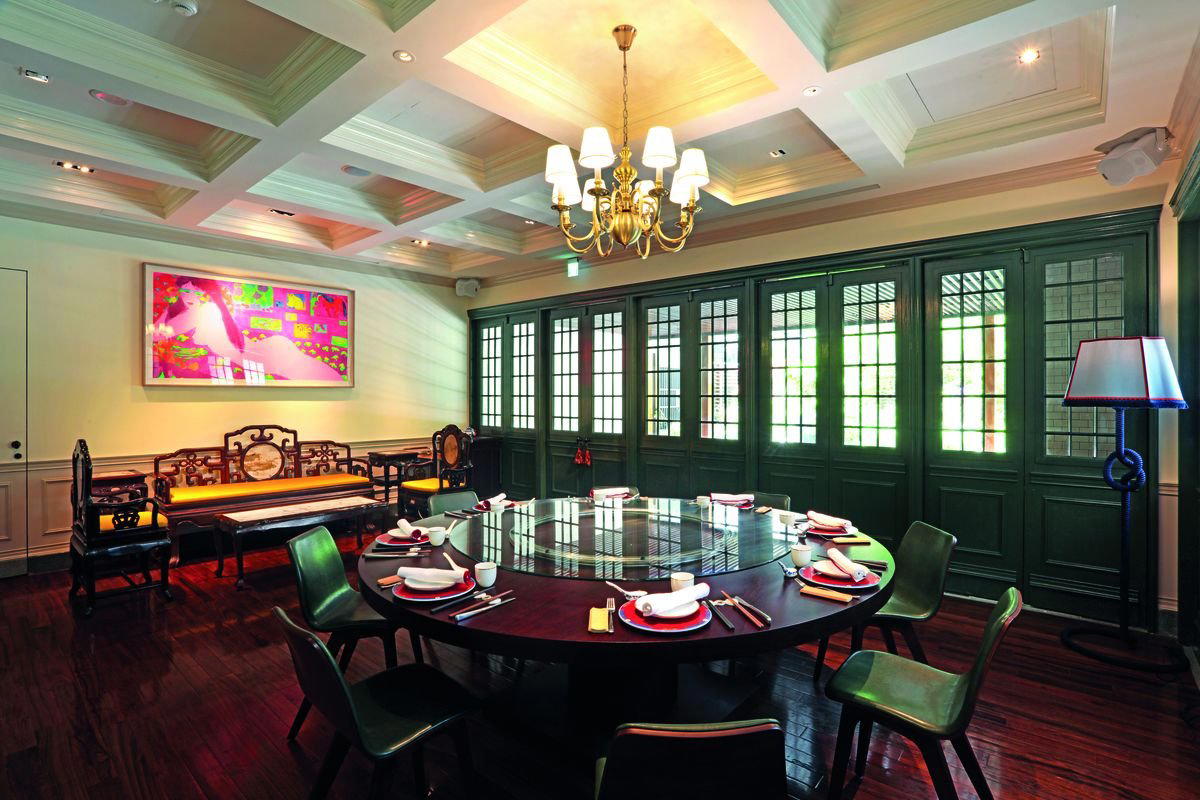
A Room Designed to Slow You Down
Kaohsiung's fine-dining tier has expanded steadily over the past decade, but the city's approach to formal Cantonese remains narrow. Haili holds a Michelin star in the modern cuisine bracket; Sho anchors the Japanese $$$$ end. GEN occupies a position neither shares: a Michelin one-starred room in Cianjhen District built specifically around Cantonese tradition drawn from Macau and Hong Kong, with a physical environment that signals restraint before a single dish arrives.
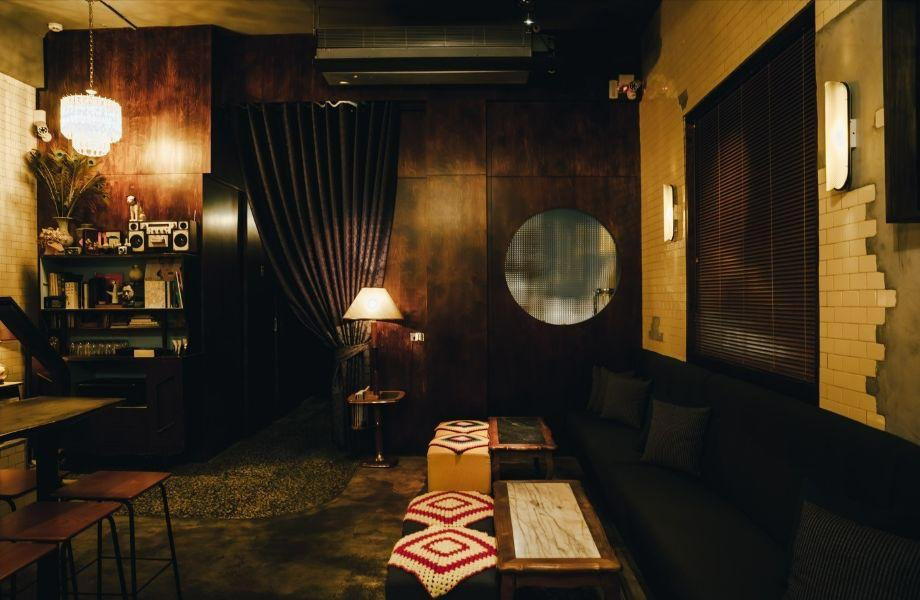
The interior works in a palette of camel, cream, and neutral tones, relieved by gun-metal grey detailing. There is no effort to announce itself loudly. The effect is closer to a private members' dining room than a destination restaurant, and that is almost certainly deliberate. Spaces built around gourmet dried seafood, the category of cooking that structures GEN's menus, tend to attract a clientele that finds the theatre of open kitchens and ambient noise distracting. The room removes those variables. What remains is the food, the service, and the particular kind of attention that a quiet room demands from both sides of the pass.
Counter, Table, or Private Room: How the Space Organises Itself
In Cantonese fine dining across Hong Kong, Macau, and the Pearl River Delta, the design of a room has long communicated social hierarchy as precisely as the menu itself. The round table with a lazy Susan has been the dominant format for group banqueting; the counter, by contrast, imports a more Japanese sensibility, proximity to the kitchen, a front-row view of technique, a format better suited to a tasting progression than a family-style spread.
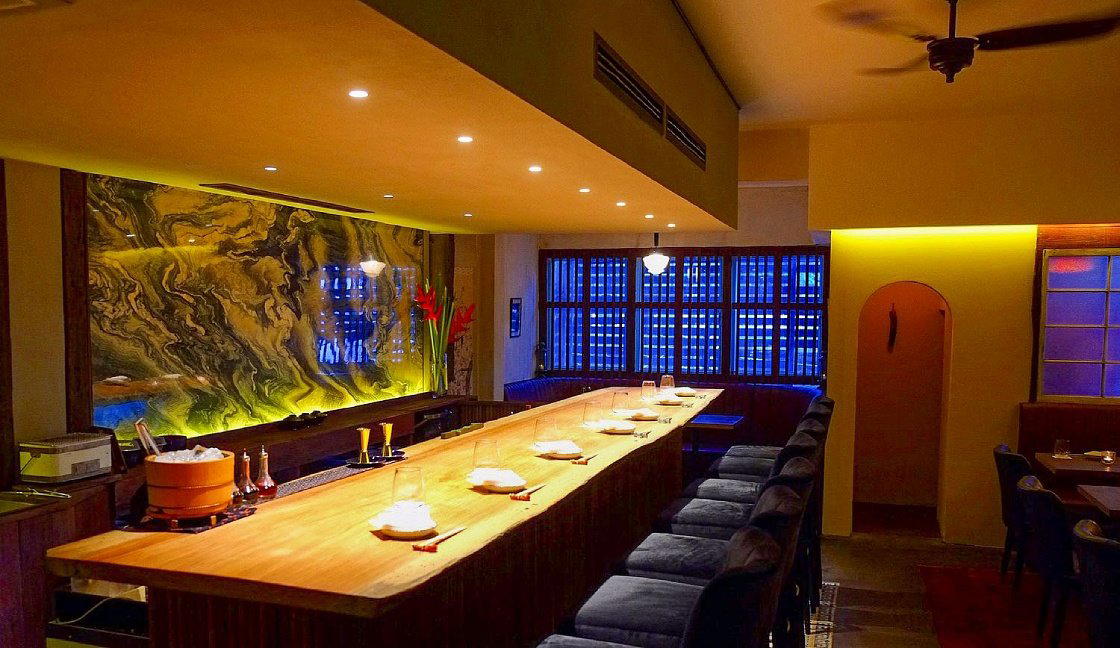
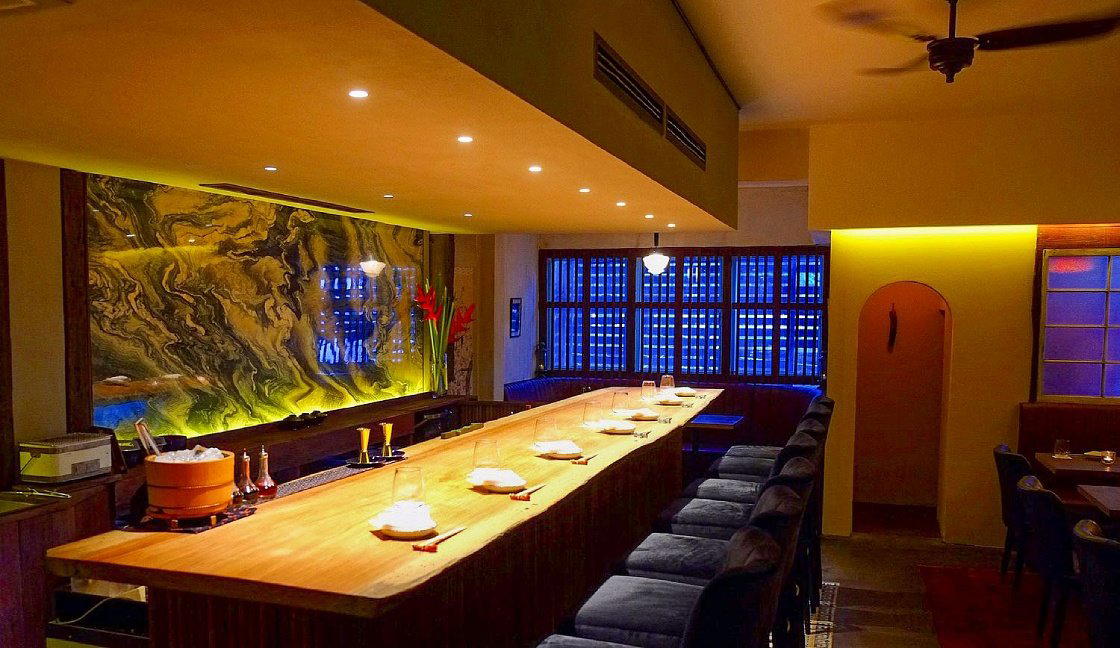
GEN holds both formats simultaneously. The arc-shaped counter seats guests who want that closer relationship with what is being prepared. Round tables serve larger groups operating within a more traditional Cantonese social dynamic. And private rooms accommodate occasions where the conversation itself is the priority and the meal its frame. Few Cantonese addresses at this price point in Taiwan offer that range of configurations within a single venue, and the choice is worth making deliberately before booking. The atmosphere shifts meaningfully depending on where you sit.
Anchovy in the European contemporary bracket and above mid-market Kaohsiung options like A Fung's Harmony Cuisine in terms of format and spend.
The Cantonese Tradition It Draws From
Cantonese fine dining has two dominant historical centres: Hong Kong and Guangzhou, with Macau operating as a secondary node that absorbed influences from both while adding its own Portuguese-inflected layers. The cuisine's premium tier is defined largely by gourmet dried seafood, sea cucumber, dried abalone, fish maw, shark's fin (now increasingly off menus), and bird's nest, ingredients that require long reconstitution times, technical precision, and sourcing relationships that take years to build. These are not dishes that can be approximated on short notice.
GEN's kitchen brigade, trained in Macau and Hong Kong, works inside that tradition directly. The three set menus are structured around dried seafood as a centrepiece category, not as an occasional flourish. This places GEN in a specific lineage: the kind of cooking associated with long-standing Cantonese institutions like Forum in Hong Kong or Chef Tam's Seasons in Macau, rather than the more freewheeling Cantonese-adjacent modern Chinese cooking found at addresses like 102 House in Shanghai. The 1980s Cantonese classics referenced on the menu are not ironic gestures toward nostalgia; they are the repertoire this brigade trained on, updated with sufficient precision to earn Michelin recognition in 2024.
That recognition matters for context. Taiwan's Michelin programme covers Taipei most densely, with logy and similar addresses anchoring the capital's starred tier. JL Studio in Taichung holds stars in that city. Kaohsiung's Michelin footprint is smaller, and within it, GEN's position as the city's Cantonese representative in the guide carries weight that goes beyond the single star itself.
What the Menu Structure Signals
Three fixed set menus without an à la carte option is a format choice that prioritises the kitchen's editorial control over the guest's individual selection. In premium dried seafood cooking, this makes particular sense: reconstitution of high-quality abalone or bird's nest cannot be done to order, so the rhythm of the meal is set in advance. The format also allows the brigade to sequence dishes with the same logic a tasting menu applies, building from lighter to more intense, reserving the technically demanding preparations for the middle courses where concentration is highest.
The wine list leans French, kept concise rather than encyclopaedic. The tea menu, by contrast, is described as varied, which reflects a considered decision about the beverage pairing most congruent with Cantonese dried seafood cookery. Aged pu-erh, aged oolong, and roasted teas from Taiwan's own producing regions each interact differently with abalone braising sauces and bird's nest preparations in ways that a French wine list, however good, cannot fully replicate. Offering both is a practical acknowledgment that the clientele arrives with different expectations and the kitchen does not want the beverage choice to narrow the field.
Kaohsiung as a Cantonese Address
Taiwan's Cantonese restaurant culture sits in a different position from Hong Kong's or Guangzhou's. The category arrived largely through migration patterns from Hong Kong and Macau, found a foothold in Taipei's business dining scene, and filtered south to Kaohsiung more slowly. The city's culinary identity has historically leaned toward Taiwanese seafood and local street formats, the kind of cooking found at A Cun Beef Soup further down the western corridor, or at Akame in the mountains east of the city. Premium Cantonese at this register represents a relatively recent layer in Kaohsiung's dining map.
Cianjhen District, where GEN is located, is primarily known as an industrial and port zone rather than a dining destination in the way Zuoying or Gushan might be. That placement is consistent with a restaurant whose clientele likely navigates the city well and does not need the reassurance of a restaurant-row address. For visitors building a Kaohsiung itinerary, the broader context is available through our full Kaohsiung restaurants guide, alongside resources for hotels, bars, experiences, and wineries in the city.
Those looking for contrast within Kaohsiung's broader fine-dining range might consider Apis Grill for a different register entirely, or Volando Urai Spring Spa and Resort for a resort-anchored experience further north. GEN's particular niche, though, has no direct local competitor currently operating at the same level.
Planning a Visit
GEN is closed on Mondays. Tuesday through Friday, service runs in the evening only, from 6 PM to 10 PM. Saturday and Sunday offer both a lunch sitting from noon to 2:30 PM and the same evening window. For a formal Cantonese meal built around gourmet dried seafood, the weekend lunch sitting warrants consideration: Cantonese lunch culture carries its own set of rituals that the evening format does not replicate, and the Saturday noon service allows the meal to breathe without the time pressure that a weeknight dinner sometimes imposes. The address is No. 8, Fusing 4th Road, Cianjhen District.
Frequently asked questions
What kind of setting is GEN?
GEN operates in the $$$$ bracket with a Michelin one-star rating (2024) in a room pitched toward quiet formality rather than social spectacle. The interior uses neutral tones and gun-metal grey detailing to create a low-stimulus environment well suited to the concentration that a dried-seafood tasting progression asks of the guest. Seating options include a counter, round tables, and private rooms, giving the visit a different character depending on the configuration chosen. In Kaohsiung's fine-dining context, it occupies territory that no other current Cantonese address in the city covers at this level.
Can I bring kids to GEN?
Nothing in GEN's available information explicitly excludes younger diners, but the format, three fixed set menus at $$$$ pricing in a formal room oriented toward gourmet dried seafood, is not one designed around children's appetites or a relaxed family dynamic. Kaohsiung has other options better suited to that occasion. For a formal celebratory meal or a business dinner where the environment and the food both need to perform, the setting is well aligned. Families with older teenagers accustomed to tasting-menu formats will find the room comfortable; those with younger children should weigh the format carefully.
What do regulars order at GEN?
GEN does not operate an à la carte menu, the kitchen works through three set menus, so the choice is which menu tier rather than which individual dish. The Michelin recognition (2024) specifically references gourmet dried seafood, including bird's nest and abalone, as the centrepiece of the kitchen's output, alongside updated 1980s Cantonese classics. Regulars familiar with Cantonese dried-seafood cooking tend to use the tea pairing as their primary beverage, given the varied tea menu on offer and its particular affinity with the flavour register of abalone and bird's nest preparations.
The Short List
A quick peer check to anchor this venue’s price and recognition.
| Venue | Cuisine | Price | Awards | Notes |
|---|---|---|---|---|
| GENThis venue (the venue you are viewing) | Modern Chinese Fine Dining | Not listed | 1 Michelin Star | Not listed |
| Sho | Modern Japanese Kaiseki with Taiwanese Influences | $100–150 | 1 Michelin Star | Japanese |
| Papillon | Modern French Neo Bistro | $100–150 | Michelin Plate | French, French Contemporary |
| Haili | Japanese-French Fusion Fine Dining | $100–150 | 1 Michelin Star · Star Wine List | Modern Cuisine |
| Beef Chief (Zihciang 2nd Road) | Taiwanese Beef Hot Pot | $10–20 | Michelin Bib Gourmand | Taiwanese |
| Cheng Tsung Duck Rice | Taiwanese Duck Rice | $1–10 | Michelin Plate | Small eats |
Recognition history
Dated appearances from independent guides and award organizations, with the underlying list record or original source where available.
Michelin 1 Star
Michelin
Full recognition history (3 entries)
Michelin 1 Star
Michelin
Michelin 1 Star
Michelin
Continue exploring
More in Kaohsiung
Restaurants in Kaohsiung
All restaurants in Kaohsiung →
Bars in Kaohsiung
All bars in Kaohsiung →
Details
- Modern
- Trendy
- Elegant
- Date Night
- Special Occasion
- Open Kitchen
- Set Menu
- Allergy Accommodating
Current opening hours
- Monday
- Closed
- Tuesday
- 12–2:30 PM, 6–10 PM
- Wednesday
- 12–2:30 PM, 6–10 PM
- Thursday
- 12–2:30 PM, 6–10 PM
- Friday
- 12–2:30 PM, 6–10 PM
- Saturday
- 12–2:30 PM, 6–10 PM
- Sunday
- 12–2:30 PM, 6–10 PM
Hours can change for holidays and private events. Hours as of .
Sophisticated and curated atmosphere with complex, carefully plated dishes.