Volando Urai Spring Spa & Resort

A Relais & Châteaux member property set along the Tonghou River in Wulai District, Volando Urai Spring Spa & Resort offers private thermal pools fed by the valley's sodium bicarbonate waters, roughly an hour from central Taipei.
Pearl is the En Primeur Club membership app — saves, bookings, and concierge access live there. Same editors, same standards.
- Address
- No. 176號, Section 5, Xinwu Rd, Wulai District, New Taipei City, Taiwan 233
- Phone
- +886 2 2661 6555
- Website
- volandospringpark.com
- Directions
- Get directions
 Saves & bookings on Pearl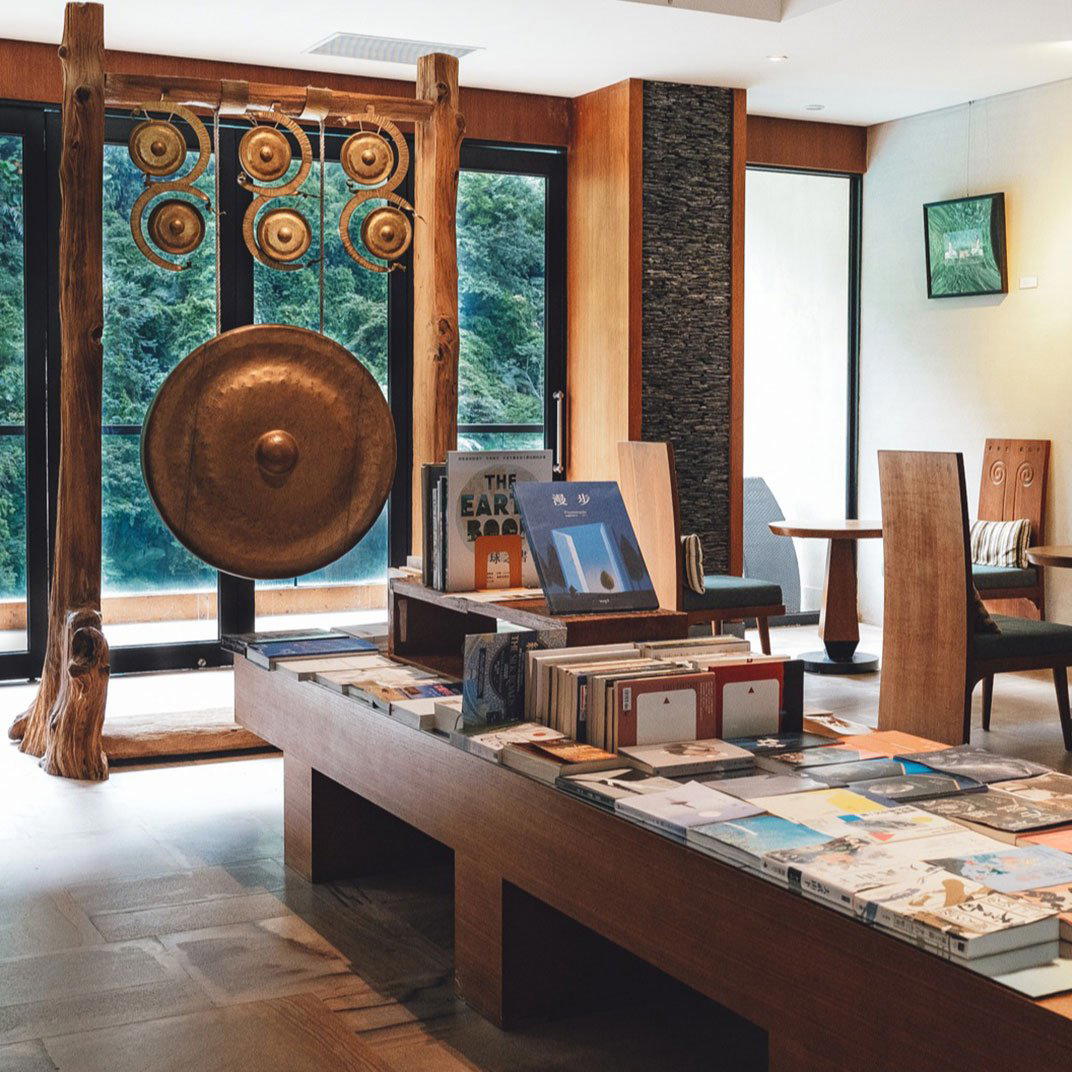
The Wulai Valley and What It Asks of a Resort
Volando Urai Spring Spa & Resort is a hot spring resort in Wulai District, New Taipei City, Taiwan, with private thermal pools,087 reviews. There is a particular quality to the Tonghou River gorge in Wulai District: the ridgelines press close, the forest holds its moisture even in summer, and the thermal waters that surface here have been drawing visitors since the Atayal people first settled the valley. The question any resort operating in this landscape must answer is not whether the setting is compelling, it plainly is, but whether the property earns its place within it or simply occupies it.
Volando Urai Spring Spa & Resort, a Relais & Châteaux member property positioned on the river's edge, makes a specific argument: that restraint and access to the thermal source matter more than scale. With private thermal pools rather than shared bathing halls, the property positions itself against Wulai's communal onsen tradition and toward the quieter, more self-contained tier of the Taiwan hot spring market. That is a deliberate competitive choice, and it defines the experience from arrival onward.
Hot Spring Traditions and Where Wulai Sits Within Them
Taiwan's hot spring culture draws from multiple currents: the Japanese onsen tradition embedded during the colonial period, indigenous Atayal bathing practices in mountain districts like Wulai, and a more recent wave of resort development that has produced everything from urban day-spa operations to remote valley retreats. Wulai sits in the mountain category, roughly 30 kilometres south of Taipei, and its springs are classified as sodium bicarbonate type, clear, odourless, and known for a soft texture on the skin rather than the sulphurous intensity associated with volcanic fields like Yangmingshan.
Within the Wulai tier, properties divide broadly between public bathing facilities concentrated along the main strip and higher-end resorts further up the valley that offer in-room or private-pool access. Volando Urai occupies the latter position, with private thermal pools that allow guests to control timing, temperature, and company. For comparison within the broader Taiwan hot spring category, Soyan in Taipei and Villa 32 represent the urban, design-forward end of the spectrum, where the hot spring experience is packaged within a day-spa or boutique hotel format closer to the city core. Volando Urai's offer is more remote and more immersive.
The Physical Experience: River, Thermal Water, and Elevation
The property sits directly on the Tonghou River, which means the visual and acoustic relationship with moving water is constant. This is not incidental. In a category where the quality of the bathing water is the baseline, properties that can offer environmental layering, the sound of a river, tree cover, a valley view, occupy a different tier from those that reproduce the hot spring format inside a concrete structure.
The private thermal pools at Volando Urai are the central feature, and the Relais & Châteaux membership signals a commitment to standards of service and physical environment that the group enforces across its portfolio.3 from nearly 4,000 reviews places the property in a range that suggests consistent execution rather than occasional excellence: at that volume of reviews, significant operational gaps tend to register clearly in the aggregate score.
One-hour travel time from Taipei means Volando Urai functions both as a day-trip destination and as an overnight stay. The valley road from Xinwu arrives through dense secondary forest before the river comes into view, which makes the transition from the city feel more pronounced than the actual distance warrants.
Dining in the Hot Spring Context
Taiwan's thermal resort dining sits at an interesting junction. The country's broader restaurant culture, documented at high-precision operations like logy in Taipei and the modern Singaporean framework of JL Studio in Taichung, has increasingly moved toward ingredient transparency and technical precision. Resort dining in mountain districts tends to operate differently, with Taiwanese cooking traditions, local produce, and the logic of a captive audience shaping menus more than competitive restaurant positioning.
Wulai's food scene carries an Atayal thread that distinguishes it from other hot spring districts: wild boar, millet-based preparations, and mountain vegetables appear in restaurants along the main strip and in properties that choose to engage with local culinary identity. For the range of what the district offers in this respect, our full Wulai District restaurants guide maps the options. Further afield in Taiwan's indigenous cooking tradition, Akame in Wutai Township has attracted attention as one of the more rigorous expressions of that approach at restaurant scale.
Internationally, the progression from high-technique urban dining to restorative, environment-led resort eating is a pattern that appears at properties ranging from Lazy Bear in San Francisco to the Mediterranean formality of Alain Ducasse at Louis XV in Monte Carlo. The common thread is that the physical setting shapes menu philosophy as much as the kitchen's ambitions do. In Wulai's case, altitude, river proximity, and indigenous culinary history provide the framework.
Planning Your Visit
Volando Urai is reachable by public transport from Taipei (New Taipei City Bus route to Wulai terminal, then onward by local shuttle) or by private car in approximately one hour under normal traffic conditions. Weekend and public holiday periods bring significant visitor volume to Wulai District generally; booking private pool access in advance is advisable for those periods. Contact for reservations reaches the property at +886 2 2661 6555 or via volando@relaischateaux.com, with the full property website at volandospringpark.com. For additional context on accommodation options across the district, Wulai's bar scene and local wine and beverage options round out the planning picture alongside the hotels guide.
Volando Urai applies the same logic to the hot spring resort format: smaller in ambition than a destination spa complex, more deliberate in its relationship to the valley it occupies.
Fast Comparison
Comparable venues nearby, for context on price, style, and recognition.
| Venue | Cuisine | Price | Notes |
|---|---|---|---|
| Volando Urai Spring Spa & ResortThis venue — the venue you are viewing | Dining | Not listed | Not listed |
| 天水玥秘境鍋物殿 | Zen Hot Pot with Sukiyaki | $$ | Zuoying |
| Ryugin Taipei | Dining | Not listed | Xikang |
| Din Tai Fung Chinese Taipei 101 Restaurant | Taiwanese Dim Sum | $$ | Jingxin |
| Zen Ho Uang | Authentic Yunnanese | $$ | Heng'an |
| 港園牛肉麵 | Taiwanese Beef Noodles | $$ | Yancheng |
Recognition history
Dated appearances from independent guides and award organizations, with the underlying list record or original source where available.
Relais Chateaux Award
Relais Chateaux
Continue exploring
More in Wulai District
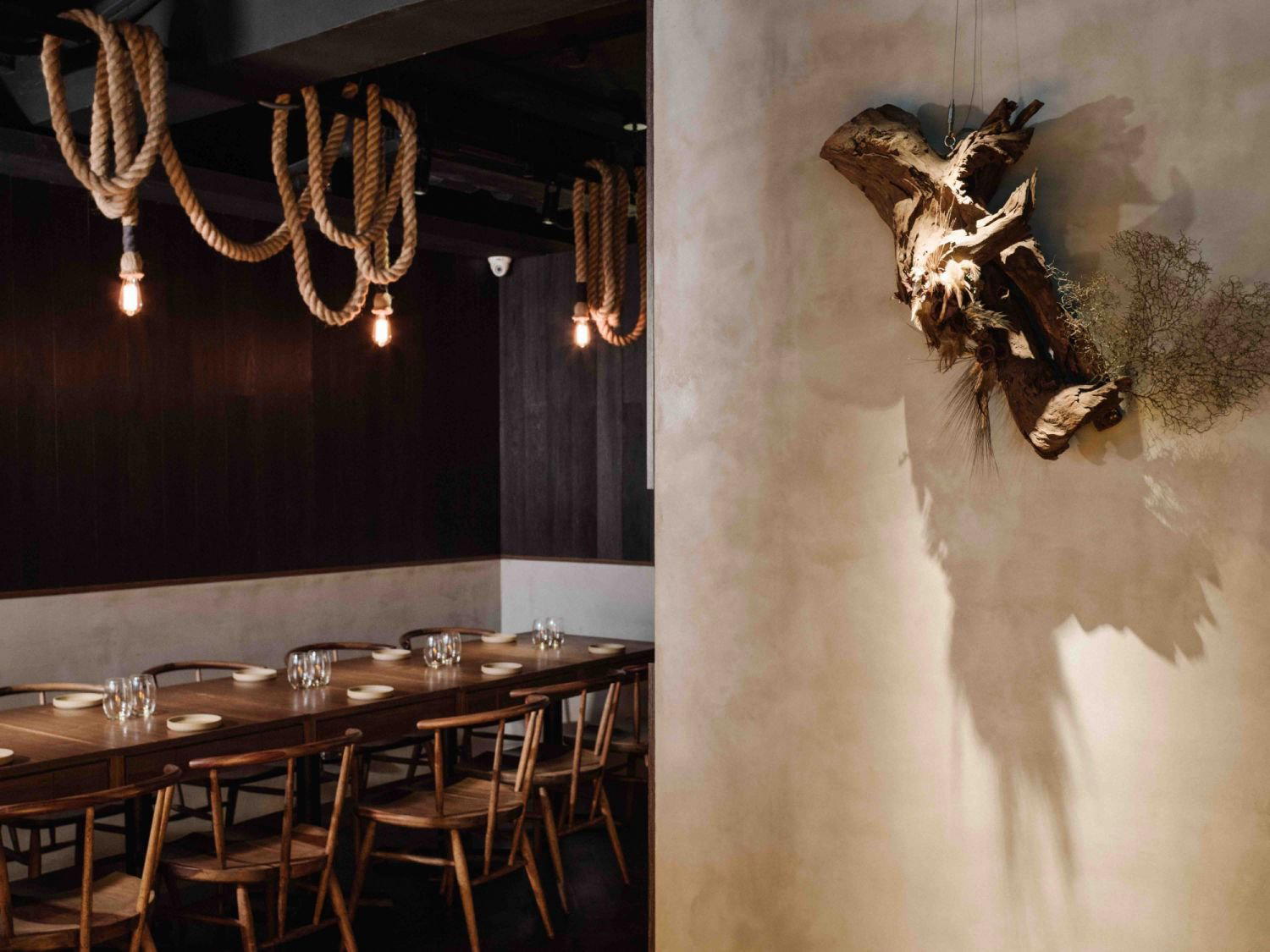
Restaurants in Wulai District
Browse all →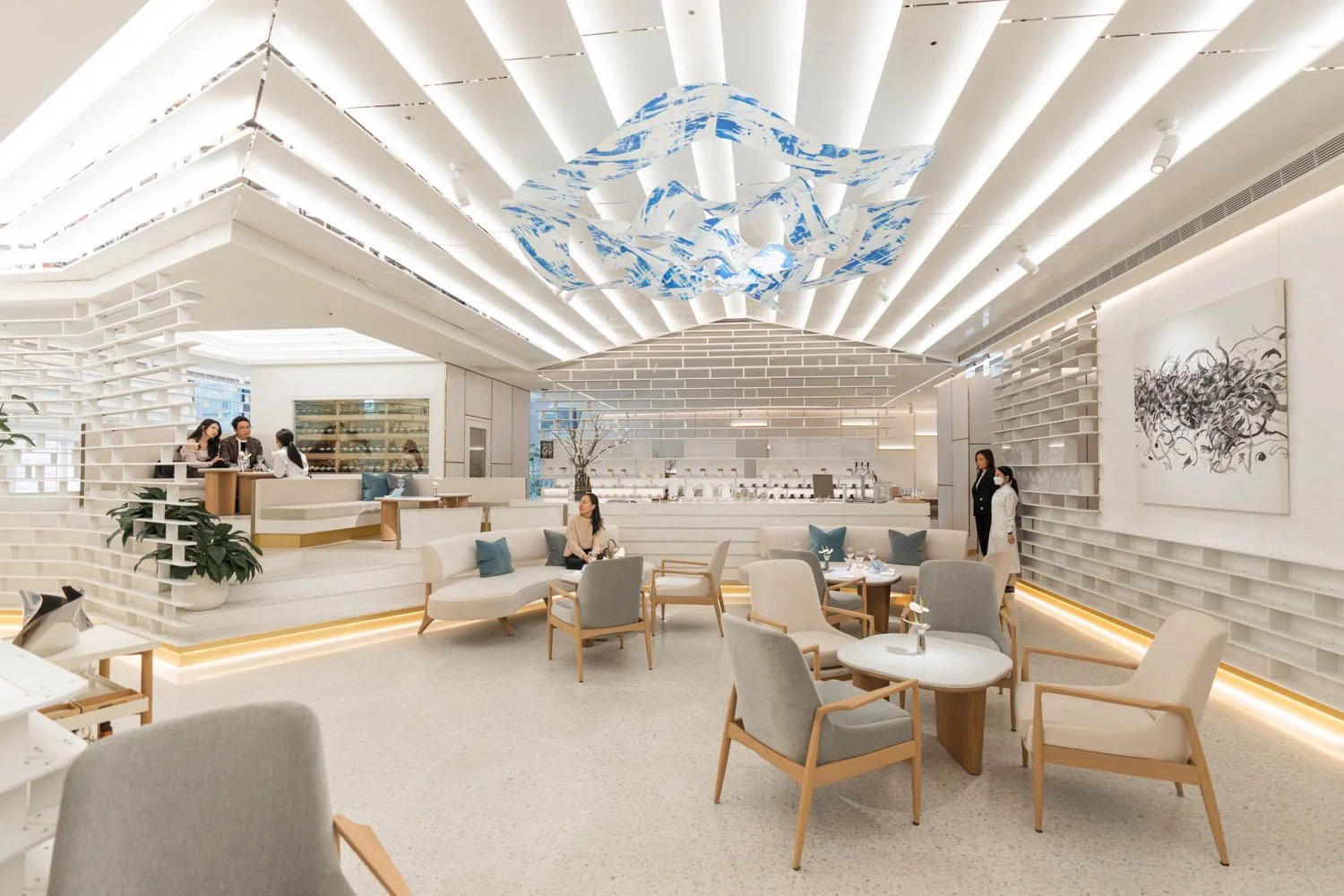
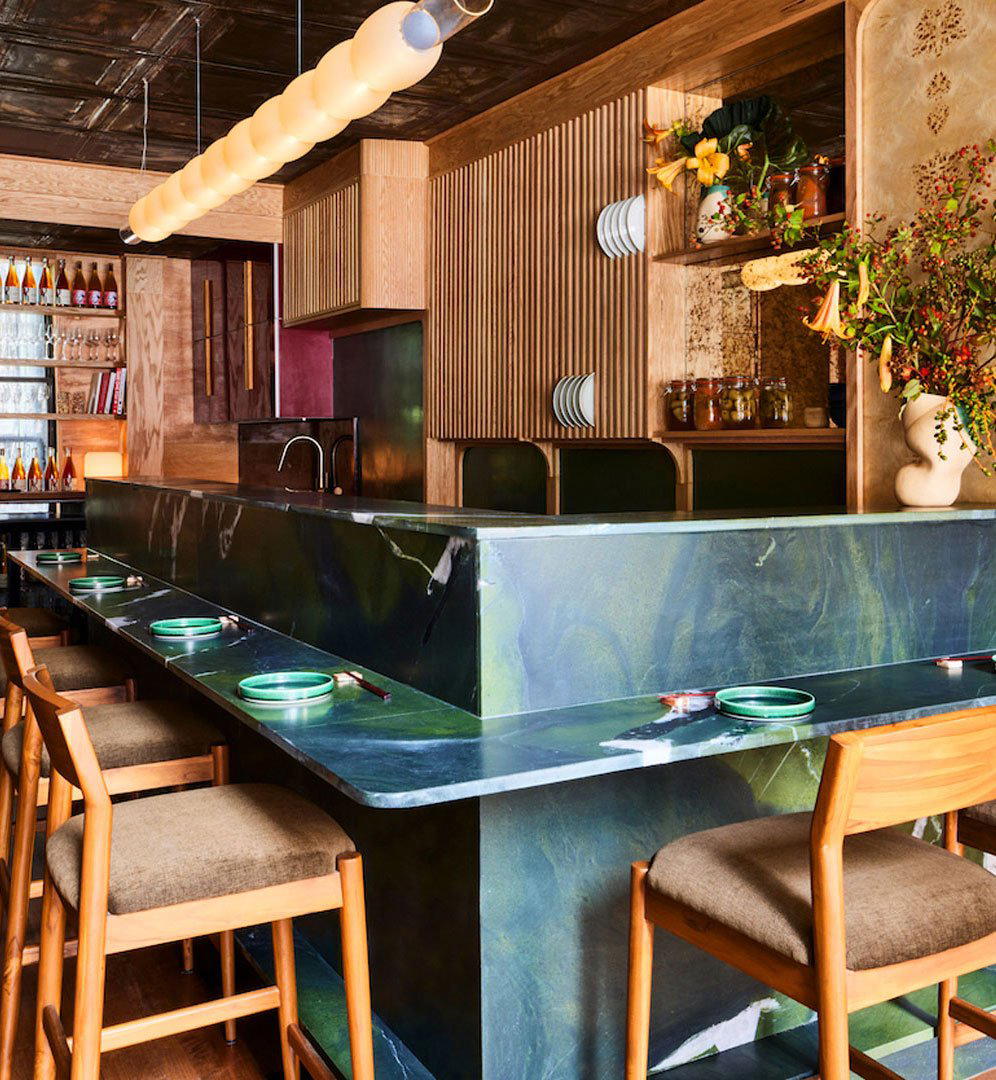
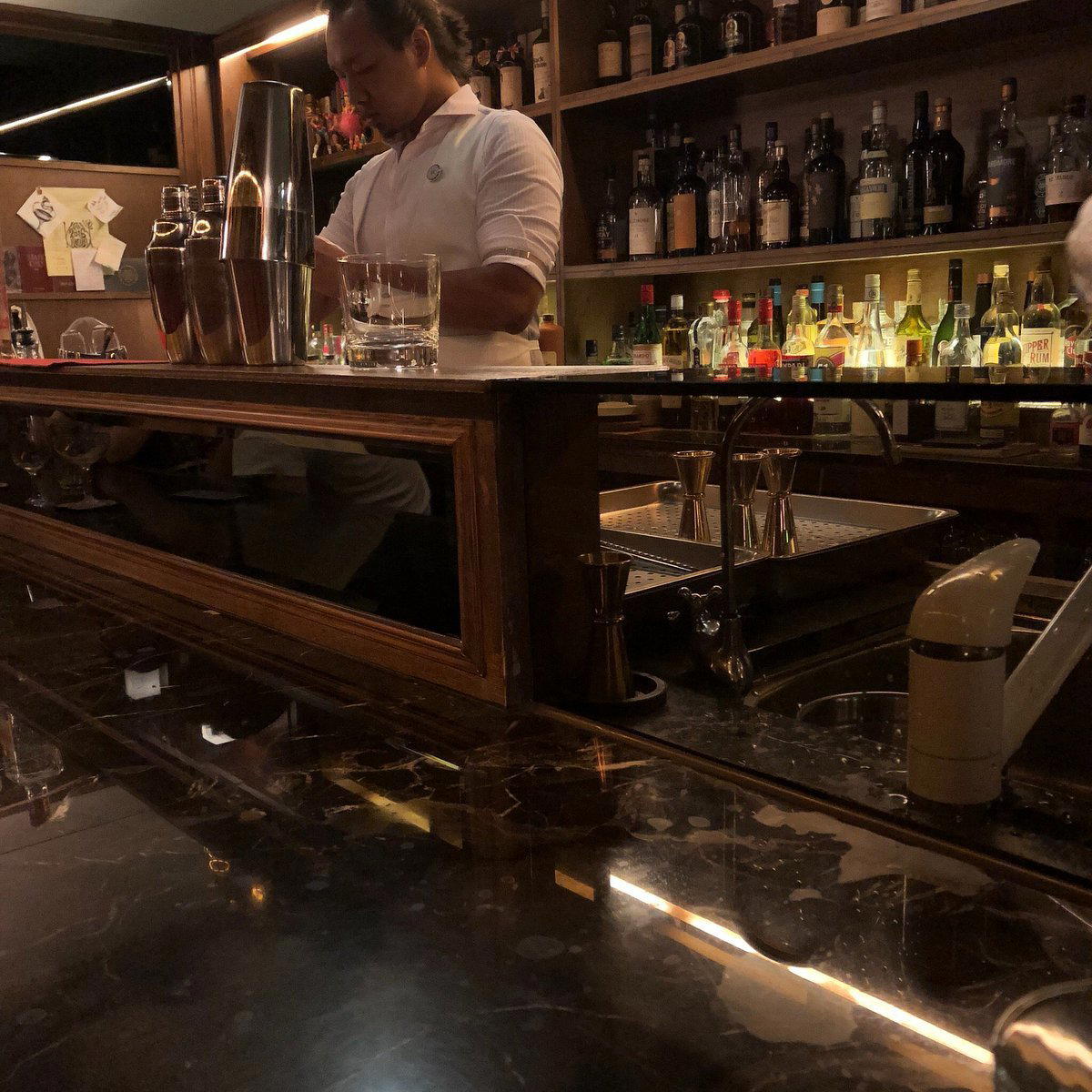
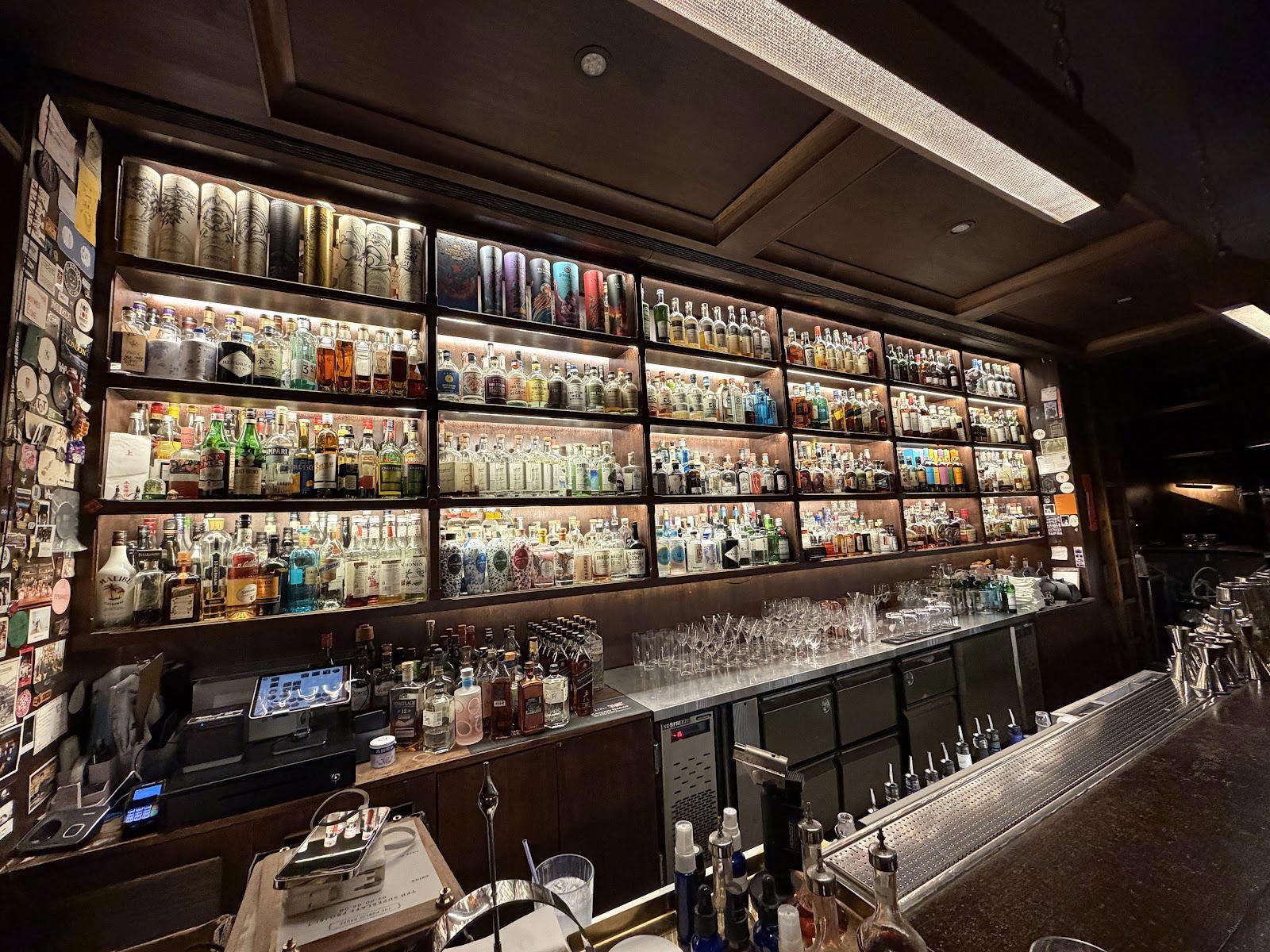
Bars in Wulai District
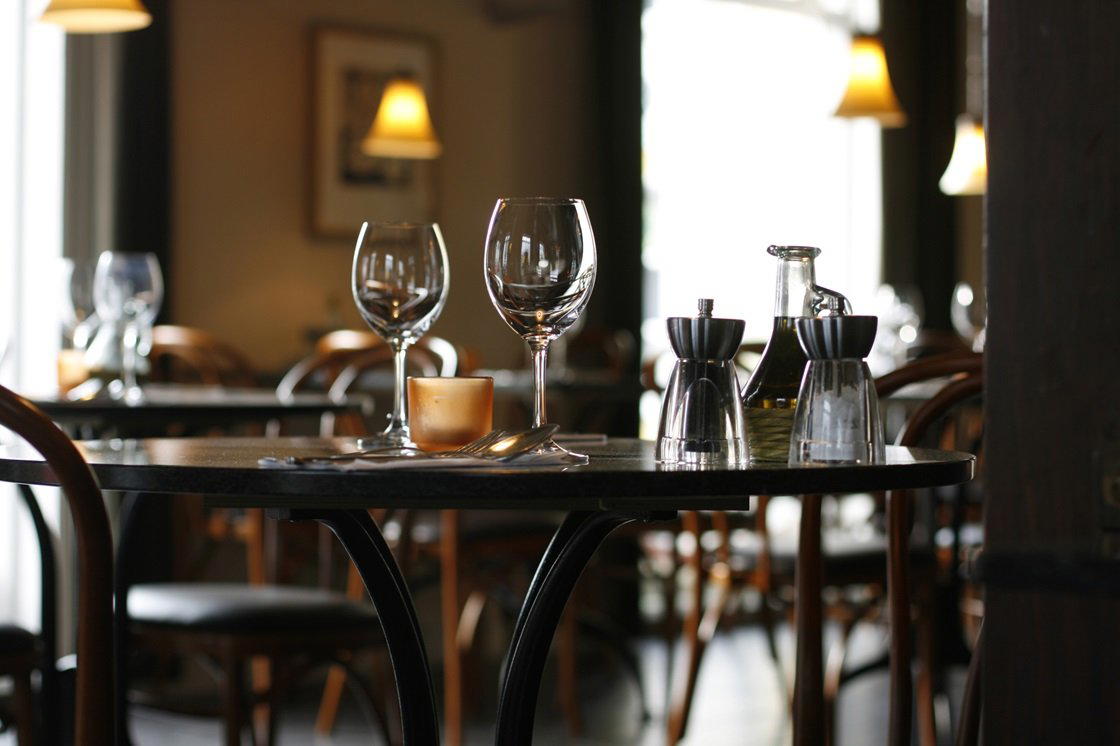
Browse all →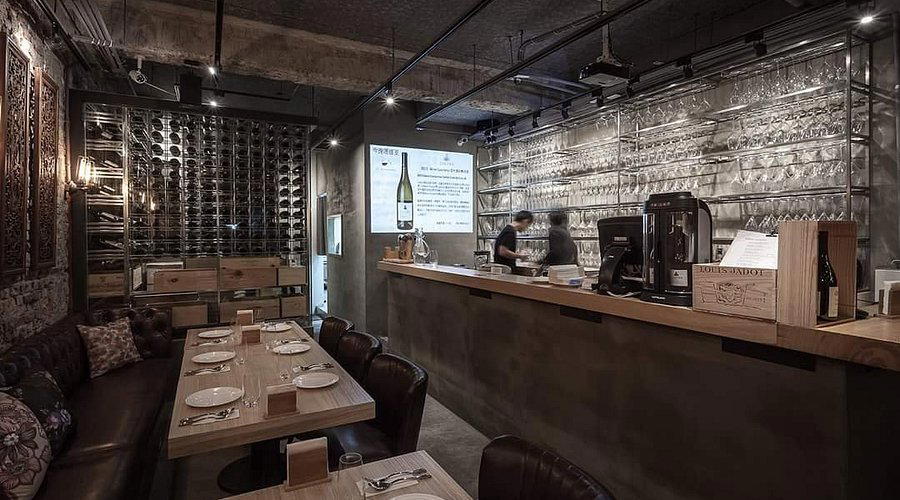
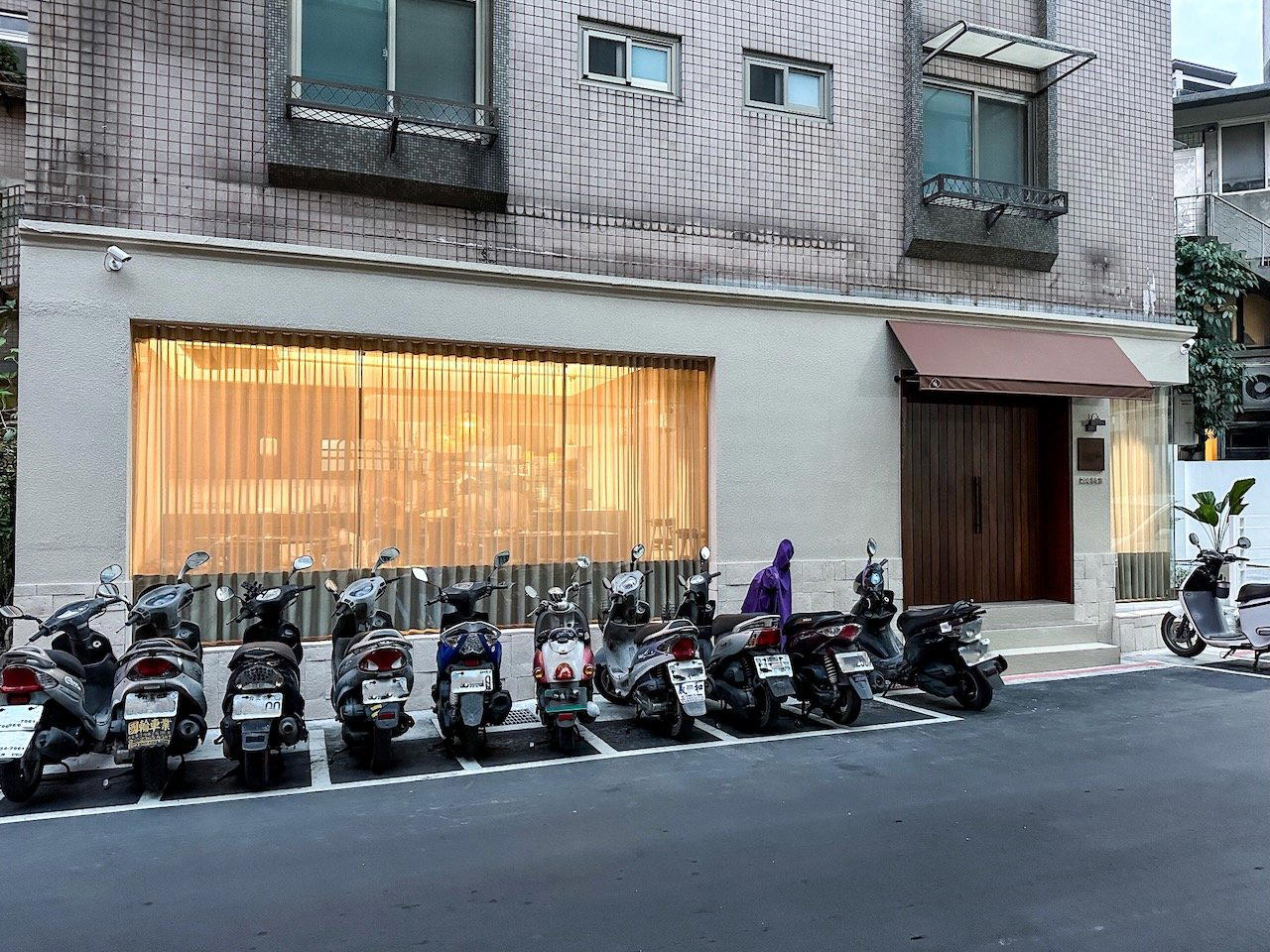
Hotels in Wulai District
Browse all →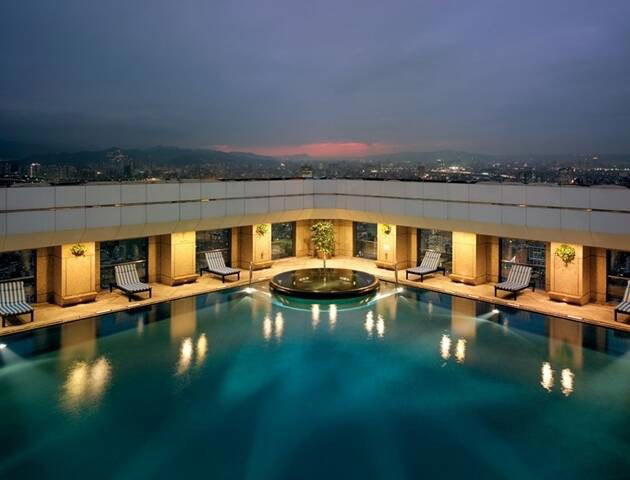
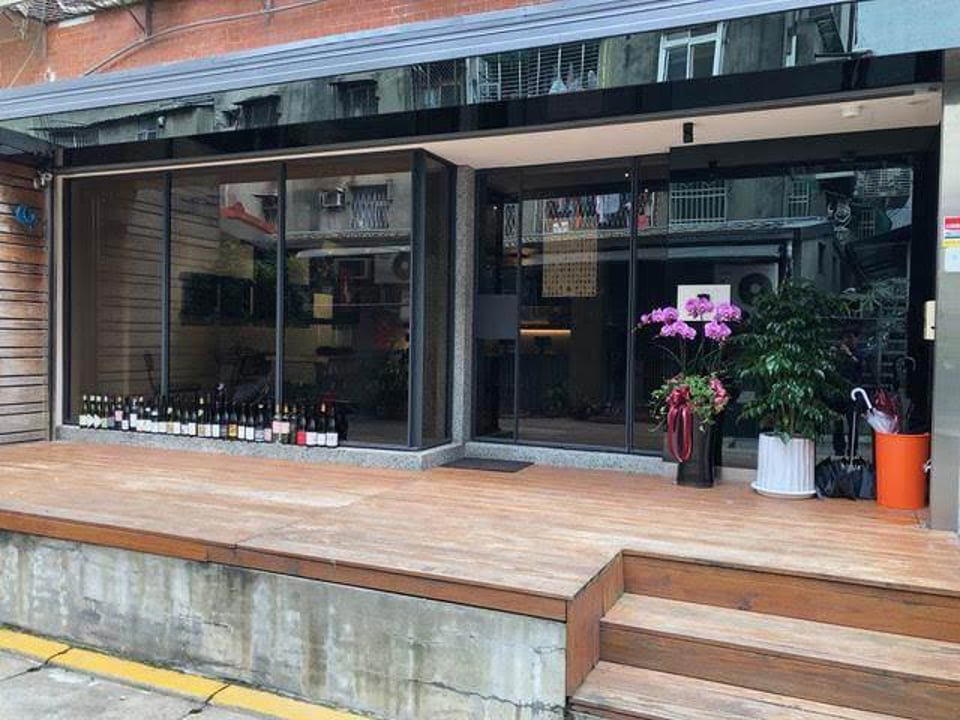
Wineries in Wulai District
Browse all →
At a Glance
- Quiet
- Scenic
- Elegant
- Sophisticated
- Classic
- Date Night
- Special Occasion
- Celebration
- Hotel Restaurant
- Waterfront
- Panoramic View
- Design Destination
- Mountain
- Waterfront
Tranquil, contemporary-classic, and nature-focused, with a quiet retreat atmosphere shaped by mountain forest, river views, warm tea service, and art-led life rituals.