BAK KUT PAN

A Xindian District fixture a short walk from the MRT, Bak Kut Pan focuses on a single dish done in two registers: the herb-forward braised broth that defines the Taiwanese approach to bak kut teh, and a drier claypot version where fall-off-the-bone pork is sautéed with aromatics. Cuts run from spareribs to trotter, with offal and tofu puffs available on the side.
Pearl is the En Primeur Club membership app — saves, bookings, and concierge access live there. Same editors, same standards.
- Address
- 22 Bao'an Street, Xindian District
- Phone
- +886 2 2918 9812
- Directions
- Get directions
 Saves & bookings on Pearl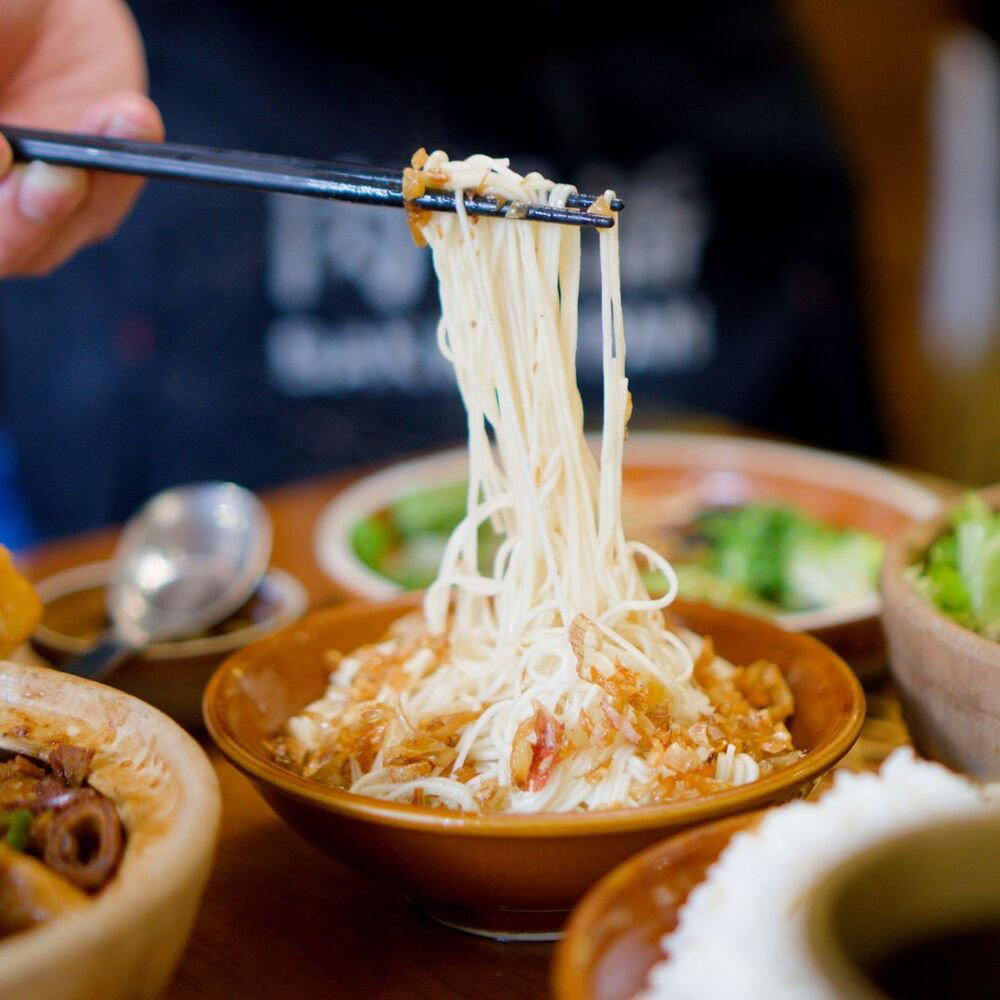
Xindian and the Logic of the Neighbourhood Bak Kut Teh Shop
Bak kut teh has always been district food. In the cities where it took root, including Klang, Johor Bahru, and later Taipei, the soup settled into the rhythms of working neighbourhoods: early openings, communal tables, orders taken by cut rather than by course. Xindian District, on the southern edge of New Taipei's MRT network, fits that template. The area runs on transit commuters and local regulars rather than tourist foot traffic, which shapes the kind of restaurant that survives here. Bak Kut Pan, on Bao'an Street in Xindian District, is a casual restaurant serving Traditional Taiwanese Bak Kut Teh at about US$8 per person.
The Two Versions and What They Tell You About Taiwan's Approach
Bak kut teh splits broadly into two regional styles across Southeast Asia. The Malaysian-Hokkien version leans on white pepper and pork bone broth, producing a pale, sharp soup. The Teochew version, which arrived in Taiwan alongside Hokkien cooking traditions, tends toward a darker, more herb-forward broth with Chinese medicinal ingredients taking the lead. Bak Kut Pan's broth sits in this second camp: the aroma is mellow and herbal rather than peppery, which is consistent with how the dish settled into Taiwanese interpretations.
The more interesting format, though, is the dry version. Claypot bak kut teh, where pork that has already been braised is then sautéed in the same vessel with aromatic herbs and seasoning, is a less common preparation in Taipei's dining scene. It concentrates flavour in a different direction, producing caramelised edges and a thicker, more intensely seasoned result than the soup-based original. That a neighbourhood shop in Xindian offers both versions rather than specialising in just the broth-forward format is a practical indication of range, and gives first-time visitors a reason to order across the menu rather than defaulting to one preparation.
Cuts, Add-ons, and How to Order
The menu here is structured around choice of cut, which is how bak kut teh ordering works at its most considered level. Spareribs, leg, and trotter each behave differently in the broth and in the claypot: spareribs are leaner and hold their shape longer; leg has more collagen and produces a richer mouthfeel; trotter is one gelatin-heavy option, falling apart in longer braises. Being able to specify the cut gives the meal a different quality of intentionality than simply ordering a fixed pot.
Add-ons extend the meal into territory that reflects how bak kut teh functions in its home context: not as a composed tasting dish but as a table-building exercise where tripe, intestines, tofu puffs, and mushrooms arrive alongside the pork to fill out a shared spread. The offal options in particular are worth noting for those eating with a group, as they shift the meal from a single protein focus toward something more representative of how the dish is eaten across Malaysia and Taiwan's old-school bak kut teh shops.
Getting There and Planning the Visit
Bak Kut Pan's address on Bao'an Street in Xindian District puts it in a part of New Taipei that sits at the end of the MRT Green Line. The proximity to the station makes it reachable from central Taipei without requiring a taxi or rideshare, which matters for a meal type that works well when it is uncomplicated to reach. Hours and booking details can be checked before visiting, particularly for group visits where the add-on ordering makes table size relevant. The format is consistent with the neighbourhood joints in its category: come for the soup, stay through the claypot, and treat it as a meal that requires time rather than efficiency.
Where Bak Kut Pan Sits in Taiwan's Broader Dining Picture
Taiwan's restaurant conversation at the higher end concentrates on a handful of decorated kitchens: JL Studio in Taichung, which brought Singaporean-Peranakan cooking into fine dining territory, and logy in Taipei, which operates at the precision end of contemporary Japanese-influenced tasting menus. Elsewhere, GEN in Kaohsiung, Zhu Xin Ju in Tainan, and Akame in Wutai Township each represent a different strand of regional Taiwanese cooking. The restaurant operates in a different register entirely: it belongs to the category of single-focus neighbourhood institutions that Taiwan's food culture sustains in large numbers and which the decorated tier depends on to define what everyday eating looks like. Internationally, parallels exist in the kind of purposeful, deeply regional cooking found at places like Emeril's in New Orleans, where a specific culinary tradition anchors the menu without apology, though the scale and price point differ sharply.
Within Xindian's immediate neighbourhood, other food-focused stops worth pairing into a visit include A Gan Yi Taro Balls, A-ba's Taro Ball, and Amajia, all of which reflect the district's preference for focused, single-specialty operations rather than broad menus. Those travelling further into New Taipei's more remote districts might also consider Volando Urai Spring Spa and Resort in Wulai District as a counterpoint: a different price tier and format, but similarly rooted in the logic of place.
A Lean Comparison
Comparable venues nearby, for context on price, style, and recognition.
| Venue | Cuisine | Price | Notes |
|---|---|---|---|
| BAK KUT PANThis venue — the venue you are viewing | Not listed | $ | Not listed |
| Shou Wu | Banqiao District, Hakka Cuisine | $$ | Not listed |
| Superman | Xindian District, Taiwanese Small Eats | $$ | Not listed |
| Chi Yuan | Not listed | $$ | Gongliao District, Taiwanese Farm-to-Table |
| Lai Kang Shan | Not listed | $ | Xindian District, Traditional Taiwanese Lamb Soup |
| Dark Palace Taiwanese Gourmet | Tamsui, Taiwanese Gourmet | $$ | Not listed |
Recognition history
Dated appearances from independent guides and award organizations, with the underlying list record or original source where available.
Michelin Plate
Michelin
Continue exploring
More in New Taipei
Restaurants in New Taipei
Browse all →
Bars in New Taipei
Browse all →
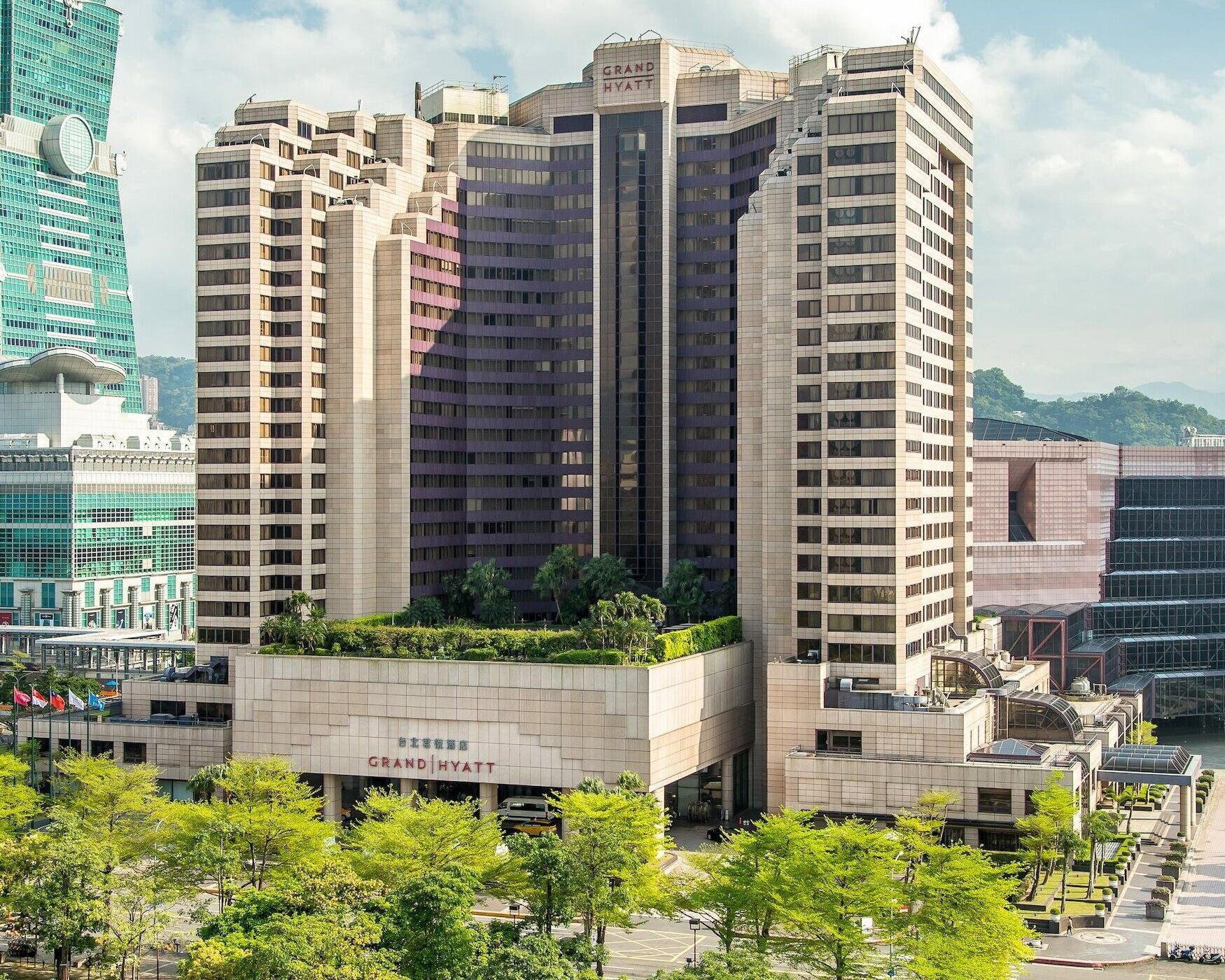
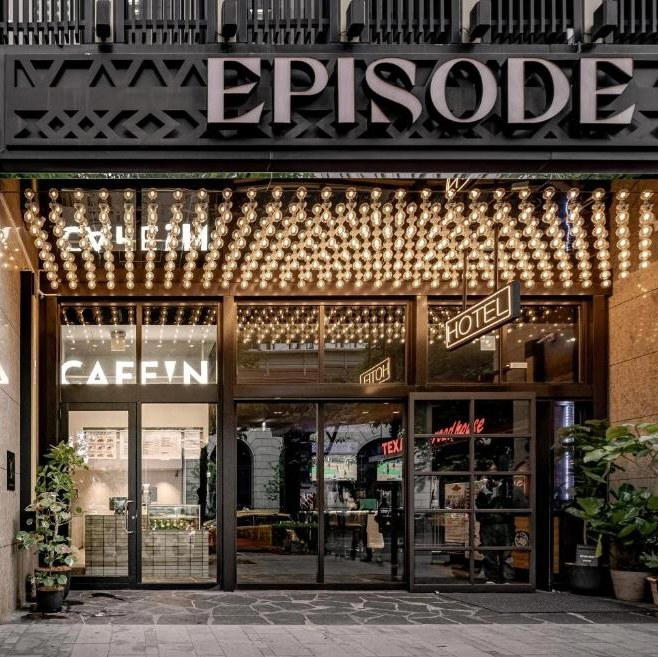
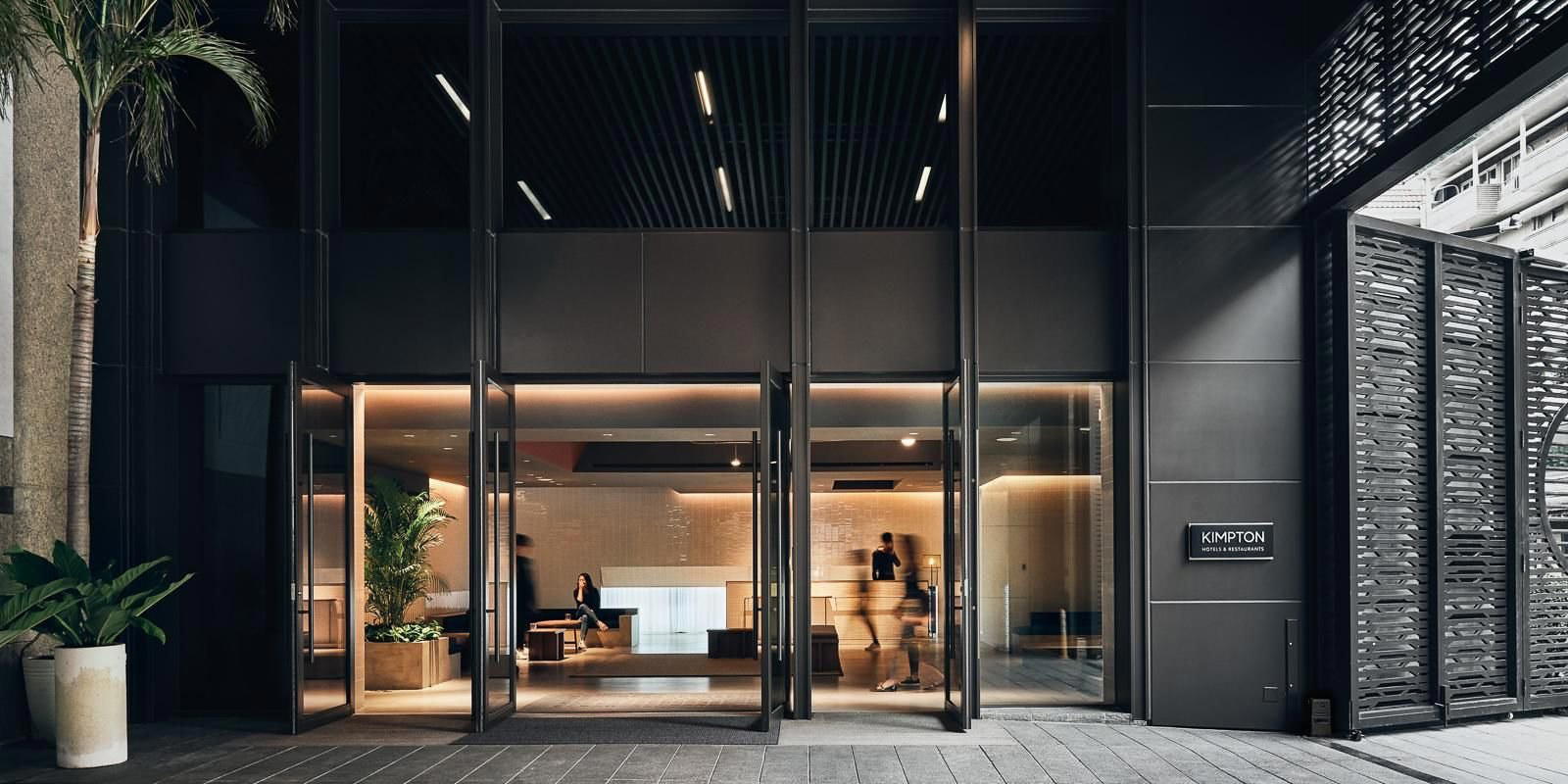
Hotels in New Taipei
Browse all →
Wineries in New Taipei
Browse all →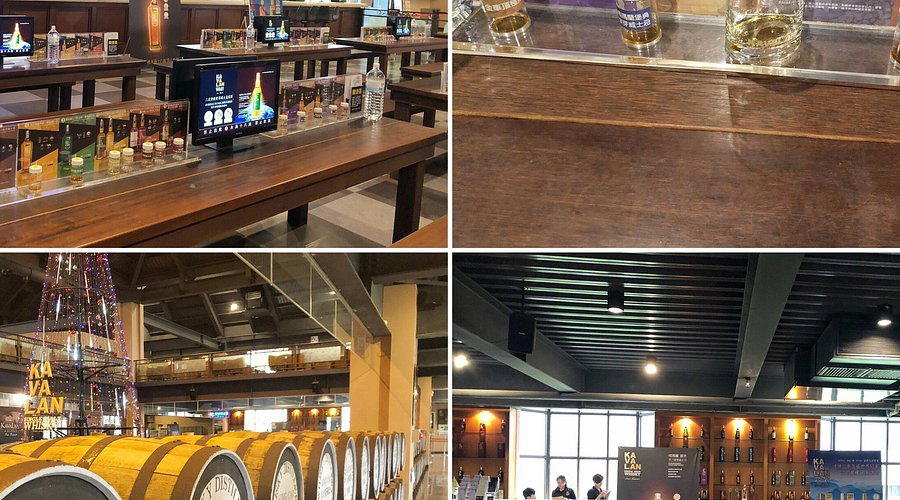
At a Glance
- Casual
- Rustic
- Well Known
- Casual Hangout
- Group Dining
- Family
- Standalone
Current opening hours
- Monday
- 11:30 AM–2 PM, 5–8:30 PM
- Tuesday
- 11:30 AM–2 PM, 5–8:30 PM
- Wednesday
- 11:30 AM–2 PM, 5–8:30 PM
- Thursday
- 11:30 AM–2 PM, 5–8:30 PM
- Friday
- 11:30 AM–2 PM, 5–8:30 PM
- Saturday
- 11 AM–8:30 PM
- Sunday
- 11 AM–8:30 PM
Hours can change for holidays and private events. Last verified .
Casual, authentic, and welcoming atmosphere with both indoor and outdoor seating options; described as a pleasant, unpretentious neighborhood spot.