

Michelin Selected · Preferred Hotels L.V.X. Collection
Palais de Chine occupies a significant position in Taipei's upper-tier hotel market, with 277 rooms in the Datong District placing it among the city's larger luxury properties. The hotel draws on the cultural weight of its name and location to position itself within a comparable set that includes both international chain flagships and independent luxury operators. Travellers comparing Taipei's premium accommodation options will find it a substantive reference point.

Pearl is the En Primeur Club membership app, where members save venues, book tables and use the concierge.
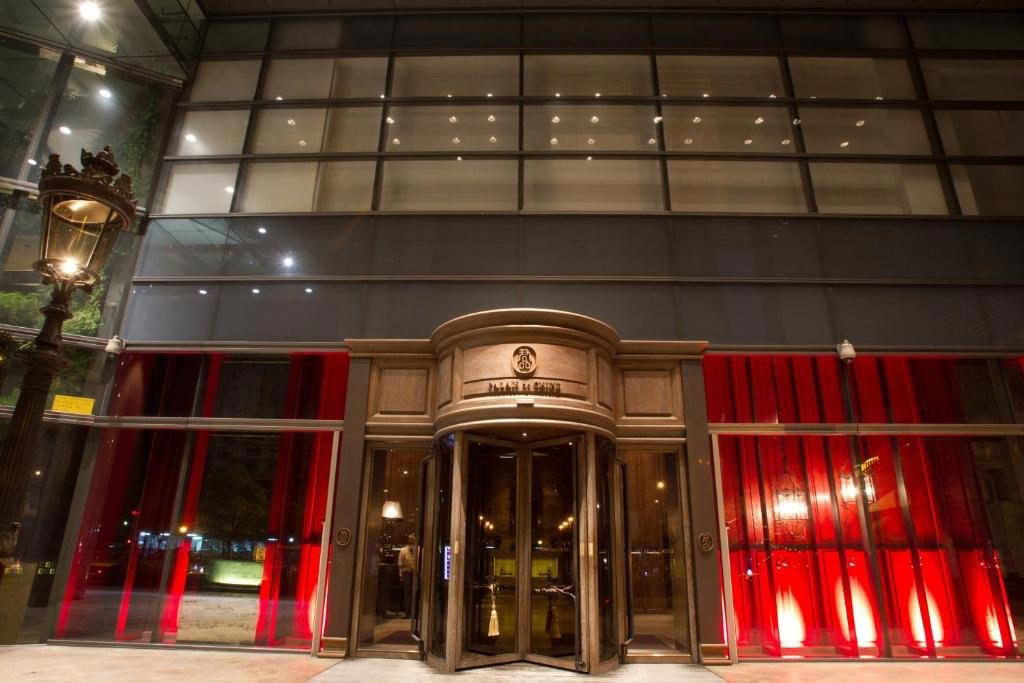
That positioning is a deliberate editorial choice by the property. A hotel of 277 rooms is a substantial inventory for any city's luxury tier, where the more design-led independents tend to cap at 80 to 150 keys and the international brands operate at scale. Palais de Chine occupies the middle ground: large enough to absorb conference and event business, but named and styled in a way that signals aspiration beyond the convention-market segment. For travellers comparing it against properties like Hoshinoya Guguan in Taichung operates within the Japanese-owned Hoshino Resorts framework, while Gloria Manor in Kenting National Park or Hotel Beore at Sun Moon Lake serve a leisure-destination segment entirely separate from Palais de Chine's urban-hotel brief.
Within the city itself, the competitive field includes Aman New York or The Fifth Avenue Hotel have set a high standard for what culturally specific, design-serious luxury looks like at scale. The hotel's 277-room inventory generally means availability is less constrained than at the smaller boutique properties in Zhongshan or Xinyi, though peak travel periods around Lunar New Year and major national holidays will tighten supply across the city.enprimeurclub. Its name stakes a claim to culturally specific luxury rather than the generic international chain model, placing it in a peer group defined more by ambition and positioning than by loyalty-programme affiliation. For travellers who measure a hotel partly by what its neighbourhood offers, that location is both its defining asset and its most honest editorial statement.
What is the signature room at Palais de Chine?
For current room availability and category details, booking directly through the hotel's official channels will give the most accurate picture. Travellers prioritising room-type specifics should compare notes with properties like
Cuisine and Recognition
Comparable venues nearby, for context on price, style, and recognition.
| Venue | Cuisine | Price | Awards | Notes |
|---|---|---|---|---|
| Palais de ChineThis venue (the venue you are viewing) | Classic luxury with French palace-inspired opulence and museum-like elegance. | $100–200 | Michelin Selected · Preferred Hotels L.V.X. Collection | Not listed |
| The Grand Hotel | Chinese palace-style landmark hotel with classical Chinese architecture and modern luxury amenities; designed to promote Chinese culture through extravagant design. | Not listed | Not listed | Mingsheng |
| Humble House Taipei | Contemporary urban gallery hotel blending Eastern tradition with Western modernity. | $200–300 | Michelin Selected | Xingya |
| 三二行館 Villa 32 | Private luxury retreat positioning itself as an exclusive members-only sanctuary rather than a traditional hotel, emphasizing bespoke service and curated experiences. | $500–750 | 1 Michelin Key · Relais Chateaux Award | Beitou |
| W Taipei | Bold urban luxury with artistic flair | $200–300 | Michelin Selected · Forbes 4-Star | Xingya |
| Hotel Metropolitan Premier Taipei | Contemporary urban luxury hotel renovated in 2021 | Not listed | Preferred Hotels Member | Fuhua |
Recognition history
Dated appearances from independent guides and award organizations, with the underlying list record or original source where available.
Michelin Selected
Michelin
Preferred Hotels L.V.X. Collection
Preferred Hotels
Continue exploring
More in Taipei
Hotels in Taipei
All hotels in Taipei →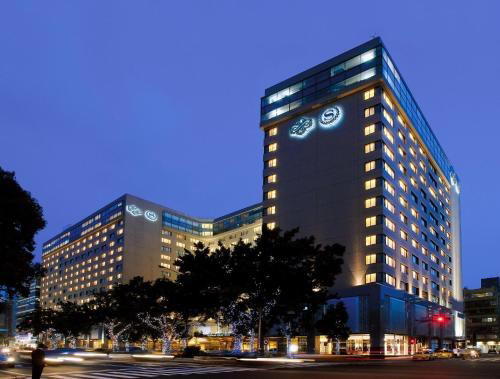
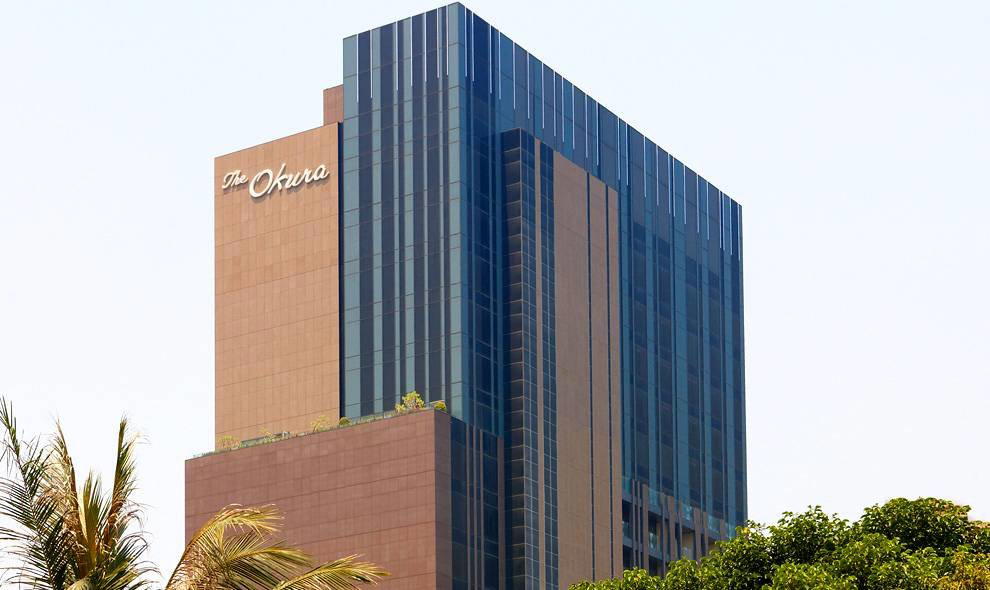
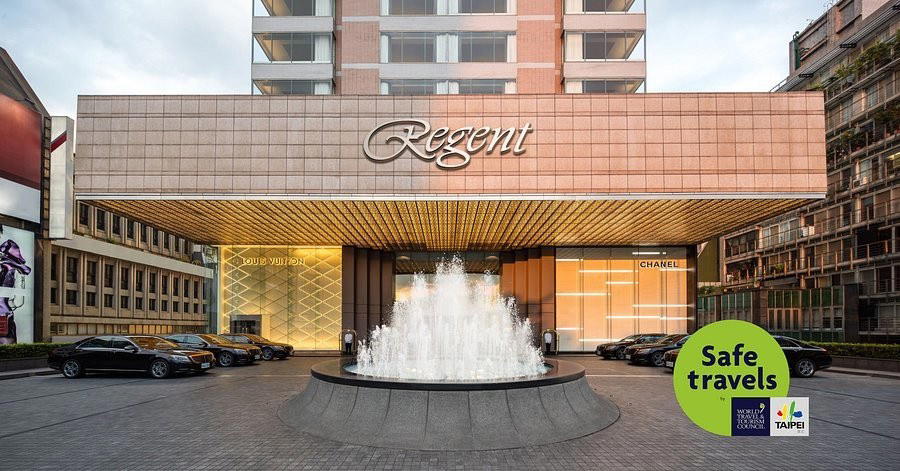
Bars in Taipei
All bars in Taipei →
Restaurants in Taipei
All restaurants in Taipei →
Wineries in Taipei
Browse all →
Details
- Elegant
- Sophisticated
- Ornate
- Classic
- Business Trip
- Romantic Getaway
- Weekend Escape
- Rooftop Pool
- Historic Building
- Panoramic View
- Wi Fi
- Pool
- Spa
- Fitness Center
- Room Service
- Concierge
- Business Center
- Street Scene
- Wheelchair Accessible
- Elevator
- Step Free Entrance
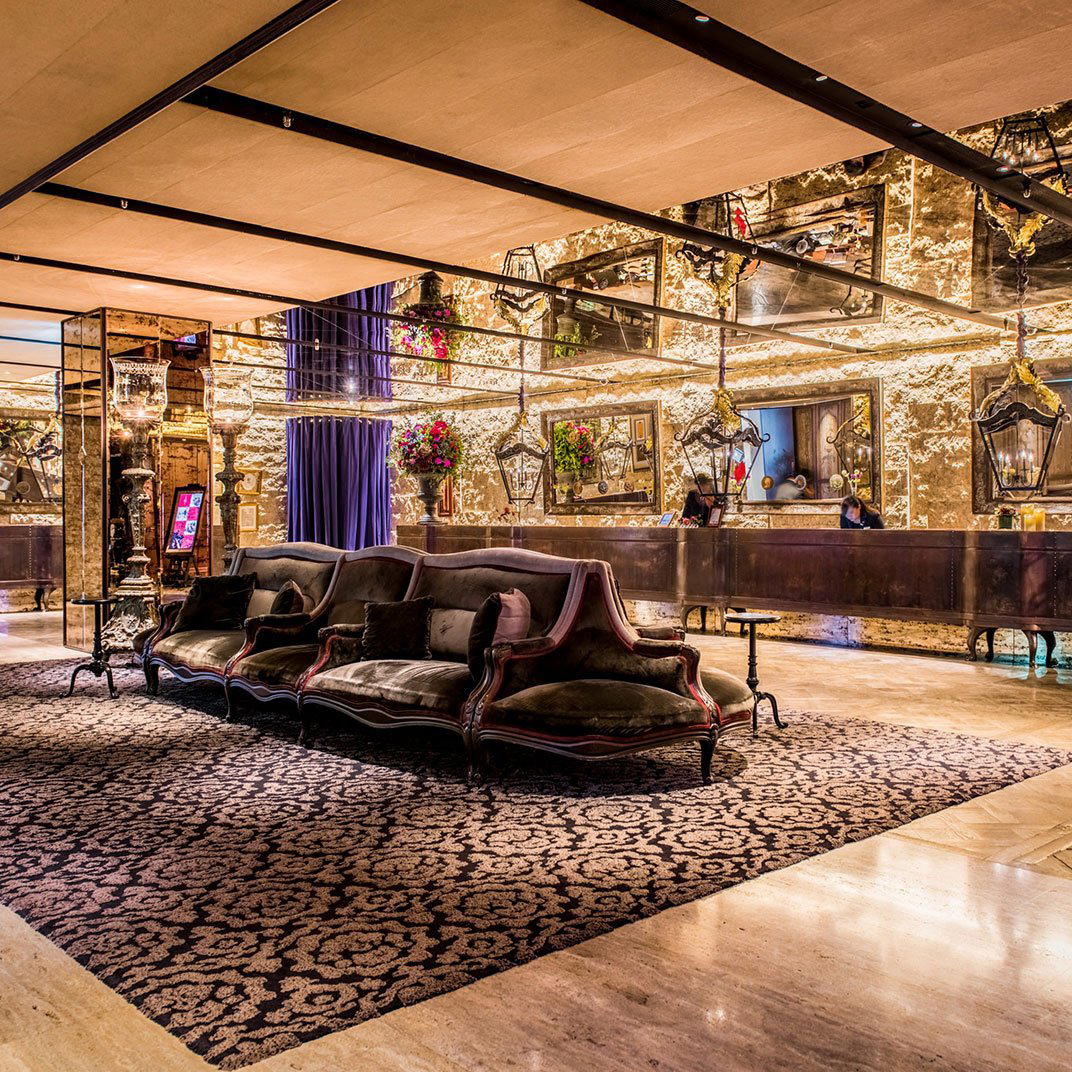
Ornate European palace theme with dim lighting, plush furniture, chandeliers, and a refined, luxurious atmosphere.