
A third-generation noodle stall turned permanent fixture on Guangfu Road in Guanxi Township, Ang Gu has been drawing diners to Hsinchu County for over six decades. The namesake ang gu noodles, thick oil noodles tossed in scallion oil with chives and bean sprouts, anchor a short menu built around pork bone broths and textural soups. This is the kind of counter where longevity is the credential.
Pearl is the En Primeur Club membership app — saves, bookings, and concierge access live there. Same editors, same standards.
- Address
- 35 Guangfu Road, Guanxi Township
- Phone
- +886 3 587 5541
- Website
- anggu.com.tw
- Directions
- Get directions
 Saves & bookings on Pearl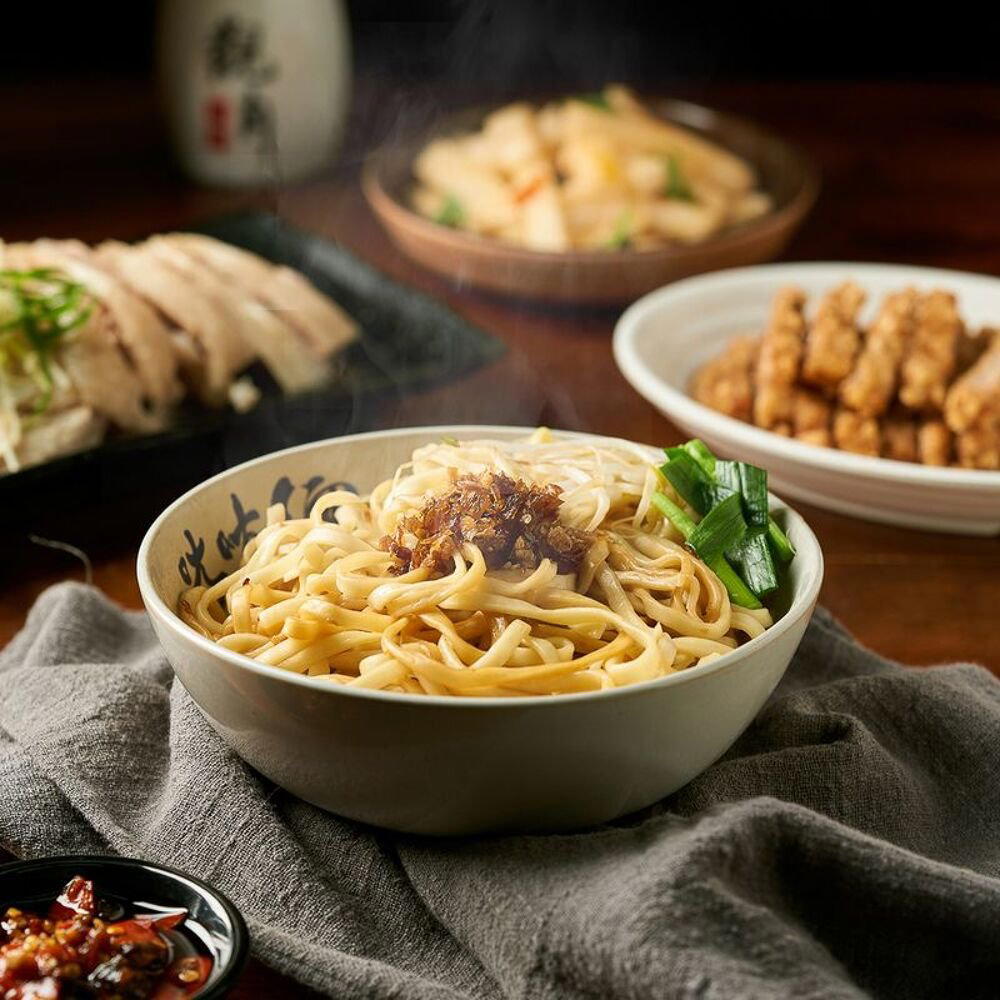
Where Guanxi Eats on a Weekday Afternoon
Guangfu Road in Guanxi Township moves at a pace that much of Taiwan's west coast has left behind. The storefronts here are functional, the signage faded in the right ways, and the queue outside Ang Gu is a reliable indicator of what the locals already know: a bowl here is worth the stop. What began as a street stall more than 60 years ago has graduated to a fixed address without losing the operating logic of its origins. The menu is short, the portions are honest, and the kitchen has no interest in reinvention for its own sake. That consistency is the point. For context on the wider dining options across the county, see our full Hsinchu County restaurants guide.
The Ingredients Behind the Bowl
Taiwanese noodle culture runs on a handful of foundational ingredients, and Ang Gu works within that tradition with apparent discipline. The ang gu noodles themselves are thick oil noodles, the kind that require specific milling and alkaline treatment to achieve the springy, slightly chewy texture that distinguishes them from the thinner mian xian or the flatter rice ribbon formats. Tossed in scallion oil with chives and bean sprouts, the dish depends on the quality of its fats and aromatics more than on any elaborate technique. Scallion oil, when made well, carries the flavour of slow-cooked allium without heaviness; when made carelessly, it turns the whole bowl greasy. At a counter that has been serving the same dish for three generations, the ratio is institutional knowledge at this point.
The ribbon rice noodle soup draws on a different register of the same pantry. Rice noodles of this width absorb broth differently from thinner vermicelli, and the cooking window is narrower. The pork bone broth that anchors both the rice noodle soup and the three-brother soup takes time in ways that cannot be shortcut: collagen extraction from pork bones requires sustained heat over several hours to produce the cloudy, unctuous base that defines this style. That broth is the ingredient that matters most, and its quality is the reliable marker that separates the counters worth seeking out from those coasting on nostalgia.
The three-brother soup adds taro, mushrooms, and squid ink pork balls to that pork bone base. Taro's role here is textural: it softens into the broth while holding enough structure to provide contrast against the pork balls. Dried or rehydrated shiitake mushrooms contribute glutamate depth, effectively amplifying the savoury quality of a broth that already has it. The squid ink pork balls are especially specific item on the menu, ink being a colourant and mild flavour modifier that gives the balls their dark appearance without dominating the overall taste. Across the three elements, the soup is about layered texture rather than a single dominant note.
Third Generation in a Short-Menu City
Taiwan's noodle stall tradition has a particular relationship with specialisation. The operators who have lasted across generations tend to own a small number of dishes with precision rather than expanding into broader menus that dilute focus. Ang Gu fits that pattern: the format has remained centred on a few core preparations even as the business moved from street cart to fixed premises. Three generations of operation, covering a period that spans Taiwan's postwar economic development, rapid urbanisation, and the arrival of international dining influences, represents a specific kind of continuity. It is not nostalgia in the abstract; it is the practical result of a formula that kept returning customers across different economic eras.
In Taiwan's current dining conversation, which skews heavily toward Taipei's tasting menu tier (venues like logy in Taipei and JL Studio in Taichung operate at the $$$$ bracket) and toward internationally recognised fine dining formats, the Guanxi noodle counter represents a counter-argument about where Taiwan's food identity actually lives. That argument is not new, but it becomes more pointed as the distance from Taipei increases. Further down the island, places like Zhu Xin Ju in Tainan and GEN in Kaohsiung operate within their own regional food traditions. Ang Gu's place is in that same regional logic: specific to Hsinchu County's northwest townships, not calibrated for the capital's dining circuit.
For travellers moving through western Taiwan between Taipei and Taichung, Guanxi sits off the main expressway corridor, which means Ang Gu is not a casual detour. You come deliberately. The address at 35 Guangfu Road places the shop in a township that draws visitors for its peanut candies and old streets as much as for its food, and a meal at Ang Gu pairs naturally with a walk through the historic centre. Accommodation options across the county are covered in our full Hsinchu County hotels guide, and for those extending the visit further, our full Hsinchu County experiences guide covers what else the area offers. Bars and wineries get their own treatment in our full Hsinchu County bars guide and our full Hsinchu County wineries guide.
The comparison set for Ang Gu is not the tasting-menu tier. The relevant peer group is Taiwan's other long-running specialist counters: operations like A Gan Yi Taro Balls in New Taipei, which similarly built a following around a single regional product over decades, or Akame in Wutai Township, which operates from a different tradition entirely but shares the principle of place-specific food that does not travel well conceptually. Ang Gu is not in conversation with Le Bernardin in New York City, Alinea in Chicago, or Alain Ducasse at Louis XV in Monte Carlo. It occupies a different register entirely, one where the measure of quality is return rate across generations rather than critical column inches. That is equally true of places like Emeril's in New Orleans or Lazy Bear in San Francisco, which also built durable identities through consistent delivery of a specific proposition. The format differs; the underlying discipline does not. And for those curious about how luxury resort dining intersects with regional tradition elsewhere in Taiwan, Volando Urai Spring Spa and Resort in Wulai District and 8½ Otto e Mezzo Bombana in Hong Kong represent the opposite pole of the regional Asia dining spectrum.
Planning the Visit
Ang Gu sits at 35 Guangfu Road in Guanxi Township, Hsinchu County. Phone and website information are not available in current records, so one reliable approach is to arrive directly, ideally outside peak lunch hours when queues at popular noodle counters in Taiwan's township markets tend to be longest. The menu centres on the ang gu noodles, ribbon rice noodle soup, and three-brother soup; given the kitchen's focus, ordering across those three preparations gives a complete read of what the counter does. Price and hours were not available at the time of publication; confirming current operation locally before making a special trip is advisable.
Side-by-Side Snapshot
Comparable venues nearby, for context on price, style, and recognition.
| Venue | Cuisine | Price | Awards | Notes |
|---|---|---|---|---|
| Ang GuThis venue — the venue you are viewing | Traditional Hakka Noodles | $ | Bib Gourmand | Not listed |
| Jhen Pin | Taiwanese Duck Small Eats | $ | Bib Gourmand | Xinzhuang District |
| Garden.V | Authentic Jiangzhe (Shanghai-style) Chinese | $$ | Bib Gourmand | East District |
| Jiu Tian Fu | Taiwanese Beef Noodle Soup | $ | Bib Gourmand | North District |
| Mai Mien Yen Tsai | Traditional Taiwanese Qiezai Noodles | $ | Bib Gourmand | Nanfang |
| Chung Chia Sheng Jian Bao | Shanghai-Style Sheng Jian Bao | $ | Bib Gourmand | Renyong |
Recognition history
Dated appearances from independent guides and award organizations, with the underlying list record or original source where available.
Michelin Bib Gourmand
Michelin

At a Glance
- Classic
- Cozy
- Casual Hangout
- Family
Current opening hours
- Monday
- 11 AM–6:30 PM
- Tuesday
- 11 AM–6:30 PM
- Wednesday
- 11 AM–6:30 PM
- Thursday
- 11 AM–6:30 PM
- Friday
- 11 AM–7 PM
- Saturday
- 11 AM–7 PM
- Sunday
- 11 AM–7 PM
Hours can change for holidays and private events. Last verified .
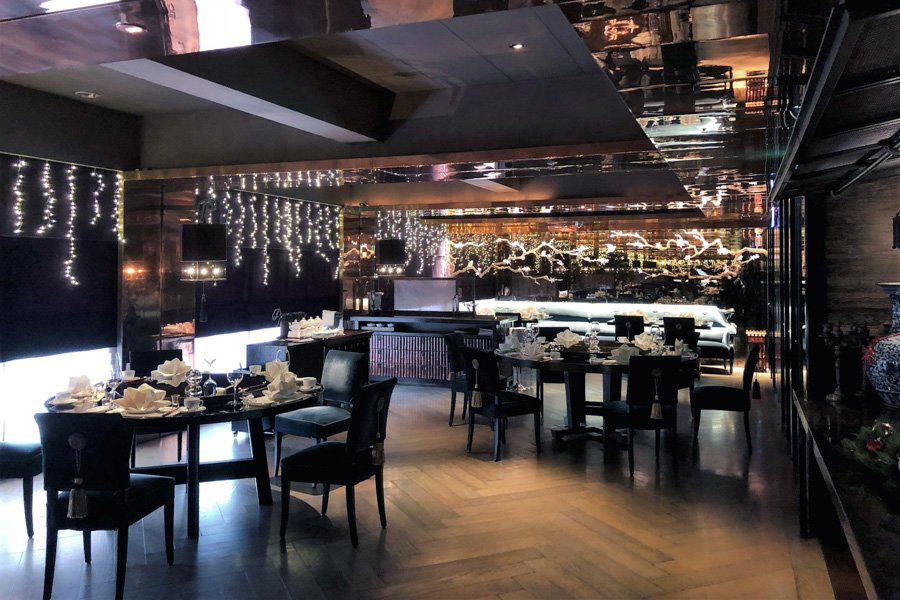
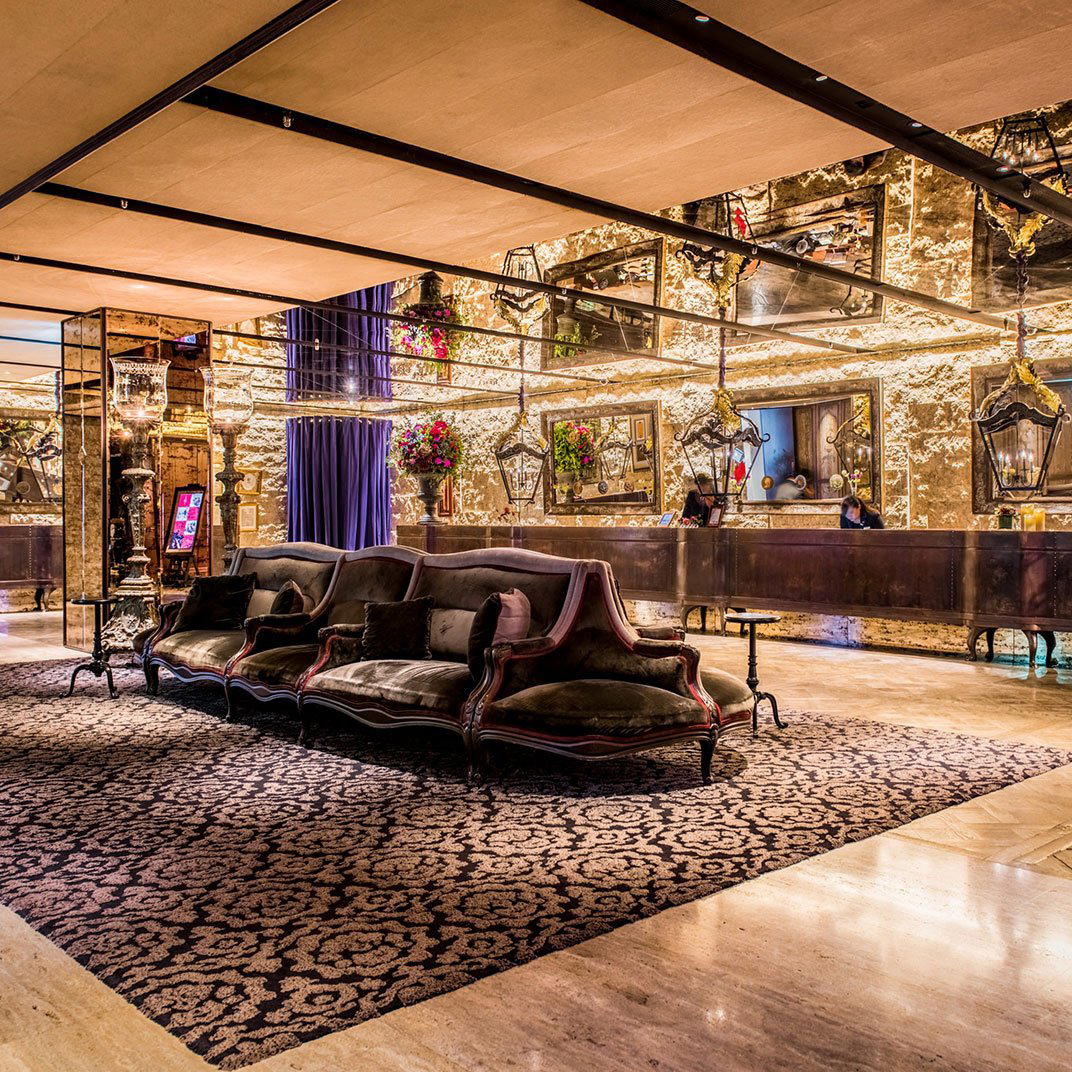
Clean, old-fashioned Taiwanese diner atmosphere with classic decor, ample seating on two floors, and a bustling, comfortable feel.