
In Higashinihonbashi, Yugetsu operates as a serious izakaya where the beverage programme anchors the experience as firmly as the food. Sake rotates by season, shochu arrives maewari-style, and the handwritten menu shifts with the kitchen's rhythm. Holding a Michelin Plate (2025), it sits in the quieter, more considered tier of Tokyo's izakaya scene.
Pearl is the En Primeur Club membership app — saves, bookings, and concierge access live there. Same editors, same standards.
- Address
- 3-chōme-6-3 Higashinihonbashi, Chuo City, Tokyo 103-0004, Japan
- Phone
- +81 90-1251-4165
- Website
- oryouri-eigetsu.com
- Directions
- Get directions
 Saves & bookings on Pearl
The Izakaya as a Beverage Argument
A handwritten menu is a commitment. At Yugetsu in Higashinihonbashi, each item is rendered in the chef's own flowing brushwork — a format that signals a kitchen moving at its own pace rather than one calibrated for volume. That detail matters because it frames everything else: the sake selection, the shochu service, the artisan vessels, and the coordination between the owner couple who run the floor. This is the kind of izakaya where the drinks are not an afterthought to food, but an equal argument.
Tokyo's izakaya tier runs wide. At one end sit the high-volume chains operating under bright lighting with laminated menus and draft beer on tap. At the other sits a smaller cohort of owner-operated rooms where the beverage programme is curated with as much attention as the food, and where the izakaya's traditional role as a place for convivial drinking is treated as a craft proposition. Yugetsu belongs to this second group, holding a Michelin Plate in 2025 — a signal that the kitchen clears a threshold of seriousness without entering the full tasting-menu tier of venues like RyuGin or high-end omakase counters priced at ¥¥¥¥.
Sake by Season, Shochu by Method
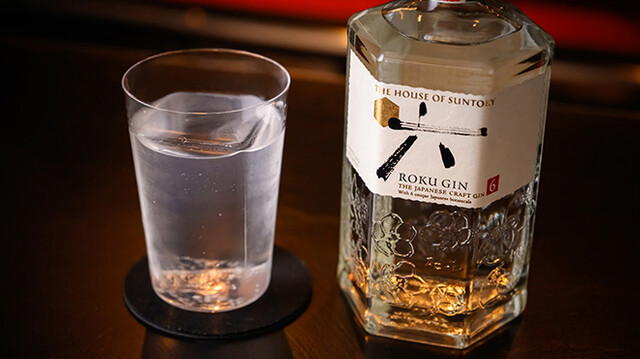
The beverage programme at Yugetsu is built around two structural decisions that distinguish it from most izakaya operating at this price point. The first is seasonal sake rotation. Sake selection changes according to the time of year, which means the list reflects the brewery calendar, junmai and nigori expressions in winter months, lighter, crisper namazake in spring and summer. For a drinker paying attention, that rotation creates a reason to return across seasons rather than treating the venue as a one-visit destination.
The second decision concerns shochu. Rather than serving it straight or on ice, Yugetsu offers shochu maewari-style: blended with water and then rested before service. Maewari preparation softens the spirit's alcohol edge and allows the grain or sweet potato base to integrate more fully over time. The result is a drink with more texture and less burn than a freshly mixed pour. It is a traditional method that requires advance preparation and signals a kitchen and floor team thinking about the drinking experience days before a guest arrives.
Together, these two approaches place the beverage programme in a more deliberate tier than what Tokyo's mid-range izakaya typically offer. Compare this with venues like Ginza Nominokoji Yamagishi or Ginza Shimada, where the drink list tends to support an elaborate food format rather than run alongside it as a co-equal structure.
Food That Keeps the Glass Moving
The menu's stated design principle is worth examining directly: each dish carries some touch of ingenuity, with flavours calibrated to keep sake flowing. This is not the same ambition as kaiseki, which sequences courses to tell a story of restraint and seasonality. Izakaya food at its most considered functions as a pairing engine, dishes with enough salt, fat, or brightness to complement fermented rice drinks without overwhelming the palate between pours.
The handwritten format means the menu shifts, and exact dishes are not fixed across visits. What does hold constant is the approach: seasonal ingredients, deliberate flavour construction, and presentation in vessels chosen by artisans rather than sourced from commercial restaurant supply. The ceramics at Yugetsu are part of the experience in the same way that the sake list is: they are objects with individual character, not interchangeable props.
This integration of craft objects into the dining experience connects Yugetsu to a broader Tokyo movement where owner-operated izakaya increasingly treat tableware as editorial. The same tendency appears at Daikanyama Issai Kassai and at izakaya operations in other Japanese cities, including Benikurage in Osaka and Berangkat in Kyoto, where the line between izakaya and omakase has quietly narrowed in recent years.
The Higashinihonbashi Address
Yugetsu sits at 3-chōme-6-3 Higashinihonbashi in Chuo City, a district that lacks the international recognition of Ginza or the after-work density of Shinjuku, but carries its own logic as an address for a serious owner-operated room. Higashinihonbashi is close enough to the old merchant districts of Nihonbashi to attract guests who understand the conventions of Japanese hospitality, without sitting inside the tourist circuit that generates volume-driven foot traffic. For a venue where closely coordinated service between an owner couple is part of the value proposition, a quieter address makes operational sense.
Chuo City's dining scene runs from lunch-focused ramen counters to some of Tokyo's more formally considered Japanese restaurants. For context on the broader range, see our full Tokyo restaurants guide, [Tokyo bars guide](), and Tokyo experiences guide. Visitors spending more time in the city may also find useful context in our [Tokyo hotels guide]().
Yugetsu in the Japanese Izakaya Tier
Placed against the wider Japan picture, Yugetsu operates in a category that has quietly gained recognition across multiple cities. The izakaya format in Japan has always carried more range than its international reputation suggests: a Michelin Plate at an izakaya in Tokyo is a different credential from the same award at a ramen counter or a kaiseki room, but it shares the same underlying message that the kitchen is technically sound and the experience is coherent. For comparison, Hakata Hotaru and Hakata Issou represent other end of the spectrum, ramen-focused venues in Tokyo where the Fukuoka influence shapes an entirely different drinking and eating rhythm.
Beyond Tokyo, the izakaya tradition reads differently again. Goh in Fukuoka and HAJIME in Osaka occupy entirely different format categories, but the broader question of how Japanese chefs build evening experiences around sake and seasonal produce connects across these cities. For travellers building a multi-city Japan itinerary, Yugetsu offers a useful calibration point: what a considered, owner-run izakaya can deliver at ¥¥¥ compared to the full ¥¥¥¥ tier of 1000 in Yokohama or the experimental register of akordu in Nara and 6 in Okinawa.
Planning a Visit
| Detail | Yugetsu | Comparable Tokyo Izakaya Tier |
|---|---|---|
| Price range | ¥¥¥ | ¥¥ to ¥¥¥¥ depending on format |
| Award status | Michelin Plate 2025 | Most owner-operated izakaya unrated |
| Beverage focus | Seasonal sake + maewari shochu | Standard list at most mid-range venues |
| Menu format | Handwritten, shifts with kitchen | Printed or fixed at most competitors |
| Service model | Owner couple, closely coordinated | Variable; often part-time staff |
| Address type | Higashinihonbashi, Chuo City | Shinjuku, Shibuya, Ginza more common |
Arriving without a booking at a venue of this type during evening hours in Tokyo carries real risk of being turned away. Contact directly or check current availability before visiting.
| Venue | Cuisine | Price | Awards |
|---|---|---|---|
| YugetsuThis venue — the venue you are viewing | Izakaya | ¥¥¥ | Not listed |
| Harutaka | Sushi | ¥¥¥¥ | Michelin 3 Star |
| RyuGin | Kaiseki, Japanese | ¥¥¥¥ | Michelin 3 Star |
| L'Effervescence | French | ¥¥¥¥ | Michelin 3 Star |
| HOMMAGE | Innovtive French, French | ¥¥¥¥ | Michelin 2 Star |
| MAZ | Innovative | ¥¥¥¥ | Michelin 2 Star |
Recognition history
Dated appearances from independent guides and award organizations, with the underlying list record or original source where available.
Michelin Plate
Michelin
Michelin Plate
Michelin






At a Glance
- Elegant
- Intimate
- Sophisticated
- Minimalist
- Date Night
- Business Dinner
- Special Occasion
- Sake Program
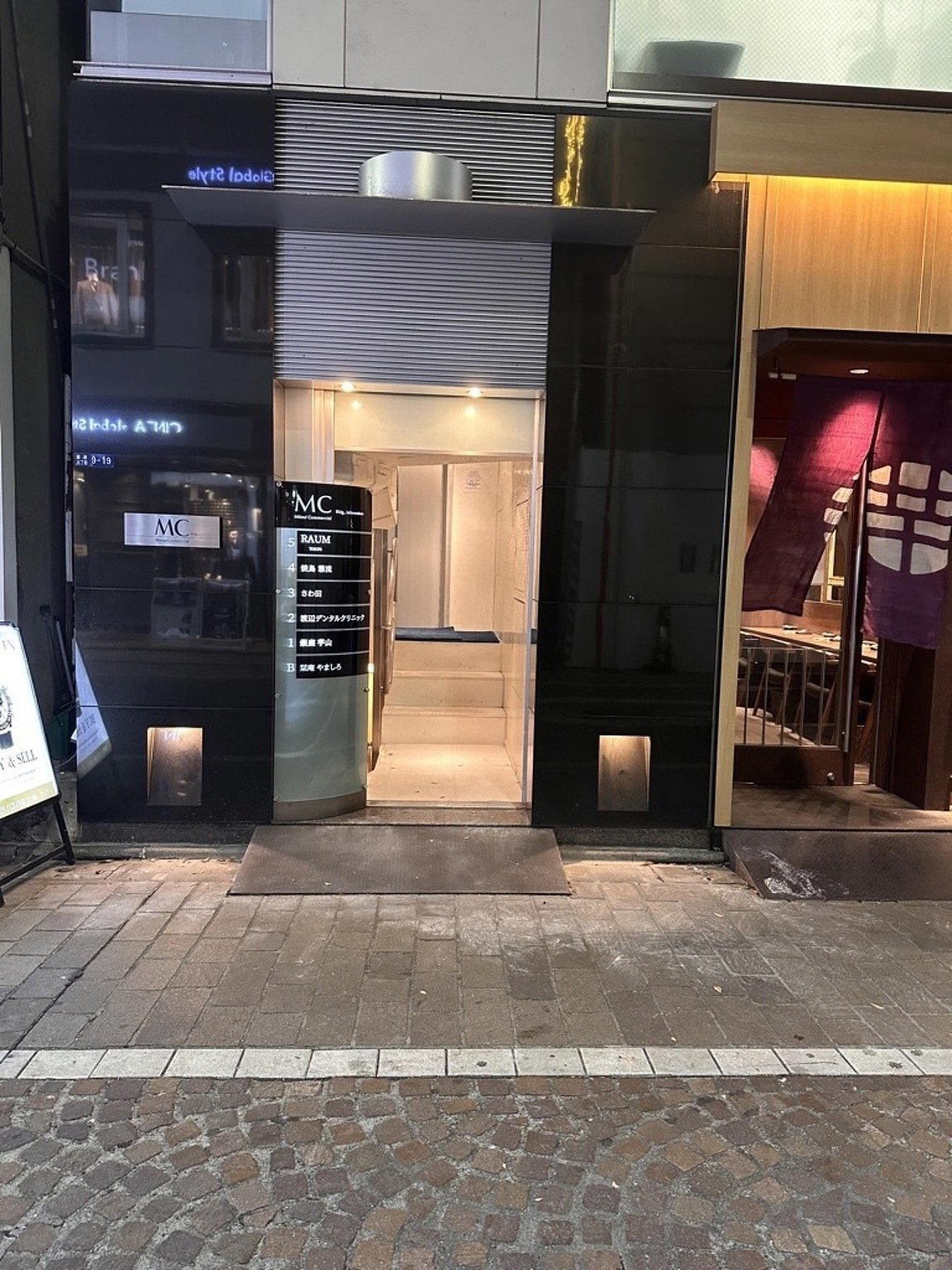
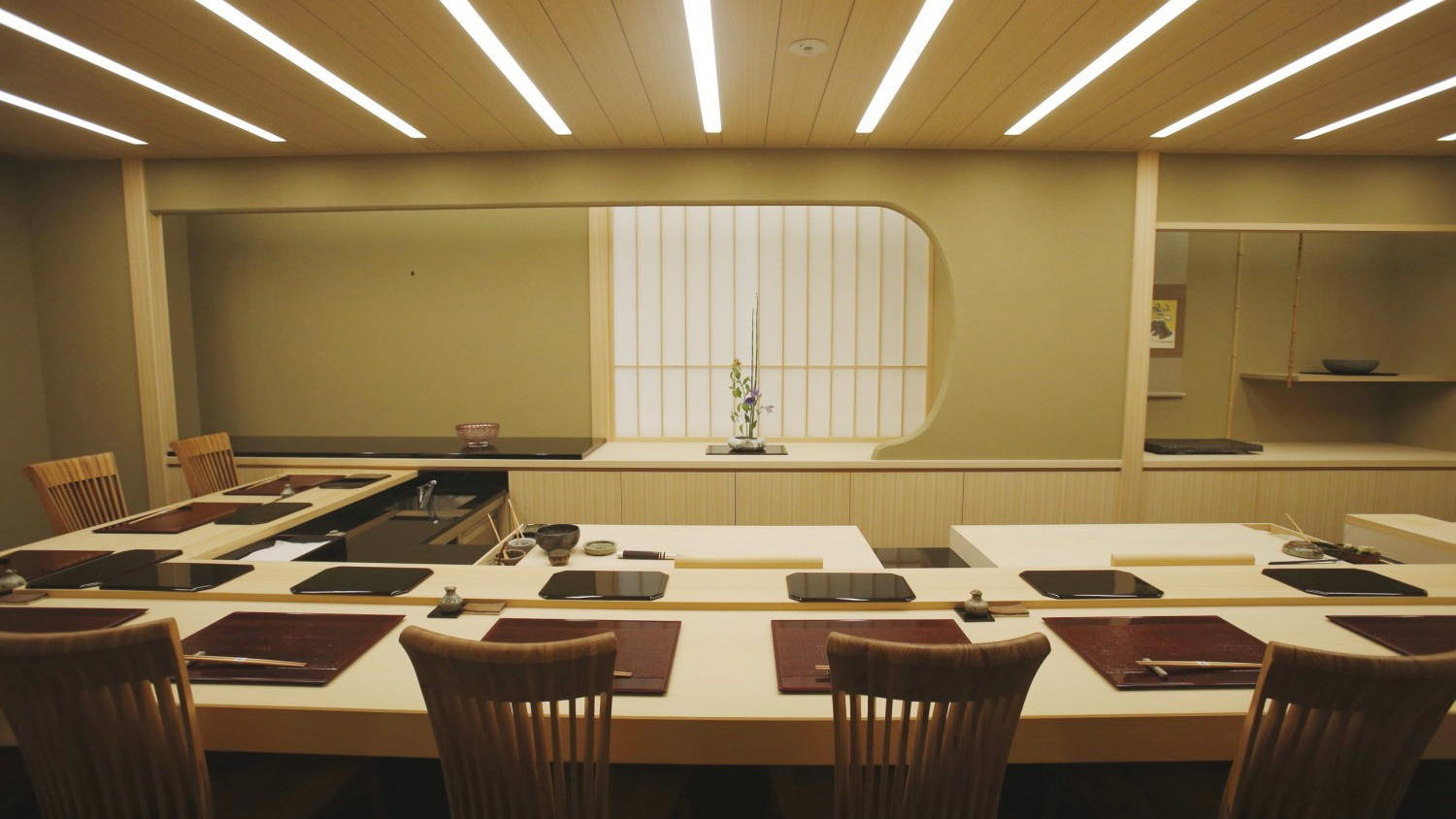
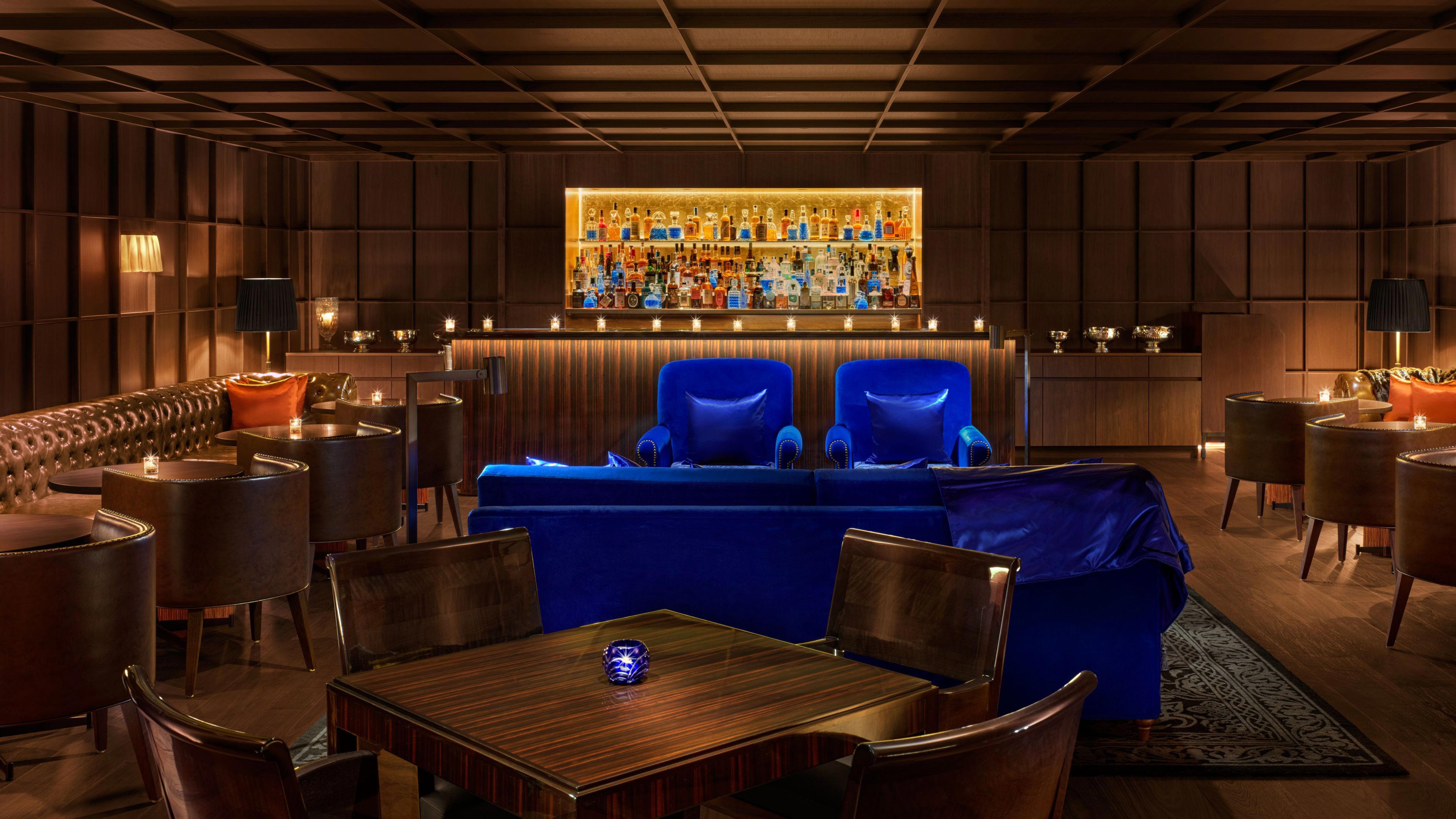
Refined restraint with intimate lighting, tactile artisan ceramics, and serene atmosphere fostering slow appreciative pauses.
Know Before You Go
- Getting there
- 3-chōme-6-3 Higashinihonbashi, Chuo City, Tokyo 103-0004, Japan