

A Michelin Plate-recognised yoshoku address in Osaka's Nishitenma district, Yoshoku Izumi brings Western-Japanese hybrid cooking, the kind refined over a century of cultural exchange, to an accessible price point rarely seen at this level of recognition.
Pearl is the En Primeur Club membership app — saves, bookings, and concierge access live there. Same editors, same standards.
- Address
- Japan, 〒530-0047 Osaka, Kita Ward, Nishitenma, 4 Chome−9−20 東興ビル 1F
- Phone
- +81 6-6362-5088
- Website
- y-izumi.com
- Directions
- Get directions
 Saves & bookings on Pearl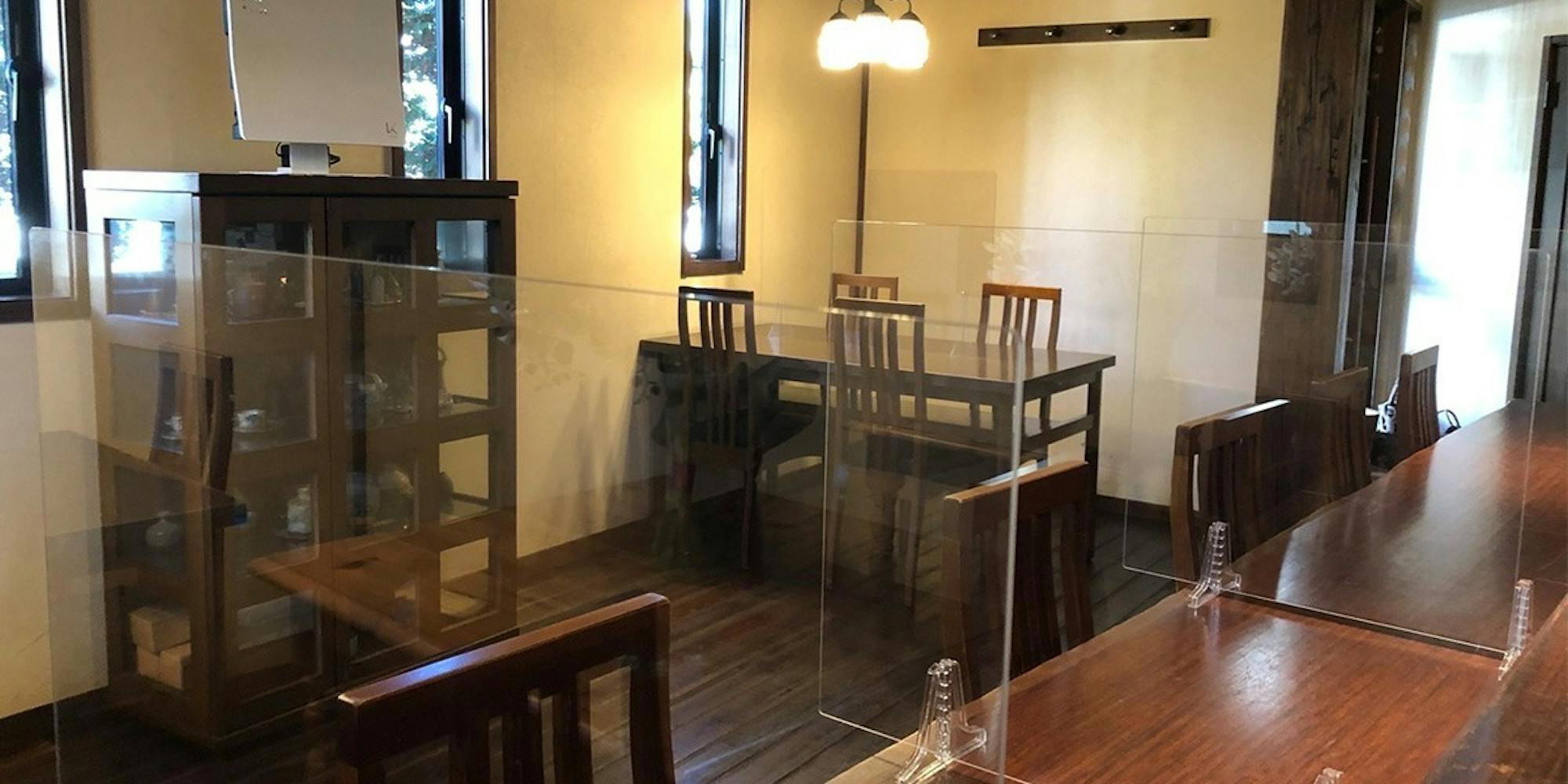
Yoshoku in Osaka: The Long History Behind the Hybrid Plate
Yoshoku, the genre of Japanese-adapted Western cooking that emerged in the Meiji era as Japan absorbed foreign culinary technique, has always been more culturally layered than its comfort-food reputation suggests. The category gave Japan omurice, hayashi rice, menchi katsu, and demi-glace-draped dishes that bear only passing resemblance to their European source material. By the time they reached Osaka, they had been filtered through decades of local palate, producing a cuisine that is neither nostalgic pastiche nor fusion novelty, but a distinct tradition with its own canon of dishes and its own rules of hospitality. Yoshoku Izumi, located on the ground floor of the Tokou Building in Nishitenma, Kita Ward, operates squarely within that tradition, and its 2024 Michelin Plate recognition positions it as a notable Osaka address in the category.
The Ritual of a Yoshoku Meal
The pacing of a yoshoku meal differs from kaiseki or omakase in one important structural way: the guest directs. There is no set progression imposed by the kitchen, no single counter narrative. You order from a menu of established forms, a rolled omelette holding rice and a sweetened tomato sauce, a breaded cutlet resting in brown demi-glace, a plate of white rice alongside braised meat, and the meal unfolds at your tempo. This self-directed structure is part of what makes the category feel approachable, but it also puts pressure on the kitchen to execute each dish with enough precision to reward careful attention. A demi-glace that has not been reduced properly, an omelette wrapped too loosely or cooked past its window, these details separate a working-class canteen from a Michelin-acknowledged table.
At the ¥¥ price tier, Yoshoku Izumi sits at a lower price point than Osaka's French houses. HAJIME and La Cime both operate at ¥¥¥¥, and even mid-tier kaiseki addresses like Kashiwaya Osaka Senriyama and Taian come in at ¥¥¥. For Michelin recognition at the ¥¥ tier in a specialist category, the value-to-recognition ratio is worth noting, this is the kind of table that Michelin inspectors historically identify as exemplifying what the Plate designation was designed for: restaurants that represent a quality kitchen regardless of format or price ceiling.
Nishitenma and the Logic of This Location
Nishitenma occupies a zone between the dense commercial energy of Umeda and the older merchant grid of Nakanoshima. It is primarily a district of working offices and local restaurants rather than tourist precincts, which shapes the kind of clientele a lunch-and-dinner address here typically draws. Regulars, office workers making deliberate lunch choices, and the kind of local diner who tracks quality by neighbourhood reputation rather than guidebook ranking: this is Yoshoku Izumi's natural constituency. The address at 4 Chome-9-20 Nishitenma puts it within Kita Ward, accessible from multiple subway lines that serve central Osaka.
For visitors building an Osaka itinerary around the city's full dining spectrum, Nishitenma is a less-covered neighbourhood than Shinsaibashi or Namba but one with genuine culinary credibility. Our full Osaka restaurants guide maps the category more completely, and for accommodation and evening options nearby, the Osaka hotels guide, bars guide, and experiences guide provide complementary coverage.
Yoshoku in a Wider Japanese Context
The genre occupies different registers across Japan's cities. In Tokyo, grill GRAND represents a more formal, long-established expression of the tradition. In Kyoto, KORISU applies the category's conventions through that city's particular sensibility around restraint and seasonal alignment. Osaka's version tends toward directness, portions with presence, sauces reduced to conviction, plating that serves the dish rather than a concept. Within that Osaka character, a Michelin Plate recognition functions as an external signal that the kitchen's technique is meeting a standard the guide's inspectors consider noteworthy, independent of the category's everyday-food associations.
Yoshoku also sits in an interesting competitive position relative to Osaka's broader dining identity. The city's global reputation is built largely on its izakaya culture, its street food density in Dotonbori, and its kaiseki heritage, but the western-adapted hybrid tradition has as much local claim on Osakan identity as any of those. Yoshokuya Fujiya represents another address in this tradition worth considering for anyone mapping the category across the city.
Practical Planning
The restaurant carries, a figure that indicates sustained, repeatable execution rather than a single-visit spike. At the ¥¥ price range, a meal here is accessible without advance financial planning, though the Michelin Plate recognition means it draws a more purposeful crowd than its price tier alone might suggest. The address, 1F, Tokou Building, 4 Chome-9-20 Nishitenma, Kita Ward, Osaka 530-0047, is consistent across mapping services, and the Nishitenma area is well-served by central Osaka transit.
For those building a broader itinerary across the Kansai region, comparable precision-focused addresses appear at different price points in neighbouring cities: Gion Sasaki in Kyoto and akordu in Nara occupy different categories but share the same underlying logic of serious kitchens operating outside the leading Michelin star tier. Further afield, Harutaka in Tokyo, Goh in Fukuoka, 1000 in Yokohama, and 6 in Okinawa round out the kind of Japan-wide dining picture that rewards planning. Our Osaka wineries guide covers the city's wine and sake scene for those extending the evening.
Price and Positioning
Comparable venues nearby, for context on price, style, and recognition.
| Venue | Cuisine | Price | Awards | Notes |
|---|---|---|---|---|
| Yoshoku IzumiThis venue — the venue you are viewing | Kita, Yoshoku | $$ | Michelin Plate | Not listed |
| Kadoya Shokudo | Minato, Classic Japanese Tsukemen Ramen | $$ | Not listed | Not listed |
| Shuko Osaka Manpukudou | Not listed | $$$ | Michelin Plate | Higashinari, Traditional Japanese Shuko Omakase |
| Sushi Marumine | Kita, Edomae Sushi | $$ | Michelin Plate | Not listed |
| Stand Tiger Lily | Kita, Standing Teppan Izakaya & Bar | $$ | Not listed | Not listed |
| Kitahama Retro | Chūō, British-style tearoom & cafe | $$ | Not listed | Not listed |
Recognition history
Dated appearances from independent guides and award organizations, with the underlying list record or original source where available.
Tabelog 100 #68 · No. 68
Tabelog · Tabelog 100 - Yoshoku - WEST - 2025
Michelin Plate
Michelin
Continue exploring
More in Osaka
Restaurants in Osaka
Browse all →




Bars in Osaka
Browse all →




Hotels in Osaka
Browse all →




Wineries in Osaka
Browse all →
At a Glance
- Intimate
- Classic
- Cozy
- Date Night
- Special Occasion
- Solo
- Chefs Counter
- Open Kitchen
- Standalone
Current opening hours
- Monday
- Closed
- Tuesday
- 5–10 PM
- Wednesday
- 5–10 PM
- Thursday
- 5–10 PM
- Friday
- 5–10 PM
- Saturday
- 5–10 PM
- Sunday
- 5–10 PM
Hours can change for holidays and private events. Last verified .
Intimate and cozy with an unmarked, hidden-door feel and a small open-kitchen counter.