
Michelin Plate
Our verdict
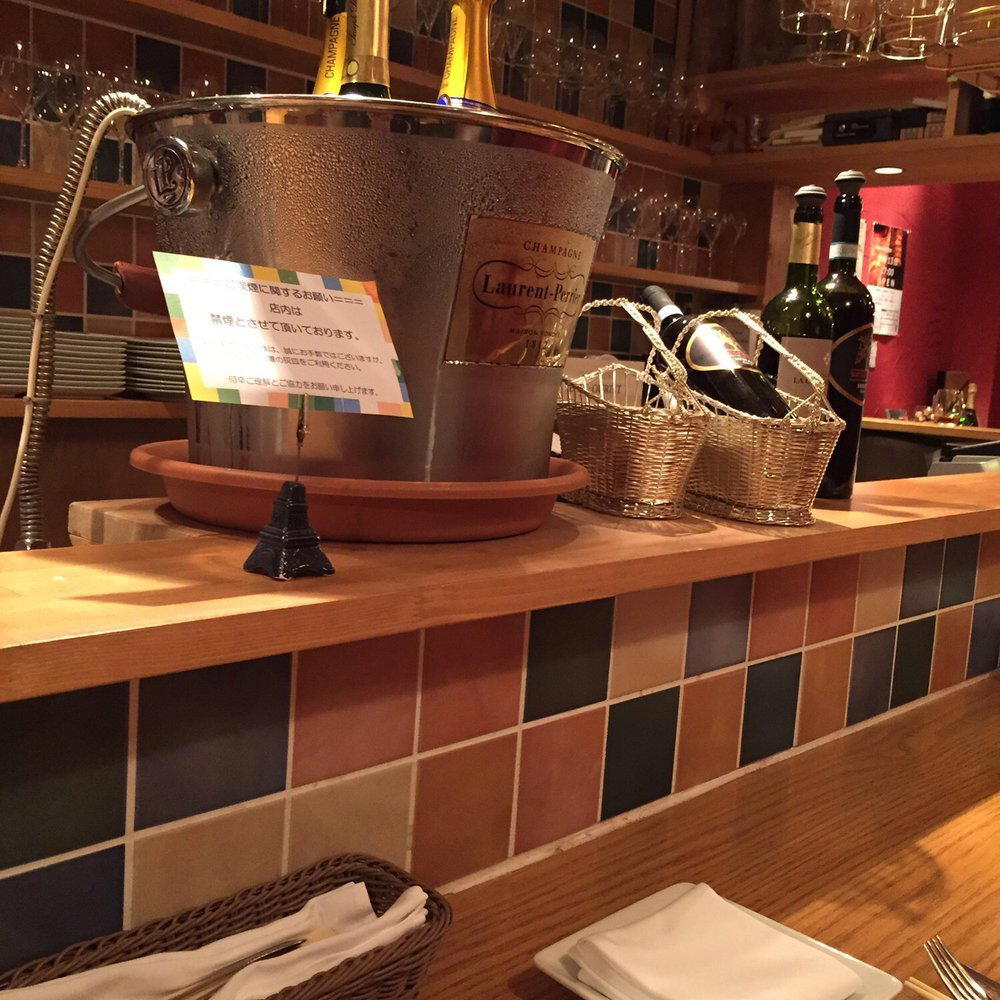
A Michelin Plate-recognised sushi counter in Kita Ward, Sushi Marumine draws on the owners' fishmonger background to deliver a handwritten menu dense with seasonal fish. At the ¥¥ price point, it sits among Osaka's neighbourhood sushi houses where regulars drop in for nigiri, sake, and easy conversation rather than ceremony.

Pearl is the En Primeur Club membership app, where members save venues, book tables and use the concierge.
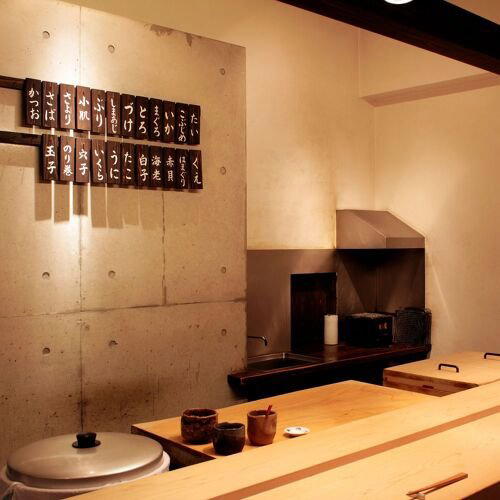
Where Tenjinbashi Comes to Eat
The stretch of Tenjinbashi running through Kita Ward is one of Osaka's longest shopping streets, and the rhythm of daily life there is unmistakable: covered arcades, fishmongers, lunch counters, and the kind of foot traffic that belongs to a neighbourhood rather than a destination. Sushi Marumine sits inside that fabric. A radio plays in the background. Regulars arrive without fanfare, settle in, and order freely from a handwritten menu, the kind written in flowing script that changes with what the market offers. This is neighbourhood sushi at its most direct.
Osaka's sushi scene has always operated differently from Tokyo's. Where the capital gravitates toward omakase counters built around ceremony and a single chef's progression through an evening's narrative, Osaka has sustained a parallel tradition of accessible, ingredient-focused houses where the quality of sourcing matters more than the formality of the room. Sushi Marumine belongs to that tradition, and its Michelin Plate recognition in both 2024 and 2025 confirms it has the ingredients to support that claim.
The Case for Occasion Dining at the Neighbourhood Tier
There is a persistent assumption that milestone meals require the top tier of the price bracket: the ¥¥¥¥ room, the advance booking weeks out, the tasting menu that announces its own significance. Osaka pushes back on that idea more than most Japanese cities. Some of the most considered eating in the city happens at counters like this one, where the occasion is created by the quality of the fish and the intimacy of the room, not by a format imposed from above.
For a celebration where the point is the food rather than the theatre, the ¥¥ tier in Osaka offers something the higher brackets can't always guarantee: a room where you're eating alongside people who come regularly, which tells you something specific about the consistency of the kitchen. Michelin's Plate designation, awarded to Sushi Marumine in consecutive years, is reserved for restaurants serving food of good quality; it doesn't carry the star's narrative weight, but at this price point it functions as a reliable signal. The regulars who drop in for nigiri and sake during their day are, in effect, providing the same verification on a rolling basis.
Compare that positioning to the ¥¥¥¥ end of Osaka's table: venues like Hajime, La Cime, and Fujiya 1935 occupy a register where the experience itself is the occasion, structured and self-contained. Mid-tier kaiseki and Japanese houses such as Kashiwaya Osaka Senriyama and Taian sit between those poles. Sushi Marumine addresses a different question entirely: where do you go when the meal is meant to feel like an extension of life rather than a departure from it?
Sourcing as the Foundation
The owners' background running both a fishmonger and a catering operation gives the kitchen a supply-chain advantage that shows directly in the menu. A handwritten card dense with fish varieties, updated to reflect what arrived that day, is the operating logic of a counter that treats sourcing as the core discipline. That approach is consistent with how the serious neighbourhood sushi houses across Japan maintain their standing: not through technique alone, but through access to product that larger, higher-volume operations can't always secure.
The menu's breadth, described by Michelin as a rich miscellany of fish, suggests a counter that doesn't restrict itself to a narrow canon of approved nigiri cuts. That kind of range rewards repeat visits, which explains the regulars. It also makes the restaurant a practical choice for a group with varying tastes, since the format allows individual ordering rather than a single fixed progression.
Planning a Visit
Sushi Marumine is located at 6 Chome-2-20 Tenjinbashi, Kita Ward, Osaka, which places it in a neighbourhood with strong transit connections and a density of eating and drinking options across the price spectrum. The intimate scale of the room and the proportion of regular guests suggest that timing matters: arriving during peak service hours without a reservation may reduce your chances of a seat. The ¥¥ pricing makes it accessible relative to Osaka's more formal Japanese dining tier, and the sake-and-nigiri format means the spend is largely in your control.
For other sushi options across the city, Sushi Harasho, Matsuzushi, Sushi Hoshiyama, Sushi Murakami Jiro, and Sushi Sanshin each represent different points on Osaka's sushi spectrum. Across the wider Kansai region, Gion Sasaki in Kyoto and akordu in Nara extend the dining geography usefully if you're moving between cities. For Tokyo-based sushi comparison, Harutaka in Tokyo sits at the capital's more formal omakase end. Internationally, Sushi Shikon in Hong Kong and Shoukouwa in Singapore show how the Japanese counter format travels.
For broader Osaka planning, see our full Osaka restaurants guide, our full Osaka hotels guide, our full Osaka bars guide, our full Osaka wineries guide, and our full Osaka experiences guide. Other Japanese restaurant options worth noting include Goh in Fukuoka, 1000 in Yokohama, and 6 in Okinawa.
How Sushi Marumine Compares on Key Logistics
| Venue | Cuisine | Price Tier | Recognition | Format |
|---|---|---|---|---|
| Sushi Marumine | Sushi | ¥¥ | Michelin Plate 2024, 2025 | À la carte / neighbourhood counter |
| Sushi Harasho | Sushi | — | — | Counter |
| Kashiwaya Osaka Senriyama | Japanese | ¥¥¥ | Michelin-recognised | Kaiseki / structured |
| Hajime | French / Innovative | ¥¥¥¥ | Michelin-recognised | Tasting menu |
| Taian | Kaiseki | ¥¥¥ | Michelin-recognised | Kaiseki / structured |
Frequently asked questions
What is the atmosphere like at Sushi Marumine?
What's the signature dish at Sushi Marumine?
Peers in This Market
A quick peer reference to anchor this venue in its category.
| Venue | Cuisine | Price | Awards | Notes |
|---|---|---|---|---|
| Sushi MarumineThis venue (the venue you are viewing) | Edomae Sushi | $50–100 | Michelin Plate | Not listed |
| HAJIME | Avant-Garde Japanese Fine Dining | $300–500 | 3 Michelin Stars · World's 50 Best #83 | French, Innovative |
| La Cime | Modern French with Japanese Ingredients | $150–200 | 2 Michelin Stars · World's 50 Best #13 | French |
| Kashiwaya Osaka Senriyama | Seasonal Kaiseki Omakase | $200–300 | 3 Michelin Stars · La Liste Top Restaurants | Japanese |
| Taian | Traditional Japanese Kaiseki Omakase | $150–200 | 3 Michelin Stars · La Liste Top Restaurants | Kaiseki, Japanese |
| Fujiya 1935 | Modern Japanese with European influences | $100–150 | 2 Michelin Stars · La Liste Top Restaurants | Innovative |
Recognition history
Dated appearances from independent guides and award organizations, with the underlying list record or original source where available.
Michelin Plate
Michelin
Full recognition history (3 entries)
Michelin Plate
Michelin
Michelin Plate
Michelin
Continue exploring
More in Osaka
Restaurants in Osaka
All restaurants in Osaka →


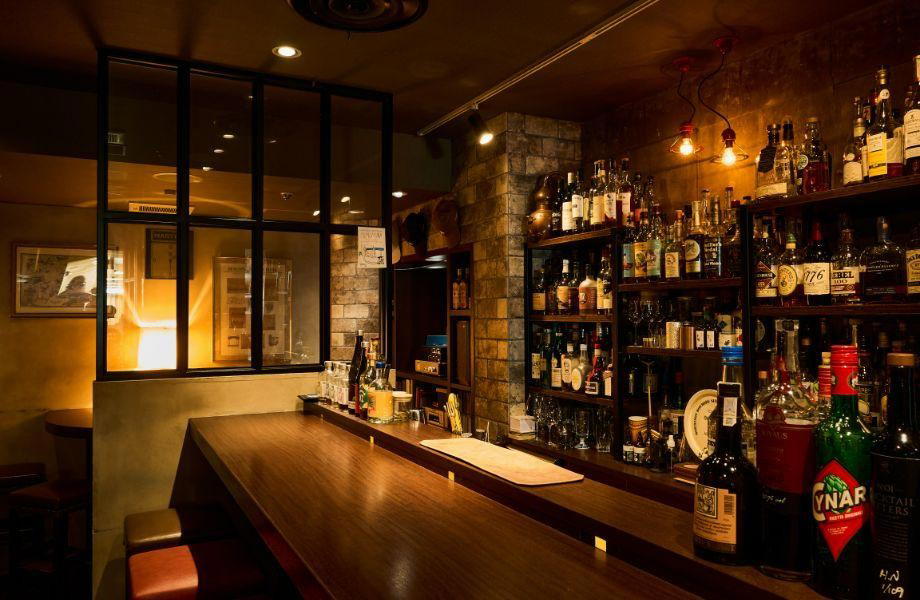
Bars in Osaka
All bars in Osaka →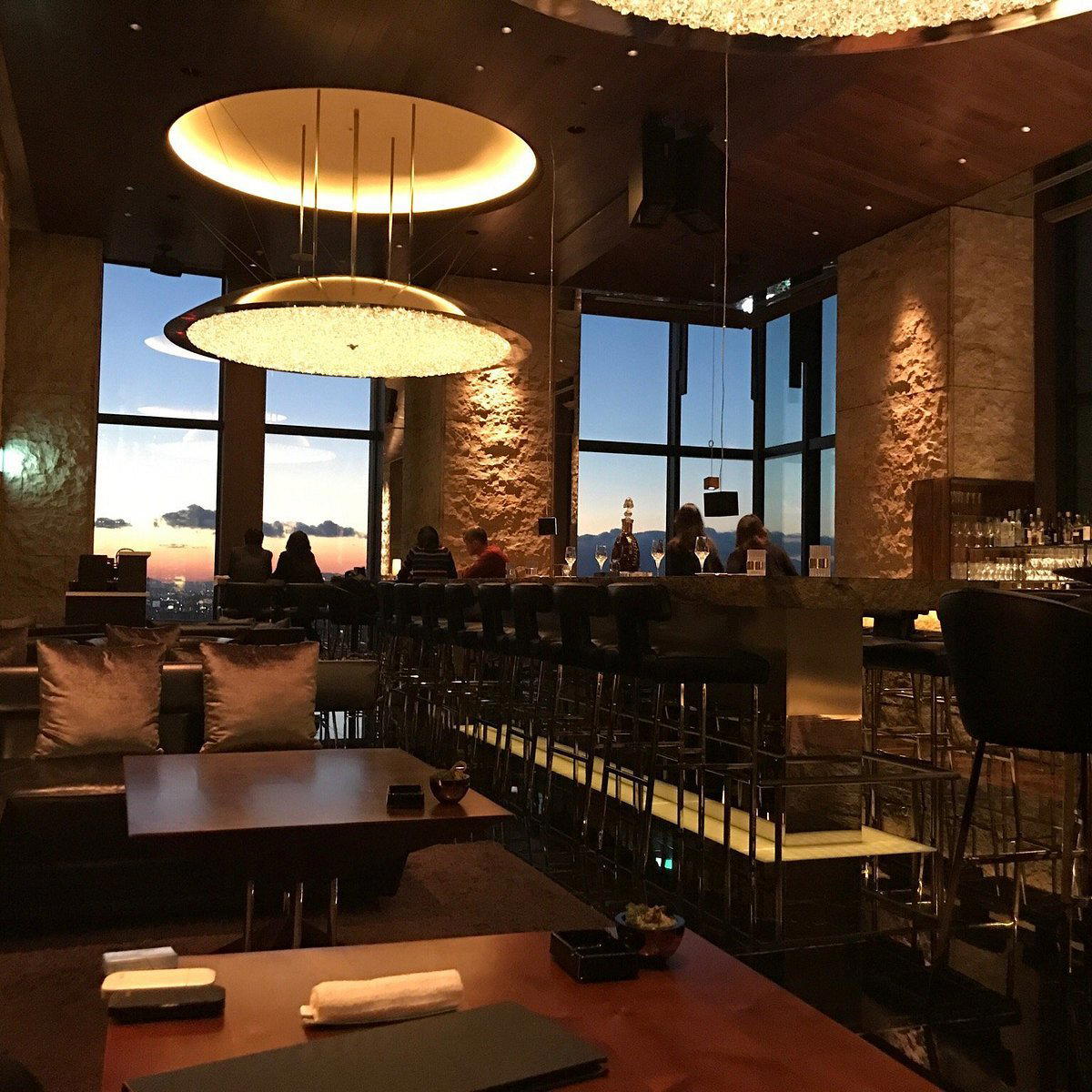
Hotels in Osaka
All hotels in Osaka →


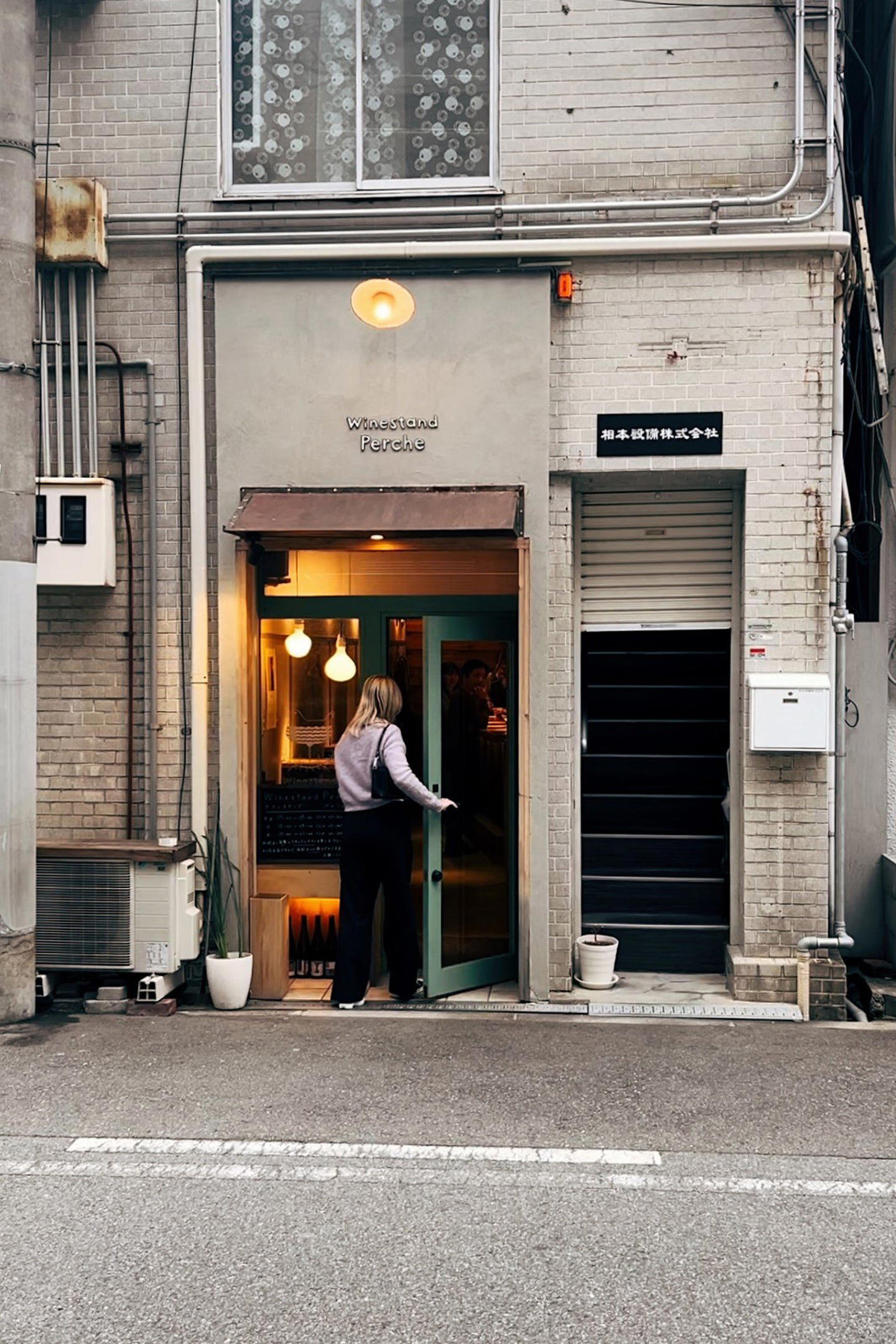
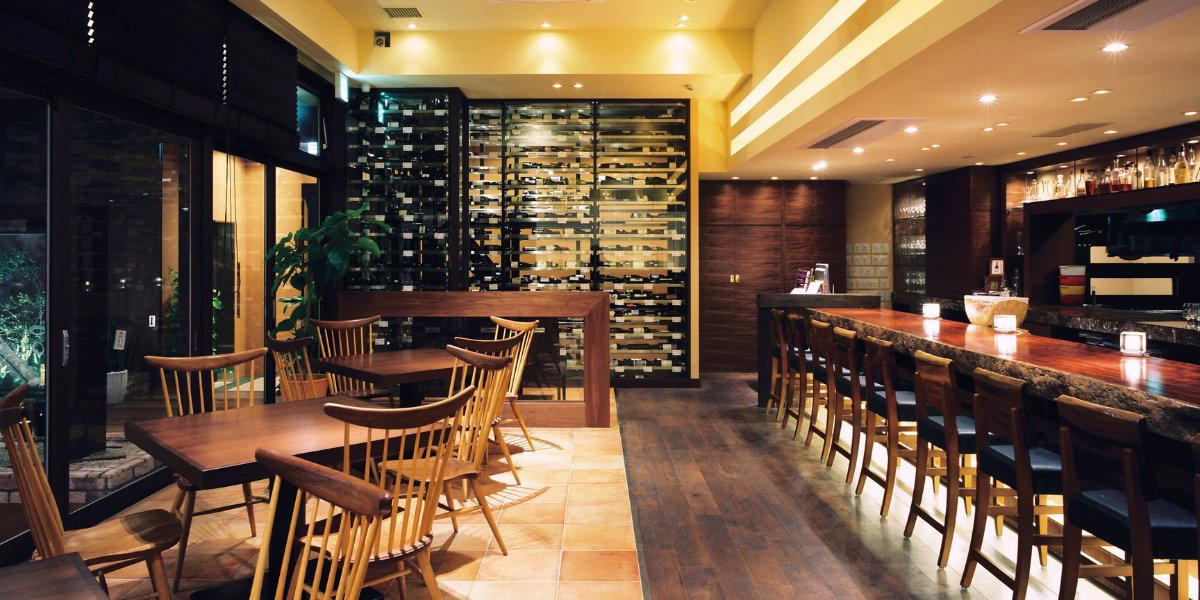
Wineries in Osaka
Browse all →
Details
- Cozy
- Intimate
- Classic
- Casual Hangout
- Solo
- Sake Program
- A La Carte
- Counter Dining
Current opening hours
- Monday
- 5–9 PM
- Tuesday
- 5–9 PM
- Wednesday
- Closed
- Thursday
- Closed
- Friday
- 5–9 PM
- Saturday
- 5–9 PM
- Sunday
- 5–9 PM
Hours can change for holidays and private events. Hours as of .