

Open since 1935 and now in its fourth generation, Yoshokuya Fujiya in Osaka's Chuo Ward holds Michelin Bib Gourmand status for its unpretentious western-influenced Japanese cooking. The hamburger patties in demi-glace sauce are a fixture of the menu, and the lunchtime set meals draw a loyal local crowd. This is the kind of neighbourhood institution that defines how Osaka eats on an ordinary weekday.
Pearl is the En Primeur Club membership app — saves, bookings, and concierge access live there. Same editors, same standards.
- Address
- Japan, 〒540-0027 Osaka, Chuo Ward, Yariyamachi, 2 Chome−2−1 曽根富商事
- Phone
- +81 6-6941-7283
- Website
- fujiya1935.com
- Directions
- Get directions
 Saves & bookings on Pearl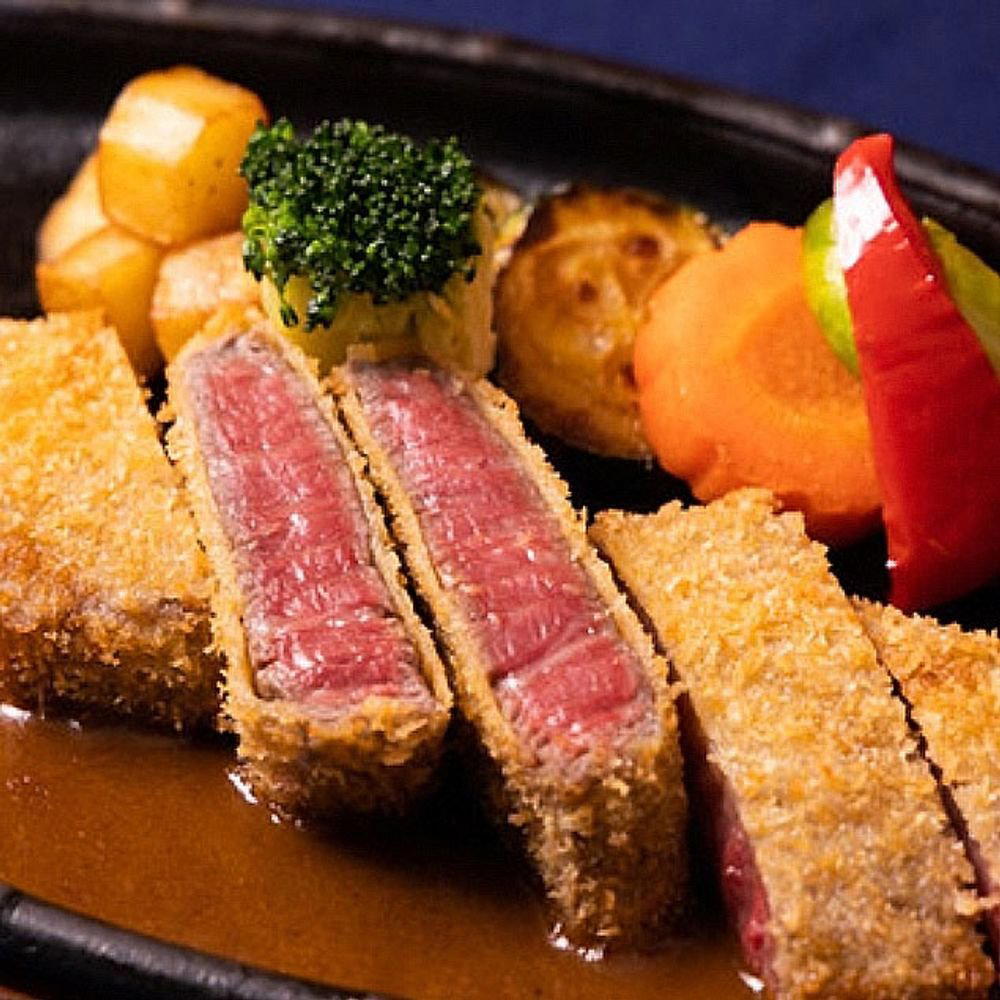
Ninety Years of Yoshoku in Chuo Ward
In 1935, the year the original owner-chef opened his doors in Yariyamachi, Osaka's Chuo Ward was already a commercial district knitted together by small traders and their regulars. The decision to open a restaurant next to a rice dealership was not incidental: yoshoku, Japan's domesticated interpretation of Western cooking, had by then spent half a century migrating from Meiji-era port cities into the everyday life of urban Japan, and Chuo Ward's merchant population was exactly the audience it was made for. Yoshokuya Fujiya has now occupied that same address for four generations, and the Michelin Bib Gourmand it earned in 2024 and retained in 2025 is the formal recognition of something the neighbourhood already knew.
What Yoshoku Actually Is, and Why Osaka Does It Well
Yoshoku sits in a distinct category that often confuses visitors expecting either traditional Japanese cuisine or direct Western food. The genre grew from Meiji-period cooks adapting European techniques and ingredients to Japanese kitchens, producing dishes that are neither fusion nor imitation but a settled third thing: omurice, hayashi rice, korokke, and the hamburger patty in demi-glace sauce that has been a fixture at Fujiya since well before most of its current regulars were born. Osaka's relationship with yoshoku is practical and unsentimental. The city's reputation for kuidaore, eating until you drop, is built as much on everyday working lunches as on the kaiseki and kappo that attract international attention. Yoshoku houses like Fujiya are where that everyday eating happens.
For context on how the city's dining spectrum runs, HAJIME (French, Innovative) and La Cime (French) anchor the formal end of Osaka's Western-influenced cooking at the ¥¥¥¥ tier, while Kashiwaya Osaka Senriyama (Japanese) and Taian (Kaiseki, Japanese) represent the kaiseki tradition at ¥¥¥. Yoshokuya Fujiya operates at the ¥ tier, the single-yen bracket, which in Osaka means affordable set lunches rather than compromise. The Bib Gourmand is Michelin's explicit designation for good food at moderate prices, and Fujiya has earned it twice running.
The Address and What It Tells You
Yariyamachi sits within Chuo Ward, Osaka's central administrative and commercial district, which contains everything from the castle grounds to the covered shopping arcades around Shinsaibashi. The specific street is not a tourist corridor. It is the kind of address you arrive at because you live or work nearby, or because you planned to. That geography is part of what has kept Fujiya's clientele consistent across generations: the surrounding district generates a daily population of office workers, traders, and residents who need to eat lunch at a reasonable price and return to their desks. The restaurant's format, set meals at lunch, miso soup and pickled vegetables included, is calibrated exactly to that rhythm.
For visitors approaching from outside the neighbourhood, Chuo Ward is well-served by Osaka Metro's Tanimachi and Sakaisuji lines, with several stations within walkable distance of Yariyamachi. The area rewards a half-day approach: the neighbourhood around the restaurant has the texture of working Osaka rather than tourist Osaka, which is precisely why the food here reads the way it does.
Four Generations, One Demi-Glace
The continuity of a family-run restaurant across four generations is less common than it sounds. In Japan's restaurant culture, succession is a deliberate and often fraught process; many establishments survive one or two generations before closing or changing hands. The fact that Fujiya's identity has remained coherent since 1935, hamburger patties, demi-glace sauce, set meals, miso soup, suggests less a resistance to change and more a confidence that the format is correct. The demi-glace sauce is a useful marker here. Getting a long-simmered demi-glace right requires consistent technique over a long reduction; it does not benefit from improvisation. That the dish has remained a perennial favourite across the restaurant's history points to a kitchen that treats its repertoire seriously.
Restaurants that spike on social media tend to generate wider score distributions. A 4.1 with that volume of reviews, at a neighbourhood yoshoku house, is evidence of a consistently satisfied regular clientele.
Where Fujiya Sits in the Yoshoku Conversation
Yoshoku is currently receiving more critical attention than it has in decades. Partly this is because Michelin and other international bodies have begun recognising the genre more explicitly; partly it is because diners in Japan and abroad have developed more interest in the mid-century food culture that yoshoku represents. Yoshoku Izumi is another Osaka address in the same genre worth tracking. For those mapping yoshoku across Japan's cities, grill GRAND, Yoshoku in Tokyo and KORISU, Yoshoku in Kyoto offer useful points of comparison, different cities, different registers, same underlying tradition.
Fujiya's position within that conversation is defined by age and continuity rather than reinvention. Where some yoshoku houses are now applying more technical scrutiny to the genre's classic dishes, Fujiya represents the unbroken original line: a restaurant that has been producing the same food for the same neighbourhood since before the Second World War. That is not a limitation. It is a different kind of credential.
Planning Your Visit
Yoshokuya Fujiya operates in the ¥ price bracket, which places it among Osaka's most accessible Michelin-recognised addresses. The lunchtime set meals are the practical entry point: they are designed for a quick, complete meal, and they include the miso soup and pickled vegetables that frame the main dishes as a proper Japanese lunch rather than a standalone Western plate. Given the restaurant's local reputation and its consecutive Bib Gourmand years, midweek lunchtimes tend to draw the consistent crowd from the surrounding office district; timing a visit outside the peak noon-to-one window is direct common sense rather than insider knowledge.
Reservations are recommended. For a neighbourhood restaurant of this type, arriving at opening or shortly before the lunch rush is a reliable way to secure a seat without a reservation.
Cuisine-First Comparison
Comparable venues nearby, for context on price, style, and recognition.
| Venue | Cuisine | Price | Awards | Notes |
|---|---|---|---|---|
| Yoshokuya FujiyaThis venue — the venue you are viewing | Classic Yoshoku (Japanese Western Cuisine) | $$ | Bib Gourmand | Not listed |
| Udondokoro Shigemi | Hand-Pulled Udon | $$ | Bib Gourmand | Kita |
| Shitennoji Hayauchi | Traditional Soba | $$ | Bib Gourmand | Tennōji |
| Sobakiri Arabompu | Authentic Handmade Soba | $$ | Bib Gourmand | Kita |
| Hommachi Seimenjo Chukasobakobo | Authentic Japanese Ramen | $$ | Bib Gourmand | Chūō |
| Kannomiho | Japanese Izakaya with Sake Focus | $ | Bib Gourmand | Chūō |
Recognition history
Dated appearances from independent guides and award organizations, with the underlying list record or original source where available.
Michelin Bib Gourmand
Michelin
Michelin Bib Gourmand
Michelin
Tabelog 100 #54 · No. 54
Tabelog · Tabelog 100 - Yoshoku - WEST - 2025
Michelin Bib Gourmand
Michelin
Continue exploring
More in Osaka
Restaurants in Osaka
Browse all →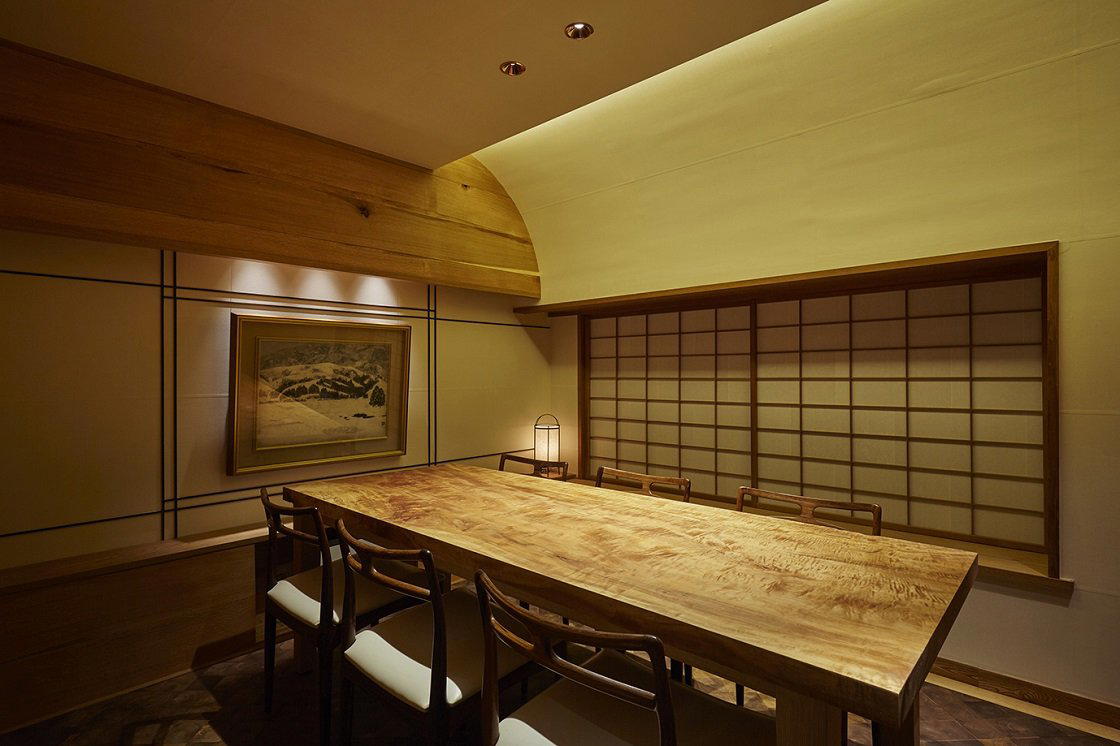

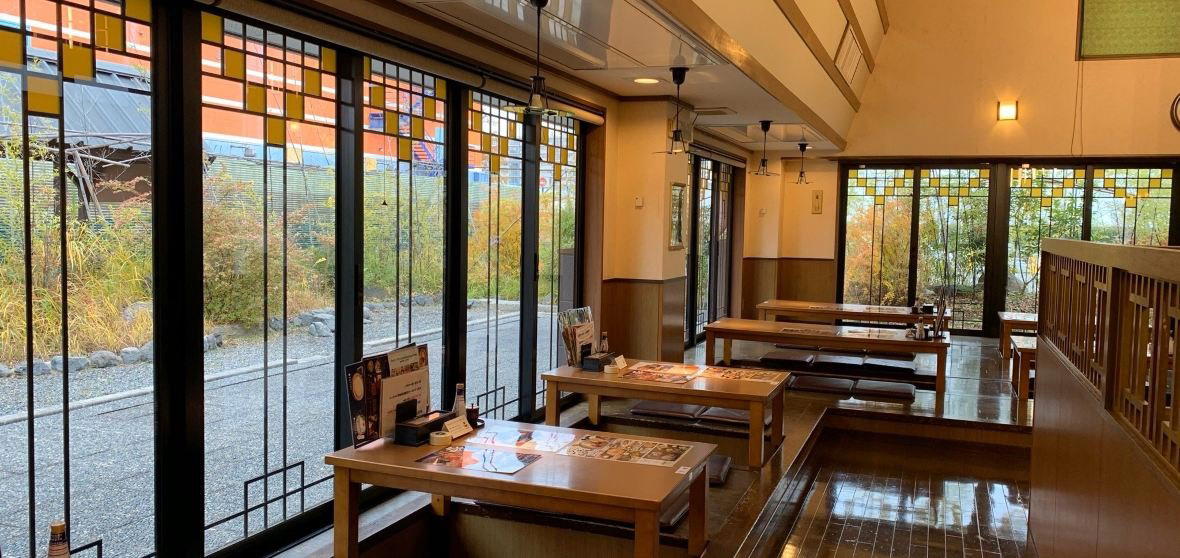
Bars in Osaka
Browse all →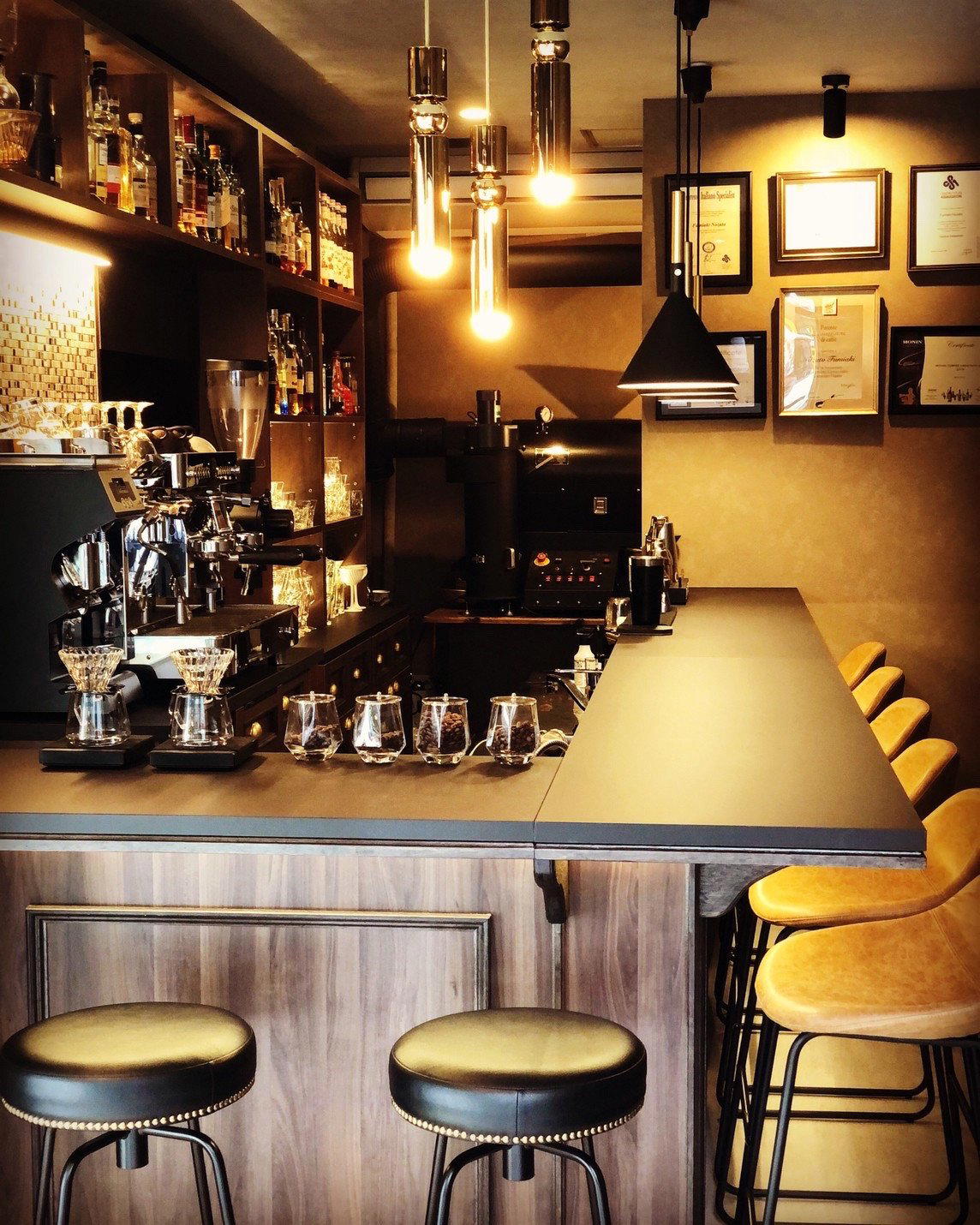
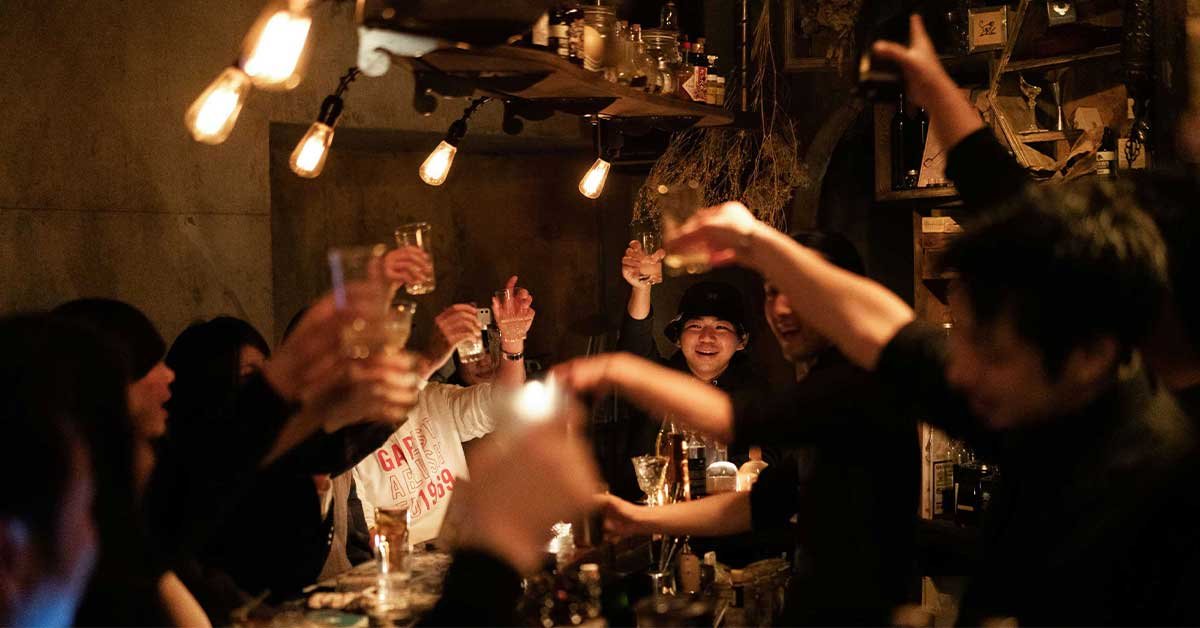
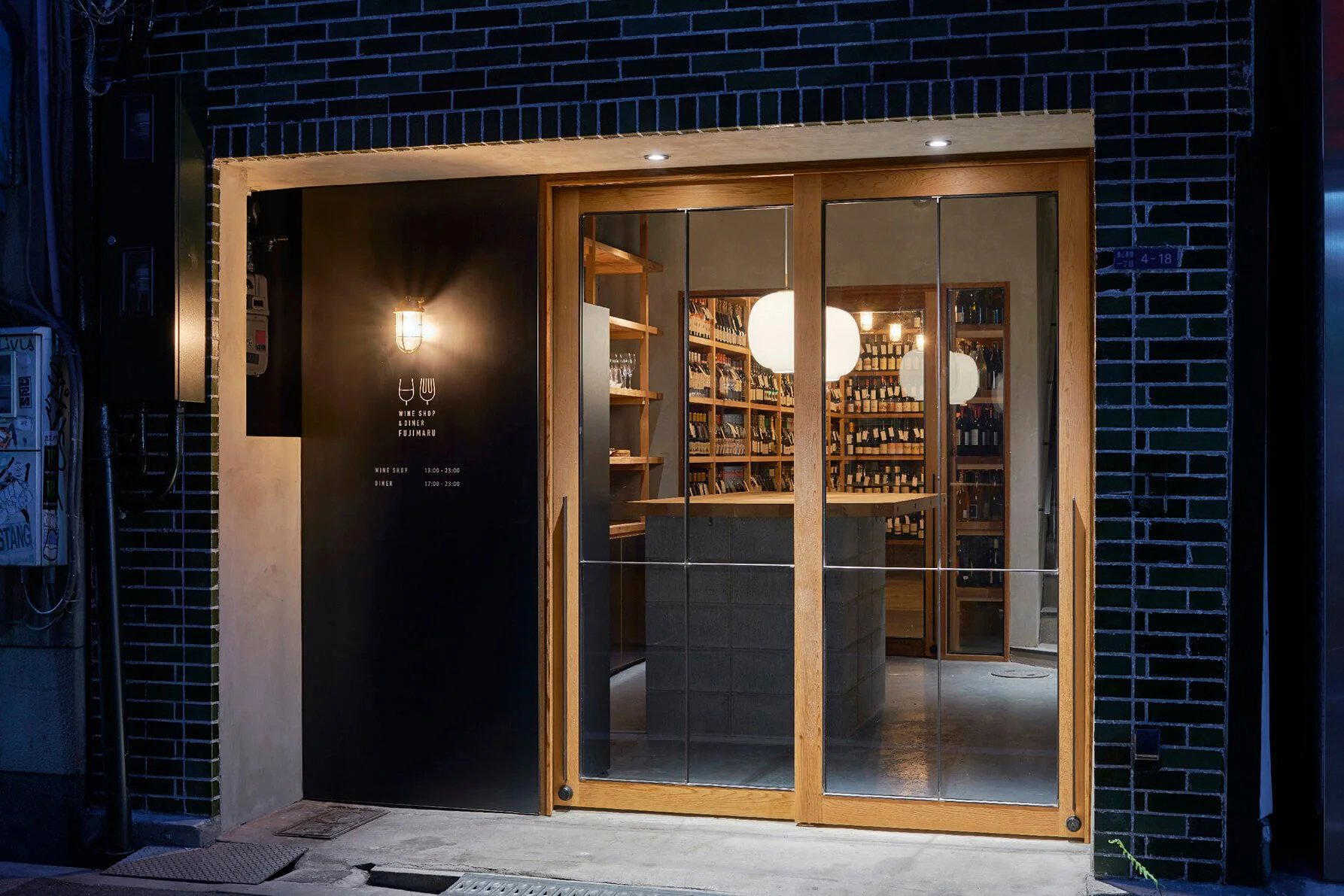
Hotels in Osaka
Browse all →


Wineries in Osaka
Browse all →
At a Glance
- Cozy
- Classic
- Well Known
- Family
- Casual Hangout
- Group Dining
- Solo
- Open Kitchen
- Historic Building
- Standalone
- Sake Program
Current opening hours
- Monday
- 11:30 AM–2 PM, 6–9 PM
- Tuesday
- 11:30 AM–2 PM, 6–9 PM
- Wednesday
- 11:30 AM–2 PM, 6–9 PM
- Thursday
- 11:30 AM–2 PM, 6–9 PM
- Friday
- 11:30 AM–2 PM, 6–9 PM
- Saturday
- 11:30 AM–2 PM, 6–9 PM
- Sunday
- Closed
Hours can change for holidays and private events. Last verified .
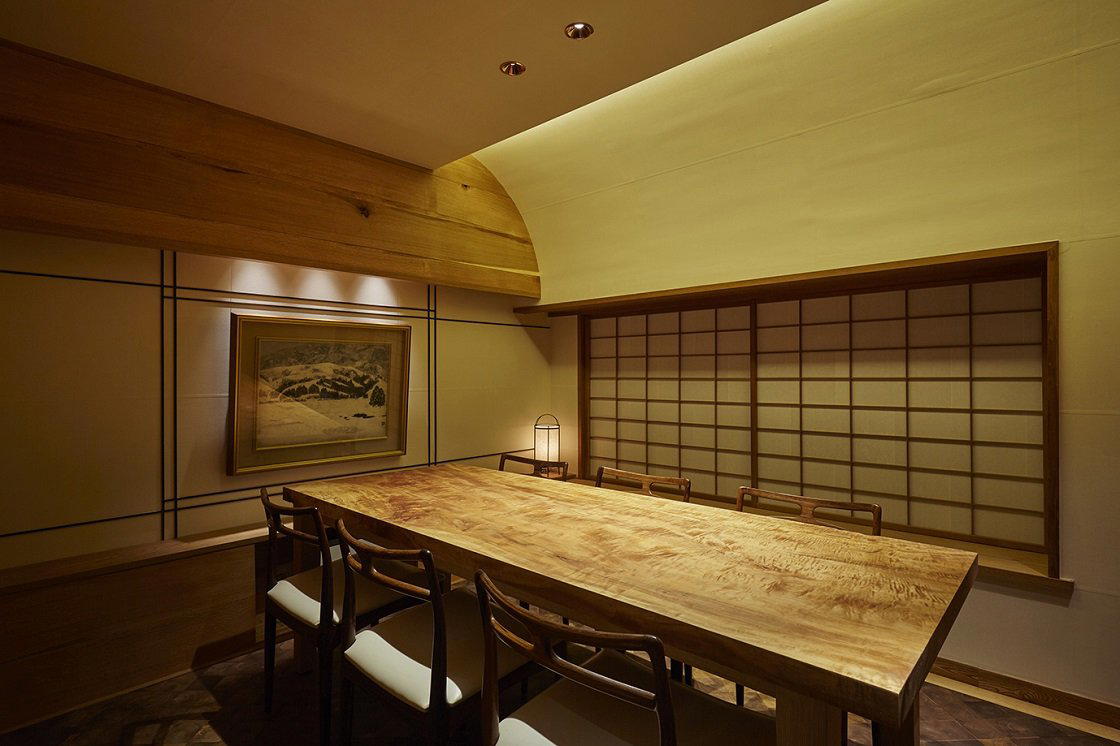
Cozy and relaxing with warm lighting, spacious seating including counter and table options, and an open kitchen that creates an intimate, homey feel.