
Our verdict
Ranked 14th on the 2025 Opinionated About Dining Casual Japan list, Kadoya Shokudo operates out of Minato Ward, well removed from Osaka's central ramen circuit. The bowl positions itself within a broader regional tradition that treats ramen as a craft object: stock-focused, ingredient-specific, and deliberately outside the spectacle of downtown dining.

Pearl is the En Primeur Club membership app, where members save venues, book tables and use the concierge.
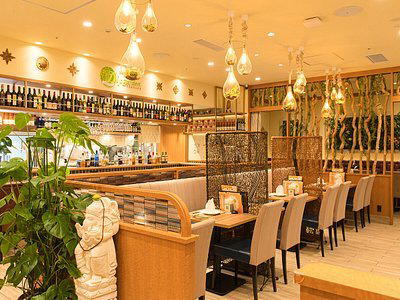
The menu
What to order
- Tsukesoba
- Black Pork Noodles
- Chuka Soba
The Harbour District and the Ramen That Lives There
Minato Ward occupies the southwestern edge of Osaka, a part of the city shaped by port infrastructure and light industry rather than the neon corridors of Namba or the galleries of Nakazakicho. Kadoya Shokudo sits at 4 Chome-1-29 Chikko, a postcode that places it in the kind of neighbourhood where the clientele arrives because the food earns it, not because foot traffic drops them there. This is worth knowing before you visit: getting to Kadoya Shokudo is a deliberate act, and that deliberateness is baked into its appeal.
Across Japan, the gap between neighbourhood ramen shops and city-centre destinations has widened over the past decade. The former tend to serve regulars, run without reservations, and accumulate reputation through word of mouth rather than influencer traffic. The latter are booked out weeks in advance and priced accordingly. Kadoya Shokudo operates firmly in the neighbourhood register, which makes its placement at number 14 on the 2025 Opinionated About Dining Casual Japan list, a ranking that covers the entire country, the more significant signal.
Where Kadoya Shokudo Sits in the Osaka Ramen Scene
Osaka's ramen identity is sometimes described as secondary to its takoyaki and kushikatsu reputation, but that reading undersells a city that has produced some of Japan's most technically sophisticated noodle shops. The Opinionated About Dining Casual Japan ranking is useful precisely because it cuts across regional boosterism: a venue from Minato Ward appearing alongside shops from Tokyo, Kyoto, and Fukuoka is a comparative data point, not promotional copy.
Within Osaka specifically, the ramen conversation clusters around a few distinct sub-traditions: the Chinese-origin chukasoba style, which prizes clarity and restraint in broth; Chukasoba Mugen and Chukasoba Uemachi represent that tendency well. Then there is Hommachi Seimenjo Chukasobakobo, which takes a workshop-oriented approach to noodle production itself. Kamigata Rainbow and Mugito Mensuke extend the field further into ingredient-specific territory. Kadoya Shokudo exists alongside these shops as part of a wider Osaka ramen field that, taken together, is more varied and technically serious than the city's casual-eating reputation implies.
Technique and Tradition in the Bowl
The editorial angle here runs through a tension that defines much of contemporary Japanese ramen: the intersection of imported technique and local material. Ramen itself arrived in Japan via Chinese noodle traditions and has been adapted, regionalized, and in some shops essentially reinvented over the course of a century. The most serious shops now operate with the ingredient specificity of a French kitchen, sourcing specific wheat varieties for their noodles, running stock reduction times that rival consommé preparation, and treating tare (the seasoning concentrate) as a variable that changes with the season or the batch of soy.
That technical orientation does not necessarily announce itself visibly. A bowl at a shop like Kadoya Shokudo arrives looking like ramen. The depth of work shows in the broth clarity, the noodle texture, and the way the components cohere rather than compete. This is the register in which Opinionated About Dining rankings tend to operate: the guide rewards places where craft is evident in the eating rather than the branding. Fourteen-ranked nationally in that system is a specific credential.
Compare this tier to the city's fine-dining circuit for a moment of useful proportion. Osaka hosts three-Michelin-star operations like Kashiwaya and Taian in kaiseki, alongside the French-accented ambition of HAJIME and La Cime. These are different markets entirely, price points, formats, and dining cultures that barely overlap. Kadoya Shokudo, ranked inside the national casual tier alongside those fine-dining operations in the broader city conversation, occupies its own legitimate position without needing to compete across categories.
Planning Your Visit to Minato Ward
Minato Ward is accessible from Osaka's central rail network, though the journey is not instantaneous, plan for travel time from Shinsaibashi or Namba rather than treating it as an entre-repas detour. The standard protocol for shops of this type in Japan is to arrive early, check current hours via a Japanese-language Google Maps search closer to your visit, and accept that queues at ranked casual shops are part of the format rather than an administrative failure.
Osaka rewards the traveller who moves between its culinary registers. The city's broader dining map runs from the counter precision of kaiseki to the standing bars of Dotonbori. For those building a fuller itinerary, our full Osaka restaurants guide covers the range, while our Osaka hotels guide, bars guide, wineries guide, and experiences guide extend the picture across categories.
For those moving through the Kansai corridor, the comparison set extends geographically: Gion Sasaki in Kyoto and akordu in Nara cover different categories in adjacent cities. Further afield, Harutaka in Tokyo and Goh in Fukuoka represent the national fine-dining tier, while 1000 in Yokohama and 6 in Okinawa mark the regional extremes. For ramen specifically across Japan, Afuri in Tokyo and its Portland extension show how a Japanese ramen identity can translate internationally, a contrast to the resolutely local model that Kadoya Shokudo represents.
What to Eat at Kadoya Shokudo
What the Opinionated About Dining ranking and the Google average do confirm is that the core bowl, whatever its current specification, is the reason the shop places nationally. Ramen shops of this type in Japan typically offer a compact menu where the primary broth style is the clear entry point and variations (seasoning options, topping sets, portion sizes) sit alongside rather than distract from it. Ordering the standard bowl first is the right approach at any shop ranked at this level. The kitchen's choices on that baseline preparation are the actual editorial statement.
A Minimal comparable set
Comparable venues nearby, for context on price, style, and recognition.
| Venue | Cuisine | Price | Awards | Notes |
|---|---|---|---|---|
| Kadoya ShokudoThis venue (the venue you are viewing) | Classic Japanese Tsukemen Ramen | $10–20 | Not listed | Not listed |
| Toyo (とよ) | Traditional Japanese Izakaya | $20–30 | Tabelog 100 #66 | Miyakojima Ward, Seafood Izakaya |
| curry condor | Modern Japanese spice curry | $10–20 | Tabelog 100 #18 | Nishi, Modern Japanese spice curry |
| KURODARUMA | Creative Japanese standing bar (izakaya-style) | $10–20 | Tabelog 100 #68 | Chūō, Creative Japanese standing bar (izakaya-style) |
| Oban | Traditional Yakiniku Counter | $30–50 | Tabelog 100 #72 | Kita, Traditional Yakiniku Counter |
| Sobabito Aki | Traditional Soba & Japanese Small Plates | $20–30 | Tabelog 100 #60 | Chūō, Traditional Soba & Japanese Small Plates |
Recognition history
Dated appearances from independent guides and award organizations, with the underlying list record or original source where available.
Opinionated About Dining Casual in Japan Ranked #14
Opinionated About Dining
Continue exploring
More in Osaka
Restaurants in Osaka
All restaurants in Osaka →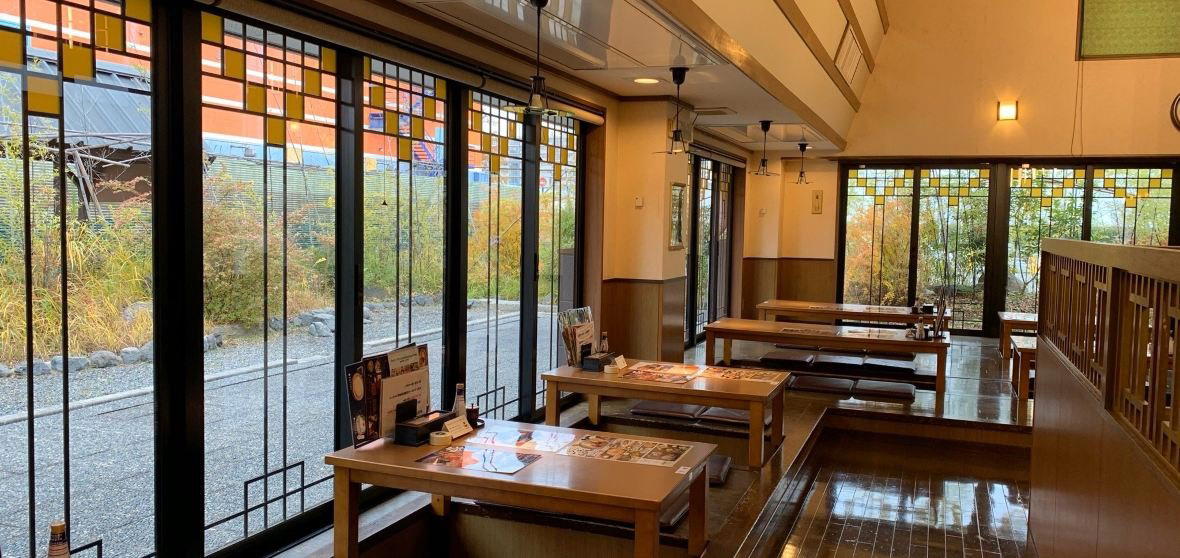



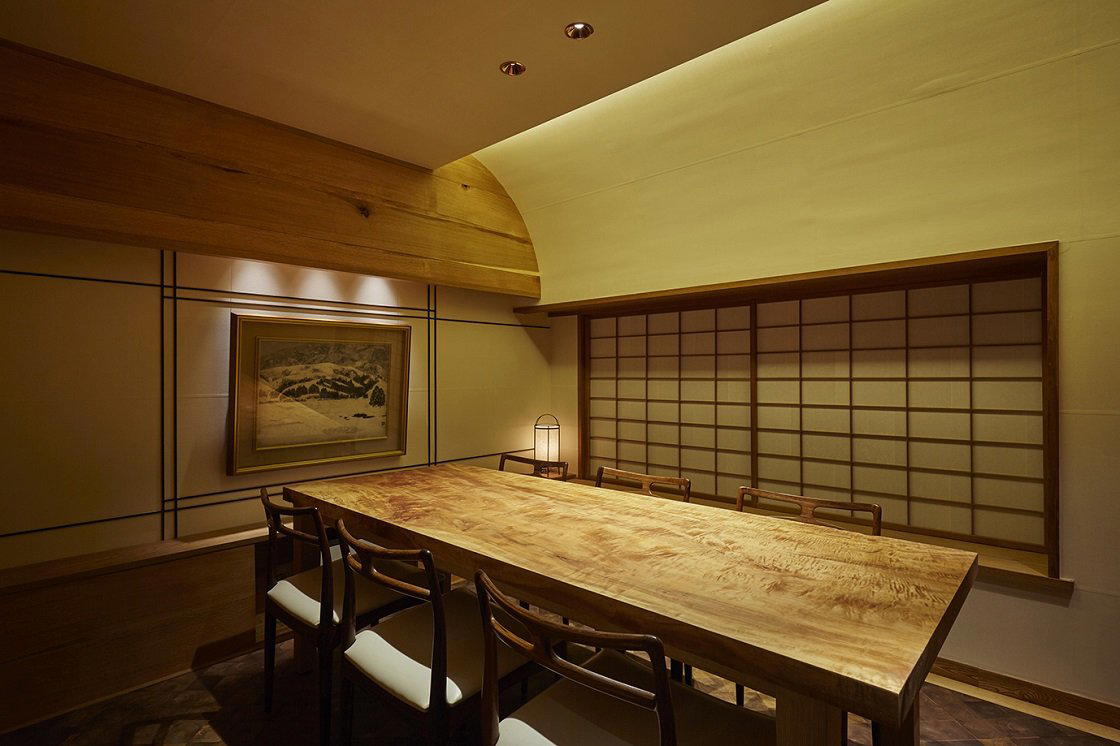
Bars in Osaka
All bars in Osaka →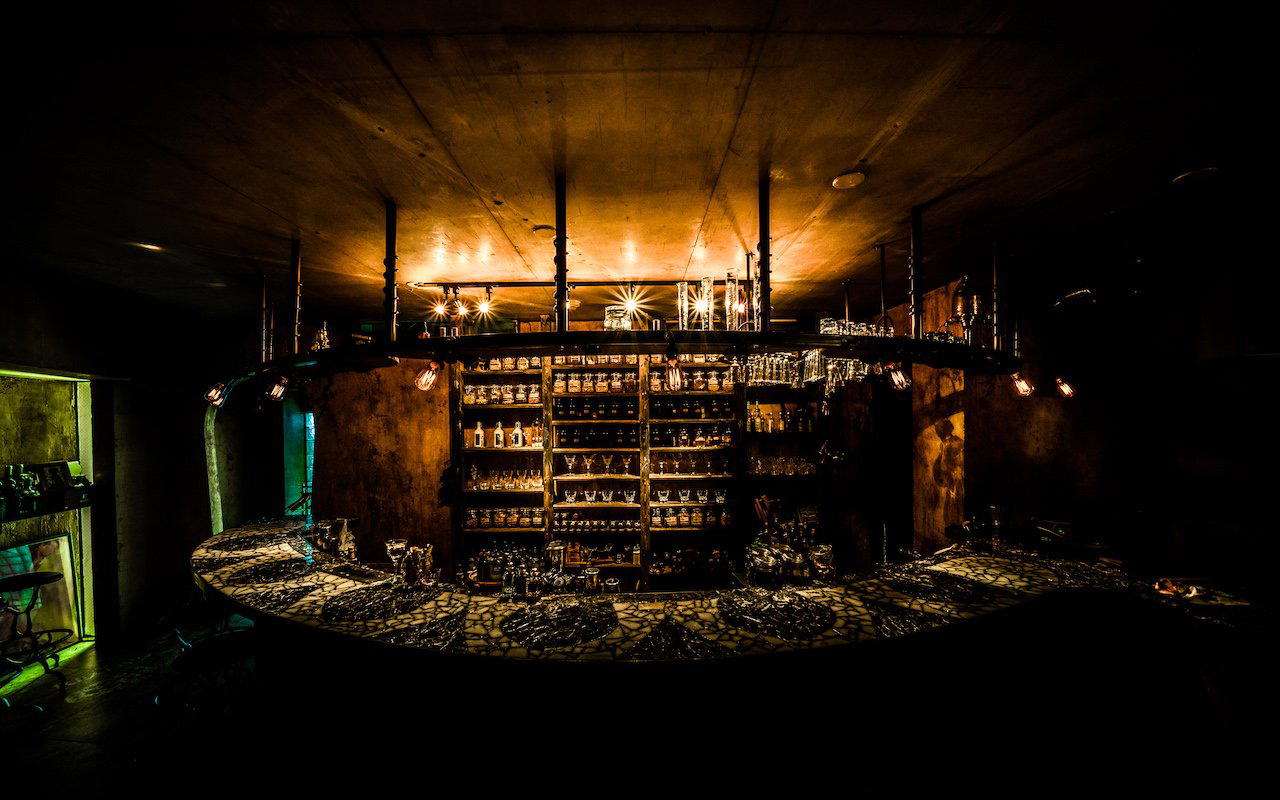
Hotels in Osaka
All hotels in Osaka →


Wineries in Osaka
Browse all →
Details
- Classic
- Cozy
- Solo
- Casual Hangout
- Open Kitchen
- Sake Program
- Local Sourcing
- A La Carte
- Counter Dining
Current opening hours
- Monday
- 11 AM–3 PM, 4:30–9 PM
- Tuesday
- 11 AM–3 PM, 4:30–9 PM
- Wednesday
- 11 AM–3 PM, 4:30–9 PM
- Thursday
- Closed
- Friday
- 11 AM–3 PM, 4:30–9 PM
- Saturday
- 11 AM–3 PM, 4:30–9 PM
- Sunday
- 11 AM–3 PM, 4:30–9 PM
Hours can change for holidays and private events. Hours as of .
Casual counter seating with open kitchen view, attentive service, and bustling atmosphere from constant lines.