
Tabelog 100 #80
Our verdict
Yokohama Ukaitei focuses on teppanyaki Japanese grill, Japanese Black Beef Steak, a garden view, and a sake program; Tabelog 100 #80: 3.7pts in 2025.

Pearl is the En Primeur Club membership app, where members save venues, book tables and use the concierge.
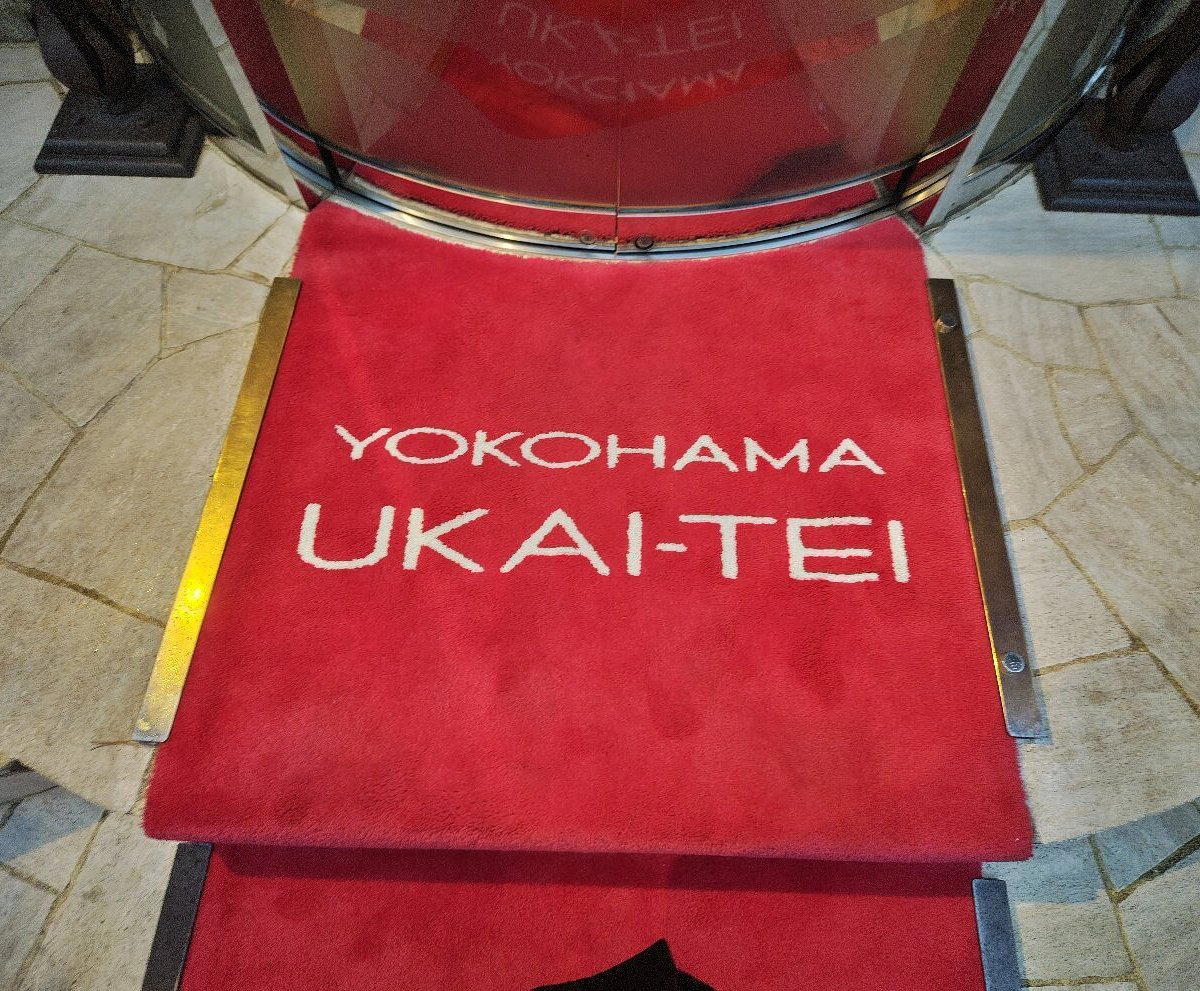
Teppanyaki in a Residential City: What Yamato Tells You About Japan's Dining Geography
Japan's premium dining geography is frequently mapped onto its three great culinary capitals: Tokyo, Kyoto, and Osaka. That framing misses something. Across Kanagawa Prefecture, in cities like Yamato that sit between Yokohama and the Sagamihara basin, a quieter tier of serious dining operates largely outside the international critical circuit. Yokohama Ukaitei, located in the Tsukimino district of Yamato, belongs to that tier. Its address places it in a residential neighbourhood rather than a hotel lobby or a celebrated downtown block, and that placement is worth understanding before anything else.
The Ukai group operates multiple premium restaurant formats across Japan, with the Ukaitei brand representing its teppanyaki tradition. Teppanyaki as a format carries significant cultural weight in Japan that often gets flattened in its international translations. At its foundation, the cuisine is about the relationship between heat, steel, and ingredient quality, where the chef's proximity to the guest is structural rather than theatrical. The format demands seasonal ingredient sourcing and a high degree of technical consistency, because there is nowhere to hide on an open iron griddle. That demand for transparency is part of what gives the Ukai group its reputation across its properties.
The Ukaitei Format and Its Place in Japan's Teppanyaki Tradition
Within Japan's broader teppanyaki scene, the distinction between casual yakiniku formats and precision counter-based teppanyaki is significant. The latter positions itself closer to kaiseki in terms of pacing and sourcing rigor, with course structures built around premium Wagyu cuts, seasonal seafood, and local vegetable produce. Properties operating under the Ukai name have accumulated serious critical recognition over the years, positioning the group's venues in a bracket that sits above mid-market teppanyaki chains and closer to the tier occupied by destination restaurants.
For context, Japan's premium counter dining scene, across sushi, kaiseki, and teppanyaki formats, increasingly rewards venues that combine sourcing discipline with a coherent course structure. Harutaka in Tokyo demonstrates this in the sushi context; Gion Sasaki in Kyoto does it within kaiseki. The teppanyaki format, when executed at a high level, sits alongside those traditions rather than beneath them. Yokohama Ukaitei draws on that same logic: sourcing quality and format discipline matter more than location prestige.
Yamato as a Dining City: Context Before the Address
Yamato is a commuter city of around 240,000 residents in central Kanagawa, more often associated with its rail connections than with destination dining. Tsukimino, the district where Yokohama Ukaitei is located, is accessible from Tsukimino Station on the Sagami Railway, making it reachable from Yokohama in under 30 minutes and from Shinjuku in approximately 50 minutes via direct services. The neighbourhood itself is suburban in character, which means the restaurant draws primarily from a local and regional clientele rather than from inbound tourism or hotel concierge networks.
That dynamic shapes the dining experience in ways that are worth considering. Venues in residential city contexts in Japan often carry a different operational character from their counterparts in tourist-facing districts. The absence of a transient client base tends to produce a more consistent, repeat-guest-oriented approach to service and menu development. Nakamizo is another example of Yamato's capacity for serious dining that operates outside the standard international food media circuit. See our full Yamato restaurants guide for a broader map of the city's dining character.
Situating Yokohama Ukaitei in a Regional and National Frame
Japan's premium restaurant scene outside its three major cities is often discussed in terms of what it lacks: Michelin density, international press coverage, English-language booking infrastructure. The more useful frame is what it offers. Regional venues operating within established brand groups carry institutional sourcing networks and training pipelines that smaller independents cannot always match. The Ukai group's presence across multiple formats and cities gives Yokohama Ukaitei access to supplier relationships built over decades.
Comparisons within Kanagawa and the greater Kanto region are instructive. The Yokohama dining scene, which includes a concentration of serious Japanese and international restaurants in the Minato Mirai and Kannai districts, represents the nearest reference point for premium teppanyaki. Moving further afield, the innovative kaiseki and French-Japanese formats at places like HAJIME in Osaka or the precision counter work at Atomix in New York City and Le Bernardin in New York City occupy different format categories but share the same underlying premise: sourcing quality and technical discipline as the basis for a premium price tier.
Elsewhere in Japan, restaurants operating in secondary cities demonstrate that serious dining does not require a metropolitan address. Goh in Fukuoka, akordu in Nara, and properties in smaller regional centres like Nanao and Takashima each demonstrate versions of this principle. The pattern across all of them is that format discipline and ingredient sourcing determine quality ceiling more reliably than city size or tourist footfall.
Planning a Visit: Practical Orientation
The Tsukimino address places Yokohama Ukaitei within direct reach of the Sagami Railway network. From central Yokohama, the journey takes under 30 minutes; from Tokyo's Shinjuku station, direct services run on the Odakyu and Sagami lines, placing the venue within a viable evening dining radius for Tokyo-based visitors. Visitors already planning a Kanagawa itinerary should treat Yamato as a viable dining detour rather than a standalone destination.
Because the venue operates in a residential context without the walk-in traffic of a city-centre location, reservations are the expected approach. Premium teppanyaki at this tier in Japan almost universally requires advance booking, with lead times varying by season and day of week. Weekend evenings in particular will require planning ahead. Given the Ukai group's operational standards, visitors accustomed to the booking and service protocols of venues like Bistro Ange in Toyohashi or Birdland in Sakai will find the framework familiar, if the cuisine type is different. The group's website (accessible via search for Ukai Ukaitei Yamato) provides the booking infrastructure for this property.
Frequently asked questions
Would Yokohama Ukaitei be comfortable with kids?
A course-based teppanyaki counter in a residential Yamato address is not a format built around younger children. Meals proceed at a set pace across multiple courses, and counter seating leaves little room for the kind of flexibility families with young children typically need. Groups with older teenagers who are comfortable at a formal counter would be better placed than those with young kids.
What kind of setting is Yokohama Ukaitei?
Yokohama Ukaitei operates from a residential district in Yamato, Kanagawa, at 6 Chome-5-2 Tsukimino, a location that signals a deliberate departure from the high-footfall restaurant corridors of central Yokohama or Tokyo. As part of the Ukai group, the format is counter-based teppanyaki: guests seated close to the cooking surface, watching preparation unfold in real time. The setting is precise and contained rather than expansive.
How does Yokohama Ukaitei relate to the broader Ukai restaurant group?
Yokohama Ukaitei is part of the Ukai group, a Japanese restaurant organisation that operates multiple format-distinct venues across the country, with teppanyaki counters among its established specialisations. The group's reputation for Wagyu sourcing and counter-based precision carries through to the Yamato location, giving a suburban Kanagawa address access to the same supply standards and service philosophy found at the group's higher-profile city venues. For diners unfamiliar with the group, the Yamato counter functions as a lower-competition entry point into the Ukai format.
What's the best thing to order at Yokohama Ukaitei?
At a teppanyaki counter within the Ukai group's operation, the Wagyu course is the anchoring choice. The Ukai group has built its national reputation across multiple restaurant formats on sourcing and handling premium Japanese beef, and the teppanyaki counter is the format where that sourcing is most directly showcased. Arriving without ordering the beef course would mean missing the point of the restaurant.
What's the address for Yokohama Ukaitei?
Yokohama Ukaitei is located at 6 Chome-5-2 Tsukimino, Yamato, Kanagawa 242-0002, Japan, Yamato.
Is Yokohama Ukaitei reservation-only?
Walk-in availability at a premium teppanyaki counter in Yamato is unlikely, particularly on weekends or during holiday periods. Counter-format teppanyaki restaurants operate on fixed course timing, which means seating capacity is finite and fills in advance. Visitors travelling from Tokyo or central Yokohama should arrange a reservation before making the Sagami Railway journey out to Tsukimino.
Cost Snapshot
Comparable venues nearby, for context on price, style, and recognition.
| Venue | Cuisine | Price | Awards | Notes |
|---|---|---|---|---|
| Yokohama UkaiteiThis venue (the venue you are viewing) | Teppanyaki Japanese Grill | $150–200 | Tabelog 100 #80 | Not listed |
| CINNAMON GARDEN | Sri Lankan Curry House | $10–20 | Tabelog 100 #73 | Minami Rinkan, Sri Lankan Curry House |
| Umai Yo Yuchan Ramen | Rich Tonkotsu Ramen Shop | $10–20 | Tabelog 100 #45 | Not listed |
| Ramen Go | Sapporo-style miso ramen | Not listed | Tabelog 100 #34 | Tsuruma, Yamato, Sapporo-style miso ramen |
| China Soba Suzuki | Japanese Ramen | $1–10 | Tabelog 100 #70 | Sakuragaoka, Japanese Ramen |
| Pentai | Casual Thai restaurant | $10–20 | Tabelog 100 #46 | Minamirinkan, Casual Thai restaurant |
Recognition history
Dated appearances from independent guides and award organizations, with the underlying list record or original source where available.
Tabelog 100 #80 · No. 80
Tabelog · Tabelog 100 - Steak / Teppanyaki - EAST - 2025
Continue exploring
More in Yamato
Restaurants in Yamato
All restaurants in Yamato →


Bars in Yamato
Browse all →

Hotels in Yamato
Browse all →

Wineries in Yamato
Browse all →
Details
- Elegant
- Cozy
- Sophisticated
- Special Occasion
- Date Night
- Business Dinner
- Open Kitchen
- Sake Program
- Garden
- A La Carte
Current opening hours
- Monday
- Closed
- Tuesday
- Closed
- Wednesday
- 11:30 AM–4 PM, 5–9:30 PM
- Thursday
- 11:30 AM–4 PM, 5–9:30 PM
- Friday
- 11:30 AM–4 PM, 5–9:30 PM
- Saturday
- 11:30 AM–4:30 PM, 5–9:30 PM
- Sunday
- 11:30 AM–4:30 PM, 5–9:30 PM
Hours can change for holidays and private events. Hours as of .
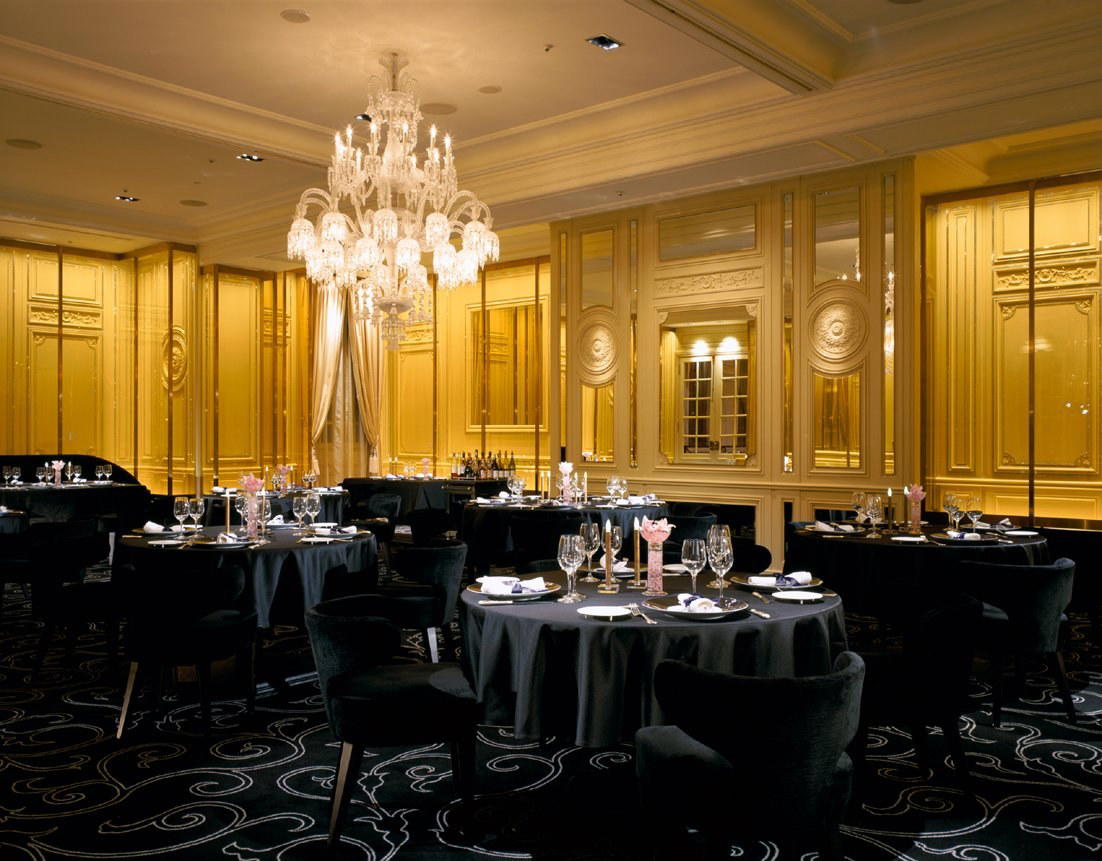
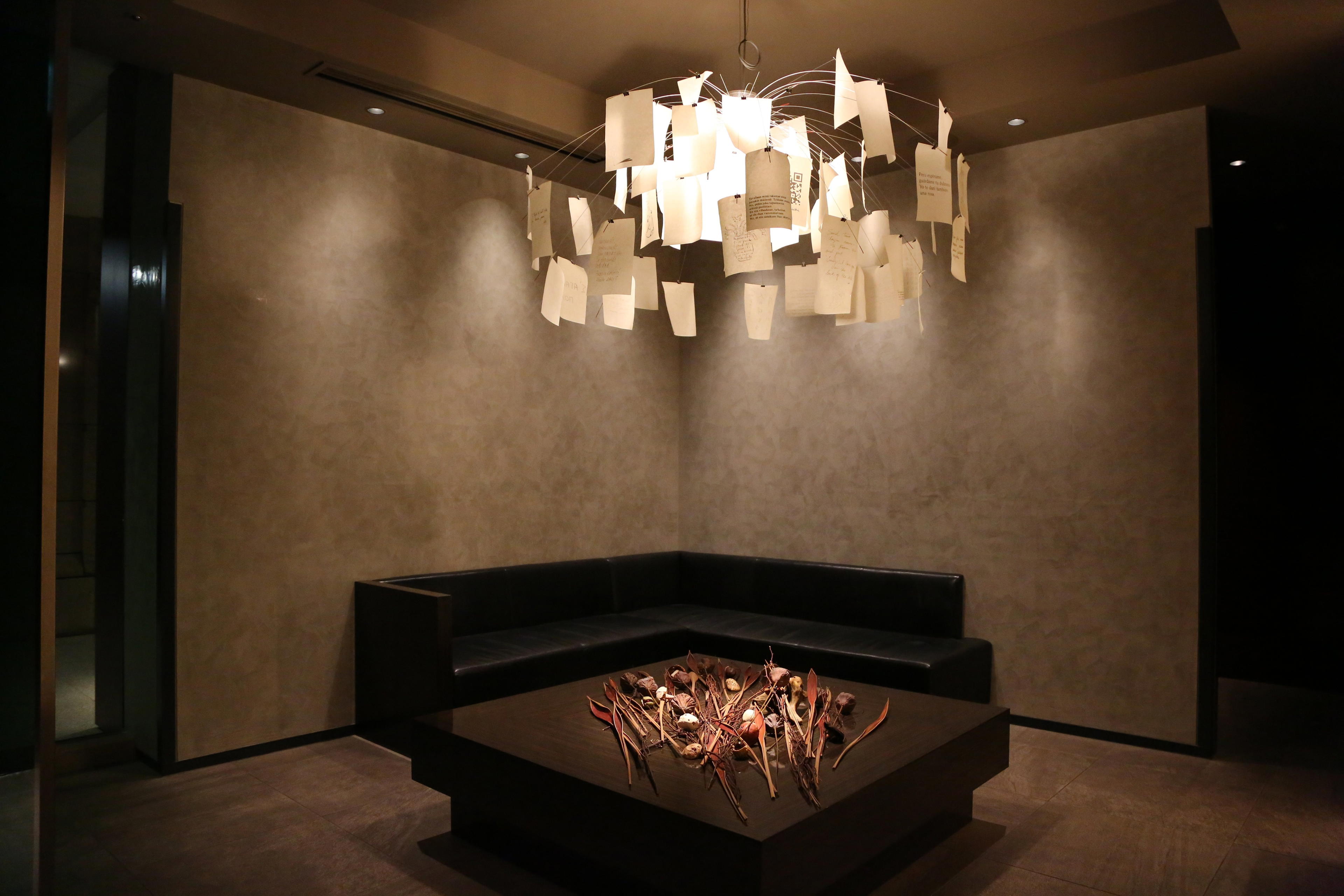
Elegant space reminiscent of a guesthouse with lush gardens, lacquered architecture, and a sophisticated, quiet atmosphere.