Our verdict
Nakamizo occupies a quiet address in Chuorinkan, Yamato, a Kanagawa city that sits between Yokohama and Tokyo without belonging to either dining scene.

Pearl is the En Primeur Club membership app, where members save venues, book tables and use the concierge.
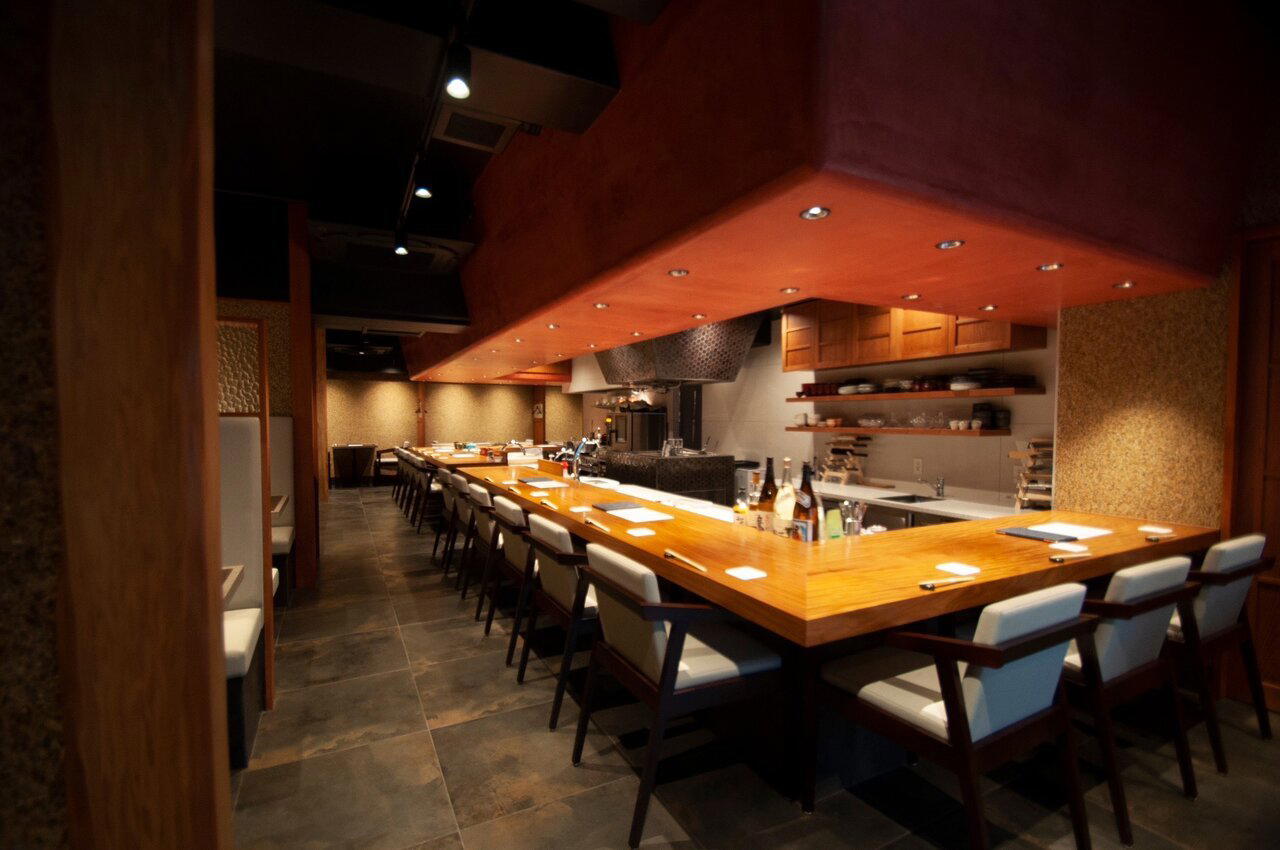
Yamato and the Restaurants That Don't Seek Attention
Japan's most serious dining does not always announce itself. The Michelin Guide, the 50 Best lists, and the international press tend to cluster around Ginza, Nishiazabu, Gion, and Minami, districts where the density of foreign visitors and domestic expense-account traffic justifies the coverage. But the country runs on a parallel system of neighbourhood restaurants that serve a regular local clientele, hold their quality to an exacting standard, and generate no noise beyond word-of-mouth and the occasional domestic review. Nakamizo, located in the Chuorinkan district of Yamato city in Kanagawa Prefecture, fits that pattern precisely.
Yamato sits on the Odakyu and Sotetsu rail lines between Yokohama and central Tokyo, a city of around 240,000 that functions primarily as a residential hub rather than a dining destination. That geography matters. Restaurants here price and position against a local clientele with high standards, Kanagawa's proximity to both major cities means residents have ready access to the full range of urban dining, rather than against tourist expectations or international media benchmarks. The result is a category of place that earns its following through consistency and craft, not through visibility. For context on how Yamato's dining scene fits into the broader Kanagawa picture, our full Yamato restaurants guide maps the city's neighbourhood-level character in more detail.
The Chuorinkan Setting
Chuorinkan is a residential quarter built around its rail station, the kind of neighbourhood where a serious restaurant operates in deliberate proximity to the people who eat there regularly rather than to passing trade. Approaching a venue like Nakamizo in this context, you are not arriving at a destination in the tourism-industry sense. You are arriving at a place that has earned its position through repeat visits and local trust. The physical environment, low-density streets, the rhythm of a commuter district rather than a commercial one, sets expectations before you walk through the door. This is not incidental. Many of Japan's most carefully run kitchens choose exactly this kind of location, where rent economics allow investment in ingredients and technique rather than in frontage and spectacle.
Ingredient Sourcing and Why Geography Drives Quality Here
Kanagawa Prefecture occupies a distinct position in Japan's ingredient supply chain. The prefecture borders Tokyo Bay and Sagami Bay, giving coastal access to seafood from two different current systems. Inland, the Tanzawa mountain range and the Sagami River basin feed agricultural production that reaches local restaurants at shorter distances than the distribution chains serving central Tokyo. For a neighbourhood restaurant operating in Yamato, that geography translates into practical sourcing advantages: direct relationships with Kanagawa producers, fish landed at Miura or Odawara, and the kind of seasonal responsiveness that comes from working with nearby suppliers rather than centralised wholesale markets.
This sourcing logic distinguishes serious neighbourhood restaurants from their urban equivalents in ways that are not always legible on a menu. At the highest tier of Japanese fine dining, where venues like Harutaka in Tokyo or Gion Sasaki in Kyoto operate with procurement networks built over decades, ingredient sourcing is itself a form of prestige. At the neighbourhood level, the same principle applies with different economics: the advantage is proximity rather than exclusivity, and the kitchen's skill lies in reading local seasonal availability and building around it. That approach connects Yamato's serious dining to a broader Japanese tradition that runs from the kaiseki houses of Kyoto down to the quietly excellent local restaurants that most international visitors never find. Comparable regional discipline shows up at places like Goh in Fukuoka and akordu in Nara, where geographic specificity informs both sourcing and identity.
Where Nakamizo Sits in the Yamato Context
Publicly available data on Nakamizo is sparse. That absence is itself a data point. Restaurants operating in Yamato's residential districts tend to communicate through domestic channels, Japanese review platforms, local food media, personal recommendation, rather than through the English-language or international press infrastructure that generates international visibility. Comparing notes with similarly positioned venues across Japan, from 一本杉川嶋制 in Nanao to 夕仔山乙 in Sapporo and 湖隣庵橘 in Takashima, a pattern emerges: restaurants at this level of regional specificity are often the ones where the most careful cooking happens, precisely because the audience is local and repeat rather than transient and forgiving.
The nearest awarded comparator in the area is Yokohama Ukaitei, which sits in the same city and occupies a more visible position in the regional dining conversation. At a different scale entirely, Japan's leading innovative kitchens, HAJIME in Osaka with its rigorous sourcing philosophy, or internationally recognised precision operations like Le Bernardin in New York City and Atomix, frame what ingredient-focused discipline looks like at the awarded end of the spectrum. Nakamizo operates in a different tier and a different register, but the underlying principle that sourcing geography shapes kitchen output connects all of them.
For readers seeking further neighbourhood-level context across Japan's less-covered regions, the editorial at venues like Bistro Ange in Toyohashi, bodai, Blue Ocean Steak in Nakagami District, Birdland in Sakai, 広羽屋 in Nishikawa Machi, and Cafe Naoshima Konichiwa in Naoshima illustrates how Japan's serious mid-tier dining extends well beyond the major city circuits.
Planning a Visit
Chuorinkan Station on the Odakyu Enoshima Line and the Sotetsu Izumino Line provides the most direct access from central Yokohama (approximately 25 minutes) and connects to Shinjuku via Odakyu in under 40 minutes. Given the residential character of the district, the practical approach is to research current hours and booking availability through Japanese review platforms such as Tabelog before visiting, as contact details and reservation systems for venues at this scale are not consistently available through English-language channels. Visiting on a weekday reduces competition for tables in neighbourhood restaurants of this type.
Frequently asked questions
Where is Nakamizo in Yamato?
Nakamizo is located at Japan, 〒242-0007 Kanagawa, Yamato, Chuorinkan, 5 Chome−6−1 チャイルドシティ, Yamato.
Is Nakamizo in Yamato accessible by train from Yokohama or Tokyo?
Chuorinkan Station, where Nakamizo is located at 5-chome in Yamato, Kanagawa, is served by the Odakyu Enoshima Line and the Sotetsu Izumino Line. From central Yokohama the journey runs approximately 25 minutes; from Shinjuku via the Odakyu line, allow around 40 minutes. There is no airport or major tourist transit hub in Yamato itself, so the station connection is the principal route in.
What should I eat at Nakamizo?
Kanagawa's position bordering both Tokyo Bay and Sagami Bay means neighbourhood restaurants in Yamato typically have access to coastal seafood alongside Sagami Plain produce, a supply chain that rewards kitchens willing to follow seasonal availability rather than fixed menus. Confirming the current offering directly with the venue before visiting is the most reliable approach.
How hard is it to get a table at Nakamizo?
No confirmed booking policy or seat count is documented for Nakamizo. Restaurants operating in Yamato's residential districts, away from the tourist circuits of Yokohama or central Tokyo, tend to run on local-repeat custom, which can make walk-in availability unpredictable on weekday evenings and weekends. Contacting the restaurant in advance is advisable, particularly if travelling from outside Kanagawa.
What makes Nakamizo worth seeking out?
Nakamizo operates in Chuorinkan, a residential quarter of Yamato that receives no material attention from international food press or award bodies, which means its clientele is local by default, and local clientele in Japan applies a consistent standard of accountability. Restaurants in this position do not rely on destination-diner tolerance; they maintain quality for people who return regularly and have alternatives nearby. That dynamic, more than any listed credential, is the practical argument for the visit.
Is Nakamizo allergy-friendly?
Yamato is a residential city rather than a tourist hub, so English-language allergy communication may be limited. Contacting the restaurant ahead of time, ideally with written Japanese specifying the relevant allergens, is the practical approach for anyone with dietary restrictions.
Comparable Venues
Comparable venues nearby, for context on price, style, and recognition.
| Venue | Cuisine | Price | Awards | Notes |
|---|---|---|---|---|
| NakamizoThis venue (the venue you are viewing) | Authentic Sushi | $1–10 | Not listed | Not listed |
| Maison Givree | French Patisserie | $10–20 | Tabelog 100 #10 | Chuo-Rinkan |
| Men Tei Tsumugi | Ramen shop | $10–20 | Tabelog 100 #46 | Minami Rinkan |
| Pentai | Casual Thai restaurant | $10–20 | Tabelog 100 #46 | Minamirinkan |
| Ramen Go | Sapporo-style miso ramen | Not listed | Tabelog 100 #34 | Tsuruma, Yamato |
| Niboshi Raamen Neko Tora Tei | Niboshi-focused ramen shop | $10–20 | Tabelog 100 #92 | / Yamato Sta., Tsuruma Sta., Sagami Otsuka Sta. |
Continue exploring
More in Yamato
Restaurants in Yamato
All restaurants in Yamato →


Bars in Yamato
Browse all →


Hotels in Yamato
Browse all →


Wineries in Yamato
Browse all →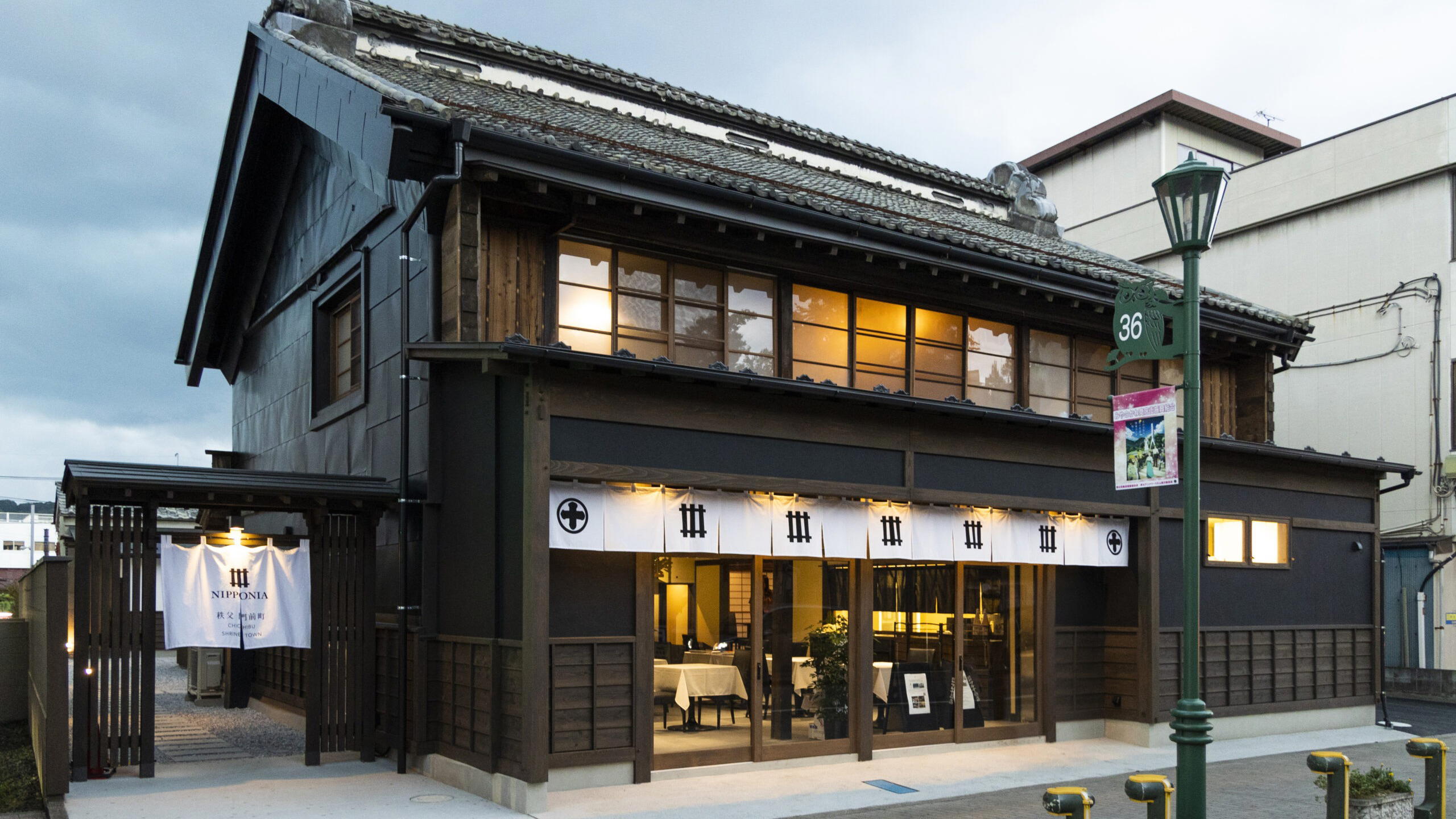
Details
- Modern
- Family
- Casual Hangout
- A La Carte
- Counter Dining
Current opening hours
- Monday
- Closed
- Tuesday
- 5–9:30 PM
- Wednesday
- 5–9:30 PM
- Thursday
- 5–9:30 PM
- Friday
- 12–2 PM, 5–9:30 PM
- Saturday
- 5–9:30 PM
- Sunday
- 12–2 PM, 5–7 PM
Hours can change for holidays and private events. Hours as of .
Bright, white-themed interior.