
Yanyu brings Fujian cooking to Chengdu's Xindu District with a precision and restraint rarely encountered in a city defined by chilli heat. Holding a 2024 Michelin Plate, it occupies a mid-premium tier and represents one of the few dedicated Hokkien-tradition restaurants operating in Sichuan. The dining rhythm here follows southern coastal customs: lighter, more sequential, and built around ingredient clarity.
Pearl is the En Primeur Club membership app — saves, bookings, and concierge access live there. Same editors, same standards.
- Address
- Q542+6FC, Yizhan Ring, Xindu District, Chengdu, Sichuan, China, 610503
- Phone
- +86 187 2881 8297
- Directions
- Get directions
 Saves & bookings on Pearl
Fujian in the Land of Spice
Chengdu's dining identity is built on heat, numbing peppercorn, and the kind of cooking that announces itself before the plate reaches the table. Against that backdrop, a restaurant serving Fujian cuisine operates from a completely different set of priorities. Where Sichuan food layers complex, aggressive flavour profiles, the Fujian tradition prizes broth clarity, clean umami, and the kind of restraint that depends on sourcing quality rather than seasoning volume. Yanyu, positioned in the Xindu District, sits inside that contrast deliberately. It is not an accommodation of Sichuan palates — it is a committed presentation of a separate culinary tradition, in a city that rarely makes space for it.
Fujian cuisine, sometimes called Hokkien cuisine in its diaspora forms, covers the coastal province running down China's southeastern seaboard. Its cooking is defined by light, mineral-forward broths, seafood sourced from the Taiwan Strait and the South China Sea, and a culinary calendar that shifts with tide and harvest rather than season alone. Dishes tend to arrive in careful sequence rather than simultaneously, and the pacing of a Fujian meal reflects that logic: slower, more deliberate, each course designed to reset the palate rather than overwhelm it. For a full picture of where Yanyu sits in Chengdu's broader restaurant scene, our full Chengdu restaurants guide maps the city's competitive tiers in detail.
The Ritual of the Meal
The dining customs associated with formal Fujian cooking are worth understanding before arrival because they shape the experience in ways that differ from most Chengdu restaurant visits. The meal is not a single event but a sequence, typically opening with cold preparations or lighter broths before moving through progressively more substantial courses. Tea service frequently plays an organizing role, with different teas pairing to different phases of the meal rather than arriving as a single welcome gesture. This is a tradition shared with fine dining rooms across the Fujian tradition from Hokklo in Xiamen to Wenru No.9 in Fuzhou, where ritual and sequence are as important as any individual dish.
At Yanyu, the ¥¥¥ price positioning places it at a mid-premium tier — below Chengdu's top-end rooms such as Yu Zhi Lan or Xin Rong Ji, both priced at ¥¥¥¥, but clearly above the everyday Sichuan tier. That positioning matters for the meal's format: it suggests a structured experience with professional service, rather than the more casual, communal style of Chengdu's street-food culture. The 2024 Michelin Plate recognition, awarded to restaurants that inspectors identify as serving good cooking, confirms that the kitchen's output meets a standard the guide considers worth noting, without the fuller critical endorsement of a starred listing.
Xindu District: Outside the Centre, By Design
Yanyu's address, on Yizhan Ring in the Xindu District, places it outside Chengdu's central restaurant corridors. Xindu is one of Chengdu's northern districts, historically known as a quieter, less commercially saturated part of the city. In Chinese fine dining, addresses that sit away from city-centre clusters are not always disadvantages: they often signal that the restaurant is drawing a destination audience rather than relying on foot traffic. Restaurants that function as culinary destinations in suburban or peripheral addresses in Chinese cities tend to have either strong local residential followings or a specifically cultivated reputation that travels. Yanyu appears to be doing the former, serving a community of diners in Xindu who want access to high-quality regional cooking without travelling to the Ring Road dining corridors. For visitors staying centrally, the Xindu address requires planning, factoring in travel time on Chengdu's metro or by car is necessary, and the visit works better as a deliberate trip than as a spontaneous addition to an itinerary.
For travellers building a full Chengdu stay around food, our full Chengdu hotels guide covers accommodation options across the city, and our full Chengdu bars guide and experiences guide round out the picture.
Fujian Cooking in Chinese Cities Beyond the Province
The broader question Yanyu raises is what happens to a regional Chinese cuisine when it is transplanted into a city with a strong culinary identity of its own. Chengdu is one of only a handful of Chinese cities with UNESCO Creative City of Gastronomy status, and its restaurants reflect that confidence. But that strength has historically meant that non-Sichuan cooking either adapts to local expectations or occupies a niche with limited visibility. Yanyu's Michelin recognition is a signal that the kitchen has not compromised toward local convention. For comparison, the Fujian tradition is gaining formal critical acknowledgment across Chinese cities, Xin Rong Ji in Beijing, 102 House in Shanghai, and Ru Yuan in Hangzhou all represent versions of coastal southeastern Chinese cuisine finding critical footing in cities with very different culinary cultures. Further afield, Chef Tam's Seasons in Macau, Imperial Treasure Fine Chinese Cuisine in Guangzhou, and Dai Yuet Heen in Nanjing show how southern Chinese culinary traditions are being positioned as premium alternatives to local cooking in their respective cities. Yanyu belongs to that pattern.
Other Chengdu restaurants worth understanding in this context include Chuanpu and Fang Xiang Jing, both of which demonstrate how Chengdu's mid-to-premium tier operates, and how Yanyu's Fujian positioning creates a distinctly different offer within that same bracket.
Planning the Visit
Yanyu sits at a price point, ¥¥¥, where booking ahead is advisable rather than optional. Restaurants in this tier in Chinese cities, particularly those with Michelin recognition, operate with controlled capacity and tend not to carry walk-in tables during peak dinner hours. Given the Xindu District location, confirming the reservation in advance also allows you to plan transport without uncertainty. No online booking method is listed in available records, so the most reliable approach is to call ahead or use a hotel concierge with Mandarin-language capacity if you are arriving as an international traveller unfamiliar with the local phone culture. The ¥¥¥ positioning means the meal will represent a meaningful spend without reaching the top tier of Chengdu dining, placing it in comparable territory to serious regional cooking rooms in other Chinese cities at a similar recognition level.
How Yanyu Chengdu compares with similar nearby venues.
| Venue | Cuisine | Price | Awards |
|---|---|---|---|
| Yanyu | Fujian | ¥¥¥ | Michelin Plate (2024) |
| #8 | Hotpot | ¥¥¥ | Not listed |
| Fang Xiang Jing | Sichuan | ¥¥¥ | Not listed |
| Tivano | Italian | ¥¥¥ | Not listed |
| Hokkien Cuisine | Fujian | ¥¥¥ | Not listed |
| Chuanpu | Fujian | ¥¥ | Not listed |
Recognition history
Dated appearances from independent guides and award organizations, with the underlying list record or original source where available.
Michelin Plate
Michelin




At a Glance
- Modern
- Sophisticated
- Elegant
- Business Dinner
- Date Night
- Special Occasion
- Hotel Restaurant
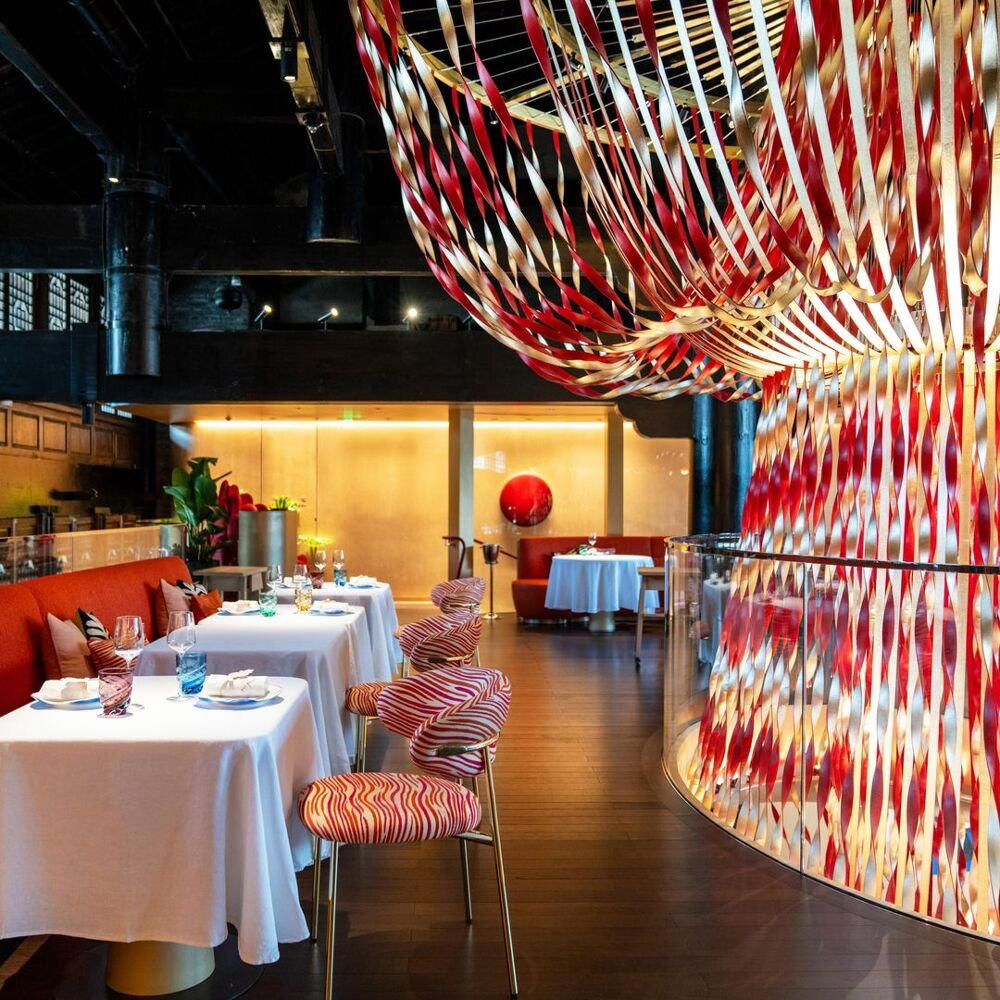
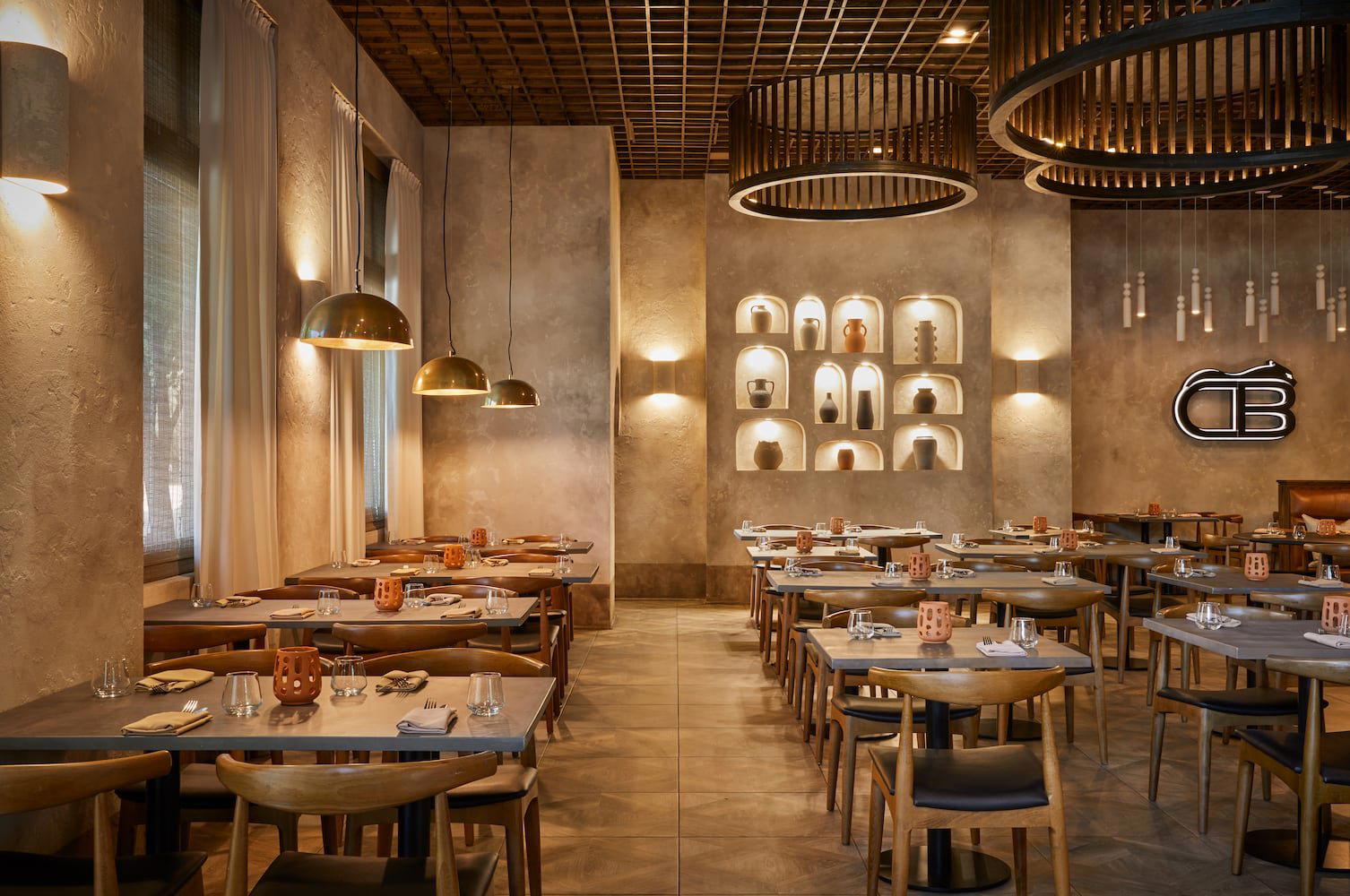
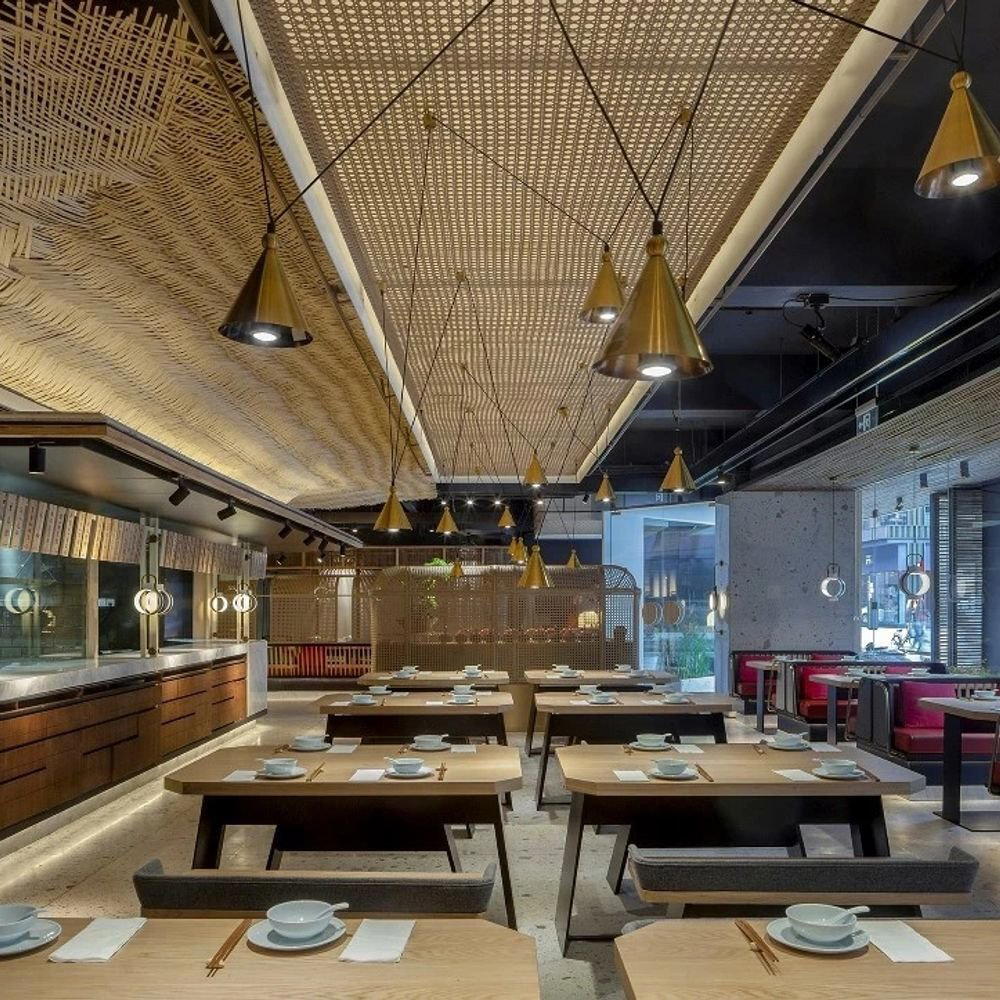
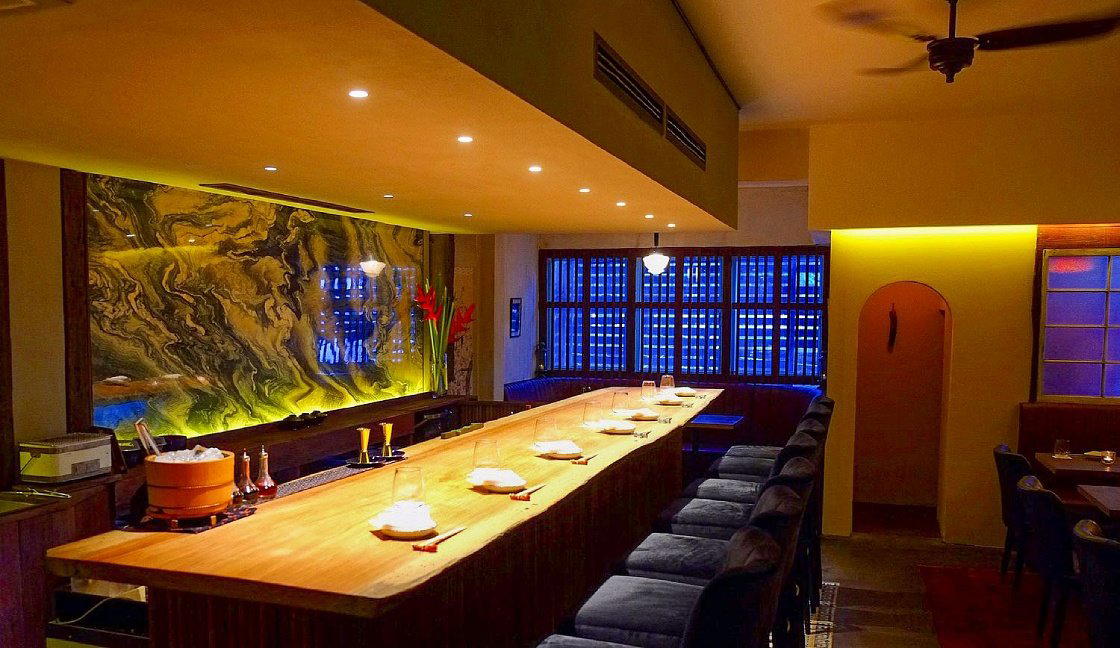
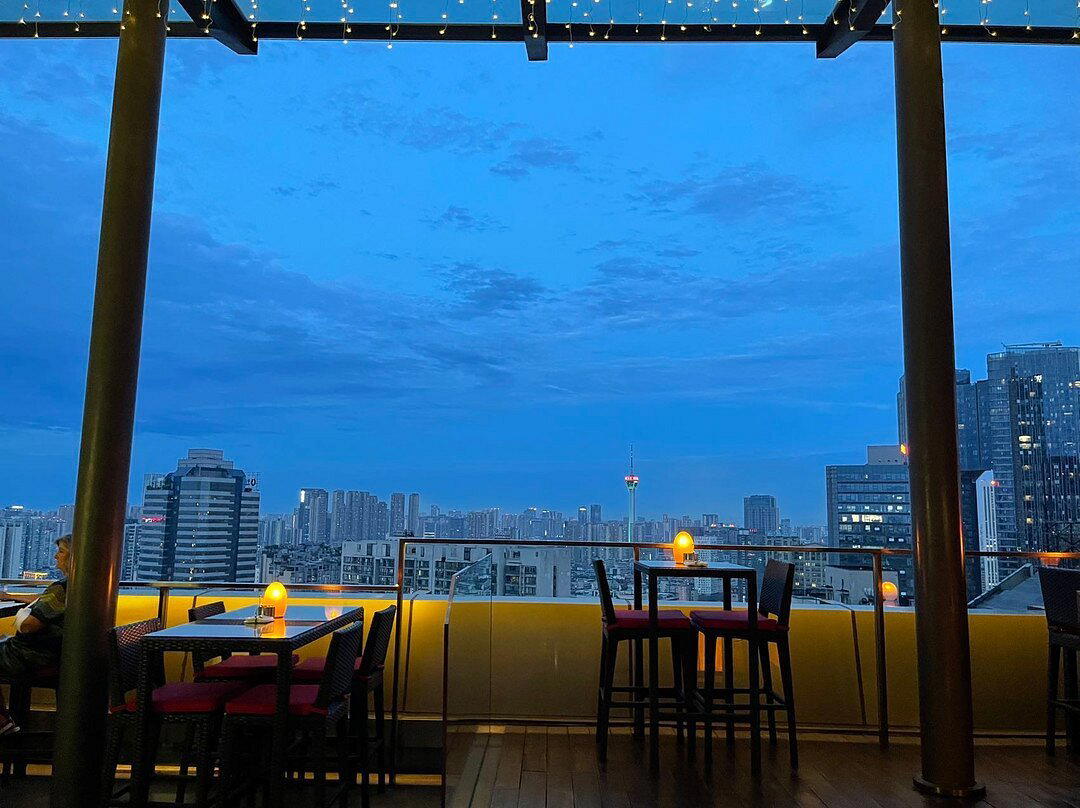
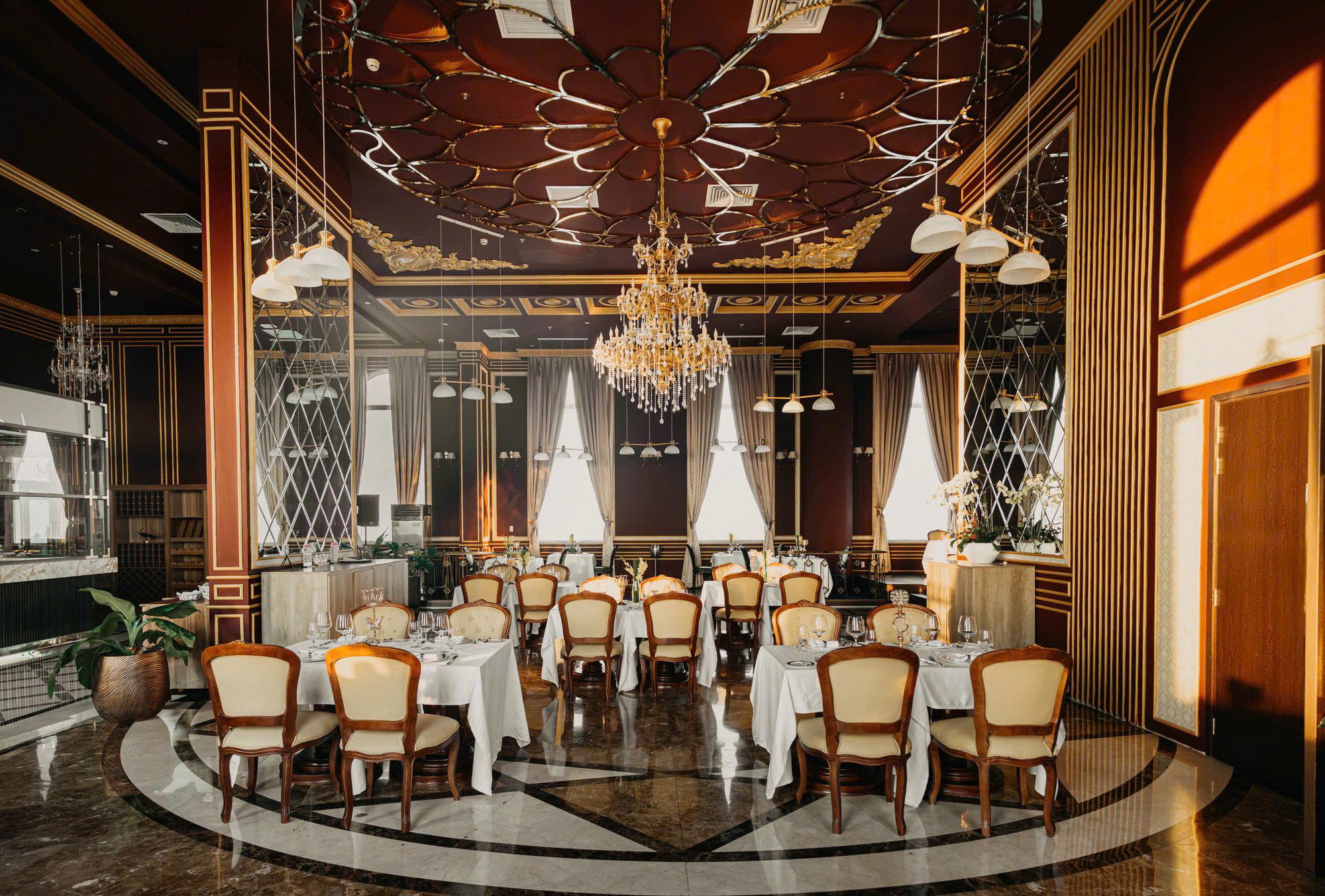
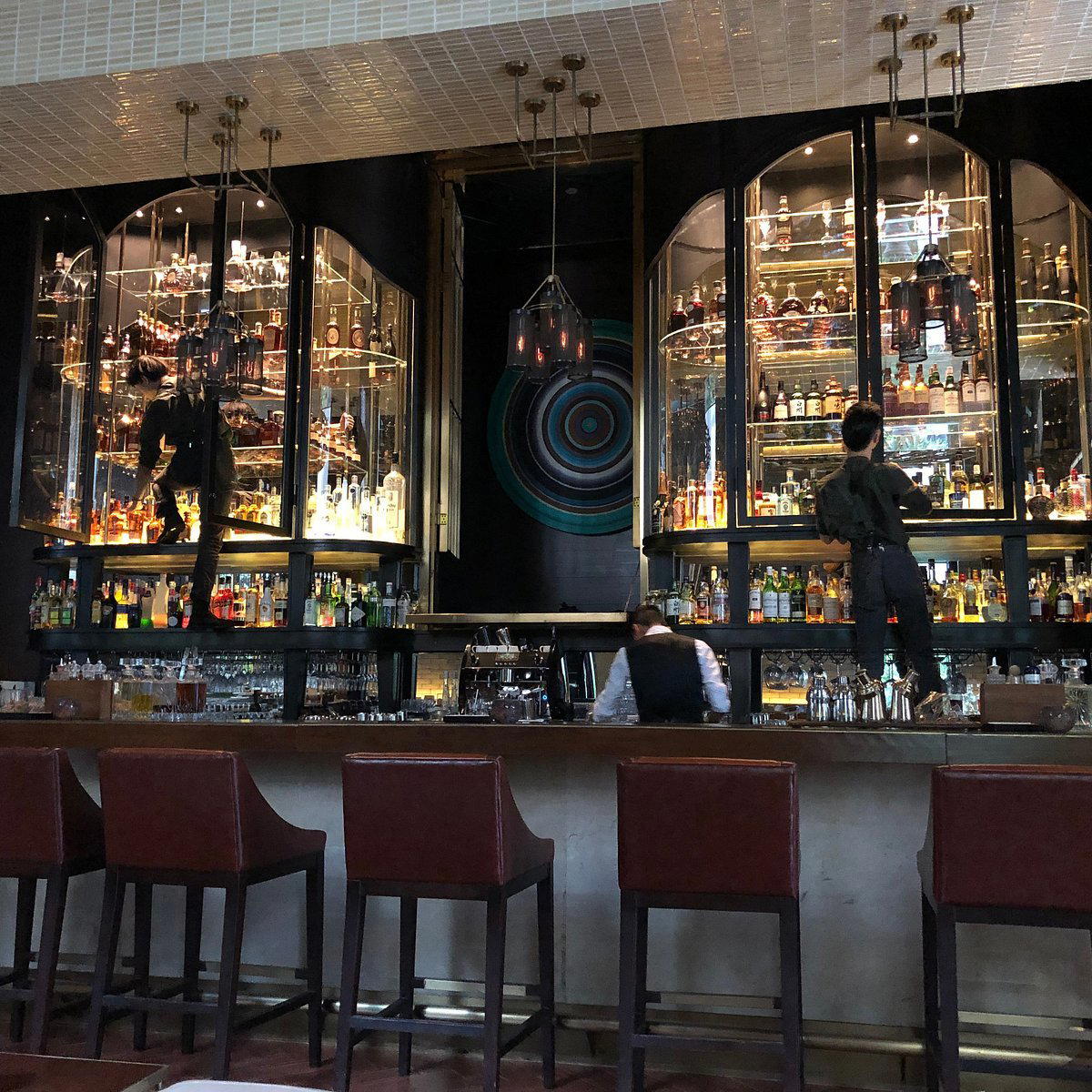
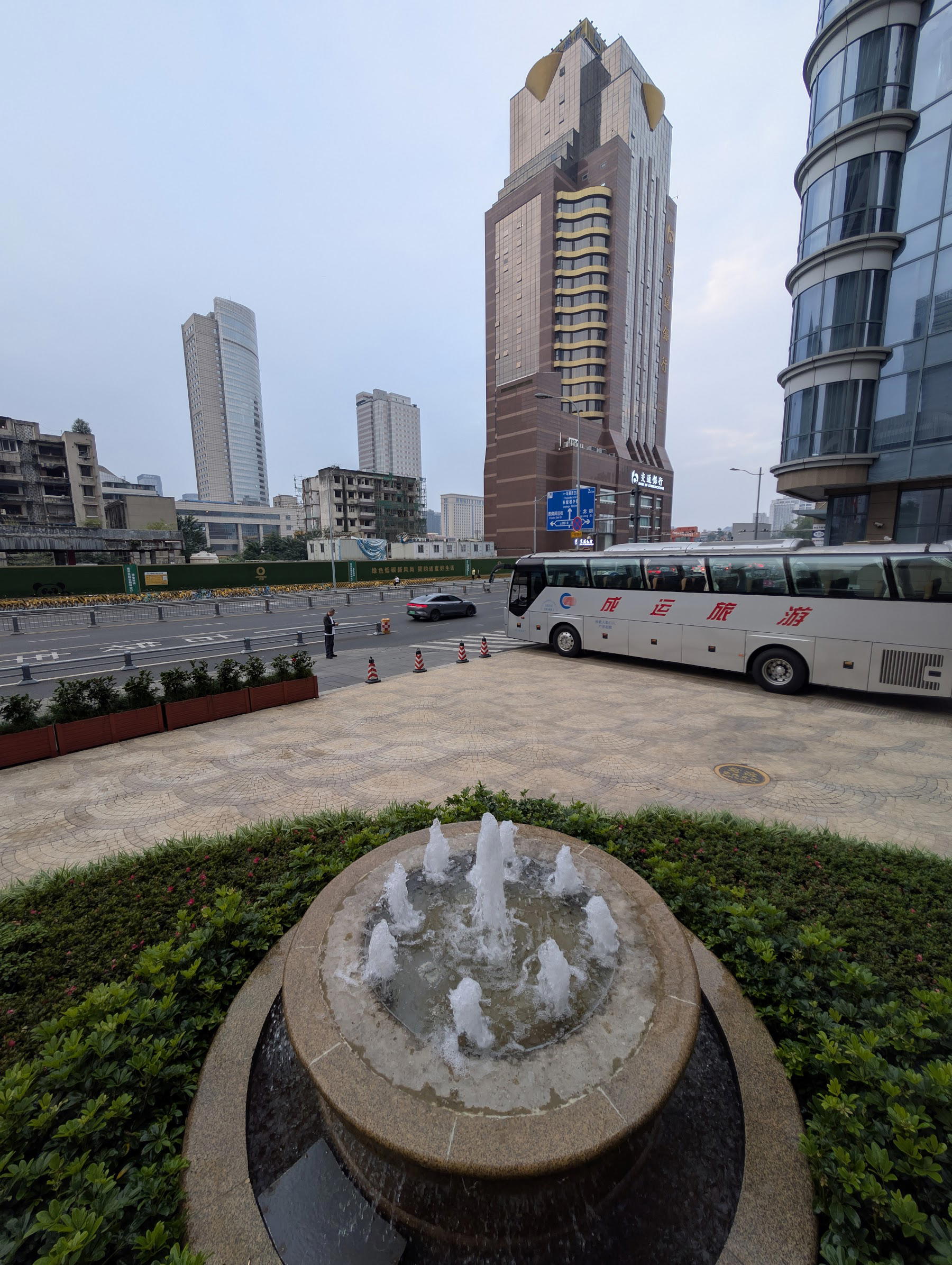
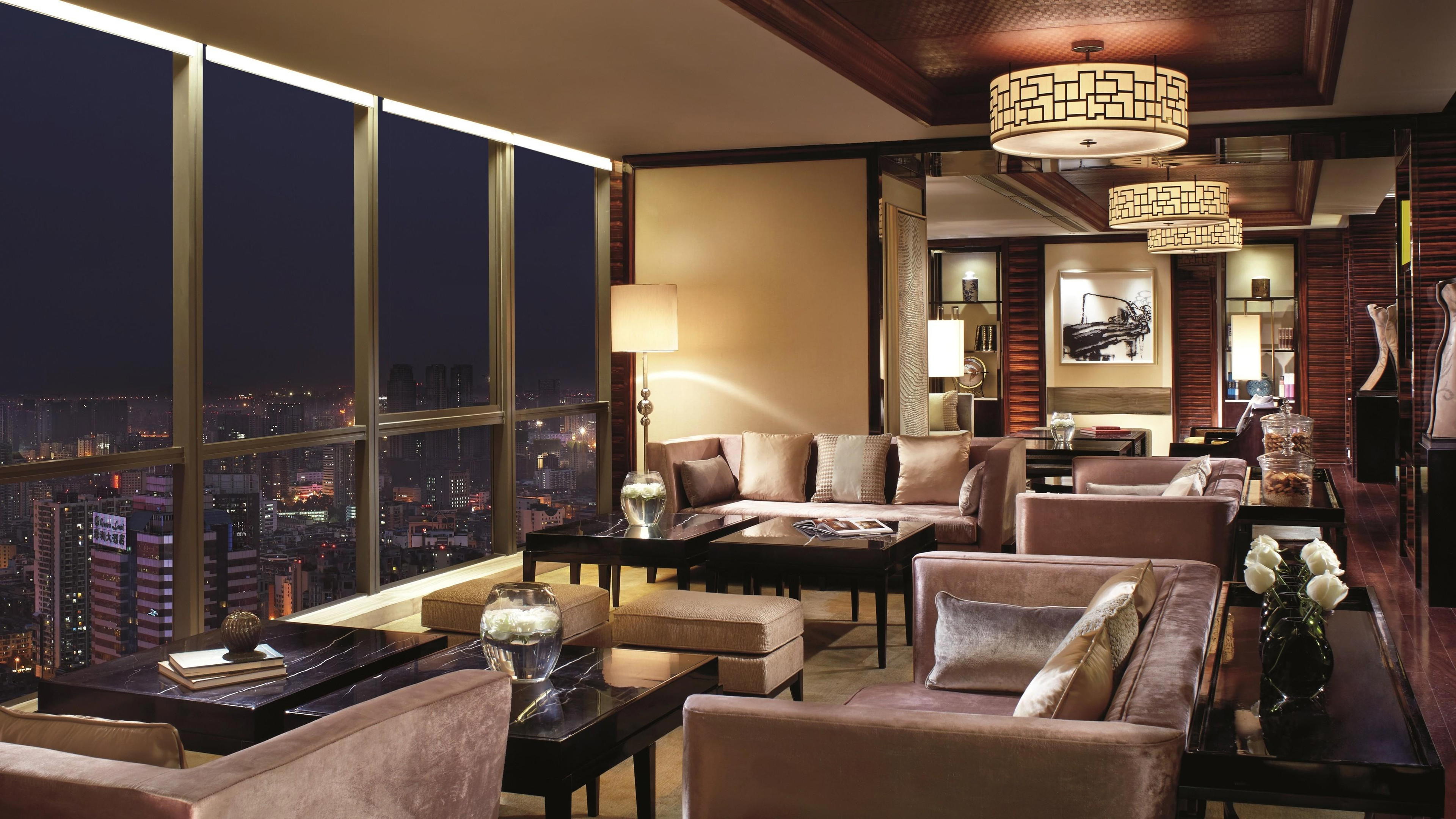
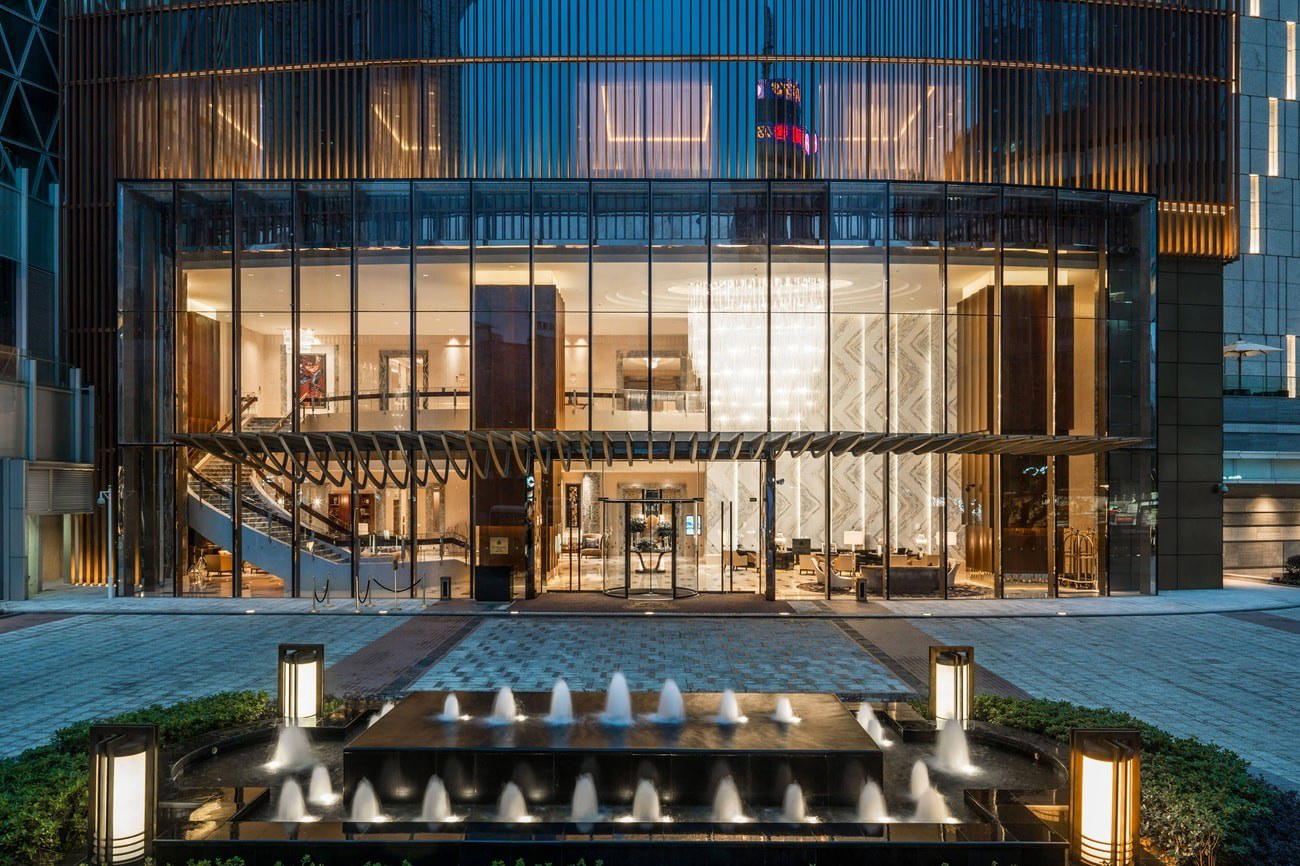
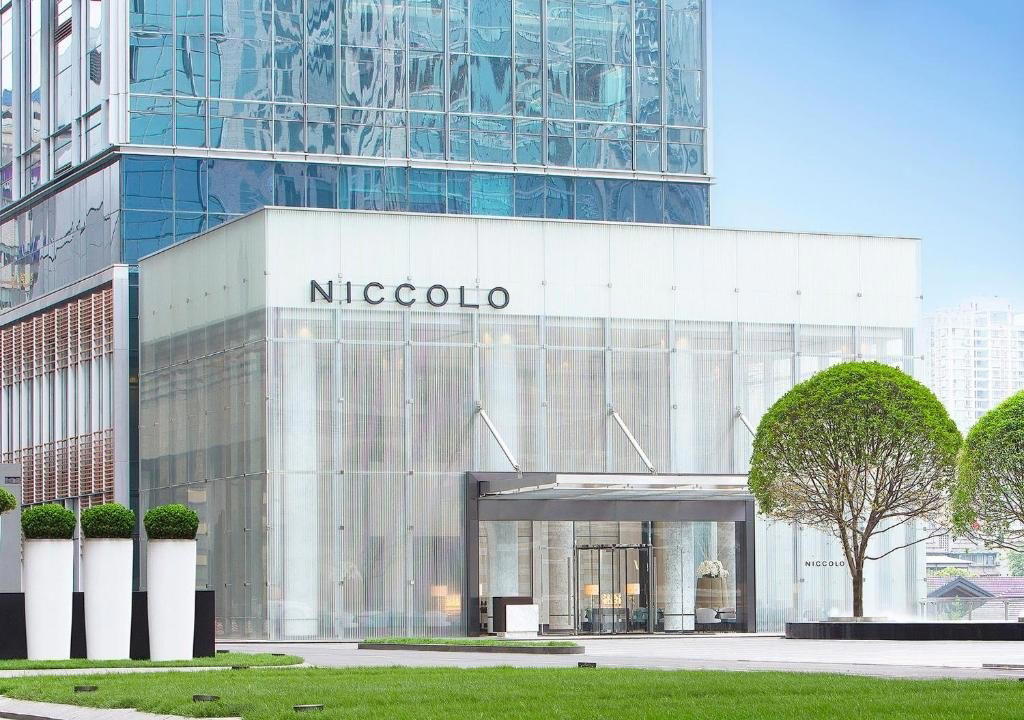
Mid-premium, polished mall dining with a restrained, ingredient-focused atmosphere.
Know Before You Go
- Getting there
- Q542+6FC, Yizhan Ring, Xindu District, Chengdu, Sichuan, China, 610503