
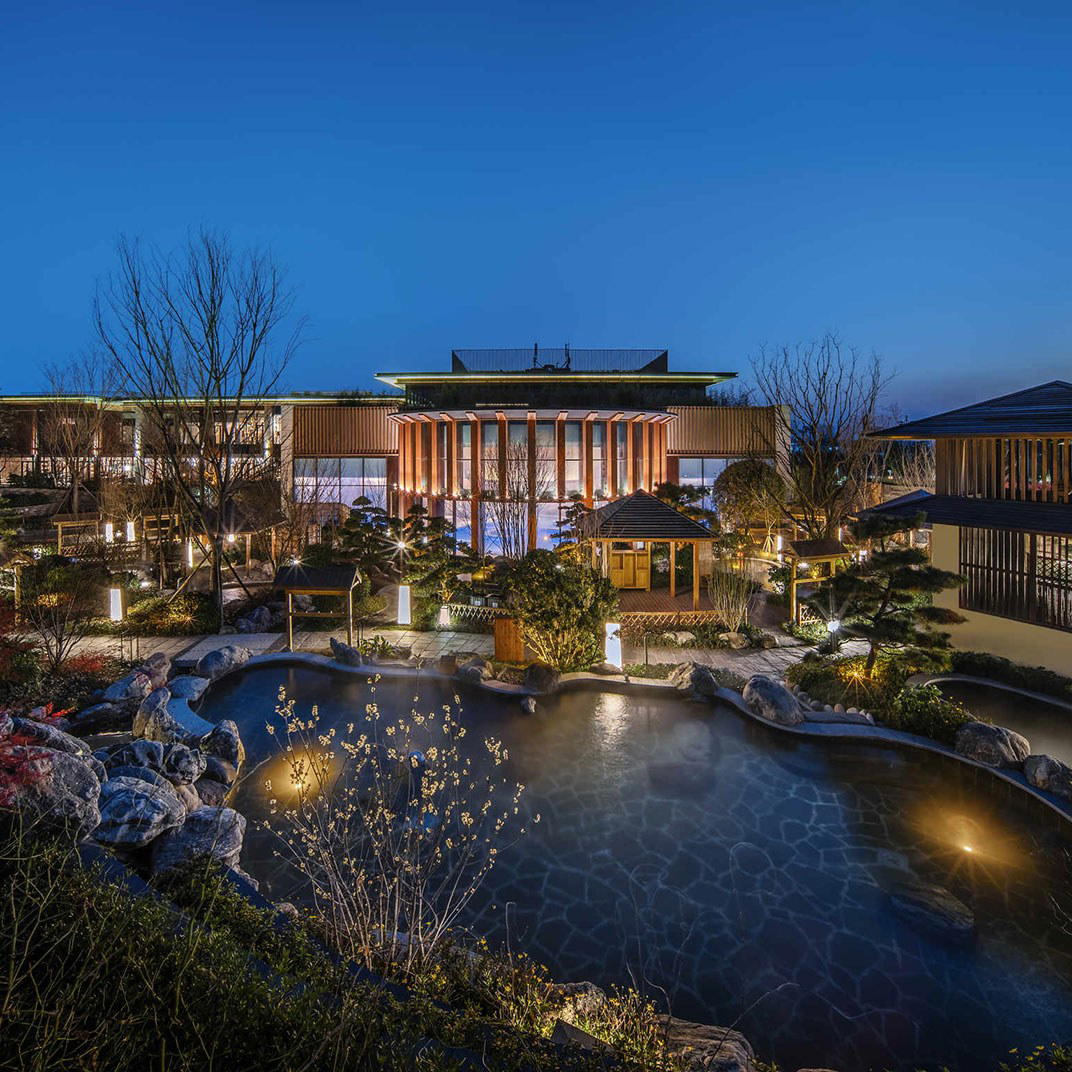
Sichuan Folk occupies the second and third floors of a traditionally appointed building on Shenxianshu South Road, framed at its entrance by two memorial arches and a central pond. The kitchen leans toward Chongqing-inflected snacks and sharing plates within the broader Sichuan canon, while a nightly face-changing opera performance at 7pm layers cultural theatre into the meal. Portions run large, making it a natural choice for groups.
Pearl is the En Primeur Club membership app — saves, bookings, and concierge access live there. Same editors, same standards.
- Address
- 2-3F, 63 Shenxianshu South Road, Wuhou
- Phone
- +86 28 8551 1888
- Directions
- Get directions
 Saves & bookings on Pearl
Two Memorial Arches and the Sound of Changing Faces
Sichuan Folk is a restaurant in Wuhou, Chengdu, serving Traditional Sichuanese with Chongqing Snacks at about US$25 per person. The approach to Sichuan Folk on Shenxianshu South Road announces itself before you reach the door. Two memorial arches frame the entrance, flanking a pond that introduces a register of traditional Chinese architectural ceremony rarely seen in the mid-range dining tier. In a city where Sichuan restaurants range from fluorescent-lit street counters charging next to nothing to formal tasting rooms like Yu Zhi Lan commanding ¥¥¥¥ prices, Sichuan Folk occupies a specific position: theatrically appointed, culturally programmed, and oriented toward communal eating at an accessible scale.
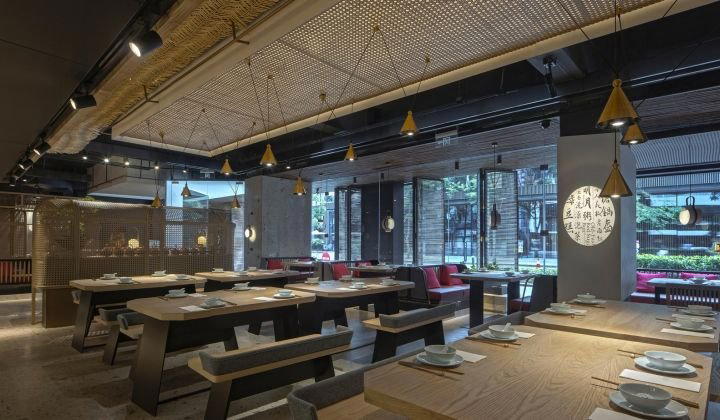
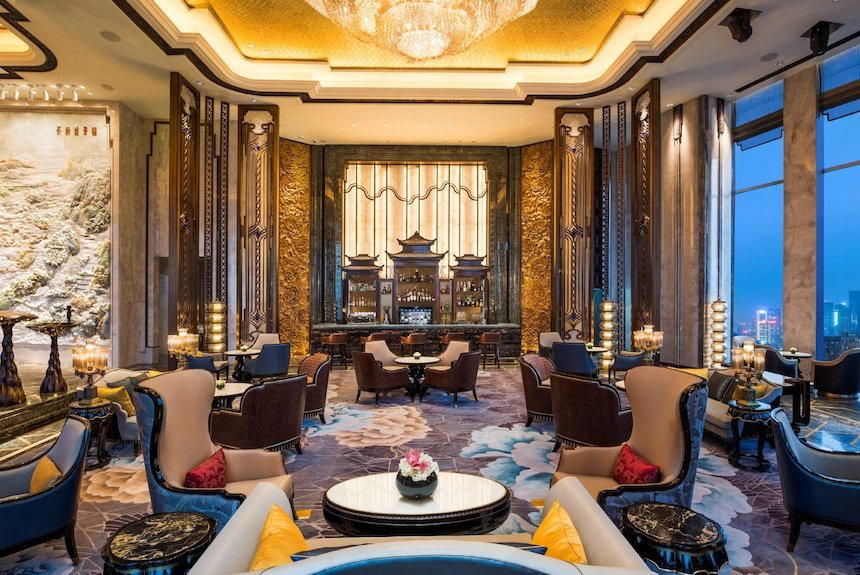
The dining room across the second and third floors reinforces that first impression. Traditional decorative elements carry through the interior, and the spatial logic is organised around the 7pm performance, when the room's attention shifts collectively to the face-changing opera (biànliǎn) that has been a fixture of Sichuan cultural life for generations. That nightly show is the structural centrepiece of the evening format, and understanding this shapes how a visit here should be planned.
The Chongqing Thread Inside Sichuan Cooking
Sichuan cuisine is not monolithic. Within its broad parameters, the regional dialects run from the flower-pepper brightness of Chengdu street food to the more aggressive, oil-heavy intensity that characterises Chongqing cooking. Sichuan Folk's menu tilts toward the Chongqing end of that spectrum, with an emphasis on snacks and nibbles that reflect the sharing-plate culture of that city's teahouses and riverside stalls.
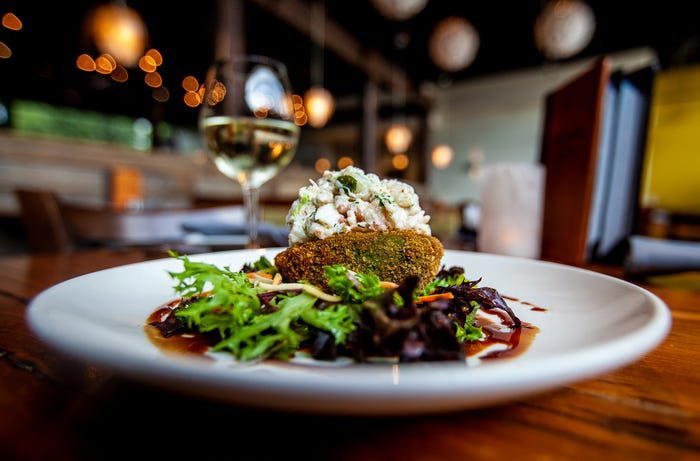
At the ¥¥¥¥ tier, venues like Xin Rong Ji or Fang Xiang Jing present Sichuan ingredients through a composed, formal lens. The restaurant operates differently: the format is generous, communal, and designed for groups to graze rather than for solo diners working through a structured sequence. The stewed yellowhead catfish in peppery stock with scallion, silky-textured, aromatic from the broth, is representative of the kitchen's approach: recognisably regional, technically sound, and calibrated for sharing rather than individual precision plating. Portions throughout run large by design.
This approach connects to a longer tradition in Sichuan and Chongqing hospitality where abundance and sociability are the primary signals of a good meal. The table-centred, group-sharing format is how most people in these cities eat, and restaurants that maintain it occupy a distinct niche in Chengdu's dining order. Compare this with the intimate, highly controlled formats at places like Fu Rong Huang, and the contrast clarifies what the restaurant is doing and for whom.
Biànliǎn: Cultural Performance as Dining Context
Face-changing opera is one of the more demanding performance traditions in Chinese theatre. Practitioners change elaborately painted masks in fractions of a second, a technique historically guarded within performance lineages and rarely staged for general audiences until the late twentieth century, when Chengdu's cultural tourism infrastructure began incorporating it into restaurant and teahouse programming. The 7pm show at the restaurant places it within that tradition, which has become sufficiently widespread in Chengdu that the quality and integration of the performance into the dining environment varies across venues.
At the restaurant, the performance is structural rather than incidental. The room is arranged for it, and the evening pacing is built around it, which means arriving with enough time to settle, order, and be mid-meal when the show begins is the intended rhythm of a visit. This is a different dining logic from, say, the quiet concentration expected at a specialist regional table elsewhere in the city. The noise level, the communal atmosphere, and the theatrical interruption are not distractions here, they are the point.
For international travellers drawing comparisons to similar cultural-dining formats elsewhere in China, the analogy holds reasonably well with certain Hangzhou establishments like Ru Yuan, which similarly embeds cultural programming into the hospitality structure, or with the more formal integration of performance at venues like Chef Tam's Seasons in Macau, where spectacle and cuisine carry equal weight.
How Sichuan Folk Sits in Chengdu's Dining Order
Chengdu is a UNESCO Creative City of Gastronomy, a designation that reflects the depth and diversity of food culture here rather than the presence of fine-dining institutions alone. The city's restaurant scene runs from ¥-tier street food at places like Chen Mapo Tofu on Qinghua Road to the ¥¥¥¥ formality of Yu Zhi Lan. The restaurant occupies the middle of that range in terms of pricing but sits toward the upper end in terms of spatial and cultural investment, the architecture, the performance programme, and the size of the operation suggest a venue that has absorbed significant capital into ambience and programming rather than kitchen refinement alone.
This is not a destination for those prioritising technical precision above all else, as Chengdu's Michelin-tracked rooms deliver more controlled experiences. The restaurant's value proposition is different: cultural immersion, communal scale, and a physical environment that signals traditional Chinese hospitality with a seriousness that mid-market venues in most other Chinese cities rarely match. For first-time visitors to Chengdu who want a single evening that combines regional food and cultural performance, the format here addresses that need more coherently than most alternatives in the city.
Planning Your Visit
The restaurant is located at 2-3F, 63 Shenxianshu South Road in Wuhou district. The 7pm face-changing performance sets the evening's rhythm; arriving before 7pm allows time to order and begin eating before the show starts. The communal, sharing-plate format means larger groups extract more value from the menu than solo diners or pairs, the generous portion sizes are calibrated for four or more people. Given the performance schedule and the group-dining format, the room fills predictably in the evenings; planning ahead rather than walking in is the sensible approach.
Chengdu's dining scene rewards lateral exploration. Beyond the restaurant, venues including Xin Rong Ji, Yu Zhi Lan, and Fang Xiang Jing each address a distinct tier and approach within the city's Sichuan canon. For those moving through China more broadly, comparable cultural-dining intersections can be found at 102 House in Shanghai, Xin Rong Ji on Xinyuan South Road in Beijing, and Imperial Treasure Fine Chinese Cuisine in Guangzhou, each offering a different window into how Chinese culinary tradition is being staged and served at the current moment.
Nearby-ish Comparables
Comparable venues nearby, for context on price, style, and recognition.
| Venue | Cuisine | Price | Notes |
|---|---|---|---|
| Sichuan FolkThis venue — the venue you are viewing | Traditional Sichuanese with Chongqing Snacks | $$ | Not listed |
| Tong Fu She | Sichuan Home Cooking | $$ | Chengdushi |
| Chuanpu | Fujian Live Seafood | $$ | Chengdushi |
| Chaimen Gong Guan | Modern Sichuanese | $$ | Chengdushi |
| Long Sen Yuan (Qingyang) | Authentic Chengdu Hotpot | $$ | Chengdushi |
| Qian Li | Taizhou Seafood | $$$ | Chengdushi |
Recognition history
Dated appearances from independent guides and award organizations, with the underlying list record or original source where available.
Michelin Plate
Michelin · 2026 Michelin Plate
At a Glance
- Classic
- Elegant
- Intimate
- Group Dining
- Special Occasion
- Open Kitchen
Current opening hours
- Monday
- 10 AM–10 PM
- Tuesday
- 10 AM–10 PM
- Wednesday
- 10 AM–10 PM
- Thursday
- 10 AM–10 PM
- Friday
- 10 AM–10 PM
- Saturday
- 10 AM–10 PM
- Sunday
- 10 AM–10 PM
Hours can change for holidays and private events. Last verified .
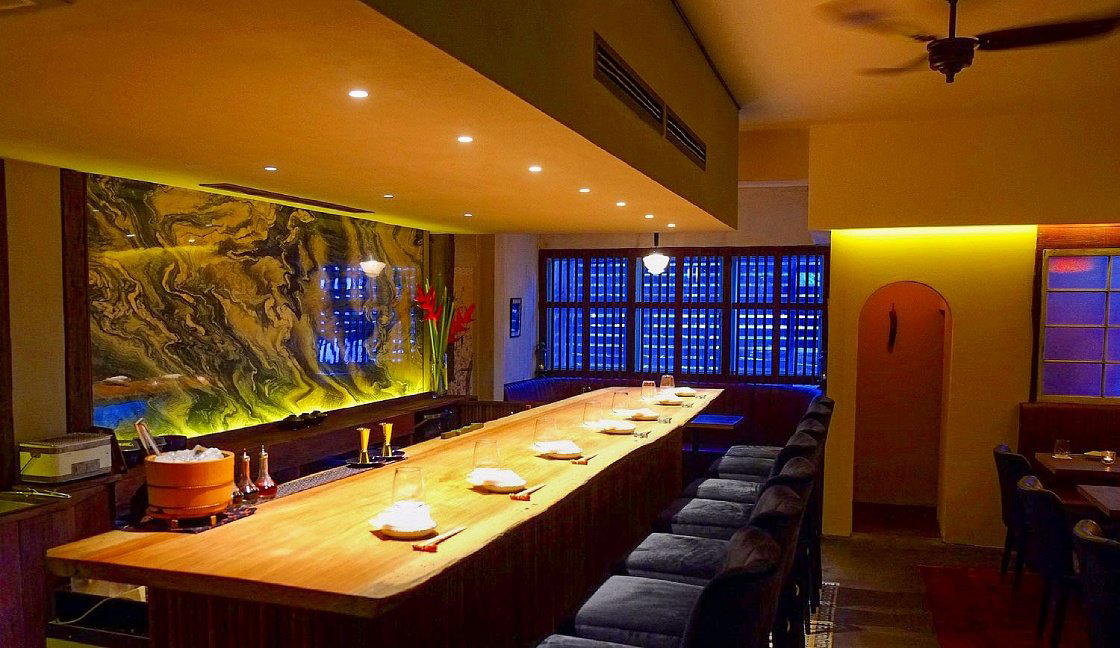
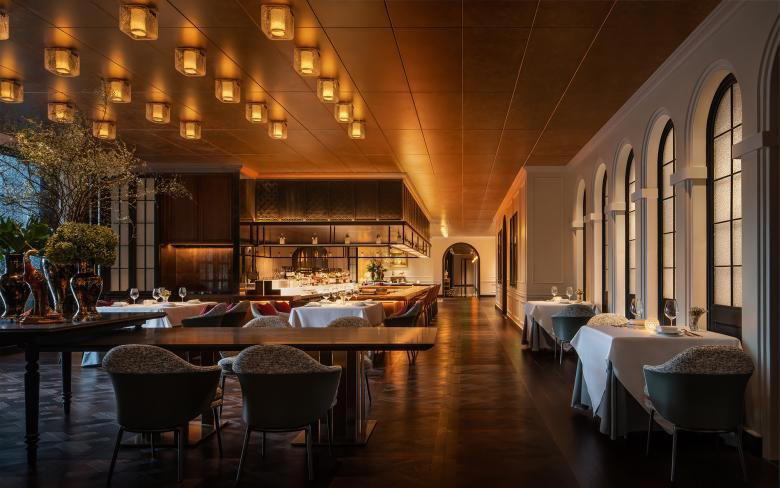
Traditionally appointed dining room with wooden screens, burnished tones, lantern light, and a sense of quiet ceremony.