
Michelin Plate
Our verdict
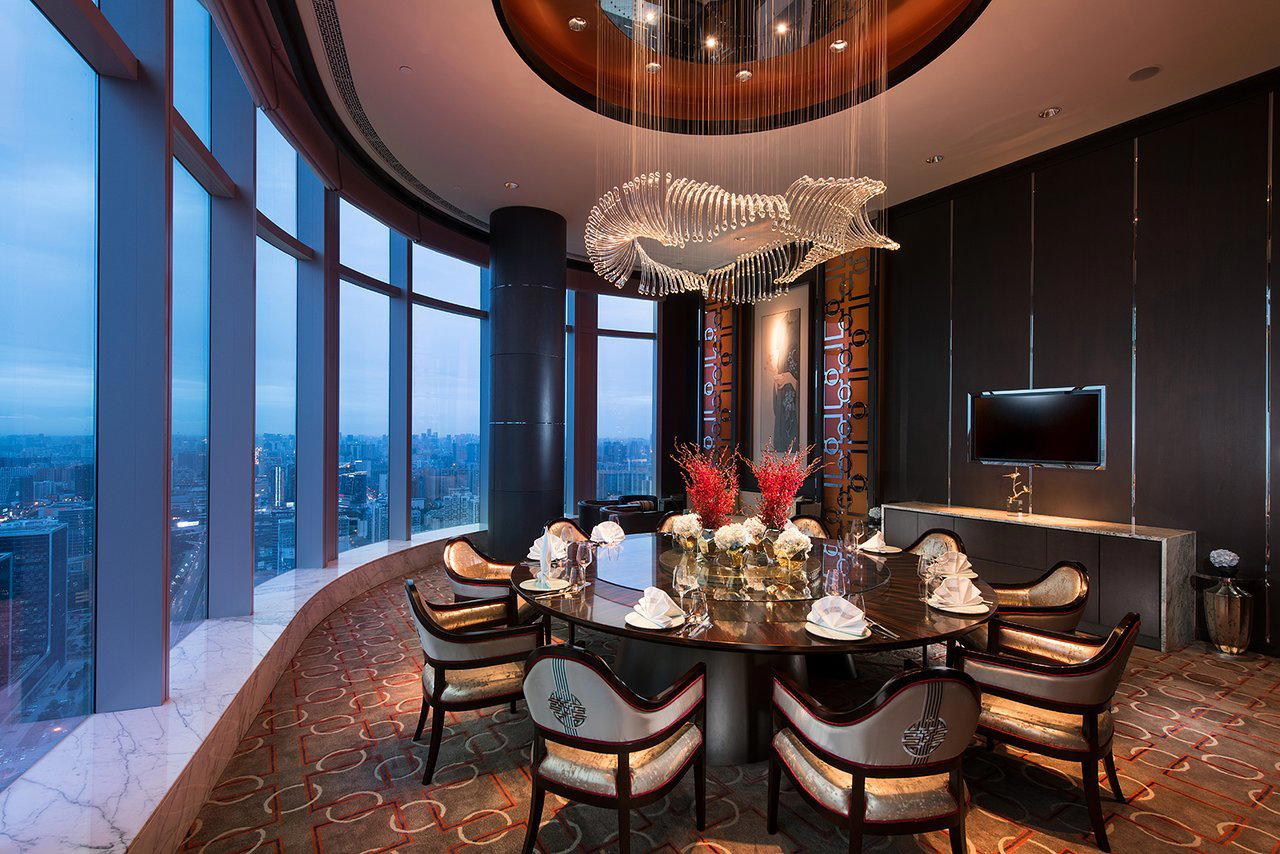
On the 50th floor of the Waldorf Astoria Chengdu, Infinite Luck positions Sichuan cuisine at an altitude that matches its ambition. A chef with more than three decades of provincial cooking behind him anchors the menu in the recipes that define the region, from tea-smoked duck to mapo tofu reimagined with house-made rice jelly. This is canonical Sichuan cooking served with the formality of a luxury hotel address.

Pearl is the En Primeur Club membership app, where members save venues, book tables and use the concierge.
The menu
What to order
- Camphor Tea-Smoked Gourd “Pu River” Duck
- Guaiwei Crispy Wagyu Beef Short Ribs
- Yaan Fish Soup with Handmade Fish Balls
Sichuan at Altitude: The View From the 50th Floor
Chengdu's fine-dining tier has been recalibrated over the past decade. What was once a city associated almost exclusively with street-level spice and communal hotpot now hosts a cluster of serious restaurants operating at luxury hotel standards, placing Sichuan cuisine in formats that demand attention rather than just appetite. Infinite Luck, on the 50th floor of the Waldorf Astoria at 1199 North Section of Tianfu Avenue, occupies one of the more deliberate positions in that upper bracket: a Chengdu native chef with over thirty years of provincial experience, a menu built around the province's canonical recipes, and a room where the city's grid spreads below you as the meal unfolds.
The approach from the Waldorf lobby sets a particular register. Hotel-based fine dining in China's first-tier cities has its own grammar, the progression from the entrance through to a dining room that reads as a destination in itself, rather than an amenity. At this altitude, the visual context is part of the meal's architecture. You are not simply eating Sichuan food; you are eating it with Chengdu itself as the backdrop, which changes how the ritual lands.
The Ritual of a Canonical Menu
Sichuan cuisine is one of the few Chinese regional traditions that requires the diner to engage with it on its own terms. The flavour vocabulary here, built around the interaction of numbing Sichuan peppercorn, dried chilli heat, fermented bean paste, and aged vinegar, is not background noise. At Infinite Luck, the menu reads as a roll call of the province's most recognised recipes, but the kitchen's interest is in what happens when those recipes are handled by someone who has spent decades inside the tradition rather than at its edges.
The tea-smoked duck is a useful reference point. Tea-smoking is one of Sichuan's oldest preservation and flavour techniques, and versions of it appear across the city from street stalls to formal restaurants. The kitchen here asks for this dish to be pre-ordered, which is itself a signal about intent: the preparation window matters, and the kitchen will not rush it. Crispy skin and what the menu describes as flavoursome meat are the markers of a properly executed smoke, where the tea and camphor wood work into the flesh without overwhelming it. Pre-ordering also shifts the diner's relationship to the meal, asking for commitment before the table is even set.
Mapo tofu is the dish that defines Chengdu's global reputation more than any other, and every kitchen in the city that serves it is implicitly in conversation with the Chen family restaurant on Qinghua Road, which has been making the original version for over 150 years. The version at Infinite Luck pairs the classic preparation with house-made rice jelly, introducing a textural counterpoint to the silken tofu and the oily, spiced sauce. This is not revision for its own sake; it is the kind of refinement that a long-format kitchen can sustain where a fast-turnaround operation cannot. The rice jelly absorbs the sauce differently, extending the dish's register without displacing its identity.
The meal closes with bird's nest ice jelly sweet soup, a combination that places Infinite Luck squarely within the tradition of formal Chinese dining where the final course is a considered sweet rather than a pastry-led dessert. Bird's nest is a status ingredient in Chinese fine dining, and its appearance here anchors the menu within the luxury hotel tier rather than the neighbourhood restaurant category. The ice jelly format keeps the finish light, which matters in a meal that has already moved through significant flavour intensity.
Where Infinite Luck Sits in the Chengdu Dining Context
Chengdu's premium restaurant tier now splits across several formats. Yu Zhi Lan represents the highest-profile end of creative Sichuan fine dining, operating with the kind of recognition that places it in conversation with China's most discussed restaurants. Xin Rong Ji brings Taizhou culinary traditions into the city at the leading price tier. Fang Xiang Jing and Fu Rong Huang represent Sichuan cooking at different registers. Hokkien Cuisine brings a Fujian tradition into a city better known for its own province's cooking. Infinite Luck operates within this landscape as the hotel fine-dining position: canonical recipes, a chef with deep provincial roots, and a room that frames the city from above.
The comparison extends beyond Chengdu. Chinese fine dining has been establishing itself in luxury hotel formats across the country's major cities. Xin Rong Ji on Xinyuan South Road in Beijing and 102 House in Shanghai each demonstrate how hotel-adjacent Chinese fine dining operates in northern and eastern contexts. In Macau, Chef Tam's Seasons has built a specific identity around Cantonese technique at the formal end. Dai Yuet Heen in Nanjing completes a picture of how regional Chinese cuisine has been repositioned within luxury hotel formats across the country's dining cities. Internationally, the positioning has parallels at rooms like Le Bernardin in New York City and Emeril's in New Orleans, where a chef's deep regional grounding anchors a formally structured menu.
Planning Your Visit
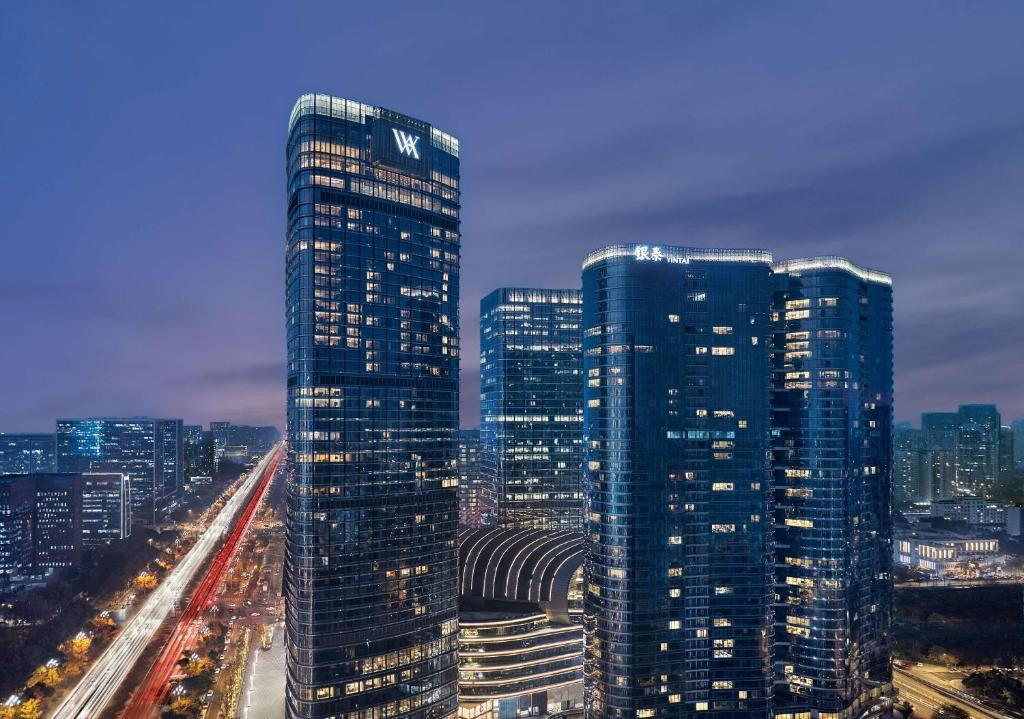
Infinite Luck sits on the 50th floor of the Waldorf Astoria Chengdu, at 1199 North Section of Tianfu Avenue in the Wuhou district. The Waldorf is in Tianfu's new business zone, south of the historic centre, which means the surrounding area lacks the lived-in street character of older Chengdu but gains in terms of access and hotel infrastructure. For visitors staying in the hotel, the restaurant is a natural anchor for an evening; for those coming specifically to dine, the building is a clear landmark on Tianfu Avenue. Pre-ordering the tea-smoked duck is advisable before arriving, as the dish requires preparation time. Reservations should be made through the hotel. For a fuller picture of where to eat and stay across the city, see our full Chengdu restaurants guide, our Chengdu hotels guide, our Chengdu bars guide, our Chengdu wineries guide, and our Chengdu experiences guide.
Frequently asked questions
Is Infinite Luck Michelin-listed?
Infinite Luck has received recognition including: The chef is a Chengdu native with over three decades of experience. His menu is a roll call of the most iconic recipes from the province, showcasing unique local produce and varied flavour profiles. Pre-order delicacies like tea-smoked duck….
Where is Infinite Luck located?
Infinite Luck is located at 50F, Waldorf Astoria Hotel, 1199 North Section of Tianfu Avenue, Wuhou, Chengdu.
What's the best thing to order at Infinite Luck?
The pre-order dishes carry the most weight: the tea-smoked duck with crispy skin is a set piece of Sichuan provincial cooking, and the mapo tofu paired with house-made rice jelly is worth ordering for the textural contrast alone. Round off with the bird's nest ice jelly sweet soup. The chef's menu is built around Chengdu's most canonical recipes, so ordering broadly across it gives the clearest picture of what the kitchen does.
How hard is it to get a table at Infinite Luck?
For weekend evenings or larger groups, contacting the hotel directly well in advance is advisable. The 50th-floor setting limits covers, which tends to make availability tighter than street-level equivalents.
What makes Infinite Luck worth seeking out?
The kitchen is run by a Chengdu native with over three decades of experience, and the menu is structured around the province's most recognised recipes rather than a reinvention of them. That commitment to canonical Sichuan cooking, executed at altitude with access to local produce sourced specifically for the menu, places it in a different register from the creative-modernist end of Chengdu's premium dining tier. The 50th-floor location at the Waldorf Astoria adds a physical context that few restaurants in the city can match.
What if I have allergies at Infinite Luck?
Several dishes on the menu involve ingredients that carry common allergen concerns: the bird's nest sweet soup, shellfish-derived stocks common in Sichuan banquet cooking, and the spice-heavy base sauces that define the cuisine. The hotel setting means there is a service team equipped to handle dietary requests, and communicating allergies clearly at the time of booking, and again on arrival, is the most reliable approach. Specific allergen documentation is published details are limited, so direct confirmation with the venue is recommended. Check the venue's official channels for the latest details.
Does Infinite Luck serve regional Sichuan dishes beyond the standard hotpot format?
The menu at Infinite Luck is specifically built around classic provincial recipes outside the hotpot format, which dominates casual Sichuan dining in Chengdu. The chef, a Chengdu native with over 30 years of experience, draws on the broader Sichuan canon: tea-smoked duck, mapo tofu served with house-made rice jelly, and traditional sweet soups using bird's nest. This makes it one of the more focused addresses in the city for diners wanting formal Sichuan cooking rather than the communal hotpot experience.
Cuisine Lens
Comparable venues nearby, for context on price, style, and recognition.
| Venue | Cuisine | Price | Awards | Notes |
|---|---|---|---|---|
| Infinite LuckThis venue (the venue you are viewing) | Modern Sichuan Fine Dining | Not listed | Michelin Plate | Not listed |
| Hidden Place | Ancient Sichuan Cuisine | $50–100 | Michelin Plate | Chengdushi |
| Private Collection · See Joy | Authentic Sichuan | $20–30 | 1 Michelin Star | Chengdushi |
| 子非 Zi Fei | Modern Chinese Fine Dining | $300–500 | La Liste Top Restaurants | Chengdushi |
| Zifei | Modern Sichuan Fine Dining | $300–500 | Not listed | Chengdushi |
| Co-Chengdu | Modern Innovative Chinese Tasting Menu | $200–300 | Star Wine List | Chengdushi |
Recognition history
Dated appearances from independent guides and award organizations, with the underlying list record or original source where available.
Michelin Plate
Michelin · 2026 Michelin Plate
Continue exploring
More in Chengdu
Restaurants in Chengdu
All restaurants in Chengdu →
Bars in Chengdu
All bars in Chengdu →
Details
- Sophisticated
- Elegant
- Intimate
- Special Occasion
- Business Dinner
- Panoramic View
- Private Dining
- Hotel Restaurant
- Local Sourcing
- Skyline
- A La Carte
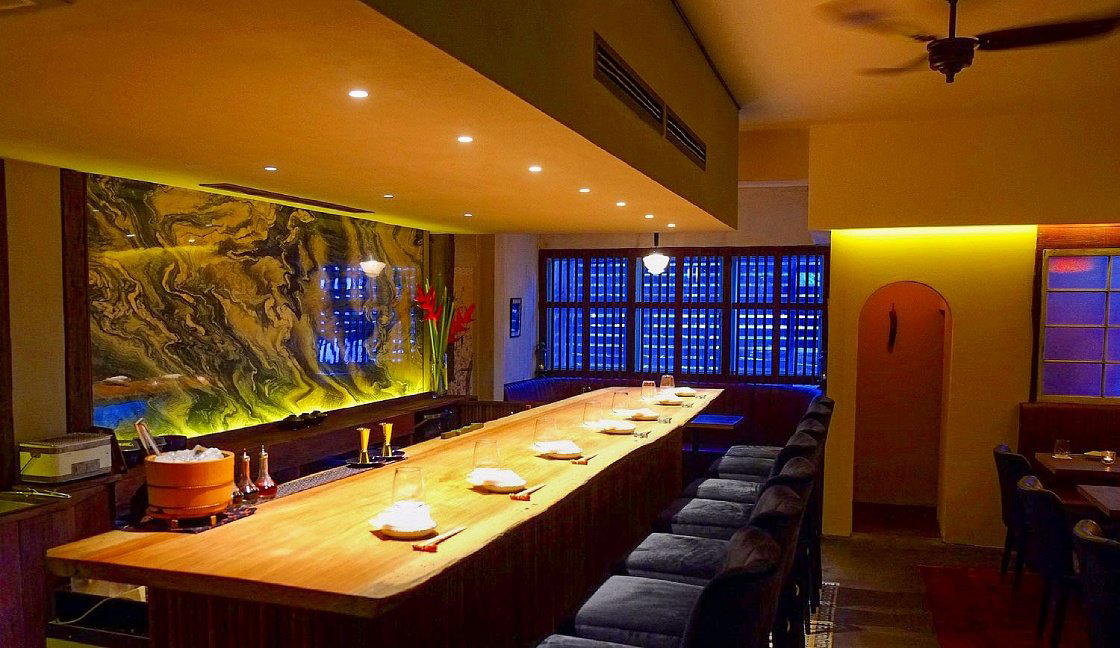
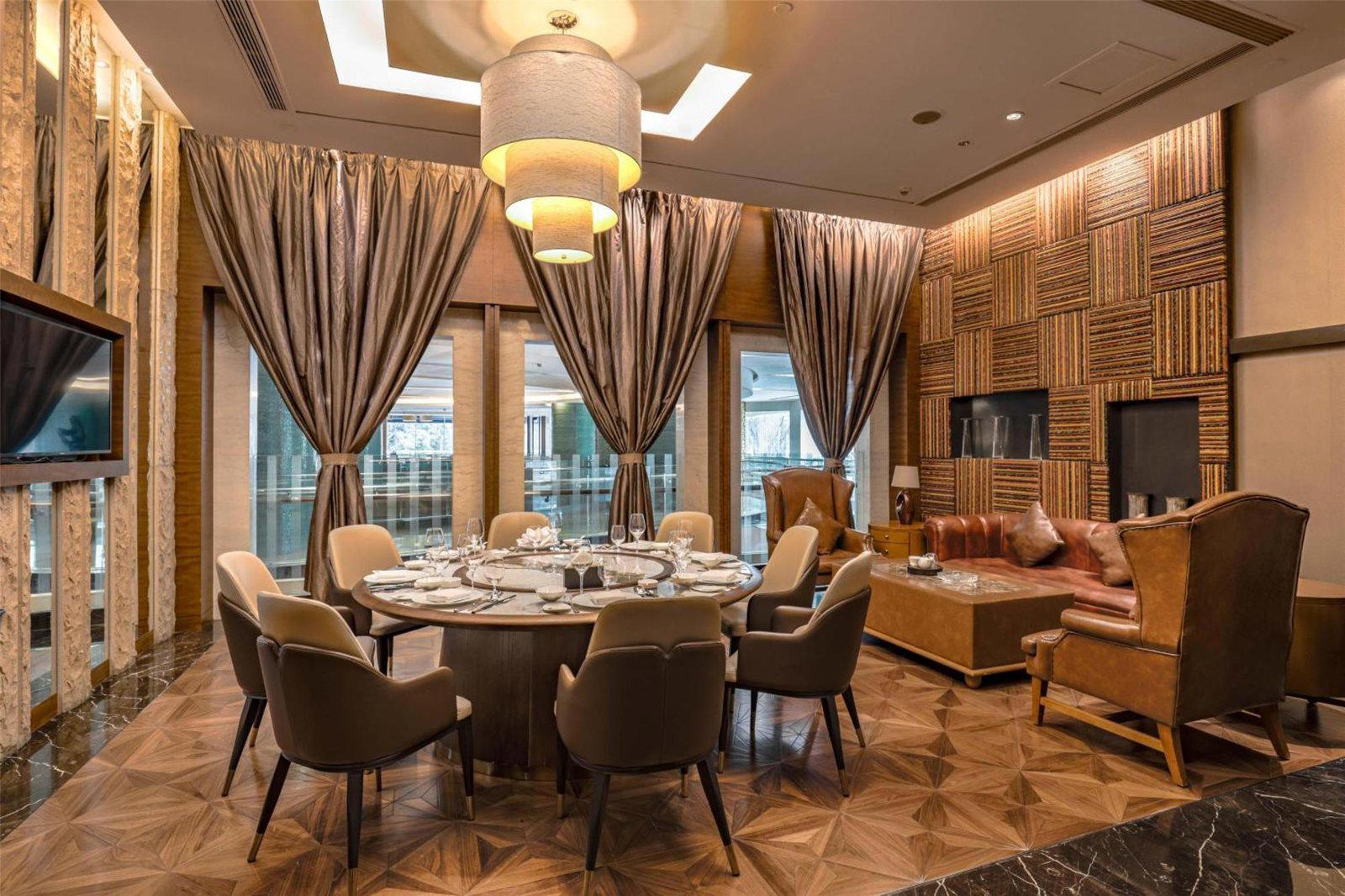
Sophisticated decor with bold colors and timeless designs, quiet and intimate atmosphere enhanced by panoramic views of Chengdu's skyline.