
Hokklo, holding a Michelin star since 2024, applies a refined modern sensibility to Fujian's wine-heavy, seafood-forward cooking tradition. Set in Xiamen's Siming District, the restaurant's East-meets-West interior frames a menu built around signatures like wine-scented yellow croaker and mud crab braised with dried longans. For Minnan cuisine at this level of ambition, the ¥¥¥ pricing sits squarely within reach.
Pearl is the En Primeur Club membership app — saves, bookings, and concierge access live there. Same editors, same standards.
- Address
- 1 Lianhua N Rd, Siming District, Xiamen, Fujian, China, 361009
- Phone
- +86 592 537 3333
- Website
- waldorfastoriahotels.com.cn
- Directions
- Get directions
 Saves & bookings on Pearl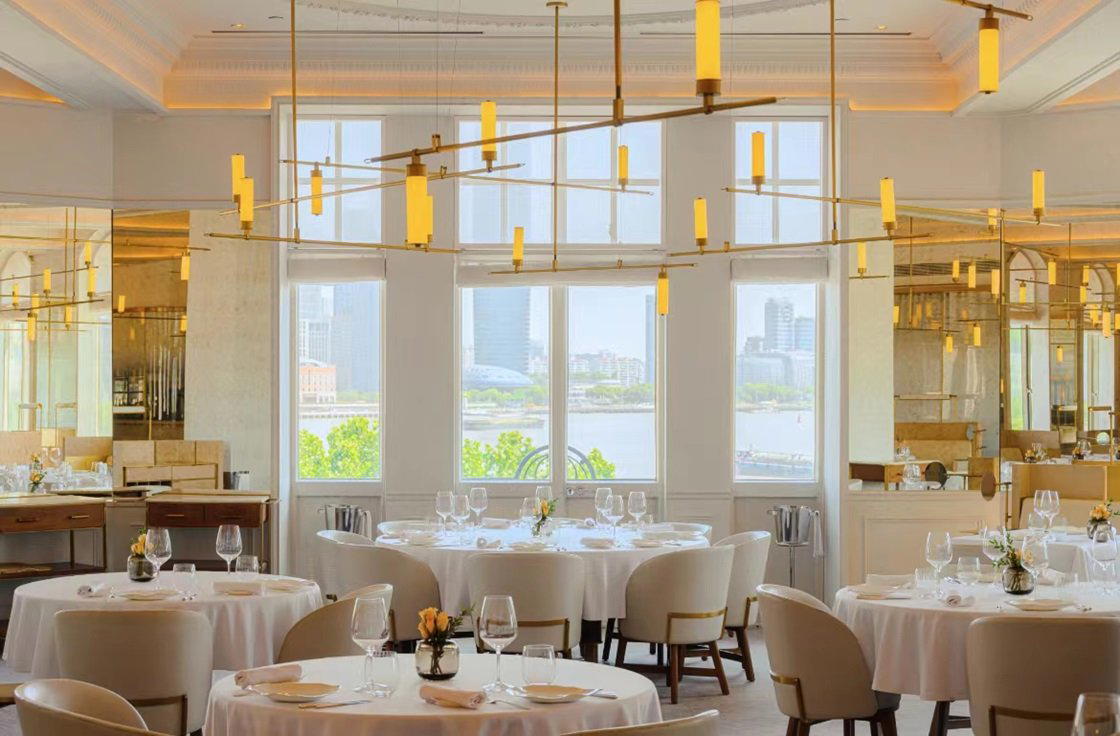
Where Fujian Cooking Finds Its Formal Register
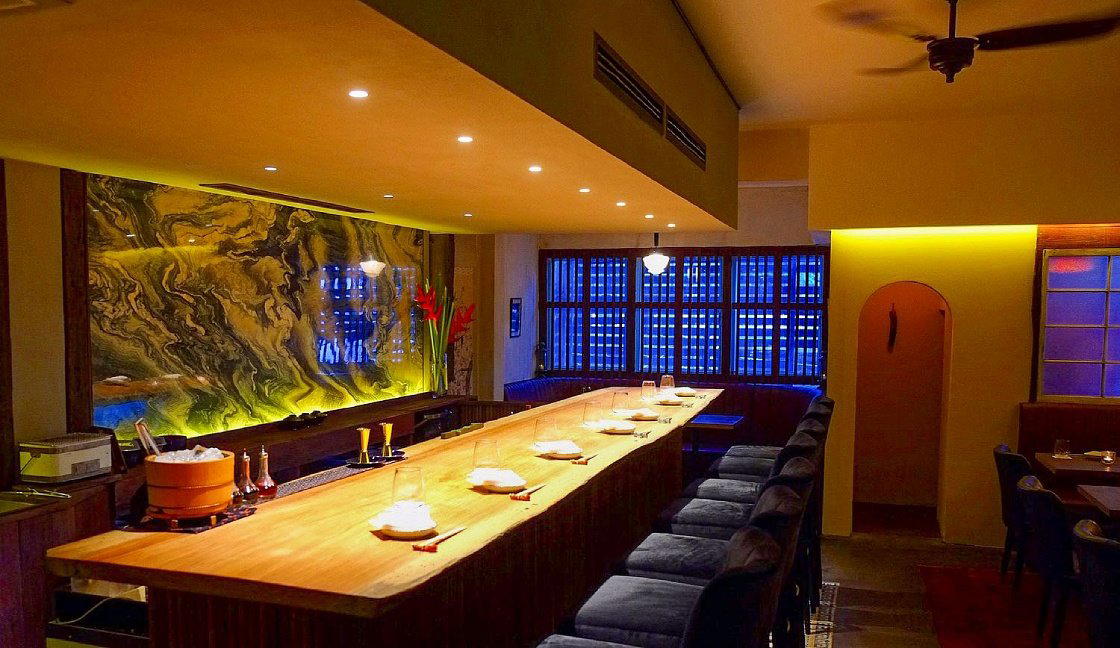
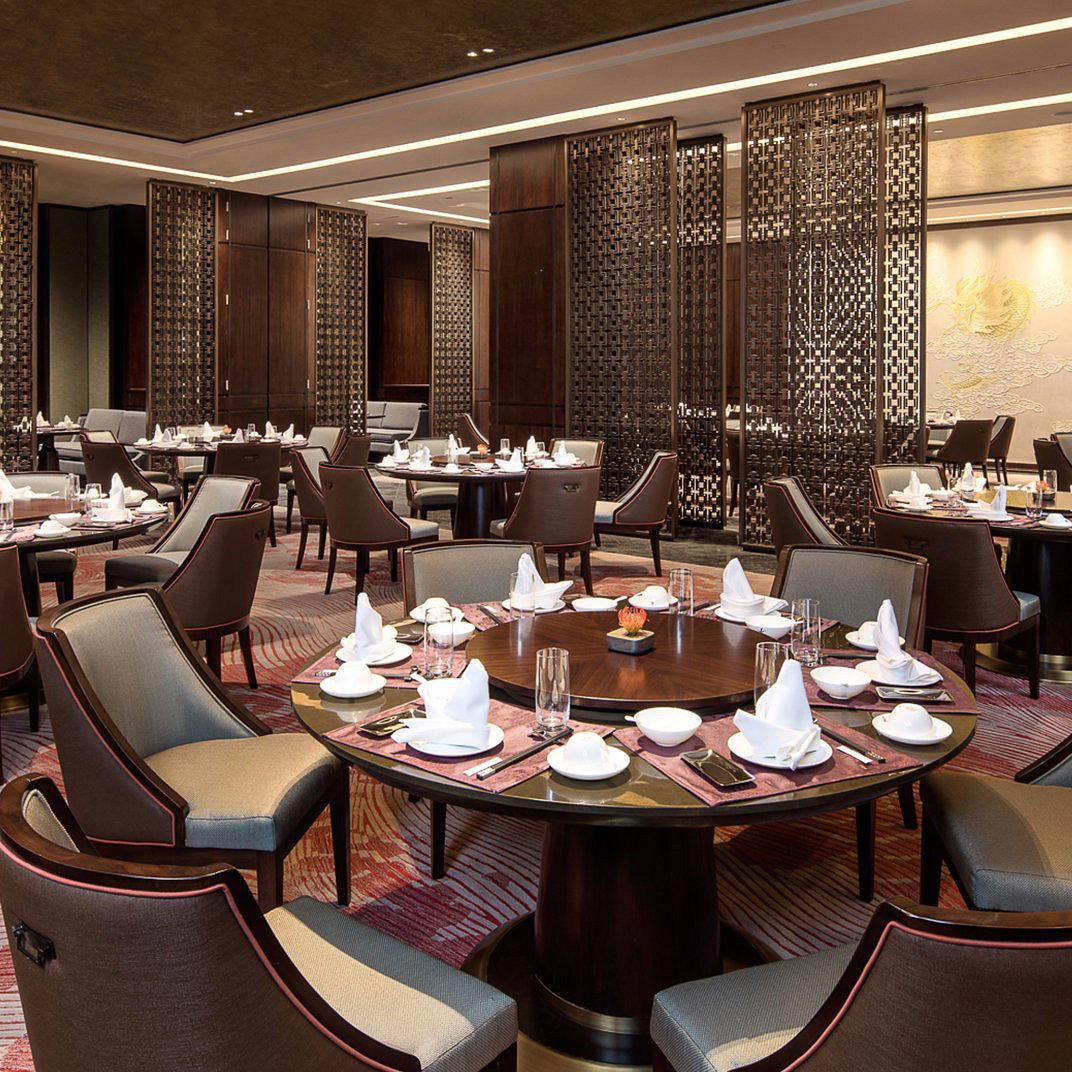
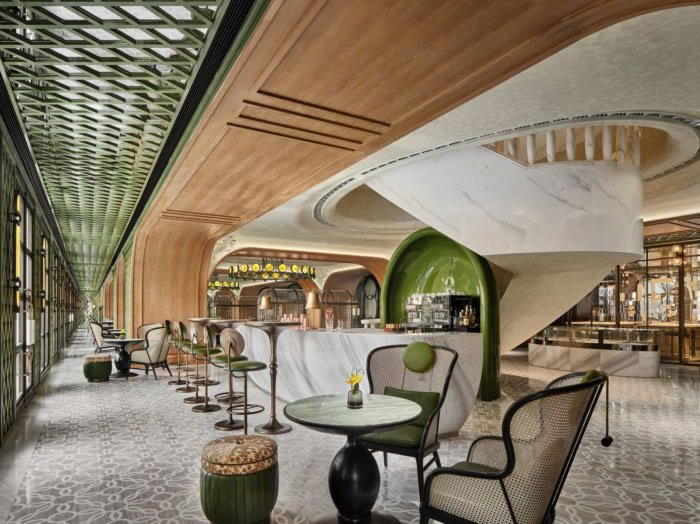
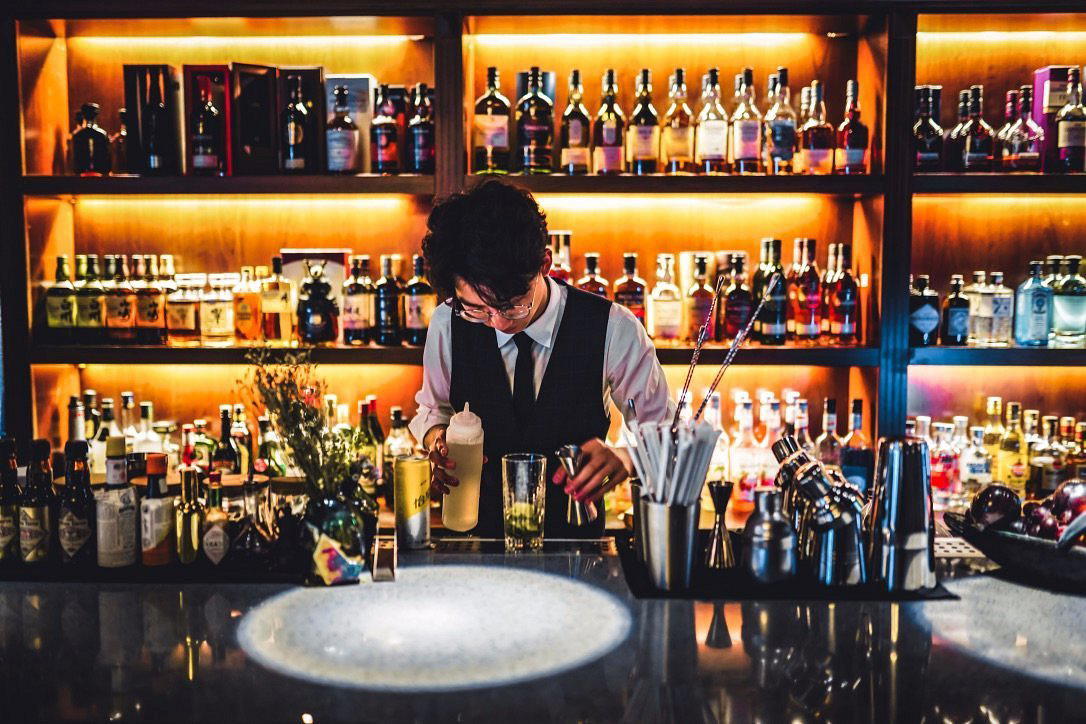
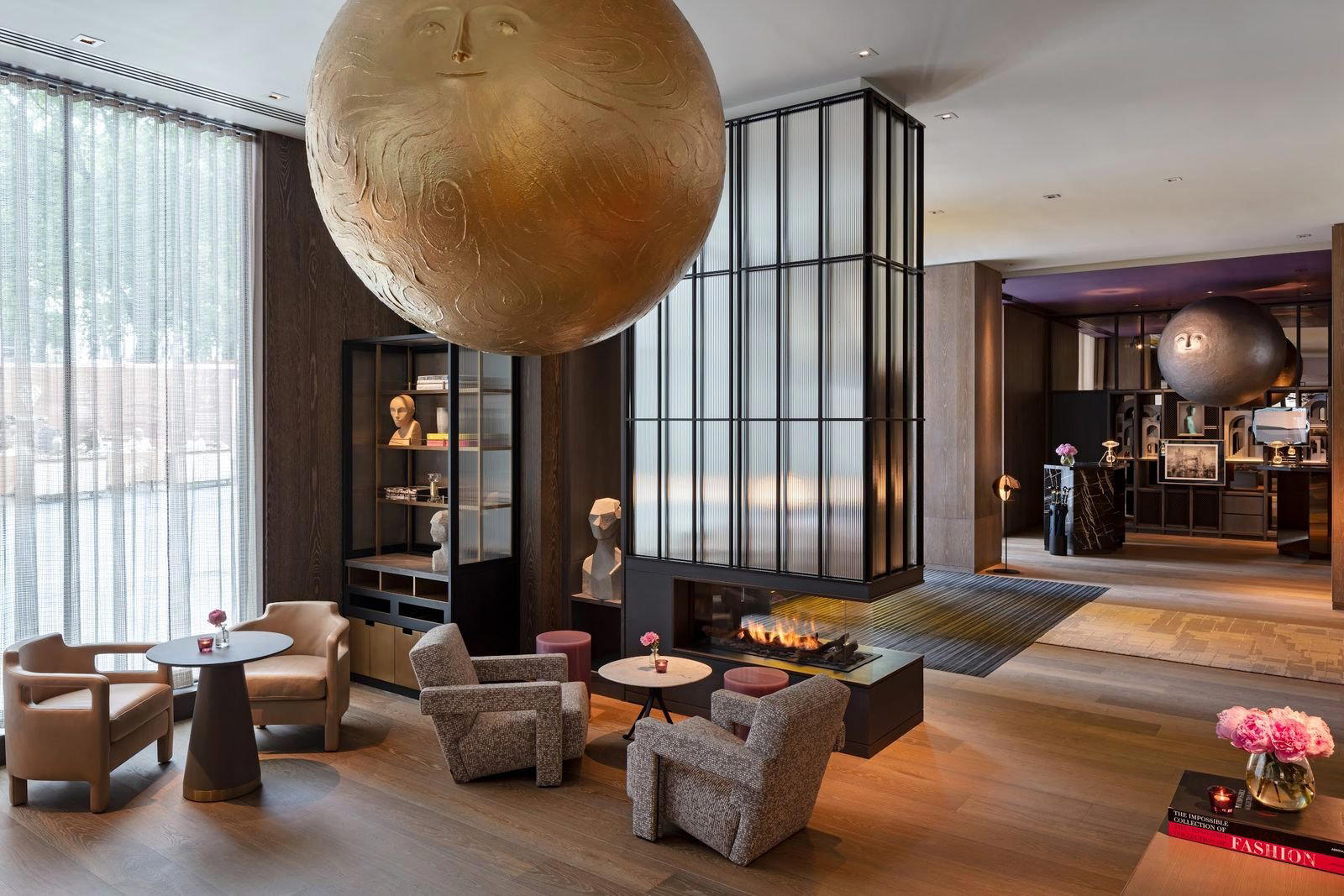
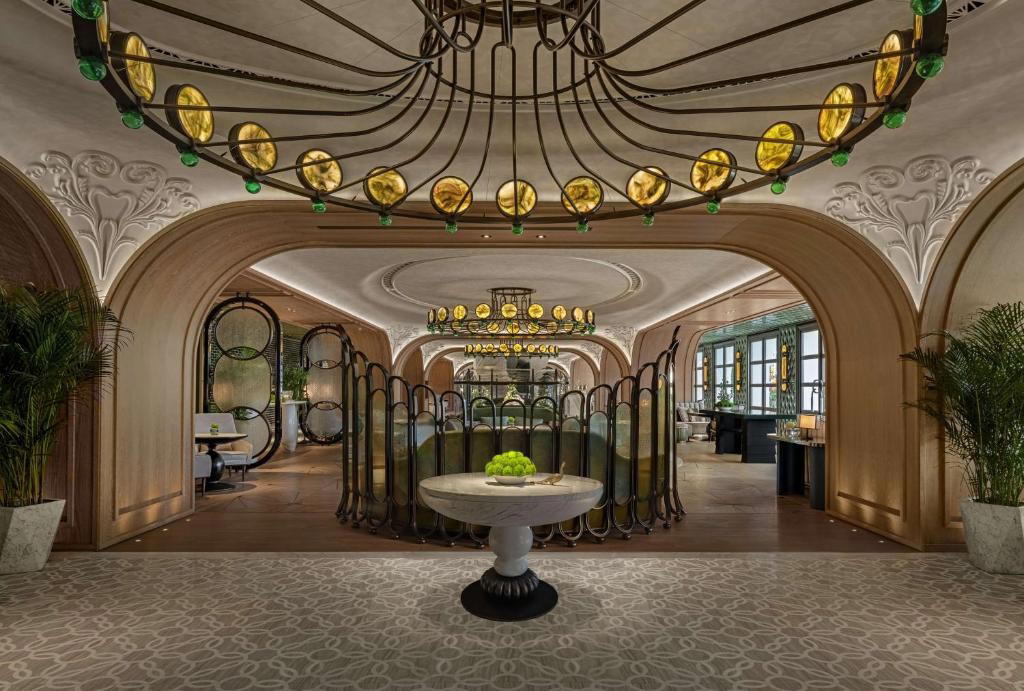
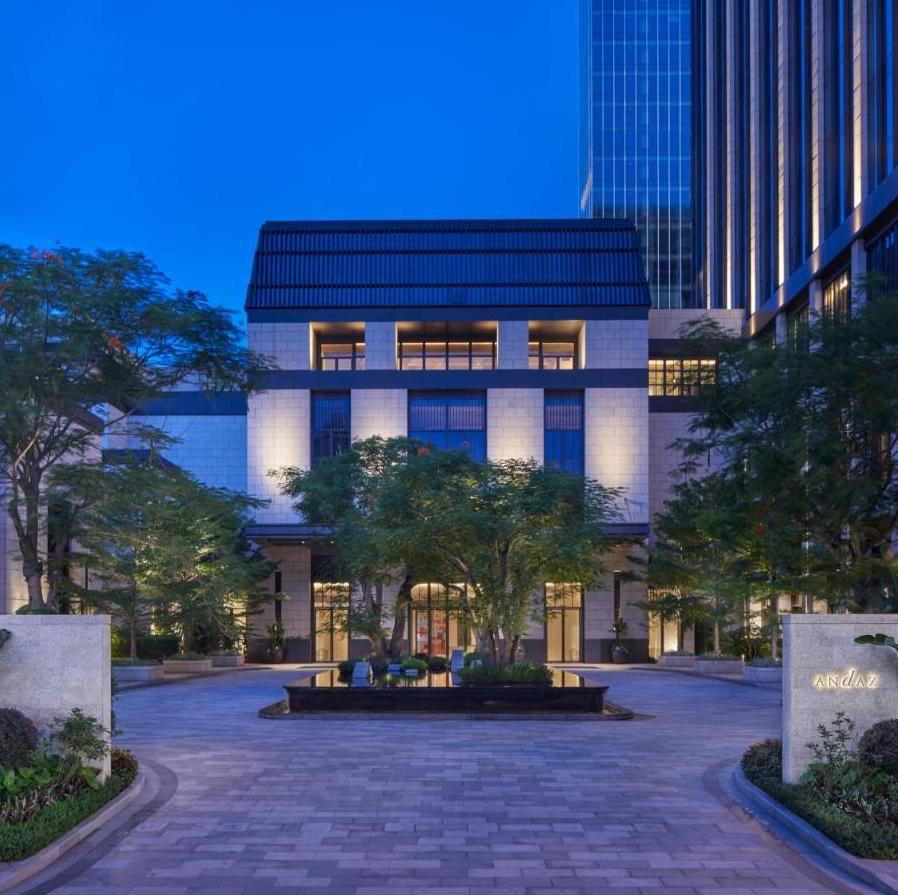
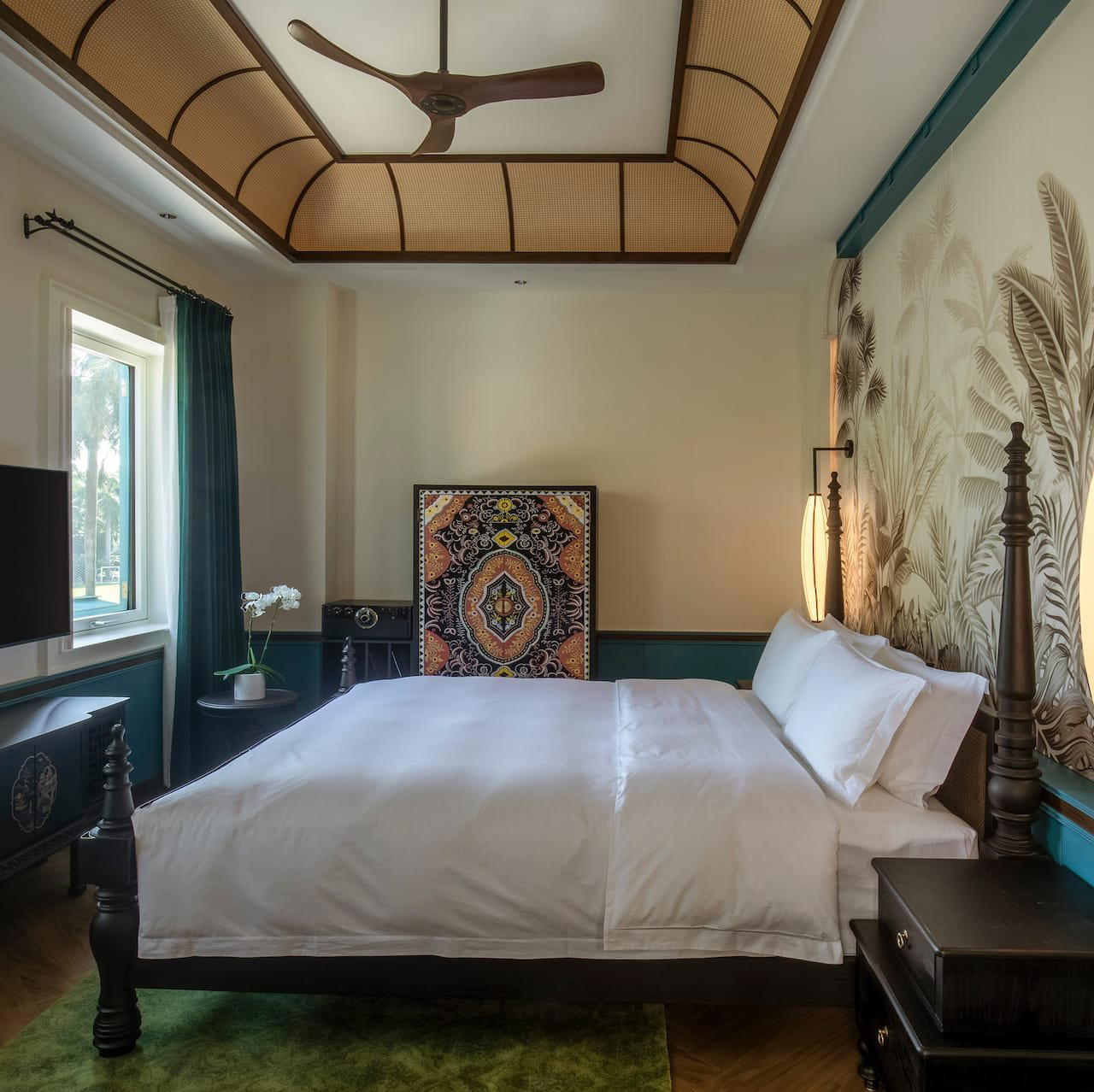
The interior announces its intent before the food arrives. Hokklo occupies a space in Xiamen's Siming District where East-meets-West design cues, lacquered surfaces alongside contemporary Western furniture lines, warm lighting calibrated for evening, signal that this is not a casual bowl-of-rice proposition. The room communicates seriousness without severity.
The name is a deliberate signal. "Hokklo" translates as "hospitable" in the Fujian dialect, and the word carries weight here beyond branding. Hospitality in the Minnan tradition is inseparable from feeding generously and cooking precisely, and the kitchen's approach to Fujian's canonical techniques, slow wine braises, steamed seafood at the point of peak freshness, carefully sourced proteins, reads as an expression of that tradition rather than a departure from it.
What a Michelin Star Means for Fujian Cuisine in Xiamen
Michelin awarded Hokklo one star in 2024, placing it in a tier of Chinese regional restaurants that have earned recognition by applying classical technique with contemporary discipline rather than by chasing international trends. The award is notable in context: Fujian cooking, despite its depth and complexity, has historically received less international attention than Cantonese or Shanghainese cuisine. A Michelin star at ¥¥¥ pricing represents a different kind of value equation.
At Hokklo, the ¥¥¥ bracket positions it clearly above Xiamen's street-level Fujian dining, represented by places like Bai Jia Chun Hao De Lai Jiang Mu Ya (Zhongxing Road) (¥) and mid-tier options like Chic 1699 (¥¥), while remaining meaningfully more accessible than comparable starred Chinese regional tables in other major cities. Hokklo offers a focused, single-cuisine proposition at a price point that makes the arithmetic work in the diner's favour.
The Cooking: Wine, Sea, and Slow Heat
Fujian cuisine's defining characteristics are its use of fermented and aged wines in braising, its emphasis on fresh coastal seafood, and its relatively light hand with chilli compared to neighbouring Chinese traditions. The kitchen at Hokklo, led by a Minnan-trained chef, works within those parameters and pushes them toward precision rather than reinvention.
The steamed wine-scented yellow croaker is a study in restraint. Yellow croaker is one of Fujian's most culturally significant fish, historically prized along the coast and now farmed at scale, which makes sourcing quality specimens a meaningful editorial choice on the menu. The wine fragrance applied in steaming is a traditional technique, and executing it cleanly requires that the fish be in condition to hold the delicacy of the aromatics without masking them.
The mud crab braised in aged wine with dried longans pulls from a different register of Fujian cooking: the inland, wine-forward braising tradition that uses sweetness and fermentation depth together. Dried longans contribute a floral, caramelised undertone that shifts the dish away from purely savoury and into the more complex territory that defines formal Minnan banquet cooking. This is not fusion, it is the cuisine working at the outer edge of its own logic.
Hakka-style braised He Tian chicken claypot with salt and wine sits at the intersection of two southern Chinese cooking traditions. Hakka cuisine, associated with a historically migratory Han population that settled across Fujian, Guangdong, and beyond, has its own distinct repertoire, and bringing it into a Fujian-focused menu acknowledges the culinary complexity of the Minnan region rather than flattening it into a single narrative. The claypot format, which retains heat and moisture, is a practical and flavour-preserving choice for a slow-braised chicken, and the wine-and-salt seasoning base allows the quality of the bird to remain at the centre of the dish.
Hokklo also maintains a wine list alongside its seasonal offerings. The wine list suits the room's ambitions.
Hokklo in the Wider Context of Fujian Fine Dining
Fujian's cooking traditions extend across a diaspora that shaped the food cultures of Southeast Asia, Taiwan, and coastal Chinese communities worldwide. The term "Hokkien", the Anglicised version of the same Fujian dialect that gives Hokklo its name, appears on menus from Singapore to the Philippines, almost always attached to noodle dishes that carry the imprint of this culinary origin. Understanding that context helps position what Hokklo is doing: it is a restaurant working in the source tradition, at a level of refinement that the diaspora versions rarely attempt.
Within China, Fujian cuisine has its own dedicated fine dining tier, though it remains less internationally documented than its counterparts. For comparison, Wenru No.9 in Fuzhou and Hokkien Cuisine in Chengdu show different regional settings for Fujian cooking. Hokklo in Xiamen operates from the coast that defines the cuisine, with access to the seafood and the culinary memory that gives the food its character.
Elsewhere in Xiamen's dining scene, the contrast with Hokklo is instructive. Yanyu (Jiahe Road) and 1927 Dong Yuan Si Chu occupy different stylistic positions in the city's premium dining tier, while A Zhong Shi Fang represents a more casual local register. Hokklo's Michelin recognition in 2024 places it at the center of Xiamen's fine dining conversation. For Chinese regional fine dining comparisons beyond Fujian, Xin Rong Ji (Xinyuan South Road) in Beijing, 102 House in Shanghai, Ru Yuan in Hangzhou, and Xin Rong Ji in Chengdu offer useful benchmarks across different regional traditions.
Planning Your Visit
Hokklo is at 1 Lianhua North Road, Siming District, placing it in one of Xiamen's more accessible central neighbourhoods. The ¥¥¥ price range suggests a per-head spend that, for a Michelin-starred dinner with wine, represents solid value against comparable starred rooms in Shanghai or Beijing. Given the 2024 Michelin recognition and the restaurant's focus, booking ahead is advisable, particularly for weekends and evenings.
Cuisine Context
Comparable venues nearby, for context on price, style, and recognition.
| Venue | Cuisine | Price | Awards | Notes |
|---|---|---|---|---|
| HokkloThis venue — the venue you are viewing | Modern Fujian | $$$$ | Michelin 1 Star | Not listed |
| Fleurs Et Festin | Authentic Chaoshan Cuisine | $$$ | Michelin 1 Star | Siming |
| Z&D Cuisine | Fujian Cuisine from Zhangzhou | $$ | Bib Gourmand | Siming |
| Lucheng | Modern Fujian & Cantonese | $$$ | Michelin Plate | Siming |
| Dai Tai | Yunnanese Dai Ethnic Home-Style | $$ | Bib Gourmand | Siming |
| Shan Li Yan Sha Cha Mian | Sha Cha Noodles | $$ | Bib Gourmand | Siming |
Recognition history
Dated appearances from independent guides and award organizations, with the underlying list record or original source where available.
Michelin 1 Star
Michelin
Michelin 1 Star
Michelin
Michelin 1 Star
Michelin
Continue exploring
More in Xiamen
Restaurants in Xiamen
Browse all →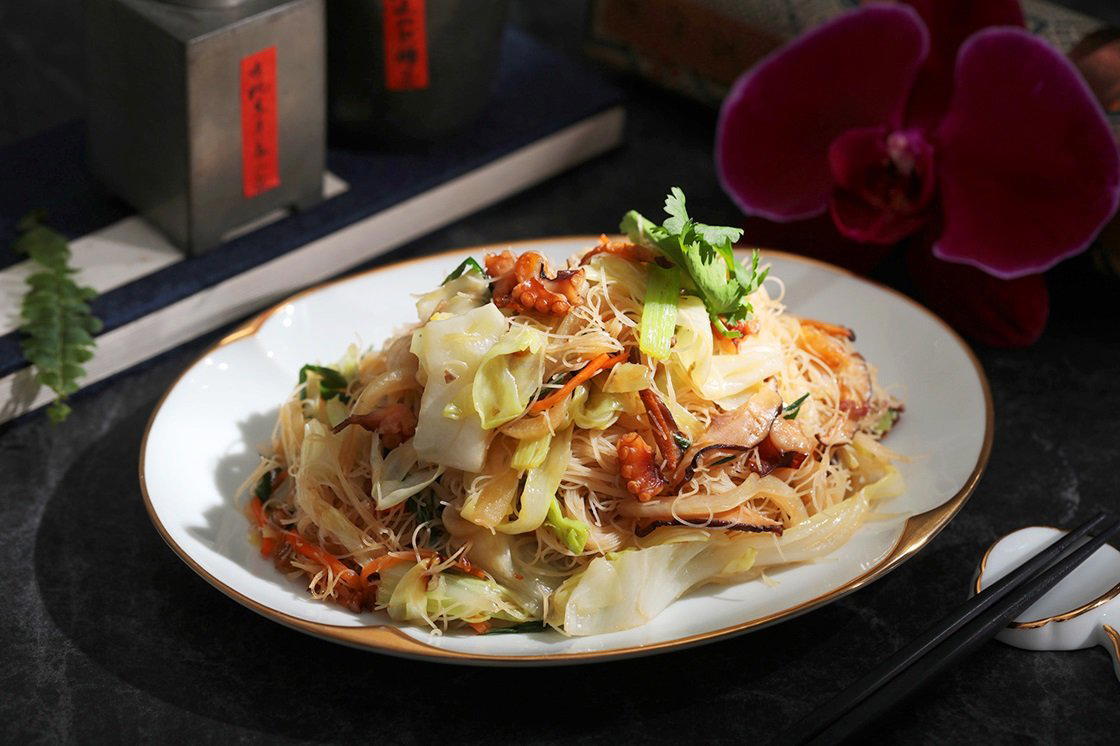
At a Glance
- Elegant
- Sophisticated
- Modern
- Special Occasion
- Business Dinner
- Hotel Restaurant
- Private Dining
- Extensive Wine List
- Farm To Table
- Local Sourcing
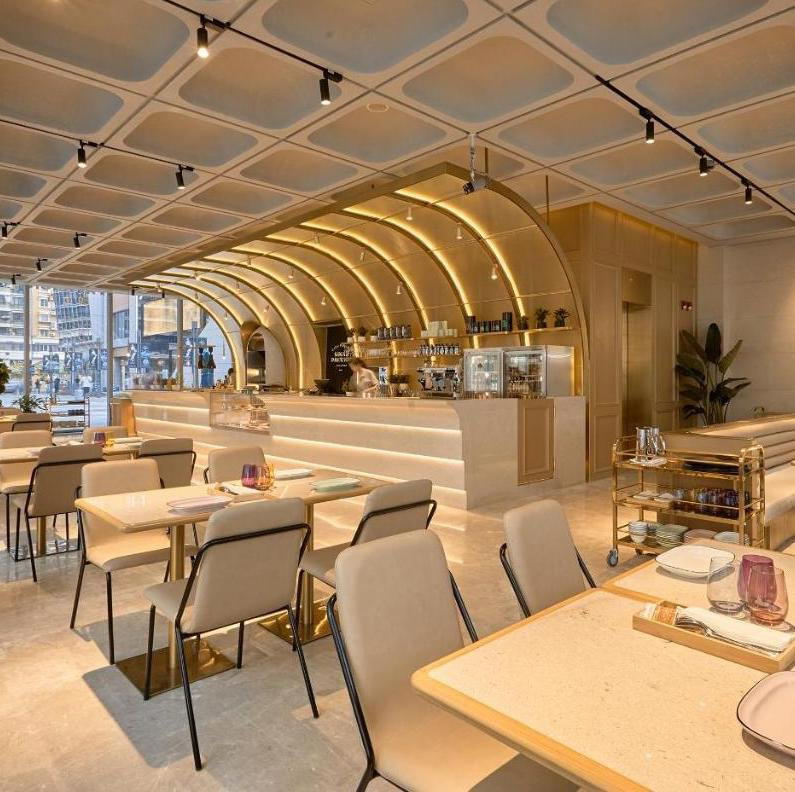
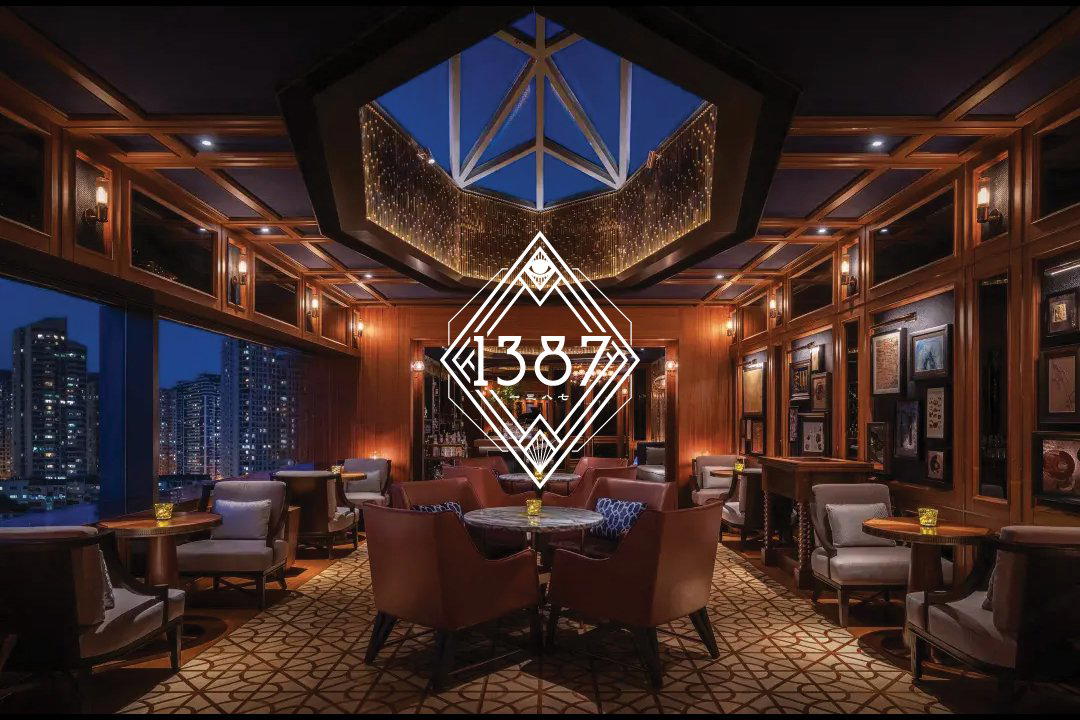
Welcoming space furnished in elegant East-meets-West style, described as elegant, atmospheric, and luxurious with precise private rooms and beautiful balcony views.