
A Michelin Plate-recognised Fujian restaurant operating in Chengdu's Longquanyi District, Chuanpu positions itself as a counterpoint to the city's dominant Sichuan heat. Cooking from China's southeastern coastal tradition in a city defined by numbing spice, it occupies an accessible mid-range price point where regional specificity rather than local familiarity is the draw.
Pearl is the En Primeur Club membership app — saves, bookings, and concierge access live there. Same editors, same standards.
- Address
- 115 Jinhuai St, Longquanyi District, Chengdu, Sichuan, China, 610101
- Phone
- +86 28 8475 7248
- Directions
- Get directions
 Saves & bookings on Pearl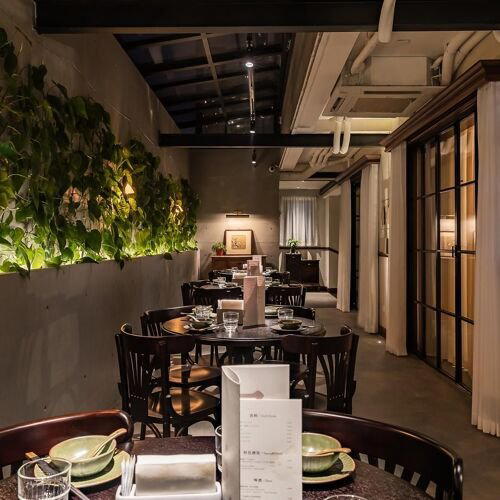
Fujian Cooking in the Capital of Sichuan
Chengdu's dining identity is built on mala — the numbing, oily heat of the Sichuan basin. That dominance makes the city an unlikely home for serious Fujian cooking, a southeastern coastal tradition defined by clarity of broth, restraint in seasoning, and an emphasis on the natural sweetness of seafood and slow-cooked meat. Yet that contrast is precisely the editorial context that makes Chuanpu, on Jinhuai Street in the Longquanyi District, worth paying attention to. It earned a Michelin Plate in 2024, the Guide's signal that a restaurant is producing food of quality worth noting — sitting in a different competitive tier from the two-starred heavyweights like Yu Zhi Lan or Xin Rong Ji (Taizhou), but aligned with the broader Michelin-recognised scene that gives Chengdu one of China's most credentialled dining pools outside Beijing and Shanghai.
The Fujian tradition that Chuanpu represents is, in broader Chinese culinary terms, among the country's most technically demanding. Min cuisine, as it is formally classified, subdivides into coastal and inland branches, but its reputation rests on master stocks, some maintained for decades, and on a discipline of umami-building that relies on time and quality of ingredient rather than on spice or high-heat wok technique. Bringing that tradition to a Sichuan audience, where palates are calibrated to intensity, requires a kitchen confident in its own register. The Michelin recognition suggests the execution is there.
Where Chuanpu Sits in the Chengdu Scene
Chengdu's Michelin-listed restaurants now span a range from affordable local staples to destination fine dining, and the mid-range ¥¥ bracket, where Chuanpu operates, is where the city's most interesting diversity plays out. At ¥¥¥¥, you are in the territory of elaborate tasting menus and prestige service formats. At ¥, you are in the world of Chen Mapo Tofu and its imitators, where local tradition is the entire point. The ¥¥ bracket sits between those poles: restaurants with genuine culinary intent and kitchen discipline, priced accessibly enough to attract regulars rather than occasion-only visitors.
Within that bracket, Chuanpu is positioned alongside venues like Hokkien Cuisine and Yanyu as part of a small cohort of Chengdu restaurants that make their case through regional specificity rather than Sichuan provenance. That is a meaningful distinction. In a city where the local tradition is so deeply embedded, and so commercially rewarded, choosing to cook Fujian food at a serious level is an editorial statement about craft over convenience. Fang Xiang Jing operates in a comparable position, bringing non-Sichuan cooking to an audience that is increasingly willing to look beyond the basin's own traditions.
The Longquanyi District address places Chuanpu outside the city centre's main restaurant clusters, which skew toward Jinli, Kuanzhai Alley, and the IFS and Taikoo Li commercial districts. Longquanyi is a developing eastern district, more residential in character, which typically signals a local-audience focus rather than a tourist or expatriate crowd. That context tends to produce a more kitchen-driven dining experience, with less spend on theatrical room design and more on sourcing and technique.
Fujian's Tradition and Its Contemporary Moment
Across China's major cities, the past decade has seen a serious reconsideration of regional cuisines that were historically overshadowed by the commercial dominance of Cantonese, Sichuan, and Huaiyang cooking. Fujian cuisine has been a particular beneficiary of that reassessment. In Xiamen, venues like Hokklo have built followings around the Min coastal tradition in its home territory. In Fuzhou, Wenru No.9 represents the more formal end of that regional revival. The movement of Fujian kitchens into inland cities, Beijing, Shanghai, Chengdu, tracks a broader pattern of culinary migration that reflects both China's internal mobility and the growing appetite among urban diners for regional specificity as a form of distinction.
In Shanghai, venues like 102 House have positioned Min cuisine within the city's premium dining conversation. In Beijing, Xin Rong Ji (Xinyuan South Road) has demonstrated that Taizhou and related southeastern Chinese cooking traditions can sustain full fine-dining positioning in a city dominated by northern Chinese and imperial conventions. Chuanpu's Chengdu presence extends that geographic reach westward, into a market where the competitive noise from local tradition is loudest. The fact that the 2024 Michelin Guide took note suggests the kitchen is managing that competitive environment on the strength of its cooking rather than novelty alone.
The contemporary reinterpretation question, how much a restaurant rooted in Min tradition adapts for a non-Fujian audience, sits at the centre of what makes restaurants like Chuanpu editorially interesting. Min cuisine's key preparations, from Buddha Jumps Over the Wall to oyster omelette and various slow-braised pork formats, have enough structural richness to translate across regional palates without requiring fundamental reformulation. The discipline required is in execution: keeping the stock clear, maintaining proper ingredient sourcing for seafood that may need to travel significant distances, and resisting the temptation to add Sichuan heat as a concession to local preference. A Michelin Plate signals that Chuanpu is meeting at least a baseline standard on those questions.
In the Broader Chinese Fine Dining Context
For readers moving across China and tracking regional cuisines with Michelin or institutional recognition, Chuanpu belongs in a linked reading list that includes Chef Tam's Seasons in Macau, Ru Yuan in Hangzhou, Imperial Treasure Fine Chinese Cuisine in Guangzhou, and Dai Yuet Heen in Nanjing. Each of these venues represents a different regional tradition operating within formal recognition frameworks, and taken together they map what serious Chinese regional cooking looks like at its current institutional moment. Chuanpu's position on that map is the Fujian tradition planted in Sichuan territory, priced for regular engagement rather than special-occasion visits.
Planning Your Visit
Chuanpu is located at 115 Jinhuai Street in Chengdu's Longquanyi District, east of the city centre. The ¥¥ price positioning makes it one of the more accessible Michelin Plate restaurants in the city, and the residential district setting suggests walk-in availability may be higher than at centrally located peers, though verification with the restaurant directly is advisable. For those building a broader Chengdu itinerary, EP Club's full coverage spans restaurants, hotels, bars, wineries, and experiences across the city.
How Chuanpu Chengdu compares with similar nearby venues.
| Venue | Cuisine | Price | Awards |
|---|---|---|---|
| Chuanpu | Fujian | ¥¥ | Michelin Plate (2024) |
| Xue Tao · In the Yard | Sichuan | ¥¥ | Not listed |
| Yu’s Family Kitchen | Cantonese | Not listed | Not listed |
| Hokkien Cuisine | Fujian | ¥¥¥ | Not listed |
| Ting Yuan 399 (Jinjiang) | Sichuan | ¥¥ | Not listed |
| Yanyu | Fujian | ¥¥¥ | Not listed |
Recognition history
Dated appearances from independent guides and award organizations, with the underlying list record or original source where available.
Michelin Plate
Michelin


At a Glance
- Intimate
- Classic
- Group Dining
- Special Occasion
- Open Kitchen
- Sustainable Seafood
- Local Sourcing
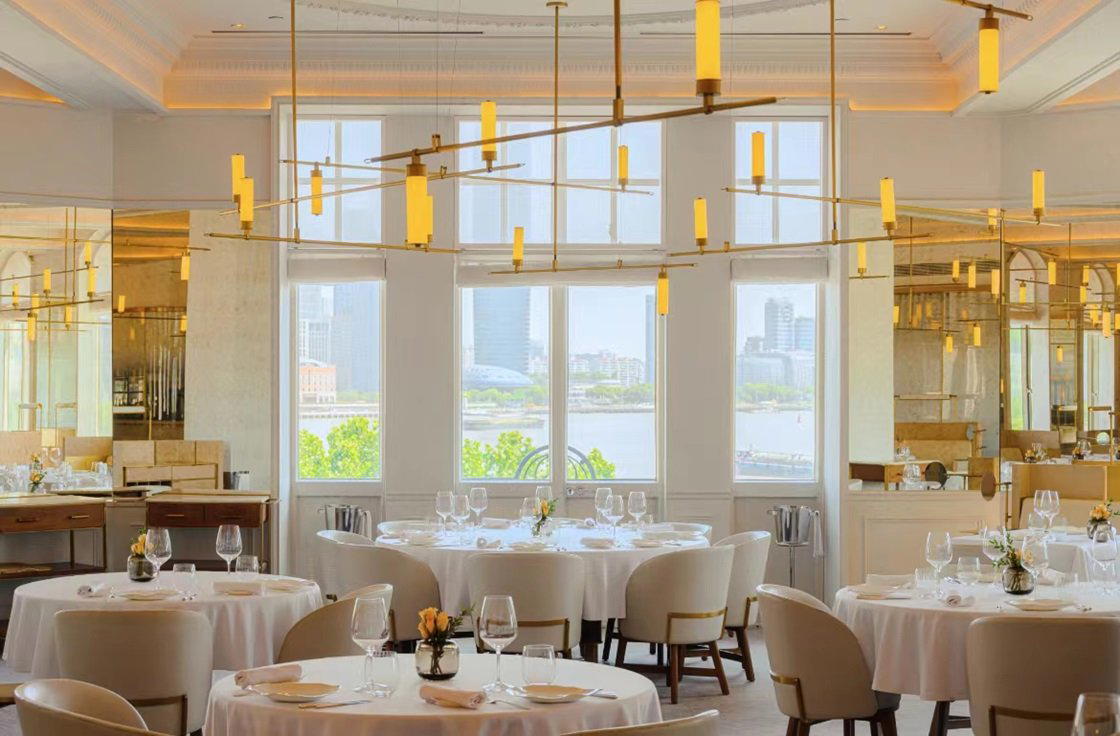
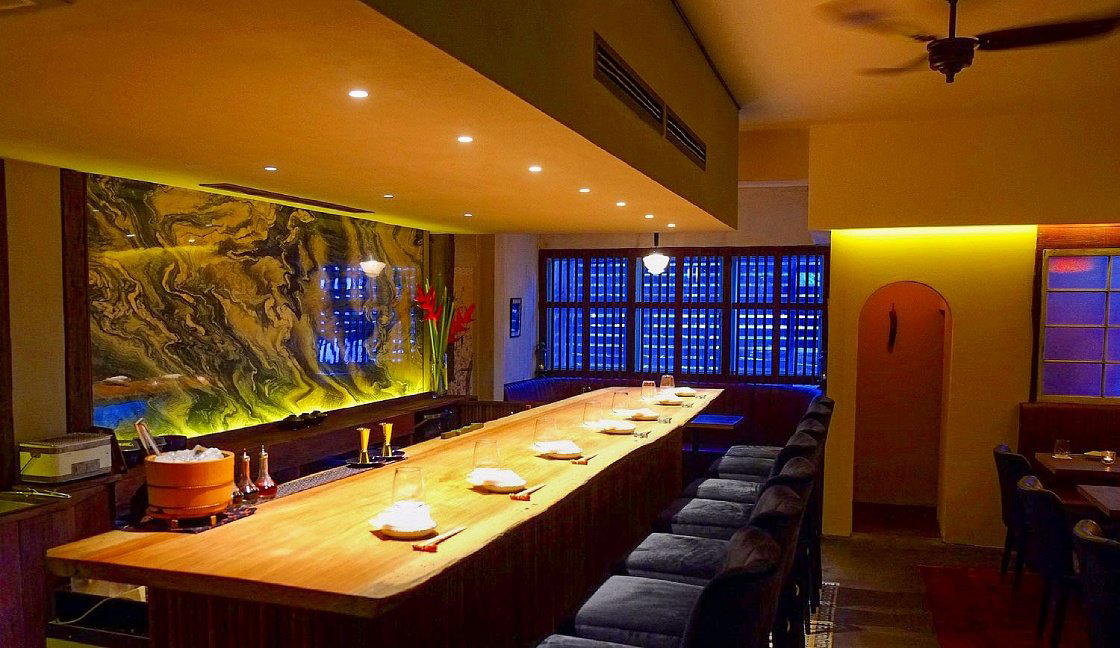
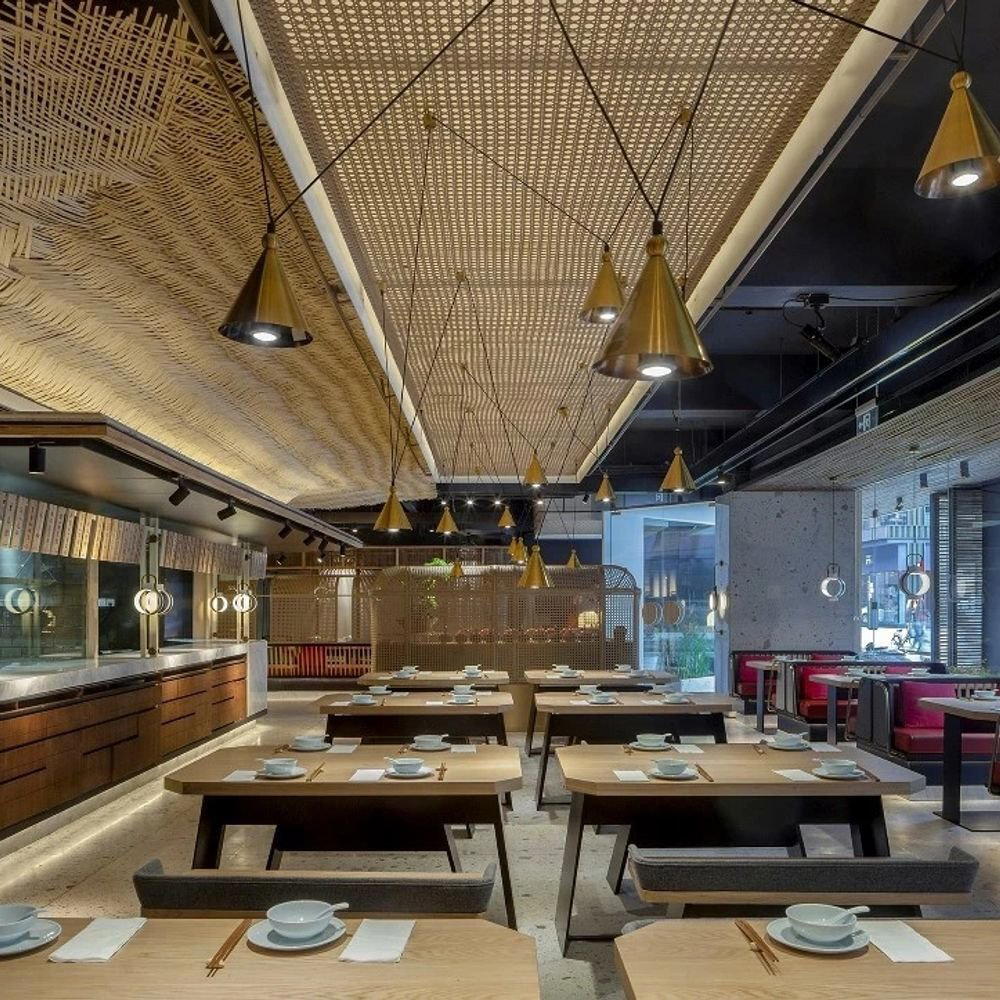
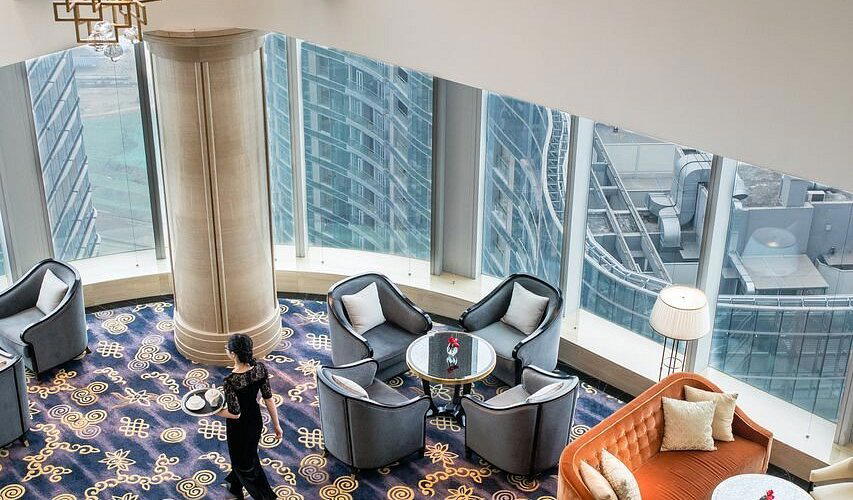
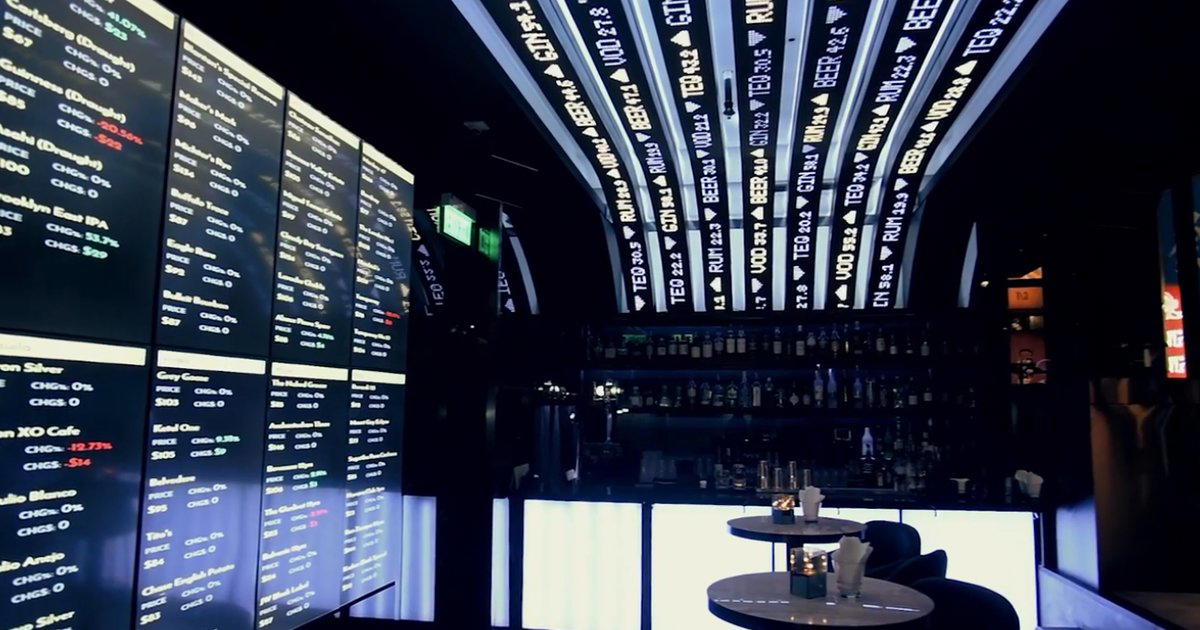
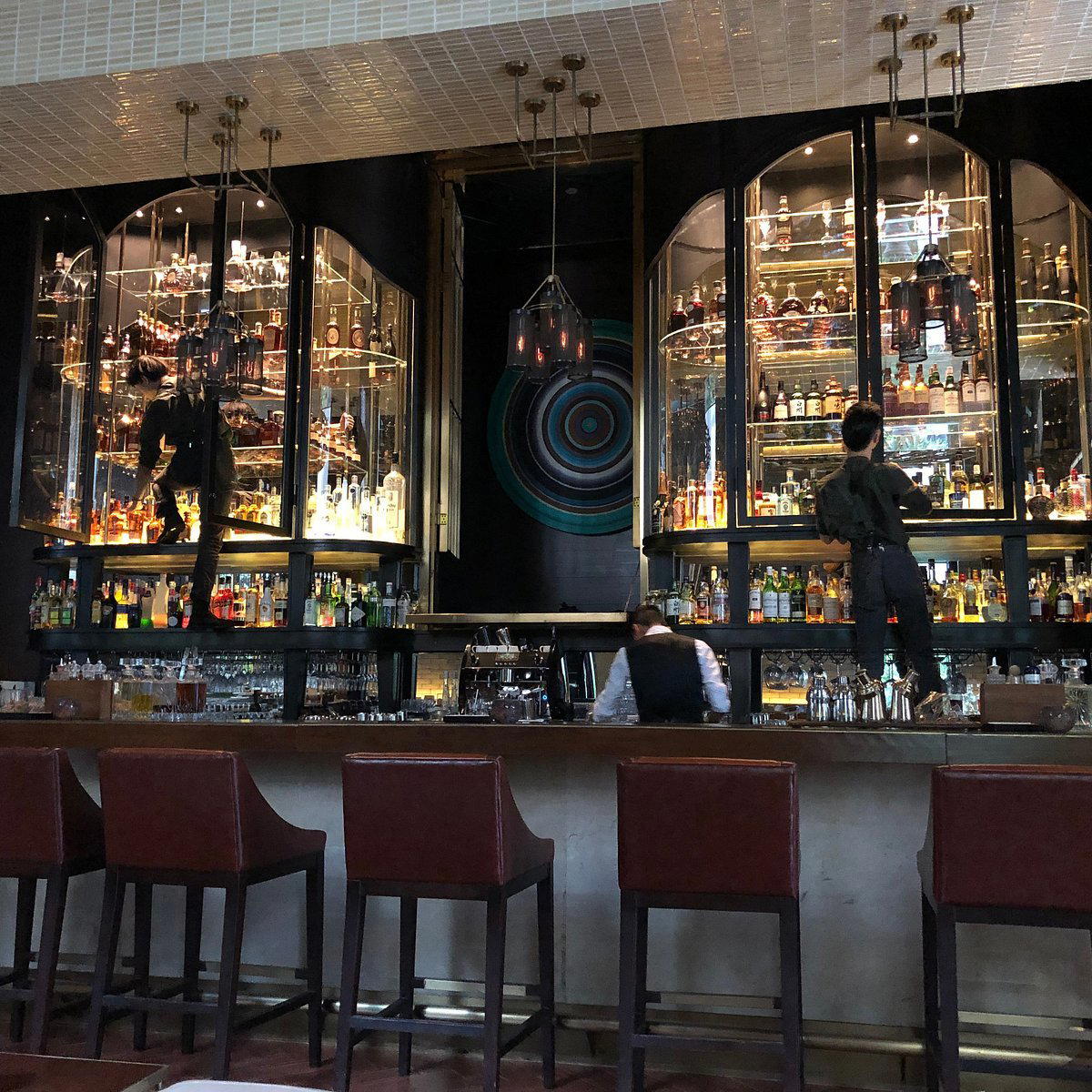
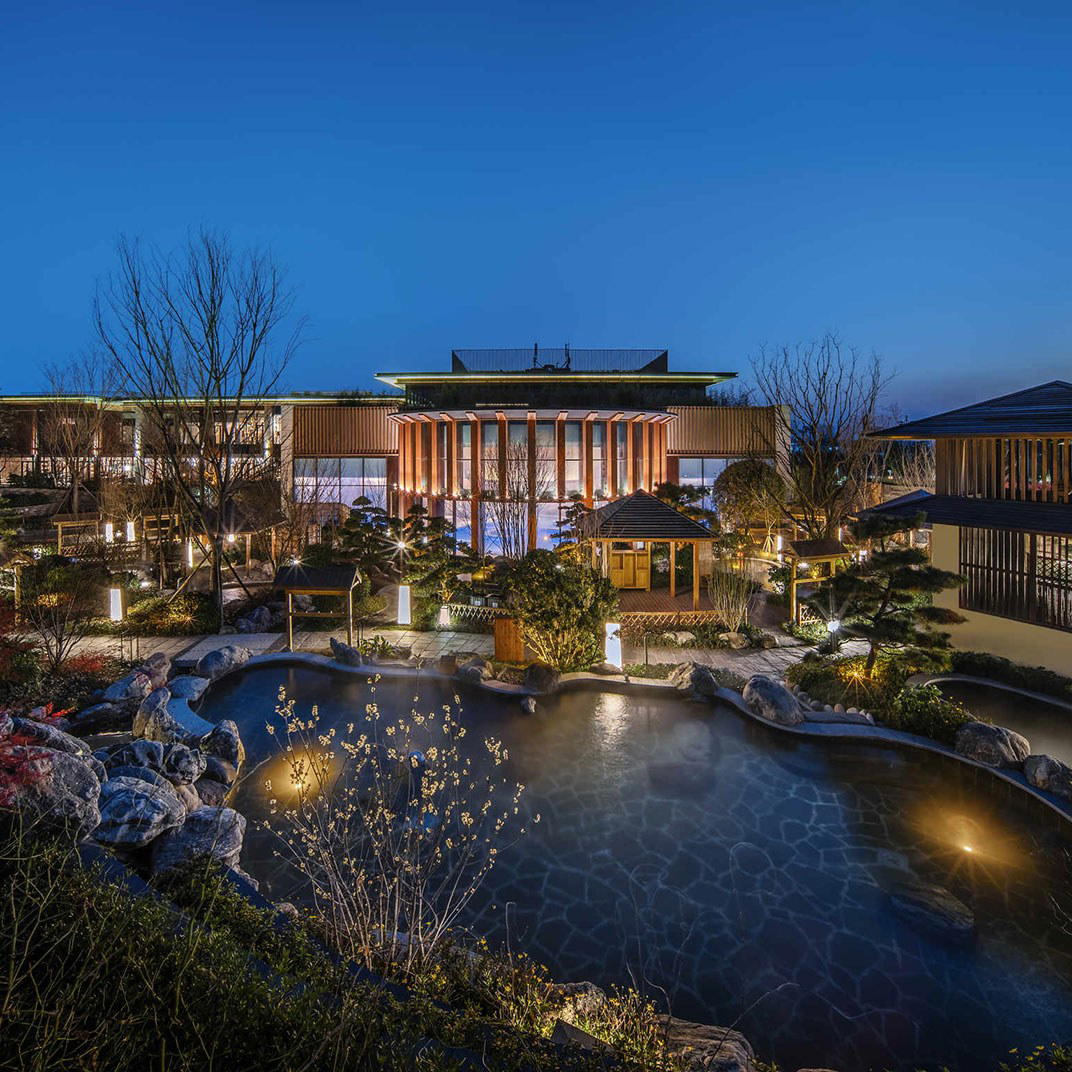
Unpretentious and functional interior with warm, practical lighting prioritizing table comfort; intimate seating with clear sightlines to kitchen and live-tank display; modest finishes keep focus on the food.
Know Before You Go
- Getting there
- 115 Jinhuai St, Longquanyi District, Chengdu, Sichuan, China, 610101