

A Black Pearl 1 Diamond hotpot restaurant in Chengdu's Chenghua District, #8 sets itself apart through a format that gives each diner their own individual pot and a choice of eight soup bases. The hand-torn beef tripe and yellowhead catfish are the standout ingredients, while the snack menu, from golden pork strips to ice jelly, rounds out one of the city's more considered hotpot experiences.
Pearl is the En Primeur Club membership app — saves, bookings, and concierge access live there. Same editors, same standards.
- Address
- 101 Xinfeng Rd, Chenghua District, Chengdu, Sichuan, China, 610051
- Phone
- +86 28 6666 1234
- Directions
- Get directions
 Saves & bookings on Pearl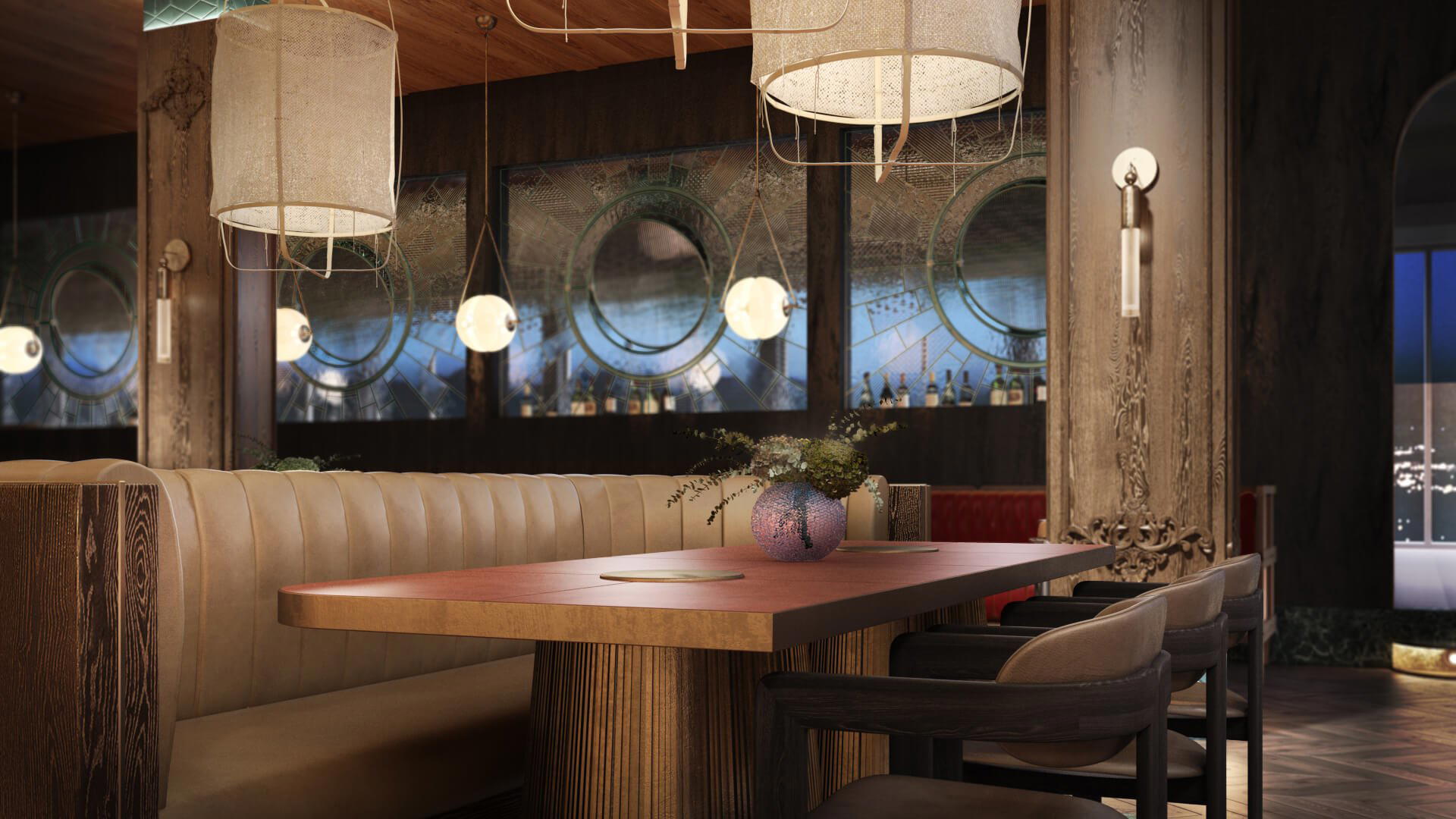
The Hotpot Format That Chengdu Does Differently
Chengdu's hotpot culture sits at the centre of Sichuan identity in a way that few regional food traditions can claim elsewhere in China. The communal pot, the numbing heat of Sichuan peppercorn, the ritual of dipping and waiting, these are not restaurant conventions but social ones, embedded in how the city eats and gathers. Within that tradition, a smaller cohort of operators has pushed the format toward something more considered: individual pots per diner, curated ingredient sourcing, and soup base menus that distinguish between the old Chengdu style and newer regional variations. China Samite on Wuhouci Street and Long Sen Yuan in Qingyang occupy adjacent space in this tier. #8, located at 101 Xinfeng Road in the Chenghua District, sits squarely in this more deliberate bracket, recognised with a Black Pearl Diamond in 2025.
What the Ingredient List Signals
The range on offer at #8, seafood across multiple categories, cultivated and foraged mushrooms, several cuts of meat, and a rotating selection of leafy greens, points to a sourcing philosophy more attentive than the standard hotpot spread. In Chengdu's mid-to-premium tier (the ¥¥¥ price band), operators increasingly differentiate through ingredient provenance rather than broth theatrics alone. The mushroom selection in particular tells a story: Sichuan's forested highlands produce a variety of fungi not easily available outside the region, and a restaurant willing to source from those channels signals a kitchen paying close attention to the supply chain rather than defaulting to commodity product.
Two ingredients stand out above the rest. The hand-torn beef tripe arrives with a deliberately crispy texture, a result of preparation technique rather than the ingredient itself, which in its standard treatment tends toward softness. Getting tripe to hold that bite through a hotpot cook requires sourcing fresh, high-quality product and handling it precisely before service. The yellowhead catfish, noted for fine, silky flesh, is a freshwater species found in Sichuan's river systems and carries a delicacy of texture that holds well against the mala butter base without disappearing into it. These are not interchangeable proteins; they are specific choices that reward the selection process hotpot is built around.
Eight Bases, One Recommendation
The soup base decision is where hotpot dining concentrates most of its character, and offering eight options is a wider range than most establishments at this price point provide. Bases typically range from the intensely spiced to the restorative, a light bone broth on one end, a full mala butter base at the other, with tomato, mushroom, and regional herb variations filling the middle. The old Chengdu-style mala butter base is the reference point worth starting with: it reflects the city's historical hotpot tradition before the format began absorbing national and international influences, using a balance of dried chilies and Sichuan peppercorn that leans toward fragrance as much as heat. Within the broader Chengdu dining scene, where restaurants like Yu Zhi Lan and Fang Xiang Jing represent fine-dining Sichuan at the ¥¥¥¥ tier, #8 occupies a different register, communal and participatory rather than chef-led and plated, but the attention to regional specificity runs parallel.
The Individual Pot Structure
The format of one pot per diner, rather than a shared central vessel, has practical and experiential consequences. Each guest controls their own cook time, their own broth temperature, and their own base selection from the eight options. This matters for a table where preferences diverge, one diner running a light mushroom broth while another works through the mala butter base, but it also changes the pacing dynamic. Shared hotpot encourages a kind of collective choreography; individual pots make the meal more personal, which suits the particular ingredients here. The yellowhead catfish, with its delicate texture, benefits from a controlled cook that a shared communal pot rarely guarantees.
Snacks as a Distinct Category
In many hotpot contexts, the snack menu is an afterthought, pickled vegetables and peanuts pre-set on arrival. At #8, the snacks register as a deliberate part of the meal's structure. Golden pork strips provide a textural counterpoint to the softer proteins going into the pot, while ice jelly in fruit syrup functions as a palate reset, a traditional Sichuan street food that cools and clarifies after the cumulative heat of a mala-based broth. Treating these items as worthy of attention, rather than as filler, reflects an understanding of how the full meal arc works in Sichuan food culture.
Where #8 Sits in the Broader Chengdu Dining Picture
Chengdu has a dense restaurant scene across every price tier, and the Black Pearl recognition system, the China-focused counterpart to Michelin's global framework, provides a useful coordinate for positioning. A 2025 Black Pearl 1 Diamond places #8 in verified quality territory without pushing it into the rarefied tier occupied by Xin Rong Ji (Taizhou) at two Michelin stars. For context across China's dining cities, the same Black Pearl framework applies to restaurants like Xin Rong Ji on Xinyuan South Road in Beijing, 102 House in Shanghai, Chef Tam's Seasons in Macau, Ru Yuan in Hangzhou, Imperial Treasure Fine Chinese Cuisine in Guangzhou, and Dai Yuet Heen in Nanjing, a spread that illustrates the system's geographic range. Within the hotpot category specifically, comparisons stretch beyond Chengdu: A-Yu Beef Shabu Shabu in Tainan and Bad Ass Lamb Hot Pot in Beijing show how the format adapts across regional ingredient cultures while maintaining its participatory core.
Planning Your Visit
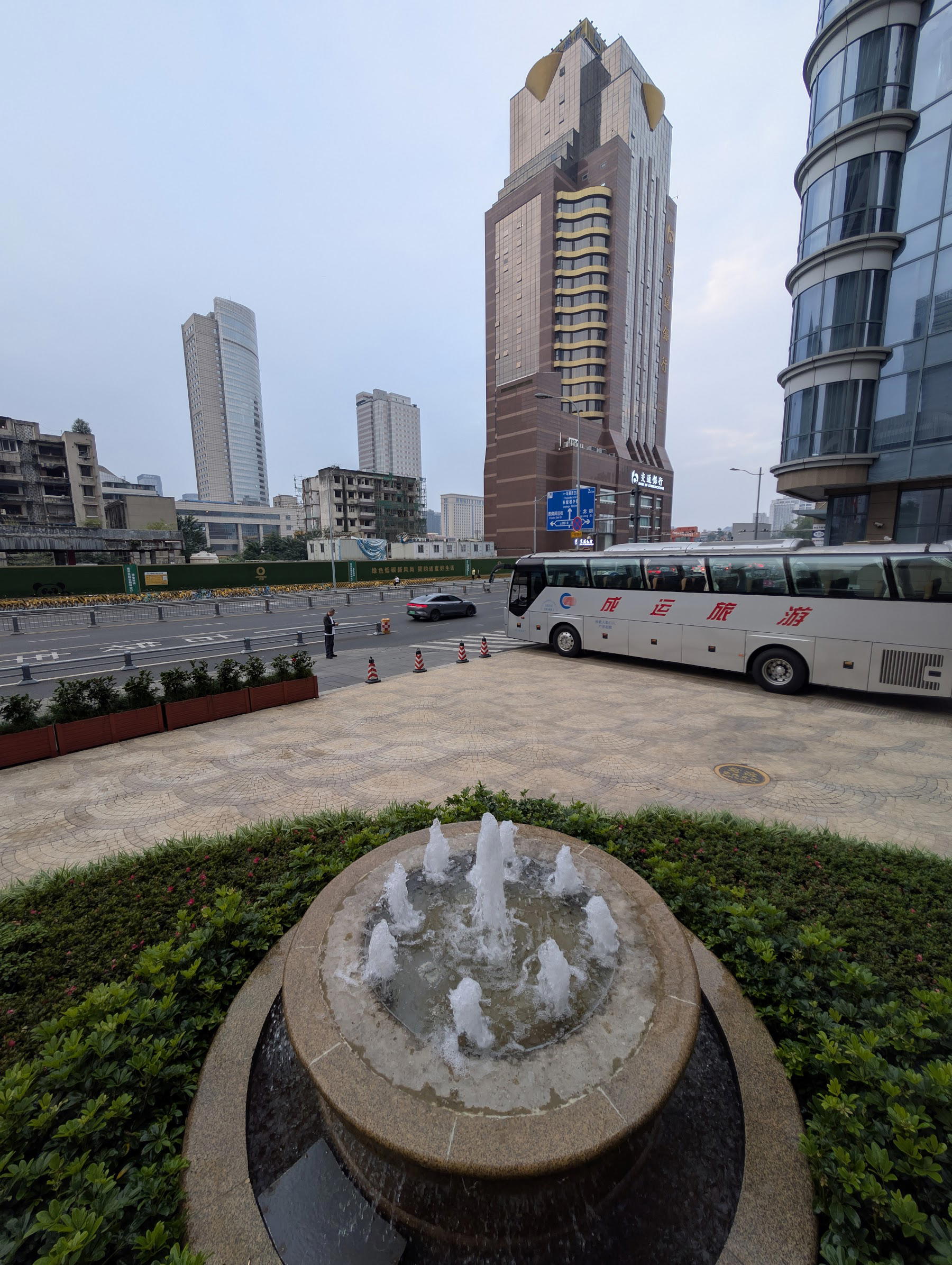
#8 is at 101 Xinfeng Road in the Chenghua District, a residential and commercial area to the northeast of the city centre, a district that sees fewer international visitors than Jinli or Kuanzhai Alley but functions as a genuine local dining neighbourhood. Given the 2025 Black Pearl recognition, demand at peak evening hours has almost certainly increased; arriving with or making a booking in advance is advisable, particularly for weekend dinner. The ¥¥¥ pricing positions the meal in the middle tier of Chengdu dining, above a street-level hotpot canteen, well below the fine-dining bracket.
- hand-torn beef tripe
- yellowhead catfish
- duckbill sturgeon
- Australian Wagyu Beef
- seafood platter
- signature seafood dumplings
Comparison Snapshot
Comparable venues nearby, for context on price, style, and recognition.
| Venue | Cuisine | Price | Awards | Notes |
|---|---|---|---|---|
| #8This venue — the venue you are viewing | Sichuan Hotpot | $$$ | Michelin Plate | Not listed |
| Xiang Shang Xiang | Refined Hunan Cuisine | $$$ | Michelin Plate | Chengdushi |
| Song Chuan | Sichuanese | $$$ | Michelin Plate | Chengdushi |
| Nan's Gourmet | Refined Cantonese | $$$ | Michelin Plate | Chengdushi |
| Yanyu (Wuhou) | Fujian with Sichuan Twist | $$$ | Michelin Plate | Chengdushi |
| Cloud Arise (Chenghua) | Traditional Sichuanese | $$$ | Michelin Plate | Chengdushi |
Recognition history
Dated appearances from independent guides and award organizations, with the underlying list record or original source where available.
Black Pearl 1 Diamond
Black Pearl
Michelin Plate
Michelin
At a Glance
- Elegant
- Modern
- Cozy
- Group Dining
- Family
- Celebration
- Business Dinner
- Open Kitchen
- Private Dining
- Hotel Restaurant
- Skyline
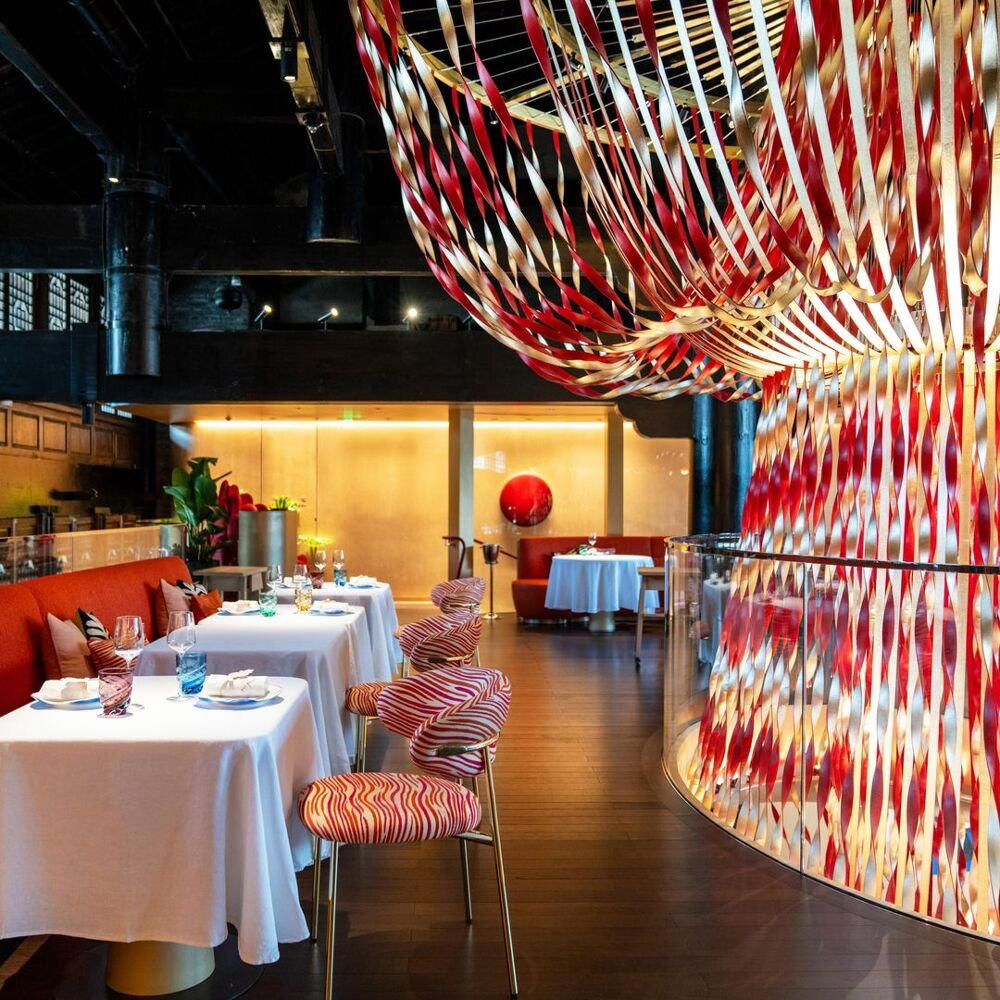
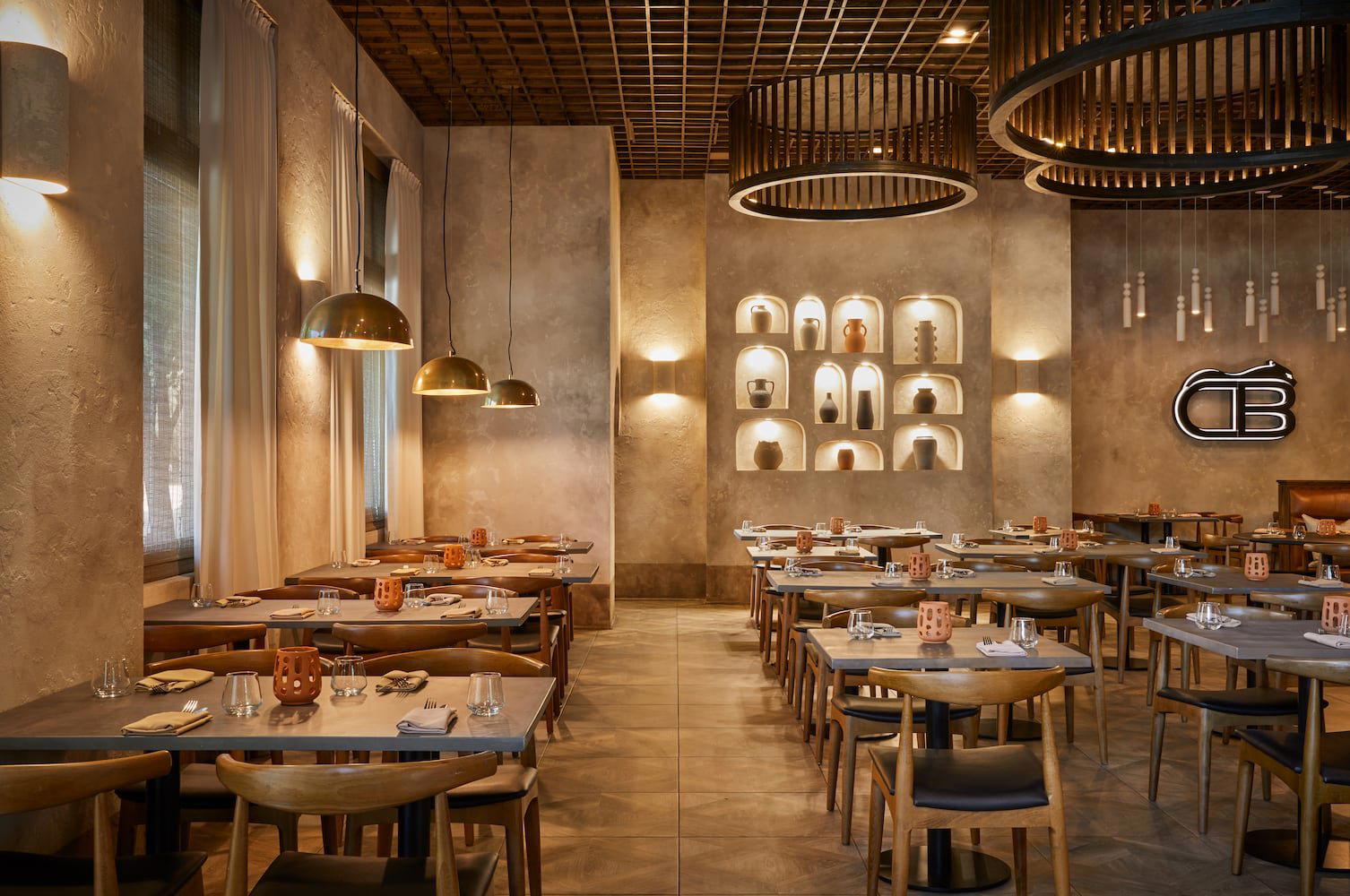
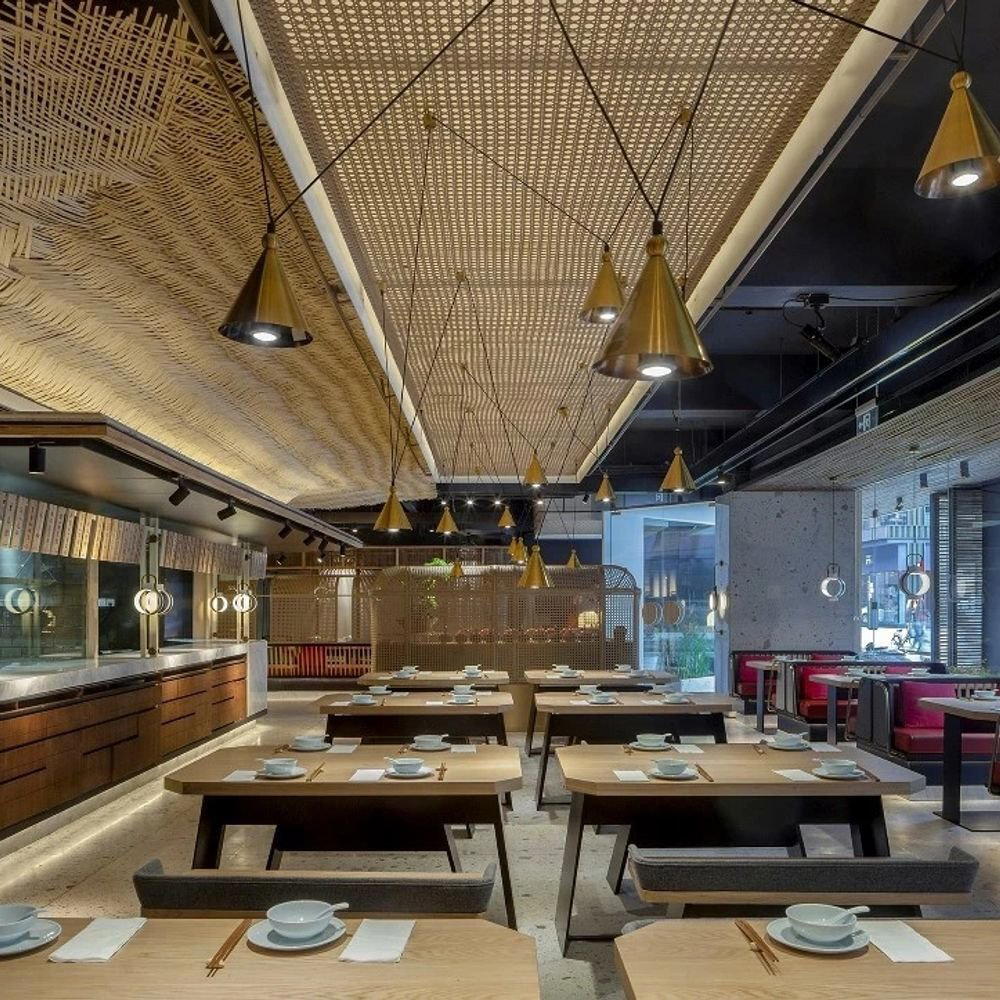
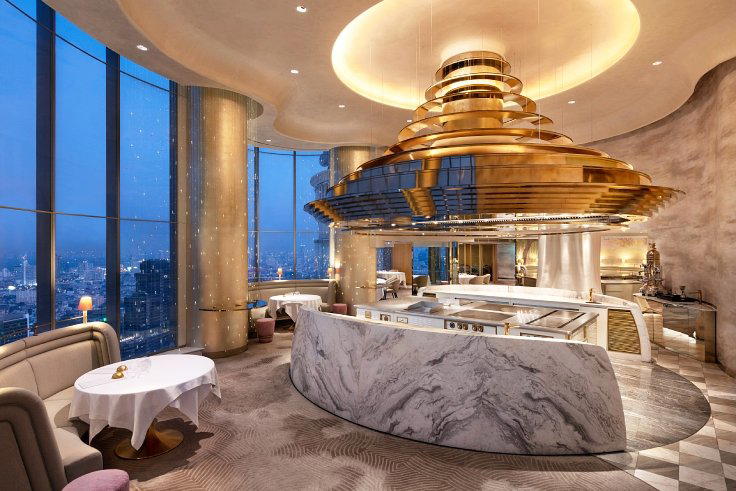
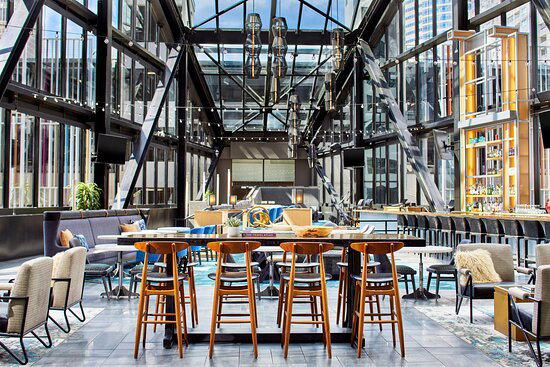
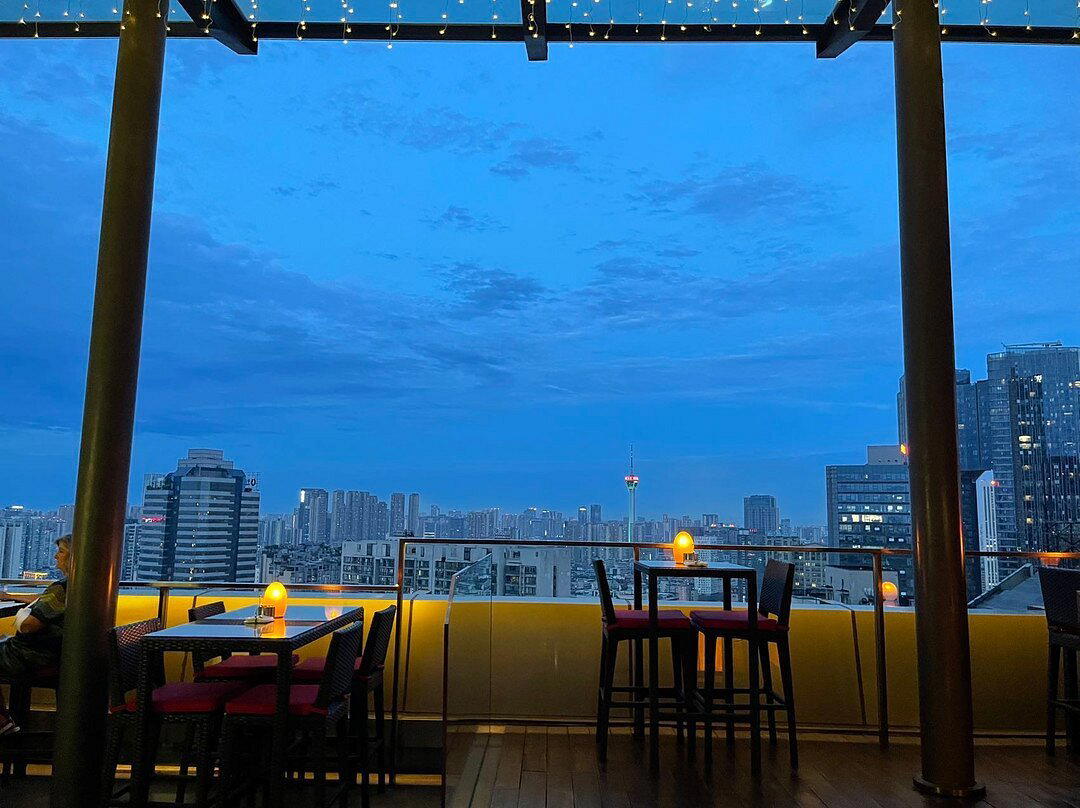
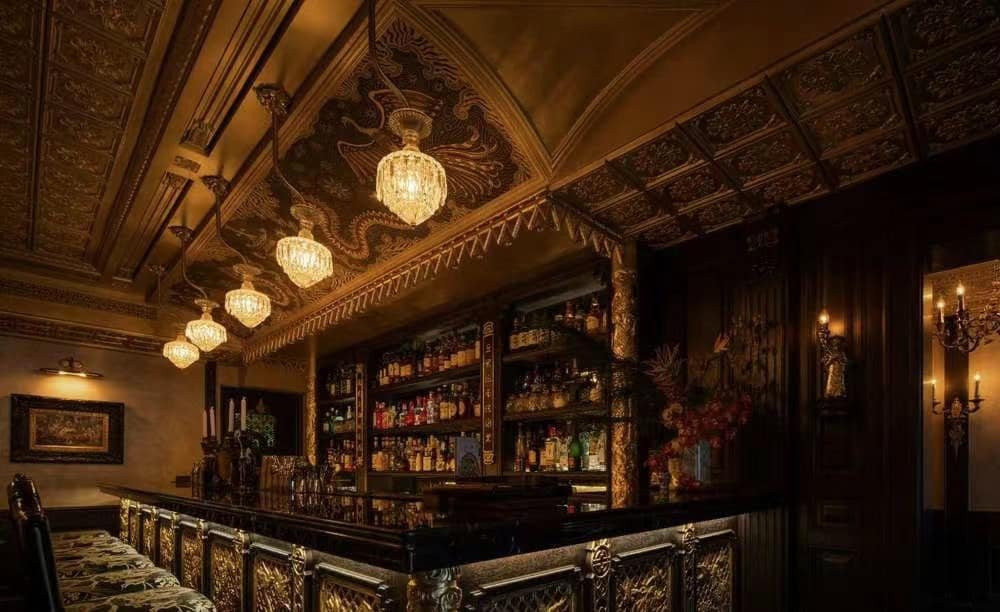
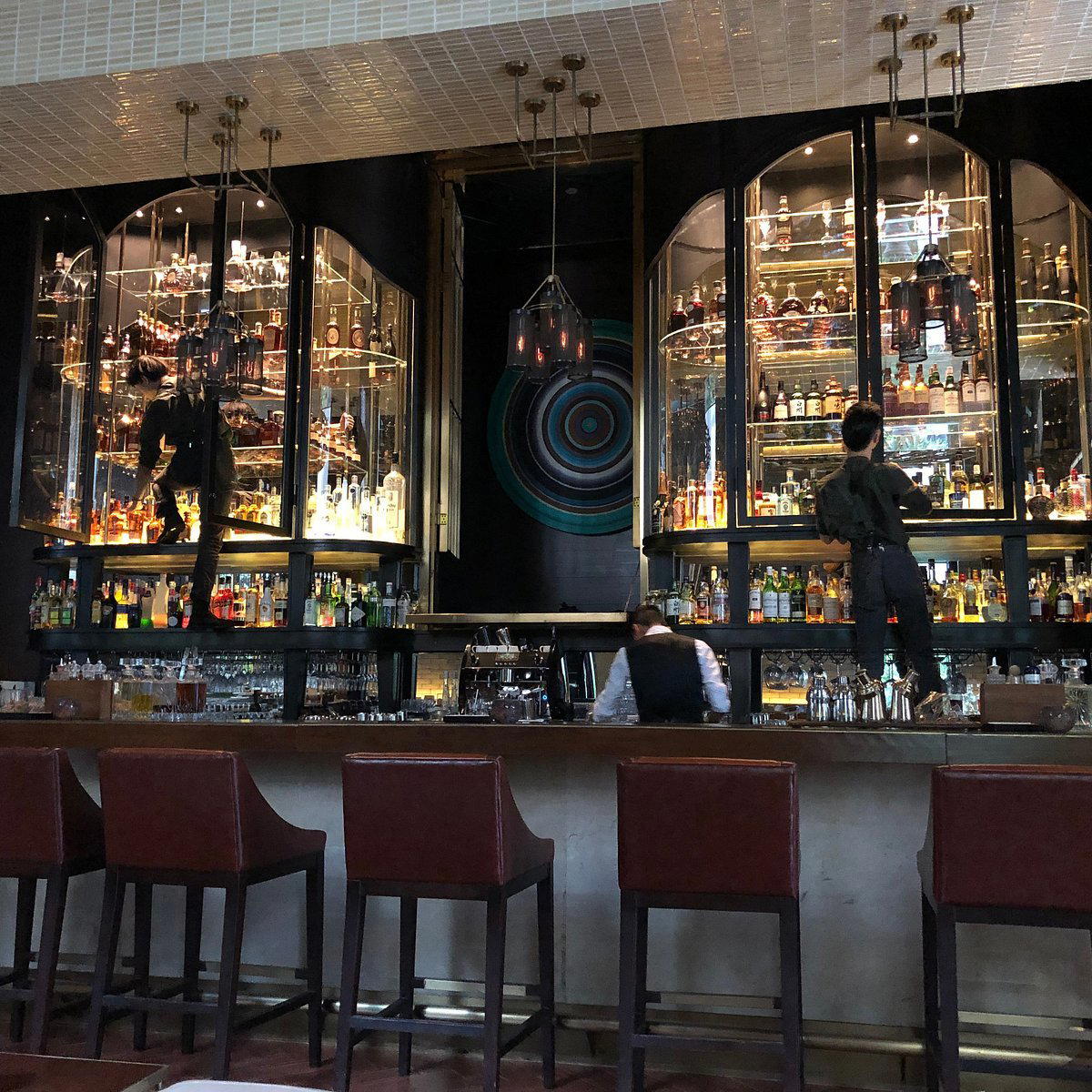
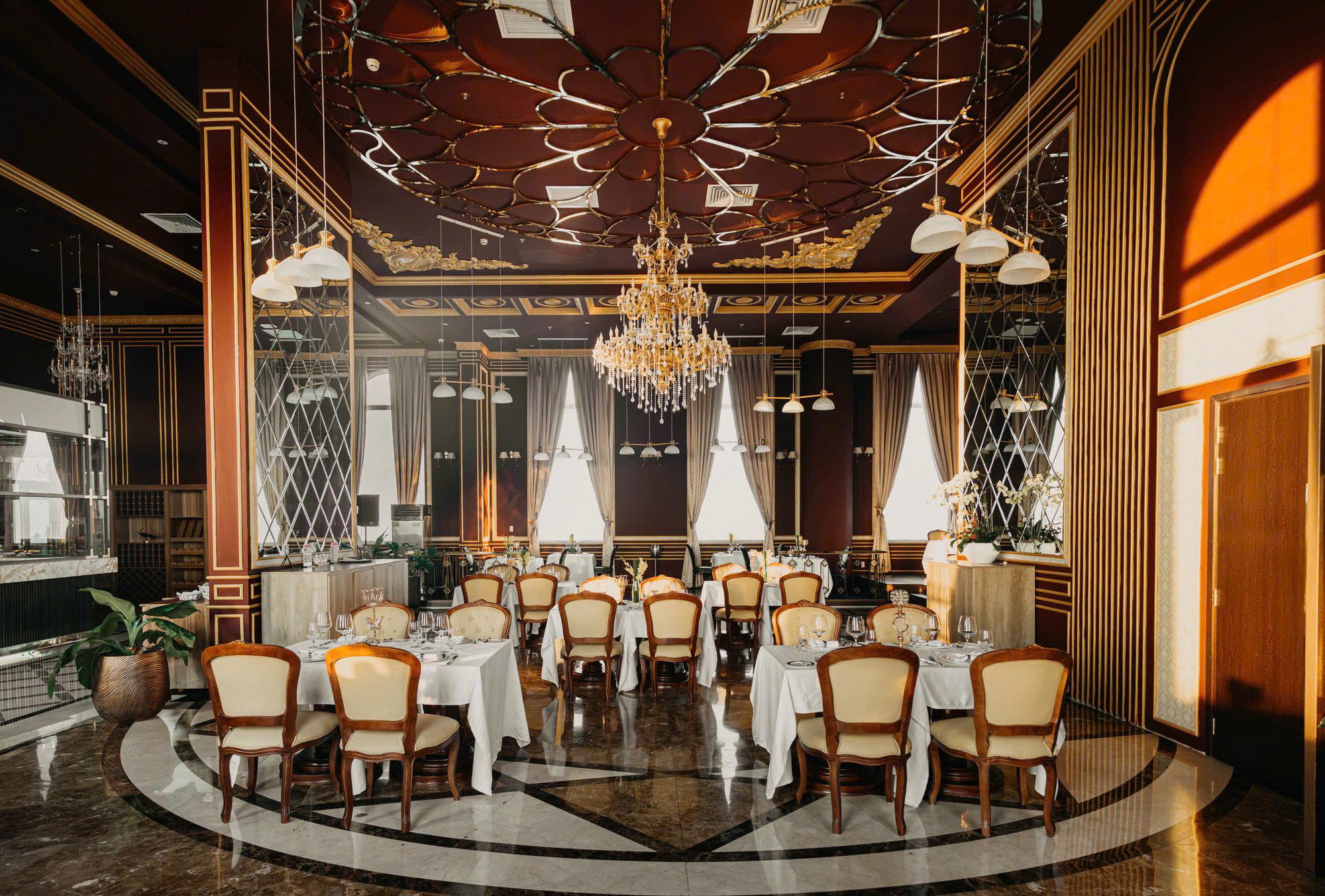
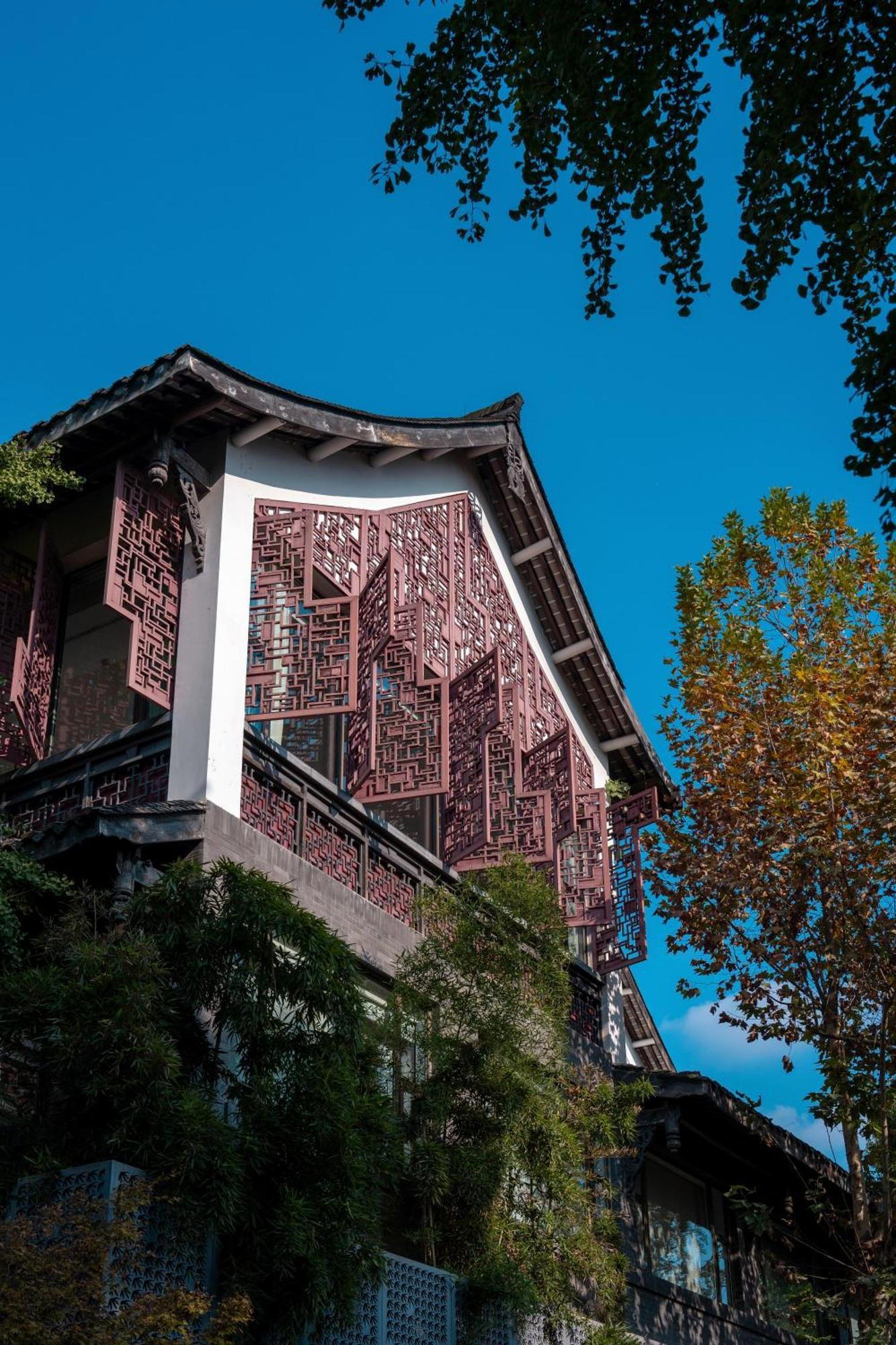
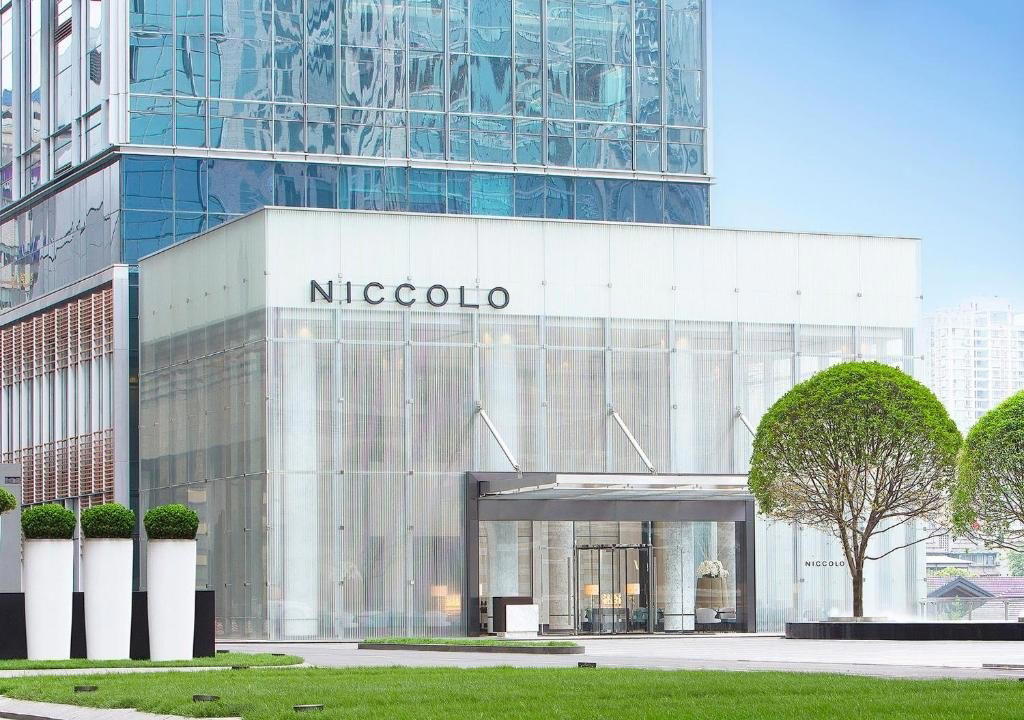
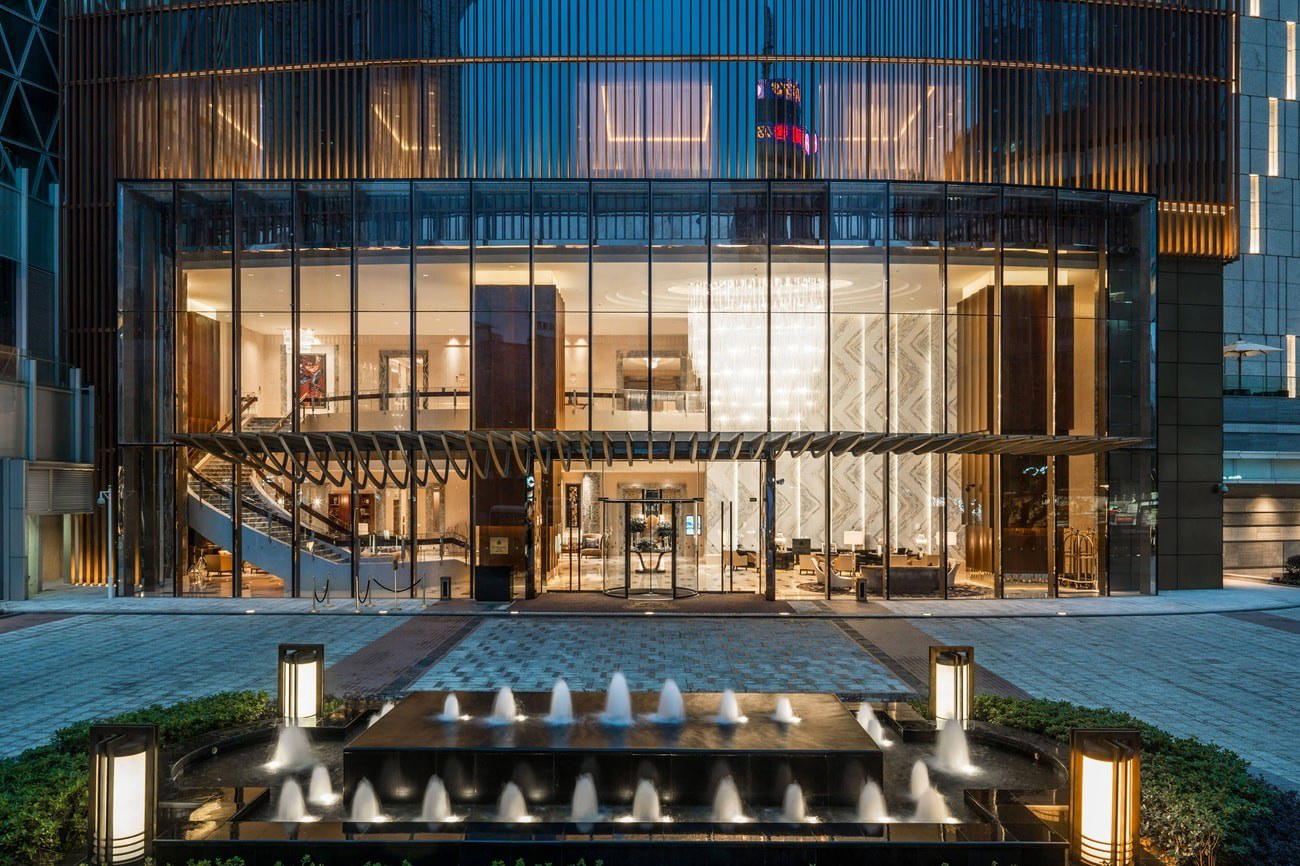
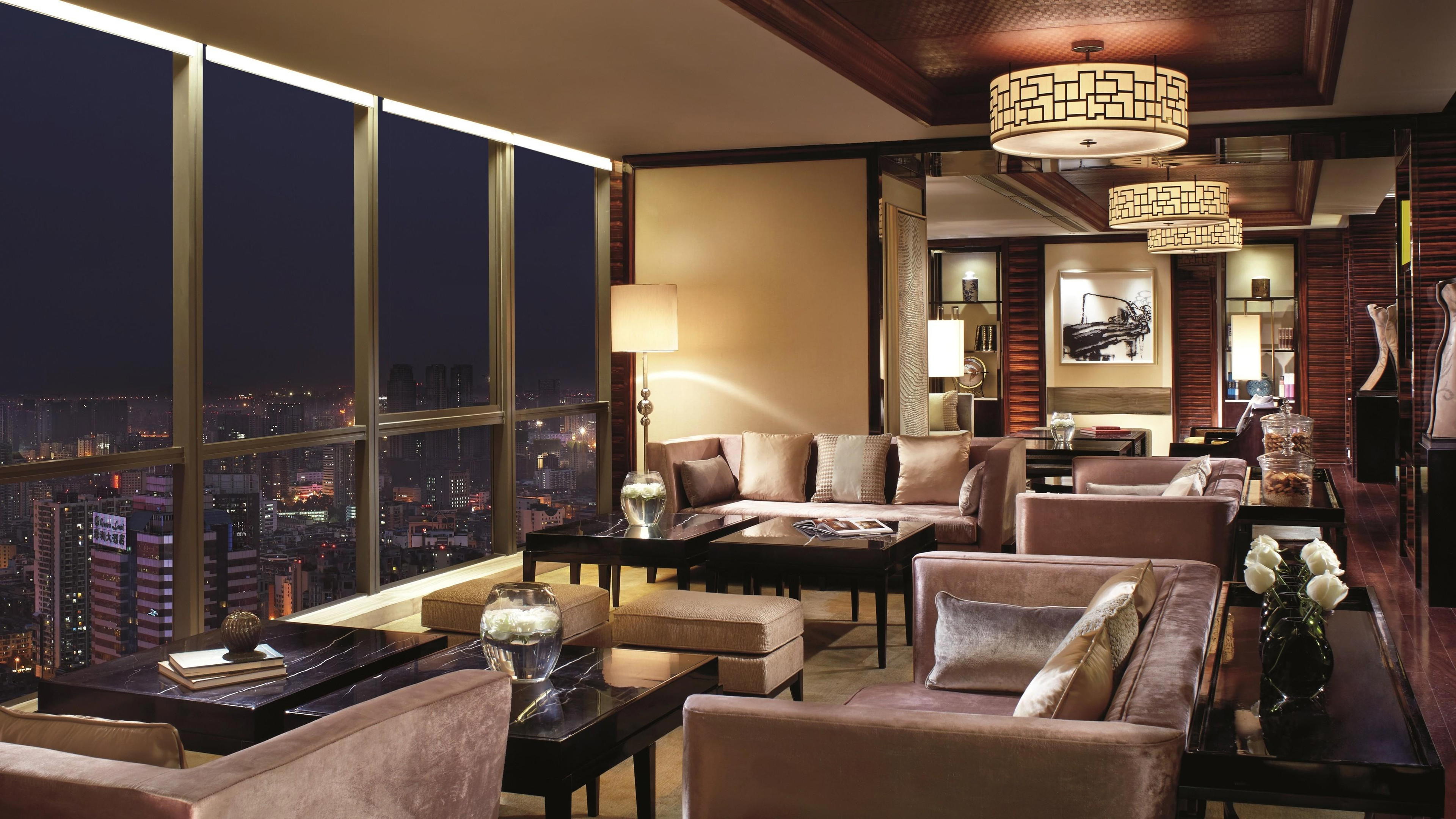
Elegant classical Sichuan design with strong visual impact from ceiling and floors, quiet and refined atmosphere unlike typical noisy hotpot spots, comfortable private rooms.