Tabelog 100 #35
Our verdict
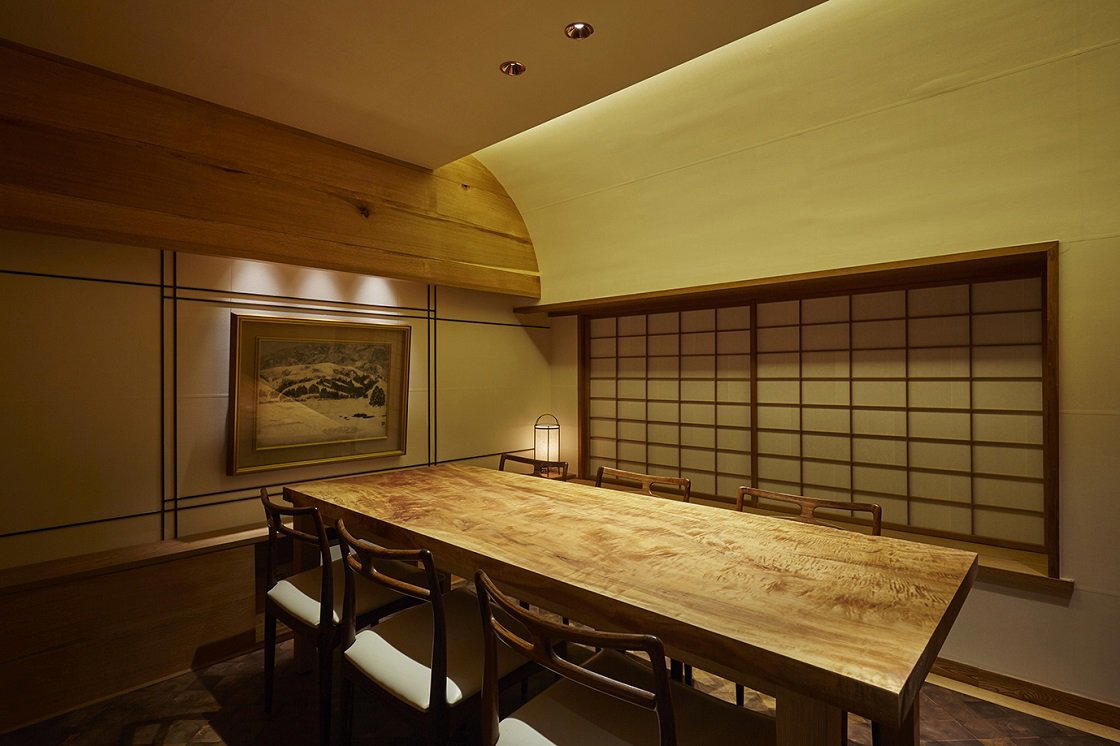
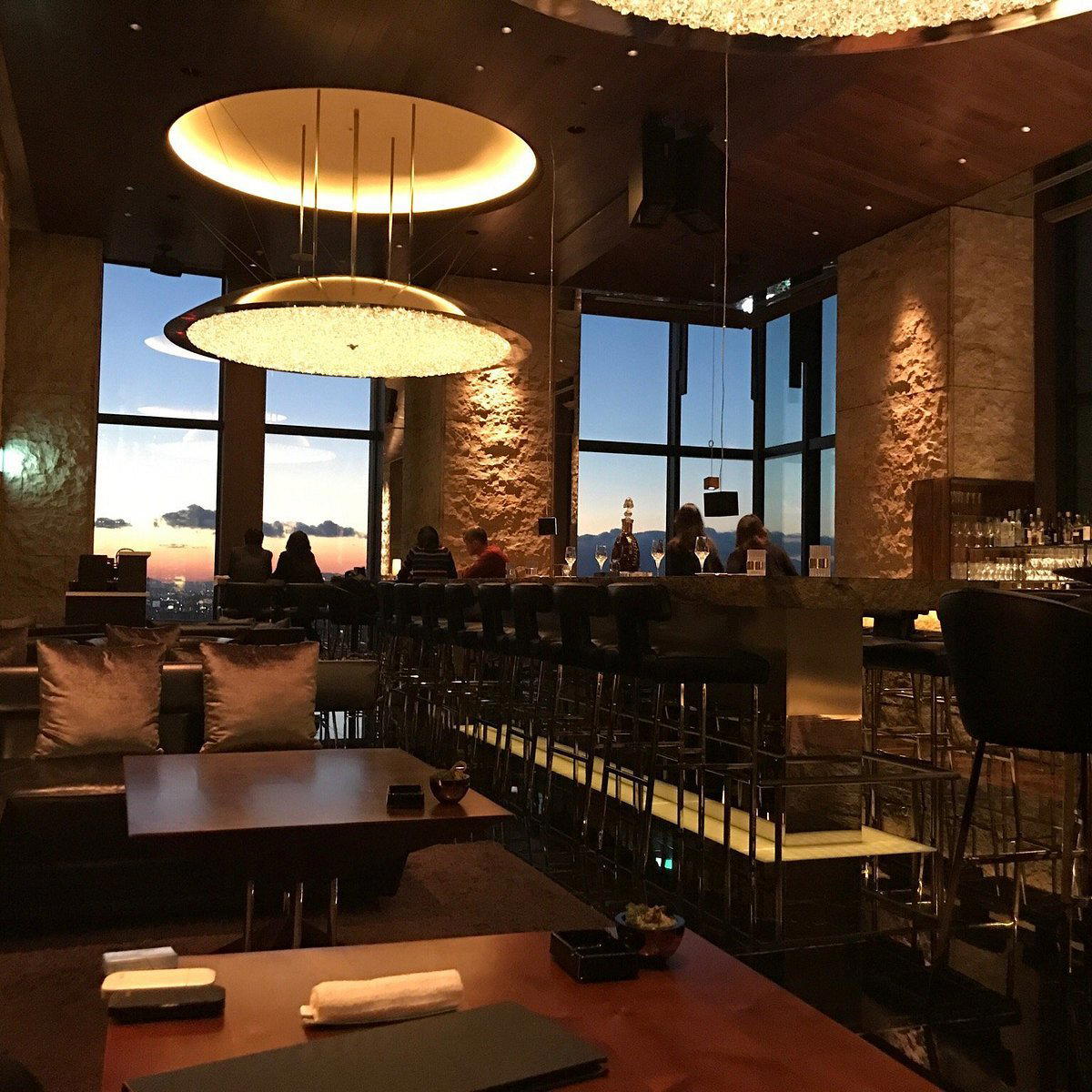
On the fifth floor of a Dojima address in Osaka's Kita Ward, 焼鳥 YAMATO occupies the quieter register of the city's yakitori scene, where the transaction between kitchen and table depends less on volume than on precision. Kita Ward concentrates some of Osaka's most considered dining, and YAMATO operates within that context, drawing guests who treat the skewer counter as a serious format rather than a casual stop.

Pearl is the En Primeur Club membership app, where members save venues, book tables and use the concierge.
A Fifth-Floor Counter in Dojima
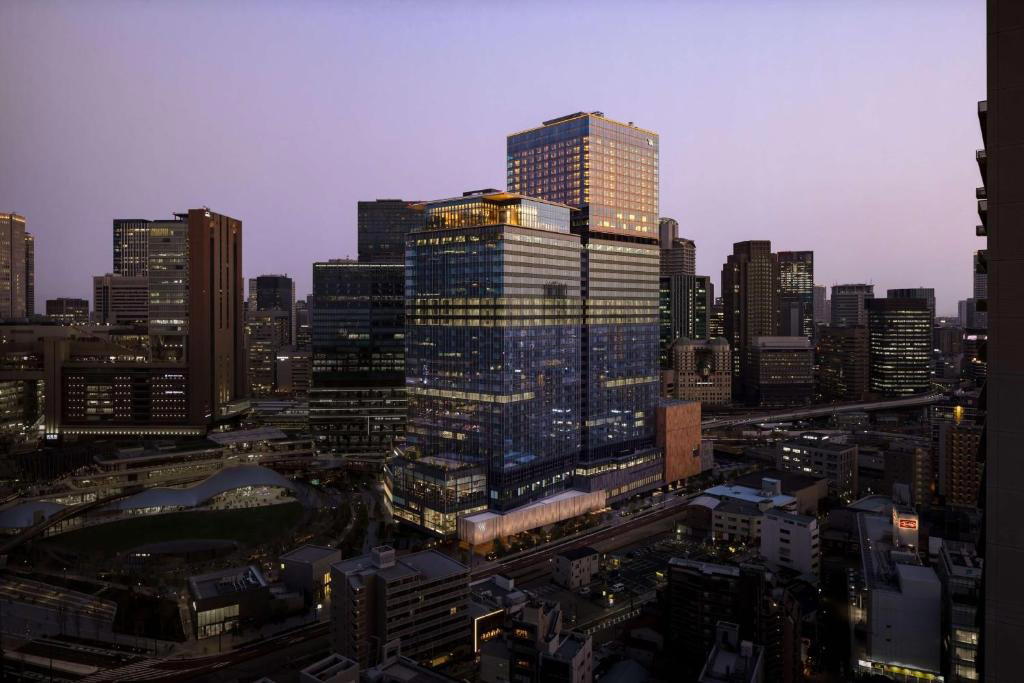
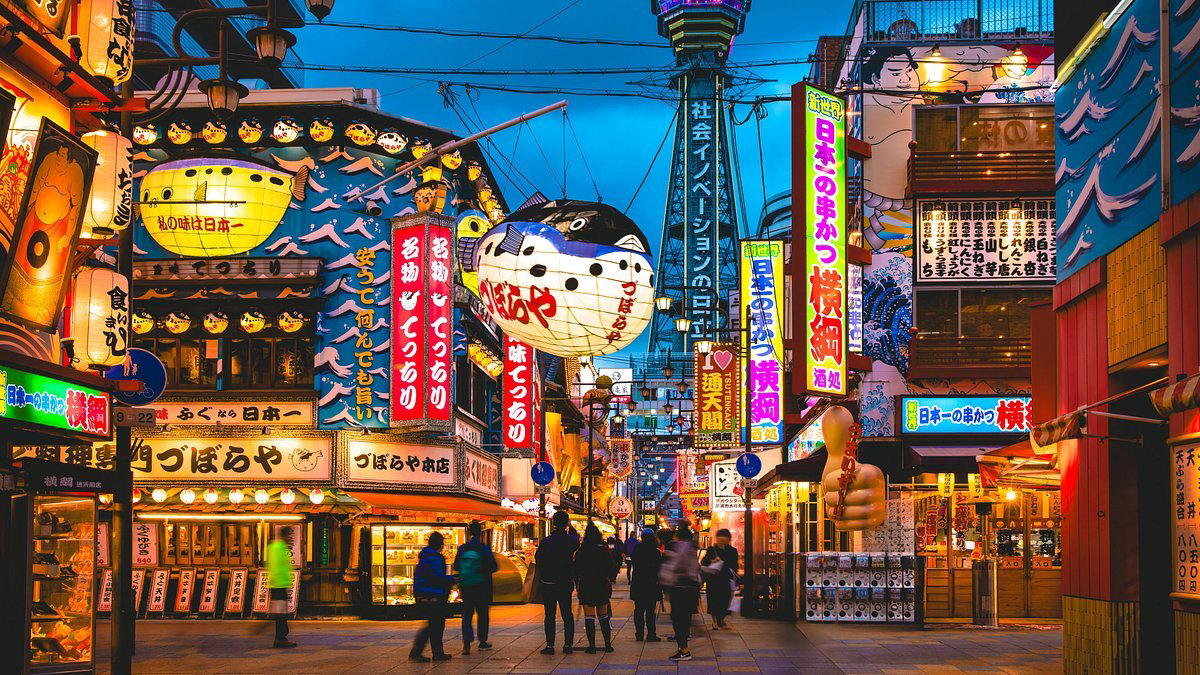
Osaka's Kita Ward runs a different temperature from the tourist-facing energy of Dotonbori or Namba. The streets around Dojima lean commercial and purposeful during the day, then shift into a more considered dining register after dark, when office workers and food-minded locals move through the area with specific destinations in mind. The building at 1-3-16 Dojima, known locally as Mary Center, houses 焼鳥 YAMATO on its fifth floor, a placement that immediately filters the audience. Walk-ins drawn by a street-facing sign are not a factor here. You come because you know it's there.
That physical remove from street-level Osaka does something useful: it conditions the room before you've sat down. The elevator ride, the corridor, the moment of arrival at the counter all create a frame around the experience that a ground-floor yakitori bar in a busy alley cannot replicate. In Japan's yakitori tradition, the counter format carries specific weight. The distance between the cook and the guest is measured in centimetres rather than metres, and the sequence of the meal is determined jointly, through reading pace, appetite, and the rhythm of the charcoal. At venues like YAMATO, that proximity between kitchen and table is the format's central argument.
What the Yakitori Format Actually Demands
Japan's yakitori category has fractured considerably over the past two decades. At one end, it remains a democratic pleasure, a few hundred yen per skewer at a standing bar near a train station. At the other, a smaller cohort of counters has repositioned the format as a serious tasting-menu proposition, where charcoal management, sourcing provenance, and course sequencing bring it into direct comparison with kaiseki. The gap between those two poles is not just about price; it's about what the kitchen is actually attempting.
At the more considered end of the spectrum, where YAMATO operates in Dojima, the skill set required is specific. Yakitori cooking demands a reading of heat that changes minute to minute as the charcoal burns through different stages. There is no sauce or stock to mask an error in timing. The bird, the cut, the skewer angle, the rotation frequency, and the distance from the coals all interact. Front-of-house at this level is not decorative; it carries real intelligence. A well-run yakitori counter in Osaka's upper-middle tier relies on floor staff who can read the table's pace and communicate it back to the kitchen in real time, adjusting the sequence of skewers accordingly. The collaboration between grill, floor, and guest is the thing being sold, not just the protein.
Across Osaka, that model has found a receptive audience. The city's dining culture has always valued precision over spectacle, and yakitori's directness, few ingredients, minimal mediation, fits that preference well. Venues like Ajihei Sonezaki and Aka to Shiro represent Osaka's appetite for formats where the cooking itself is the statement. YAMATO occupies a similar register in Kita Ward.
The Team Dynamic at a Yakitori Counter
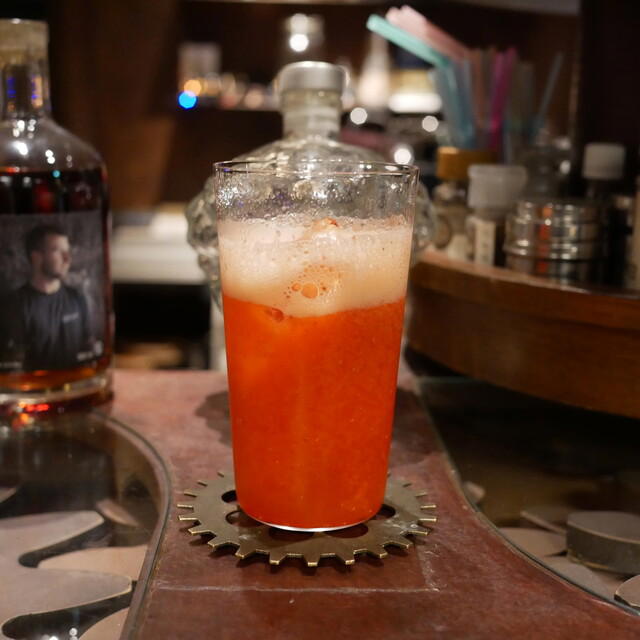
The editorial angle that matters most here is the team structure, because yakitori at this level is not a solo performance. The grill cook is the obvious figure, but the dynamic that determines the quality of a full meal is triangular. The cook controls temperature and sequence from the charcoal side. Floor staff control pacing and information from the guest side. And there is frequently a third element in venues that take their drinks program seriously: someone with a specific point of view on pairing, whether that's a sake selection, a Japanese whisky list, or a more eclectic wine program.
In Osaka's considered dining scene, that drinks dimension has become increasingly important. Guests who eat at HAJIME in Osaka or Calendrier arrive with expectations about the drinks experience that have been shaped by exposure to serious pairing programs. Those expectations migrate to adjacent formats, including yakitori, and venues that treat the drinks element as an afterthought are increasingly visible as such. When floor, grill, and drinks operate in coordination, the counter experience gains a coherence that elevates the meal beyond its component parts without requiring the kitchen to perform gymnastics.
That coordination is, in many ways, harder to achieve than technical cooking skill. It requires genuine communication between people with different roles and different tempos, and it tends to be what separates a good yakitori counter from a great one. Counterparts in Japan's broader premium dining scene, from Gion Sasaki in Kyoto to Harutaka in Tokyo, demonstrate what that coordination looks like at the highest level. The reference points exist; the question for any counter in Osaka's Kita Ward is how closely it tracks them.
Kita Ward and the Dojima Address
Dojima carries historical resonance in Osaka that most visitors don't encounter. The area was home to the world's first futures market, the Dojima Rice Exchange, which operated from the late seventeenth century until the 1930s. The neighbourhood retains a certain transactional seriousness that makes it an unusual but not incongruous location for considered dining. It's not a restaurant quarter in the way that Shinsaibashi or Kitashinchi are, which means venues here tend to attract a clientele with specific intent rather than browsers.
For visitors coming from outside Osaka, Dojima is accessible from Osaka Station and Umeda, which are walking distance, or from Nishi-Umeda on the Yotsubashi Line. The fifth-floor location in Mary Center is navigable with a building directory; arriving with the floor number in hand is advisable. For broader context on Osaka's dining geography, the full Osaka Shi restaurants guide maps the major areas and the types of venues that define each.
Osaka functions within a broader Kansai dining circuit that rewards multi-city planning. Akordu in Nara and Gion Sasaki in Kyoto are both within reasonable reach for guests building a regional itinerary. Further afield, Goh in Fukuoka and Aji Arai in Oita represent the southern extension of Japan's serious dining map. Domestically, venues like Ajidocoro in Yubari District and affetto akita in Akita show how Japan's premium dining culture extends well beyond the obvious urban centres.
Planning Your Visit
Specific booking information for YAMATO, including hours, reservation method, and current pricing, is best confirmed directly through the venue or a concierge service with current Osaka contacts. Given the fifth-floor location and the counter format, which typically runs to a set number of covers per service, advance planning is advisable rather than optional. Venues operating in this register in Kita Ward tend not to hold many seats back for walk-ins, and the Dojima address, without street-level visibility, means spontaneous discovery is unlikely to be rewarded.
For guests comparing options in Osaka's Kita Ward, Ajikitcho Bunbuan and Az represent different points on the city's considered-dining spectrum and are worth including in any comparative research. Internationally, the team-dynamic model that defines the leading yakitori counters has parallels at venues like Le Bernardin in New York City and Lazy Bear in San Francisco, where the coordination between kitchen and floor is itself a primary feature of the experience.
Frequently asked questions
Where exactly is 焼鳥 YAMATO?
焼鳥 YAMATO is located at Japan, 〒530-0003 Osaka, Kita Ward, Dojima, 1 Chome−3−16 メリーセンタービル 5F, Osaka Shi.
What should I eat at 焼鳥 YAMATO?
YAMATO is a yakitori counter in Dojima, Osaka's Kita Ward, so the grilled skewer courses are the focus of any visit. Yakitori at this level typically follows an omakase or structured sequence driven by the grill cook rather than an à la carte menu. Confirm the current format directly with the venue, as specific dishes and seasonal items are not publicly listed.
Is 焼鳥 YAMATO reservation-only?
Reservations are recommended for 焼鳥 YAMATO in Osaka Shi. Confirm current policy via the venue's official channels.
What makes 焼鳥 YAMATO worth seeking out?
焼鳥 YAMATO is best approached by focusing on the core concept and signature offerings.
Is 焼鳥 YAMATO good for vegetarians?
Dietary accommodations can vary. Flag restrictions in advance via the venue's official channels.
At-a-Glance Comparison
Comparable venues nearby, for context on price, style, and recognition.
| Venue | Cuisine | Price | Awards | Notes |
|---|---|---|---|---|
| 焼鳥 YAMATOThis venue (the venue you are viewing) | Traditional Japanese Kaiseki | Not listed | Tabelog 100 #35 | Not listed |
| 割鮮 入たに | Naniwa Kappo | $150–200 | Michelin Plate | Kita |
| Shimanouchi Ichiyo | Creative Kappo Seafood | $100–150 | Not listed | Chūō |
| Kushiage 010 | Creative Kushiage | $50–100 | Michelin Bib Gourmand | Kita |
| Ajihei Sonezaki | Live Fugu & Crab Kaiseki | $150–200 | Not listed | Kita |
| 緒乃 | Modern Edomae Omakase | $300–500 | Not listed | Kita |
Recognition history
Dated appearances from independent guides and award organizations, with the underlying list record or original source where available.
Tabelog 100 #35 · No. 35
Tabelog · Tabelog 100 - Yakitori - WEST - 2025