Our verdict
YAKINIKUMAFIA IKEBUKURO sits on the seventh floor of The Sh One building in Toshima City, operating as a Ikebukuro-based extension of the WAGYUMAFIA brand. The venue brings premium Japanese beef into a yakiniku format shaped by global technique, occupying a distinct tier within Tokyo's high-end grilled meat category. Reserve well in advance; walk-ins at this level rarely succeed.

Pearl is the En Primeur Club membership app, where members save venues, book tables and use the concierge.

The menu
What to order
- Ozaki beef shoulder loin cuts
- Champon noodles
Where Yakiniku Meets Global Ambition: Ikebukuro's Premium Beef Counter
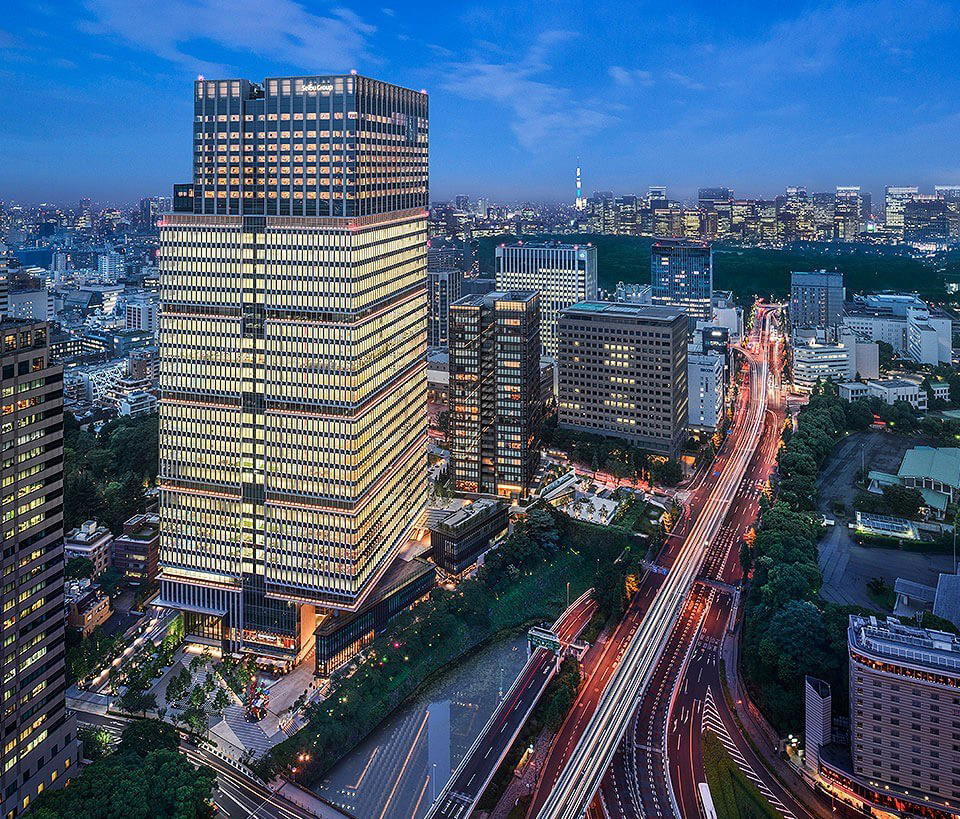
Tokyo's yakiniku scene has evolved substantially over the past decade. What was once a category dominated by neighbourhood grills and lunch-set volume has fractured into distinct tiers, with a premium bracket emerging around rigorous sourcing, theatrical service formats, and the kind of technique transfer that happens when chefs trained abroad return to Japanese product. YAKINIKUMAFIA IKEBUKURO by WAGYUMAFIA occupies the upper end of that spectrum, operating as a Toshima City outpost of the WAGYUMAFIA brand on the seventh floor of The Sh One building in Minamiikebukuro.
The WAGYUMAFIA name carries weight in the context of Japan's premium beef conversation. The brand built its early reputation around an explicit argument: that Japanese wagyu, particularly A5-grade cuts, deserved the same reverent, product-first treatment that high-end omakase counters apply to fish. Translating that argument into a yakiniku format requires a different discipline than a tasting menu, since the guest controls the grill, the timing, and the pace. The YAKINIKUMAFIA format attempts to hold both things simultaneously: the sourcing rigour of a kaiseki-adjacent operation and the interactive immediacy of tableside cooking.
The Intersection of Japanese Product and Imported Technique
The editorial angle that makes WAGYUMAFIA legible as a cultural phenomenon, rather than simply a premium restaurant group, is precisely this intersection of indigenous ingredient and globally absorbed method. Japan produces some of the most carefully graded beef in the world; the marbling standards applied to A5 wagyu have no direct equivalent in Western grading systems. But the theatrical, experience-led format that WAGYUMAFIA built around that product draws on a model closer to European tasting menus and American steakhouse culture than to traditional yakiniku. The result is a category that doesn't map cleanly onto either tradition.
This technique-product tension is visible across Tokyo's upper dining tier. Venues like L'Effervescence and Sézanne apply European classical frameworks to Japanese seasonal produce, while Crony operates in an innovative French register shaped heavily by local ingredient logic. YAKINIKUMAFIA IKEBUKURO works a parallel seam, using Japanese beef as the fixed point and wrapping it in a format that borrows confidence from Western luxury hospitality. In this it sits alongside, rather than below, the kaiseki axis that defines much of Tokyo's fine dining conversation.
For comparison, the top-tier omakase counter at Harutaka or the kaiseki formalism of RyuGin both treat Japanese ingredient sourcing as foundational rather than incidental. YAKINIKUMAFIA operates from the same premise but resolves it through a different physical format: the grill replaces the counter, and the guest's active participation replaces the chef's complete control over the final form of each dish.
Ikebukuro as Context
The choice of Ikebukuro as a location is worth noting. Toshima City's commercial centre has historically sat outside the prestige dining geography that clusters around Ginza, Minami-Aoyama, and Shinjuku. Premium dining in Ikebukuro has been a thinner category than in those areas, which means YAKINIKUMAFIA's arrival on the seventh floor of a modern mixed-use tower represents a northward extension of Tokyo's high-end food map rather than a move into established territory. The building address, The Sh One in Minamiikebukuro, positions the venue within the station-adjacent commercial density that defines the district, rather than in the quieter residential streets where some of Tokyo's more discreet dining rooms operate.
This geographic placement affects the customer profile. Ikebukuro draws significant foot traffic from domestic visitors, students, and the large residential catchment of northwestern Tokyo. A premium yakiniku venue in this context is likely to attract a different mix than the same concept would generate in Ginza, which suggests the WAGYUMAFIA brand is consciously extending its reach rather than consolidating within the already-saturated luxury dining precincts. For international visitors, this means the venue sits slightly further from the typical luxury hotel corridor but remains easily accessible via direct Yamanote Line service to Ikebukuro Station.
Planning a Visit
The seventh-floor location within The Sh One building means the entrance may not be immediately visible at street level; confirming the elevator access point before arrival saves time on the night.
Those building a wider Tokyo itinerary around high-end Japanese dining might also consider RyuGin for kaiseki, Harutaka for sushi, or L'Effervescence for a French-Japanese synthesis. The full range of EP Club's Tokyo recommendations is available in our Tokyo restaurants guide. Beyond Tokyo, the premium yakiniku and wagyu conversation extends into Osaka at venues like HAJIME, into Kyoto with Gion Sasaki, and into regional Japan at addresses including akordu in Nara, Goh in Fukuoka, 一本木 石川製 in Nanao, 冬仕立山乃 in Sapporo, 湖邊庵 in Takashima, 庭羽屋 in Nishikawa Machi, Birdland in Sakai, and Bistro Ange in Toyohashi. For a global parallel in how a single high-quality protein defines an entire restaurant's identity, Le Bernardin in New York City applies comparable ingredient singularity to fish, while Atomix in New York demonstrates how Korean culinary tradition translates into a fine dining format with global recognition.
Frequently asked questions
Where exactly is YAKINIKUMAFIA IKEBUKURO by WAGYUMAFIA?
YAKINIKUMAFIA IKEBUKURO by WAGYUMAFIA is located at Japan, 〒171-0022 Tokyo, Toshima City, Minamiikebukuro, 1 Chome−26−6 The Sh One, 7F, Tokyo.
How does YAKINIKUMAFIA IKEBUKURO differ from other WAGYUMAFIA venues in Tokyo?
The Ikebukuro location places the WAGYUMAFIA yakiniku format inside Toshima City's commercial core, a district that sits outside the Ginza and Minami-Aoyama addresses where Tokyo's prestige beef dining is traditionally concentrated. Operating from the 7th floor of The Sh One on Minamiikebukuro, the venue represents the group's deliberate expansion into a higher-volume, more transit-facing neighbourhood rather than a traditional luxury dining precinct. That geographic choice is the meaningful differentiator for anyone already familiar with the group's other Tokyo counters.
What's the best thing to order at YAKINIKUMAFIA IKEBUKURO by WAGYUMAFIA?
WAGYUMAFIA as a brand has built its identity around premium Japanese wagyu, so the yakiniku cuts are the central focus at any of its counters, including Ikebukuro. Your safest approach is to follow the chef's selection or any counter menu offered on the night, which typically anchors around high-grade beef preparations across different cuts and cooking temperatures.
How hard is it to get a table at YAKINIKUMAFIA IKEBUKURO by WAGYUMAFIA?
WAGYUMAFIA venues across Tokyo operate with limited seating by design, and demand at the group's counters generally exceeds walk-in availability. Contacting the venue directly or monitoring the brand's official channels is the practical route for securing a table.
What has YAKINIKUMAFIA IKEBUKURO by WAGYUMAFIA built its reputation on?
WAGYUMAFIA's reputation as a group rests on sourcing high-grade Japanese wagyu and presenting it through formats that sit between traditional yakiniku and counter-style precision dining. The Ikebukuro outpost brings this approach to Toshima City, a commercial district that has historically sat outside Tokyo's core prestige dining geography. That positioning, a flagship-quality beef concept in a neighbourhood better known for volume dining, is part of what defines this location's editorial interest.
Do they accommodate allergies at YAKINIKUMAFIA IKEBUKURO by WAGYUMAFIA?
Given the counter format common to WAGYUMAFIA venues, advance communication before arrival is the practical approach, as yakiniku counters with set or semi-set menus have limited flexibility for substitutions on the night.
Is YAKINIKUMAFIA IKEBUKURO by WAGYUMAFIA worth it?
WAGYUMAFIA operates in the upper tier of Tokyo's premium beef dining, and the Ikebukuro counter sits on the 7th floor of The Sh One in Minamiikebukuro, a deliberate move into a neighbourhood where this calibre of wagyu dining has had little competition. If high-grade wagyu yakiniku in a counter setting is the specific goal, the group's credentials make the Ikebukuro address a credible option within that category.
Booking and Cost Snapshot
Comparable venues nearby, for context on price, style, and recognition.
| Venue | Cuisine | Price | Awards | Notes |
|---|---|---|---|---|
| YAKINIKUMAFIA IKEBUKURO by WAGYUMAFIAThis venue (the venue you are viewing) | Premium Wagyu Yakiniku | $150–200 | Not listed | Not listed |
| 重箱 | Traditional Japanese Unagi | $200–300 | Not listed | Akasaka, Traditional Japanese Unagi Fine Dining |
| Yoyogi Imahan | Shabu-shabu | $200–300 | Tabelog 100 #13 | Shibuya, Shabu-shabu |
| 懐石 辻留 | Traditional Kaiseki Tea Ceremony Cuisine | $200–300 | La Liste Top Restaurants | Minato, Seasonal Japanese Omakase |
| Ningyocho Imahan Toukyou gaaden terasu kioichou ten | Traditional Wagyu Sukiyaki & Shabu-shabu | $100–150 | Tabelog 100 #30 | Chiyoda, Traditional Wagyu Sukiyaki & Shabu-shabu |
| 重よし | Traditional Japanese Kappo | $200–300 | Not listed | Shibuya, Traditional Japanese Kappo |