Michelin Plate
Our verdict
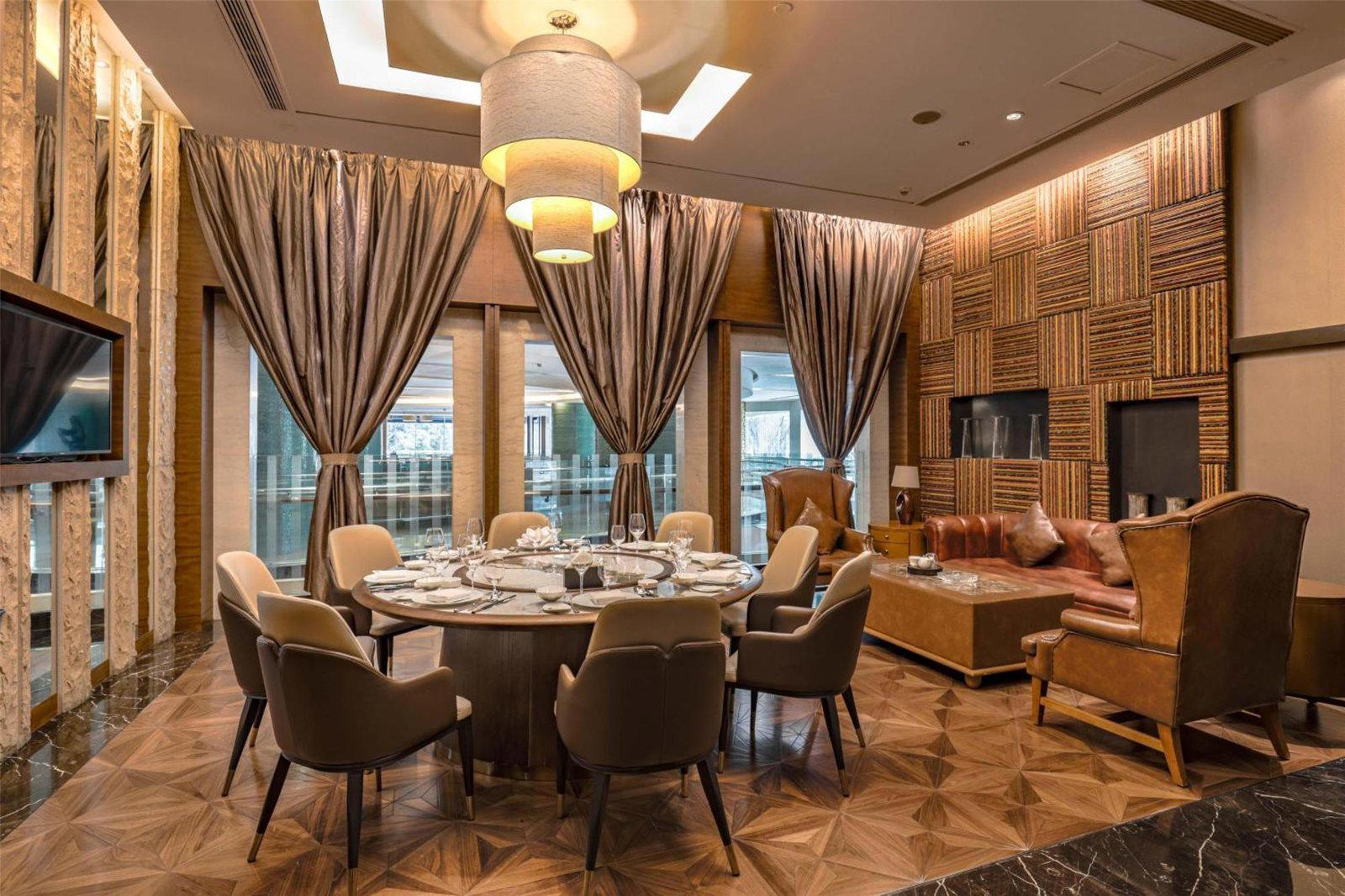
Nan Tang on Tianshun Road earns its 2024 Michelin Plate in the mid-range tier of Chengdu's Sichuan noodle scene, where the bowl is the measure and nothing is superfluous. Positioned in the Wuhou District's high-tech corridor, it represents the kind of neighbourhood specialist that Chengdu does better than almost any other Chinese city: precise, affordable, and deeply rooted in regional noodle tradition.

Pearl is the En Primeur Club membership app, where members save venues, book tables and use the concierge.
The menu
What to order
- Stone pot pickled cowpea and fish
- Gongjiao pigeon
- Boiled beef
- Four seasons fish head
Where Chengdu's Noodle Culture Finds Its Footing
The Wuhou District's Tianshun Road sits at an odd intersection between Chengdu's high-tech development belt and its older residential grain. Office blocks and incubator parks press up against side streets where noodle shops open before the morning commute and close when the last bowl is sold. It is exactly the kind of urban seam where Chengdu's most serious everyday cooking tends to happen, not in the tourist corridors around Kuanzhai Alley, but in the functional streets where locals eat without ceremony. Nan Tang belongs to that context. Its 2024 Michelin Plate recognition is significant not because it signals fine dining, but because it confirms what the neighbourhood already knew: that craft and consistency in a sub-¥100 bowl can attract the same critical attention as a white-tablecloth room.
The Sichuan Noodle Tradition Nan Tang Represents
Sichuan noodle culture is often flattened, in foreign accounts, into a single reference point: dan dan mian, the sesame-and-chilli noodle that has travelled furthest internationally. But the actual canon is wider and more technically demanding. Zhong shui jiao (sweet chilli wontons), suanla fen (hot and sour glass noodles), and various forms of hand-worked wheat noodles each carry their own textural logic and flavour architecture. The tension between numbing mala heat and the underlying sweetness of good wheat is what separates a precisely made Sichuan noodle from a generic spicy bowl. Restaurants in the ¥¥ tier, where Nan Tang sits, are where that tension is most honestly expressed, because the economics don't support shortcuts in technique the way they can hide behind elaborate plating in higher price brackets.
Compared to the rarefied end of Chengdu's dining spectrum, where Yu Zhi Lan operates at ¥¥¥¥ with a highly composed interpretation of Sichuan cuisine, or where Silver Pot represents the formal face of Sichuan tradition, Nan Tang occupies the opposite end of the price spectrum while drawing on the same regional repertoire. That is a useful calibration for any visitor trying to map Chengdu's dining tiers. The Michelin Plate, awarded for food quality rather than service or setting, places Nan Tang in the same quality conversation as rooms that cost several times more per head.
Noodle Craft in the Mid-Range Tier
In Chinese noodle culture, the distinction between hand-pulled (la mian), knife-cut (dao xiao mian), and extruded formats is not incidental, it determines the surface texture that holds sauce, the bite resistance across the length of the noodle, and how well the bowl travels the thirty seconds from kitchen to table. Sichuan noodle specialists in this price tier typically anchor their reputation on one or two formats executed with consistency rather than across a broad menu. The cook's control over alkalinity in the dough, the water temperature, and the resting time translates directly into whether the mala oil clings or pools at the bottom of the bowl. These are the details that separate a Michelin Plate recipient from the noodle shop two doors down serving from the same base ingredients.
Across China's wider noodle conversation, regional specialists like Xin Rong Ji (Xinyuan South Road) in Beijing and Ru Yuan in Hangzhou represent how seriously different cities take their own noodle traditions. Chengdu's version leans on chilli oil, Sichuan pepper, and preserved vegetables as its defining flavour axis, and the leading mid-range houses in the city, Nan Tang among them, treat those components as precision instruments rather than background noise.
Placing Nan Tang in Chengdu's Broader Dining Map
Chengdu has attracted more Michelin attention per capita than most Chinese cities outside Shanghai and Beijing, and its lower-priced tier has been a particular beneficiary. The Plate award, distinct from a star, is the guide's way of flagging quality cooking that does not require the full trappings of fine dining to justify attention. In that sense, Nan Tang sits in productive company with other Wuhou specialists. Fang Xiang Jing and Fu Rong Huang represent different facets of mid-range Sichuan seriousness, while Ma's Kitchen demonstrates how the city's home-cooking tradition can sustain independent operators across multiple formats.
For visitors constructing a broader picture of Sichuan cuisine's reach, it is worth noting how the cooking here compares to its diaspora. Song, Sichuan in Guangzhou and Yong, Sichuan in Guangzhou both represent the cuisine transplanted to a Cantonese city, where the audience and ingredient sourcing are different. Eating at the source, in a Wuhou District noodle house drawing on the same chilli producers and pepper farmers that have supplied Chengdu's cooks for generations, is a different kind of reference point. Further afield, restaurants like 102 House in Shanghai, Chef Tam's Seasons in Macau, Imperial Treasure Fine Chinese Cuisine in Guangzhou, and Dai Yuet Heen in Nanjing represent the formal Chinese dining tier in other major cities, a useful contrast when assessing how much value the Chengdu mid-range delivers by comparison.
Planning Your Visit
Nan Tang is located at 8 Tianfu Avenue North, Gaoxin Incubator Park Building, Wuhou District, Chengdu (邮政编码: 610094). The ¥¥ price band places it firmly in the accessible tier, a full meal for two is unlikely to approach the cost of a single main course at Chengdu's starred rooms. That affordability, combined with the Michelin Plate recognition, means queues at peak mealtimes are a reasonable expectation, particularly at lunch when the surrounding office park generates strong demand. Going at off-peak hours, mid-morning or between the lunch and dinner services, is the practical approach for those who prefer not to wait.
For broader trip planning in Chengdu, EP Club maintains guides across every category: our full Chengdu restaurants guide covers the full price spectrum from street-level noodle houses to Michelin-starred rooms; our Chengdu hotels guide maps accommodation across the city's main districts; our Chengdu bars guide covers the city's growing cocktail scene; and our Chengdu experiences guide and wineries guide round out the picture for longer stays.
Frequently asked questions
Is Nan Tang (Tianshun Road) good for families?
Noodle-format restaurants in Chengdu's mid-range tier, the ¥¥ band Nan Tang occupies, tend to be practical and fast-paced, which suits families with children more readily than tasting-menu formats. The Wuhou District location near the Gaoxin Incubator Park is a working-neighbourhood setting rather than a tourist strip, so expect a local crowd rather than an international one. Sichuan noodles can run fiery, so families with heat-sensitive eaters should factor that in.
Is Nan Tang (Tianshun Road) better for a quiet night or a lively one?
A Michelin Plate-recognised noodle counter in Chengdu's office-adjacent Wuhou District draws a predominantly lunch and early-dinner crowd of local workers and neighbourhood regulars. The atmosphere tracks closer to purposeful and communal than to convivial evening dining, this is a place people visit for the food, not the occasion. If you want a quieter experience, arriving outside peak meal hours is the practical approach.
Has Nan Tang (Tianshun Road) won any awards?
Nan Tang (Tianshun Road) has received recognition including: Michelin Plate (2024).
What should I eat at Nan Tang (Tianshun Road)?
Nan Tang earned its 2024 Michelin Plate within the Sichuan cuisine category, which signals that the kitchen is working within a tradition broader than the dan dan mian shorthand most visitors default to. Sichuan noodle culture spans formats, from broth-based zhong shui jiao to dry-tossed noodles with complex spice layering, and a Michelin-recognised house in this tier typically has a signature preparation worth ordering over the generic menu.
Same-City Peers
Comparable venues nearby, for context on price, style, and recognition.
| Venue | Cuisine | Price | Awards | Notes |
|---|---|---|---|---|
| Nan Tang (Tianshun Road)This venue (the venue you are viewing) | Sichuan Cuisine | Not listed | Michelin Plate | Not listed |
| Yanyu (Wuhou) | Fujian with Sichuan Twist | Not listed | Michelin Plate | Chengdushi |
| Chaimen Gong Guan | Modern Sichuanese | Not listed | Michelin Plate | Chengdushi |
| Tong Fu She | Sichuan Home Cooking | $10–20 | Michelin Plate | Chengdushi |
| China Samite - Hot Pot (Wuhouci Street) | Modern Sichuan Hot Pot | $30–50 | Michelin Plate | Chengdushi |
| Private Collection · See Joy | Authentic Sichuan | $20–30 | 1 Michelin Star | Chengdushi |
Recognition history
Dated appearances from independent guides and award organizations, with the underlying list record or original source where available.
Michelin Plate
Michelin