

InterContinental Century City Chengdu holds the EP Club Country Winner award for Luxury Hotel, placing it among the strongest large-format options in Wuhou District's commercial core. The hotel operates from 88 Shijicheng Road, within Chengdu's Century City development, and positions itself against the city's international flagship tier. Its dining programme and scale make it a reference point for business and leisure travellers orienting around the south of the city.
Pearl is the En Primeur Club membership app — saves, bookings, and concierge access live there. Same editors, same standards.
- Address
- 88 Shijicheng Rd, Wuhou District, Chengdu, Sichuan, China, 610212
- Phone
- +86 28 8534 9999
- Website
- ichotelsgroup.com
- Directions
- Get directions
 Saves & bookings on Pearl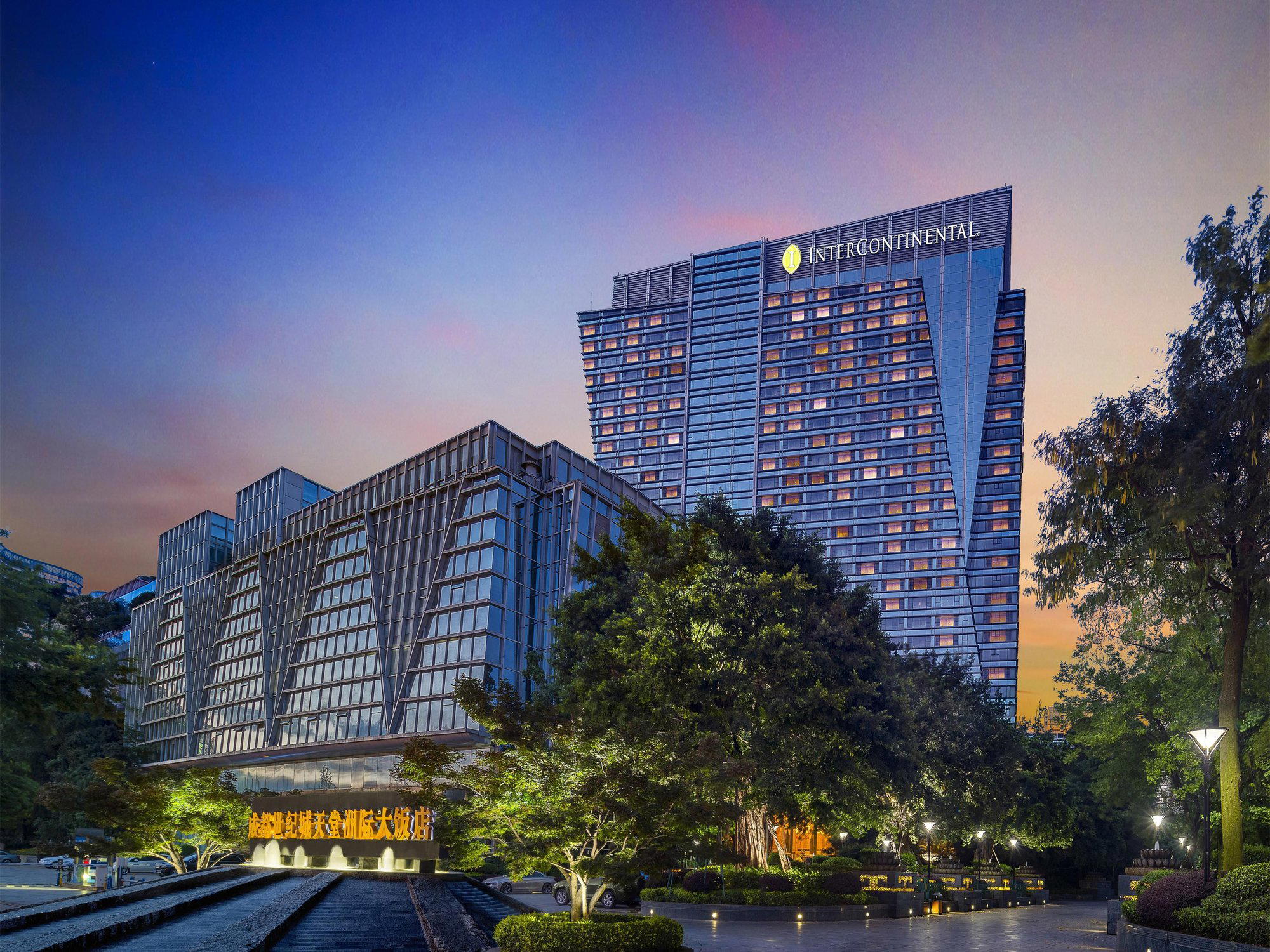
Wuhou District and the Geography of Chengdu's Luxury Hotel Tier
Chengdu's luxury hotel market organises itself around two broad zones: the historic Jinjiang corridor, where older international flagships cluster near the city's cultural anchors, and the newer Century City district in Wuhou, which emerged as a secondary premium node built around convention infrastructure and corporate demand. InterContinental Century City Chengdu sits in this second geography, at 88 Shijicheng Road, and its scale and positioning reflect the logic of that location: a large-format international property oriented toward groups, extended business stays, and travellers who need proximity to the Century City convention and commercial complex rather than proximity to Jinyang or Kuanzhai Alley.
That context matters when placing the hotel within Chengdu's broader competitive set. Properties like The Ritz-Carlton, Chengdu and The St. Regis Chengdu operate from addresses closer to the city's established luxury retail and cultural districts, competing on urban centrality. Niccolo Chengdu and The Temple House take different routes entirely, trading scale for design identity. The InterContinental Century City's competitive argument rests on something else: footprint, convention adjacency, and the kind of full-service infrastructure that large delegations and multi-night corporate itineraries require. For travellers whose priorities align with that offer, it holds a strong position in its tier, evidenced by the EP Club Country Winner designation for Luxury Hotel.
The Dining Programme in Context
In Chinese luxury hotels of this scale, the food and beverage programme typically functions as a self-contained destination within the property rather than a supplement to the rooms offer. The convention-adjacent hotel model in particular tends to support multiple restaurant concepts operating across breakfast, all-day dining, banquet, and specialty dining formats — a structure that serves both in-house guests and external business entertainment bookings. This model has developed significantly in Chengdu, a city with one of the most demanding and food-literate dining cultures in China, where hotel restaurants face direct comparison with the street-level Sichuan cooking that defines the city's culinary identity.
Chengdu's UNESCO Creative City of Gastronomy designation reflects the depth of that culinary culture, and it sets a high standard for any hotel aiming to compete on food rather than simply provide it. The city's Sichuan cooking tradition, built around the interplay of mala (numbing-and-spicy), sourness, and fermented depth, gives hotel dining programmes a meaningful local identity to work with — or, if they ignore it in favour of generic international menus, a visible gap. The strongest hotel dining programmes in Chengdu address both audiences: the international guest seeking orientation into regional cuisine, and the local business entertainer who measures kitchen quality against the city's own rigorous standards.
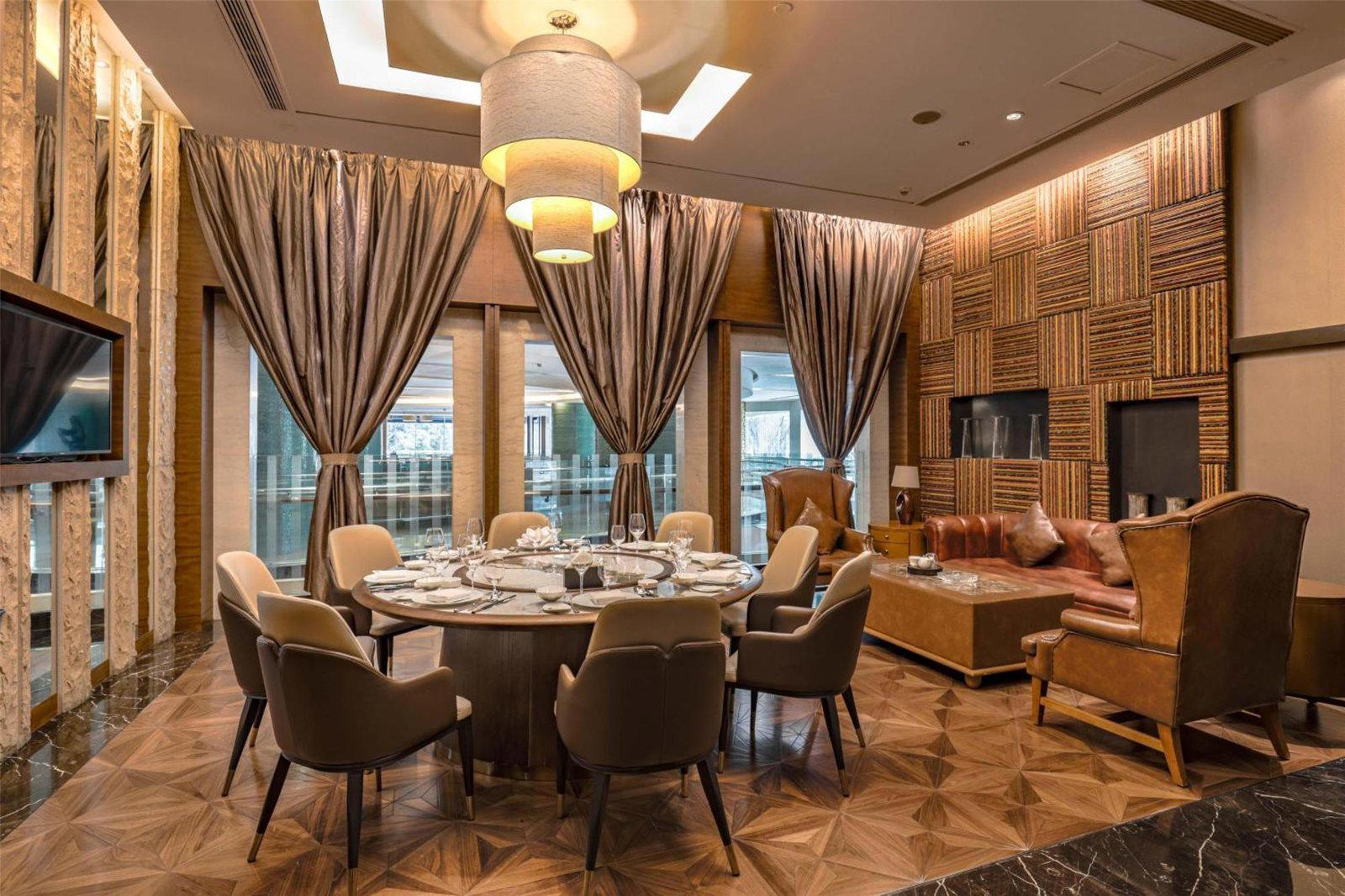
In that context, Century City's commercial character also shapes what the dining programme needs to deliver. Business entertaining in Chinese corporate culture carries specific requirements around private dining formats, banquet-grade service, and the availability of premium Sichuan and broader Chinese regional menus. Large international properties in this district tend to invest heavily in these functions, often more than their counterparts in culturally-oriented luxury districts might need to.
For a broader map of where Chengdu's dining scene concentrates its energy, the EP Club Chengdu guide covers the full range from hotel restaurants to the neighbourhood-level Sichuan specialists that set the city's culinary baseline.
How the InterContinental Century City Compares Within Chengdu's Luxury Set
Chengdu's premium hotel market has diversified considerably over the past decade. The city now holds properties across a wide range of formats: full-service international flagships, boutique design hotels, resort-style retreats at the urban edge, and culturally-rooted properties like Guanyin Yiyuntai Hotel. Further out, Six Senses Qing Cheng Mountain represents the wellness-retreat end of the spectrum entirely. Upper House Chengdu and Waldorf Astoria Chengdu occupy their own positions within the urban luxury tier.
Within that field, the InterContinental Century City operates in the large-format international segment, where room count, meeting and event capacity, and breadth of amenity tend to matter as much as individual design distinction. The EP Club Country Winner award places it as a recognised reference point in this tier, which is a meaningful signal in a market this competitive. It is not the choice for travellers whose primary criteria are design-led intimacy or neighbourhood immersion, but for those whose itinerary centres on Wuhou District's commercial infrastructure, or who need a property capable of handling complex logistical demands, its position in the category is clear.
Planning Your Stay
The hotel's address at 88 Shijicheng Road places it in the Century City district of Wuhou, accessible by the Chengdu Metro system, which remains the most reliable way to move around the city during peak hours. Travellers arriving at Chengdu Tianfu International Airport, which opened in 2021 and handles a growing share of the city's international traffic, should account for the transfer time to Wuhou District. Chengdu Shuangliu International Airport, closer to the city centre, remains the other entry point and may be more convenient for some routing. The surrounding Century City area offers limited walkable dining and cultural interest compared to central Chengdu districts, so guests planning leisure itineraries around the hotel should build in transit time to reach Jinjiang, Qingyang, or the areas around Kuanzhai Alley.
The hotel suits multi-night stays tied to business events or convention schedules at Century City. For leisure travellers using Chengdu as a base, comparing the location against centrally-positioned alternatives is worth the effort before booking.
Those exploring China's broader luxury hotel market may find useful reference points in properties like Mandarin Oriental Qianmen in Beijing, JW Marriott Hotel Shanghai at Tomorrow Square, or Amanfayun in Hangzhou, each representing distinct positions within China's premium accommodation tier. Regional alternatives in southwest China worth noting include Green Lake Hotel Kunming and Amandayan in Lijiang. Further afield, 1 Hotel Haitang Bay in Sanya, Altira Macau, and Xiamen Yunding Resort each illustrate different formats within the Chinese luxury market. For those extending beyond Asia, Aman New York, The Fifth Avenue Hotel, and Aman Venice represent the international scale of the luxury tier that properties like the InterContinental Century City operate within globally.
Recognition history
Dated appearances from independent guides and award organizations, with the underlying list record or original source where available.
Michelin Selected
Michelin
World Luxury Hotel Awards WLHA Country Winner
World Luxury Hotel Awards
At a Glance
- Elegant
- Sophisticated
- Modern
- Business Trip
- Weekend Escape
- Panoramic View
- Wi Fi
- Spa
- Fitness Center
- Room Service
- Concierge
- Business Center
- Valet Parking
- EV Charging
- Skyline
- Wi Fi
- Spa
- Fitness Center
- Room Service
- Concierge
- Business Center
- Valet Parking
- EV Charging
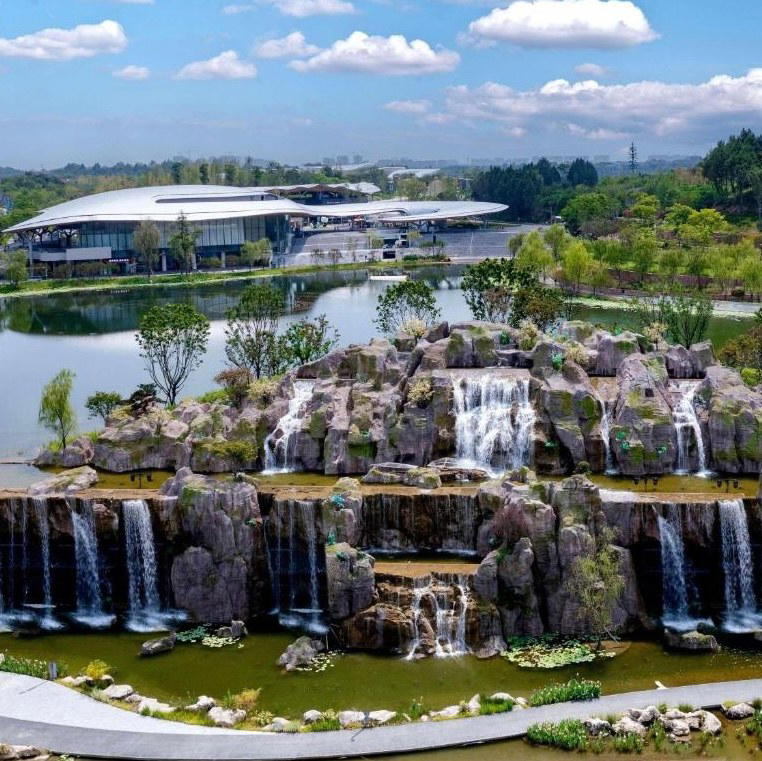
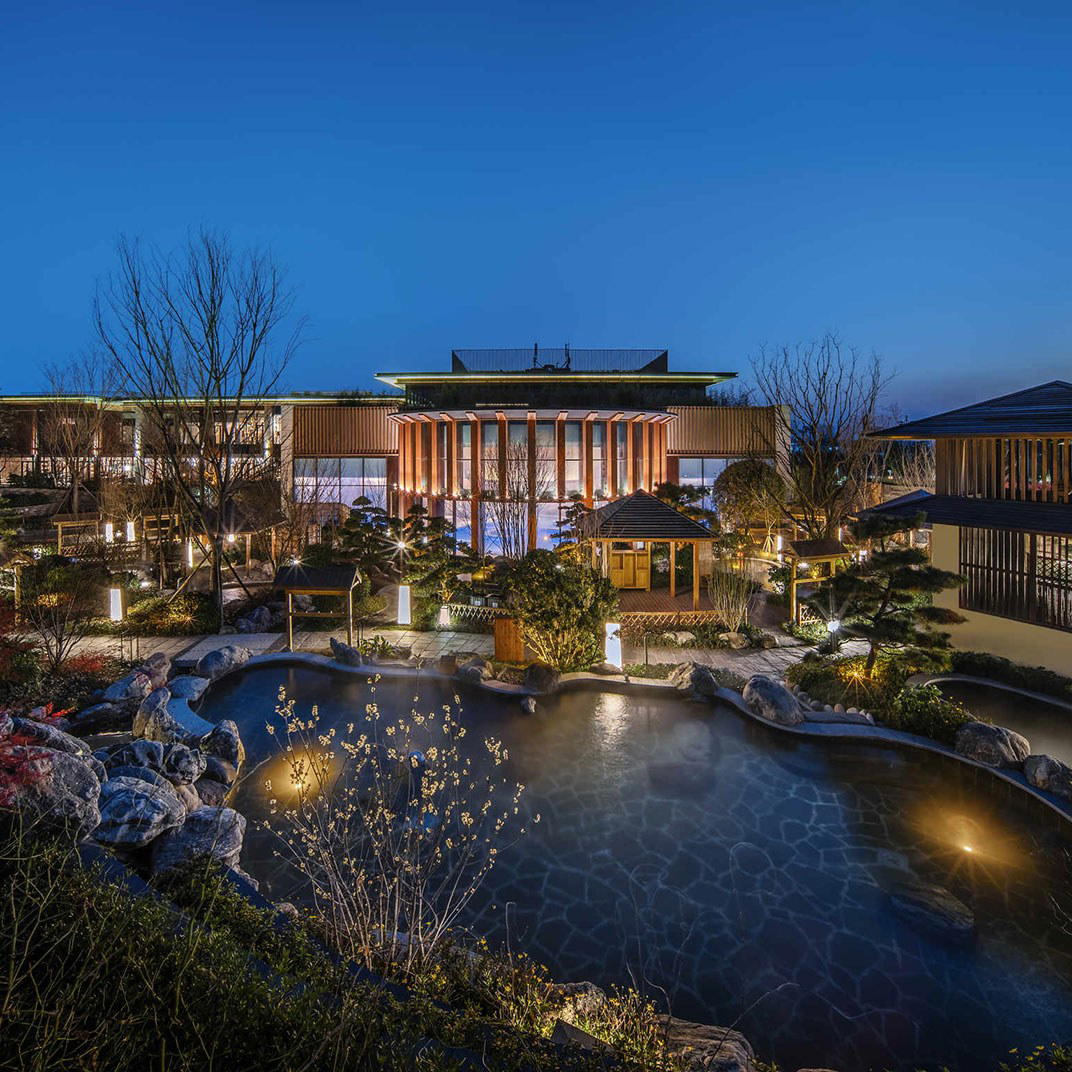
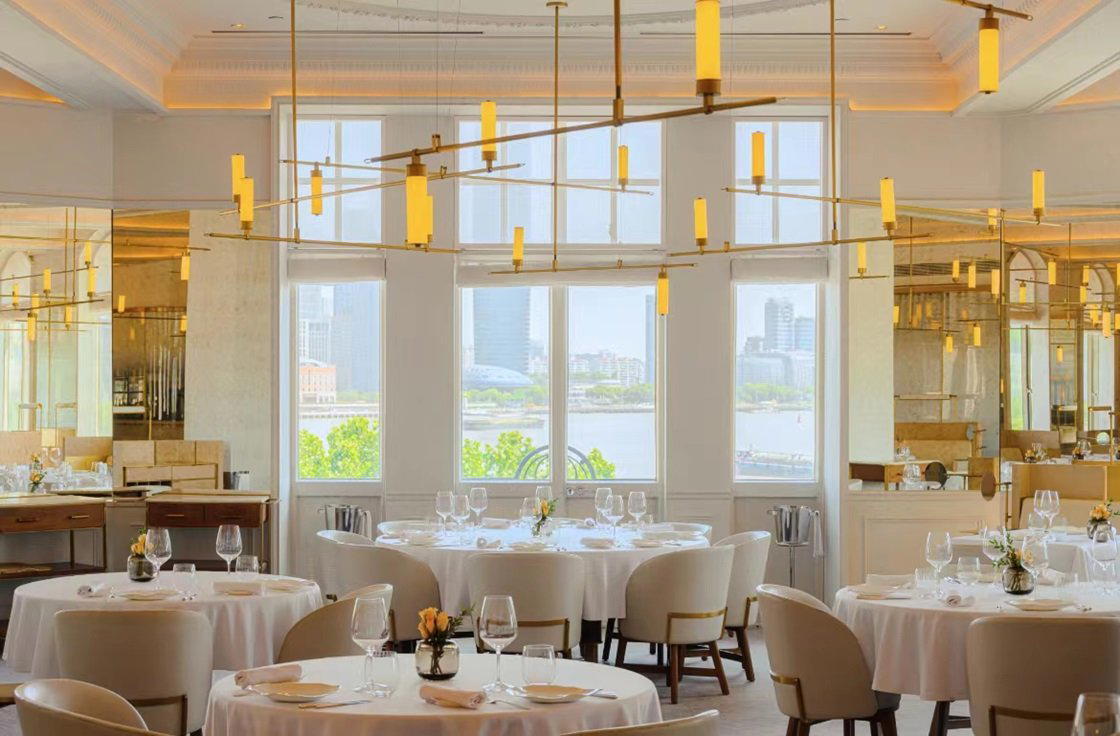
Elegant and spacious with modern Chinese architectural elements, landscaped gardens, and luxurious spa-like rooms featuring soundproofing and serene lighting.
Know Before You Go
- Getting there
- 88 Shijicheng Rd, Wuhou District, Chengdu, Sichuan, China, 610212