
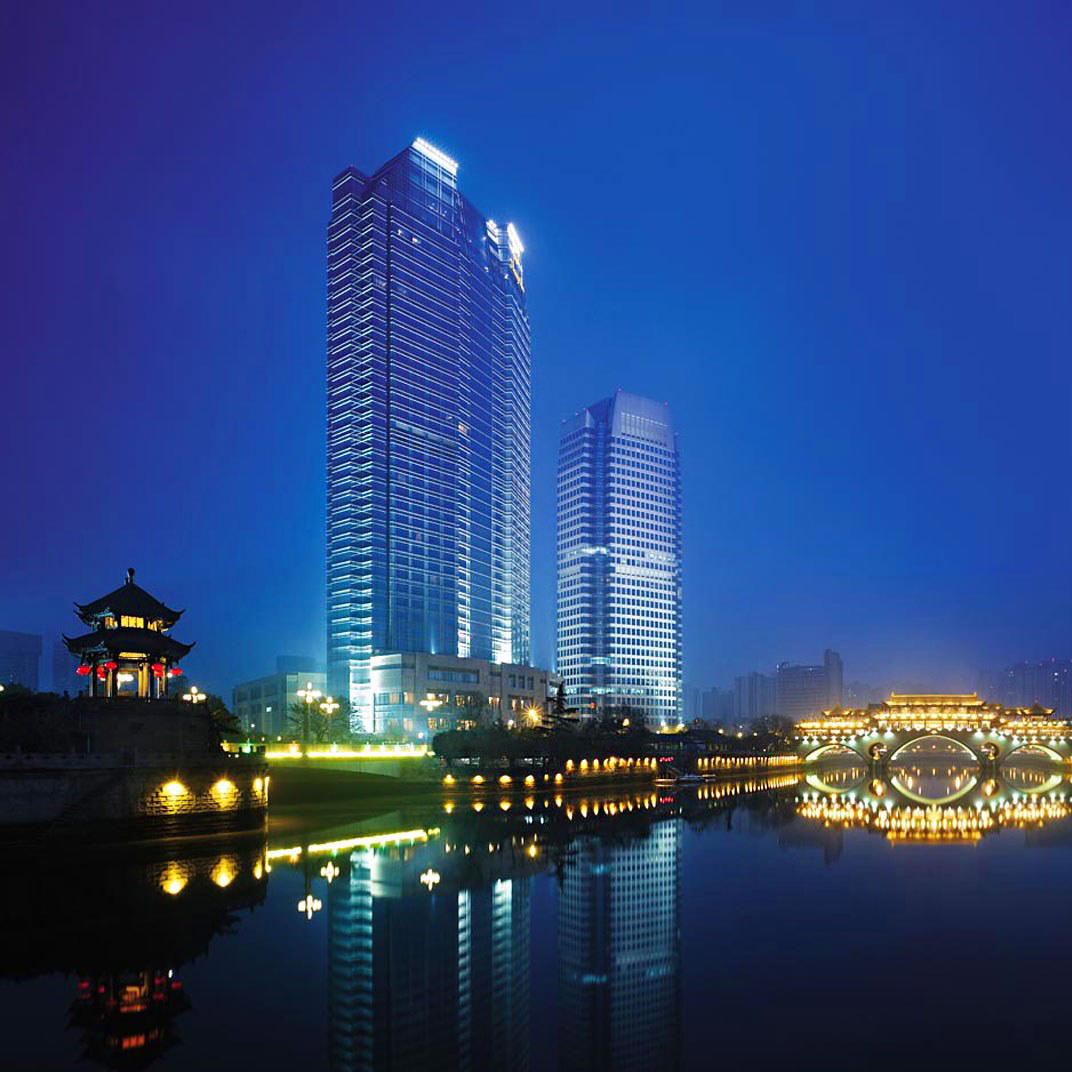
Set within the Chengdu Yintai Centre on Tianfu Avenue, Waldorf Astoria Chengdu pairs the brand's formal service traditions with Sichuan-inflected design and a spa program drawing on both Swiss and American skincare expertise.7 from 76 reviews reflects the consistency of its concierge operation. Rooms carry 600-thread-count linens, marble bathrooms, and Salvatore Ferragamo toiletries throughout.
Pearl is the En Primeur Club membership app — saves, bookings, and concierge access live there. Same editors, same standards.
- Address
- 1199 Tian Fu Da Dao Bei Duan, Wu Hou Qu, Cheng Du Shi, Si Chuan Sheng, 610094
- Phone
- +86 28 8888 1199
- Website
- waldorfastoriahotels.com.cn
- Directions
- Get directions
 Saves & bookings on Pearl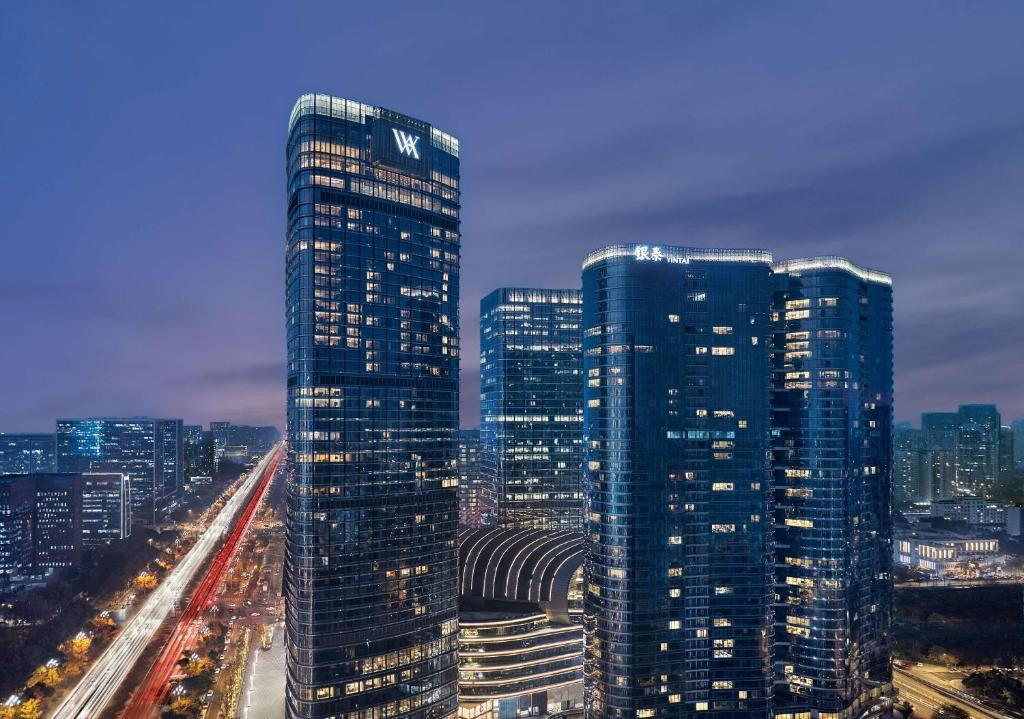
Arriving at Tianfu Avenue
Chengdu's southern axis, Tianfu Avenue, has become the address benchmark for international luxury in the city. The corridor runs through the high-finance Tianfu New Area and hosts a concentration of full-service five-star properties that compete on service depth rather than room count alone. Waldorf Astoria Chengdu sits at No. 1199 on that stretch, integrated into the Chengdu Yintai Centre mixed-use complex alongside the in99 shopping mall, which houses Bulgari, Cartier, and other luxury retail anchors. That positioning matters: guests arriving from Chengdu Shuangliu International Airport or the high-speed rail hub at Chengdu East can move between the hotel, retail, and dining within a single vertical building, which is a practical advantage during the city's notoriously wet shoulder seasons in spring and autumn.
The entry sequence sets a tone that the Waldorf Astoria brand has refined across its global portfolio. Staff greet guests by name at the entrance before the check-in process begins — a protocol that requires advance communication with the concierge team, and one that the property executes with enough consistency to earn specific mention in inspector notes. The personal concierge cabinet positioned outside each room extends that discreet service model into the corridor, reducing the friction of small requests without requiring a phone call.
A Wellness Program Calibrated for Urban Recovery
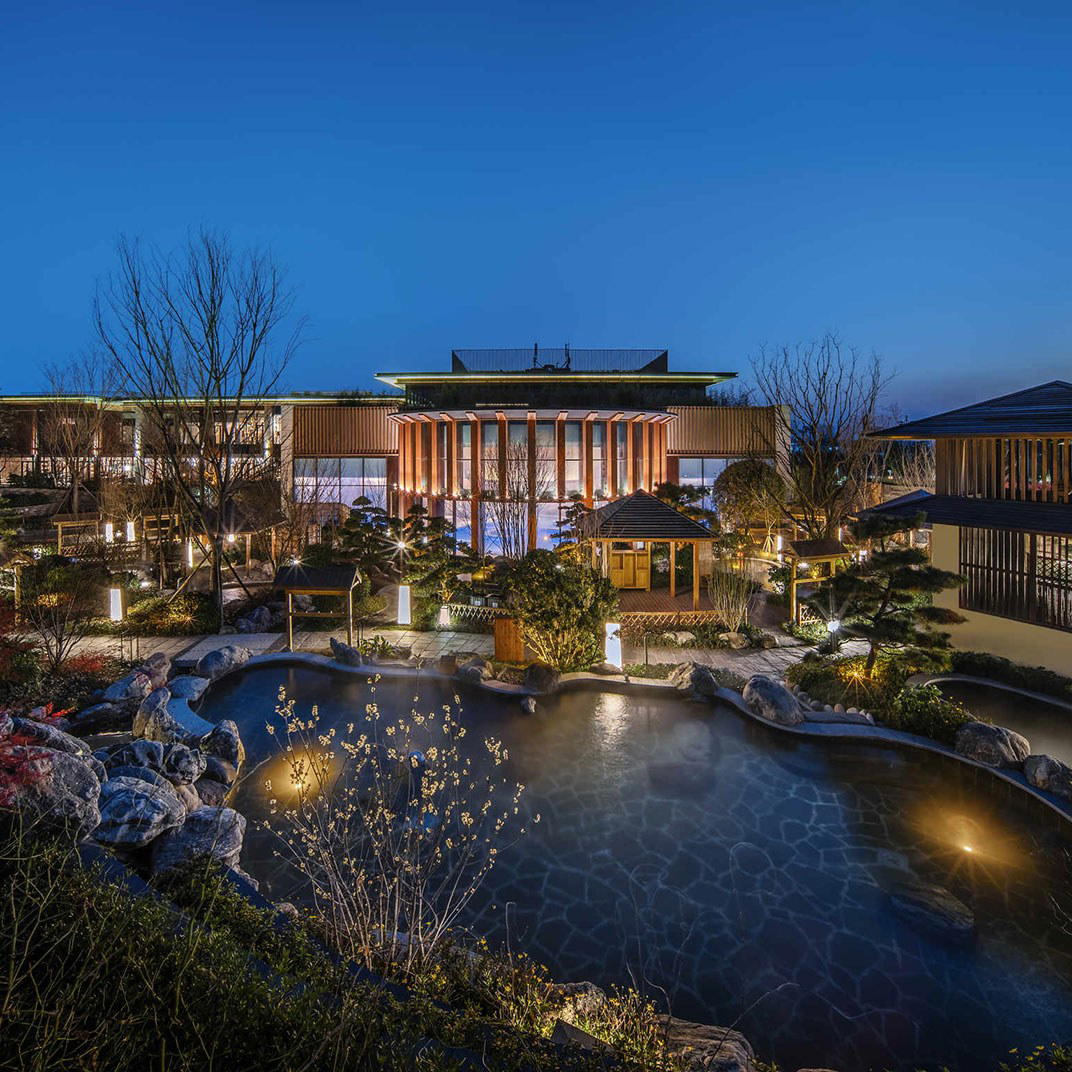
In a city whose culinary reputation runs toward the high-stimulation end of the Chinese spectrum — Sichuan peppercorns, mala hot pot, fermented chili, the case for a serious hotel spa is easy to make. Waldorf Astoria Spa Chengdu answers that case with a dual-brand treatment program drawing on June Jacobs, a U.S.-based skincare house with a clinical formulation approach, and Valmont, the Swiss luxury brand whose collagen-focused protocols have become a fixture in high-end Asian spa menus over the past decade. The combination places the spa in the premium tier of Chengdu's hotel wellness offer, where Six Senses Qing Cheng Mountain represents the mountain-retreat alternative and urban competitors like The Ritz-Carlton, Chengdu and The St. Regis Chengdu maintain their own full-service spa floors.
The heated indoor pool is positioned directly across the corridor from the spa, and its panoramic skyline views over the Chengdu basin make it one of the more considered pool placements in the city. The interior design reads as deliberately sensory: cherry blossom motifs, copper lanterns, and a waterfall feature that works against the hard-edged skyline visible through the glass. The adjacent Jacuzzi shares the same view line. For guests whose wellness priorities extend to physical conditioning, the 24-hour fitness center is equipped with Technogym machines, a format that has become the benchmark specification for this hotel tier across Asia. Steam room, sauna, ice shower, and salt rooms complete the thermal circuit.
What distinguishes this wellness floor from comparable urban programs in cities like Shanghai or Beijing is the integration of art into recovery spaces. The hotel's broader art program, large-format sculptures, commissioned installations, and oversized light fixtures distributed across public areas, carries into the pool and spa environment rather than treating wellness as a separate visual department. For guests at properties like Amanfayun in Hangzhou or Amandayan in Lijiang, the retreat mindset is delivered through landscape and heritage; here, it arrives through design density.
Dining: Cantonese Precision and the Peacock Alley Tradition
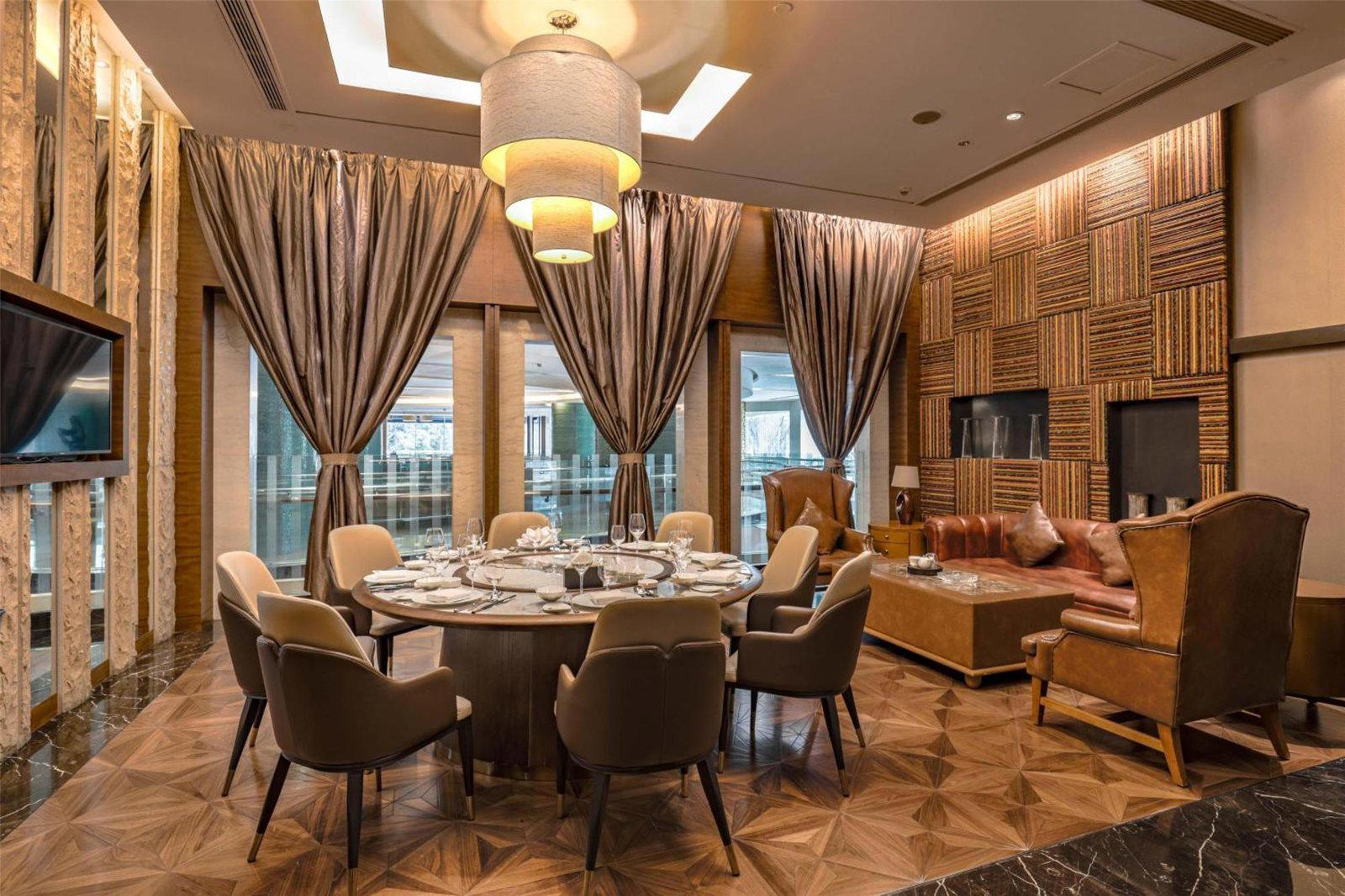
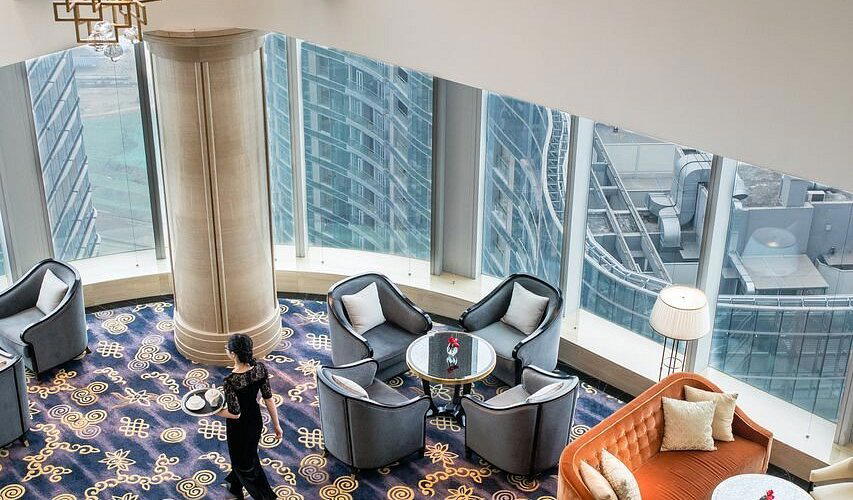
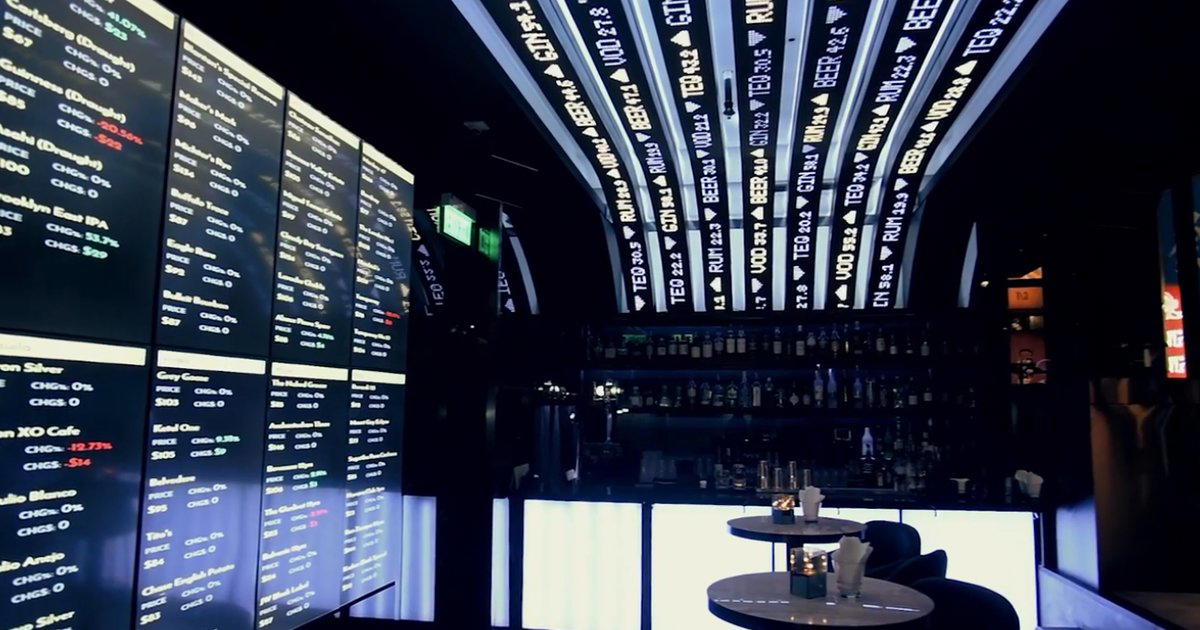
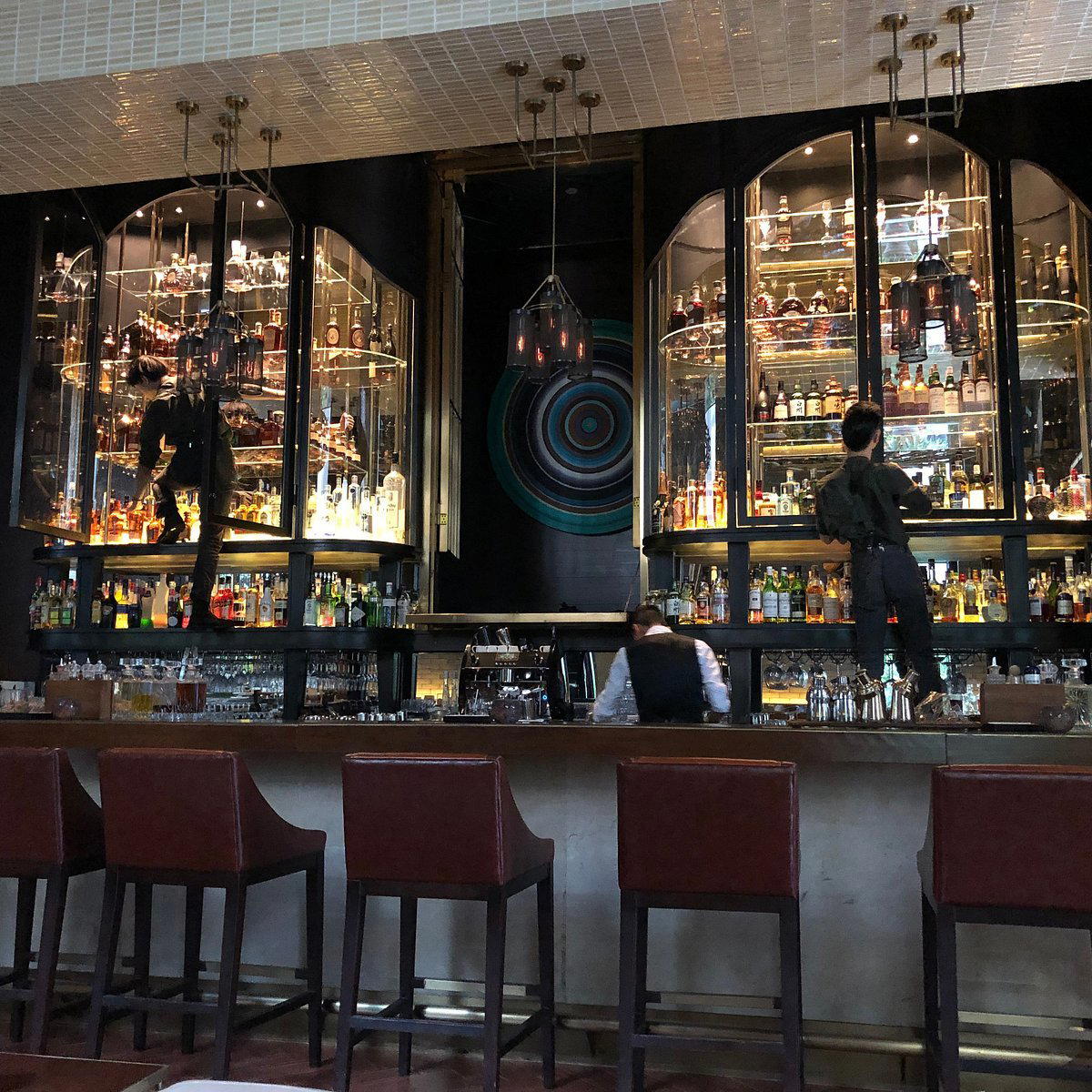
The Waldorf Astoria's Peacock Alley format originated in New York and has been adapted across the brand's international properties as a signature social space. The Chengdu iteration runs with live piano and violin, marble and brass detailing, and an afternoon tea service that positions it as one of the few hotel tea programs in the city with a genuine brand lineage behind the format. The cocktail and Champagne list extends the space's usefulness into evening hours, when it functions as a low-key alternative to the rooftop bar for guests who prefer conversation over crowd.
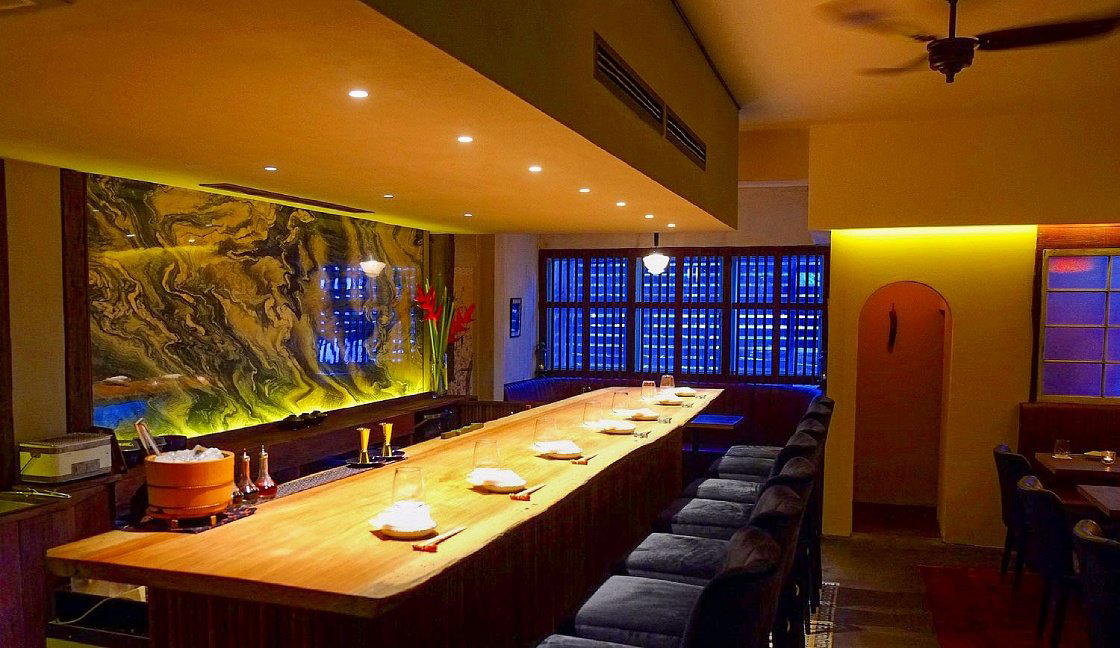
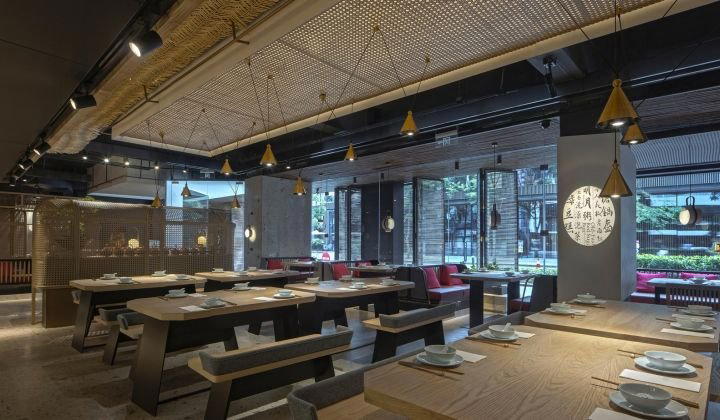
Infinite Luck, the hotel's Cantonese restaurant, sits in an interesting position within Chengdu's dining ecosystem. Cantonese cuisine operates as a minority register in a city dominated by Sichuan flavors, but the luxury hotel tier has consistently supported Cantonese fine dining as an alternative register for formal business entertaining. Executive chef Tony Yang oversees a menu built around artistic plating that mirrors the hotel's broader visual language. The 24-hour room service menu adds American and European options alongside the Cantonese core, a practical acknowledgment that the hotel's business traveler base arrives with variable preferences. For a fuller read on Chengdu's restaurant scene across multiple categories and price points, the EP Club Chengdu guide maps the city's dining options in detail.
Rooms and the Presidential Suite
Standard rooms carry a palette of plum and blue against white Waldorf Astoria bedding, with 600-thread-count sheets as the specification baseline. Bathrooms are finished with dual marble vanity surfaces, pearl shell mosaic floors, Salvatore Ferragamo toiletries, and a Toto heated toilet, a combination that aligns with what Niccolo Chengdu and Upper House Chengdu offer in their own upper-category rooms, though the Waldorf specification carries more formal material weight. Separate shower and soaking tub, in-mirror television, and scenic paintings above the bed complete the room's design argument.
The Presidential Suite runs to 4,058 square feet across two bedrooms in an art deco format. The master bathroom features a circular hot tub positioned beneath a chandelier, and the suite includes a private office, a full kitchen, and a dining room configured for ten. The view orientation delivers 270-degree coverage of the Chengdu skyline, which is among the more commanding residential outlooks available in the hotel tier on Tianfu Avenue. For international travelers comparing this suite against alternatives such as Aman New York or The Fifth Avenue Hotel, the Chengdu specification is competitive on footprint and finish if not on the heritage of the building itself.
Planning Your Stay
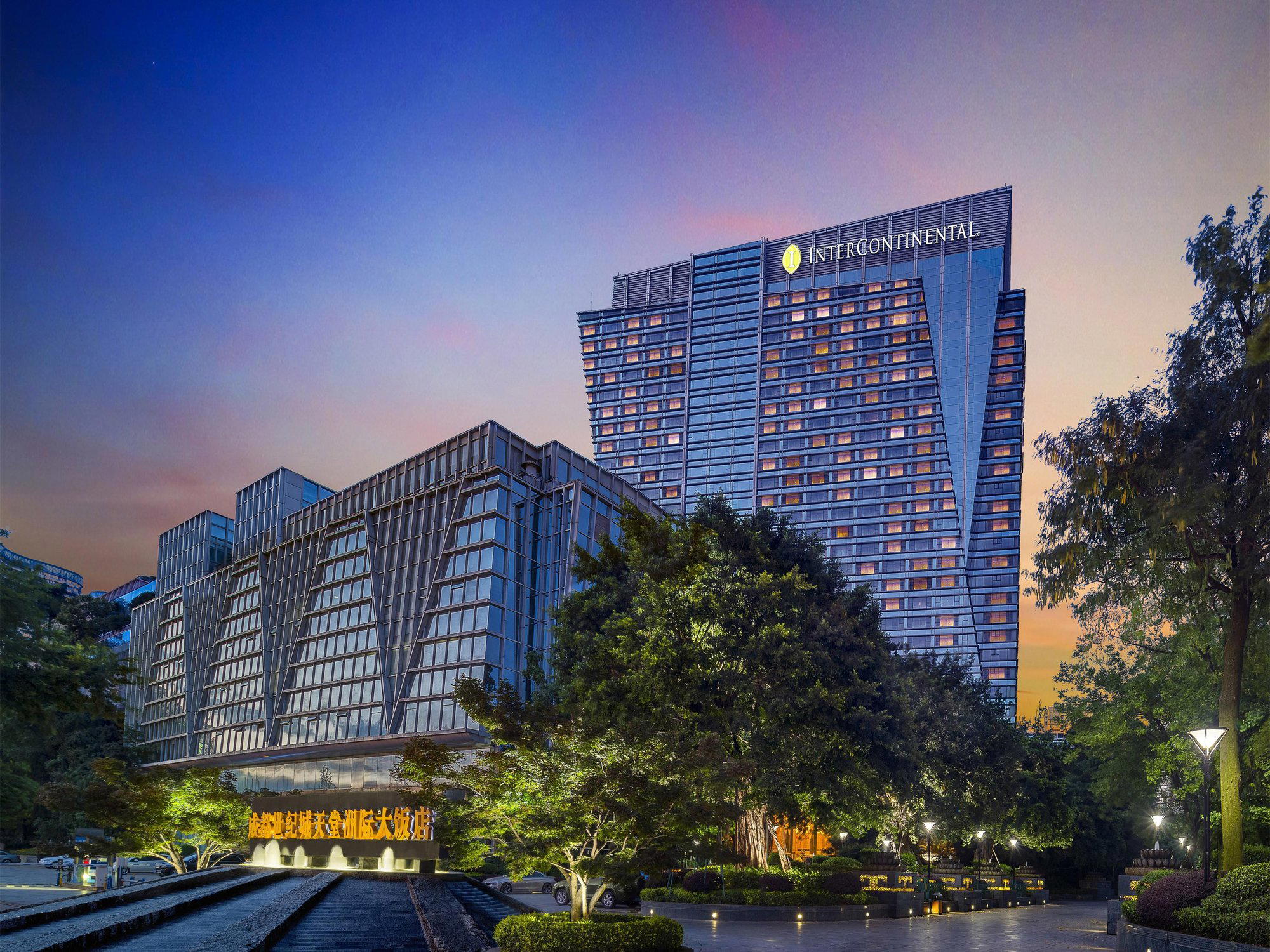
Waldorf Astoria Chengdu is operated under Hilton Worldwide and can be booked through the Hilton Honors platform, which allows point redemption and rate comparison alongside direct booking benefits. The concierge team accommodates detailed requests made in advance of arrival, and the hotel's own inspector notes flag that pre-arrival communication is the mechanism that activates the personalized name-greeting protocol. Guests traveling to Chengdu during the city's major business and cultural calendar events, including the late-spring and early-autumn conference seasons, should treat early booking as standard practice given the competition for upper-category rooms across the Tianfu Avenue corridor. The Chengdu Yintai Centre location keeps guests close to the financial district and within a manageable transfer distance from both airport and rail. Among the Chengdu properties worth comparing before committing, The Temple House and Guanyin Yiyuntai Hotel offer distinct design-led alternatives, while InterContinental Century City Chengdu operates in the same mixed-use development tier with a different brand service model.
Recognition history
Dated appearances from independent guides and award organizations, with the underlying list record or original source where available.
Forbes 4-Star
Forbes
Forbes Recommended
Forbes
At a Glance
- Elegant
- Sophisticated
- Modern
- Scenic
- Business Trip
- Romantic Getaway
- Celebration
- Wellness Retreat
- Rooftop Pool
- Destination Spa
- Panoramic View
- Terrace
- Private Dining
- Wi Fi
- Pool
- Spa
- Fitness Center
- Room Service
- Concierge
- Business Center
- Valet Parking
- Restaurant
- Bar
- Sauna
- Skyline
- Wi Fi
- Pool
- Spa
- Fitness Center
- Room Service
- Concierge
- Business Center
- Valet Parking
- Restaurant
- Bar
- Sauna
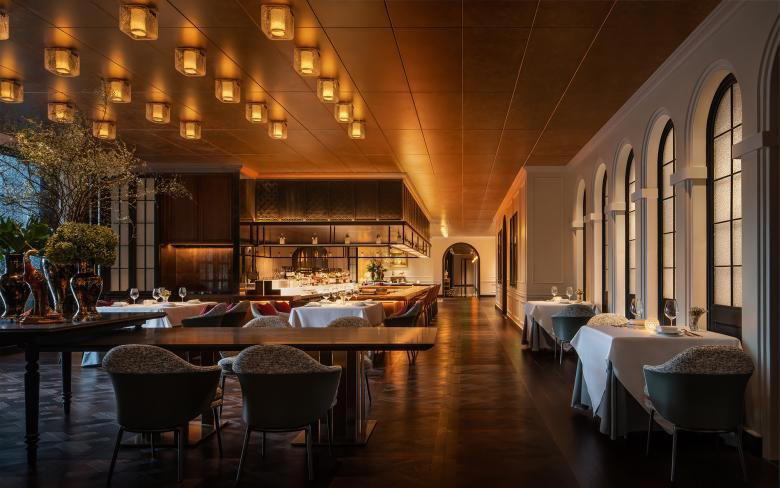
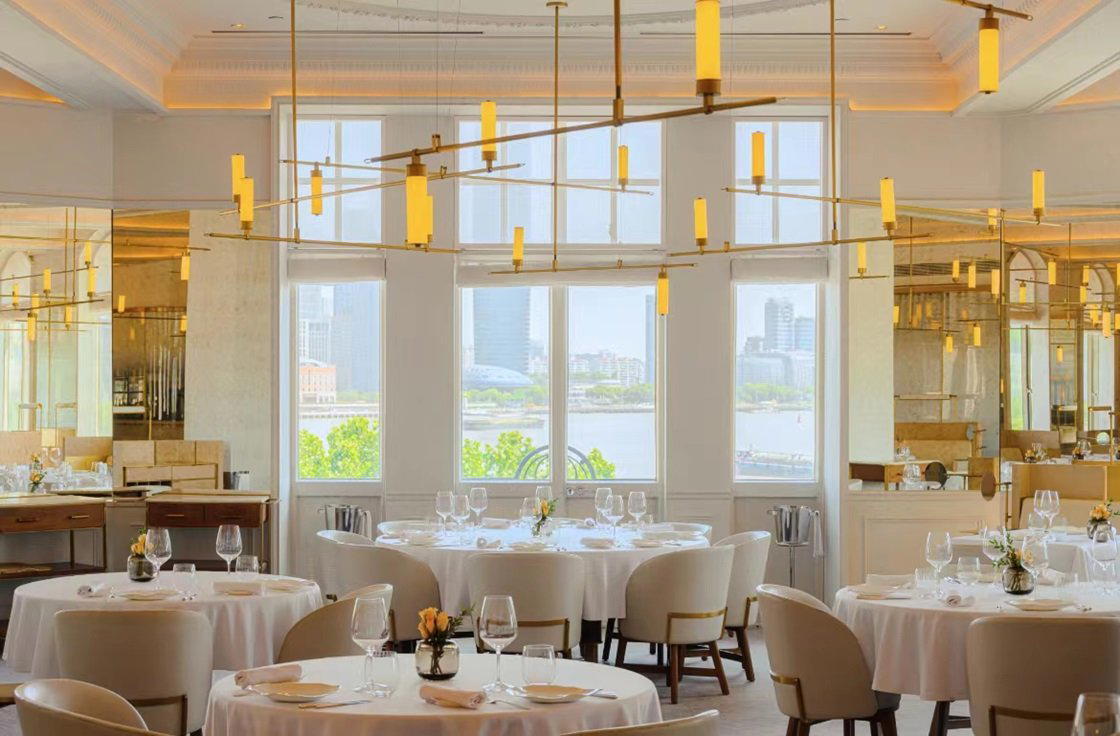
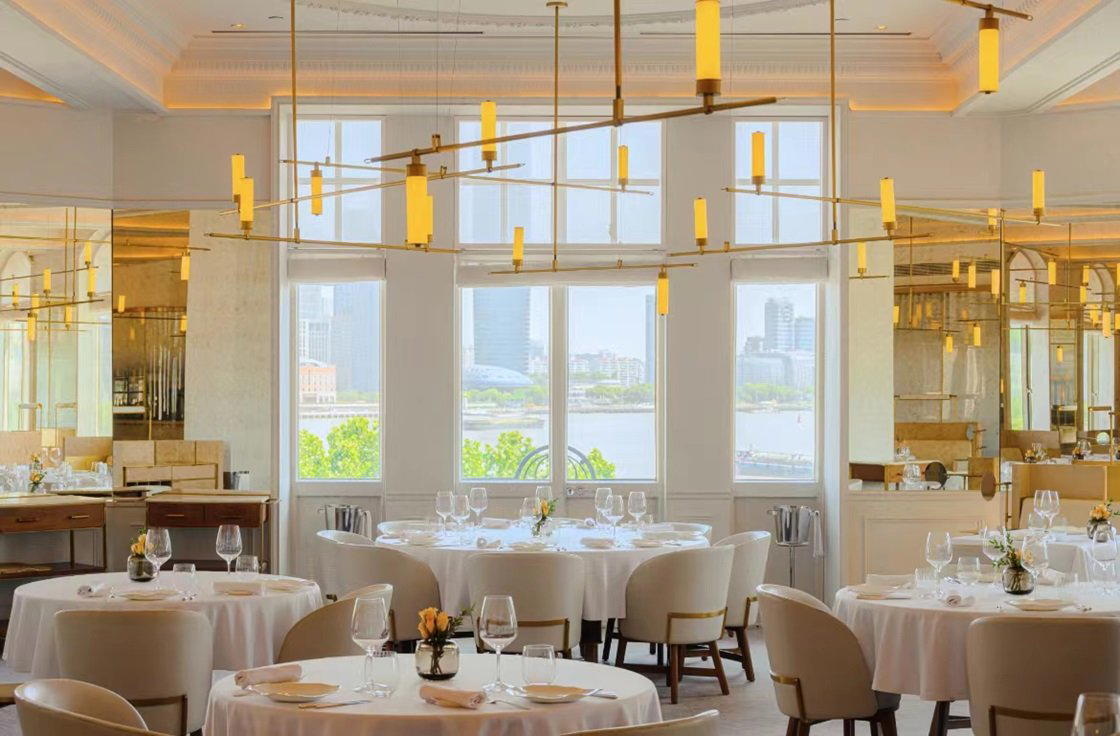
Modern elegance with Art Deco influences, sophisticated lighting, and refined atmosphere enhanced by floor-to-ceiling windows offering unobstructed 270-degree views of Chengdu's Financial City and surrounding parks.
Know Before You Go
- Getting there
- 1199 Tian Fu Da Dao Bei Duan, Wu Hou Qu, Cheng Du Shi, Si Chuan Sheng, 610094