


A crab-specialist in Nihonbashi's Mitsui No. 2 Building, Xie Wang Fu holds a 2025 ranking on Opinionated About Dining's Japan list and carries a 4.4 Google rating across 279 reviews. The address places it inside one of central Tokyo's most historically grounded commercial districts, making it a workable lunch stop for business diners and a deliberate evening destination for those tracking Japan's specialist seafood scene.
Pearl is the En Primeur Club membership app — saves, bookings, and concierge access live there. Same editors, same standards.
- Address
- Japan, 〒103-0022 Tokyo, Chuo City, Nihonbashimuromachi, 2 Chome−1−1 三井二号館 1階
- Phone
- +81 3-6665-0958
- Website
- shintai.co.jp
 Saves & bookings on Pearl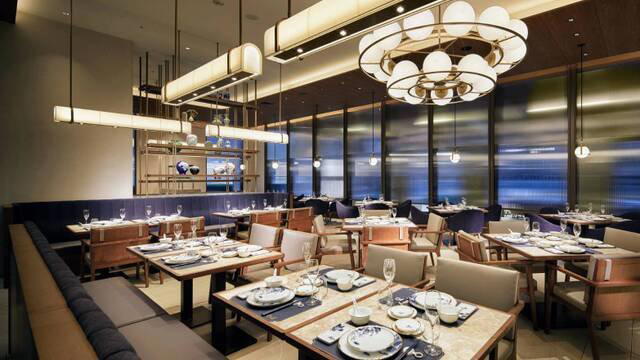
Crab Specialty Dining in Central Tokyo: A Narrower Focus Than Most
Tokyo's seafood restaurant market runs deep. At the leading end, omakase counters like Harutaka and kaiseki rooms like RyuGin command four-figure per-head spends and multi-month booking windows. Crab restaurants occupy a distinct pocket within this second tier: the ingredient itself sets the constraint, and the kitchen's job is to work every preparation mode, raw, steamed, grilled, hot pot, across a single subject. Xie Wang Fu, positioned in Nihonbashi's Mitsui No. 2 Building (三井二号館), sits inside that specialist bracket and draws its recognition accordingly, ranking #382 on Opinionated About Dining's 2025 Japan list.
Nihonbashi and the Logic of the Address
The address matters more than it might first appear. Nihonbashi is a business and retail district with a deep commercial history, and its restaurants reflect that. Lunch services here tend to be tighter, faster, and often better value than evening equivalents. Dinner skews toward expense-account meals and deliberate destination visits. That split shapes how any restaurant in the area actually functions across two services, and Xie Wang Fu is no exception to Nihonbashi's rhythm.
Ground-floor restaurant tenants in Mitsui properties in this district tend to operate in a mid-to-upper price range, drawing office lunch traffic at midday and more purposeful evening guests. For a crab specialist, that positioning makes structural sense: the product commands a premium, but the neighbourhood's lunch culture creates an accessible entry point that evening-only formats in pricier parts of the city cannot offer.
The Lunch–Dinner Divide: How the Two Services Differ
At crab-focused restaurants across Japan, from Sapporo operations like Nukumi in Hokkaido to urban specialists in the capital, the evening format typically involves longer set menus, more elaborate hot pot or shabu-shabu progressions, and higher per-head costs.
At a Nihonbashi address, that pattern is amplified by the district's density of daytime corporate traffic. The practical implication for a visitor is that lunch here offers meaningful value relative to the evening equivalent, without necessarily sacrificing the kitchen's core crab preparations.
French-leaning spots like L'Effervescence or Sézanne operate primarily as evening destinations where the menu structure drives the experience. A crab specialist in a business district has a different service logic: lunch is a legitimate, often preferred entry point.
Crab as a Culinary Discipline
Japan's crab culture is regional and seasonal in ways that matter to how a Tokyo specialist has to source and position itself. Hokkaido's king crab and snow crab dominate winter service windows; hairy crab (kegani) peaks in different months and commands different preparation conventions. A Tokyo-based crab restaurant draws on this supply chain from a distance, which historically has meant either flying product down from Hokkaido markets or working with Tokyo-based wholesalers who handle that logistics chain. The quality ceiling is high, but so is the cost basis, which in turn explains why crab specialists in the capital tend to price above casual seafood izakayas without necessarily reaching the heights of Michelin-starred kaiseki.
This positions Xie Wang Fu in a bracket that has relatively few direct Tokyo competitors. Most high-end Tokyo seafood is handled within omakase or kaiseki formats, a single-ingredient specialist that commits entirely to crab is a narrower proposition.
Broader Japan Dining Context
Tokyo rewards specialist research. For visitors building a Japan itinerary that extends beyond the capital, the same appetite for focused, ingredient-led dining shows up in different forms across the country. HAJIME in Osaka, Gion Sasaki in Kyoto, akordu in Nara, Goh in Fukuoka, 1000 in Yokohama, and 6 in Okinawa each represent a different expression of Japan's specialist restaurant culture at a recognised level. The OAD Japan list provides a useful cross-city map of that field. For a global benchmark on ingredient-focused seafood at the highest level, Le Bernardin in New York City offers a useful point of comparison, though the format and price tier differ substantially from a Tokyo crab specialist.
Know Before You Go
- Address: 三井二号館 1F, 2-1-1 Nihonbashimuromachi, Chuo City, Tokyo 〒103-0022
- Cuisine: Crab specialist
- Recognition: Opinionated About Dining Leading Restaurants in Japan, #382 (2025)
- Google Rating: 4.3 from 321 reviews
- Booking: Reservation recommended
- Hours: Mon: 11 AM to 3 PM, 5 to 11 PM; Tue: 11 AM to 3 PM, 5 to 11:30 PM; Wed: 11 AM to 3 PM, 5 to 11 PM; Thu: 11 AM to 3 PM, 5 to 11 PM; Fri: 11 AM to 3 PM, 5 to 11 PM; Sat: 11 AM to 3 PM, 5 to 11 PM; Sun: 11 AM to 3 PM, 5 to 11 PM
- Price: Around $150 per person
Reputation Context
Comparable venues nearby, for context on price, style, and recognition.
| Venue | Cuisine | Price | Awards | Notes |
|---|---|---|---|---|
| Xie Wang FuThis venue — the venue you are viewing | Luxury Shanghai Crab Fine Dining | $$$$ | ||
| M Mugen | Fine Chinese counter omakase in Ginza | $$$$ | , | Chūō |
| Tsugumi | Modern Chinese Tasting Menu | $$$$ | , | Minato |
| Toh-Ka-Lin | Authentic Cantonese Fine Dining | $$$$ | Minato | |
| の弥七 | Japanese-Chinese Fusion Fine Dining | $$$$ | , | Shinjuku |
| Szechwan Restaurant Chen Shibuya | Authentic Sichuan Cuisine | $$$$ | , | Shibuya |
Continue exploring
More in Tokyo
More from Chef Various
Browse all →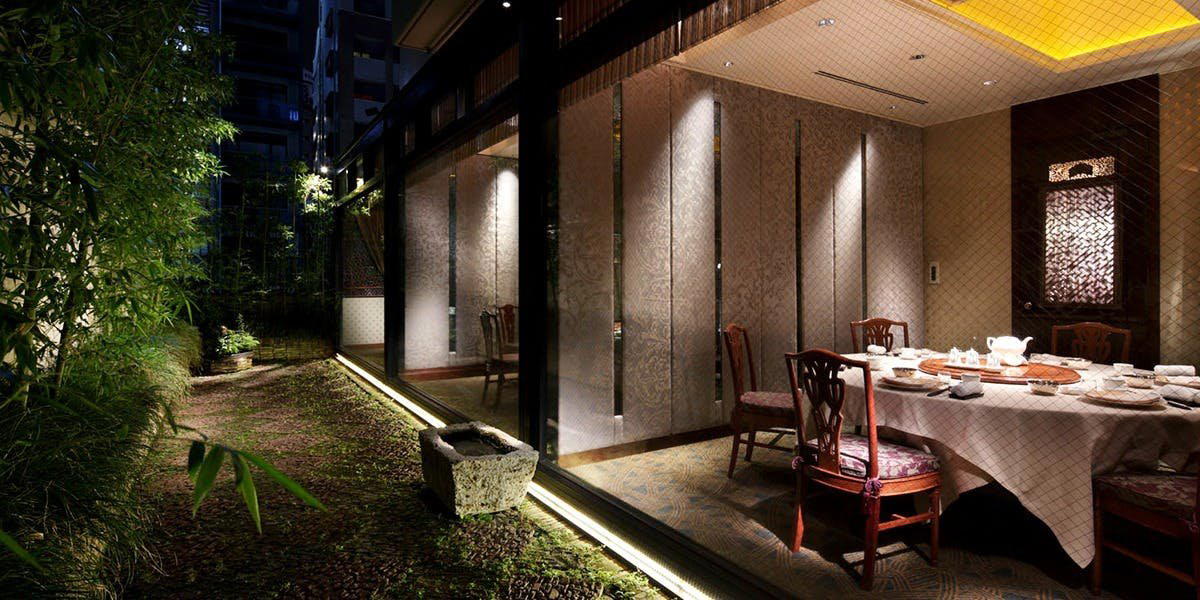
Restaurants in Tokyo
Browse all →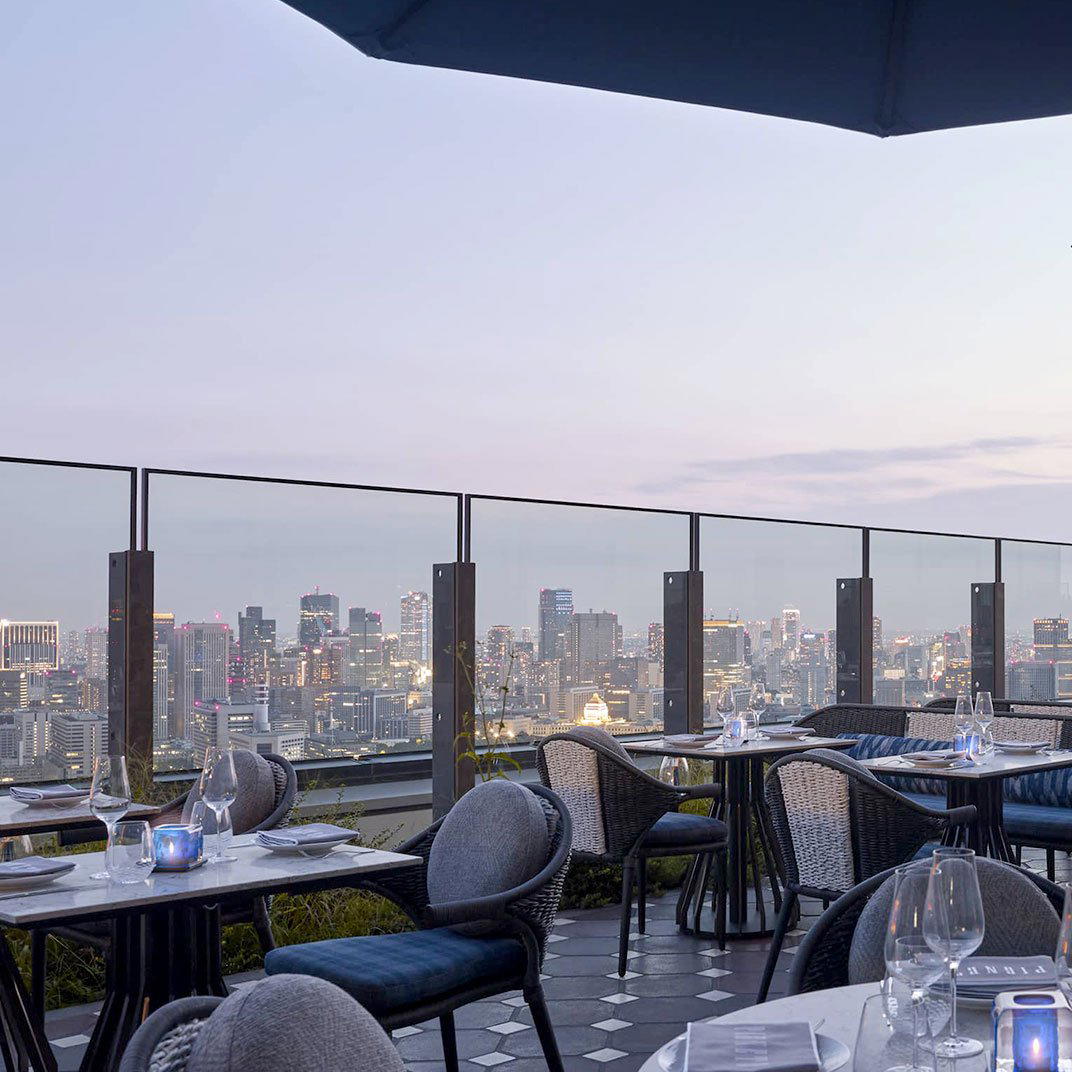



Bars in Tokyo
Browse all →



At a Glance
- Elegant
- Sophisticated
- Business Dinner
- Special Occasion
- Private Dining
- Sake Program
- Street Scene
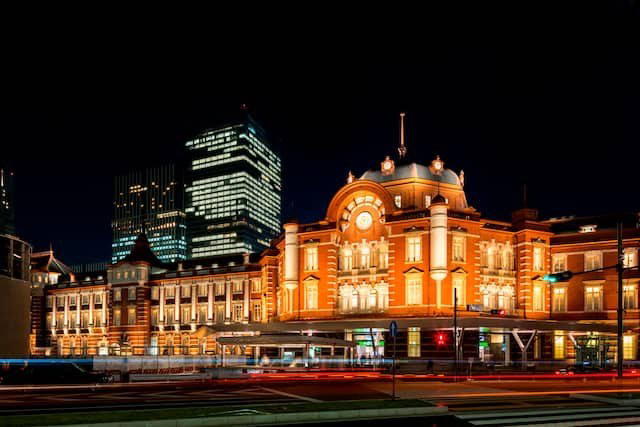
Luxurious interior with auspicious feng shui views of the Bank of Japan building, providing an elegant and sophisticated atmosphere ideal for special occasions.