
Tsugumi belongs to Tokyo’s compact, design-conscious Chinese dining tier, where counter seats, private rooms, wine service, and hybrid technique matter as much as genre labels. Its Nishiazabu setting, Tabelog Chinese Tokyo 100 selection for 2026, and 18-seat layout place it in a quieter register than the city’s louder destination dining rooms.
Pearl is the En Primeur Club membership app — saves, bookings, and concierge access live there. Same editors, same standards.
- Address
- Japan, 〒106-0031 Tokyo, Minato City, Nishiazabu, 1 Chome−4−48 大樹ビル 2F
- Phone
- +81 3-6447-0171
- Website
- tsugumi-restaurant.com
 Saves & bookings on Pearl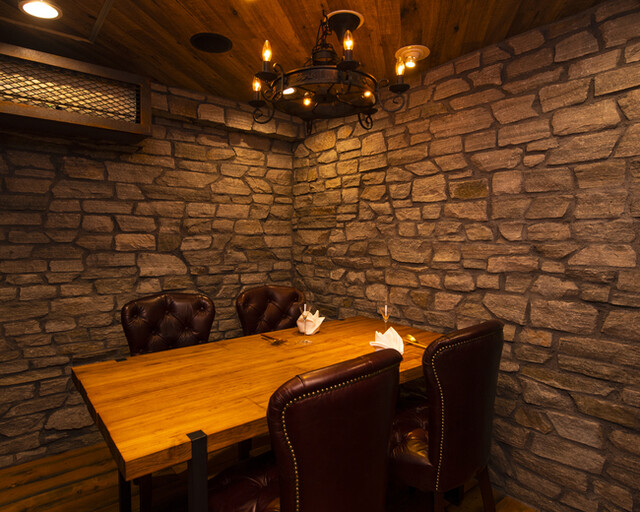
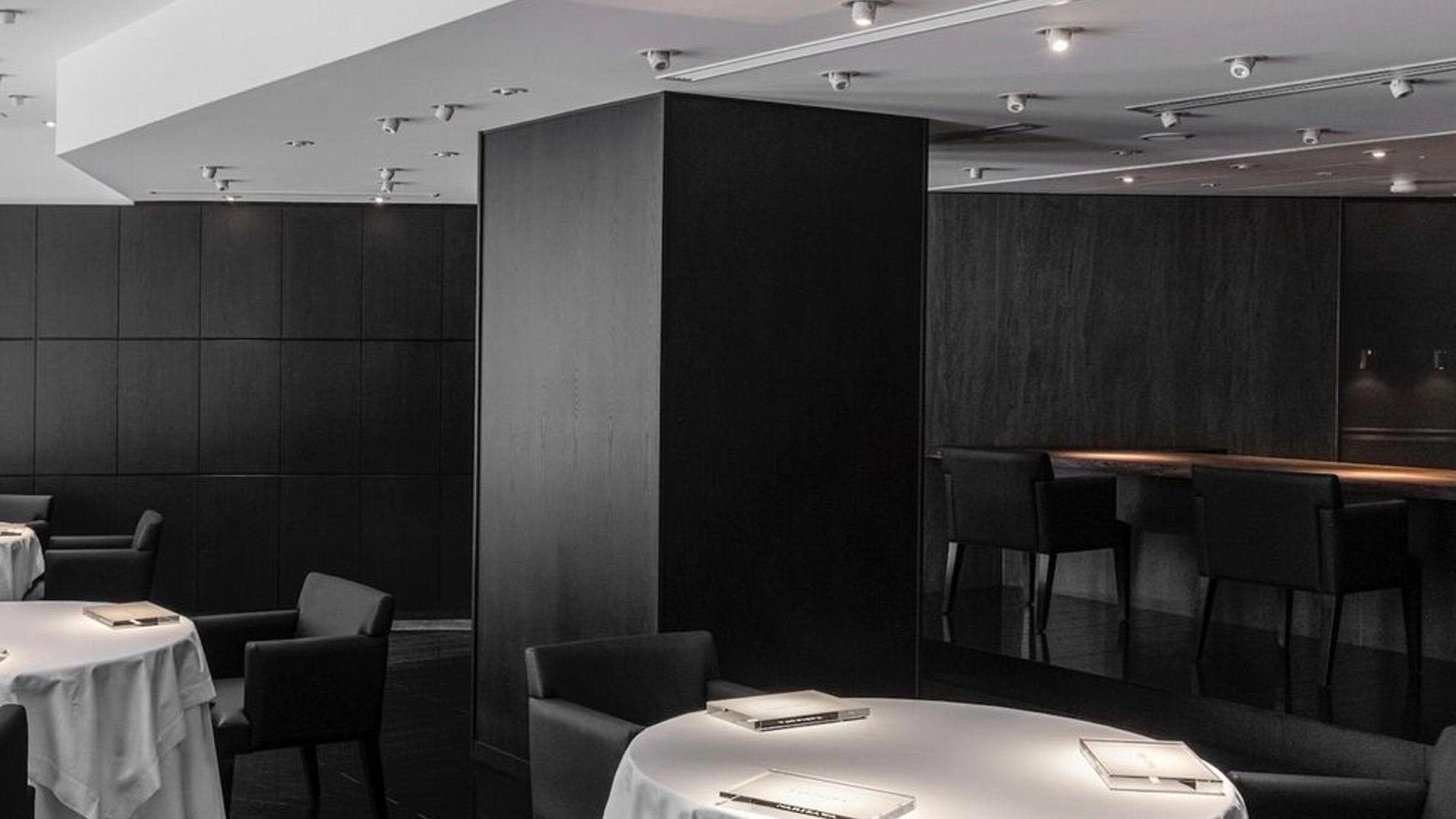
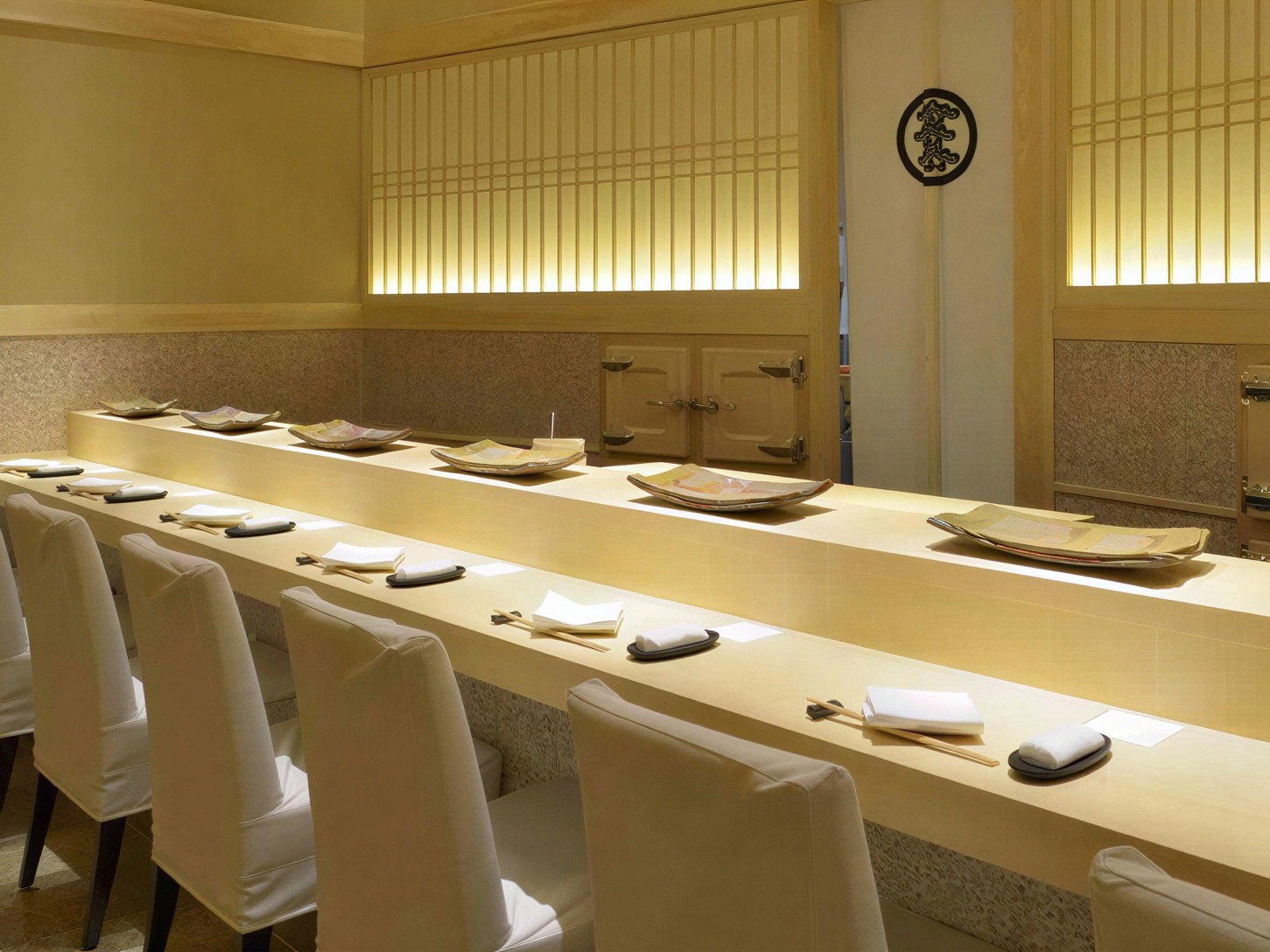
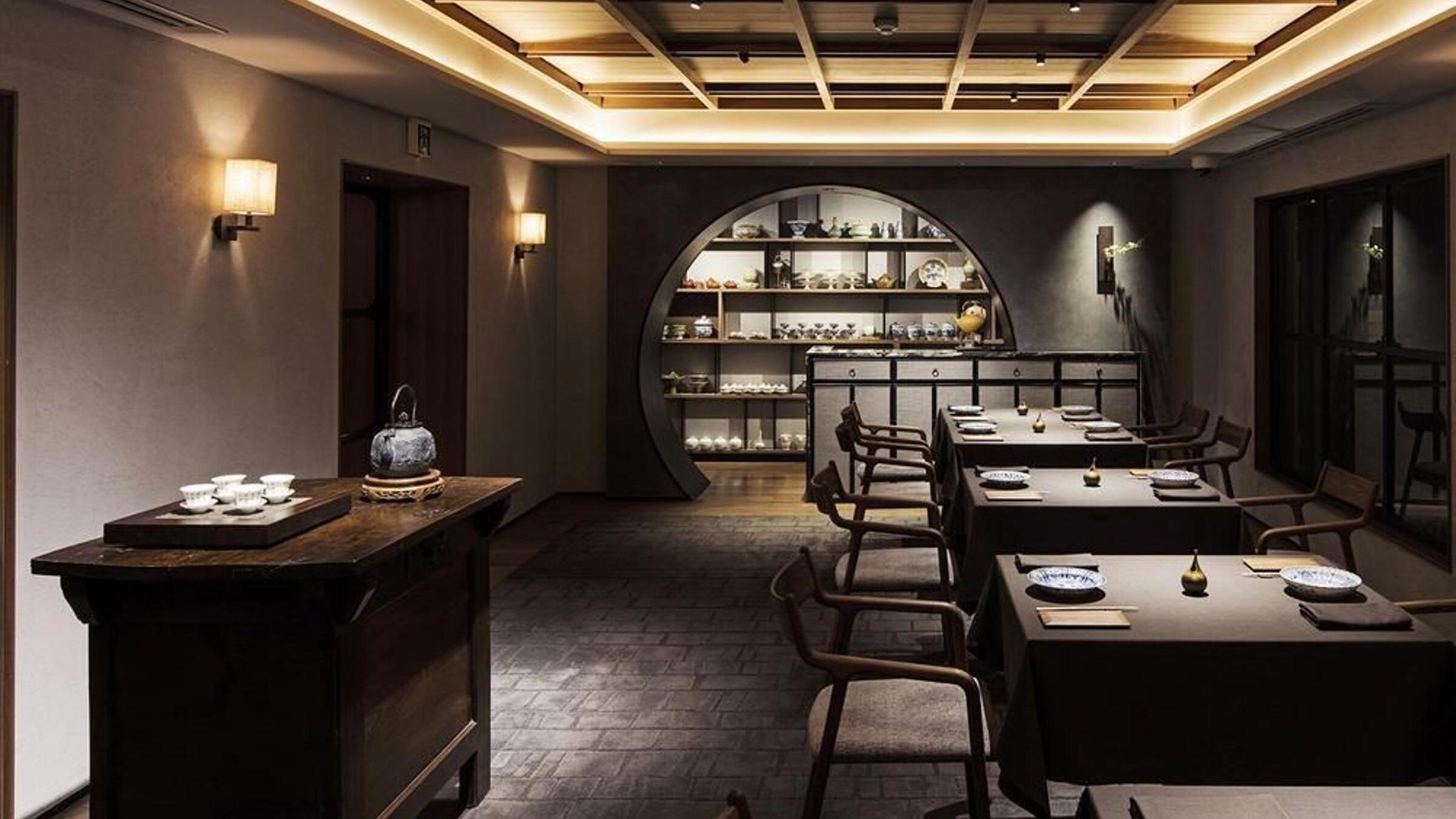
Seijōka-dōri gives this part of Nishiazabu a quieter rhythm than Roppongi’s late-night glare: lower voices, smaller doorways, and restaurants that make entry part of the choreography. Tsugumi sits upstairs in that mood, in a room built around proximity rather than spectacle. Its layout matters: five counter seats, two small dining areas, and a private room signal the evening before the first course arrives.
Tokyo’s Chinese dining scene no longer fits old categories. Cantonese banquet formality, Sichuan heat, Shanghai inflection, Japanese seasonality, and wine-led tasting formats now overlap across the city’s serious rooms. The useful distinction is not “Chinese” versus “creative,” but whether the room is built for volume, ceremony, or close-control cooking. Tsugumi belongs to the last camp: compact, reservation-only, and selected for Tabelog Chinese Tokyo 100 in 2026, placing it inside Tokyo’s competitive Chinese category rather than fashionable fusion.
A small Nishiazabu room shaped for controlled-course Chinese cooking
Nishiazabu rewards restaurants that disappear from street-level noise without losing city-center access. Its dining identity is built less on walk-ins than appointments, upstairs rooms, limited counters, and private spaces used for business dinners as well as personal occasions. Tsugumi’s 18-seat configuration is therefore essential, explaining a restaurant scaled for pacing, conversation, and detail without turning the room into theatre.
The counter seats align it with Tokyo’s premium format culture, where sushi, tempura, yakitori, kappo, and newer Chinese rooms borrow the same intimacy. The private room and small tables pull it back toward Chinese dining’s social function: shared space and group rhythm. That tension is the point. Tsugumi compresses banquet ideas into a smaller format, where a business dinner or anniversary can happen without hotel-dining architecture.
The neighborhood comparison helps. Sushi Kinoshita prices higher and belongs to the sushi-counter economy. Yakitori Hirako sits in a similar spend band but works through skewers, smoke, and sequence. Yakiniku Ten and Nishiazabu Yakiniku X occupy the beef-led side of the district’s after-dark dining culture. Tsugumi gives Nishiazabu another premium small-room option: Chinese technique in a compact, wine-aware format rather than a large-table banquet or chef-facing sushi ritual.
Wine, fish, and the Tokyo habit of bending cuisine around seasonality
Category labels here, Chinese, Creative, Innovative, say less than the service signals around them. Wine is a defined part of the program, with sake and shochu also available, and the restaurant notes attention to fish and health-conscious cooking. Those details point to a modern Tokyo pattern: inherited culinary grammar reworked through lighter sequencing, seafood emphasis, and beverage programs that do not default to one national pairing logic.
This is where room and menu meet. A small counter can make a Chinese meal feel closer to kappo, not because the cuisine changes identity, but because attention shifts from abundance to cadence. A private room preserves the discretion and conversational comfort of Minato business dining. Tsugumi does not need a grand room to signal seriousness; in Tokyo, restrained scale often communicates the opposite of casualness.
The Tabelog Chinese Tokyo 100 selection in 2026 is the hard credential. Tabelog’s Hyakumeiten lists matter in Japan because they identify category strength across cities and cuisines rather than echoing international fine-dining hierarchies. A 3.68 score also sits in a range domestic diners read more seriously than visitors might assume, given how tightly Japanese review scores cluster.
For travelers comparing dinner styles, this is not the same decision as choosing a casual curry stop such as 3 Chome no Curry Ya San, a themed café like 2D Cafe, or grilled seafood at . 鮪と炭火焼き うお炭 秋葉原店. Nor does it answer the same craving as yakitori at 124. KAGURAZAKA (Yakitori) or a Shinjuku dinner at 12/10 Shinjuku ten. Tokyo rewards precise intent, and Tsugumi suits diners who want a composed Chinese meal in a compact Minato room rather than a one-night survey of the city.
How to read it within a wider Tokyo itinerary
The strongest use case is a dinner where scale matters: a pair at the counter, a small group needing privacy, or a business meal benefiting from formality without hotel stiffness. The non-smoking policy, sommelier availability, and private-room structure reinforce that reading. Families with younger children should plan carefully, since the stated policy is oriented toward middle-school age and above, with a higher-commitment arrangement for younger children.
Because Tokyo dining is fragmented by neighborhood and format, Tsugumi works as one Minato point in a larger plan rather than a universal answer. Use Our full Tokyo restaurants guide to compare it with sushi, yakitori, curry, cafés, and counter formats; Our full Tokyo hotels guide to place it against where the night begins and ends; Our full Tokyo bars guide for cocktail and sake context; and Our full Tokyo wineries guide and Our full Tokyo experiences guide to widen the itinerary beyond restaurants.
Travelers building a Japan-wide dining route can apply the same category discipline outside Tokyo: beef sukiyaki at -Grilled beef Sukiyaki- KAMAKURA TANUKIAN 鎌倉 たぬき庵 in Kamakura, café culture at.cafe in Osaka, regional dining at.know in Kumamoto, Vietnamese cooking at (Shoku) Vietnam in Kawasaki, curry in Hokkaido at [Curry Senmon Ten] Maruyama Kyoju. in Sapporo, and Kyoto dining at [ki:] in Kyoto. For Japanese food culture refracted abroad, Jōdo Saké Bar in Los Angeles and Onigiri Time in Pasadena show how reference points change once they leave Japan.
The editorial read is clear: Tsugumi is for diners interested in how Tokyo reshapes Chinese dining through architecture, scale, and beverage service. The room is small enough to make format part of the meal, and the 2026 Tabelog Chinese Tokyo 100 selection provides category-specific trust. In a city crowded with louder claims, that combination is more useful than excess description.
Comparable Options
Comparable venues by price and recognition.
| Venue | Cuisine | Price | Notes |
|---|---|---|---|
| TsugumiThis venue — the venue you are viewing | Modern Chinese Tasting Menu | $$$$ | |
| Renge Equriosity Shinbashi | Modern Shanghai Chinese Fine Dining | $$$$ | Chūō |
| Piaoxiang Hiroo Store | Traditional Sichuan Omakase | $$$$ | Shibuya |
| 中華寝台 | Modern Creative Chinese | $$$$ | Shibuya |
| Chinese Hanten Ichigaya ten | Seasonal Shanghai Chinese (Chuugokuhanten Ichigaya) | $$$ | Chiyoda |
| Masa's Kitchen 47 | Modern Creative Chinese | $$$ | Shibuya |








At a Glance
- Elegant
- Intimate
- Sophisticated
- Hidden Gem
- Date Night
- Business Dinner
- Celebration
- Special Occasion
- Wine Cellar
- Standalone
- Extensive Wine List
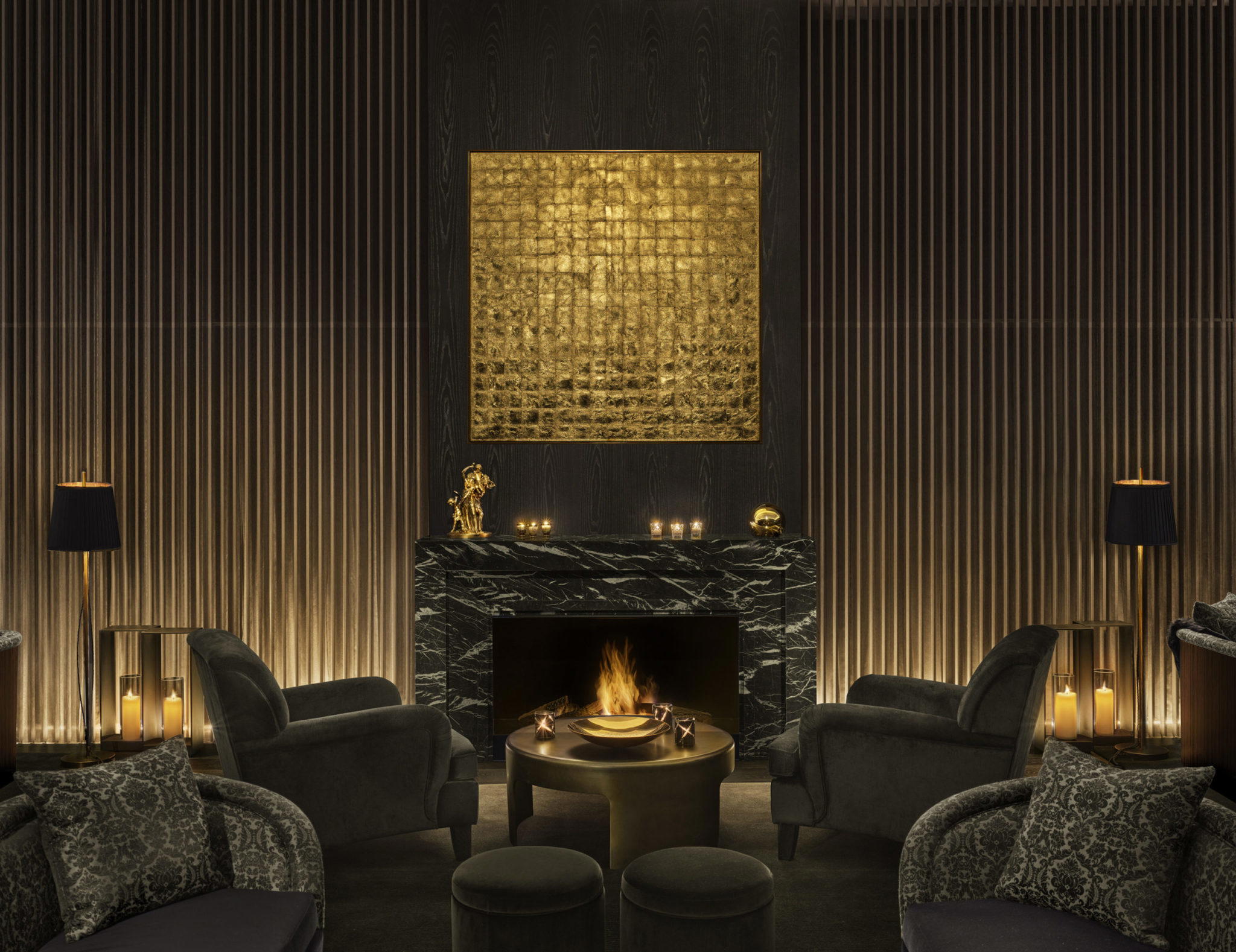
An intimate, quietly luxurious dining room with refined modern decor, subdued lighting and a calm, special-occasion atmosphere suited to relaxed, course-based Chinese dining.