Tabelog 100 #32
Our verdict
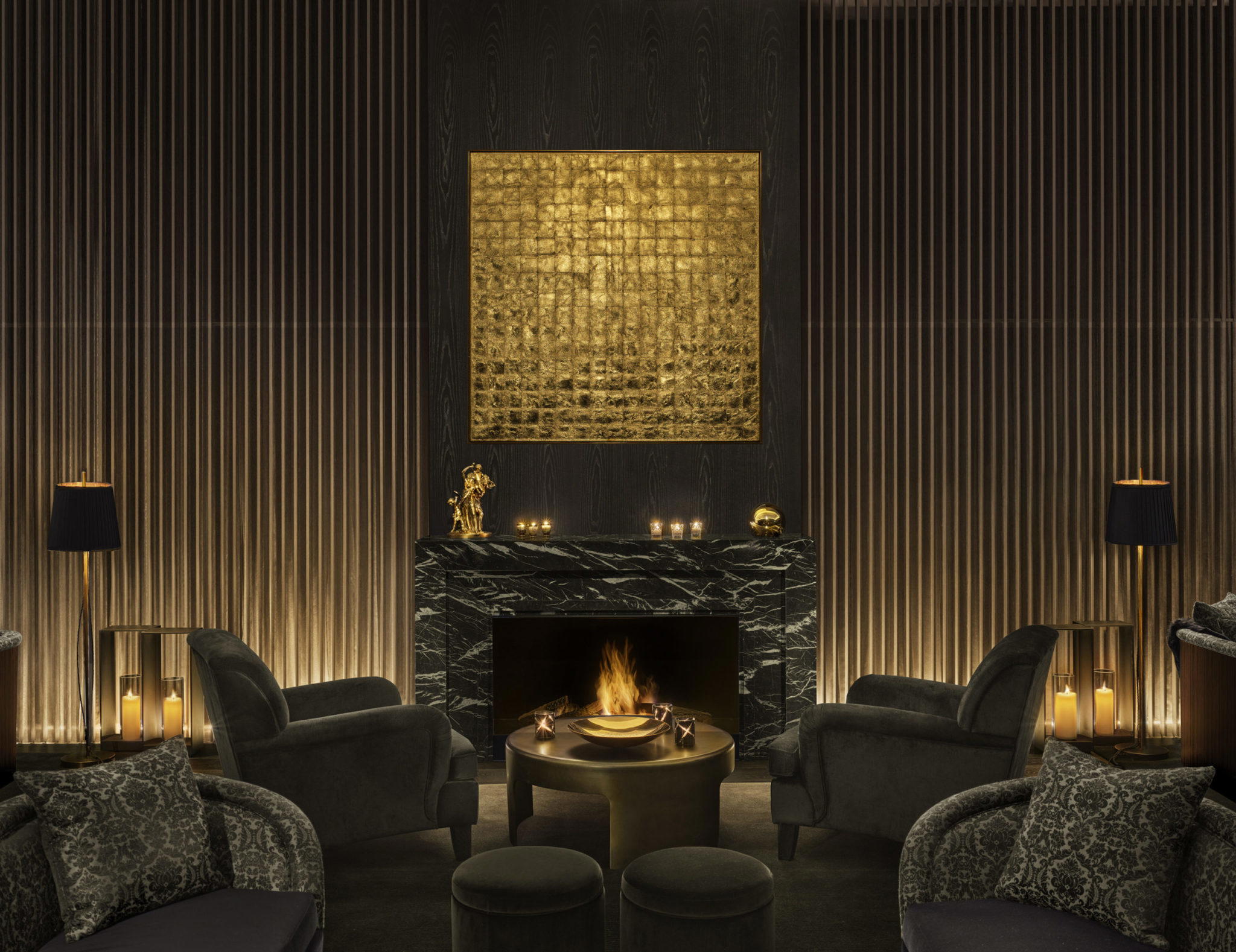
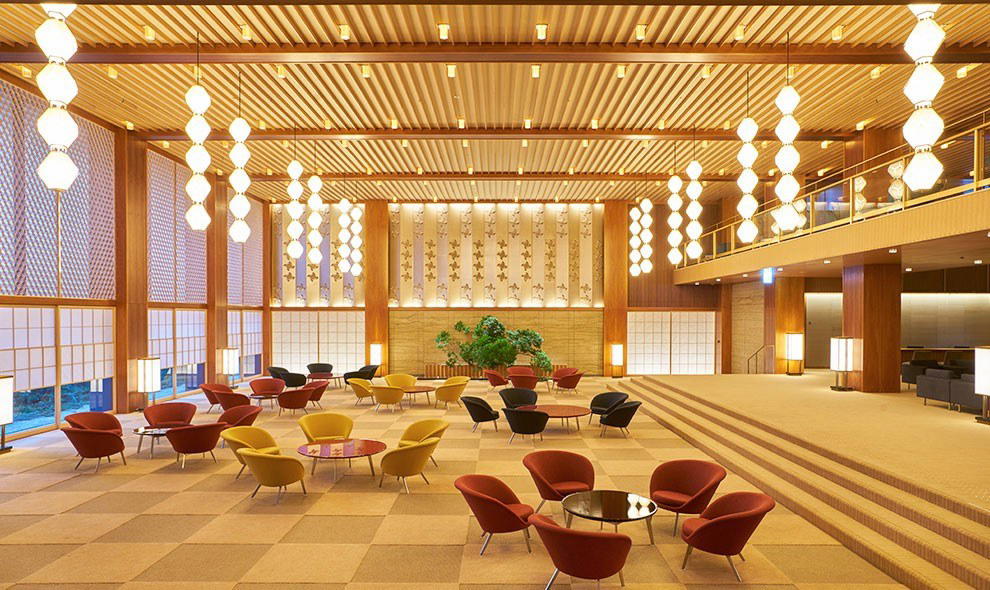
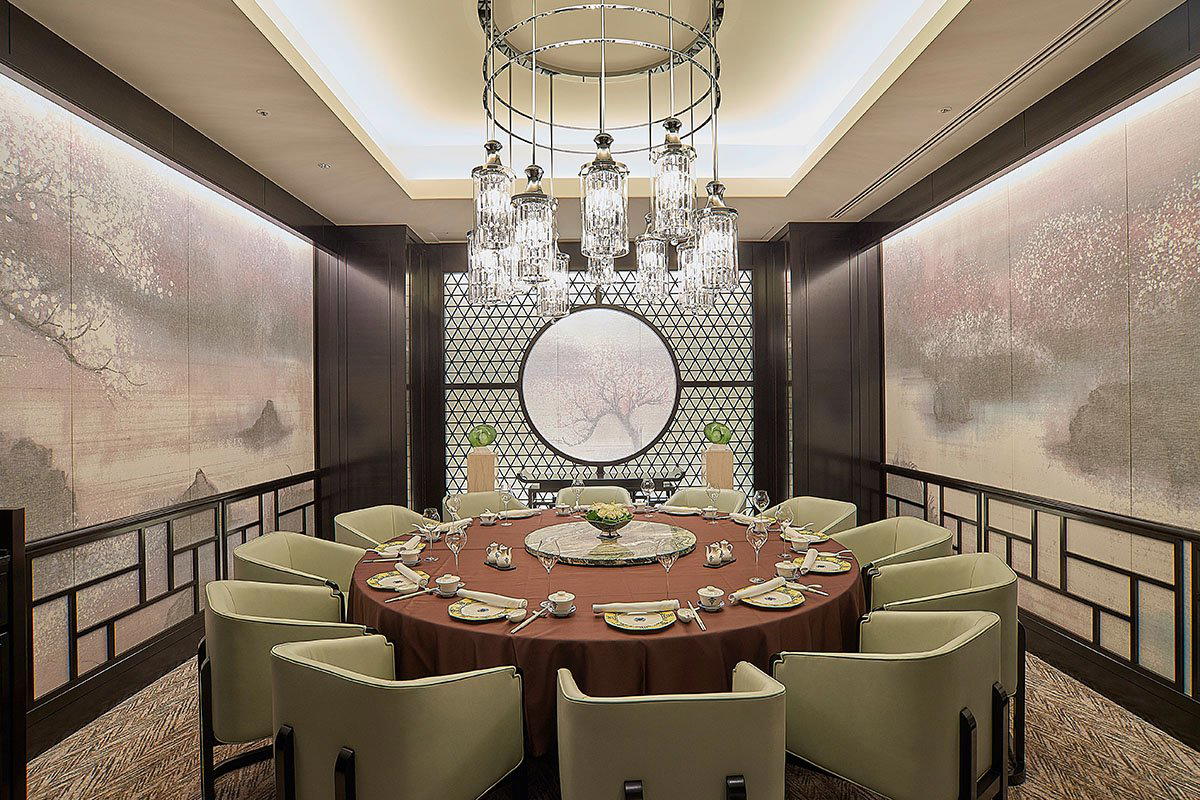
Inside The Okura Tokyo in Toranomon, Toh-Ka-Lin has served Cantonese fine dining for 50 years, a rare sustained presence for Chinese cuisine at this register in a city dominated by Japanese and French forms. The wood-panelled dining room, dressed in peach-blossom motifs, offers one of Tokyo's more considered physical environments for a long, formal Chinese meal.

Pearl is the En Primeur Club membership app, where members save venues, book tables and use the concierge.
The menu
What to order
- Peking duck
- Shark fin soup
- Braised whole abalone
- Dan dan noodles
- Jellyfish sashimi
A Room Built for a Different Kind of Attention
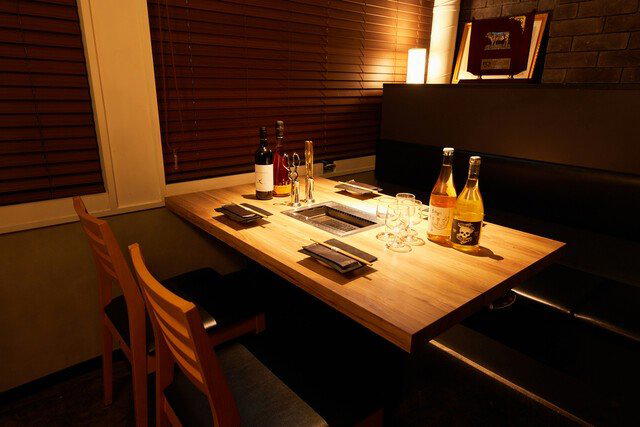
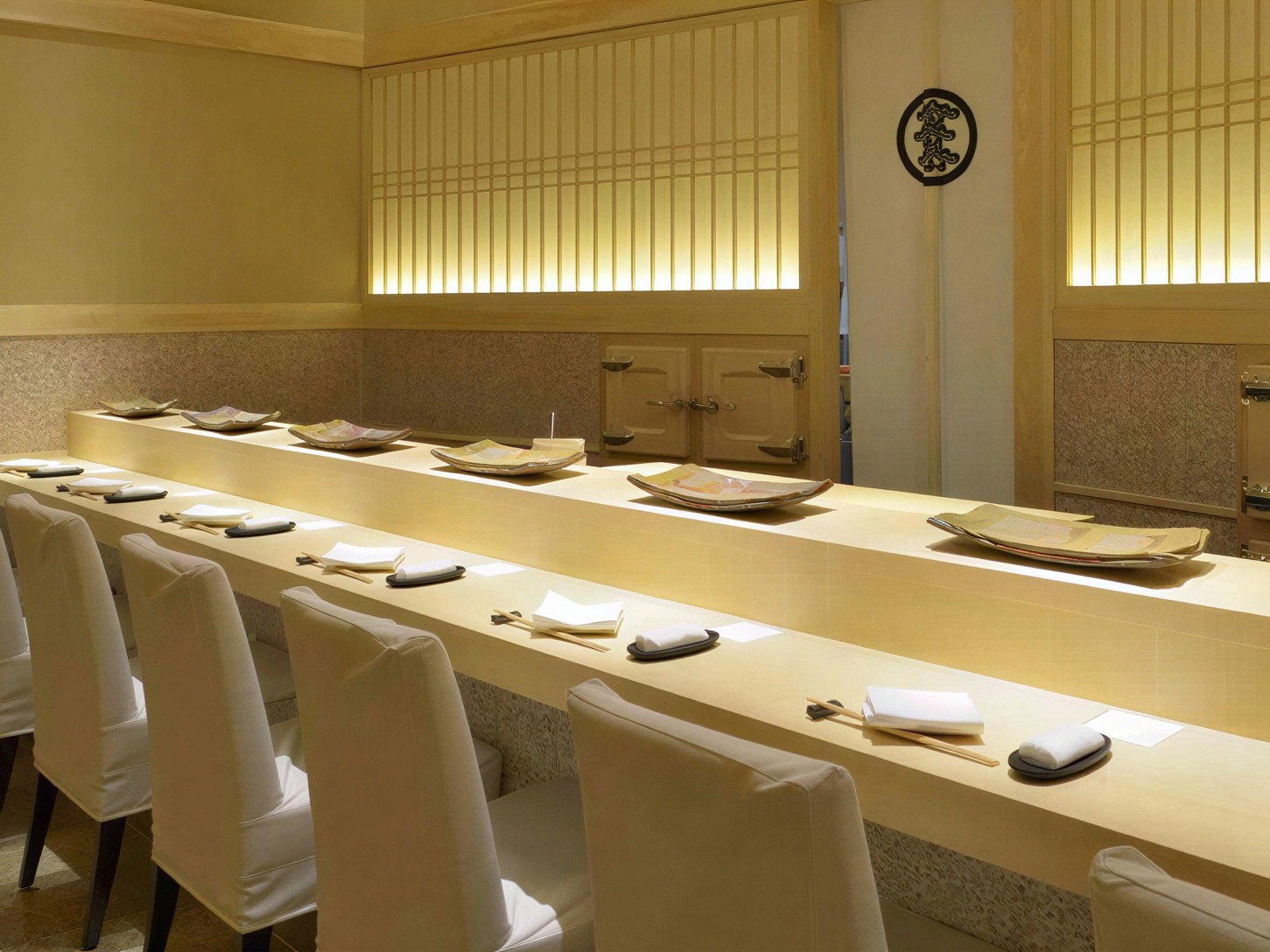
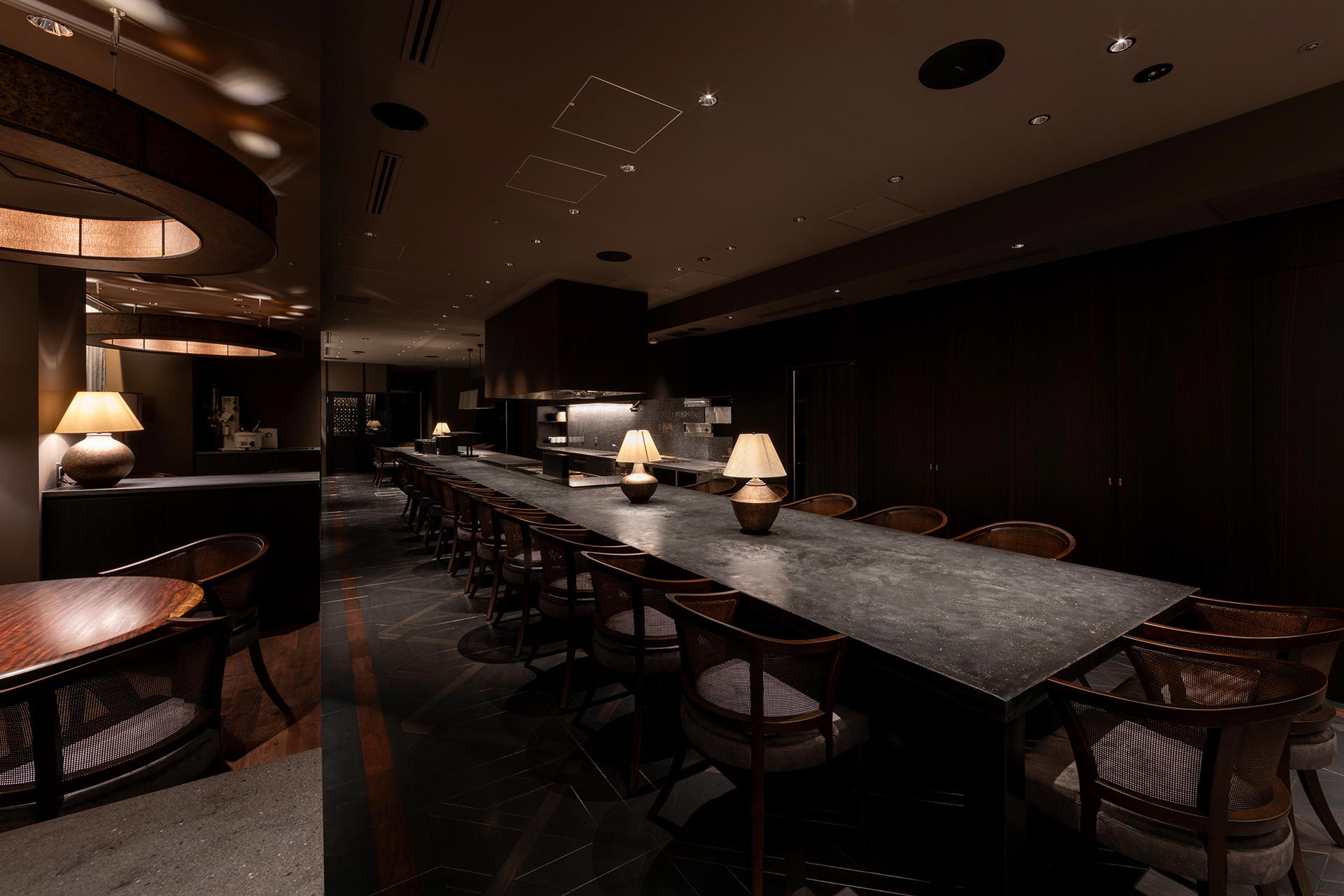
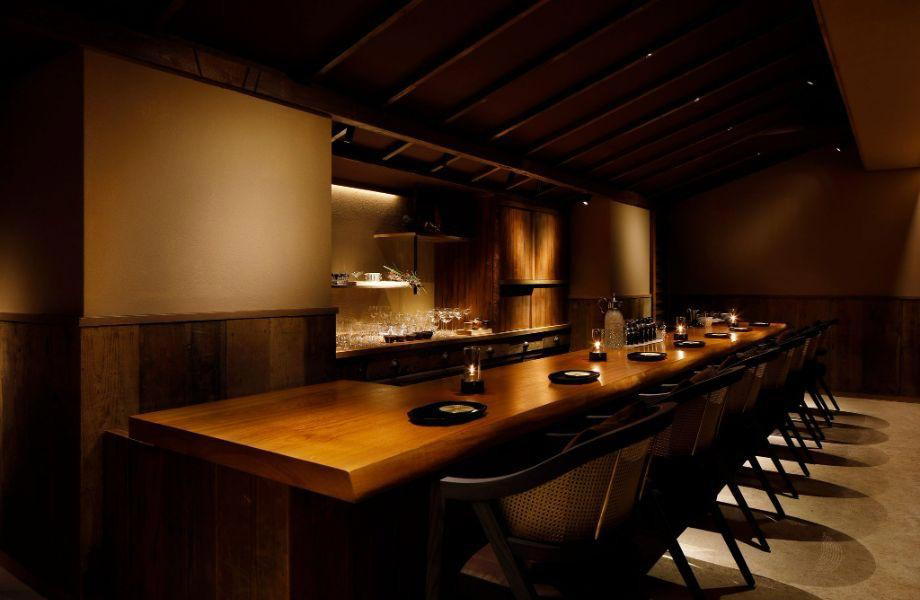
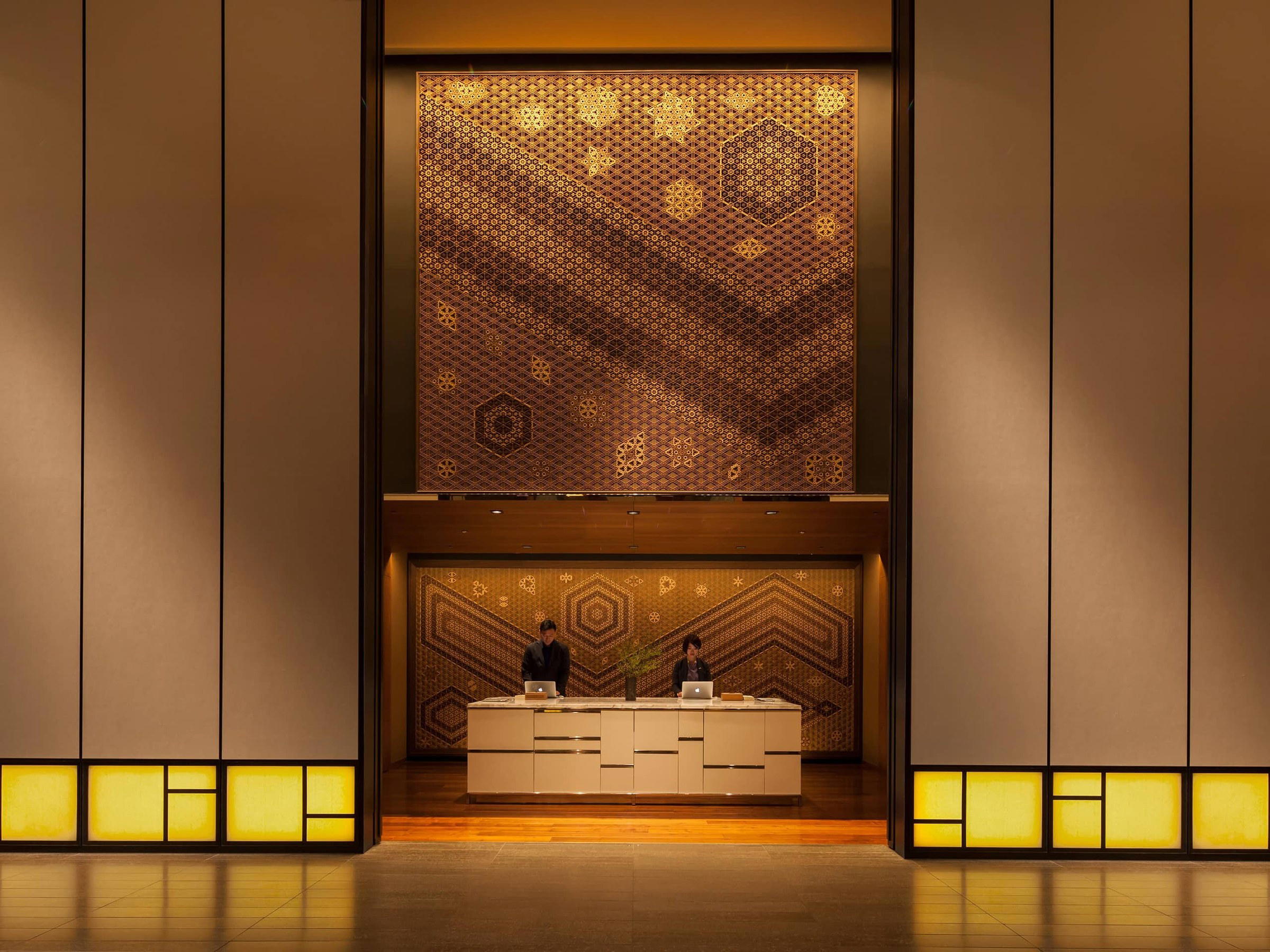
The approach to Toh-Ka-Lin begins before you sit down. Inside The Okura Tokyo on Toranomon, the dining room announces its intentions through material and restraint: warm wood surfaces, peach-blossom-patterned panels that reference classical Chinese decorative traditions, and a spatial calm that reads more like a private dining house in Hong Kong than the compressed formats Tokyo's fine dining scene tends to favour. The room is doing something distinct in this city, creating a container for Cantonese cuisine that feels neither transplanted nor diluted, but genuinely considered.
That physical environment matters because it carries the weight of fifty years. Toh-Ka-Lin has operated inside The Okura Tokyo for half a century, which places it among the longest-running Chinese fine dining establishments in the country at this level. In a city where restaurant tenures at the upper end often run in cycles of a decade or less, that continuity is a data point worth reading carefully. Hotel dining in Tokyo has long occupied a specific niche, protective of quality, slower to change, and often more accessible to international guests than reservation-only independents, and Toh-Ka-Lin sits squarely in that tradition while sustaining a culinary identity that most hotel restaurants struggle to maintain across decades.
Cantonese in Tokyo: A Narrower Field Than It Appears
Tokyo's Chinese restaurant scene is extensive at its lower and mid-range tiers, but thins sharply as you move toward formal, technique-driven Cantonese cooking. Japanese Chinese cuisine, chuka ryori, has its own well-established grammar, adapted heavily to local palates over generations. Cantonese fine dining, with its emphasis on clear stocks, precisely timed steaming, and restrained seasoning that defers to ingredient quality, occupies a different register. It is a cuisine where the margin between correct and compromised is narrow, and where the sourcing and handling of protein, particularly seafood and poultry, carries most of the argument.
Few Tokyo restaurants sustain this at formal level. That scarcity gives Toh-Ka-Lin a position in the city that has nothing to do with marketing and everything to do with the absence of direct competition. Diners comparing across Tokyo's upper dining tier, say, the kaiseki counters of RyuGin, the French precision of L'Effervescence or Sézanne, or the sushi discipline at Harutaka, will find no comparable alternative for formal Cantonese.
That comparison is instructive. Cantonese cuisine at its finest is one of China's most technically demanding culinary traditions, rooted in classical technique, wok control, and a philosophy of amplifying natural flavour rather than constructing complexity. A restaurant sustaining that for fifty years in a city where it has few natural reference points or supply chain advantages is doing something structurally harder than most of Tokyo's acclaimed dining rooms.
The Physical Space as Editorial Argument
The interior design at Toh-Ka-Lin deserves specific attention because it makes an argument that the food alone cannot. The peach-blossom panelling connects the room to a recognisable Chinese aesthetic vocabulary without becoming decorative pastiche. Wood as the primary material produces warmth and acoustic softness that the harder surfaces of contemporary fine dining often sacrifice. The overall effect is a dining room that feels like a sustained position rather than a designed moment, spaces built with longevity in mind tend to look different from spaces built for the photograph, and this room belongs to the former category.
In the context of Tokyo's wider hotel dining geography, The Okura Tokyo itself carries weight. The property is among the city's historically significant luxury hotels, and its restaurants have traditionally attracted a guest profile that values formality and occasion. Toh-Ka-Lin is positioned accordingly, a long, ceremonial meal with structural pacing, tableside service, and the kind of attention that the room's layout supports rather than undermines. For comparison, the more adventurous end of Tokyo's French-influenced dining, including places like Crony, operates in a different register entirely, tighter, faster, more experimental. Toh-Ka-Lin is not in that conversation, and does not need to be.
Where It Sits in the Broader Japan Picture
Across Japan's high-end dining map, the country's own culinary traditions dominate, kaiseki in Kyoto at places like Gion Sasaki, contemporary Japanese in Osaka at HAJIME, regional Japanese in Fukuoka at Goh. The space for Chinese fine dining at this tier is narrow nationally. In Tokyo, it is narrower still. That positioning makes Toh-Ka-Lin relevant not just as a dining option but as a category marker, a reference point for what formal Cantonese can look like when it has been given time, space, and institutional support to develop on its own terms. For anyone building a broader picture of Japanese fine dining through our Tokyo restaurants guide, Toh-Ka-Lin represents a category that the rest of the list does not replicate.
For those extending across Japan, our guides to akordu in Nara, Bleston Court Yukawatan in Nagano, and giueme in Akita map the further reaches of Japanese fine dining. And for planning Tokyo beyond restaurants, our Tokyo hotels guide, Tokyo bars guide, Tokyo experiences guide, and Tokyo wineries guide cover the full picture.
Planning a Visit
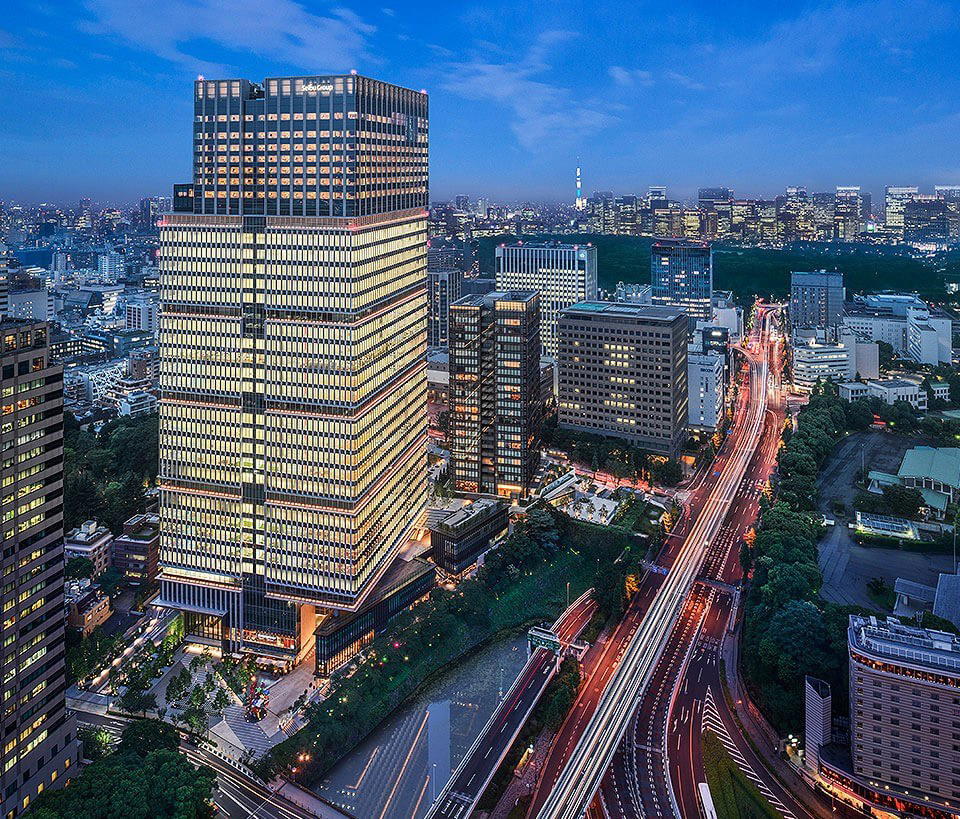
Toh-Ka-Lin is located at 2-10-4 Toranomon, Minato-ku, inside The Okura Tokyo. Toranomon is well connected, sitting between Toranomon Station on the Ginza Line and Kamiyacho on the Hibiya Line, placing the hotel within a short walk of both. As a hotel restaurant with fifty years of operation, bookings are possible through The Okura Tokyo's reservations infrastructure, the hotel-based format tends to be more accessible than Tokyo's tightly allocated independent counters, though weekend and holiday periods at a property of this standing warrant advance planning. Dress expectations align with a formal hotel dining room rather than the casual codes that some contemporary Tokyo restaurants have adopted. The occasion frame here is deliberate and the room rewards treating it accordingly.
Frequently asked questions
What part of town is Toh-Ka-Lin in?
Toh-Ka-Lin is located at 2-10-4 Toranomon Minato-ku, Tokyo.
What's Toh-Ka-Lin known for in terms of accolades?
Toh-Ka-Lin has received recognition including: One of Tokyo’s oldest and most elegant Chinese fine dining restaurants, Toh-Ka-Lin has resided inside The Okura Tokyo for 50 years. The wood-filled dining room with peach-blossom-patterned panels specializes in exceptional Cantonese cuisine….
What should I eat at Toh-Ka-Lin?
The kitchen is built around Cantonese technique, a tradition that prioritises clarity of flavour and ingredient quality over heavy seasoning or elaborate saucing. Classic preparations such as roasted meats, steamed fish, and dim sum are the anchors of any serious Cantonese table. Given that Toh-Ka-Lin has sustained this cuisine inside The Okura Tokyo for 50 years, the long-standing signature dishes are the most reliable entry point.
How hard is it to get a table at Toh-Ka-Lin?
Securing a reservation here is considerably more straightforward than at Tokyo's high-demand independent counters, where allocations run weeks or months out. As a hotel restaurant inside The Okura Tokyo at 2-10-4 Toranomon, Minato-ku, Toh-Ka-Lin operates with a broader seating capacity than a private counter, and the concierge infrastructure of a major hotel property generally supports advance booking requests for guests.
What's the defining dish or idea at Toh-Ka-Lin?
The defining idea is continuity: Cantonese cuisine held at formal level inside a Japanese luxury hotel for half a century, which is a rarer proposition in Tokyo than it sounds. Formal Cantonese dining thins sharply at the upper end of the city's Chinese restaurant scene, making Toh-Ka-Lin's 50-year tenure inside The Okura Tokyo something closer to an institution than simply a restaurant choice. The peach-blossom-panelled dining room reinforces that positioning before a single dish arrives.
Credentials Lens
Comparable venues nearby, for context on price, style, and recognition.
| Venue | Cuisine | Price | Awards | Notes |
|---|---|---|---|---|
| Toh-Ka-LinThis venue (the venue you are viewing) | Authentic Cantonese Fine Dining | $100–150 | Tabelog 100 #32 | Not listed |
| Xie Wang Fu | Traditional Kaiseki | $300–500 | Tabelog 100 #80 · Black Pearl 1 Diamond | Chūō |
| Tsukushi Rou Ebisu ten | Luxury shark fin–focused Chinese (Ebisu flagship) | $100–150 | Tabelog 100 #61 | Shibuya |
| Chinaroom | Authentic Cantonese Dim Sum | $50–100 | Not listed | Minato |
| Kakyubou | Orthodox Chinese Fine Dining | $150–200 | Michelin Plate | Minato |
| Banraien | Traditional Chinese counter dining | $200–300 | Tabelog 100 #8 | Shinagawa |
Recognition history
Dated appearances from independent guides and award organizations, with the underlying list record or original source where available.
Tabelog 100 #32 · No. 32
Tabelog · Tabelog 100 - Chinese cuisine - TOKYO - 2026