の弥七 occupies a quiet address in Arakicho, one of Shinjuku's older residential pockets, where the kaiseki and washoku traditions of structured, seasonal Japanese dining have long found a natural home. The restaurant sits in a tier of Tokyo venues where the format disciplines the experience: courses arrive in a determined sequence, each stage in conversation with the last. For visitors mapping Tokyo's serious Japanese dining scene, it belongs on the same consideration list as the city's better-known multi-course counters.
Pearl is the En Primeur Club membership app — saves, bookings, and concierge access live there. Same editors, same standards.
- Address
- 2-9 Arakicho, Shinjuku City, Tokyo 160-0007, Japan
- Phone
- +81332267055
- Website
- noyashichi.com
 Saves & bookings on Pearl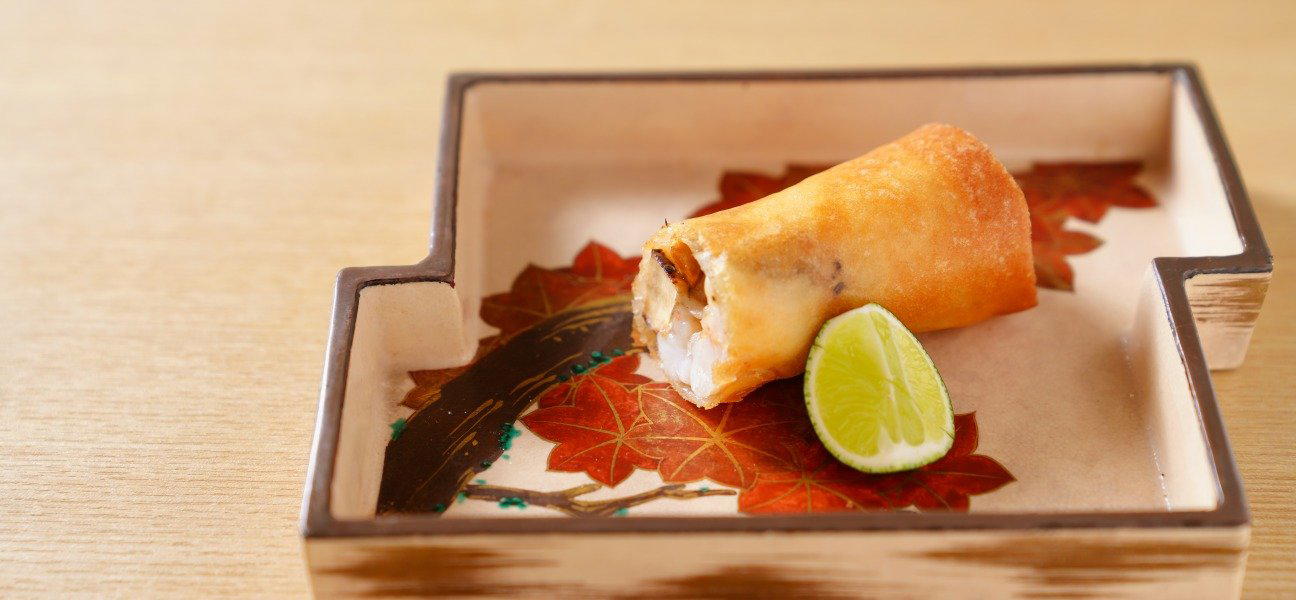
Arakicho and the Architecture of the Meal
Tokyo's premium Japanese dining scene has organised itself around format as much as ingredient. Over the past two decades, the city's most serious washoku and kaiseki rooms have moved away from à la carte flexibility toward structured, sequenced experiences where the kitchen controls pacing, portion, and progression. This shift mirrors what happened earlier in French haute cuisine, where the tasting menu became the dominant language of ambition. In Tokyo, that language is spoken in kaiseki terms: the gradual unwinding of a meal from light and delicate through rich and warming, calibrated to season and to the arc of the sitting.
の弥七 sits within this tradition, at an address in Arakicho, a neighbourhood in Shinjuku City that carries a quieter residential character than the more commercially dense dining corridors of Ginza or Roppongi. This matters for context: Tokyo's premium dining rooms are not evenly distributed by visibility. Some of the city's most considered experiences occupy addresses that require deliberate navigation, and Arakicho has historically attracted venues where the experience is the draw rather than the foot traffic. The surrounding streets carry traces of mid-century Tokyo, narrower lanes, low-rise architecture, which gives the area a different texture from the glass-tower dining environments of Marunouchi.
The Logic of Sequential Japanese Dining
To understand what a meal at の弥七 is structured around, it helps to understand what multi-course Japanese dining is doing at a formal level. A kaiseki progression is not simply a series of dishes. It is a system: the order of courses encodes a philosophy about temperature, texture, intensity, and seasonality. A well-composed sequence might open with something barely seasoned, a dashi-forward soup or a single chilled morsel, before moving through grilled, simmered, and fried registers, eventually arriving at rice, pickles, and a dessert that functions as punctuation rather than climax.
This differs structurally from the French multi-course model, where the arc typically builds toward a protein-centred main before pivoting to cheese and dessert. In kaiseki, no single course is permitted to overwhelm the others. The progression is more lateral than pyramidal. Venues in this tradition at the ¥¥¥¥ tier, where peers include RyuGin in Roppongi, one of the city's most technically articulate kaiseki counters, are competing on the coherence and intelligence of that sequence, not simply on the quality of individual dishes in isolation.
For comparison, French-influenced rooms at the same price tier in Tokyo, such as L'Effervescence and Sézanne, construct their progressions around different structural logic, while more hybrid formats like Crony sit in a space between French technique and Japanese ingredient sensibility. の弥七, by address and by the traditions its Arakicho context points toward, belongs more naturally in the washoku lineage, where the tasting arc is an expression of seasonal awareness as much as kitchen craft.
Placing の弥七 in Tokyo's Competitive Set
Tokyo carries more Michelin-recognised restaurants than any other city in the world, and the practical consequence for visitors is that the field at premium price points is crowded with credible options. Choosing between them requires understanding what differentiates peer venues at a format and philosophy level, not merely at a prestige level.
At the high end of Shinjuku-area Japanese dining, the competitive comparable set is smaller than in Ginza or Nihonbashi, which means venues that sustain a following in this part of the city tend to do so through repeat local clientele as much as international reservation traffic. This is a meaningful distinction: a room that fills primarily with regulars operates differently from one that turns over heavily with tourists or expense-account diners. The pacing, the assumptions the kitchen makes about guest familiarity, and the degree to which staff adapt their communication style all shift accordingly.
For the broader picture of where Tokyo's serious Japanese dining sits in a national context, comparisons extend beyond the capital. Gion Sasaki in Kyoto and HAJIME in Osaka represent the Kansai tradition from which kaiseki originates, and tasting those rooms against what Tokyo has developed in its own register is one of the more instructive exercises available to serious diners in Japan.
The cross-pollination runs in multiple directions.
Planning a Visit: What the Format Requires
Structured multi-course dining in Tokyo at this level operates on terms that differ from casual restaurant dining. Reservations are essential.
Dietary communication matters more here than in flexible à la carte environments. In a sequenced kaiseki meal, substitutions affect the arc of the progression, not just a single dish, so any requirements need to be communicated at the time of booking rather than at the table. Japanese fine dining rooms vary considerably in their capacity to accommodate dietary restrictions; this is worth confirming directly when reserving.
Nearby Japanese dining alternatives across the country, from 一本木 名川製 in Nanao to 夕仙屋乃 in Sapporo, demonstrate how the kaiseki format travels and adapts across Japan's different regional ingredient traditions.
Quick Comparison: Arakicho vs. Peer Tokyo Districts for Kaiseki
| Factor | Arakicho (Shinjuku) | Ginza | Roppongi / Azabu |
|---|---|---|---|
| Neighbourhood character | Residential, low-rise | Commercial, high-visibility | Embassy district, mixed |
| International diner traffic | Lower | High | High |
| Typical booking lead time | Weeks to months | Months (for leading tables) | Months (for leading tables) |
| Peer reference rooms | Local washoku counters | Harutaka, Ginza peers | RyuGin, Azabu peers |
Comparable Spots, Quickly
Comparable venues nearby, for context on price, style, and recognition.
| Venue | Cuisine | Price | Awards | Notes |
|---|---|---|---|---|
| の弥七This venue — the venue you are viewing | Japanese-Chinese Fusion Fine Dining | $$$$ | , | |
| Chinaroom | Authentic Cantonese Dim Sum | $$$$ | , | Minato |
| Ren | Modern Chinese with French influence tasting menu | $$$$ | , | Minato |
| Renge Equriosity Shinbashi | Modern Shanghai Chinese Fine Dining | $$$$ | , | Chūō |
| 中華寝台 | Modern Creative Chinese | $$$$ | , | Shibuya |
| Fureika (中国飯店 富麗華) | Traditional Shanghai & Cantonese Chinese | $$$$ | , | Higashiazabu |










At a Glance
- Elegant
- Sophisticated
- Intimate
- Cozy
- Date Night
- Special Occasion
- Business Dinner
- Sake Program
- Local Sourcing
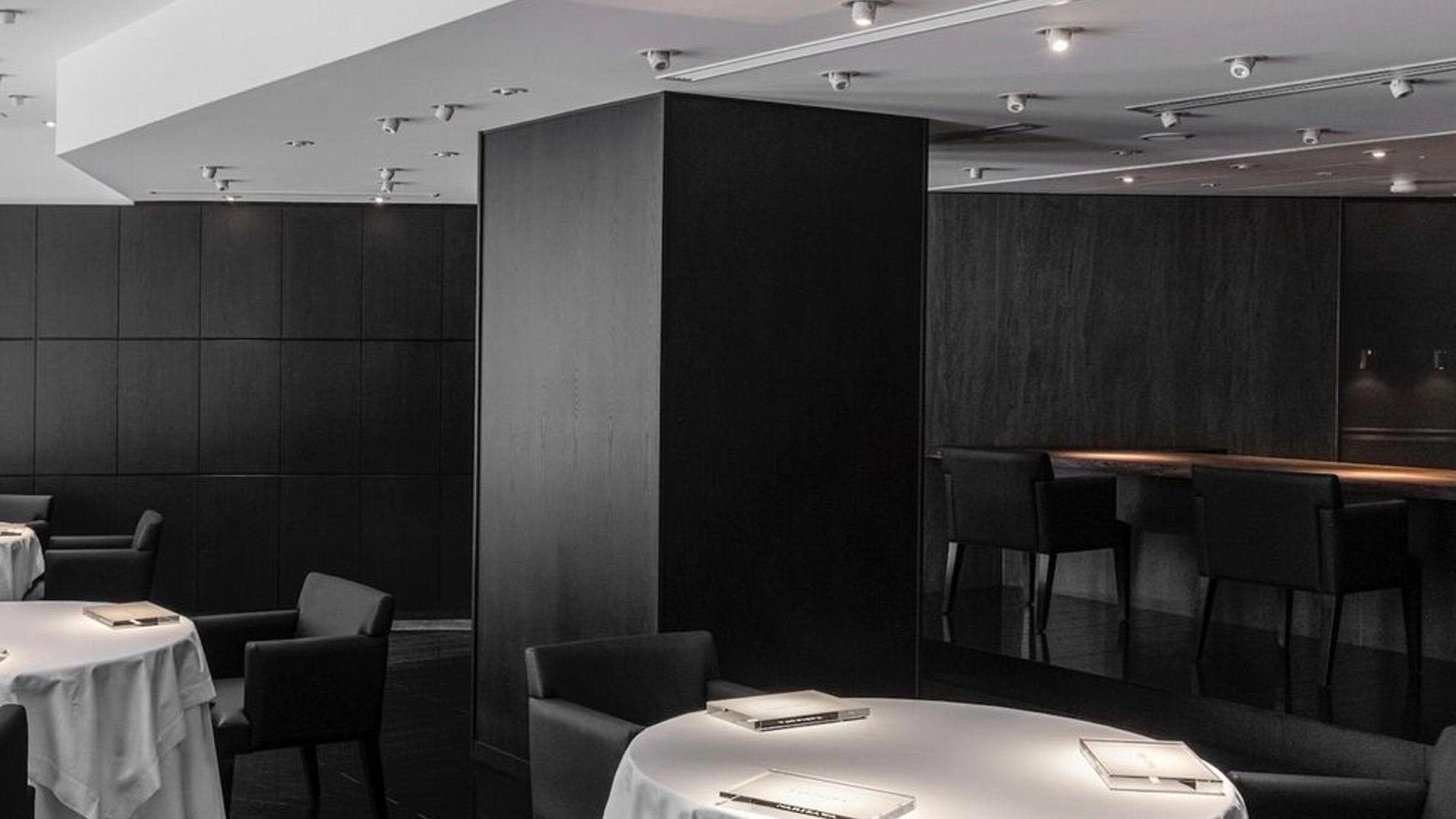
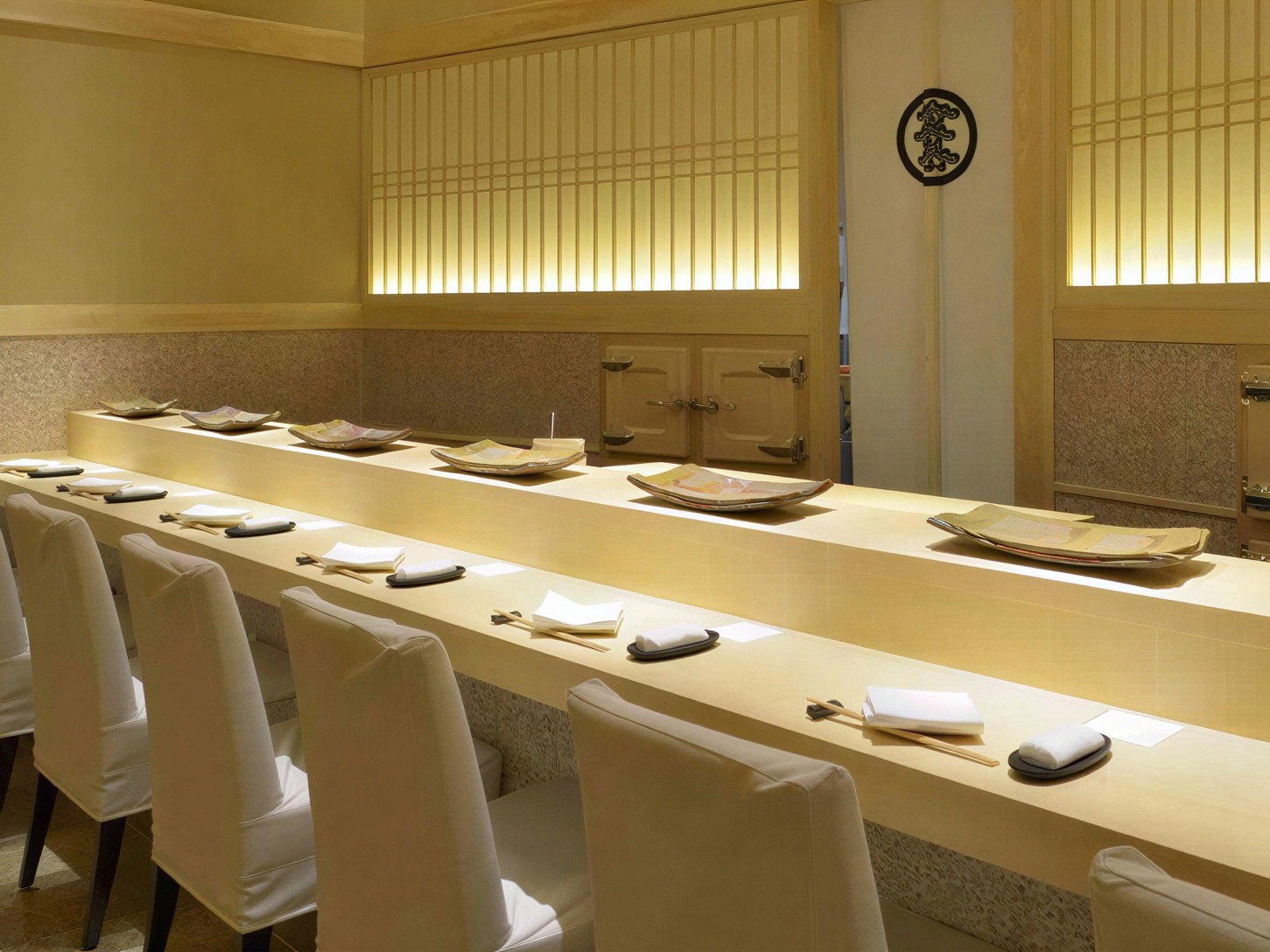
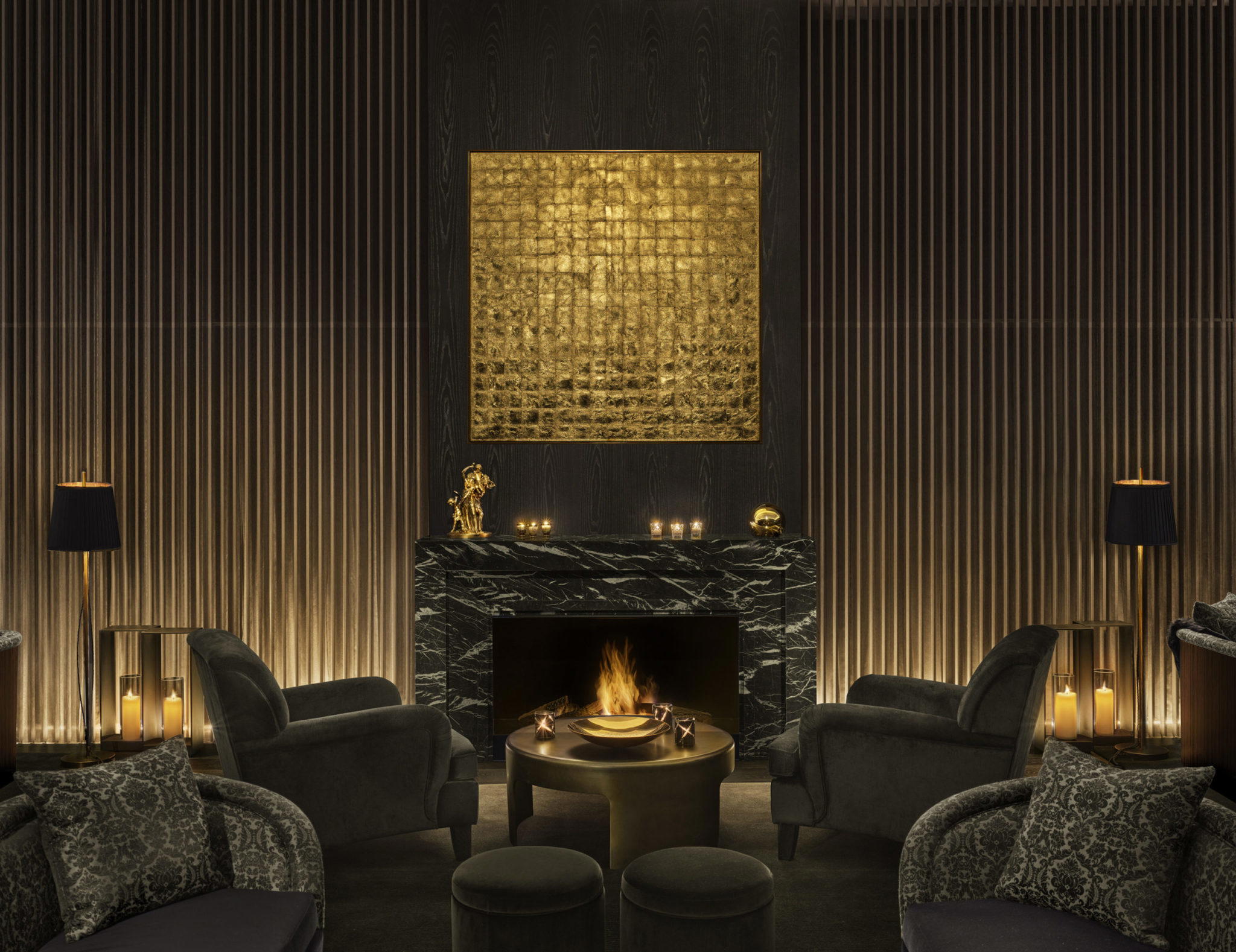
Calm and refined atmosphere with clean, bright interiors, beautiful Japanese tableware, and a sense of intimacy suitable for special occasions.