Kong Yiji occupies a hutong address in Shichahai, one of Beijing's most historically layered neighbourhoods, where the restaurant takes its name from a famous Lu Xun character associated with traditional scholarly culture. Positioned against Beijing's upper-tier Chinese dining circuit, it draws on the area's old-city atmosphere rather than the capital's newer restaurant districts. For visitors orienting themselves around classical Beijing, the Xicheng address is a deliberate signal.
Pearl is the En Primeur Club membership app — saves, bookings, and concierge access live there. Same editors, same standards.
- Address
- ç²2 Dongming Hu Tong, Shichahai, Xicheng District, Beijing, China, 100035
- Phone
- +861066184917
- Directions
- Get directions
 Saves & bookings on Pearl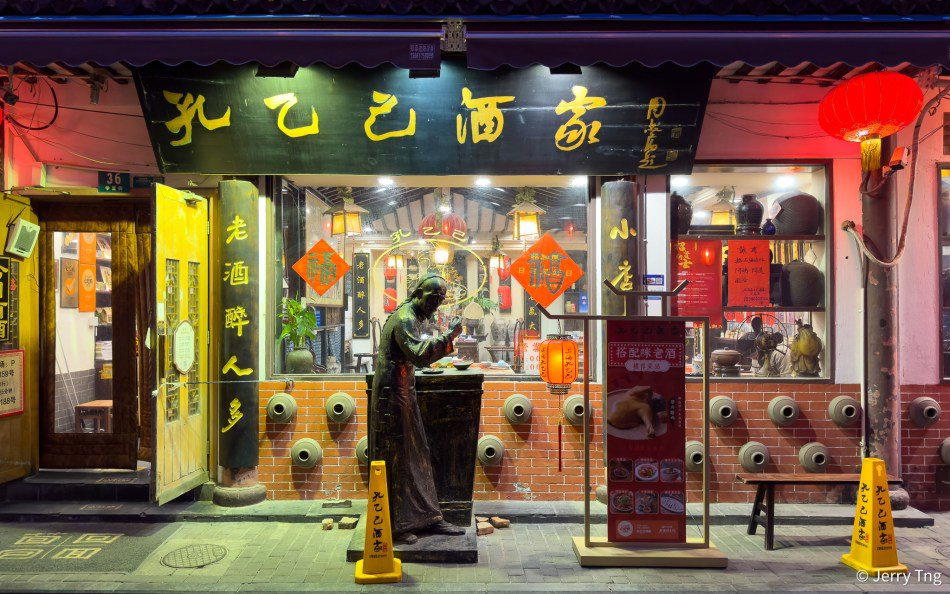
Shichahai and the Architecture of Old Beijing Dining
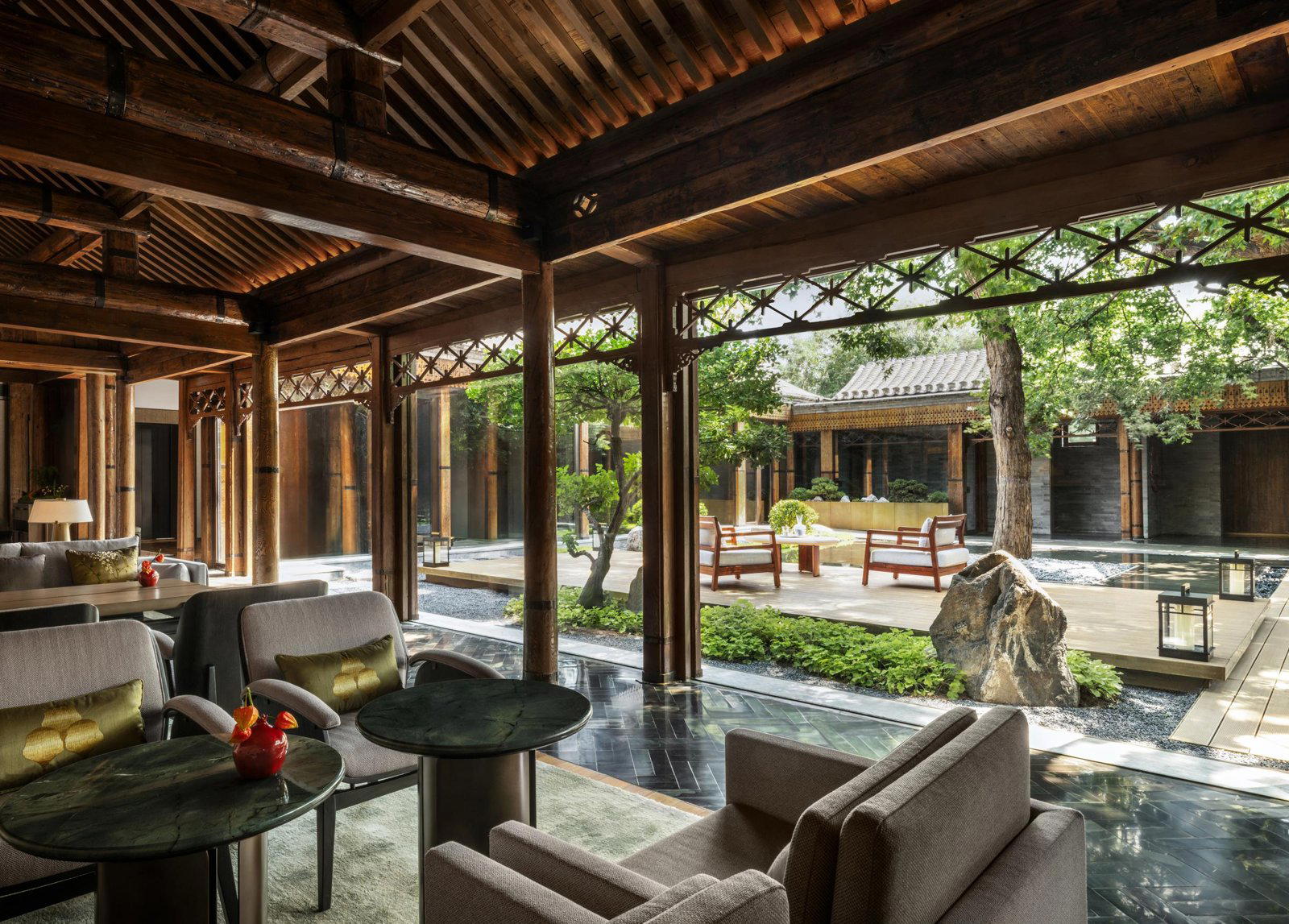
Kong Yiji is a restaurant in Beijing serving Traditional Zhejiang / Shaoxing Cuisine at about US$25 per person. But Xicheng District tells a different story. The hutong lanes radiating out from the Shichahai lake area preserve a physical fabric that no amount of renovation in the eastern districts can replicate: low grey-brick walls, willows at the water's edge, and the kind of ambient quiet that makes the capital feel genuinely old. Kong Yiji sits inside that context, at an address on Dongming Hutong, where the neighbourhood itself frames the dining experience before you reach the door.
Shichahai has long occupied a particular position in Beijing's cultural geography. The lakes, the drum and bell towers to the east, and the surrounding hutong grid were central to imperial-era social life, and that historical weight still registers. Restaurants that choose this address are making an editorial statement about what they want the experience to feel like. The contrast with the sleek room formats of, say, Jingji or the refined Taizhou cooking at Xin Rong Ji on Xinyuan South Road is not incidental. Location here is an argument.
The Literary Reference and What It Signals
The restaurant's name comes directly from Lu Xun's 1919 short story, in which Kong Yiji is a failed Confucian scholar, bookish and eccentric, who drinks rice wine standing at a tavern counter because he cannot afford the seated tables but refuses to abandon the habits of educated society. The reference is not decorative. It positions the restaurant in a specific register of Chinese cultural memory, one tied to scholar culture, the late Qing period, and the particular kind of melancholy that Lu Xun documented so precisely. For diners who know the source, the name sets an expectation: this is a place interested in a specific strain of Chinese tradition rather than pan-regional survey cooking or contemporary fusion formats.
That literary framing places the restaurant in a small category of Beijing restaurants where cultural identity is carried through name, setting, and atmosphere as much as through the menu. Compare that approach with the vegetarian program at King's Joy, which uses Buddhist aesthetic frameworks to build a similarly coherent sensory argument, or the Chao Zhou specialist positioning of Chao Shang Chao in Chaoyang. Each is making a case for a particular culinary tradition. The restaurant's case is rooted in the old city itself.
The Hutong Setting in Practice
Dongming Hutong is a narrow lane, and arriving on foot from Shichahai gives the approach a character that a restaurant inside a shopping mall or hotel tower simply cannot manufacture. The shift in scale from the main roads to the hutong grid is abrupt: noise drops, the pedestrian pace slows, and the visual register changes completely. This is consistent with a broader pattern across Beijing's older dining addresses, where the journey through the neighbourhood is part of what a restaurant is selling.
The area's evening atmosphere changes seasonally. In summer, the lakeside is animated late into the night, with food stalls and bars running along the water's edge. In winter, the hutong quietens considerably, and the experience of arriving through a cold, near-empty lane has its own appeal.
Placing Kong Yiji Against Beijing's Broader Scene
Beijing's upper-tier Chinese dining circuit now includes a number of restaurants that have staked out regionalist identities, from the Taizhou precision cooking at Xin Rong Ji to the plant-based rigor at Lamdre. Against that backdrop, a restaurant taking its cues from old-city hutong culture and a Lu Xun character occupies a somewhat different register, less concerned with technical regionalism and more with atmosphere, tradition, and a particular vision of Chinese scholarly life. This is not a universal approach, but it reflects a real strand in Beijing dining culture where historical setting and cultural reference do substantial work.
The comparison extends beyond Beijing. Across mainland China, restaurants with strong literary or historical identities have built loyal followings in cities where the pace of development has made historical continuity feel scarce. 102 House in Shanghai operates in a loosely comparable register, drawing on Shikumen architecture and pre-liberation Shanghai atmosphere. Ru Yuan in Hangzhou situates itself within classical Jiangnan aesthetics. The instinct, across these examples, is the same: to use physical setting and cultural reference as primary tools for differentiation in markets where technical cooking quality alone no longer separates the top tier. For additional reference points across the region, the programs at Imperial Treasure Fine Chinese Cuisine in Guangzhou, Dai Yuet Heen in Nanjing, Dingshan Jiangyan in Suzhou, Fleurs Et Festin in Xiamen, Jiangnan Wok Rong in Fuzhou, Shang Palace in Yangzhou, Xin Rong Ji in Chengdu, and Chef Tam's Seasons in Macau each illustrate how different cities are constructing premium Chinese dining identities. The contrast with technically intensive Western fine dining formats like Le Bernardin in New York or the Korean tasting counter model at Atomix underlines how place-specific these Chinese restaurant identities tend to be.
Planning Your Visit
The restaurant's Dongming Hutong address places it in a neighbourhood leading explored on foot, and combining a visit with an evening walk around the Shichahai lakes is the natural approach. The hutong grid around the restaurant is tight and not easily navigated by car at peak times; arriving slightly before your reservation avoids the congestion common on summer and autumn evenings. Reservations are recommended, and the restaurant is open daily from 11 AM to 4 PM and 5 PM to 9:30 PM. Given the area's popularity with both local and visiting diners, particularly in the warmer months, early planning is advisable rather than assuming walk-in availability.
The Short List
Comparable venues nearby, for context on price, style, and recognition.
| Venue | Cuisine | Price | Notes |
|---|---|---|---|
| Kong YijiThis venue — the venue you are viewing | Not listed | $$ | Not listed |
| 丽æå¡å°é¡¿é åºçé¤å | Balizhuang, chinese | Not listed | Not listed |
| Din Tai Fung | Sanlitun, Taiwanese Soup Dumplings | $$ | Not listed |
| 采逸轩 | Sanlitun, chinese | $ | Not listed |
| Quanjude Roast Duck Restaurant | Wangfujing, Traditional Peking Duck | $$$ | Not listed |
| FuRong Hu'nan Cuisine by Rong | Not listed | $$$ | Xicheng, Upscale Hunan cuisine by Xin Rong Ji |

At a Glance
- Elegant
- Classic
- Cozy
- Intimate
- Well Known
- Date Night
- Group Dining
- Special Occasion
- Private Dining
- Garden
- Sake Program
- Garden
Current opening hours
- Monday
- 11 AM–4 PM, 5–9:30 PM
- Tuesday
- 11 AM–4 PM, 5–9:30 PM
- Wednesday
- 11 AM–4 PM, 5–9:30 PM
- Thursday
- 11 AM–4 PM, 5–9:30 PM
- Friday
- 11 AM–4 PM, 5–9:30 PM
- Saturday
- 11 AM–4 PM, 5–9:30 PM
- Sunday
- 11 AM–4 PM, 5–9:30 PM
Hours can change for holidays and private events. Last verified .
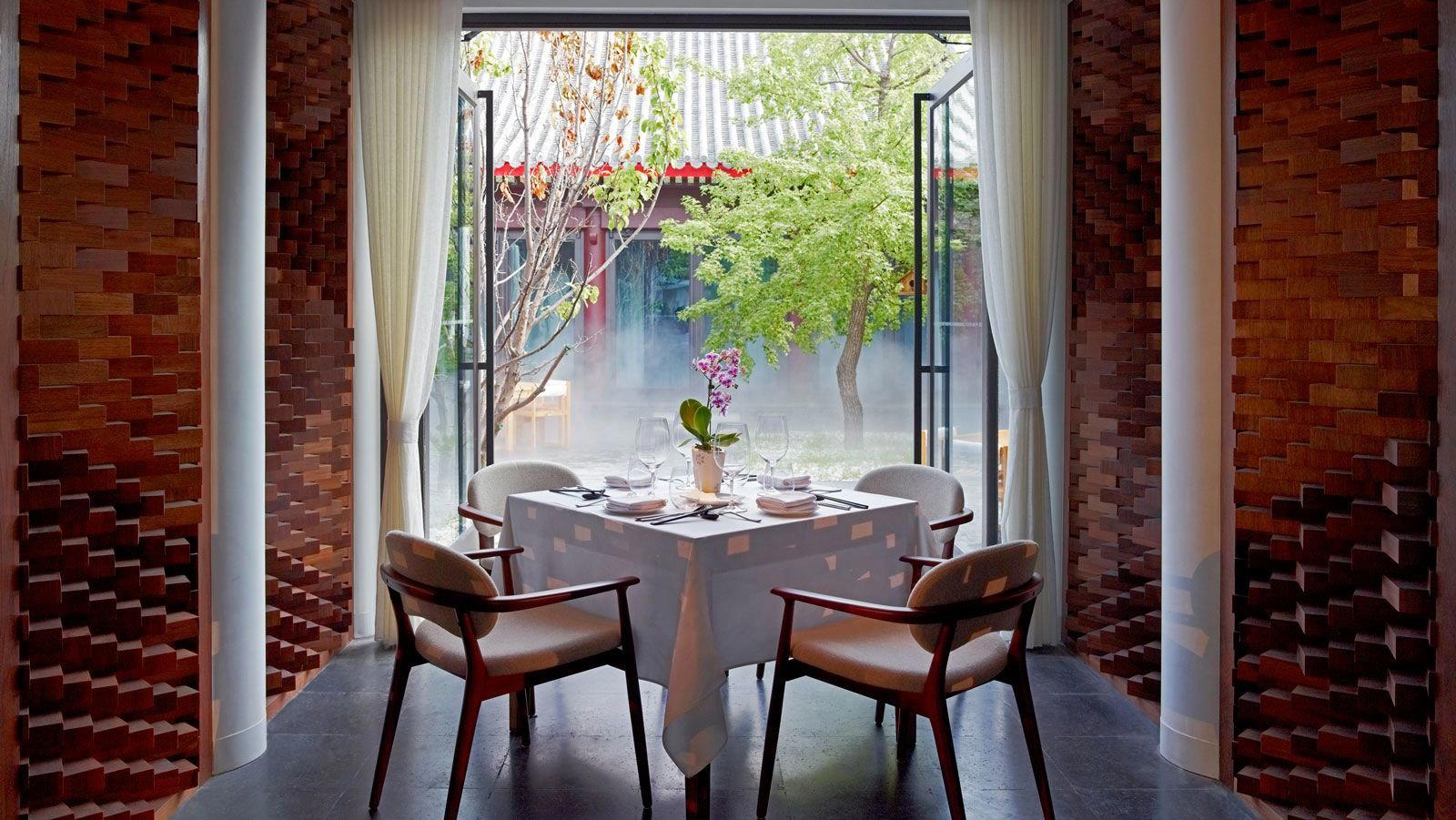
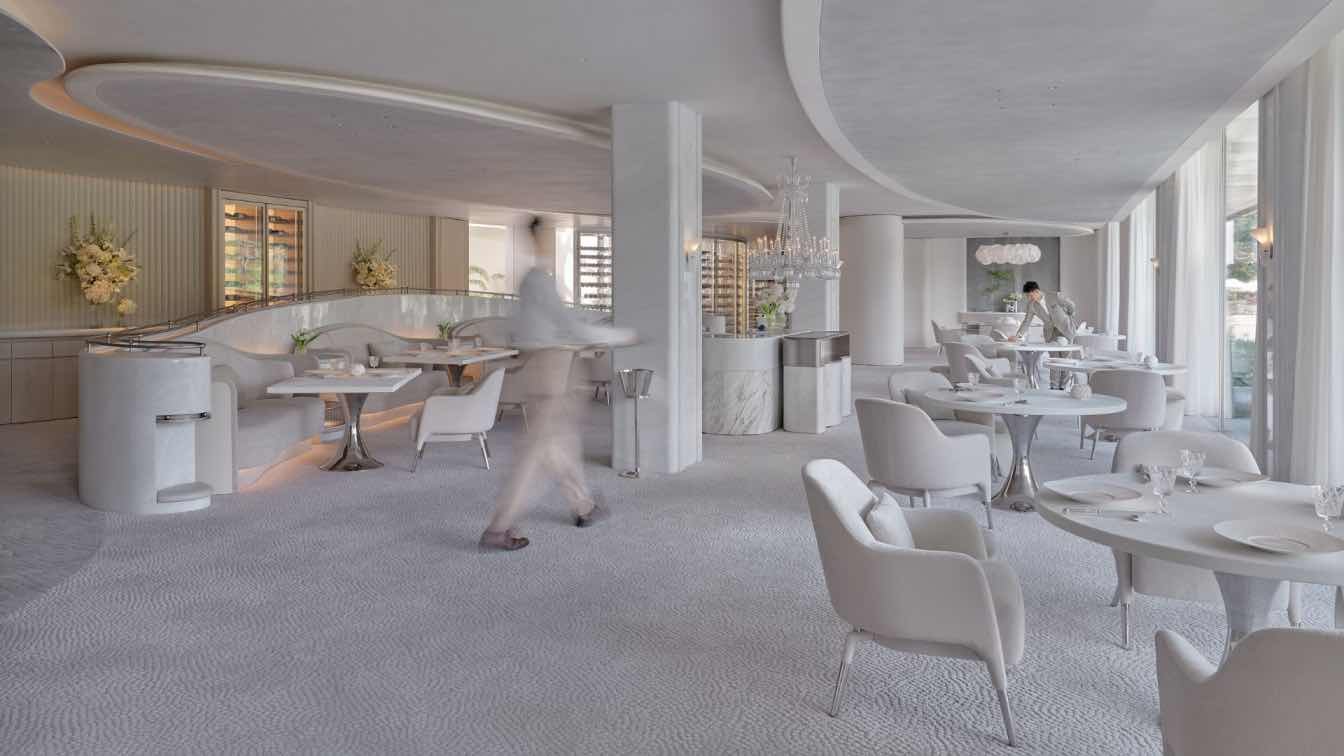
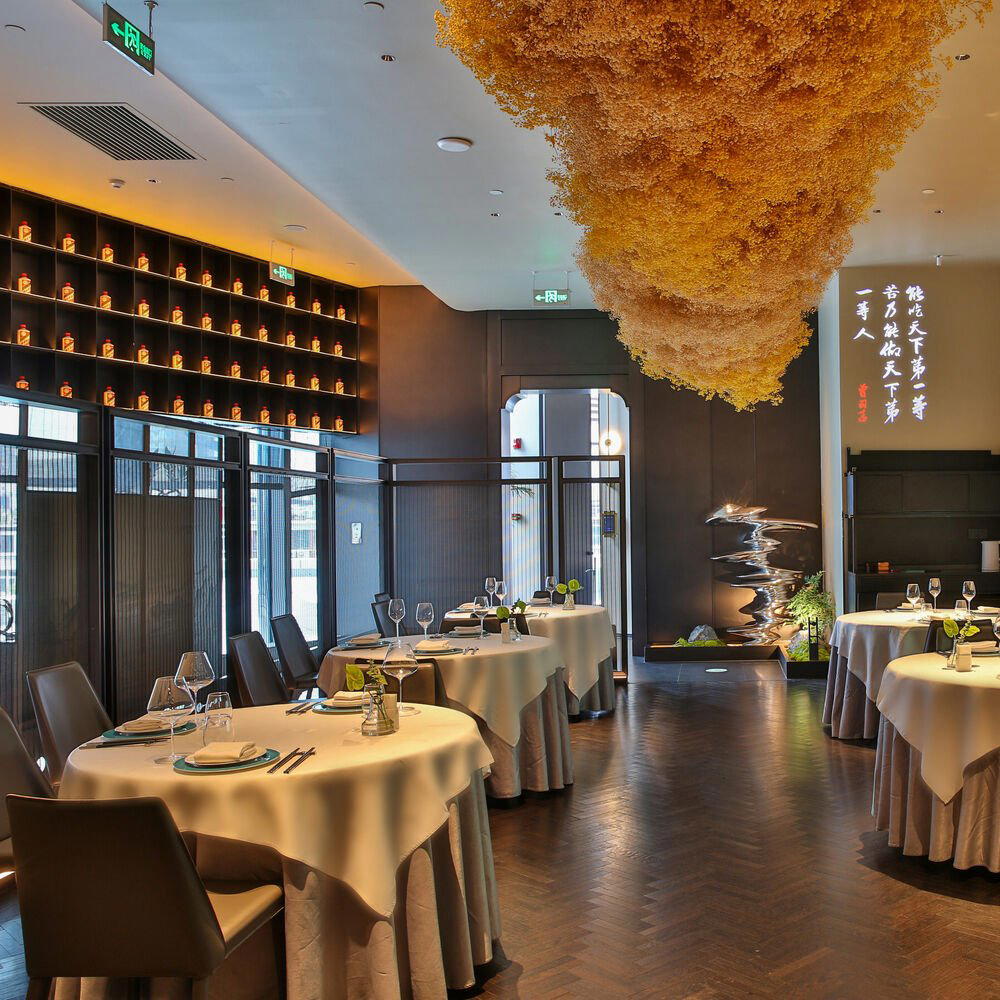
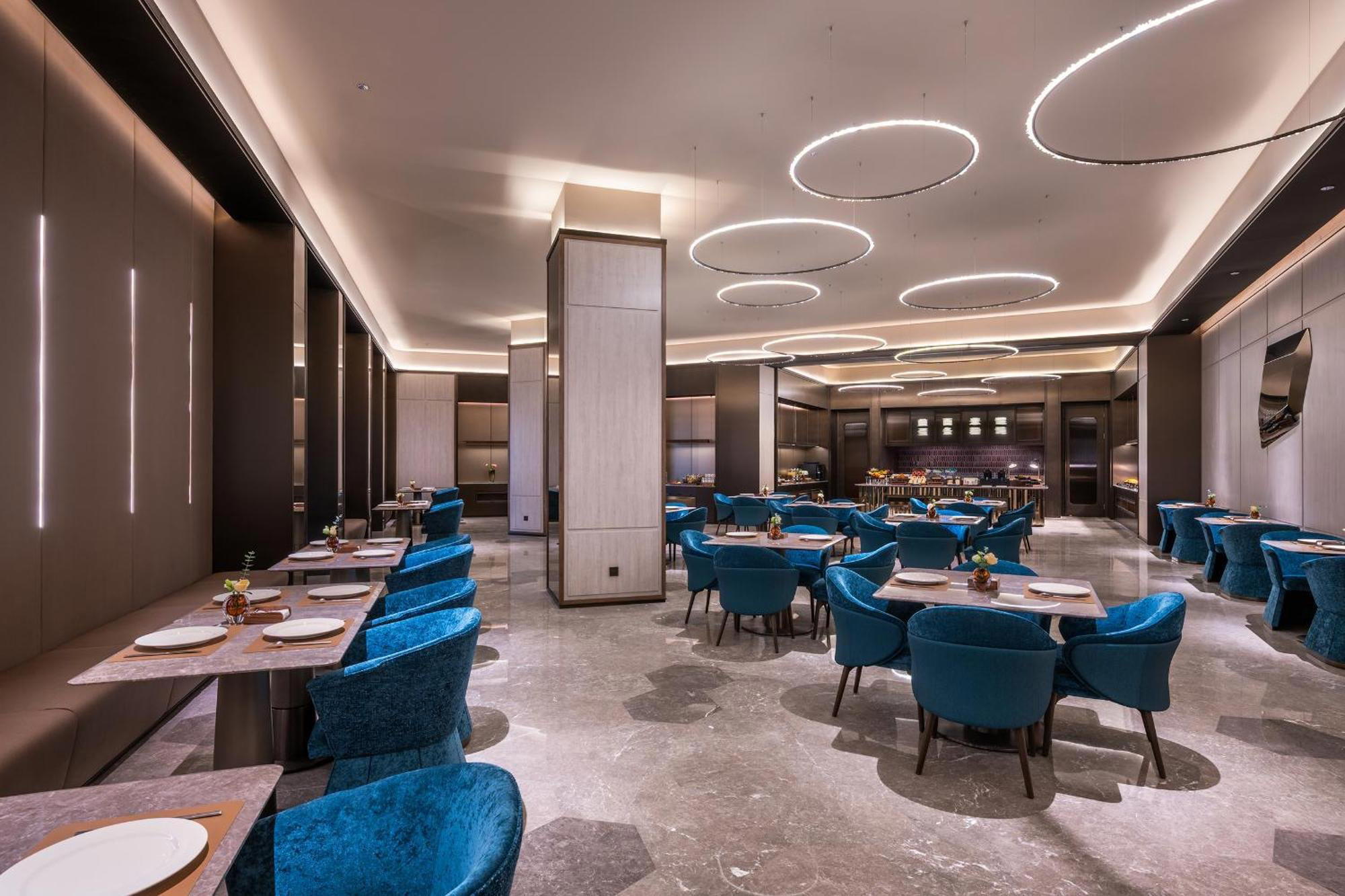
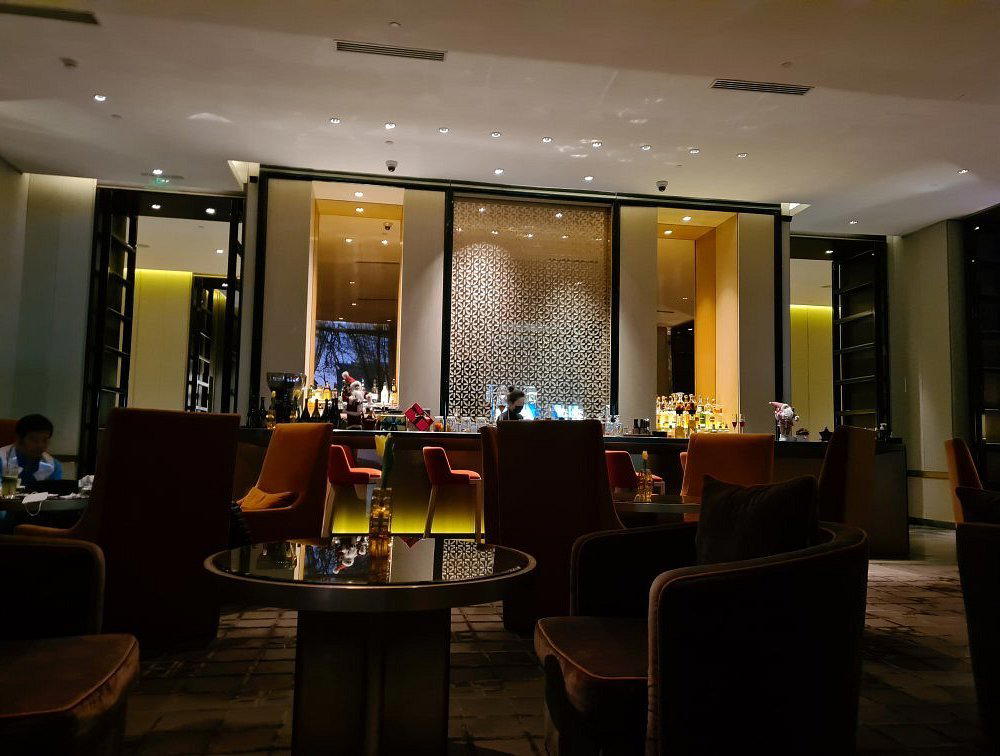
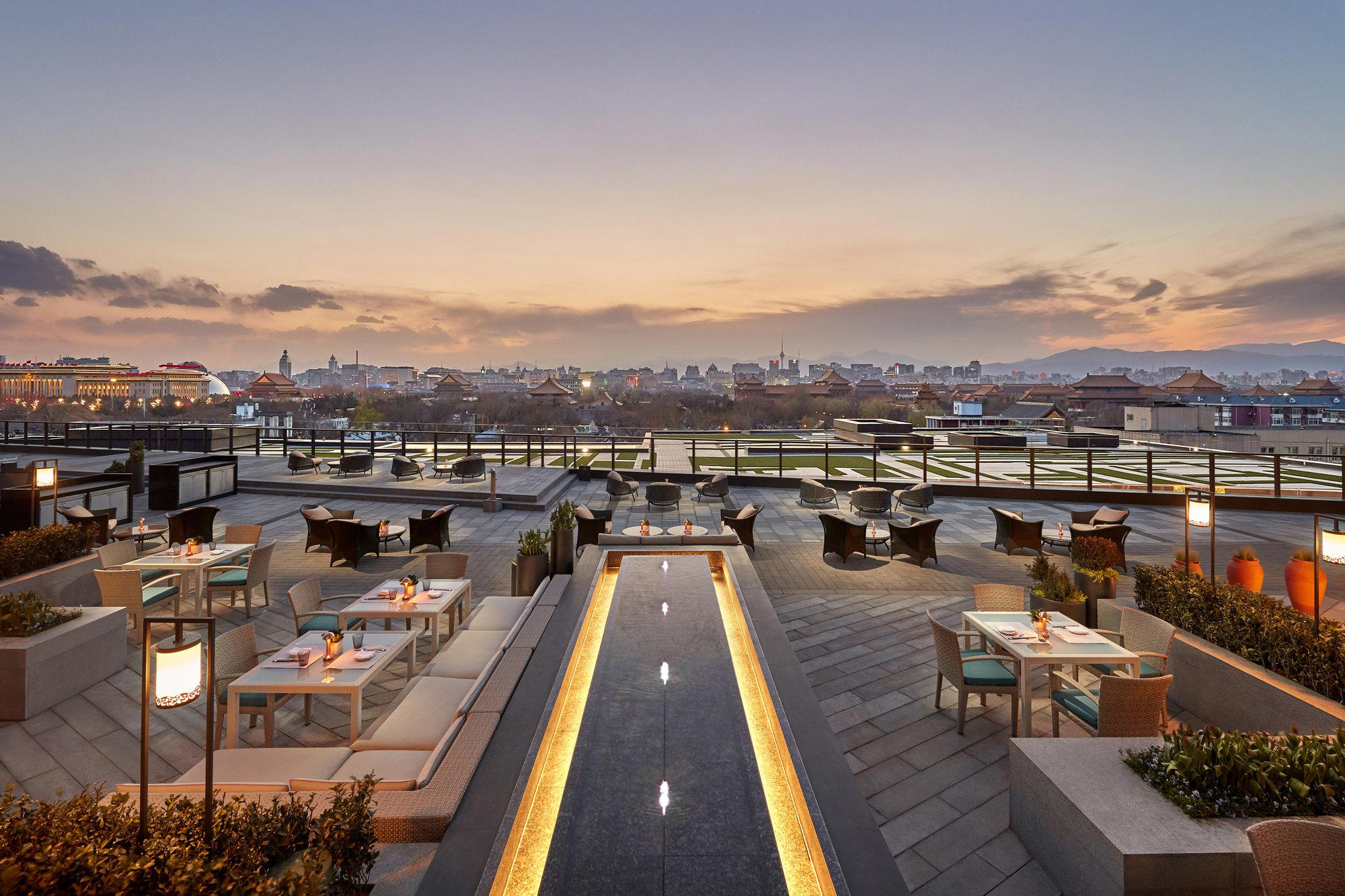
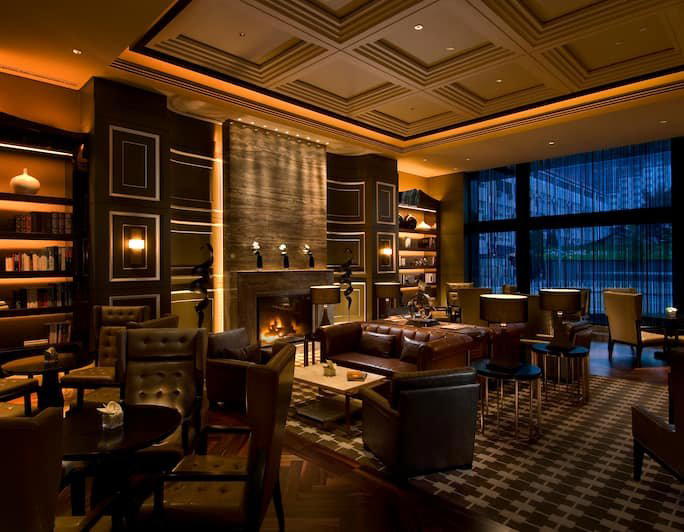
Elegant old-world charm with wooden bookshelves, hanging calligraphy scrolls, antique furniture, porcelain tableware, and a bamboo grove pathway.