Wang Mester occupies a quiet stretch of Gizella út in Budapest's 14th district, operating at a remove from the city's more trafficked dining corridors. The address places it in neighbourhood territory rather than tourist circuits, which tends to shape both the crowd and the kitchen's priorities. For those tracking Budapest's broader restaurant scene, it represents the kind of local institution that anchors residential dining rather than chasing international recognition.
Pearl is the En Primeur Club membership app — saves, bookings, and concierge access live there. Same editors, same standards.
- Address
- Budapest, Gizella út 46/A, 1143 Hungary
- Phone
- +36704195603
- Website
- kinaikonyha.hu
- Directions
- Get directions
 Saves & bookings on Pearl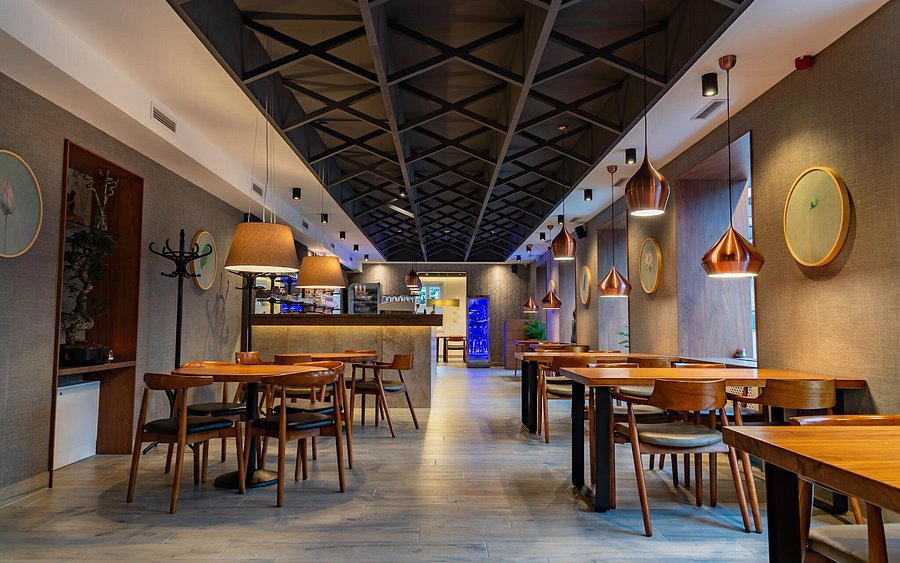
A Neighbourhood Anchor in Budapest's 14th District
Budapest's dining geography has long been read through its central districts: the Michelin-decorated rooms of the 5th, the wine-forward kitchens of the 1st, the brasserie stretch of the 7th. The 14th district, by contrast, operates on a different register. Gizella út is a residential artery, its rhythm set by local habit rather than tourism infrastructure, and the restaurants that survive here do so by earning the sustained loyalty of the people who live within walking distance. Wang Mester, at number 46/A, is an Authentic Sichuan Chinese restaurant: a place that does not rely on passing footfall or platform visibility to fill its room.
That geographic positioning matters for how the kitchen is likely oriented. Venues embedded in residential Budapest tend to track seasonal availability and supplier relationships more closely than their downtown counterparts, where menu engineering can take precedence over ingredient logic. The sourcing question, where does the food come from and why does that matter, is often answered more directly in a neighbourhood context, because the customer base returning week after week demands consistency that reliable supply chains can support.
Ingredient Logic and the Hungarian Larder
Hungary's agricultural geography gives kitchens here access to a larder that remains underappreciated in international food conversation. The Great Plain produces paprika in varieties that range from sweet and mild to intensely pungent, and the distinction between industrially processed and small-farm dried versions is audible in the finished dish. The Tokaj-Hegyalja region anchors one end of the country's wine and preserve culture; the Balaton uplands supply stone fruit, freshwater fish, and dairy traditions that predate modern hospitality by centuries. A kitchen on Gizella út has the option to draw on all of this without the freight costs or intermediary layers that complicate sourcing for export-facing restaurants.
This matters in context. Budapest's most decorated dining rooms, among them Stand and Babel, both operating at the €€€€ tier with Modern Cuisine frameworks, have built their reputations partly on precisely this regional sourcing argument, presenting Hungarian ingredients inside technically rigorous tasting formats. Borkonyha Winekitchen has taken a wine-first approach to the same larder at €€€. What neighbourhood restaurants like Wang Mester contribute to this picture is a version of the same ingredient conversation conducted without the formal architecture: no amuse-bouche sequences, no sommelier-led pairing menus, just the produce in more direct form.
Where Wang Mester Sits in Budapest's Dining Tier Structure
Budapest's restaurant market has stratified considerably over the past decade. At the leading end, venues like Costes and essência compete at €€€€ price points against the city's Michelin-starred cohort. Below that, a mid-tier of contemporary and wine-kitchen formats has expanded, often anchored in the inner districts. The neighbourhood tier, which includes addresses like Wang Mester, operates with different economics and different success criteria. The measure here is not critical recognition or platform ranking but functional embeddedness: whether the place is full on a Tuesday, whether the same tables return monthly, whether the kitchen has a relationship with the people eating in the room.
That embeddedness is harder to build than a starred review and, in some respects, more durable. Residential restaurants in European cities often outlast their more celebrated contemporaries because they are not exposed to the same trend cycles or dependency on tourism volume. The 14th district's version of this dynamic places the restaurant in a cohort of addresses that deserve attention from anyone interested in how Budapest eats when it is feeding itself rather than performing for visitors.
Beyond Budapest: Regional Eating in Context
Travellers using Budapest as a base for wider Hungarian exploration will find that the sourcing logic evident in the city's better neighbourhood restaurants extends and intensifies outside the capital. Platán Gourmet in Tata operates in a town where the relationship between kitchen and local supply is geographically compressed. Pajta in Őriszentpéter works within one of Hungary's more remote agricultural zones, where ingredient availability is a structural condition rather than a marketing posture. BoriMami in Gyöngyös sits at the edge of the Mátra wine region, where food and local viticulture are in close proximity.
Further afield, Forst-Ház Étterem és Kávézó in Eger operates in a city whose wine identity shapes what appears on local tables. Aranysárkány Vendéglő in Szentendre, just north of Budapest on the Danube bend, represents the kind of destination-village dining that draws city residents on weekends. Across the south and east, Classic Grill Serbian Restaurant Underground in Szeged and Fiume Étterem in Bekescsaba District trace the cross-border culinary influences that define Hungary's southeastern corridor. For readers building a broader picture of Hungarian eating, Apicius Étterem és Kávéház in Herend and Astro Tea and Kávéház in Gyor round out the geography. Almalomb in Hosszúhetény offers a rural Mecsek foothills perspective that is rarely covered in Budapest-centric editorial.
For comparison points that operate at the technically precise end of the sourcing conversation internationally, Le Bernardin in New York City represents the model of ingredient integrity refined into fine dining architecture, while Atomix in New York City shows how a kitchen can foreground cultural sourcing logic within a tasting format. These references are not direct comparisons to the restaurant but illustrate the spectrum along which any sourcing-led kitchen can be understood.
Planning a Visit
The restaurant is at Gizella út 46/A in Budapest's 14th district, reachable by metro or tram from the city centre. Reservation is recommended.
In Context: Similar Options
Comparable venues nearby, for context on price, style, and recognition.
| Venue | Cuisine | Price | Notes |
|---|---|---|---|
| Wang MesterThis venue — the venue you are viewing | Authentic Sichuan Chinese | $$ | Not listed |
| Fat Mama | Hungarian BBQ Gastropub | $$ | Belvaros |
| Leila's Authentic Lebanese Cuisine | Authentic Lebanese Cuisine | $$ | Belvaros |
| Indigo Indiai Étterem | Authentic Indian | $$ | Terézváros |
| Belvárosi Disznótoros - Király utca | Traditional Hungarian Grilled Meats and Sausages | $$ | Belvaros |
| Bangkok Thai | Authentic Thai | $$ | Belvaros |
Continue exploring
More in Budapest
Restaurants in Budapest
Browse all →
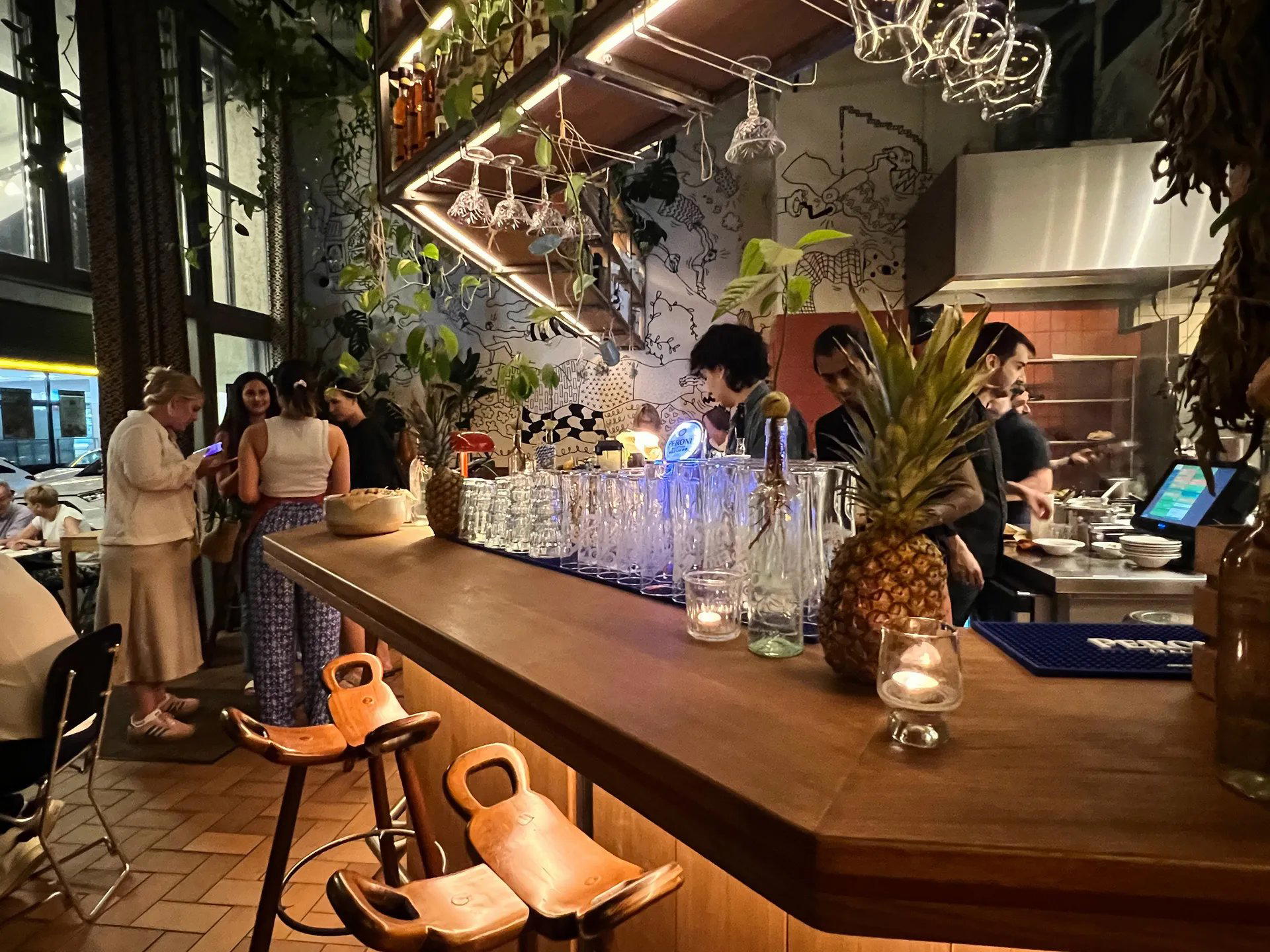
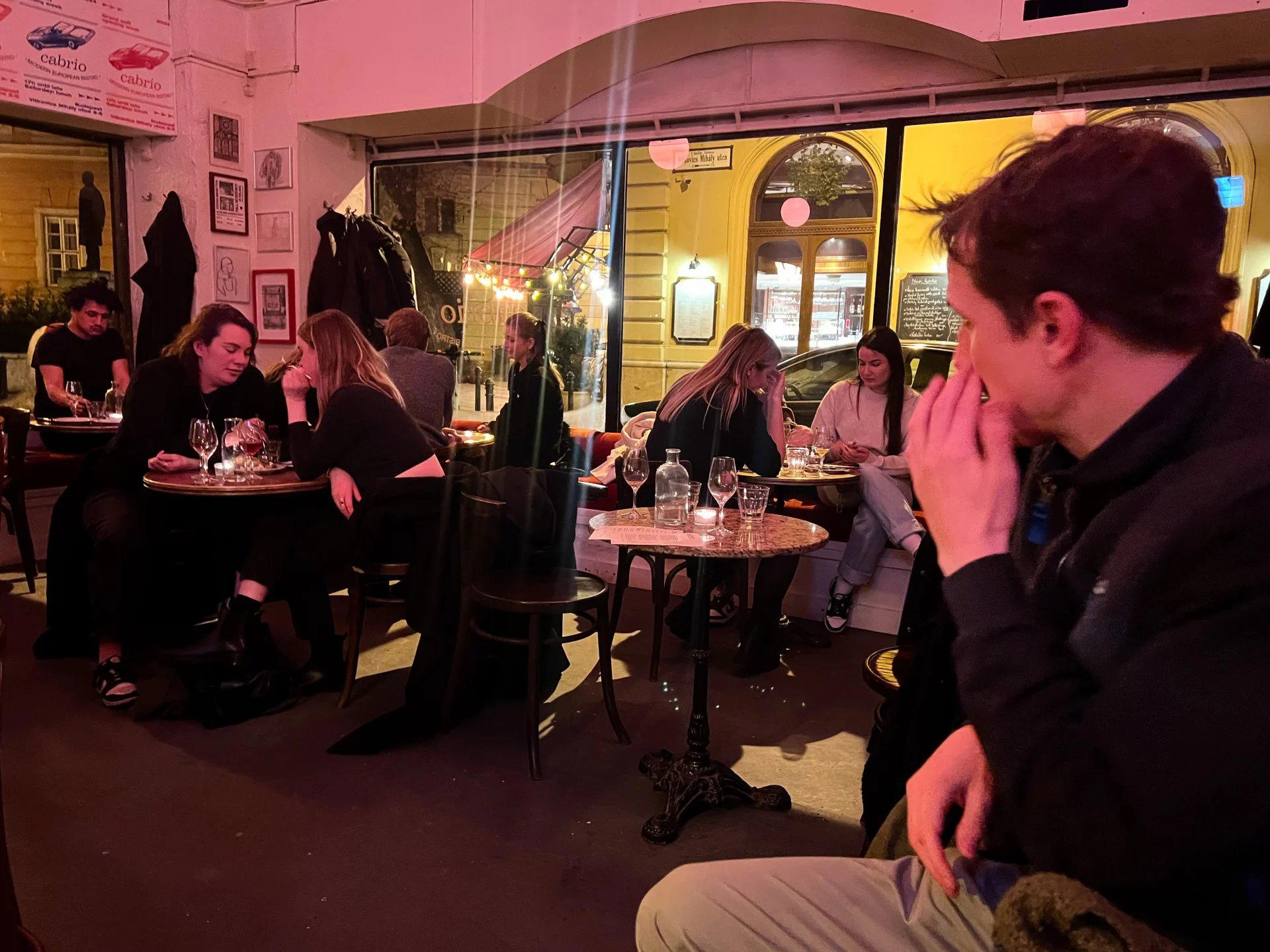
Bars in Budapest
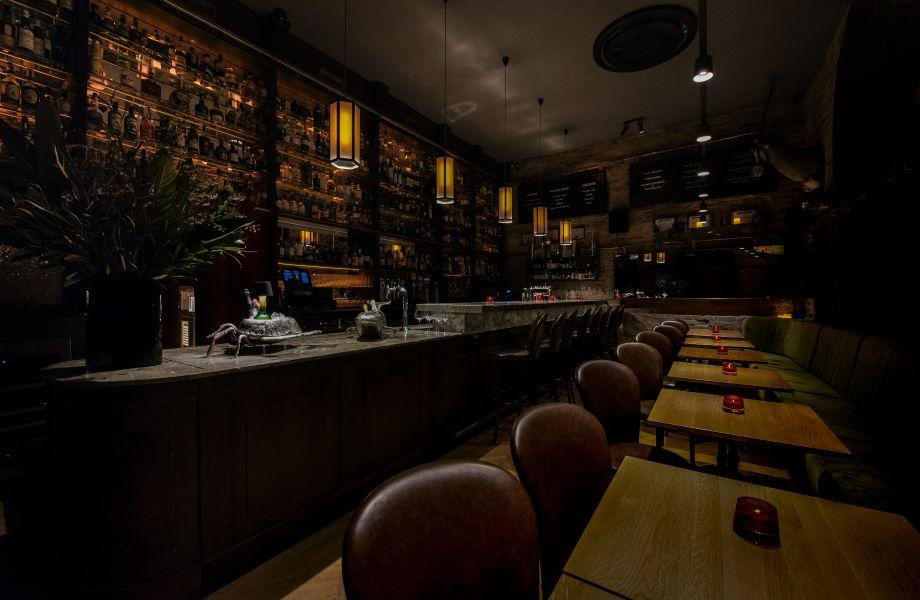
Browse all →
Hotels in Budapest
Browse all →

At a Glance
- Cozy
- Elegant
- Family
- Group Dining
- Date Night
- Open Kitchen
Current opening hours
- Monday
- 12–10 PM
- Tuesday
- 12–10 PM
- Wednesday
- 12–10 PM
- Thursday
- 12–10 PM
- Friday
- 12–10 PM
- Saturday
- 12–10 PM
- Sunday
- 12–9 PM
Hours can change for holidays and private events. Last verified .
Beautiful interior with handmade wooden furniture, distinctive frescos, and carefully selected design accessories creating an oriental atmosphere.