Almalomb
Our verdict
Almalomb sits in the village of Hosszúhetény at the foot of the Mecsek hills, placing it within one of Hungary's quieter but increasingly watched rural dining corridors. The address — Ormándi utca 19 — signals a deliberate distance from urban restaurant circuits, a choice that shapes both what arrives on the plate and how the meal is paced. For the EP Club guide to this region, see our full Hosszuheteny restaurants guide.

Pearl is the En Primeur Club membership app — saves, bookings, and concierge access live there. Same editors, same standards.
- Address
- Hosszúhetény, Ormándi u. 19, 7694 Hungary
- Phone
- +3672793680
- Website
- almalomb.hu
- Directions
- Get directions
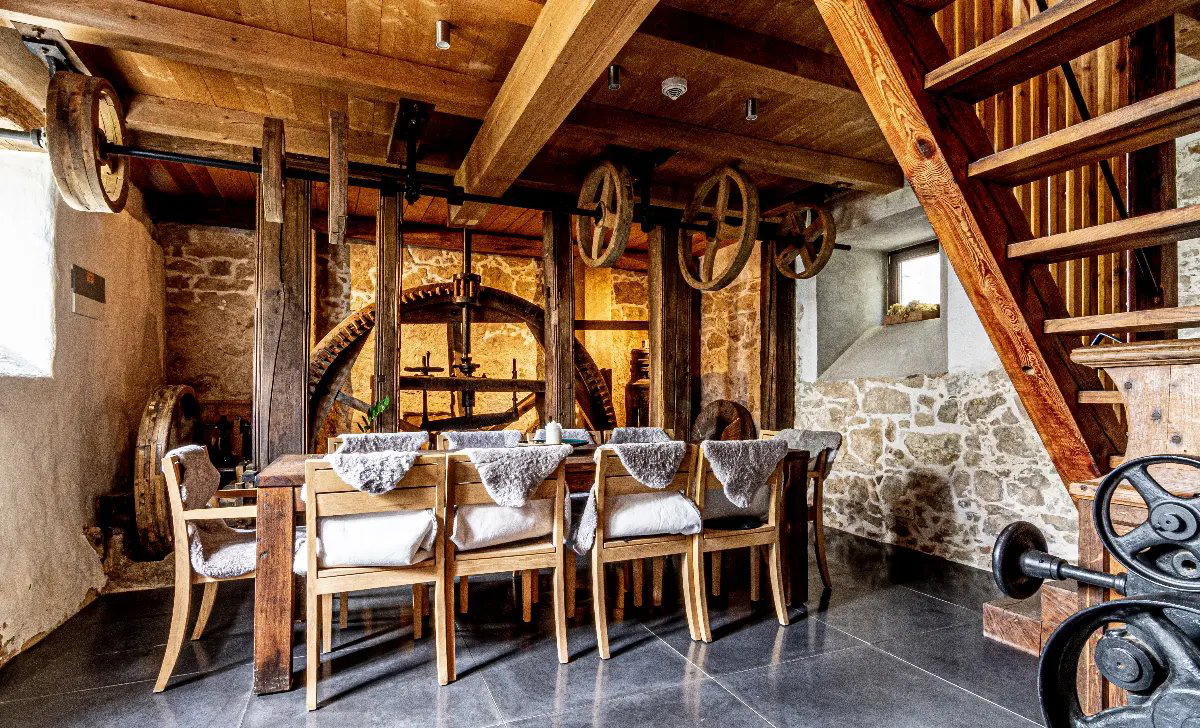
Mecsek Country and the Case for Eating Far From the City
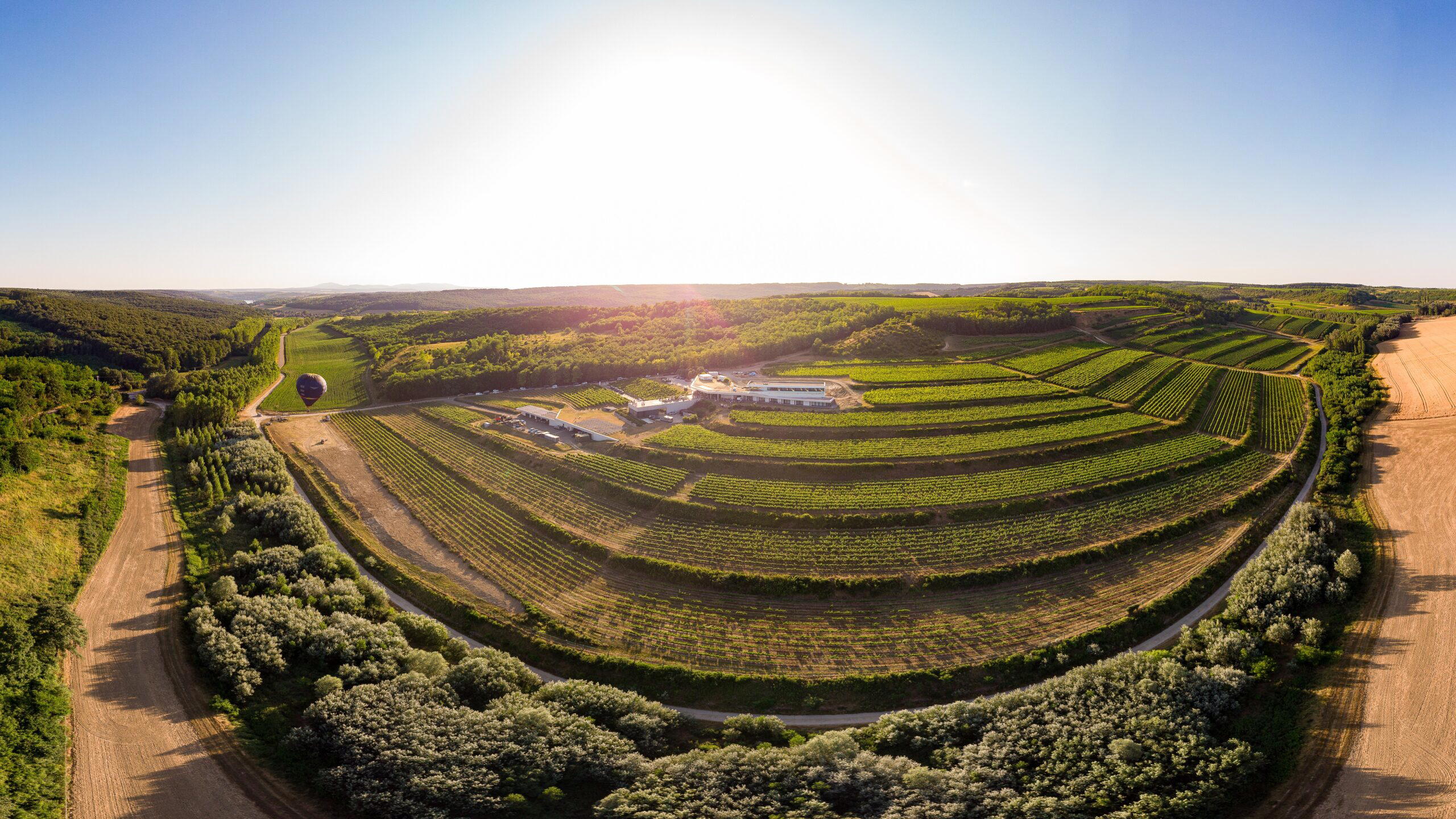
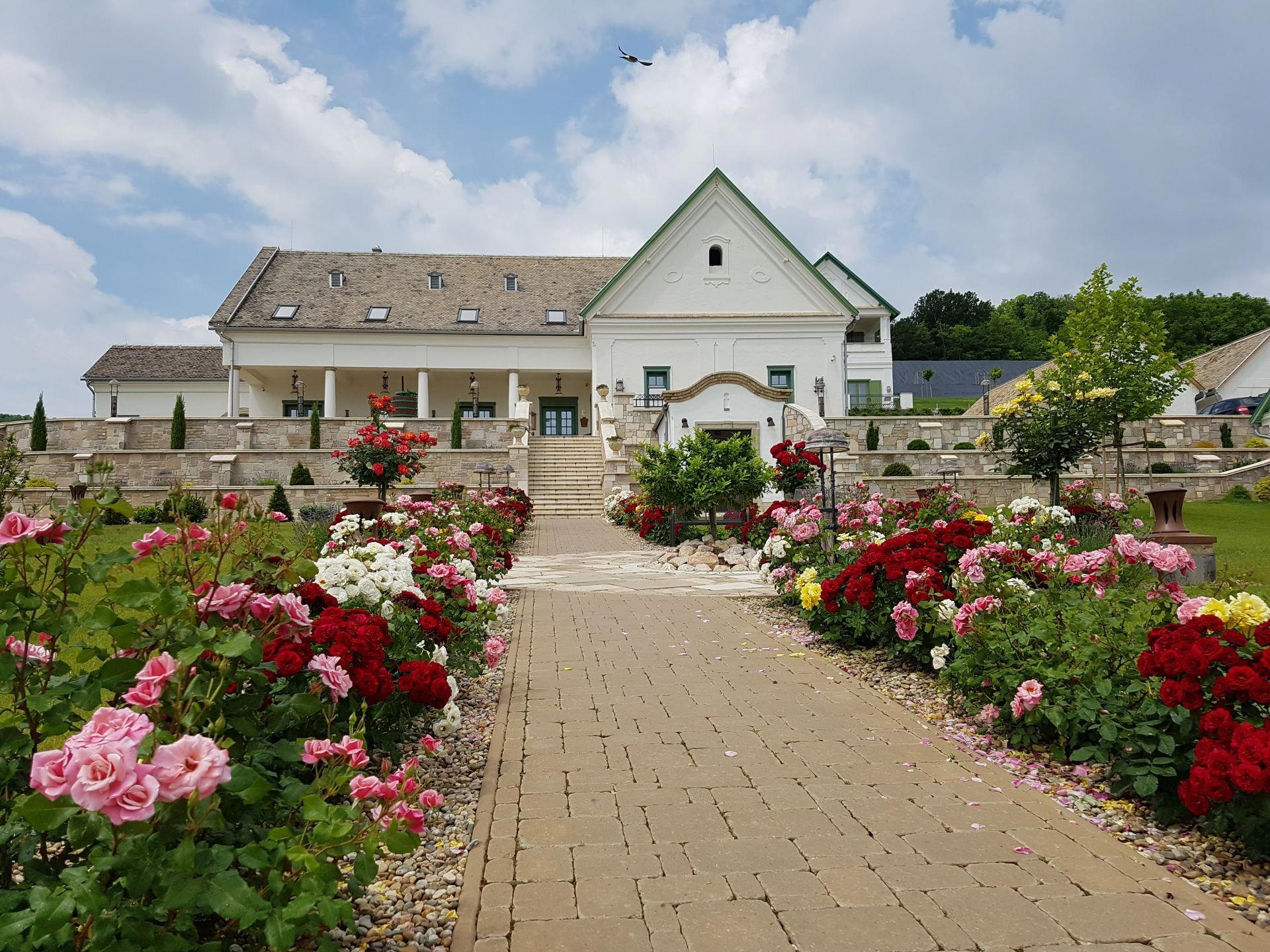
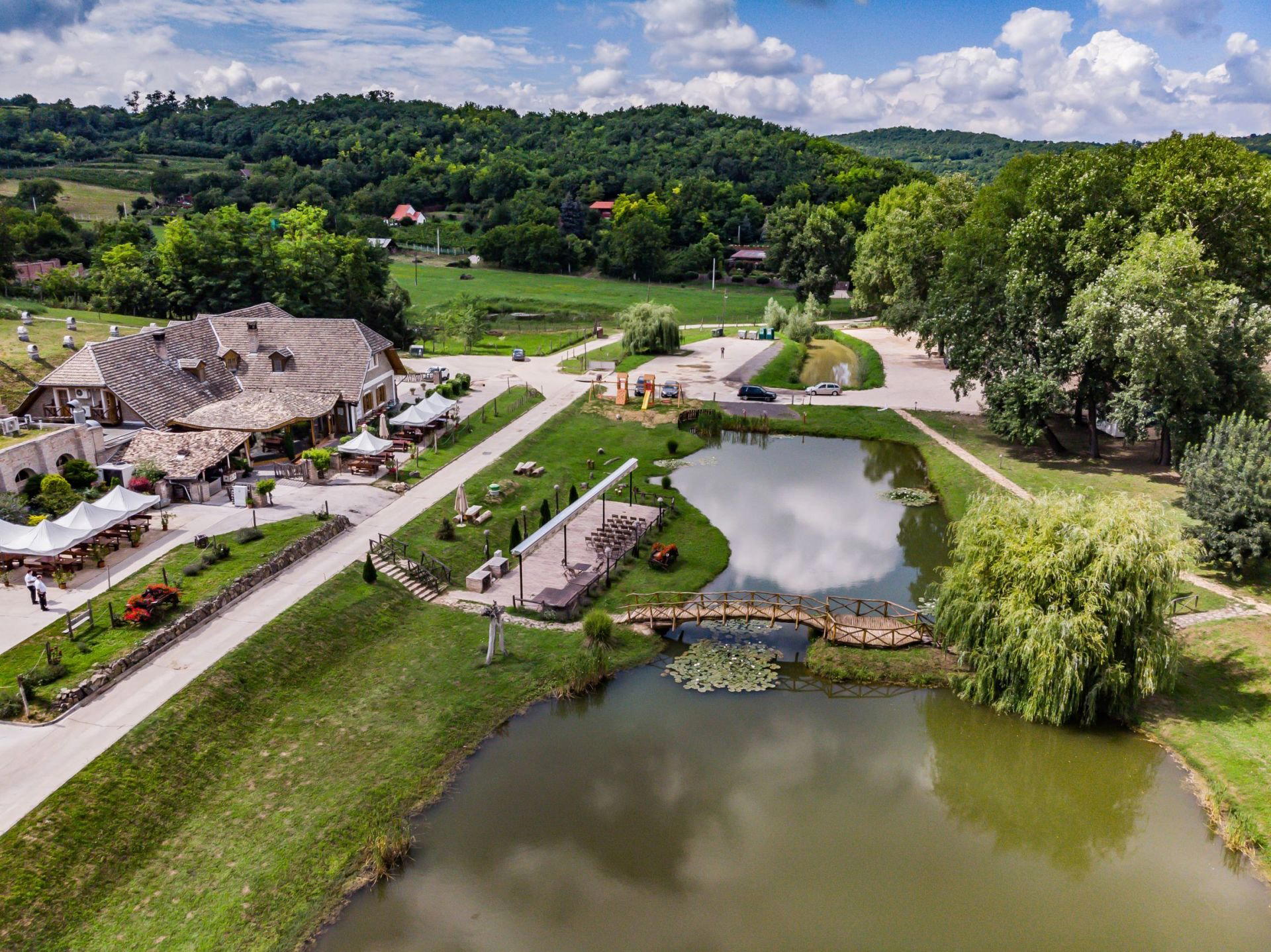
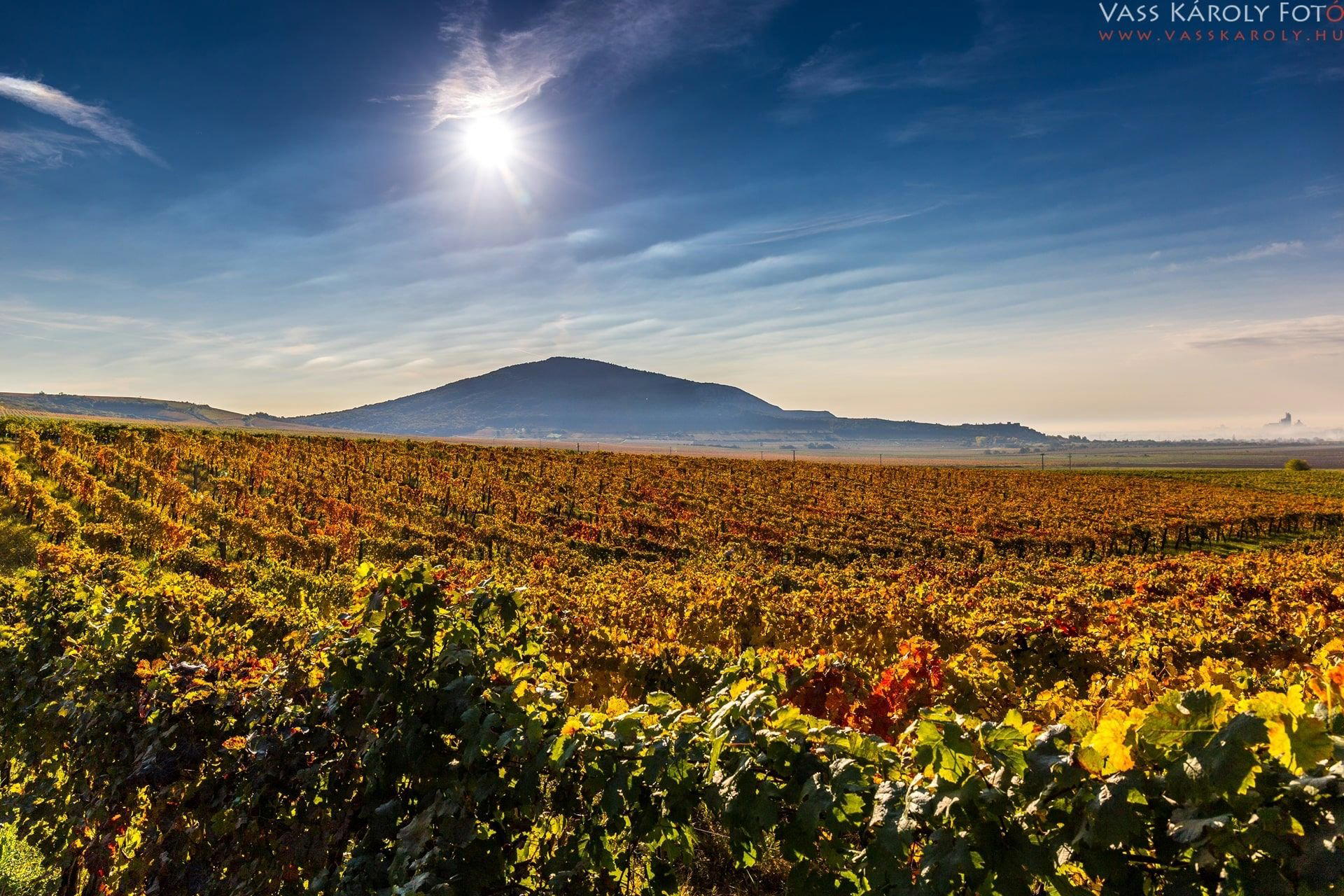
Hungary's most discussed restaurant addresses have long clustered in Budapest or along the Balaton shore, but a quieter pattern has been forming in the villages south of the Mecsek range. Hosszúhetény, a small settlement in Baranya County roughly 15 kilometres northeast of Pécs, sits inside a corridor where local producers, wine growers, and a handful of kitchens have been building something that owes little to urban trends. Almalomb, on Ormándi utca in the upper part of the village, is one address that draws visitors into this pattern. The setting itself — stone walls, garden, the kind of stillness that only arrives when a kitchen is genuinely far from a city — frames the meal before any food appears.
This is the Hungary that exists beyond Stand in Budapest or the capital's tasting-menu circuit. The logic here is different: proximity to raw material matters more than proximity to a critic, and the rhythm of the plate follows what the surrounding land produces rather than what a metropolitan audience expects. That shift in logic is not incidental. It defines the category of dining that villages like Hosszúhetény have begun to represent within Hungary's wider food story.
Where the Ingredients Come From and Why That Geography Matters
Baranya County sits in Hungary's warmest climatic zone, a fact that has historically made it productive for stone fruit, game, freshwater fish from the Dráva basin, and the pig breeds associated with traditional southern Hungarian butchery. The county's proximity to the Croatian border has also left a culinary layer, paprika-forward cooking sits alongside preparations that read more Balkan than Pannonian. Villages in this part of Hungary were never feeding restaurant critics; they were feeding themselves, which means the ingredient traditions here are less performed and more structural.
Kitchens that anchor themselves to this geography, as Almalomb does by virtue of its address alone, inherit a sourcing logic that larger urban restaurants have to manufacture deliberately. The apple orchards that give this part of the Mecsek its character, almalomb translates loosely as apple foliage or apple canopy, are not decorative. They point toward a cooking tradition tied to orchard fruit, preserved foods, and seasonal produce cycles that the Baranya landscape still supports. Rural Transdanubian restaurants operating within this tradition occupy a different competitive set than, say, the wine-country kitchens of Sauska 48 in Villány or the produce-led approach at Pajta in Őriszentpéter, though all three share the broader Hungarian farm-to-table impulse that has gained momentum over the past decade.
The sourcing conversation in Hungarian rural dining is maturing. What once required explanation, why a restaurant in a small village might charge more than a Budapest bistro, or why the menu changes with the week rather than the season, now has a growing audience of domestic and international travelers who seek it out. Hosszúhetény benefits from its position as a day-trip distance from Pécs, which means the audience arriving here is often already oriented toward the region's producers, its Mecsek hiking trails, and its historic village architecture.
The Dining Pattern in Hosszúhetény's Emerging Scene
Hosszúhetény is not a village with a dense restaurant row. It operates more like a destination you decide to visit than a place you stumble into. That selectivity shapes the experience: the kitchens here are not competing for passing trade. Hosszú Tányér, also in Hosszúhetény, represents another node in this small but coherent local scene. The fact that two kitchen addresses of note share the same village suggests something real is forming, not a manufactured food village, but an organic clustering around a place that has the landscape and producer base to support it.
Across Hungary's rural dining map, this kind of clustering is becoming a reliable indicator of ingredient quality. Kővirág in Köveskál in the Balaton Uplands and Padi in Rátka in the Tokaj foothills demonstrate the same pattern: a small settlement, a handful of serious addresses, and a surrounding landscape that makes ingredient sourcing both convenient and credible. The comparison is useful because it calibrates expectations. These are not compromise destinations for travelers who couldn't get a table in Budapest. They are places where the food is doing something that urban kitchens structurally cannot replicate, cooking within immediate reach of the raw material.
Practical Notes for Planning a Visit
Hosszúhetény is most naturally approached from Pécs, which has rail connections from Budapest Keleti. From Pécs, the village is accessible by car or local bus along routes that pass through the Mecsek foothills. The drive is short enough to combine with a Pécs city visit, though the village deserves its own half-day rather than being rushed as an afterthought. Visitors oriented toward southern Transdanubia can build a coherent route that includes the wine country around Villány, producer estates in Baranya, and this village address, a circuit that Petrányi Csopak in Csopak or Öreg Prés in Mór can extend northward toward the Balaton region. For those approaching from the east, Old Kőrössy Fish Restaurant in Szegedin and Tiszavirág in Szeged anchor a broader southern Hungarian itinerary worth constructing. Given the rural setting, verifying opening hours and reservation availability directly before visiting is practical necessity rather than optional precaution, small village kitchens in this part of Hungary often operate on schedules that reflect local rhythms rather than all-day service models. Our full Hosszuheteny restaurants guide covers the broader dining picture in the village and surrounding area.
How Almalomb Fits the Wider Rural Hungarian Argument
The case for rural Hungarian dining has been building steadily, supported by a wave of kitchens that have chosen landscape over city exposure. Botanica in Dánszentmiklós and Teyföl in Szentendre represent different points on the same arc, restaurants that have built audiences by anchoring themselves to place rather than by chasing urban recognition. Internationally, the parallel is the movement that brought serious attention to addresses like Lazy Bear in San Francisco, where format and sourcing philosophy reshaped expectations of what a non-conventional restaurant address could achieve. The ambition at the Mecsek village level is quieter, but the underlying logic, cook close to the source, let the geography show, is the same. Horgonyzó Kisvendéglő in Tiszalök and Avalon Ristorante in Miskolc add further data points across Hungary's non-Budapest dining map. For comparison at the technical end of the Hungarian restaurant spectrum, Platán Gourmet in Tata shows what rural address can achieve with focused ambition. Even at the international reference point of a kitchen like Le Bernardin in New York City, the discipline of proximity to ingredient source remains a foundational argument for why place shapes plate. Almalomb, in Hosszúhetény, sits inside that argument at a village scale, which, in this part of Hungary, is precisely the point.
Frequently asked questions
Is Almalomb a family-friendly restaurant?
Almalomb sits in the village of Hosszúhetény, a destination that draws visitors who have made a deliberate journey rather than a spontaneous one. That self-selecting dynamic tends to shape a quieter, more unhurried atmosphere — conditions that generally suit families comfortable with a slower pace of dining. Given the rural Baranya County setting, it is worth contacting the venue directly before visiting with children to confirm seating arrangements and any menu considerations.
What's the vibe at Almalomb?
Almalomb is on Ormándi utca in Hosszúhetény, a village in the Mecsek hills of Baranya County — Hungary's warmest climatic zone. That geography sets the tone: this is not a city-centre room with background noise and table turnover pressure, but a rural address where the surrounding landscape of stone fruit orchards, game country, and freshwater systems forms a working context for what arrives at the table. Expect something closer to a considered country-house register than an urban dining room.
How far is Almalomb from Pécs, and is it worth the journey?
Hosszúhetény sits a short drive from Pécs, which has direct rail connections from Budapest Keleti. Pécs itself is Baranya County's main city and the natural staging point for the visit. The case for going is less about distance and more about what rural Hungarian kitchens in this climatic zone are doing with local produce — a pattern that has been gaining editorial attention as an alternative to Budapest-centric dining.
What's the best thing to order at Almalomb?
What the broader Baranya County context does confirm is that the region produces strong raw materials: stone fruit, game, and freshwater fish from local river systems. Dishes drawing on those regional ingredients are the most coherent argument for making the trip from Pécs.
| Venue | Cuisine | Price | Awards | Notes |
|---|---|---|---|---|
| AlmalombThis venue — the venue you are viewing | Modern Hungarian | $20–30 | Not listed | Not listed |
| Babel | Modern Hungarian Fine Dining | Not listed | 1 Michelin Star · La Liste Top Restaurants | Modern Cuisine |
| Borkonyha Winekitchen | Modern Hungarian-Inspired Bistro | $30–50 | 1 Michelin Star · La Liste Top Restaurants | Modern Cuisine |
| Rumour by Rácz Jenő | Modern Fusion Tasting Menu | $100–150 | 1 Michelin Star · La Liste Top Restaurants | Not listed |
| Stand25 Bisztró | Modern Hungarian Bistro | $50–100 | Michelin Plate | Not listed |
| Öreg Prés | Modern Hungarian with Swabian influences | Not listed | Michelin Plate | Not listed |
Continue exploring
More in Hosszúhetény
Restaurants in Hosszúhetény
Browse all →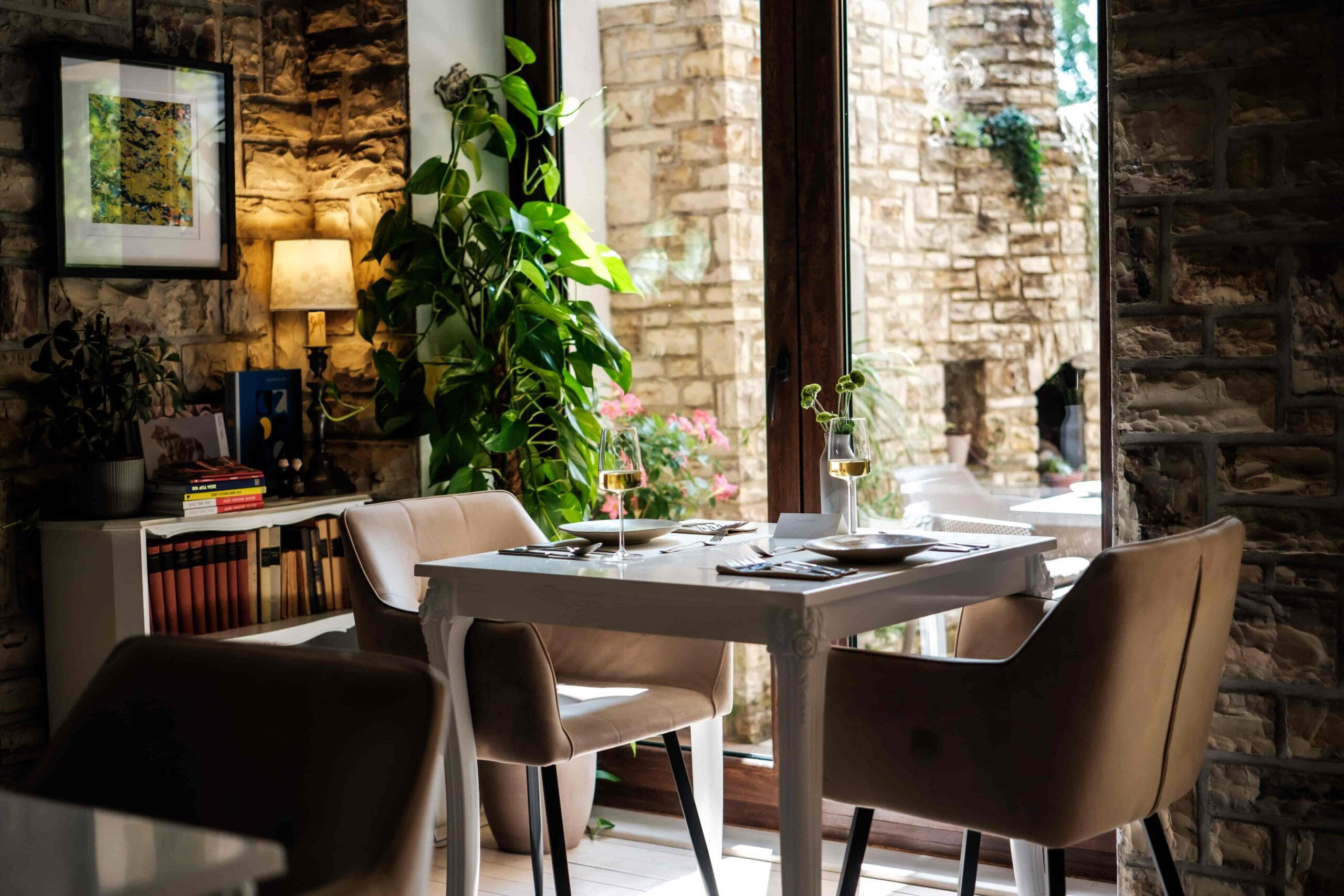
Hotels in Hosszúhetény
Browse all →
Details
- Rustic
- Scenic
- Quiet
- Group Dining
- Family
- Celebration
- Private Event
- Special Occasion
- Historic Building
- Design Destination
- Hotel Restaurant
- Standalone
- Beer Program
- Extensive Wine List
- Local Sourcing
- Sustainable Seafood
- Garden
- Waterfront
- A La Carte
- Coffee
- Wine
- Vegetarian Friendly
- Organic Focus
- Allergy Accommodating
Rustic and scenic, set in a renovated 19th-century water mill with a calm, nature-adjacent atmosphere and a design-forward heritage feel.