


2 Michelin Stars · La Liste Top Restaurants · Falstaff Restaurant - 95 Falstaff Points
Our verdict
Stand holds two Michelin stars and an 88-point La Liste ranking, placing it at the summit of Budapest's modern Hungarian dining scene. The kitchen, led by Tamás Széll and Szabina Szulló, works within a format that rewards repeat visitors, the cooking is technically serious, culturally rooted, and consistent enough to have retained its two-star status across consecutive Michelin cycles. Székely Mihály utca 2, District VI.

Pearl is the En Primeur Club membership app, where members save venues, book tables and use the concierge.
The menu
What to order
- Venison with fondant potato, cherry and blackcurrant jam
- Gulyás soup
- Somlói dessert
Where Budapest's Fine Dining Regulars Keep Returning
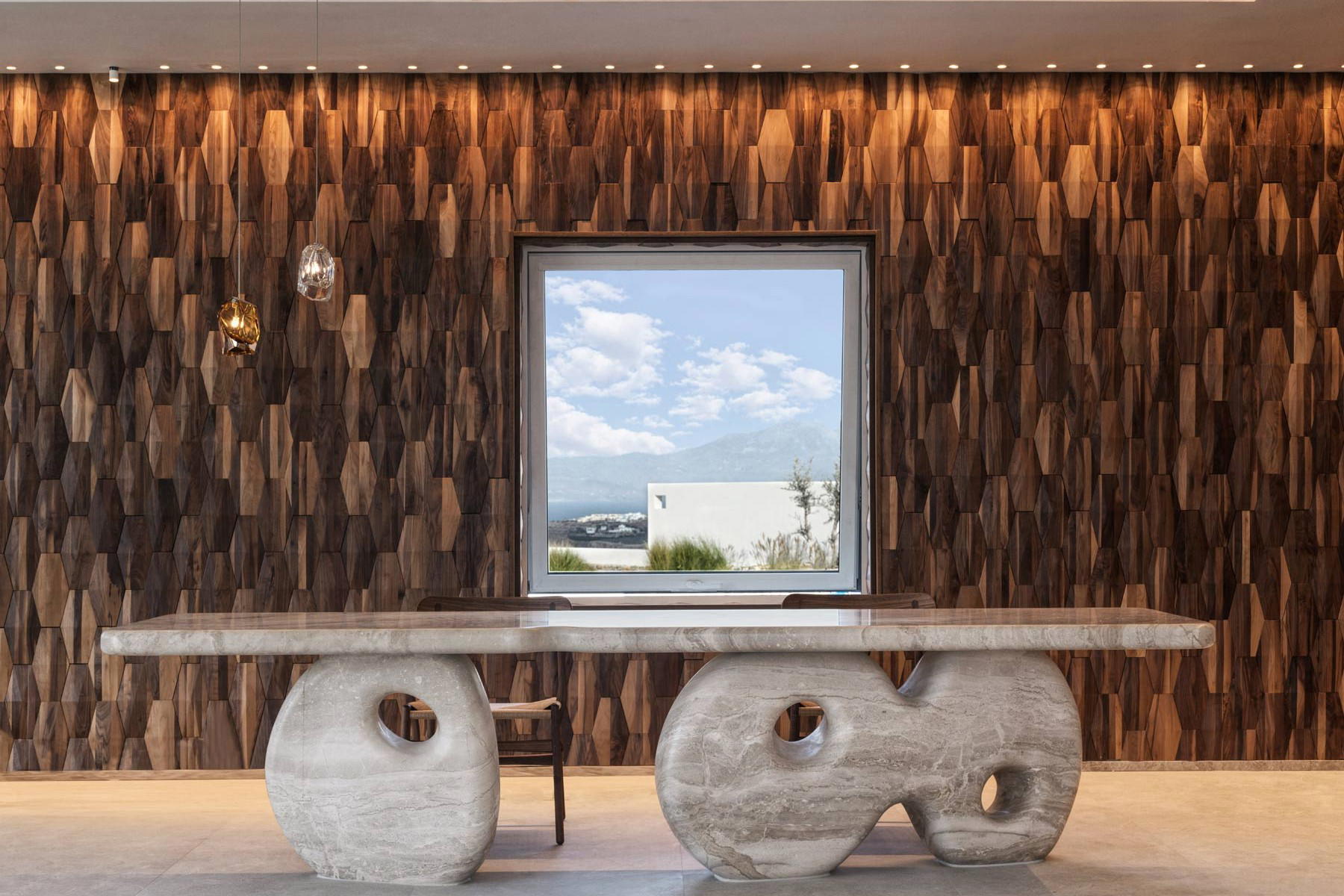
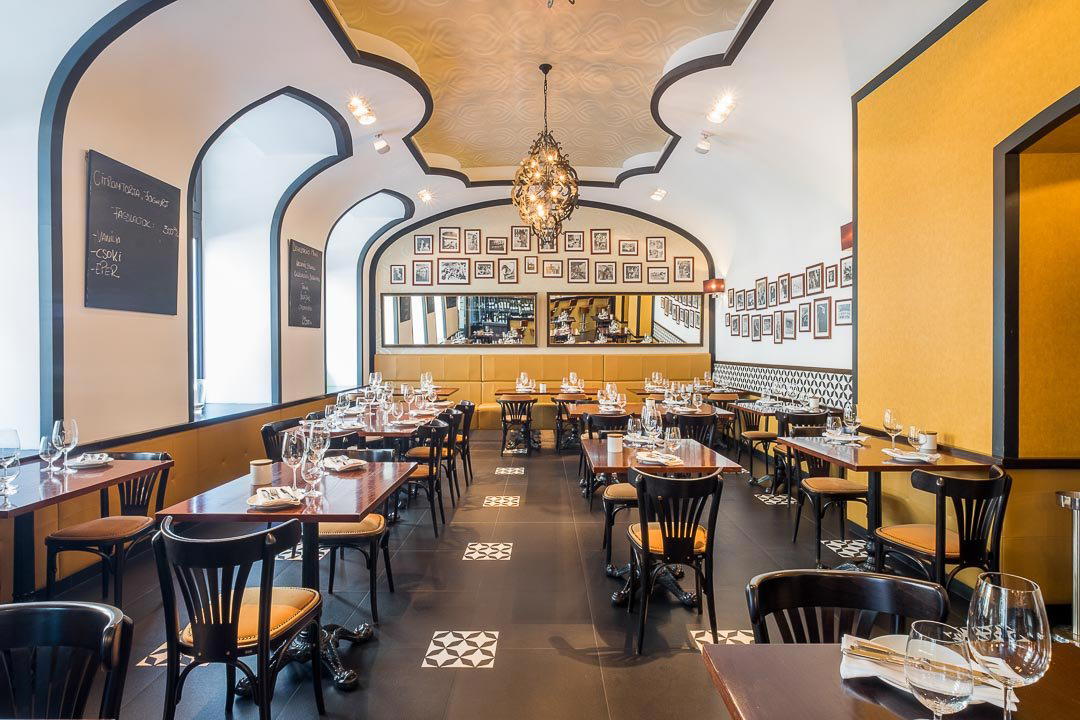
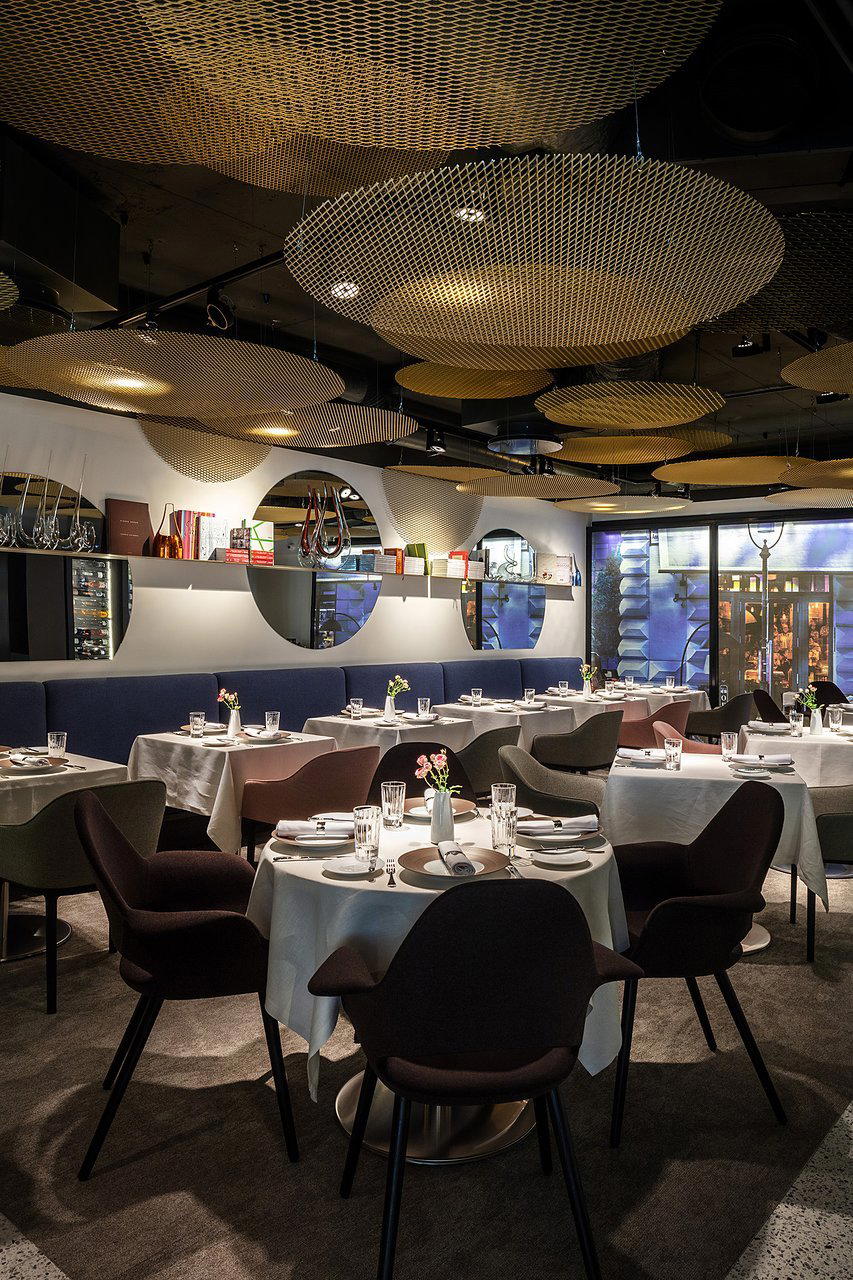
Székely Mihály utca sits in the middle of District VI, a few blocks from the Oktogon, in a stretch of Budapest that functions as a working neighbourhood rather than a tourist corridor. The restaurant's exterior gives little away. Inside, the room reads as deliberately considered: the kind of space that stops short of theatrical flourish and instead signals through material and proportion that the cooking is meant to be the event. This restraint is characteristic of the two-star tier in Budapest, where Stand has held its position through both the 2024 and 2025 Michelin cycles, a consistency that matters more, to the people who dine here repeatedly, than any single season's accolades.
The Two-Star Tier in Budapest, What It Actually Means
Budapest's fine dining scene has compressed into a small top tier over the past decade, with the Michelin two-star bracket occupied by a handful of kitchens operating at a clearly different technical level from the one-star and bib gourmand cohort. Stand sits in that bracket alongside Babel and Costes, restaurants that, taken together, define what serious modern Hungarian cooking looks like at the leading price point. The price tier is €€€€, consistent with the two-star positioning, and the La Liste ranking of 88 points in 2026 (down slightly from 90 in 2025) places Stand well inside the global conversation for Central European fine dining.
What distinguishes the two-star restaurants from the broader modern Hungarian category is the depth of culinary reference. Salt and essência work the same price band with their own distinct editorial identities, and Arany Kaviár occupies a more classically Russian-Hungarian position. Stand's approach is legible against all of these: modern technique applied to Hungarian culinary identity, without the nostalgic framing that older Budapest fine dining tended toward.
The Cooking, What Keeps the Regulars Coming Back
Repeat diners at this level of restaurant are not coming back for novelty. They are coming back because the kitchen delivers something that builds familiarity over multiple visits: a stable culinary point of view, seasonal movement within a recognisable framework, and technical execution that makes the cooking feel earned rather than decorative. Tamás Széll and Szabina Szulló have been associated with Stand long enough for a regular clientele to form clear expectations, and the two-star retention across back-to-back Michelin cycles is the most direct evidence that those expectations are being met at the level inspectors and regular guests agree on.
The culinary model is modern Hungarian, which in practice means Hungarian ingredients and flavour memory processed through contemporary European fine-dining technique. This is not a narrow brief. Hungarian cuisine carries real structural depth, paprika in its many forms, freshwater fish, game, the full range of the Great Plain's produce, and a pastry and fermentation tradition that most Western European food cultures underestimate. At the two-star level, that material gets handled with a precision that separates Stand from the casual modern Hungarian restaurants that have proliferated in Budapest's mid-tier over the same period.
At this category and price point, high volume with high score is rarer than it looks.
Stand in the Wider Hungarian Restaurant Picture
Premium modern cooking scene in Hungary is no longer only a Budapest story. Outside the capital, a small number of kitchens have developed serious reputations: Platán Gourmet in Tata, Pajta in Őriszentpéter, 42 Restaurant in Esztergom, 67 Sigma in Székesfehérvár, A Konyhám Stúdió 365 in Fonyód, and Alkimista Kulináris Műhely in Szeged are all building the case that Hungarian fine dining is a regional phenomenon, not just a capital-city one. Stand sits at the top of this picture, it is the benchmark against which other Hungarian kitchens at the modern end are measured, not because of a single landmark moment, but because of the sustained standard that two consecutive two-star cycles represent.
For visitors approaching Budapest from a broader European fine dining perspective, the comparison set is worth understanding. De Librije in Zwolle and De Bokkedoorns in Overveen represent the Dutch end of the same modern European fine dining conversation, technically serious, regionally anchored, operating in smaller national markets that have nonetheless produced internationally recognised kitchens.
The Regulars' Logic
At a two-star restaurant in a city where the two-star tier is small, the regular diner is a specific type of person. They are not assembling a checklist of international accolades. They are tracking a kitchen's development across seasons, noting when a culinary idea matures or shifts, and building a relationship with the cooking that a single visit cannot deliver. Stand's structure, modern Hungarian, technically rigorous, co-led by Széll and Szulló, is the kind of cooking that rewards this approach.
What the repeat visitor typically reports about Stand is consistency: the kitchen does not lurch between reference points or chase trend cycles. The La Liste scores across 2025 and 2026 tell a similar story, 90 to 88 is a minor variation within a stable range, not a collapse or a spike. For someone planning a second or third visit, that stability is the feature, not a limitation.
Planning Your Visit
Stand is at Székely Mihály utca 2 in Budapest's District VI, a ten-minute walk from the Oktogon metro interchange, which connects lines M1 and M6. The restaurant operates at the €€€€ price tier, consistent with the two-star category in Budapest. Booking at this level in the city is competitive: the two-star restaurants fill several weeks in advance, particularly on Friday and Saturday evenings and during the spring and autumn seasons when Budapest draws significant international visitor volumes. Planning a month or more ahead is the practical approach for a specific date; mid-week tables typically have more availability.
For a fuller picture of where Stand sits within Budapest's dining scene, the EP Club Budapest restaurants guide covers the full range from the two-star tier down through mid-range modern Hungarian and neighbourhood bistros. If you are building a broader trip itinerary, the Budapest hotels guide, Budapest bars guide, Budapest wineries guide, and Budapest experiences guide provide the same depth across categories.
Frequently asked questions
What should I expect cuisine-wise at Stand?
Does Stand have a Michelin star or similar recognition?
Stand has received recognition including: La Liste Top Restaurants (2026): 88pts; La Liste Top Restaurants (2025): 90pts; Michelin 2 Stars (2025); Michelin 2 Stars (2024).
What dish is Stand famous for?
Stand's kitchen, led by Tamás Széll and Szabina Szulló, does not trade on a single signature dish in the way that some two-star counters do. The cooking is rooted in Hungarian ingredients interpreted through a modern framework, which means the menu shifts rather than anchors to one fixed showpiece. Regulars at this €€€€ price point return for the consistency of the overall sequence rather than a single plate.
What's the price range at Stand?
Pricing at Stand is listed as €€€€.
What's Stand's location?
Stand is located at Budapest, Székely Mihály u. 2, 1061 Hungary, Budapest.
Who runs the kitchen at Stand?
The chef associated with Stand is Tamás Széll, Szabina Szulló.
How hard is it to get a table at Stand?
Securing a reservation at a two-star restaurant with two consecutive Michelin recognitions (2024 and 2025) in a city where that tier is small requires forward planning. Stand sits at Székely Mihály utca 2 in District VI and draws both Budapest regulars and international visitors, which means availability at prime times is limited. Booking several weeks in advance is a reasonable baseline; weekend evenings compress faster.
Budget and Context
| Venue | Cuisine | Price | Awards | Notes |
|---|---|---|---|---|
| StandThis venue (the venue you are viewing) | Modern Hungarian Fine Dining | $200–300 | 2 Michelin Stars · La Liste Top Restaurants | Not listed |
| Babel | Modern Hungarian Fine Dining | Not listed | 1 Michelin Star · La Liste Top Restaurants | Modern Cuisine |
| Borkonyha Winekitchen | Modern Hungarian-Inspired Bistro | $30–50 | 1 Michelin Star · La Liste Top Restaurants | Modern Cuisine |
| Rumour by Rácz Jenő | Modern Fusion Tasting Menu | $100–150 | 1 Michelin Star · La Liste Top Restaurants | Creative |
| Stand25 Bisztró | Modern Hungarian Bistro | $50–100 | Michelin Plate | Traditional Cuisine |
| Bilanx | Modern Hungarian Contemporary | $50–100 | Michelin Plate | Contemporary |
Recognition history
Dated appearances from independent guides and award organizations, with the underlying list record or original source where available.
Michelin 2 Stars
Michelin
La Liste Top Restaurants
La Liste
Falstaff Restaurant - 95 Falstaff Points
Falstaff
Opinionated About Dining Top Restaurants in Europe Recommended
Opinionated About Dining
Full recognition history (6 entries)
La Liste Top Restaurants
La Liste
Michelin 2 Stars
Michelin