
Szentesi Pince holds a Pearl 2 Star Prestige rating for 2025, placing it among a select tier of Hungarian wine producers recognised for consistent quality and terroir expression. Located in Budaörs on the outskirts of Érd, the cellar sits within the Transdanubian wine belt, where loess and limestone soils shape wines with notable mineral definition. For those exploring Hungary's broader fine wine geography beyond Tokaj, this is a producer worth tracking.
 Discover on Pearl
Pearl is the En Primeur Club membership app — saves, bookings, and concierge access live there. Same editors, same standards.
- Address
- Budaörs, Mátra u. 32, 2040
- Phone
- +36 20 466 6490
- Website
- szentesipince.hu
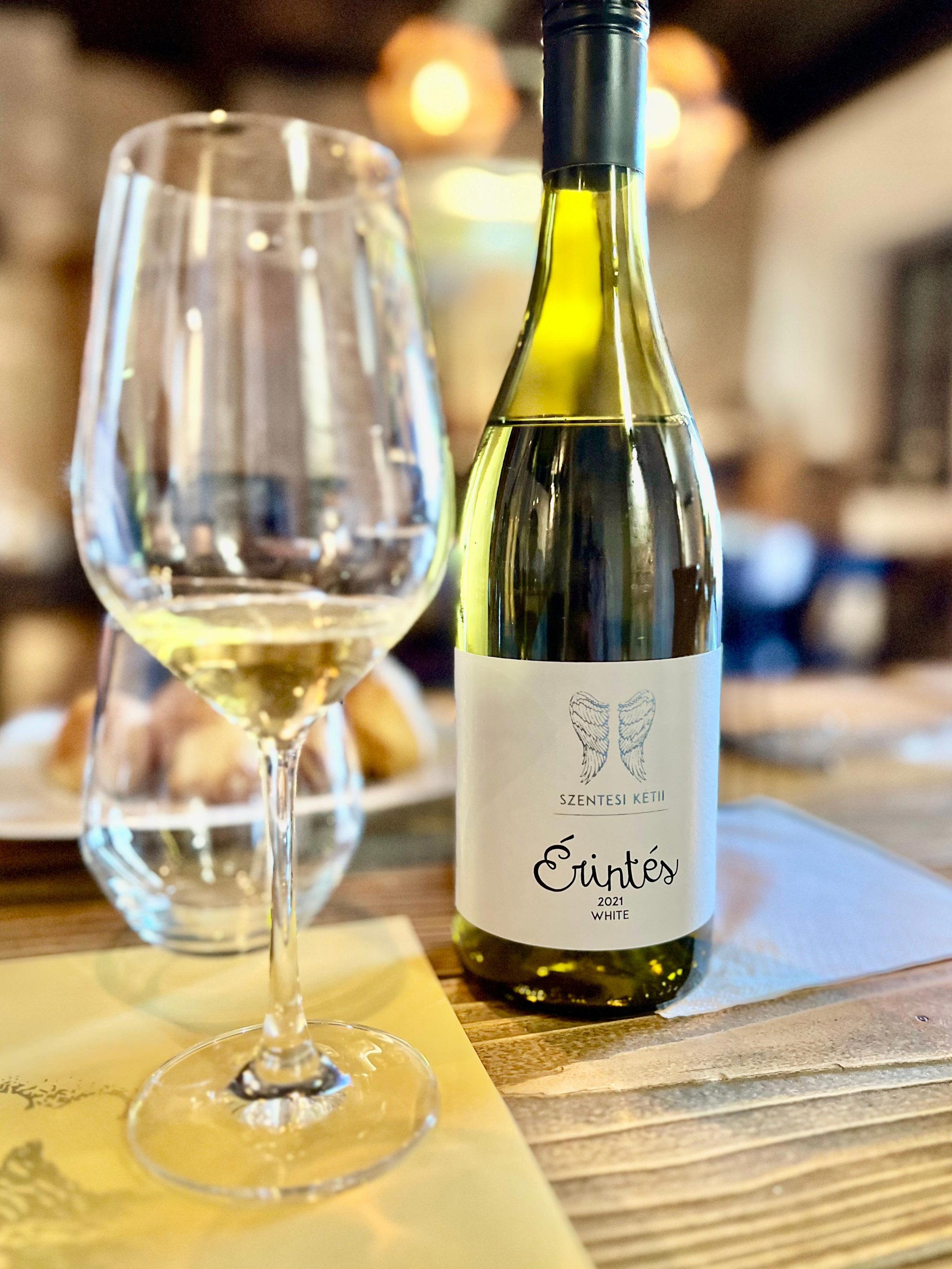
Where the Buda Hills Meet the Cellar Door
Approaching Budaörs from the west, the landscape shifts in a way that explains why wine has been made here for centuries. The hills that rim Budapest's southern edge are not dramatic in the way that Tokaj's volcanic ridges command attention, but they carry their own geological logic: loess-heavy soils over older limestone bedrock, moderate continental temperatures, and enough elevation to preserve acidity in the grapes through warm summers. Szentesi Pince is a winery at Mátra u. 32 in Budaörs, with a 2025 Pearl 2 Star Prestige award.
It places Szentesi Pince alongside a tier of Hungarian producers for whom the cellar is a place of serious, wine-first work,
Transdanubia's Quieter Wine Argument
Hungary's wine geography is more layered than its international reputation suggests. While the Tokaj wine region captures most of the global editorial attention, and names like Disznókő in Mezőzombor, Royal Tokaji in Mád, Tokaj Hétszőlő in Tokaj, Tokaj Oremus in Tolcsva, and Árvay Winery in Rátka represent different approaches within that single appellation, the Transdanubian belt running from the Balaton Uplands down through Etyek-Buda and into the Budaörs foothills has its own distinct terroir logic that deserves separate consideration.
The Etyek-Buda region, which covers the hills immediately west and southwest of Budapest, produces wines on soils that differ substantially from the volcanic tufa and andésite of Tokaj. Here, the dominant geological influence is sedimentary: layered loess deposited over Miocene limestone, with patches of clay subsoil that retain moisture unevenly across vineyard parcels. The result, in the hands of producers focused on site-specificity, is white wine with a different tension than Tokaj's Furmint-driven style, often leaner, with a chalk-mineral character that reflects the limestone below rather than volcanic heat. For the wine drinker who has spent time with Etyek Chardonnay or regional Pinot Gris, the structural fingerprint is recognisable and distinct.
Budaörs itself occupies a transitional position: administratively part of the Budapest metropolitan belt, geographically already inside the hills. This matters because the microclimate here differs from the urban heat sink of the city proper. Cooler nights during the growing season allow acid retention that broader-valley sites lose, and the aspect of individual vineyard plots within this sub-zone creates meaningful variation across producers. A 2 Star Pearl Prestige rating in this context is an argument that a producer has learned to read those variations and work with them rather than against them.
The comparable set This Rating Implies
Understanding what a Pearl 2 Star Prestige rating communicates requires placing Szentesi Pince within the broader field of Hungarian producers operating at similar quality levels outside Tokaj. Across Transdanubia and the northern Hungarian wine regions, the producers regularly cited at this tier share certain characteristics: relatively modest production volumes, a focus on indigenous or regionally adapted varieties, and cellaring approaches that prioritise grape expression over technical manipulation. Names like Babarczi Winery in Gyor, Béres Winery in Erdőbénye, and Bolyki Winery in Eger represent different regional expressions of this same orientation, each rooted in a specific sub-zone's soil and climate logic.
Further south, producers such as Bock Winery in Villány, Bodri Winery in Szekszárd, Bussay Pince in Csörnyeföld, and Carpinus Winery in Bodrogkisfalud operate in warmer, red-wine-oriented appellations where the terroir argument runs through Cabernet Franc and Merlot rather than the white varieties that define Budaörs. Placing Szentesi Pince in this national context clarifies what its rating signals: quality operating at a level where the wine, not the appellation's international marketing, does the work of establishing value.
Budaörs is accessible from central Budapest by car in under thirty minutes on most days, making Szentesi Pince a realistic half-day excursion from the capital rather than a dedicated wine-region journey. The address, Mátra u. 32, Budaörs, 2040, places the cellar in the residential hills above the commercial district that most visitors to Budaörs see from the motorway. Reservations are recommended.
For those building a wider Hungarian wine itinerary, pairing a Budaörs cellar visit with time in the Tokaj region creates a useful contrast: the sedimentary whites of the Buda hills read differently when you have Furmint's volcanic tension fresh in your memory.
Comparable Spots, Quickly
Comparable venues nearby, for context on price, style, and recognition.
| Venue | Cuisine | Price | Awards | Notes |
|---|---|---|---|---|
| Szentesi PinceThis venue — the venue you are viewing | Budaörs | $$ | 1 recognition | |
| Hernyák Birtok | Sauvignon Blanc, Chardonnay | $$ | 1 recognition | Etyek |
| Gálné Dignisz Éva Winery | Winery | , | 1 recognition | Felsőlajos |
| Miklós Csabi Pincészet | ezerjó, olaszrizling | $$ | 1 recognition | Mór |
| Csetvei Pince | Ezerjó, Kékfrankos | $$ | 1 recognition | Mór |
| Vesztergombi Winery | Cabernet Sauvignon, Cabernet Franc | $$ | 1 recognition | Szekszárd |
Continue exploring
More in Érd
Wineries in Érd
Browse all →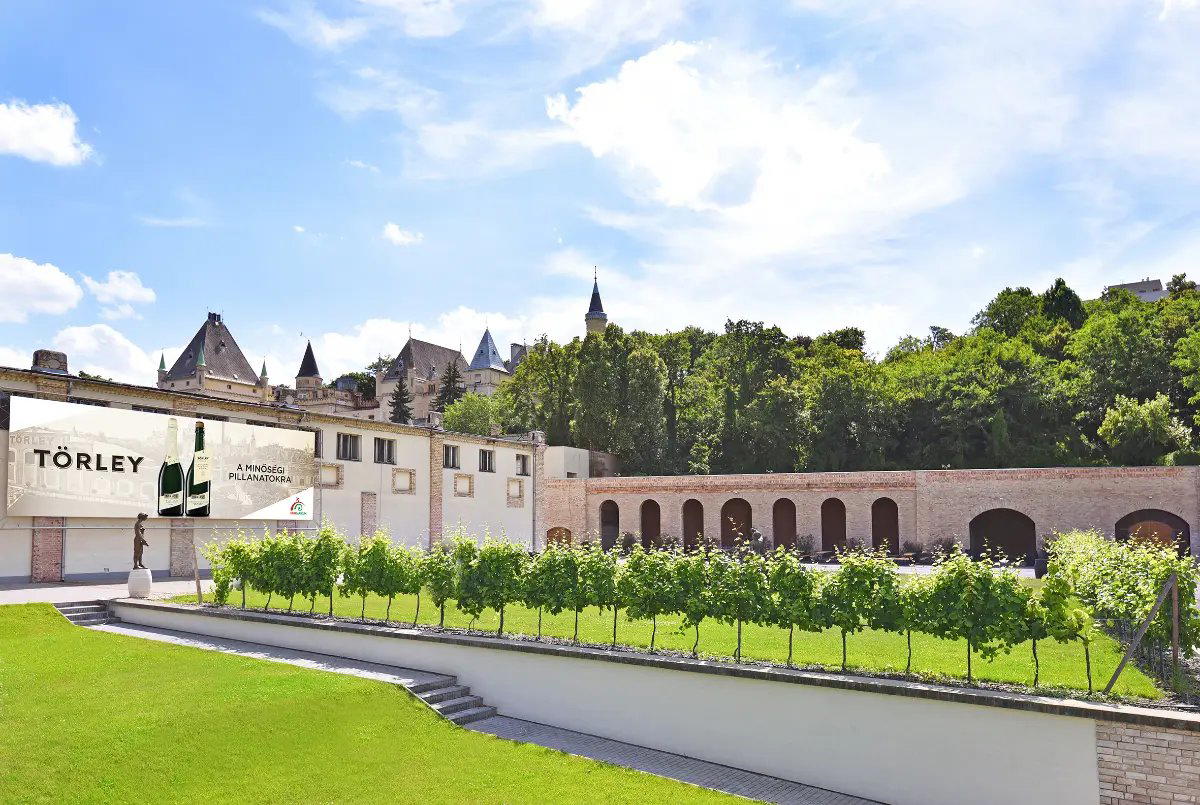
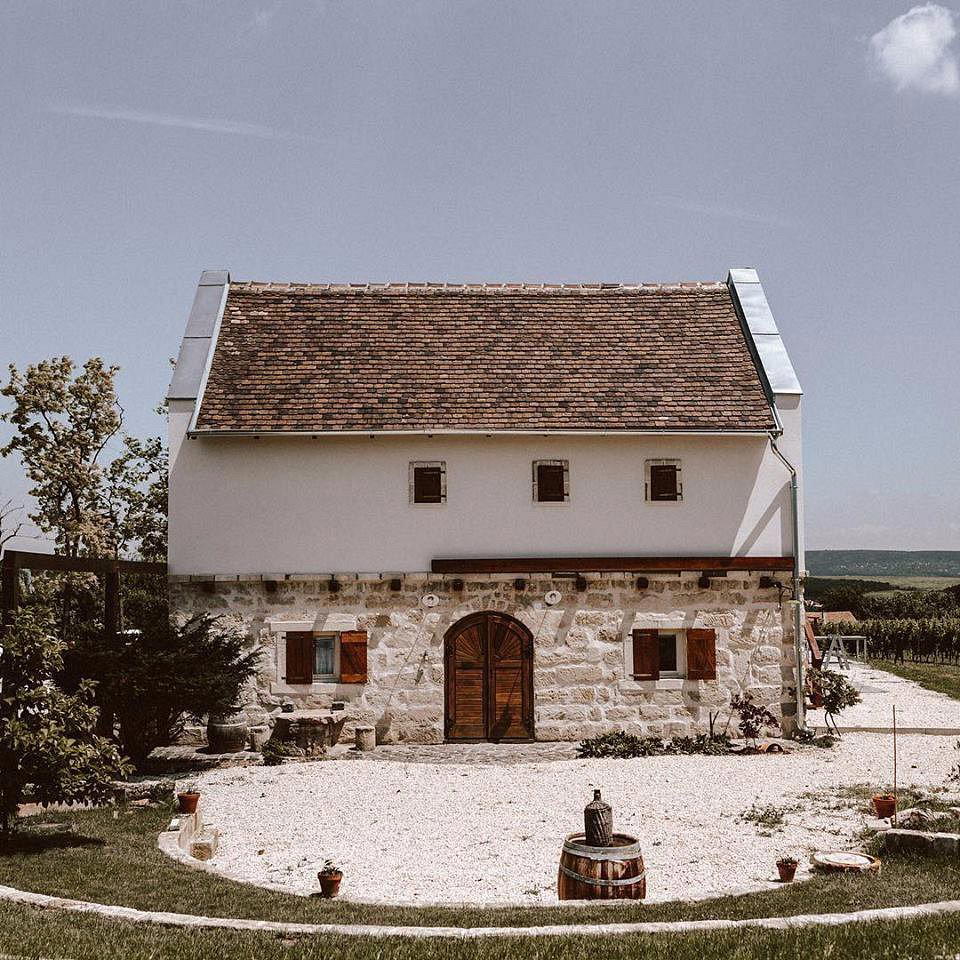
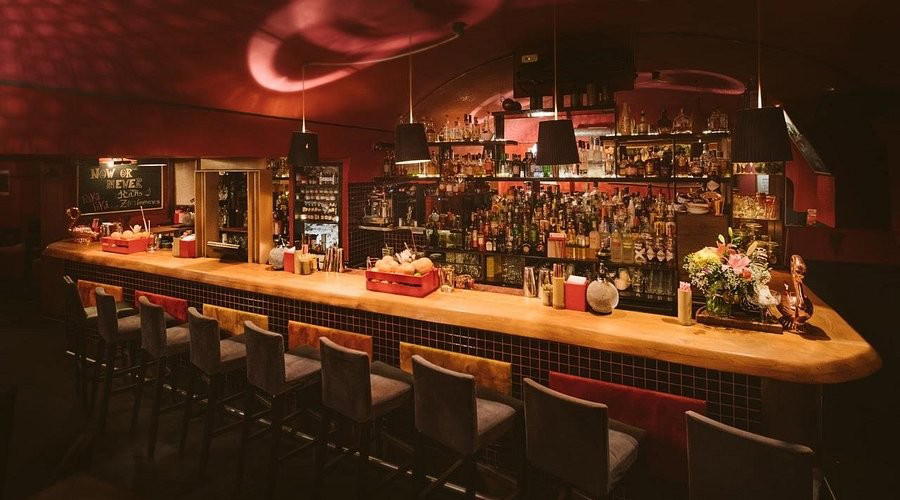
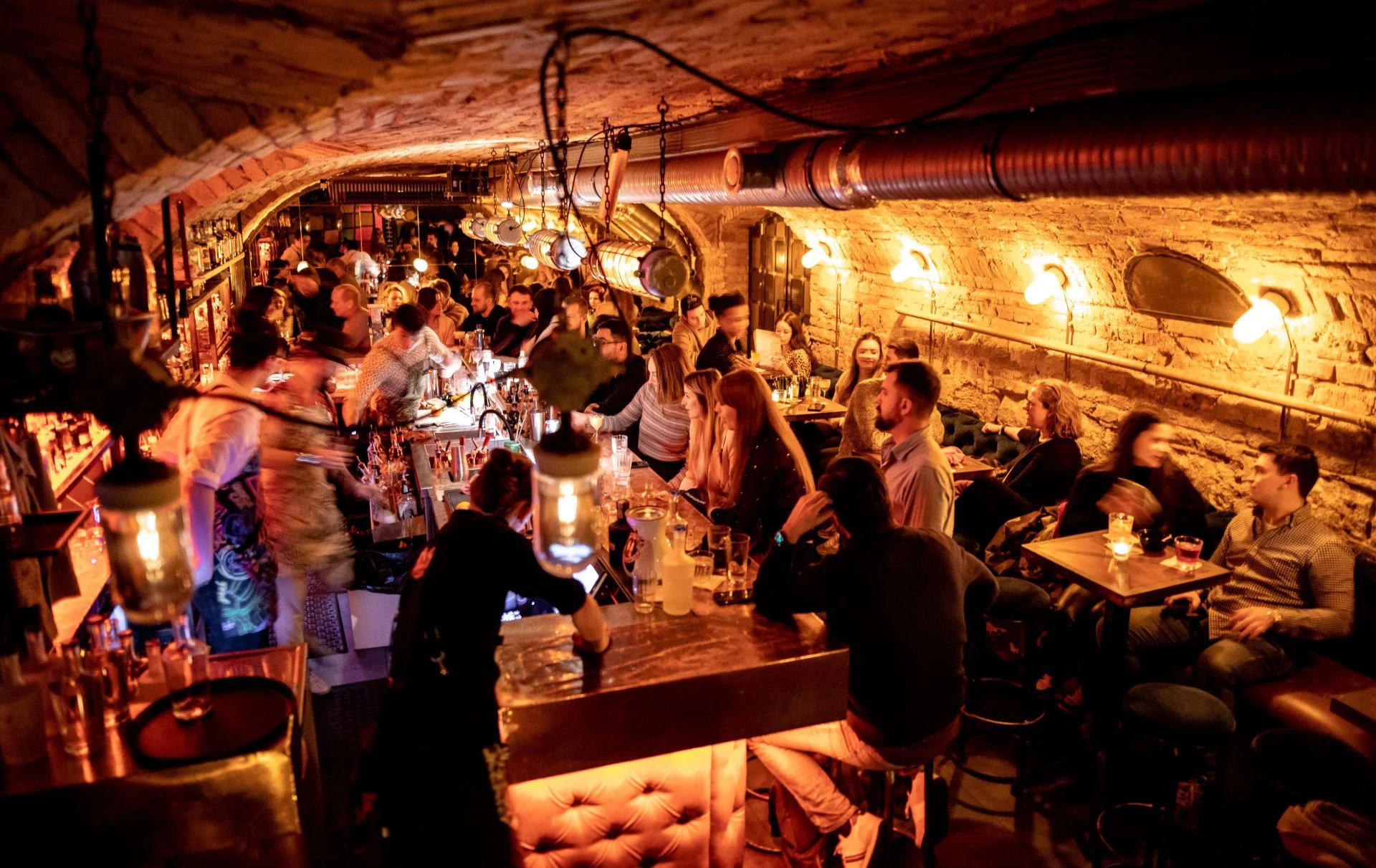
Bars in Érd
Browse all →
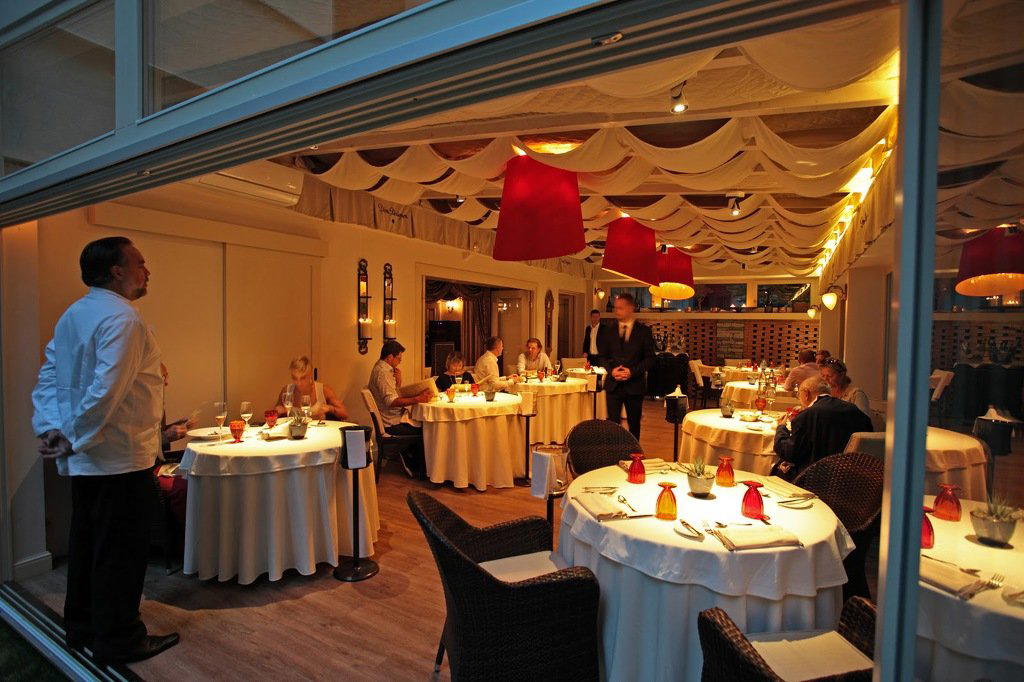
Restaurants in Érd
Browse all →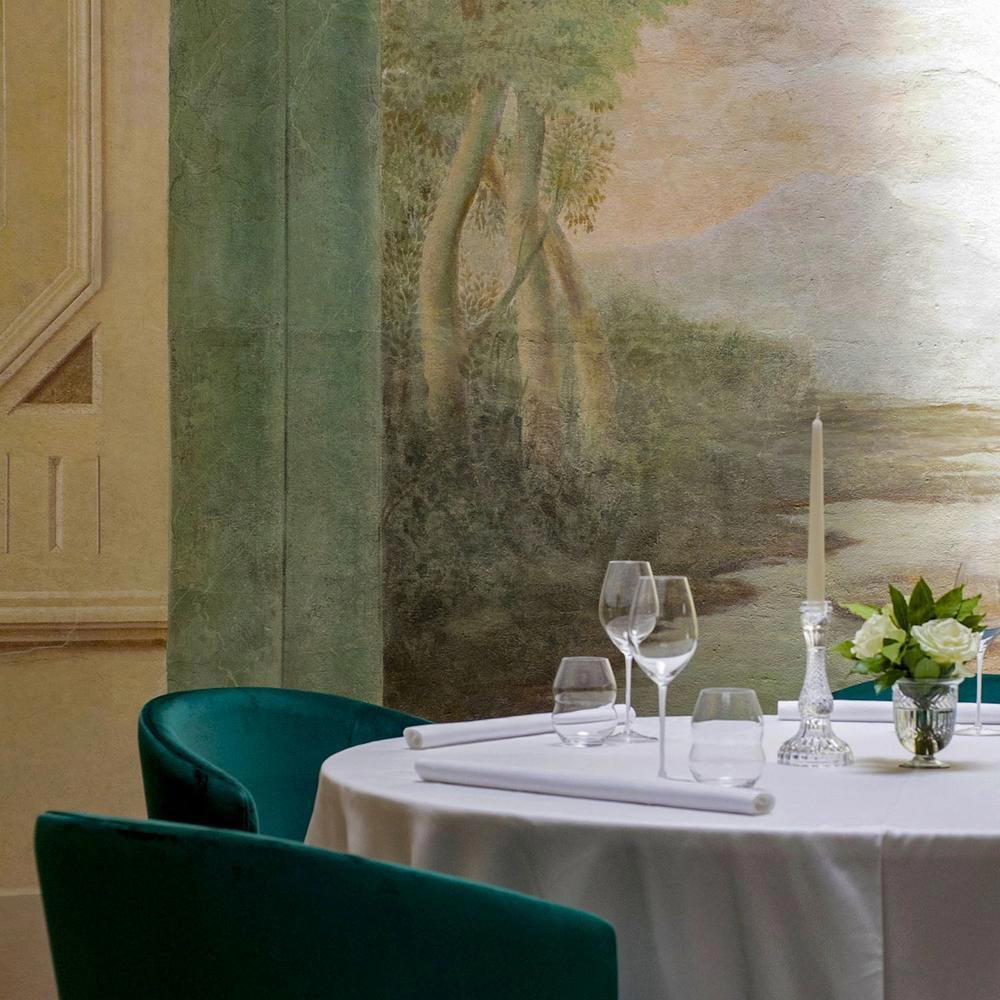

At a Glance
- Classic
- Rustic
- Intimate
- Wine Education
- Romantic Getaway
- Group Outing
- Estate Grounds
- Private Tasting
- Historic Building
- Vineyard
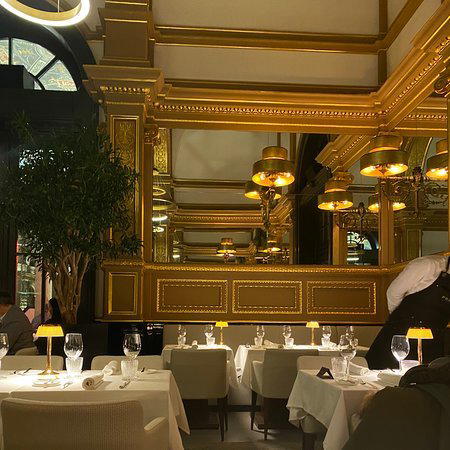
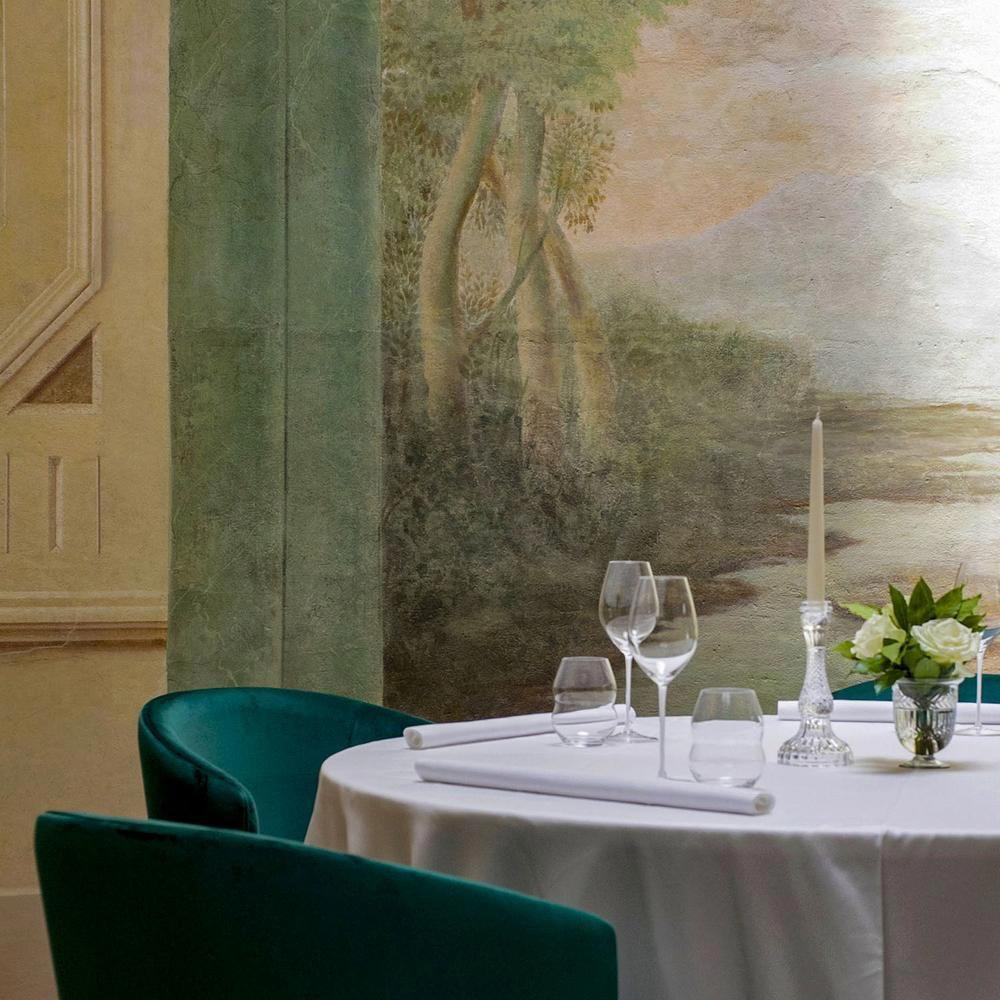
Warm, heritage-focused atmosphere reflecting the winery's commitment to traditional methods and family history.