Michelin Plate
Our verdict
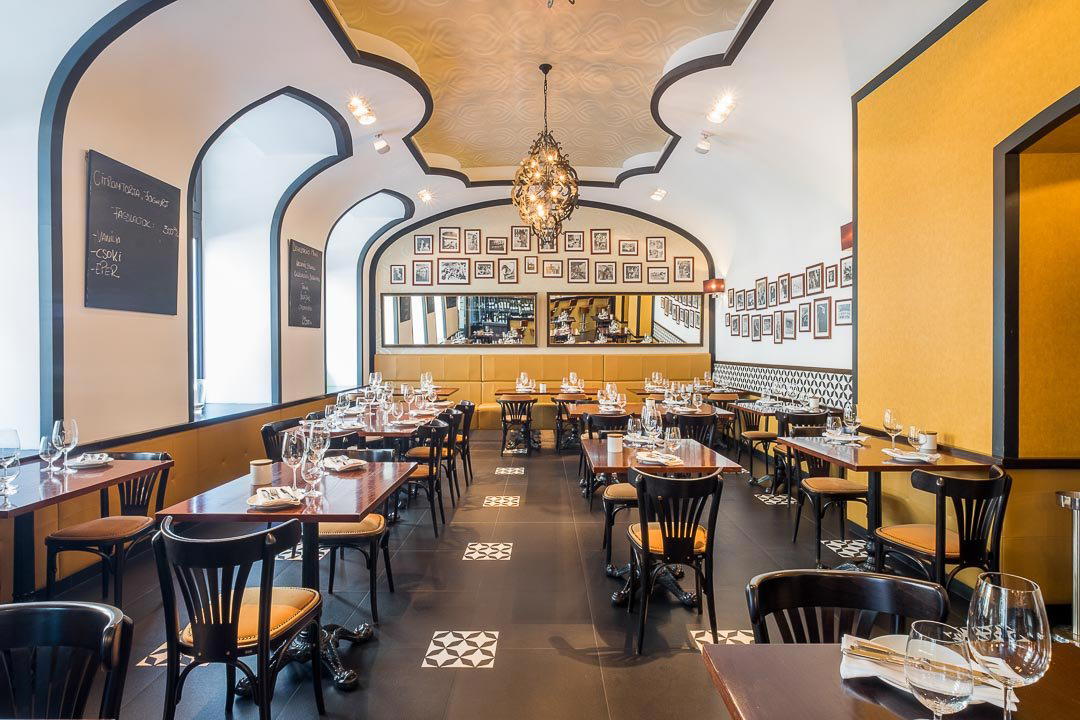
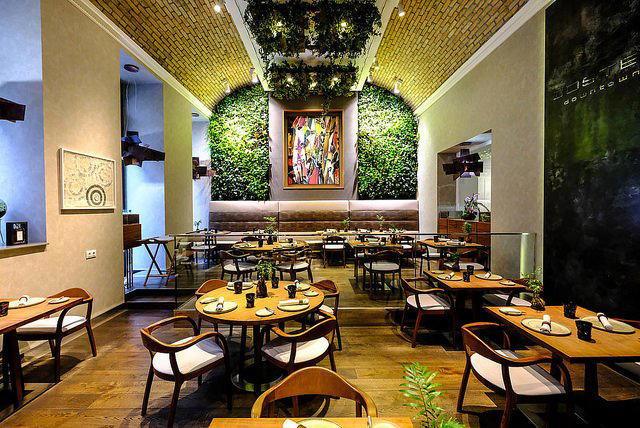
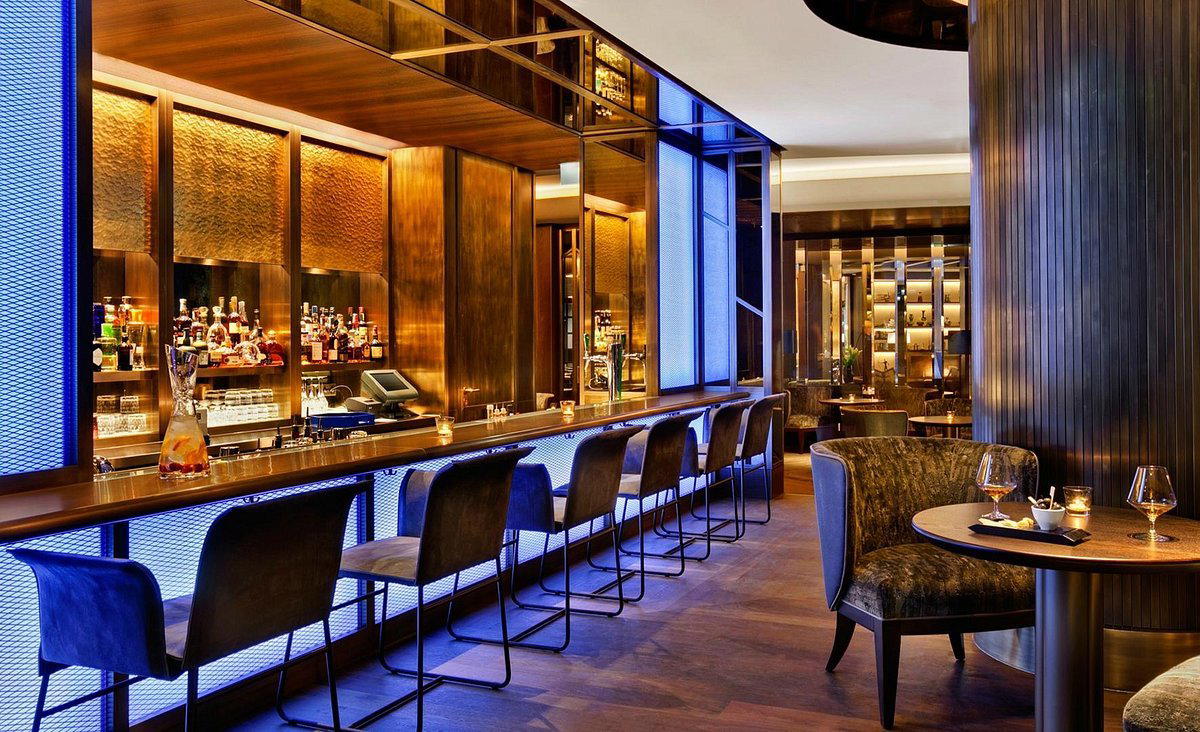
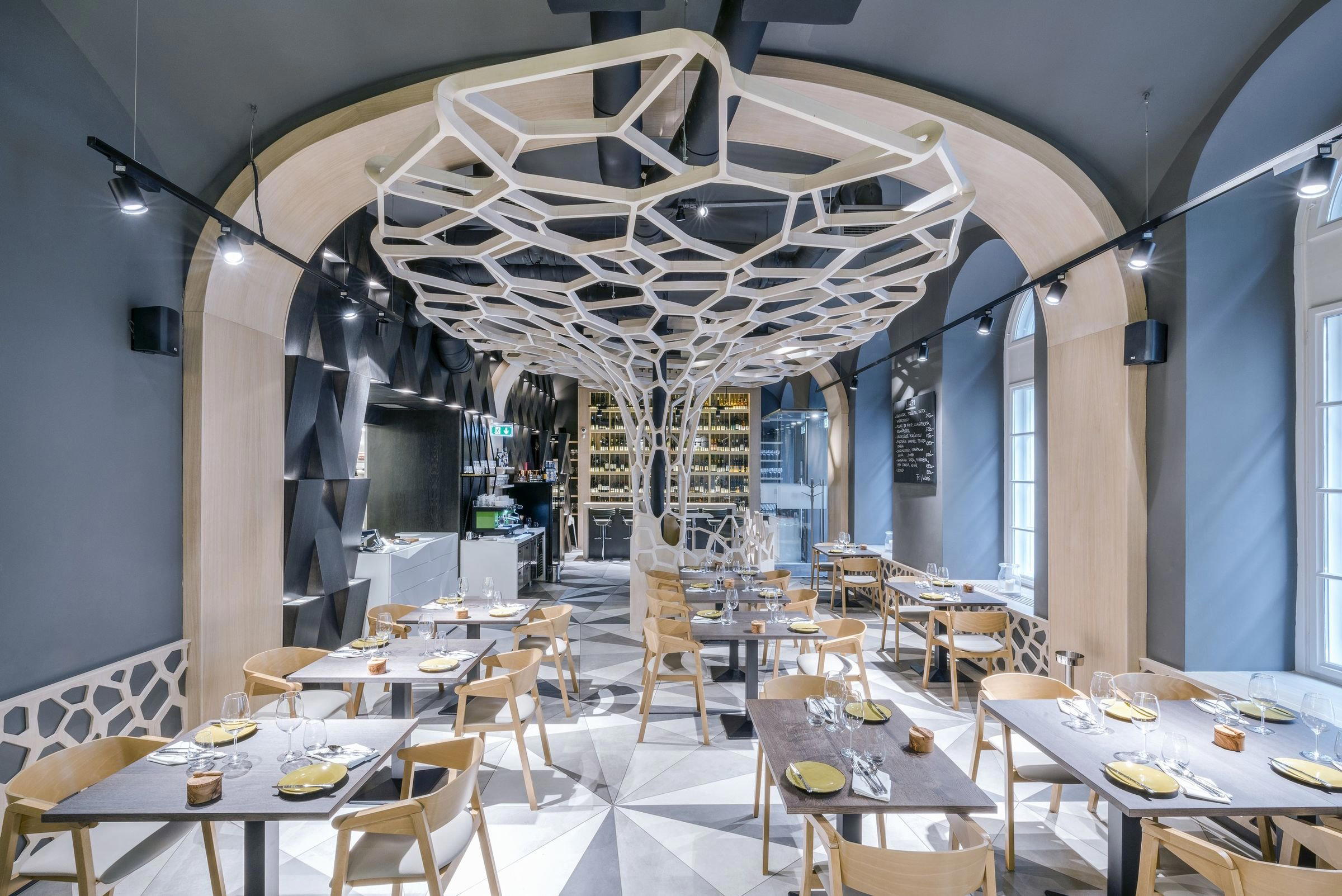
Textúra occupies a design-forward space on Sas utca in Budapest's fifth district, where a living moss wall and central wooden installation set the tone for seasonally driven modern cooking. Sister to Borkonyha Winekitchen, it earns a Michelin Plate and consistent Opinionated About Dining recognition, with a wine list that draws genuine depth from Hungarian producers. Open Tuesday through Sunday, 11am to 10pm.

Pearl is the En Primeur Club membership app — saves, bookings, and concierge access live there. Same editors, same standards.
- Address
- Budapest, Sas u 6, 1051 Hungary
- Phone
- +36 30 787 1051
- Hours
- Mon–Sat 12 PM–12 AMSun Closed
- Website
- texturaetterem.hu
- Directions
- Get directions
A Room That Sets Expectations Before the Menu Arrives
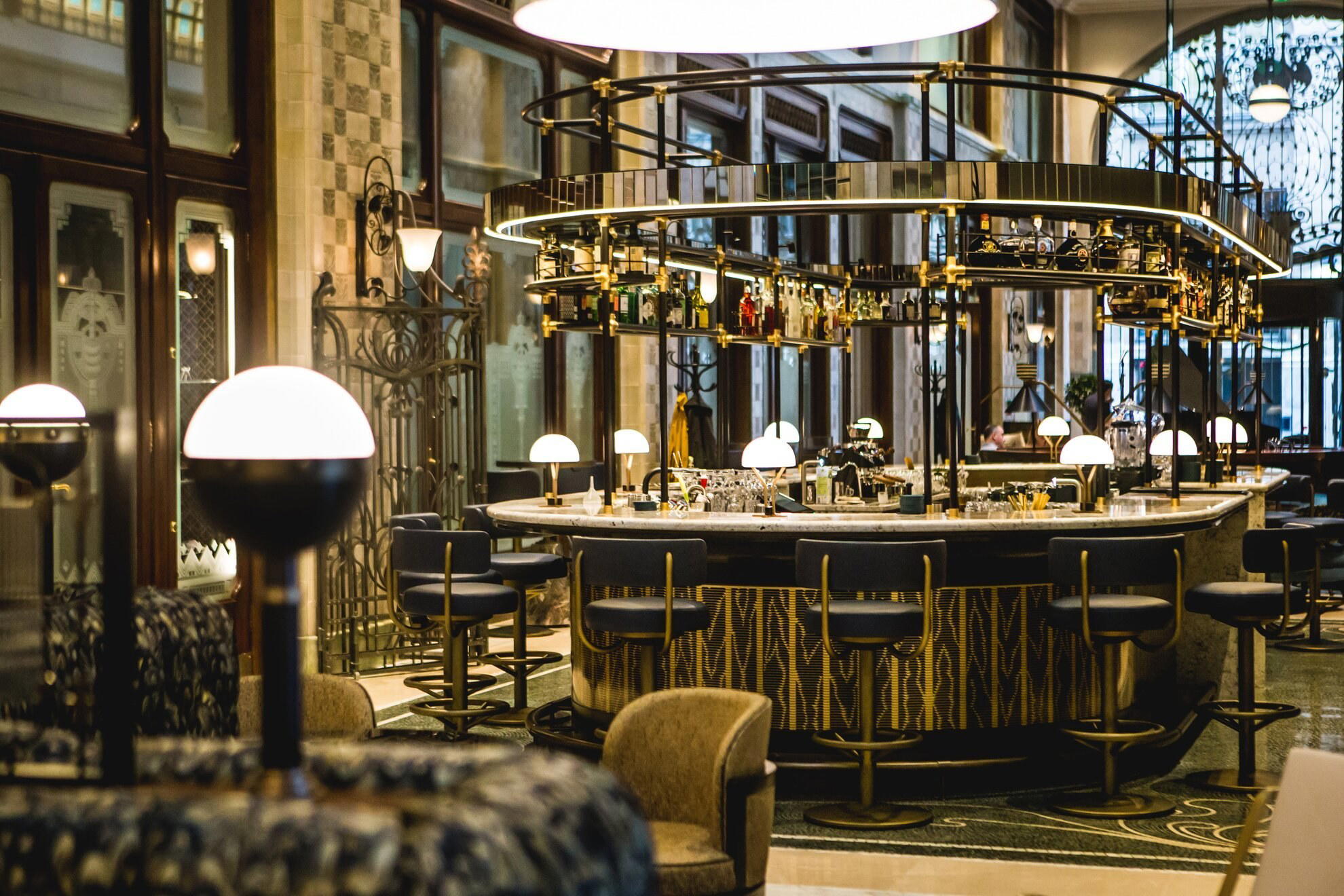
Sas utca sits in the commercial heart of Budapest's fifth district, a short walk from the Basilica and deep inside the city's most concentrated stretch of serious restaurants. The street does not announce itself as a dining destination the way Király utca or the ruin bar corridors do, which is partly why the addresses here tend toward the considered rather than the casual. Textúra occupies a ground-floor space on this block with a design language that reads as deliberately calm: a living wall of moss, a central wooden structure that functions as a kind of architectural centrepiece, and a room temperature that sits closer to a well-curated gallery than a brasserie. For a city where the grand café tradition still shapes expectations about what a dining room should feel like, this is a deliberate departure.
The restaurant shares ownership with Borkonyha Winekitchen, its sister operation set almost directly opposite on the same street. That proximity is worth noting, because the two restaurants are not duplicates. Borkonyha built its reputation as a wine-first destination with food that moves alongside the cellar; Textúra tilts toward the seasonal cooking itself, with the wine list positioned as an equal rather than the headline act. Together they anchor a small corridor of modern Hungarian dining that has attracted consistent international attention.
The Wine List as a Window Into Hungarian Terroir
Budapest's modern restaurant scene has spent the better part of a decade building credibility around Hungarian wine, and Textúra's list reflects how far that project has come. Hungary has more than twenty distinct wine regions, several of which are producing at a level that holds up against comparable European appellations without the name recognition that drives pricing in Burgundy or the Mosel. Tokaj draws the most international attention, but Eger's Egri Bikavér, the volcanic wines of the Somló region, and the Villány reds are increasingly visible on serious lists outside the country. A wine program at this price point that draws meaningfully on domestic producers is making an argument about where Hungarian viticulture sits, not just filling a section of the menu.
That editorial stance on the list matters for the drinker who arrives with an open brief. A sommelier working with these producers has genuine range to move across styles, vintages, and regions that most international visitors have not encountered in depth. It is a different kind of discovery than working through a Franco-centric list, and for the Tokaj selections in particular, the gap between what is available in Budapest restaurants and what reaches export markets can be significant. The list here has been recognised as a draw in its own right by the critics who have tracked the restaurant over multiple cycles.
Seasonal Cooking in the Context of Budapest's Modern Dining Tier
Textúra sits at the €€€ price tier, which in Budapest in 2025 places it in a mid-to-upper bracket that includes Borkonyha Winekitchen and separates it from the full tasting-menu commitment of €€€€ addresses like Stand, Babel, and Costes. That positioning gives it a certain flexibility. Diners who want ambitious, technically considered food without the full architecture of a multi-course progression have fewer options at this level in the city, and Textúra fills that gap with a format described as brasserie but executed with a kitchen that is clearly working harder than the label implies.
The approach is seasonal in the sense that it responds to what Central European agriculture actually produces across the year, which means the menu shifts character considerably between winter and summer. Spring and early summer bring wild garlic, asparagus, and the lighter end of the game calendar; autumn moves toward mushrooms, root vegetables, and the richer profiles that work with aged Hungarian reds. Coming in November or February, when the city's tourist volume drops and the room operates at a different pace, is a different experience from August, when the terraces along the Danube are packed and the fifth district hums with the international crowd that clusters around the major hotel corridor.
Opinionated About Dining has tracked it across three consecutive cycles, ranking it at 481 in the 2025 edition and 384 in 2024, with a Michelin Plate awarded in 2024. These are not the top-tier markers that the starred addresses carry, but they represent sustained critical attention in a city where the serious restaurant pool has grown fast enough that consistency is not automatic.
Where Textúra Sits in a Broader Hungarian Dining Picture
Budapest concentrates Hungary's most ambitious restaurant activity, but serious cooking has been moving into the regions steadily. Platán Gourmet in Tata, Pajta in Őriszentpéter, 42 Restaurant in Esztergom, 67 Sigma in Székesfehérvár, A Konyhám Stúdió 365 in Fonyód, and Alkimista Kulináris Műhely in Szeged all represent a tier of regional ambition that has developed alongside the capital's dining scene rather than in its shadow. For the visitor building a Hungarian itinerary around food, the city is the logical anchor but no longer the only stop worth planning around.
Within Budapest itself, VIRTU represents the more ingredient-driven end of the modern spectrum, while the €€€€ tier addresses carry the weight of full tasting-menu ceremony. Textúra occupies a deliberate middle position: structured enough to be taken seriously as a dining destination, relaxed enough that it does not require the same kind of advance planning or occasion framing. The room on a Tuesday evening has a working rhythm that the weekends, when the booking pressure increases, do not always sustain.
Planning a Visit
Textúra is open Tuesday through Sunday, from 11am to 10pm, with Monday closed. The address at Sas utca 6, 1051 Budapest, places it within easy reach of the Arany János utca metro stop on Line 3, and within walking distance of the major fifth-district hotels. For the broader Budapest context, see our full Budapest restaurants guide, our full Budapest hotels guide, our full Budapest bars guide, our full Budapest wineries guide, and our full Budapest experiences guide. For comparable modern European cooking at the same price tier in other markets, De Swarte Ruijter in Holten and Eden in Waalre offer useful reference points for how the €€€ modern cuisine bracket performs across northern Europe.
Frequently asked questions
Who is the chef or culinary lead at Textúra?
The chef associated with Textúra is Various.
What distinctions does Textúra have?
Textúra has received recognition including: Opinionated About Dining Top Restaurants in Japan Ranked #481 (2025); Set almost opposite its sister restaurant, Borkonyha Winekitchen, is this stylish, design-led brasserie with a relaxed atmosphere, a living wall of moss and a central woo….
What's the best thing to order at Textúra?
Textúra's menu is seasonally driven and changes to reflect what Hungarian producers are offering at a given time, so no single dish holds a permanent place on the card. The kitchen's reputation, recognised by a Michelin Plate in 2024 and consecutive OAD listings through 2023–2025, is built on creative, ambitious plates rather than a fixed signature. The wine list is worth as much attention as the food: it draws specifically on Hungarian terroir and represents one of the more considered explorations of domestic labels at this price tier in Budapest. Order from the seasonal section and ask the floor team which regional wines are pouring well that week.
Is Textúra focused on a specific cuisine style?
What does dinner at Textúra typically cost?
Pricing at Textúra is listed as €€€.
What are the opening hours for Textúra?
Hours at Textúra: Hours: Monday Closed Tuesday 11 am–10 pm Wednesday 11 am–10 pm Thursday 11 am–10 pm Friday 11 am–10 pm Saturday 11 am–10 pm Sunday 11 am–10 pm.
Where is Textúra located?
Textúra is located at Budapest, Sas u 6, 1051 Hungary, Budapest.
| Venue | Cuisine | Price | Awards | Notes |
|---|---|---|---|---|
| TextúraThis venue — the venue you are viewing | Modern Hungarian Fine Dining | $50–100 | Michelin Plate | Not listed |
| Babel | Modern Hungarian Fine Dining | Not listed | 1 Michelin Star · La Liste Top Restaurants | Modern Cuisine |
| Borkonyha Winekitchen | Modern Hungarian-Inspired Bistro | $30–50 | 1 Michelin Star · La Liste Top Restaurants | Modern Cuisine |
| Rumour by Rácz Jenő | Modern Fusion Tasting Menu | $100–150 | 1 Michelin Star · La Liste Top Restaurants | Creative |
| Stand25 Bisztró | Modern Hungarian Bistro | $50–100 | Michelin Plate | Traditional Cuisine |
| Bilanx | Modern Hungarian Contemporary | $50–100 | Michelin Plate | Contemporary |
Recognition history
Dated appearances from independent guides and award organizations, with the underlying list record or original source where available.
Michelin Plate
Michelin
Full recognition history (2 entries)
Michelin Plate
Michelin