Apicius Étterem és Kávéház sits on Kossuth Lajos utca in Herend, a town whose name travels the world on the base of porcelain but whose restaurant scene remains little-discussed outside the region. The address places it within the broader western Transdanubian dining corridor, where kitchen ambitions have quietly grown alongside winery and artisan food culture. For visitors making the journey from Veszprém or the Bakony hills, it represents a local anchor worth building a half-day around.
Pearl is the En Primeur Club membership app — saves, bookings, and concierge access live there. Same editors, same standards.
- Address
- Herend, Kossuth Lajos u. 137, 8440 Hungary
- Phone
- +3688523235
- Website
- herend.com
- Directions
- Get directions
 Saves & bookings on Pearl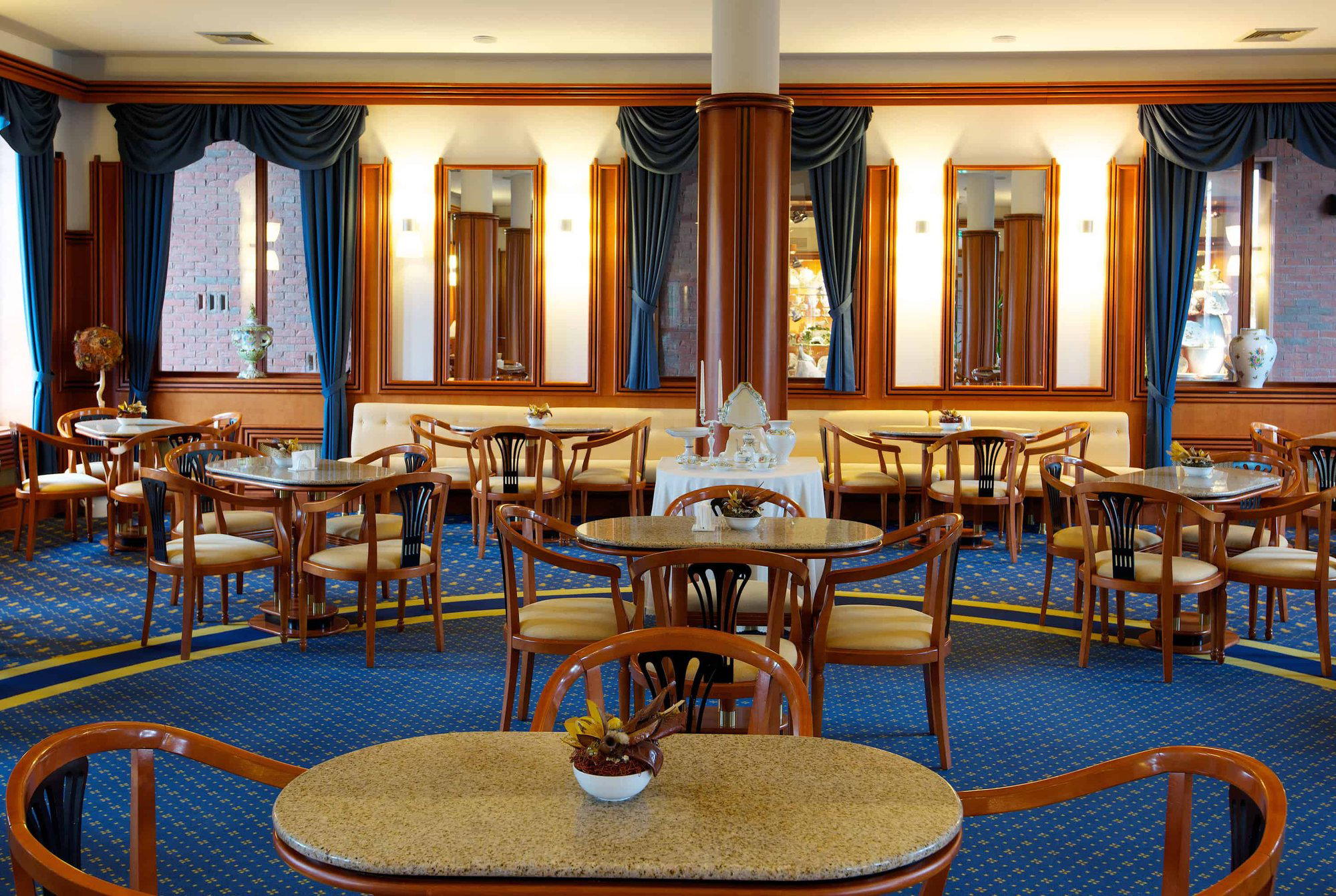
Herend Beyond the Porcelain: A Town Learning to Feed Its Visitors
Herend's reputation has always been exported in crates: the hand-painted porcelain that ends up in royal households and auction catalogues carries the town's name farther than most places its size could ever manage. What stays local is everything else, including a modest but growing food culture that has benefited, indirectly, from the steady flow of design-conscious, internationally travelled visitors that the Herend Porcelain Manufactory attracts. Apicius Étterem és Kávéház, on Kossuth Lajos utca in Herend, at Kossuth Lajos u. 137, is a practical stop for visitors to the porcelain manufactory who want a direct meal in town.
Western Transdanubia has spent the past decade developing a more coherent regional dining identity. Unlike the Balaton shore, which has seen concentrated investment in destination restaurants, or the Villány wine belt, where places like Sauska 48 in Villány have built menus explicitly around local viticulture, Herend sits in a quieter part of that map. The town lacks the natural draw of a lakeshore or a wine appellation, which means restaurants here earn their trade through the daily rhythm of the community and the occasional influx of manufactory visitors rather than destination tourism. That framing matters when assessing what Apicius represents and what would be reasonable to expect from it.
The Setting on Kossuth Lajos Utca
Kossuth Lajos utca is the kind of main artery found in virtually every Hungarian market town: wide, lined with older civic buildings, and functioning as the practical and social centre of local life. Approaching Apicius from the street, the physical environment signals a café-restaurant hybrid, a format common in Hungarian provincial towns where the distinction between a coffee stop and a full lunch service blurs comfortably. The Kávéház element of the name is not decorative. It indicates a dual function that shapes the rhythm of the room across the day, with the morning coffee trade giving way to a midday and afternoon dining service.
This café-restaurant model is worth understanding as a category before expecting it to perform like a standalone fine-dining address. In Hungary, particularly interesting regional cooking happens precisely within this format, where the kitchen serves a broad constituency and the supply chain is driven by necessity and proximity rather than prestige sourcing. The comparison set for Apicius is closer to Öreg Prés in Mór, a traditional-cuisine address operating at the €€ tier in a similar western Hungarian market-town context, than it is to the Budapest fine-dining bracket occupied by Stand in Budapest or the creative-led rooms of the capital's upper tier.
Ingredient Geography in Regional Hungarian Cooking
The editorial angle that matters most for a restaurant in this part of Hungary is sourcing, and specifically how provincial kitchens relate to the agricultural land around them. The Bakony hills and the broader Veszprém county area produce game, forest mushrooms, and a range of dairy and pork products that have historically fed local kitchens without much fanfare. Transdanubian cuisine, at its leading, is deeply tied to this immediate geography: pork fat rendered into lard that carries the flavour of the Bakony pasture, freshwater fish from the rivers and the Balaton system, and seasonal produce that arrives in volume and briefly rather than year-round through a supply chain.
Restaurants operating in this tradition are not making a conceptual argument about terroir the way a destination kitchen might. They are, more practically, cooking what is available and affordable from nearby sources, which produces its own form of seasonal integrity. Pajta in Őriszentpéter and Hosszú Tányér in Hosszúhetény represent the more elaborated end of this regional sourcing story, where kitchen ambition meets conscious provenance. A café-restaurant in Herend occupies a different position in that spectrum, one where the sourcing intelligence is embedded in habit and relationship rather than written on a menu board in chalk.
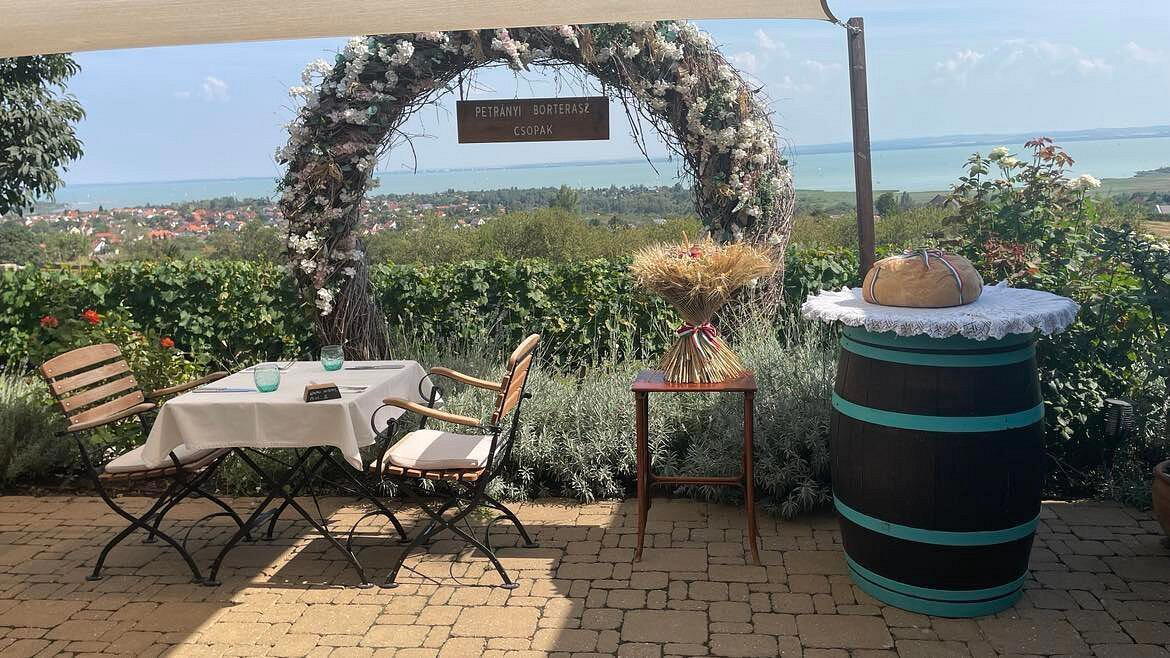
That distinction is not a criticism. Particularly instructive regional cooking in Hungary happens at the level of a well-run provincial kitchen that knows its suppliers by name and buys by the season because that is how the economy of a small town works. For visitors arriving from the Balaton shore after time at Petrányi Csopak in Csopak or Kővirág in Köveskál, Apicius offers a different register entirely, one grounded in local practicality rather than destination ambition.
Where It Fits in the Western Hungarian Dining Picture
Hungary's regional restaurant scene has been developing unevenly. The concentration of critical attention and investment in Budapest, with its Michelin-recognised addresses and active cocktail culture, can obscure the fact that interesting eating exists in the provinces if you know which towns to look in and what format to expect. The corridor running from Győr through Veszprém county toward the Balaton northern shore has accumulated a cluster of addresses worth tracking: Teyföl in Szentendre, Botanica in Dánszentmiklós, and Padi in Rátka all represent the newer wave of regionally anchored Hungarian kitchens.
Apicius sits at the more traditional end of that spectrum, in a town that does not yet have the culinary profile its porcelain reputation might suggest it deserves. For the food-curious visitor who has exhausted the Balaton northern shore's more celebrated tables and wants to understand the texture of everyday Transdanubian eating, the address on Kossuth Lajos utca is worth a detour. It will not deliver the precision sourcing narrative of Platán Gourmet in Tata or the fish-focused specificity of Old Kőrössy Fish Restaurant in Szegedin, but it offers something those addresses cannot: the particular atmosphere of a provincial Hungarian café-restaurant going about its daily business in a town that the rest of the world only knows for what gets packed into shipping containers.
For broader context across the region, our full Herend restaurants guide maps the town's eating options alongside its cultural attractions. Those planning a longer western Hungary itinerary might also consider the fish-forward kitchens further east, including Tiszavirág in Szeged and Horgonyzó Kisvendéglő in Tiszalök, to understand how dramatically the ingredient base shifts once you cross from Transdanubia into the Great Plain. At the opposite extreme of ambition and scale, Le Bernardin in New York City and Lazy Bear in San Francisco represent what happens when provenance sourcing becomes the central architectural principle of a kitchen rather than a background condition of provincial life.
Planning a Visit
Herend is accessible by train from Veszprém, with the journey taking under thirty minutes, making a lunch visit practical without a car. The address at Kossuth Lajos u. 137 is walkable from the Herend Porcelain Manufactory and Museum, which makes a logical pairing for a half-day in town. The address at Kossuth Lajos u. 137 is walkable from the Herend Porcelain Manufactory and Museum, which makes a logical pairing for a half-day in town. Herend is a small town, so booking is essential, especially at lunch and on weekends.
Side-by-Side Snapshot
Comparable venues nearby, for context on price, style, and recognition.
| Venue | Cuisine | Price | Awards | Notes |
|---|---|---|---|---|
| Apicius Étterem és KávéházThis venue — the venue you are viewing | Hungarian Fine Dining | $$$$ | Not listed | Not listed |
| Fióka | Modern European Small Plates with Hungarian Influences | $$ | Not listed | Buda |
| Caviar & Bull | Contemporary Seafood & Beef Fine Dining | $$$$ | Not listed | Terézváros |
| Mandula Étterem | Modern Hungarian Fine Dining | $$$ | Not listed | Villany |
| Tihanyi Vinarius | Contemporary European with Hungarian Influences | $$$$ | Michelin Plate | Tihany |
| Atrium Bistro | Hungarian Brasserie | $$$ | Not listed | Terézváros |

At a Glance
- Elegant
- Classic
- Romantic
- Cozy
- Special Occasion
- Group Dining
- Historic Building
- Local Sourcing
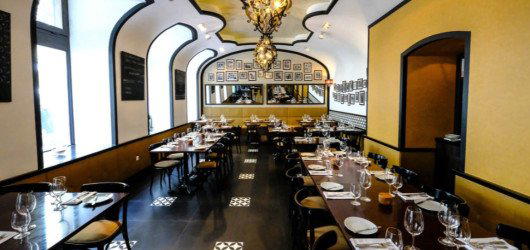
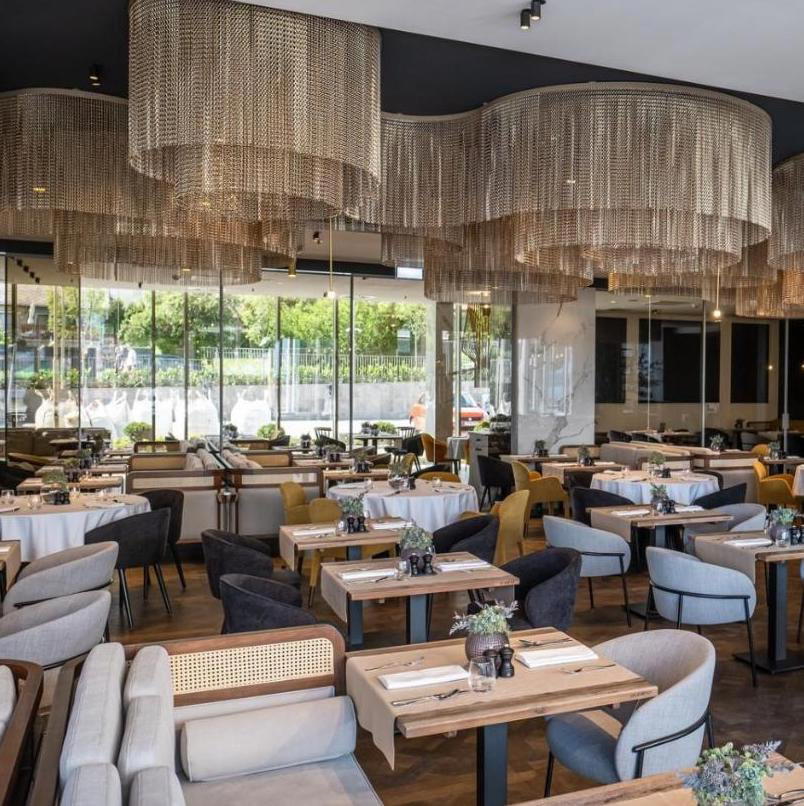
Elegant grand hall and intimate gallery with sophisticated porcelain tableware creating a refined, peaceful atmosphere.