Our verdict
On Eger's central Dobó István tér, Forst-Ház Étterem és Kávézó occupies one of the most historically charged addresses in Hungary's premier wine city. The kitchen draws on the agricultural depth of the Eger wine region, where proximity to Egri Bikavér vineyards and the Northern Hungarian highlands shapes what ends up on the plate. For visitors working through the city's dining options, it sits in a mid-tier bracket alongside neighbourhood trattorias rather than the tasting-menu formats found in Budapest.

Pearl is the En Primeur Club membership app — saves, bookings, and concierge access live there. Same editors, same standards.
- Address
- Eger, Dobó István tér 1, 3300 Hungary
- Phone
- +36 36 311 587
- Hours
- Mon–Fri 10 AM–10 PMSat 9 AM–10 PMSun 9 AM–8 PM
- Website
- forsthaz.hu
- Directions
- Get directions
The menu
What to order
- Erdély-style mixed grill
- Roast fallow deer with goose liver and forest mushrooms
- Smoked pig trotter meat with cabbage noodles
- Cold strawberry soup with cottage cheese dumplings
A Square That Sets the Terms
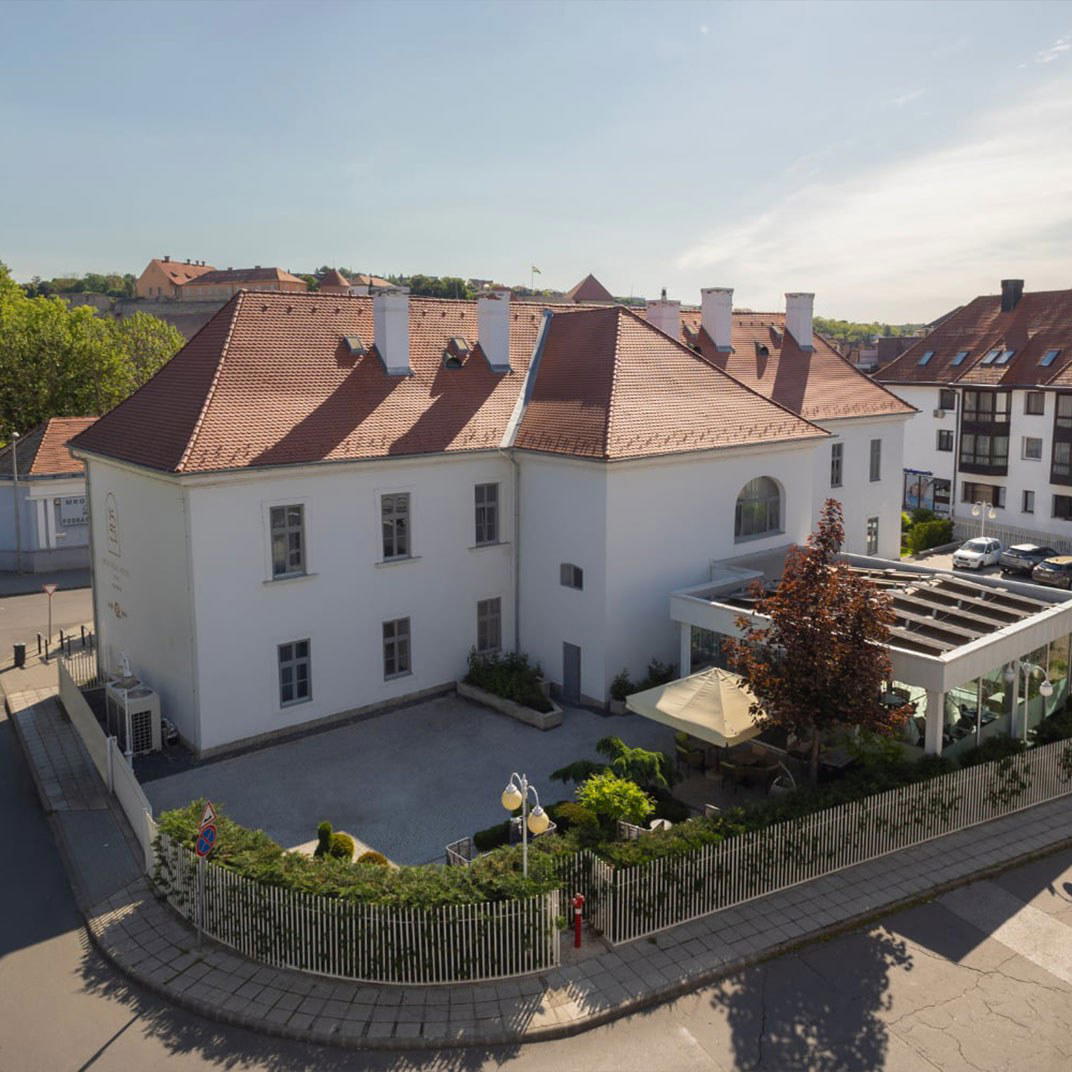
Dobó István tér is not a background detail in Eger — it is the city's organising principle. The baroque castle walls rise above its northern edge, the twin-towered Minorite church anchors the west, and the square itself functions as a civic living room where locals and visitors compress into the same cobblestone geography. Restaurants here occupy a specific competitive position: the address carries weight, foot traffic is high year-round, and the clientele arriving from the castle or the adjacent wine cellars of Szépasszony-völgy come with expectations shaped by the region rather than the venue. Forst-Ház Étterem és Kávézó sits at this address — Dobó István tér 1, and that placement frames every decision about what it can credibly serve.
Eger's dining scene has not replicated the tasting-menu intensity of Budapest, where venues like Stand in Budapest operate at the top of Hungary's modern cuisine conversation. The city's character is different: it is a wine town first, a baroque monument second, and a restaurant destination third. That ordering matters. Visitors arrive to drink Egri Bikavér and Leányka, to walk the castle, and to eat in formats that complement those activities rather than compete with them. The restaurants that work leading here tend to be mid-register, generous with local ingredients, comfortable with the rhythms of tourism, and grounded in Hungarian culinary tradition rather than imported frameworks.
Ingredient Geography and the Eger Advantage
The Northern Hungarian highlands that surround Eger produce a specific agricultural character. The volcanic and limestone soils that define the wine region's terroir also support livestock, game, and cold-climate produce that have historically anchored the regional table. Mangalica pork, grey cattle, fogas (pike-perch from Tisza-adjacent waters), and foraged mushrooms from the Bükk hills represent the larder that Hungarian regional kitchens in this corridor have drawn on for generations. A restaurant at the heart of Eger's tourist geography is positioned, almost by obligation, to reference this supply chain, visitors arriving from the wine valleys expect the plate to speak the same language as the glass.
This dynamic plays out across provincial Hungarian dining more broadly. The restaurants that have attracted serious attention in recent years, Pajta in Őriszentpéter, Hosszú Tányér in Hosszúhetény, or Kővirág in Köveskál near the Balaton, have each built their editorial case on a tight relationship between local sourcing and menu construction. The pattern is consistent: proximity to a defined agricultural region, a kitchen willing to let that proximity show, and a format that keeps the ingredient legible rather than obscuring it under technique. Eger has the raw material for exactly this approach, and restaurants on its central square inherit both the opportunity and the audience for it.
For context on what a sourcing-led approach looks like at higher ambition levels within Hungary, Sauska 48 in Villány and Petrányi Csopak in Csopak both operate within wine-region dining contexts where the agricultural supply and the wine list are conceived together. The same logic applies in Eger, where the Bikavér producers of the Egri wine region provide a natural pairing axis for whatever the kitchen is running.
Where Forst-Ház Fits in the Local Tier
Eger's restaurant market stratifies along familiar lines. At the lower end, tourist-facing operations on and around Dobó tér offer simplified Hungarian standards at prices calibrated to high-turnover foot traffic. At the upper register, a smaller number of venues attempt more deliberate menus, Macok Bistro is the clearest local reference point for modern cuisine at the €€ tier. Forst-Ház, positioned on the square's most prominent address, operates in the middle of that range, where the audience is broad, the expectation is honest Hungarian cooking, and the wine list is expected to carry Eger appellations rather than international labels.
That positioning has parallels elsewhere in Hungarian provincial dining. Venues like Öreg Prés in Mór or Teyföl in Szentendre occupy the same functional tier: traditional in orientation, regionally grounded, and priced for a mixed local-and-visitor audience. The comparison is useful because it clarifies what Forst-Ház is not attempting, it is not positioning against the tasting-menu formats of Platán Gourmet in Tata or the fish-specialist precision of Old Kőrössy Fish Restaurant in Szegedin or Tiszavirág in Szeged. Its competition is the square itself and the wine-bar dining culture of Szépasszony-völgy, not the Hungarian fine-dining circuit.
For a broader read on Eger's dining options across price points and formats, the EP Club Eger restaurants guide maps the full scene.
Planning a Visit
The address, Dobó István tér 1, 3300 Eger, places Forst-Ház at the gravitational centre of the old town, walkable from the castle entrance and the wine-cellar valley. Eger is most visited between May and October, when the castle and outdoor terrace dining both operate at capacity; the square fills significantly on summer weekends, and venues here run at higher covers during that window. The city is accessible by direct train from Budapest Keleti station in approximately two hours, making it a credible day trip, though an overnight stay allows time for the wine valleys in the evening.
For those building a wider itinerary around Hungary's regional dining circuits, Botanica in Dánszentmiklós, Padi in Rátka, and Horgonyzó Kisvendéglő in Tiszalök each represent the kind of place-specific, ingredient-driven format that rewards detours off the Budapest-centric circuit. Eger sits logically in that itinerary, a city with its own culinary identity, a defined wine region, and a central square that concentrates the experience into a walkable radius.
Frequently asked questions
Is Forst-Ház Étterem és Kávézó child-friendly?
Its position on Dobó István tér 1, one of Eger's most open and pedestrianised public squares, makes logistics straightforward for families visiting the nearby castle. The café-restaurant format, common in Hungarian provincial towns, typically accommodates a broad age range.
Is Forst-Ház Étterem és Kávézó formal or casual?
The combined étterem (restaurant) and kávézó (café) designation signals a dual-register operation: cafés on Dobó tér in Eger generally run at a relaxed, daytime pace, while the restaurant side tends toward a slightly more composed dinner setting. Neither format in this category demands formal attire. The square-facing location draws both local regulars and visitors touring the castle district, which keeps the atmosphere firmly on the approachable side.
What makes dining at Forst-Ház Étterem és Kávézó different from other restaurants near Eger Castle?
The address at Dobó István tér 1 places Forst-Ház at the precise geographic and civic centre of Eger's old town, directly on the square rather than on a side street feeding into it. In a city where tourist-facing operations cluster around the same corridor, a tér 1 position means the castle walls, the baroque Minorite Church, and the main pedestrian artery are all within direct sightline. Whether that prime placement translates into differentiated cooking is a question the kitchen itself has to answer.
What dish is Forst-Ház Étterem és Kávézó famous for?
Restaurants at this address in Eger typically draw on the Northern Hungarian larder — game, freshwater fish, paprika-based stews, and seasonal produce from the surrounding volcanic highland farms. For confirmed menu details, contacting the venue directly or visiting in person is the reliable route.
Fast Comparison
Comparable venues nearby, for context on price, style, and recognition.
| Venue | Cuisine | Price | Awards | Notes |
|---|---|---|---|---|
| Forst-Ház Étterem és KávézóThis venue — the venue you are viewing | Traditional Hungarian with Game & Fish Specialties | $20–30 | Not listed | Not listed |
| Macok Bistro | Modern Hungarian Bistro | $20–30 | Michelin Bib Gourmand | Old Town |
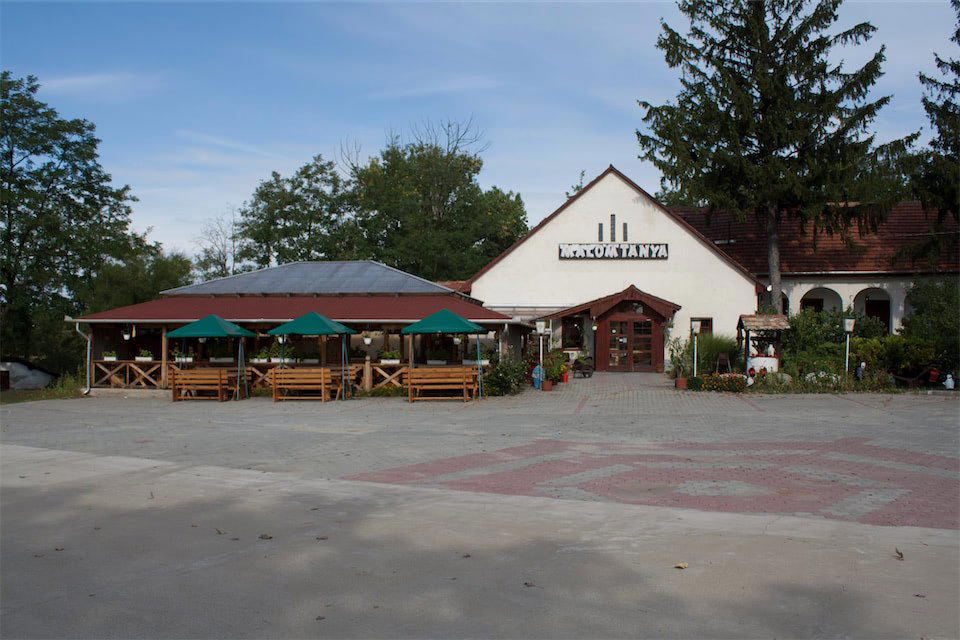
| Malomtanya Vendéglö | Hungarian | Not listed | Not listed | Bükkábrány |
| DiVino Wine Bar | Hungarian Wine Bar with Tapas | $20–30 | Not listed | Belvaros |
| Lilafüred Mátyás Étterem | Hungarian & International | $20–30 | Not listed | Lillafüred |
| Horizont | Modern Brunch Cafe | $10–20 | Not listed | Terézváros |
Details
- Cozy
- Classic
- Scenic
- Romantic
- Date Night
- Family
- Group Dining
- Casual Hangout
- Terrace
- Historic Building
- Standalone
- Beer Program
- Local Sourcing
- Street Scene
- A La Carte
- Family Style
- Hungarian Wine
- Craft Beer
- Coffee
- Vegetarian Friendly
- Gluten Free Options
- Allergy Accommodating
Current opening hours
- Monday
- 10 AM–10 PM
- Tuesday
- 10 AM–10 PM
- Wednesday
- 10 AM–10 PM
- Thursday
- 10 AM–10 PM
- Friday
- 10 AM–10 PM
- Saturday
- 9 AM–10 PM
- Sunday
- 9 AM–8 PM
Hours can change for holidays and private events. Last verified .
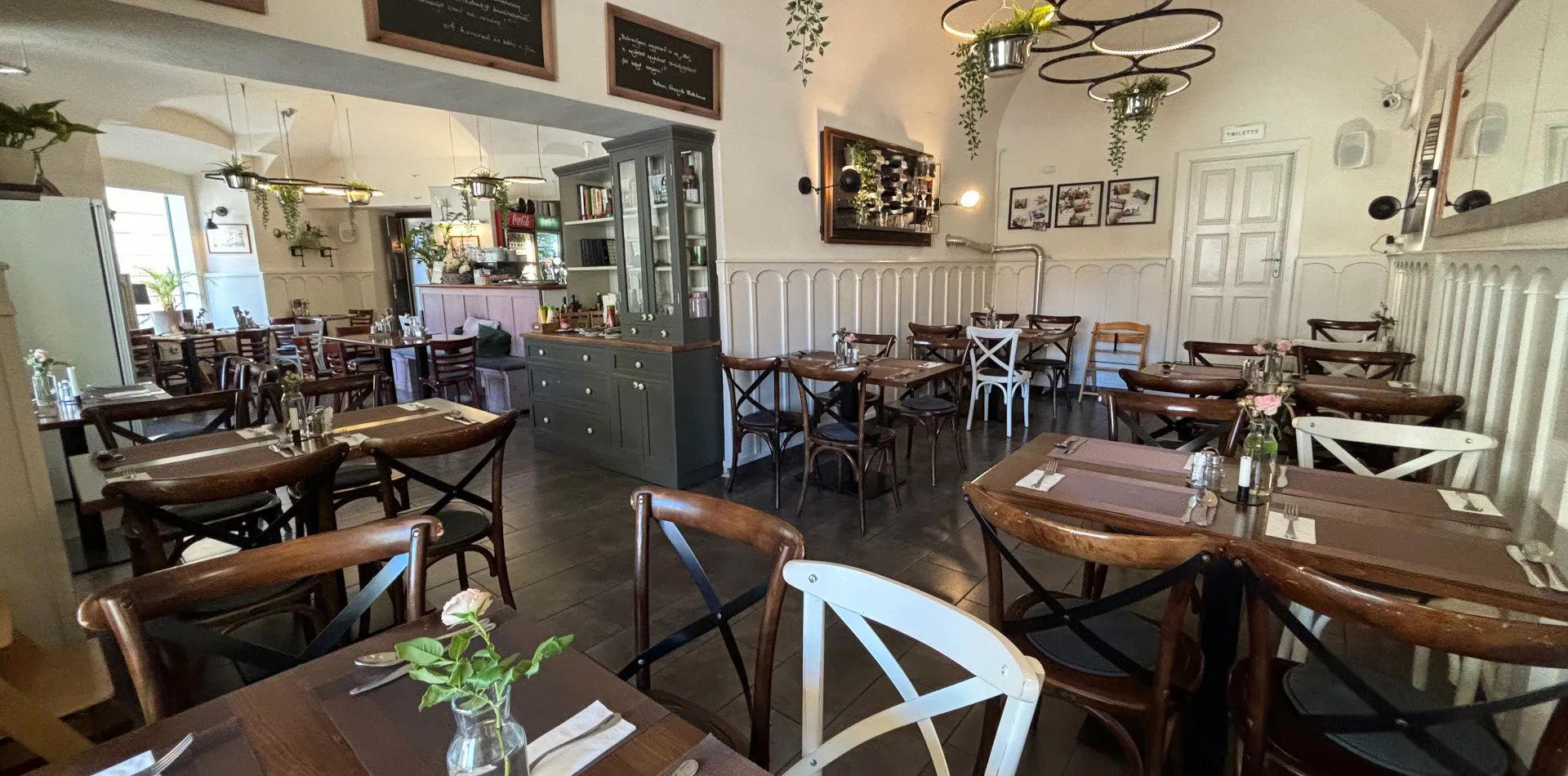
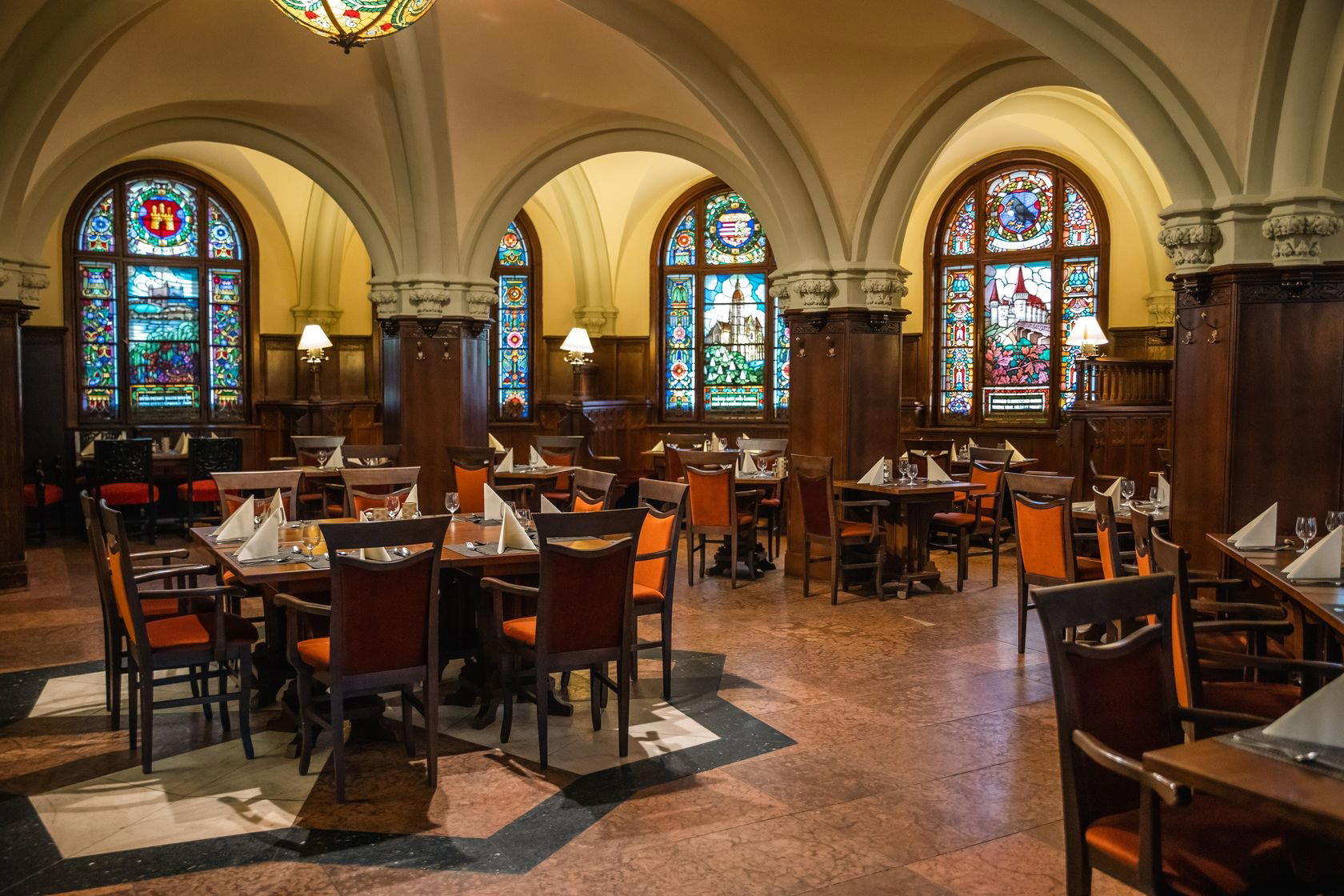
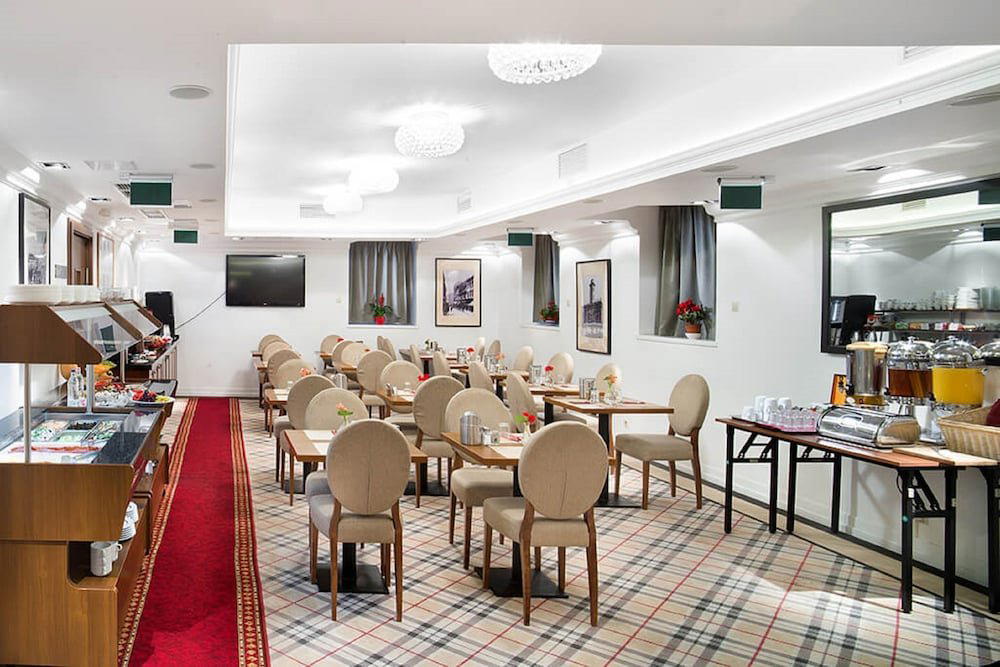
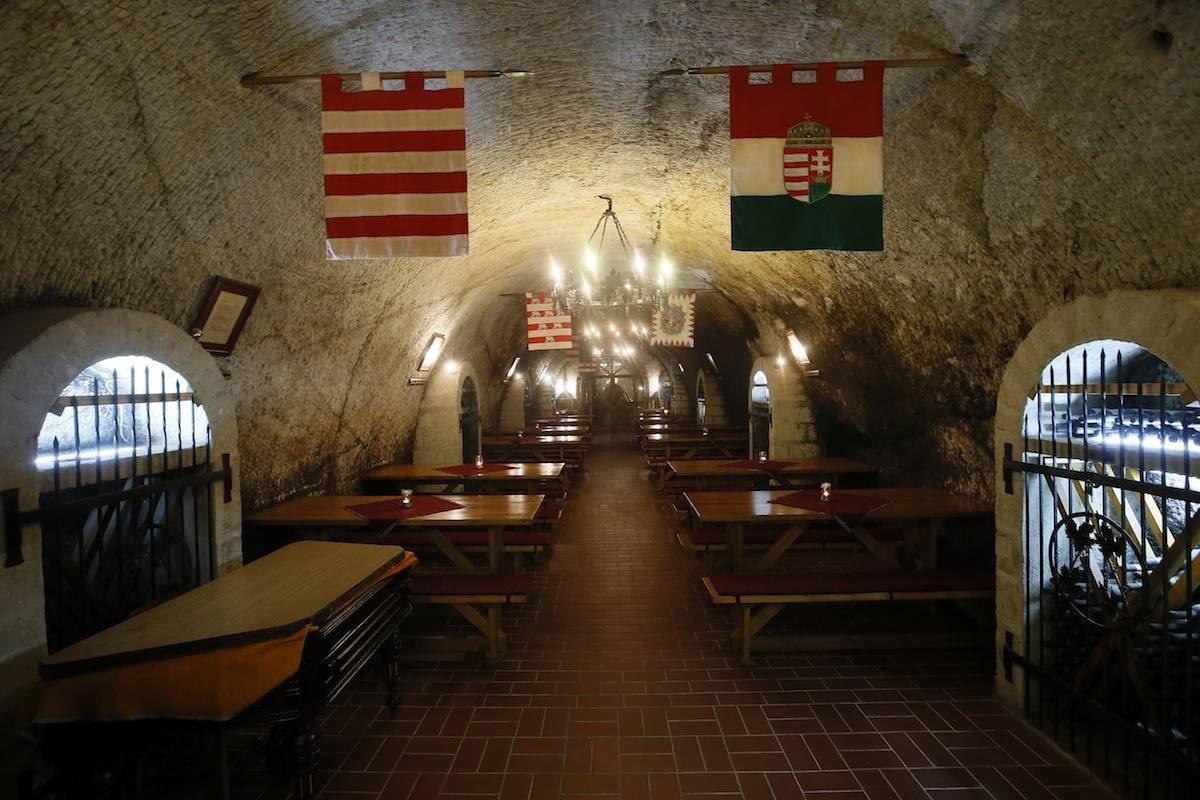
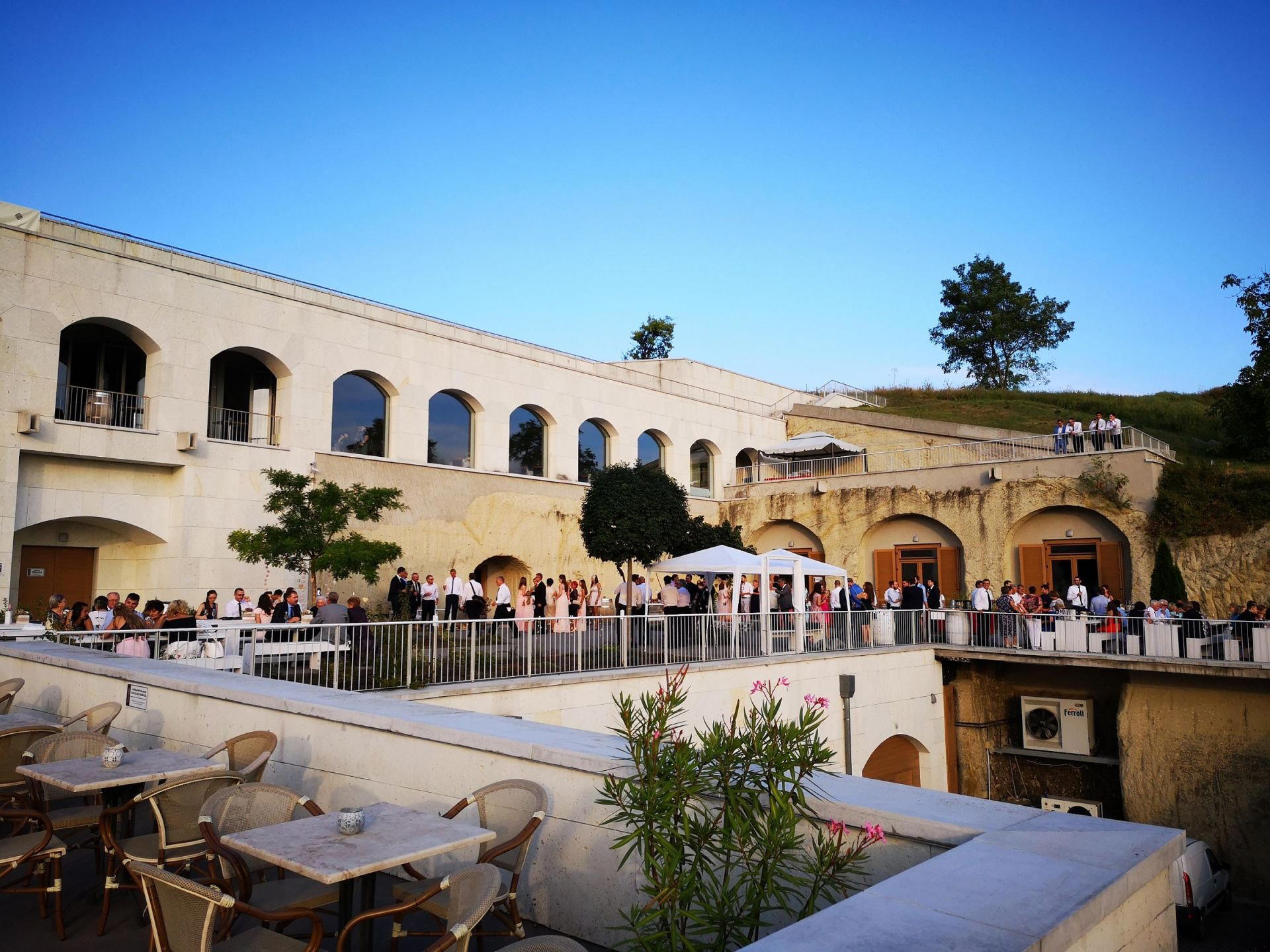
Warm and inviting with baroque architecture views; well-lit dining room with a cozy café atmosphere; family-style seating with attentive service.