


Budapest's first Michelin-starred restaurant, Costes holds a Michelin star and 77 points in the 2026 La Liste rankings, placing it among Central Europe's most critically recognised modern kitchens. Chef Tiago Sabarigo leads a seven-course tasting menu built around Hungarian seasonality, served Wednesday through Sunday from a Fifth District address on Vigyázó Ferenc utca. The wine programme draws almost exclusively from Hungarian producers.
Pearl is the En Primeur Club membership app — saves, bookings, and concierge access live there. Same editors, same standards.
- Address
- Budapest, Vigyázó Ferenc u. 5, 1051 Hungary
- Phone
- +36 20 926 7837
- Website
- costesdowntown.hu
- Directions
- Get directions
 Saves & bookings on Pearl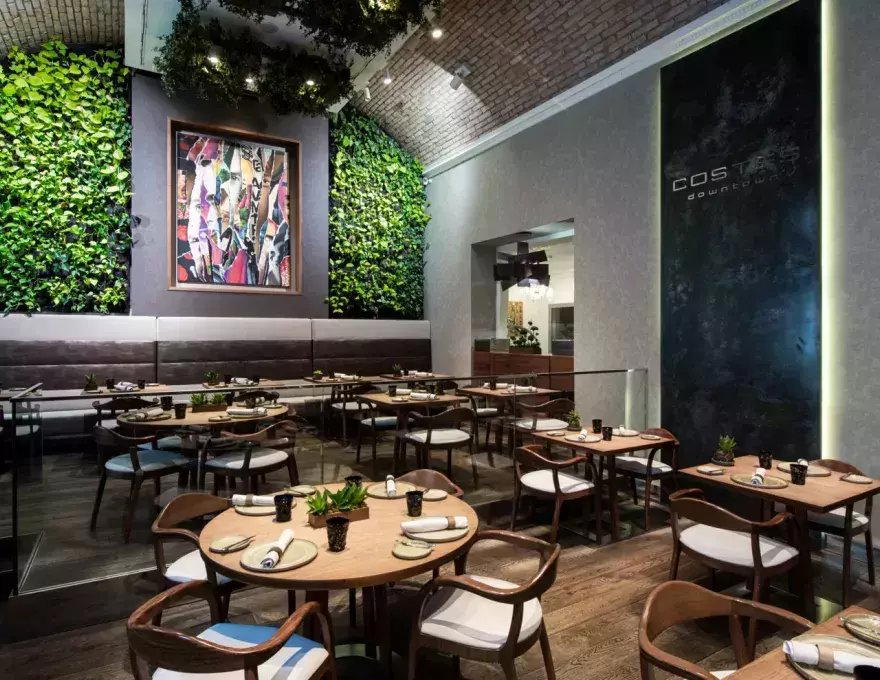
Where Budapest's Fine Dining Reputation Was Built
The ground-floor dining room on Vigyázó Ferenc utca sits a short walk from the Danube in Budapest's Fifth District, the administrative and cultural core of the city. The room signals intent before a dish arrives: considered décor, measured service, a pace that makes clear the kitchen is running a programme, not just producing plates. For readers arriving at Costes for the first time, the front section of the main room offers particularly open sightlines, and is worth requesting at booking. The experience that follows is one that has been refined over time.
A Track Record Built on Critical Consensus
Few restaurants in Central Europe carry the accumulated weight of recognition that Costes has accumulated since it became the first restaurant in Hungary to receive a Michelin star. That distinction, retained as of 2024, places it in a small peer group operating above the city's wider modern-cuisine tier.
Taken together, these signals situate Costes not as a restaurant coasting on early prestige but as one that has had to compete, year after year, in an increasingly active Central European fine dining field. For context, Babel holds a Michelin star at the same price tier in Budapest, and Stand represents the city's other serious fine dining reference. Costes occupies its own position within this set, with a longer critical history and a wine programme that distinguishes it clearly from peers.
The Seven-Course Format and Its Logic
The kitchen runs a modern seven-course tasting menu under Chef Tiago Sabarigo, a format that places Costes firmly in the structured, progression-led style of European fine dining rather than the à la carte or sharing-plate models that have expanded elsewhere in the city. That format choice carries implications: it requires commitment from the guest, it gives the kitchen control over narrative and pacing, and it makes seasonality legible in a way that individual dish ordering does not. Ingredients in season are the menu's primary organisational logic.
The visual dimension of the cooking has been a consistent note in critical assessments, with colour and presentation described as deliberately considered rather than incidental. This is a kitchen working at the intersection of technique and aesthetics, a position common to the upper tier of modern European tasting-menu restaurants, and one that requires ongoing discipline to sustain. The dishes arriving over the course of an evening at Costes are intended to function as a sequence, each informing the next, rather than as a series of independent statements.
The Wine Programme as a Differentiator
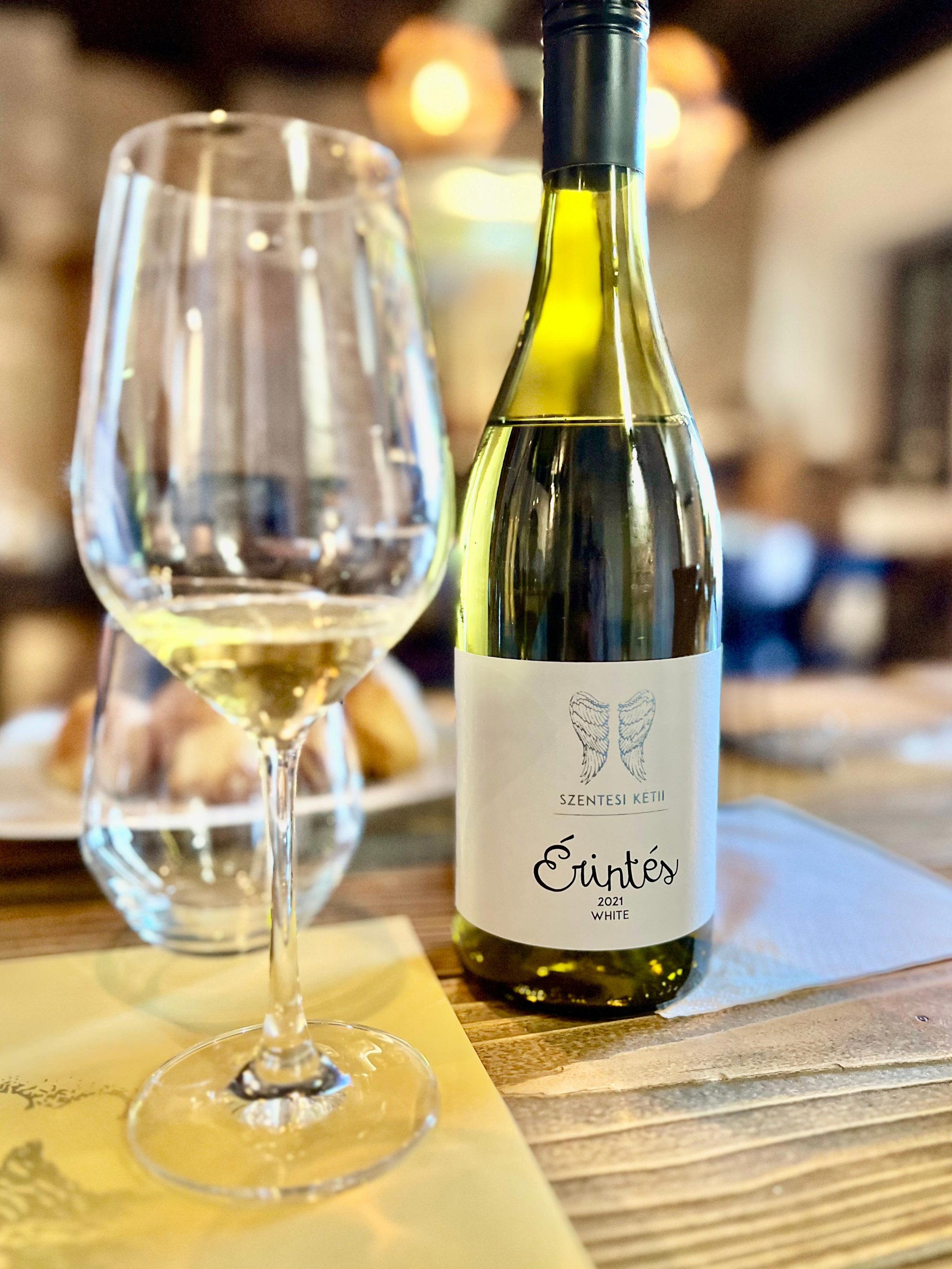
Hungary's wine regions remain substantially underrepresented in international fine dining contexts, which makes the wine programme at Costes a genuinely useful editorial reference point. The list draws predominantly from Hungarian producers, with the sommelier presentation described in critical accounts as a highlight rather than an afterthought. The list draws on Hungarian producers beyond Tokaji Aszú.
This approach to the wine list is not common in Budapest's fine dining tier. It represents a deliberate curatorial position that aligns with the kitchen's seasonal and local emphasis, and it creates a pairing experience that international visitors are unlikely to encounter elsewhere in the city at this level. For anyone arriving from a wine background, the list alone warrants attention before the first course.
Costes in the Broader Context of Hungarian Fine Dining
Budapest's serious restaurant tier has expanded considerably in the past decade. essência, Salt, and Arany Kaviár each represent distinct positions within the capital's upper tier, and the country's fine dining energy has spread well beyond Budapest. Platán Gourmet in Tata, Pajta in Őriszentpéter, 42 Restaurant in Esztergom, 67 Sigma in Székesfehérvár, A Konyhám Stúdió 365 in Fonyód, and Alkimista Kulináris Műhely in Szeged all signal that serious cooking is no longer a Budapest-only conversation in Hungary.
Within the capital, Costes remains the longest-standing reference in the Michelin-starred tier, and its position in La Liste places it in a comparable critical bracket to recognised kitchens elsewhere in Europe. For European context, the modern cuisine format at this price tier and recognition level is shared by restaurants such as De Librije in Zwolle and De Bokkedoorns in Overveen, both operating within the same critical frameworks and format conventions.
Planning Your Visit
Costes operates Monday through Sunday, with service from 12 PM to 3 PM and 6 PM to 11 PM each day. The price positioning at €€€€ places it at a high spend level in Budapest. The Fifth District location on Vigyázó Ferenc utca is walkable from the main hotel zone along the Danube and well-connected by metro.
Cuisine and Credentials
Comparable venues nearby, for context on price, style, and recognition.
| Venue | Cuisine | Price | Awards | Notes |
|---|---|---|---|---|
| CostesThis venue — the venue you are viewing | Modern Hungarian Fine Dining | $$$$ | Michelin 1 Star | Not listed |
| Salt | Modern Hungarian Fine Dining | $$$$ | Michelin 1 Star | Belvaros |
| The Grundel | Historic Hungarian Fine Dining | $$$ | World's 50 Best #46 | Városliget |
| Babel | Modern Hungarian Fine Dining | $$$$ | Michelin 1 Star | Belvaros |
| Borkonyha Winekitchen | Modern Hungarian-Inspired Bistro | $$$ | Michelin 1 Star | Belvaros |
| Rumour by Rácz Jenő | Modern Fusion Tasting Menu | $$$$ | Michelin 1 Star | Belvaros |
Recognition history
Dated appearances from independent guides and award organizations, with the underlying list record or original source where available.
La Liste Top Restaurants
La Liste
La Liste Top Restaurants
La Liste
Michelin 1 Star
Michelin
Opinionated About Dining Top Restaurants in Europe Ranked #631
Opinionated About Dining
Michelin 1 Star
Michelin
Opinionated About Dining Top Restaurants in Europe Ranked #478
Opinionated About Dining
Opinionated About Dining Top New Restaurants in Europe Recommended
Opinionated About Dining
Continue exploring
More in Budapest
More from Chef Tiago Sabarigo
Browse all →
Restaurants in Budapest
Browse all →
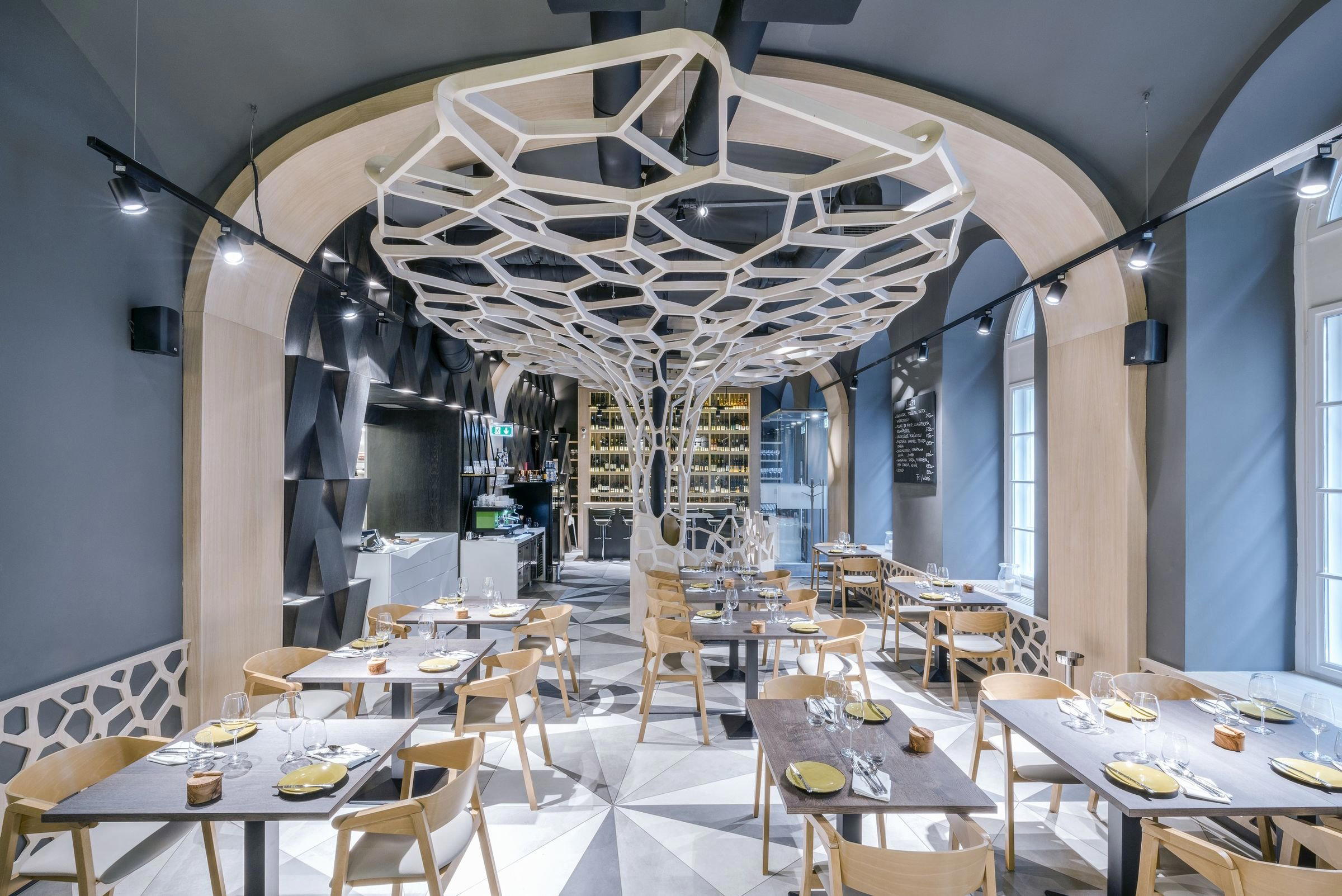
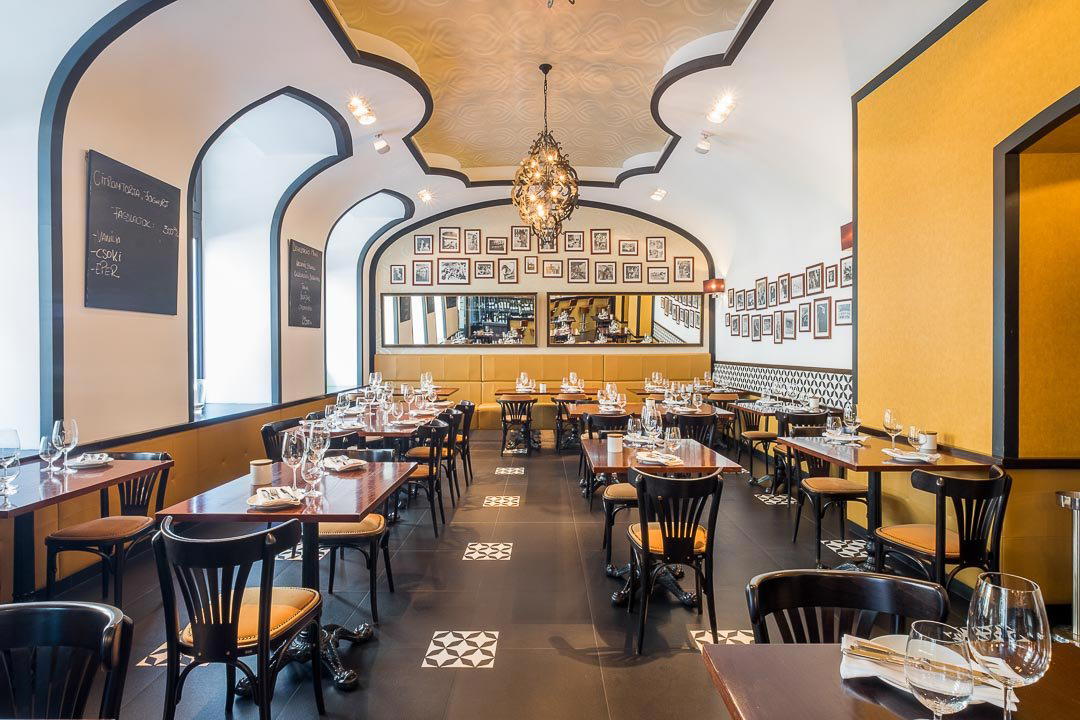
Bars in Budapest
Browse all →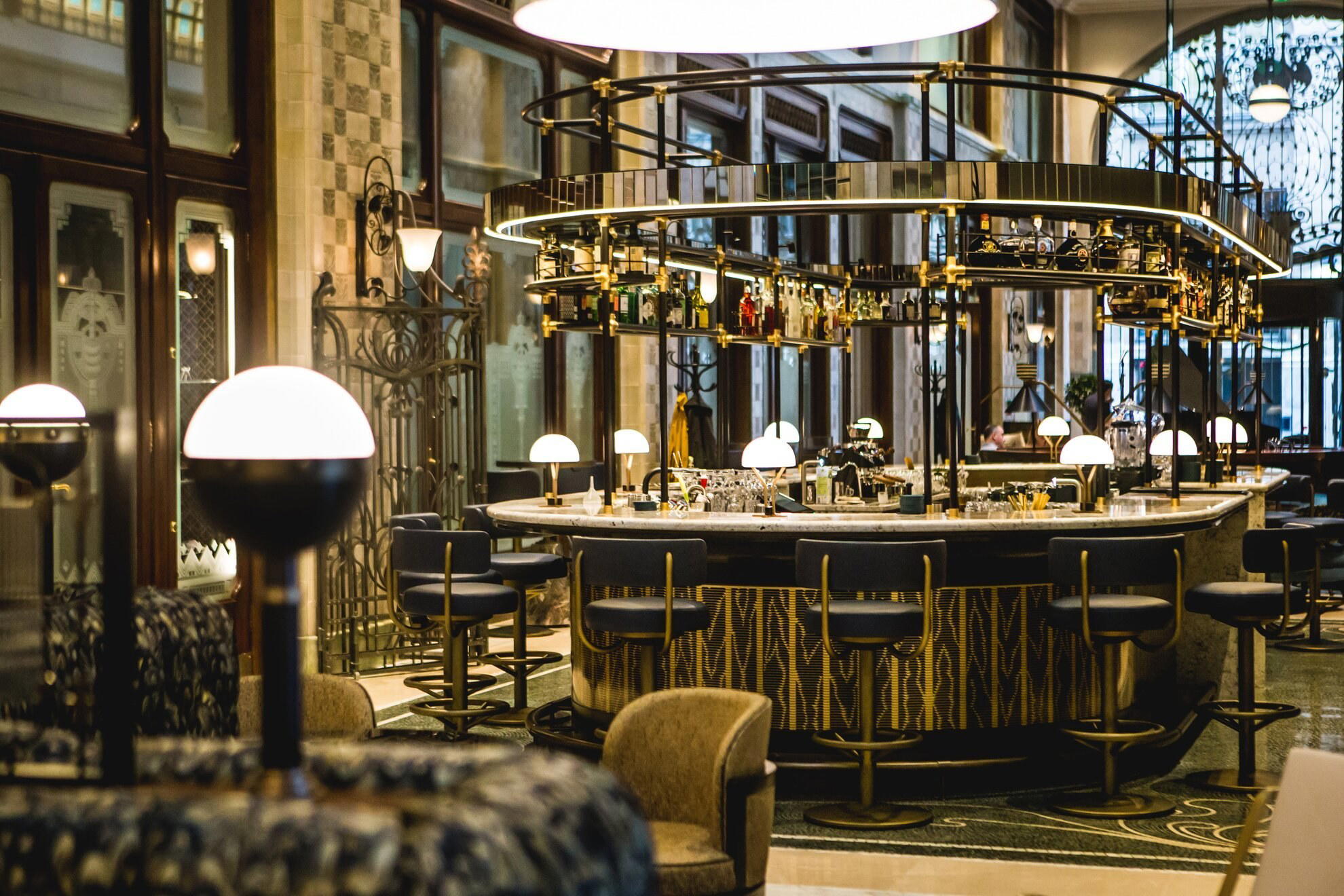
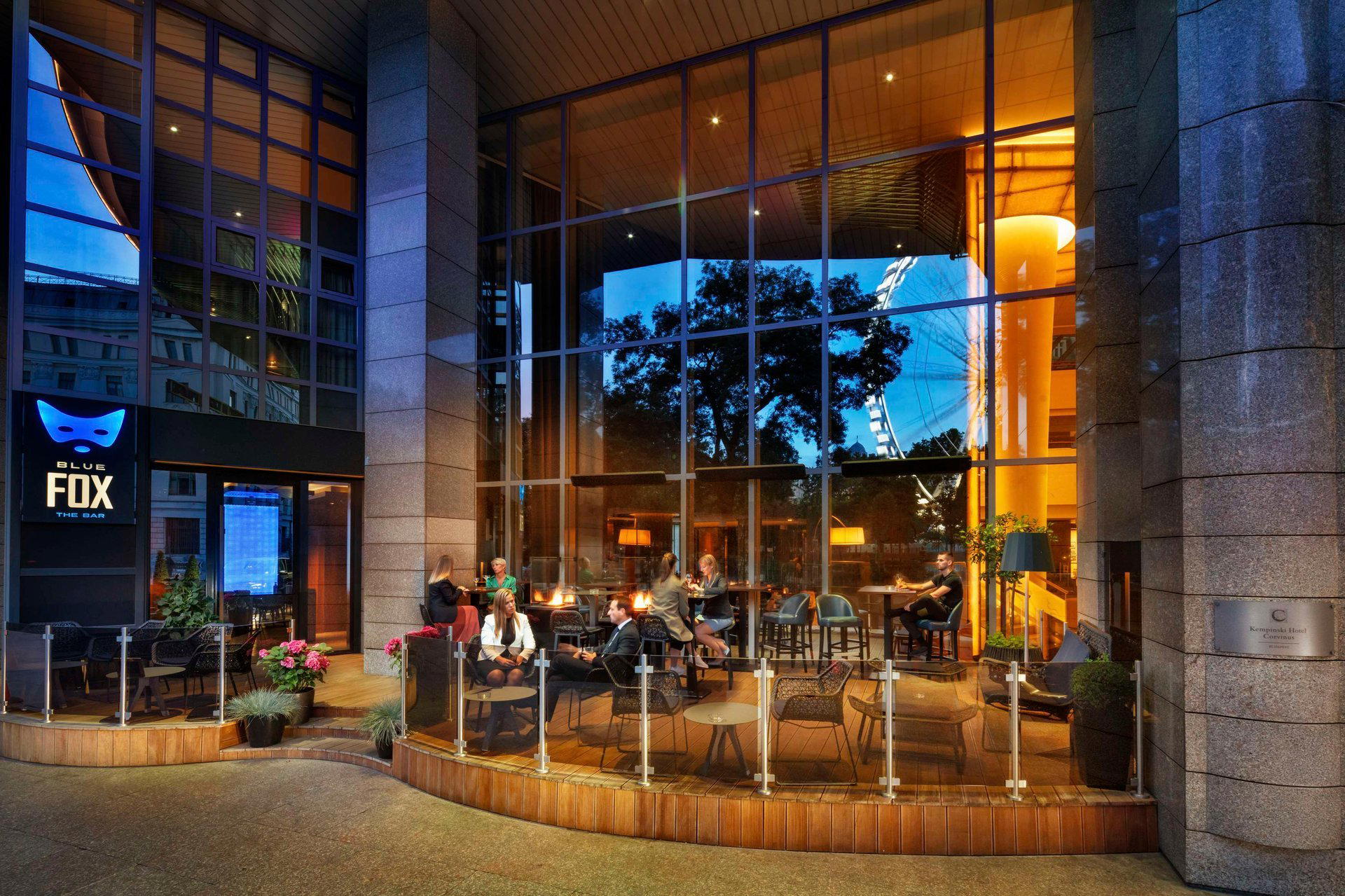
Hotels in Budapest
Browse all →
At a Glance
- Elegant
- Sophisticated
- Modern
- Intimate
- Date Night
- Special Occasion
- Celebration
- Business Dinner
- Open Kitchen
- Hotel Restaurant
- Design Destination
- Extensive Wine List
- Sommelier Led
- Craft Cocktails
- Local Sourcing
Current opening hours
- Monday
- 12–3 PM, 6–11 PM
- Tuesday
- 12–3 PM, 6–11 PM
- Wednesday
- 12–3 PM, 6–11 PM
- Thursday
- 12–3 PM, 6–11 PM
- Friday
- 12–3 PM, 6–11 PM
- Saturday
- 12–3 PM, 6–11 PM
- Sunday
- 12–3 PM, 6–11 PM
Hours can change for holidays and private events. Last verified .
Elegant and sophisticated dining room with smart décor, bright artistic plating, and a calm, welcoming atmosphere ideal for savoring fine gastronomy in detail.