


1 Michelin Star · La Liste Top Restaurants
Our verdict
A Michelin-starred address near St. Stephen's Basilica, Borkonyha Winekitchen places Hungarian ingredients inside a menu architecture that rewards those who commit to the tasting format. Chef Ákos Sárközi's kitchen treats local produce with precision rather than ceremony, while a 100-label wine list weighted toward Hungarian producers makes the pairing case as strongly as the food does.

Pearl is the En Primeur Club membership app, where members save venues, book tables and use the concierge.
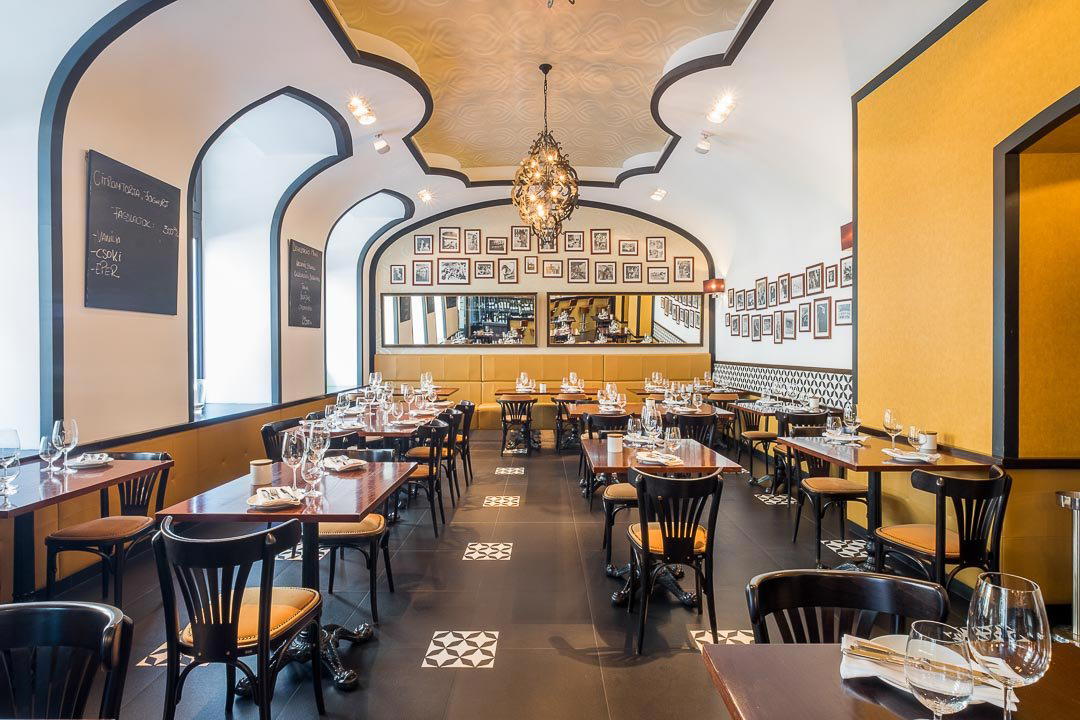
The Case for Going the Distance at Borkonyha
A few doors from St. Stephen's Basilica in Budapest's fifth district, Sas utca 3 presents little to the street. No theatrical entrance, no display case of accolades visible from the pavement. This is not an accident of address, it reflects something deliberate about how the restaurant positions itself. Fine dining in Budapest has historically been tied to grand hotel ballrooms and formal ceremony, a legacy of the Austro-Hungarian era that several of the city's newer operators have either embraced or worked hard to escape. Borkonyha chose a third path: remove the ceremony, keep the rigour.
That positioning places it in an identifiable sub-tier of Budapest's modern restaurant scene. Where Babel and Costes operate at €€€€ with the full apparatus of high-format fine dining, and Stand similarly occupies the city's most formal tier, Borkonyha prices at €€€ while carrying Michelin recognition, a combination that makes it, in practical terms, the most accessible starred address in the city's modern cuisine bracket. The Opinionated About Dining guide has tracked its trajectory consistently: Recommended in 2023, Ranked #524 in Europe's Casual category in 2024, and climbing to #834 in 2025, more competitive European field rather than any slippage in quality. La Liste also includes it in its 2025 global leading restaurants at 75 points.
Menu Architecture: Tasting Format as the Real Argument
The structure of the menu at Borkonyha says more about the kitchen's priorities than any individual dish could. An à la carte exists, and it functions as a genuine option rather than a token concession to flexibility. But the tasting menu is where the kitchen's argument becomes coherent. This is not uncommon among restaurants operating at this level, tasting formats allow chefs to control sequence, pacing, and the cumulative logic of a meal, but at Borkonyha the case for it is particularly clear because the Hungarian ingredient thread runs across courses rather than appearing in isolated gestures.
Chef Ákos Sárközi's approach, as documented in Michelin's own assessment, keeps Hungarian influences present but subtle. The ingredients carry regional identity; the technique does not foreground nationalism. This is a meaningful distinction in Central European cooking, where the tension between local pride and international format can produce either overcrowded plates or dishes that read as generic modern European with a paprika garnish. Here, the sourcing is the point. The kitchen selects ingredients at the level that Michelin describes as "top-class" and treats them with what the guide calls "utmost respect", language that, in Michelin's typically compressed register, signals a kitchen where restraint is the discipline, not the limitation.
The flavour profile across the tasting menu is described by Michelin as having "notable intensity," which is the more interesting claim. Intensity without elaboration can mean many things, but in the context of a kitchen that prioritises ingredient quality and minimal intervention, it points toward concentration rather than construction. The menu rewards the full sequence; ordering à la carte risks losing the cumulative effect that the tasting format is built to deliver.
The Wine Program as Co-Author
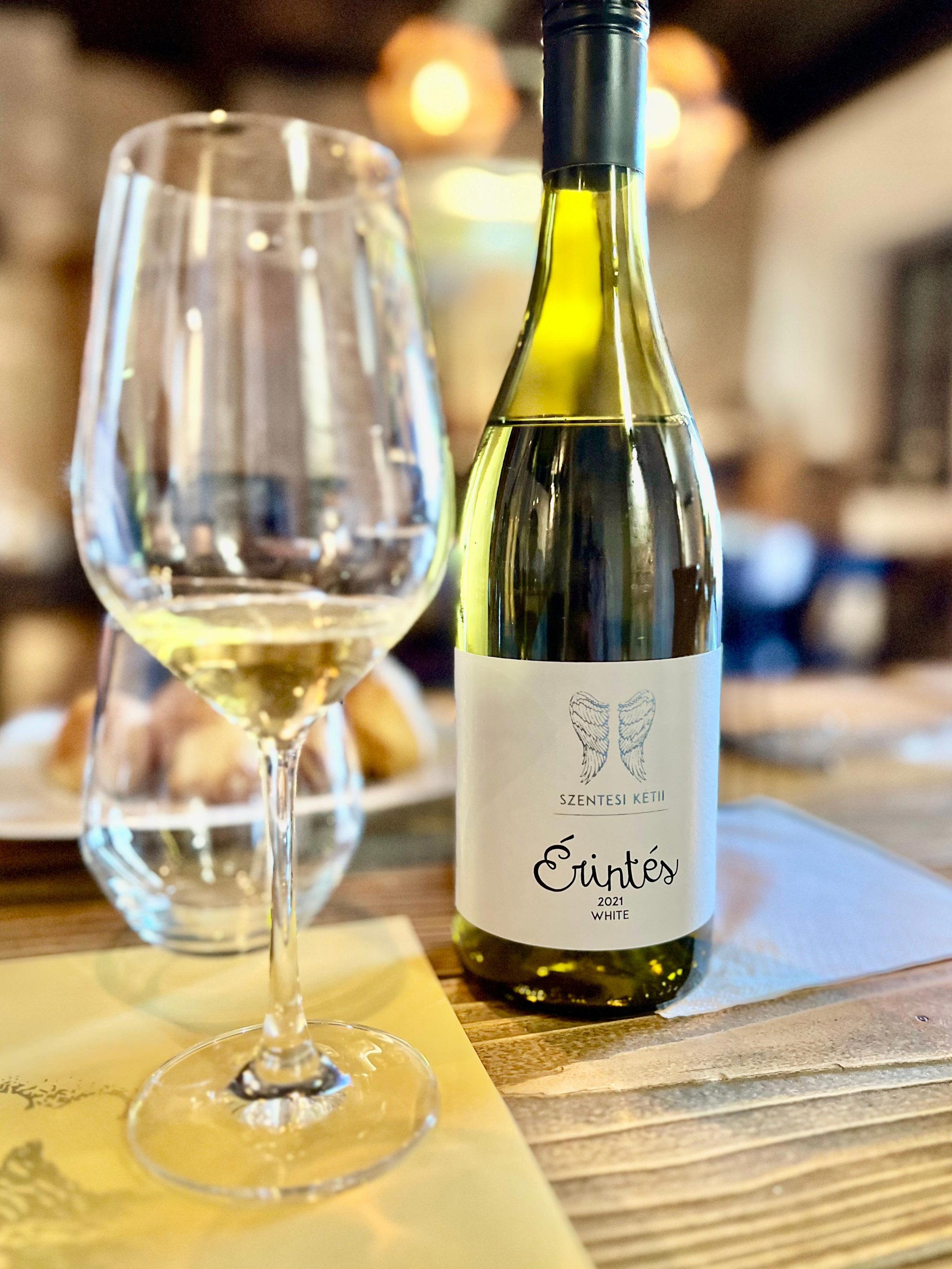
The name Borkonyha translates directly as Wine Kitchen, and the wine program is not an afterthought appended to a food-first operation. A 100-label list weighted toward Hungary's leading producers, with broad by-the-glass availability, is a considered structural choice. It signals that the restaurant expects guests to engage with Hungarian wine seriously rather than treating it as a novelty or a budget alternative to imported selections.
Hungary's wine scene has undergone significant reassessment over the past two decades, with Tokaj's Furmint gaining traction in international markets and the country's red-producing regions attracting serious collectors. Offering 100 labels from this context, with many available by the glass, means the wine list functions as both an education and a pairing mechanism. For a restaurant at the €€€ price tier, it is an unusual depth of commitment, the kind of list you would more typically associate with a venue charging significantly more. It also reinforces the tasting menu case: a kitchen that sequences dishes with this much internal logic pairs well with a wine program that can respond at each stage.
Guests interested in exploring Hungarian wine more broadly alongside their dining in the city will find that our full Budapest wineries guide covers producers and tasting formats available across the region.
How It Sits in Budapest's Modern Dining Tier
Budapest's Michelin-recognised restaurant cluster has expanded steadily, and the city now supports a range of formats at different price points. The €€€€ addresses, Babel, Stand, Costes, occupy a formal tier with longer, more elaborate menus and higher ceremony. Textúra and VIRTU operate at €€€ alongside Borkonyha, forming a middle tier where modern technique meets accessible pricing. Within that group, Borkonyha's Michelin star distinguishes it by a margin, as does its OAD ranking consistency over three consecutive years.
For those exploring fine dining beyond the capital, the Hungarian regional scene has been developing with some ambition. Platán Gourmet in Tata, Pajta in Őriszentpéter, and 42 Restaurant in Esztergom are worth considering in the same trip context, particularly for travellers building itineraries around Hungarian culinary geography. Further afield, 67 Sigma in Székesfehérvár, A Konyhám Stúdió 365 in Fonyód, and Alkimista Kulináris Műhely in Szeged each represent the kind of regional ambition that makes Hungary increasingly interesting as a destination for serious eating across multiple days.
Travellers planning around Budapest's full offering can also consult our full Budapest restaurants guide, as well as guides to hotels, bars, and experiences across the city.
Planning Your Visit
Borkonyha operates Tuesday through Friday from 6 PM, with lunch service added on Saturday from noon; all dinner sittings run through to midnight. The restaurant is closed on Sundays. The address on Sas utca places it within a few minutes' walk of the Basilica and the main fifth-district dining cluster, making it direct to incorporate into an evening that begins or ends elsewhere in the neighbourhood. The tasting menu is the format the kitchen intends; if your group has strong preferences for flexibility, the à la carte is available, but go in knowing what you are trading.
For those curious about comparable formats in the Netherlands, Basiliek in Harderwijk and De Swarte Ruijter in Holten operate in the same €€€ modern cuisine bracket and offer a useful point of comparison for European dining at this tier.
Frequently asked questions
What's the signature dish at Borkonyha Winekitchen?
No single dish has been formally documented as the signature, and the menu changes with the kitchen's seasonal and sourcing decisions. What Michelin's assessment does identify is a consistent character across the menu: dishes with subtle Hungarian influences, top-grade ingredients treated with restraint, and a notable intensity of flavour that builds across the tasting sequence. The tasting menu is the format through which that character is most legible. Specific dish details are best confirmed at the time of booking, as the menu evolves with Budapest's broader modern cuisine calendar and what Chef Ákos Sárközi's sourcing network is producing at any given moment.
In Context: Similar Options
A quick snapshot of similar venues for side-by-side context.
| Venue | Cuisine | Price | Awards | Notes |
|---|---|---|---|---|
| Borkonyha WinekitchenThis venue (the venue you are viewing) | Modern Hungarian-Inspired Bistro | $30–50 | 1 Michelin Star · La Liste Top Restaurants | Not listed |
| Babel | Modern Hungarian Fine Dining | Not listed | 1 Michelin Star · La Liste Top Restaurants | Modern Cuisine |
| Rumour by Rácz Jenő | Modern Fusion Tasting Menu | $100–150 | 1 Michelin Star · La Liste Top Restaurants | Creative |
| Stand25 Bisztró | Modern Hungarian Bistro | $50–100 | Michelin Plate | Traditional Cuisine |
| Textúra | Modern Hungarian Fine Dining | $50–100 | Michelin Plate | Modern Cuisine |
| Bilanx | Modern Hungarian Contemporary | $50–100 | Michelin Plate | Contemporary |
Recognition history
Dated appearances from independent guides and award organizations, with the underlying list record or original source where available.
Michelin 1 Star
Michelin
La Liste Top Restaurants
La Liste
Opinionated About Dining Casual in Europe Recommended
Opinionated About Dining
Full recognition history (7 entries)
Opinionated About Dining Casual in Europe Ranked #834
Opinionated About Dining
Michelin 1 Star
Michelin
Opinionated About Dining Casual in Europe Ranked #524
Opinionated About Dining
Opinionated About Dining Casual in Europe Recommended
Opinionated About Dining
Continue exploring
More in Budapest
Restaurants in Budapest
All restaurants in Budapest →
Bars in Budapest
All bars in Budapest →

Borkonyha Winekitchen
The wine
- Wine program
- Deep wine list
- Extensive wine list
- Sommelier-led
Details
- Cozy
- Elegant
- Sophisticated
- Casual
- Date Night
- Special Occasion
- Business Dinner
- Terrace
- Open Kitchen
- Extensive Wine List
- Sommelier Led
- Local Sourcing
- Street Scene
- A La Carte
- Tasting Menu
- Hungarian Wines
- Vegetarian Friendly
- Vegan Options
Current opening hours
- Monday
- 6 PM–12 AM
- Tuesday
- 6 PM–12 AM
- Wednesday
- 6 PM–12 AM
- Thursday
- 6 PM–12 AM
- Friday
- 6 PM–12 AM
- Saturday
- 12 PM–12 AM
- Sunday
- Closed
Hours can change for holidays and private events. Hours as of .
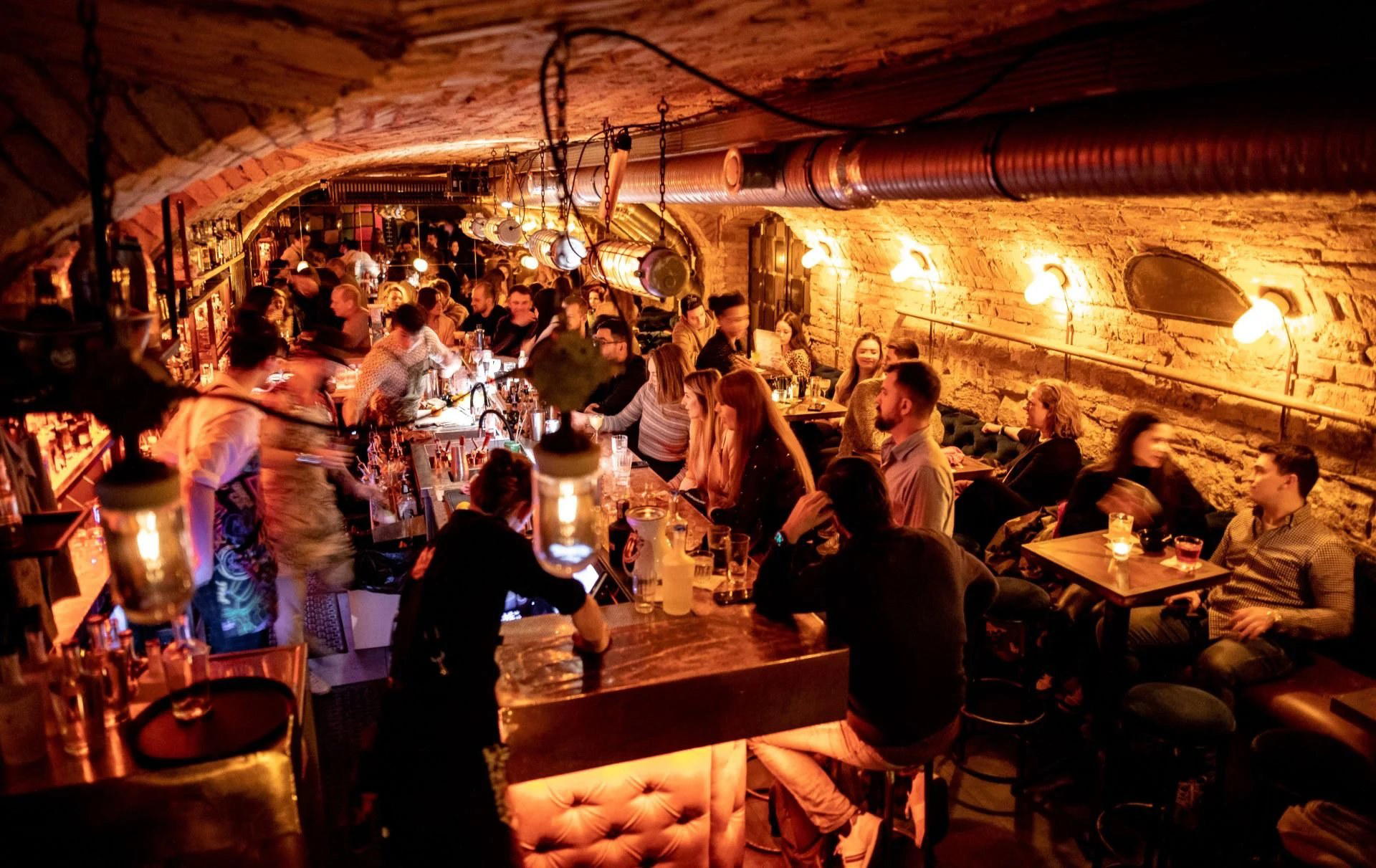
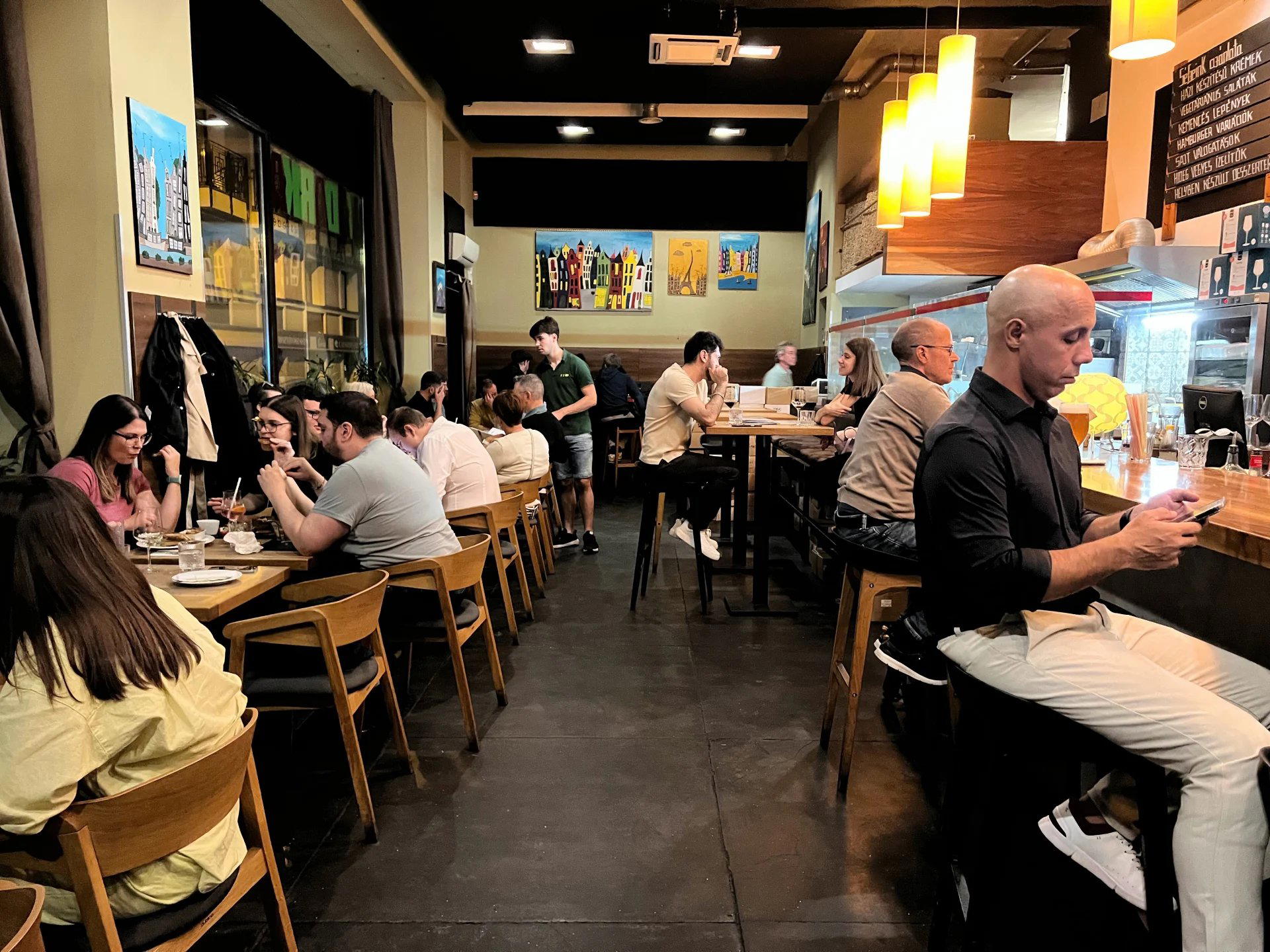
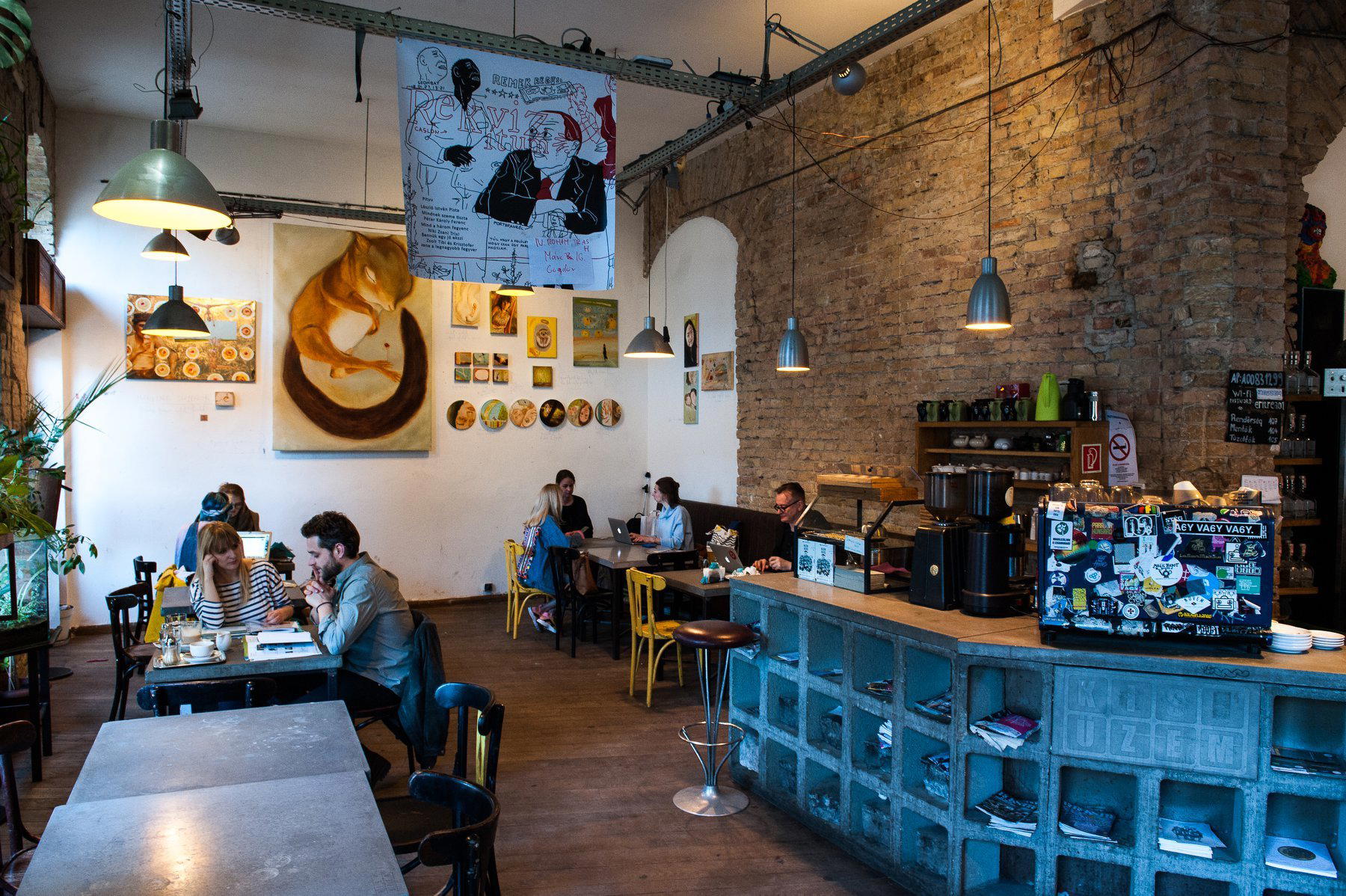
Relaxed bistro atmosphere with bistro-style bustle, smart yet unstuffy dining room, and terrace seating in summer.