BoriMami occupies a central square address in Gyöngyös, a wine-producing town at the foot of the Mátra hills with a longer agricultural tradition than its modest profile might suggest. The kitchen operates in a regional context where locally sourced ingredients and honest Hungarian cooking still carry more weight than trend-chasing, placing it in a tier of town-centre dining that rewards curiosity over fanfare.
Pearl is the En Primeur Club membership app — saves, bookings, and concierge access live there. Same editors, same standards.
- Address
- Gyöngyös, Belváros tér 7, 3200 Hungary
- Phone
- +36308309343
- Website
- borimami.hu
- Directions
- Get directions
 Saves & bookings on Pearl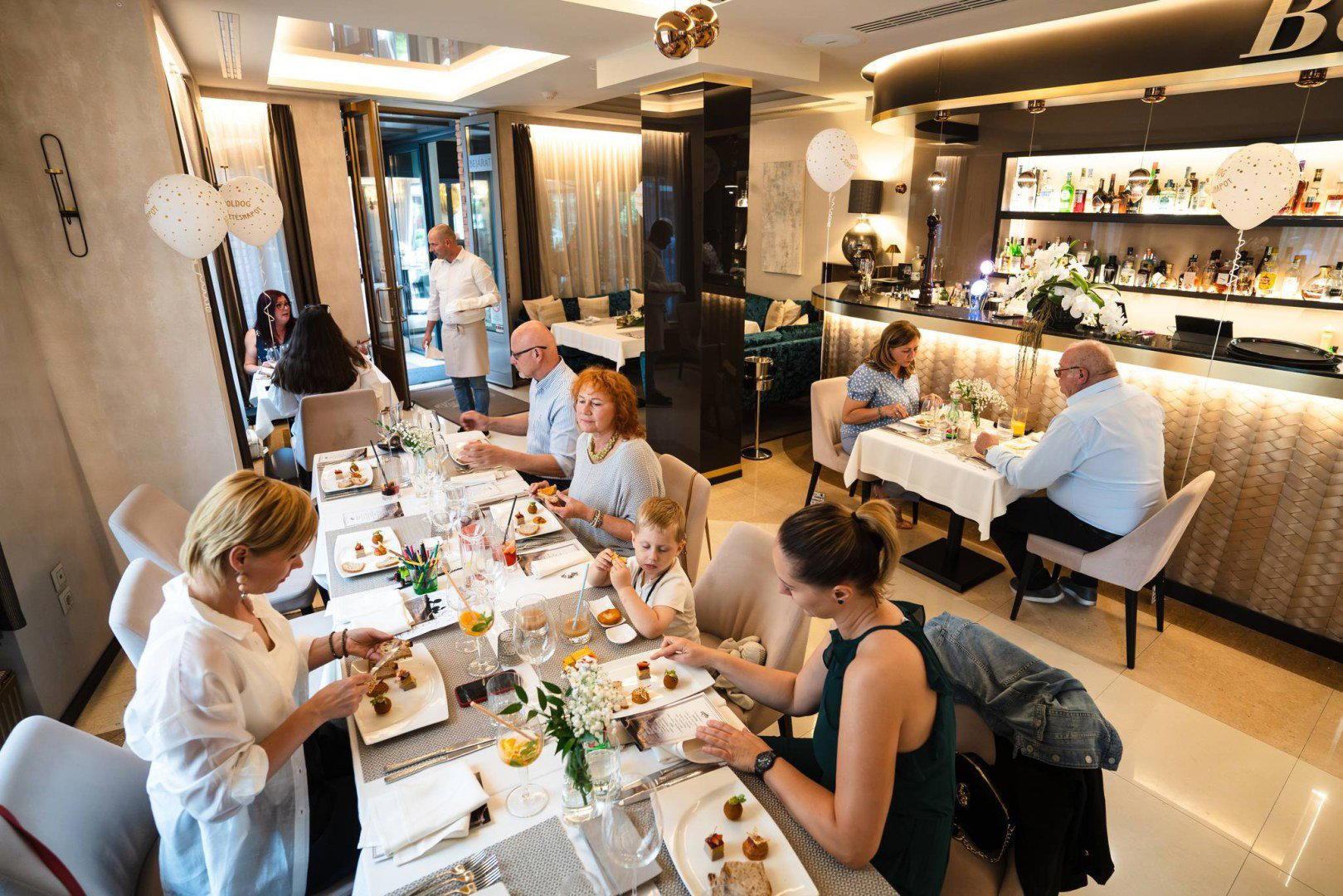
A Town Square Table in Wine Country
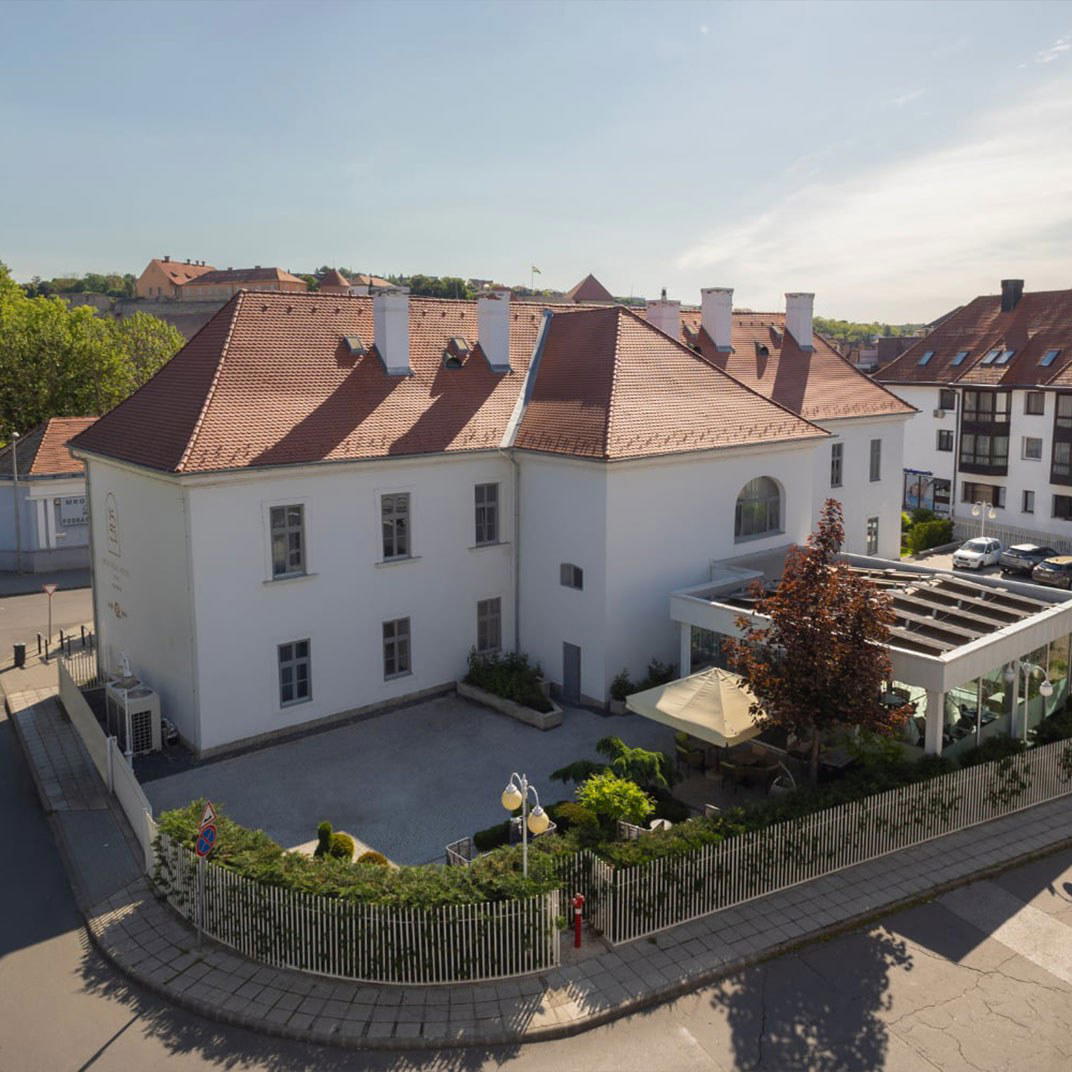
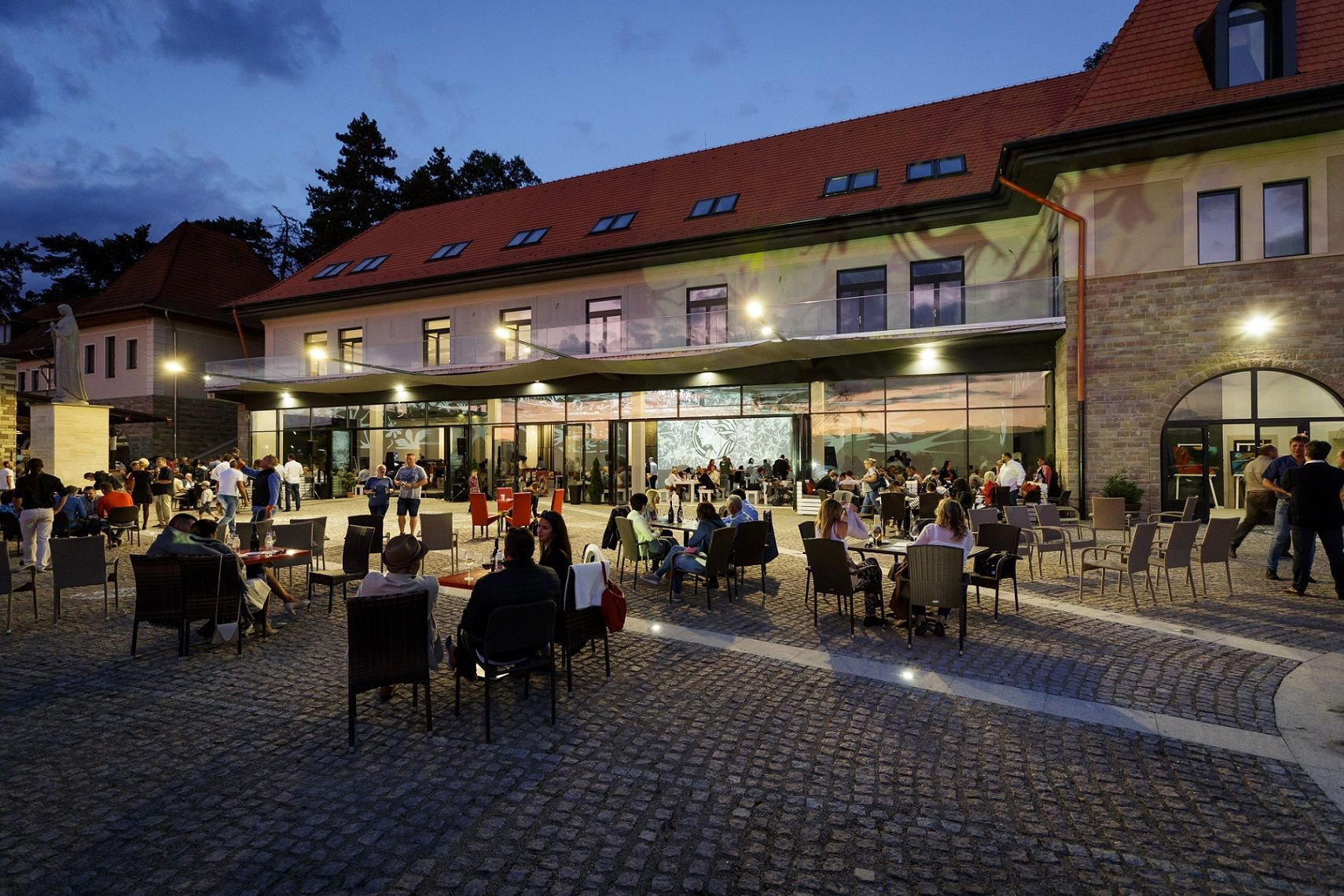
Gyöngyös sits at the southern edge of the Mátra mountains, roughly 75 kilometres northeast of Budapest, in a corridor of Hungary where viticulture and arable farming have shaped the local table for centuries. The town's main square, Belváros tér, functions as it always has: a civic anchor where market life, everyday commerce, and neighbourhood dining intersect. BoriMami occupies a position at that address, number 7, which places it inside the pedestrian rhythm of a provincial Hungarian town rather than on the tourist trail that connects Budapest to Eger.
What the Mátra Region Puts on the Plate
The sourcing question in this part of Hungary is answered by geography before it is answered by any kitchen's philosophy. The Mátra hills produce cool-climate wines, Olaszrizling, Muscat, and lighter reds, alongside foraged ingredients, game, and dairy that have fed the region's towns since the medieval period. Hungarian provincial cooking at its most grounded draws on this proximity: pork from small farms, freshwater fish from nearby rivers, paprika from the southern plains arriving dried and ground rather than imported fresh. This is the ingredient logic that shapes town-centre kitchens in Gyöngyös, and it is a logic that differs sharply from the Budapest fine-dining scene, where chefs at places like Stand in Budapest or the Michelin-recognised operators work with national and international supply chains to achieve consistency at a higher price tier.
Regional Hungarian cooking outside the capital has its own internal hierarchy. At one end sit the wine-country restaurants that have built a reputation around local producers and seasonal menus, venues like Sauska 48 in Villány or Kővirág in Köveskál, which align their kitchens explicitly with the vineyards surrounding them. At the other end are the direct town-centre operations serving a local clientele for whom dining out is a regular habit rather than a special occasion. BoriMami's Belváros tér address places it in a community rather than a destination context, which shapes what the kitchen is likely doing and for whom.
The Broader Pattern: Provincial Dining in Hungarian Wine Towns
Across Hungary's secondary wine regions, Eger, Tokaj, Villány, and the Mátra, a consistent pattern has emerged over the past decade. Particularly interesting eating is often not at the formal winery restaurants but at the smaller, less-publicised addresses in the adjacent towns, where cooks source from farmers they know personally and where the menu reflects what is available rather than what photographs well. This model of proximity-driven cooking sits somewhere between the farm-to-table rhetoric of higher-end operations and the unreconstructed traditionalism of the old vendéglő. It produces food that is harder to evaluate by award criteria but often more representative of where and how Hungarian ingredients actually grow.
Compare this with the approach at Pajta in Őriszentpéter or Hosszú Tányér in Hosszúhetény, both of which have built recognisable identities around rural Hungarian ingredients in village settings. The Gyöngyös context is different: an urban square address means a broader, more mixed clientele and less of the destination-dining self-consciousness that shapes rural venues catering primarily to weekend visitors. That is neither a virtue nor a liability, but it is a meaningful distinction for anyone deciding how to spend a lunch or dinner in wine country.
For fish-focused regional cooking elsewhere in Hungary, Tiszavirág in Szeged and Horgonyzó Kisvendéglő in Tiszalök both demonstrate how tightly sourced river fish can anchor a menu. The Mátra region's own water sources, the Zagyva and Tarna rivers, historically contributed to Gyöngyös kitchens in similar ways, though the degree to which any specific address currently maintains that practice is something to confirm locally. Wine-country dining in the Csopak or Mór corridor, represented by places like Petrányi Csopak and Öreg Prés in Mór, follows a similar sourcing logic to what the Mátra produces, though the wine varieties and terrain differ.
Placing BoriMami in Its comparable set
Without published price data, award recognition, or a documented cuisine type, BoriMami cannot be mapped precisely against peers by tier. What the address does confirm is its position within the social geography of Gyöngyös: a main-square location is central to town life in a way that a suburban or edge-of-town address is not. In Hungarian provincial towns of this size, the restaurants on or adjacent to the main square tend to serve a mixed function, weekday lunches for local workers, weekend meals for families, occasional tables for visitors arriving from Budapest or passing through to Eger. The contrast with a purpose-built destination address, such as Botanica in Dánszentmiklós or Padi in Rátka, is one of orientation: community venue versus destination venue.
At the international level, the gap between a Gyöngyös town-square table and operations like Le Bernardin in New York City or Lazy Bear in San Francisco is a reminder that regional European provincial cooking occupies a fundamentally different register, one measured by local agricultural specificity and cultural continuity rather than by tasting-menu ambition. That difference is worth naming directly: it is not a deficiency but a different set of priorities.
Visitors passing through the Mátra region with dining on their agenda should also consider the broader Northern Hungary circuit, which includes Avalon Ristorante in Miskolc and Teyföl in Szentendre as part of a wider regional picture. And for those approaching from the Balaton or Transdanubian wine regions, Platán Gourmet in Tata represents the premium end of what secondary-city Hungarian dining currently looks like when award recognition and regional sourcing converge.
Planning a Visit
BoriMami's address at Belváros tér 7 in central Gyöngyös is direct to reach by train from Budapest Keleti, with the journey running approximately 90 minutes on regional services. BoriMami is recommended for reservations, and its regular hours are Monday to Thursday 11:30 AM to 9 PM, Friday and Saturday 11:30 AM to 10 PM, and Sunday 11:30 AM to 6 PM.
Fast Comparison
Comparable venues nearby, for context on price, style, and recognition.
| Venue | Cuisine | Price | Notes |
|---|---|---|---|
| BoriMamiThis venue — the venue you are viewing | Modern Hungarian Gastro Bistro | $$$ | Not listed |
| Mezzo Music Restaurant | Modern European with Hungarian Classics | $$$ | Buda |
| Kacsa Étterem | Classic Hungarian Duck Specialties | $$$ | Varhegy |
| Horizont | Modern Brunch Cafe | $$ | Terézváros |
| Halászbástya | Modern Hungarian Fine Dining | $$$ | Varhegy |
| 21 Restaurant | Modern Hungarian Bistro | $$$ | Varhegy |
At a Glance
- Elegant
- Intimate
- Cozy
- Modern
- Date Night
- Family
- Brunch
- Special Occasion
- Celebration
- Live Music
- Private Dining
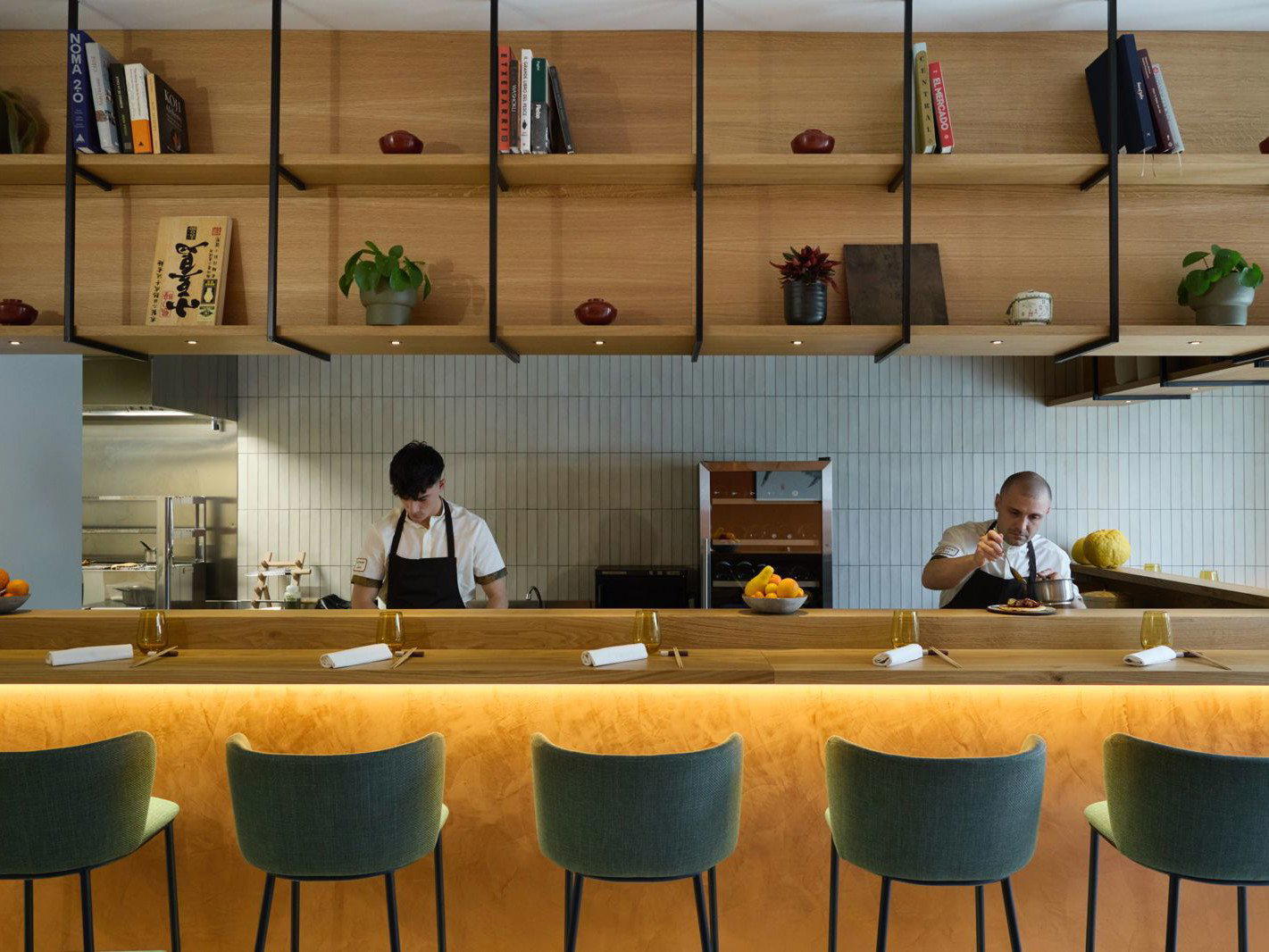
- Open Kitchen
- Farm To Table
- Local Sourcing
Current opening hours
- Monday
- 11:30 AM–9 PM
- Tuesday
- 11:30 AM–9 PM
- Wednesday
- 11:30 AM–9 PM
- Thursday
- 11:30 AM–9 PM
- Friday
- 11:30 AM–10 PM
- Saturday
- 11:30 AM–10 PM
- Sunday
- 11:30 AM–6 PM
Hours can change for holidays and private events. Last verified .
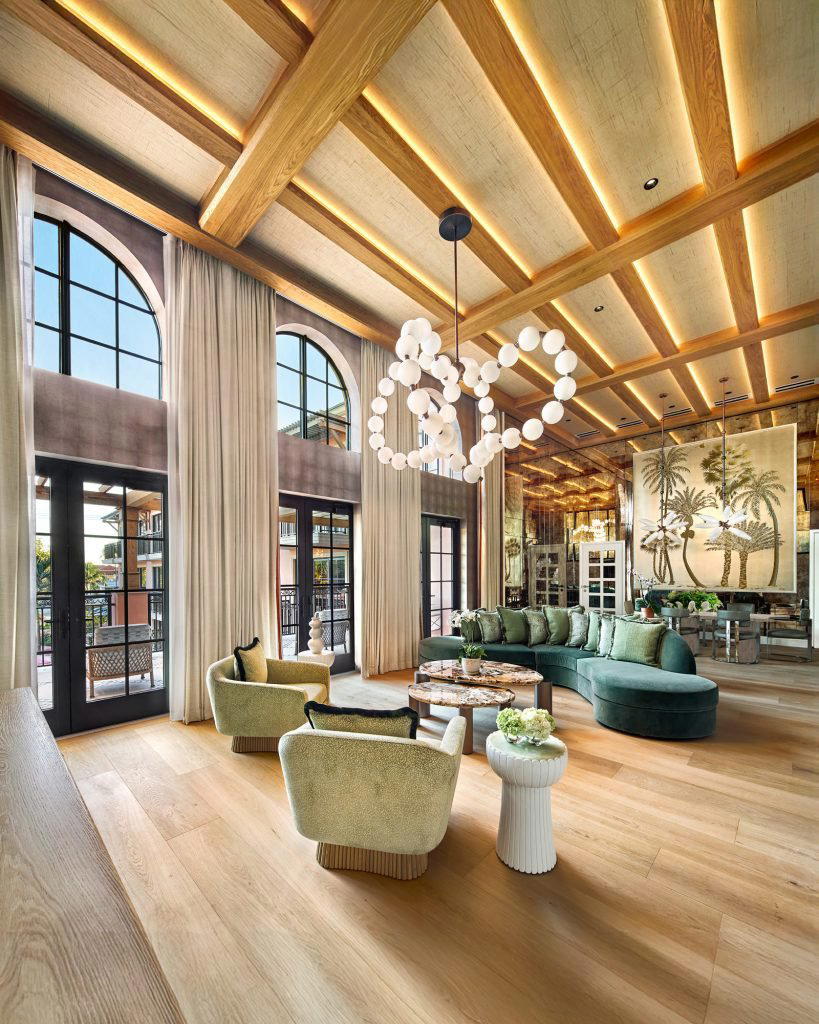
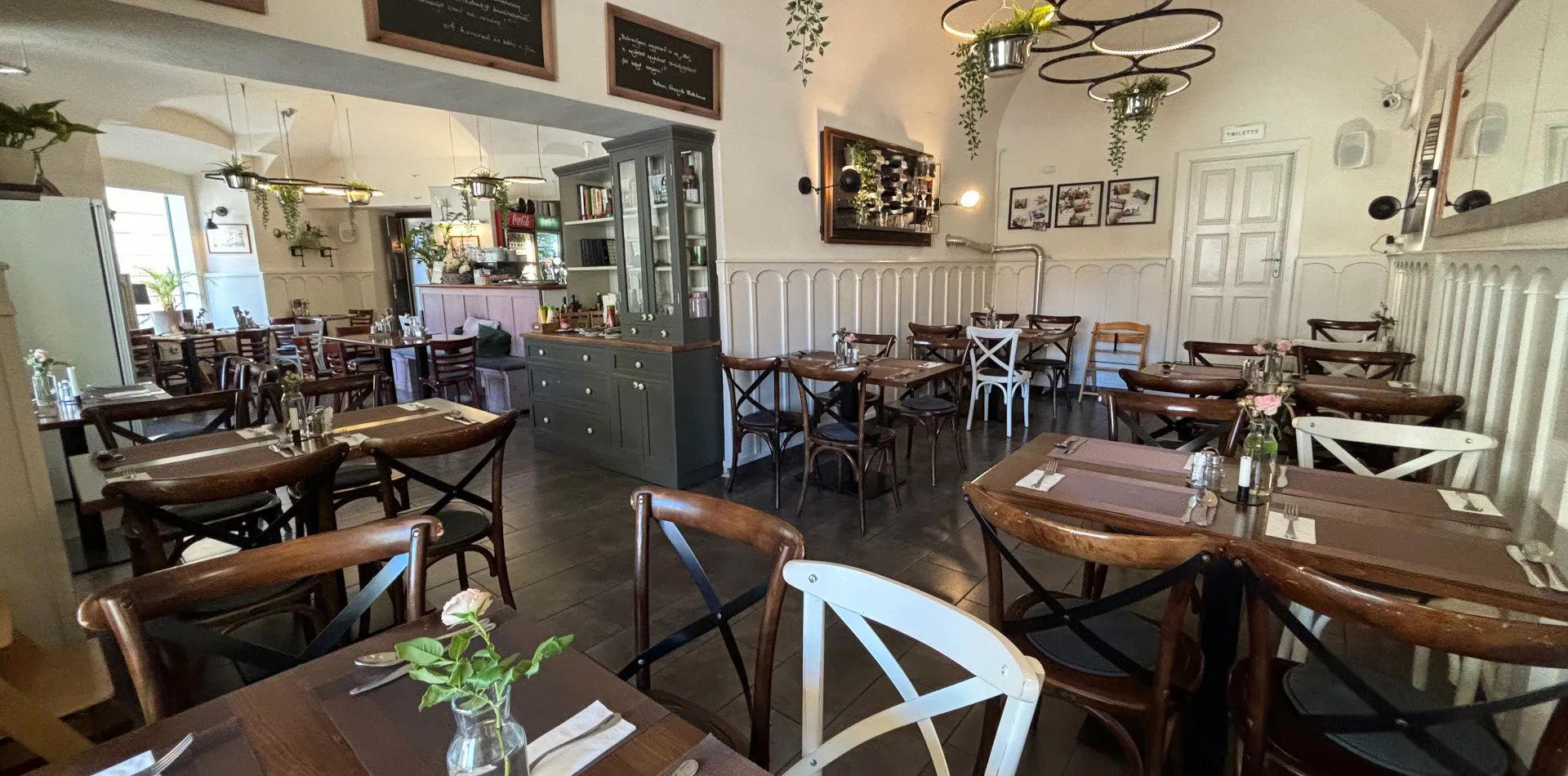
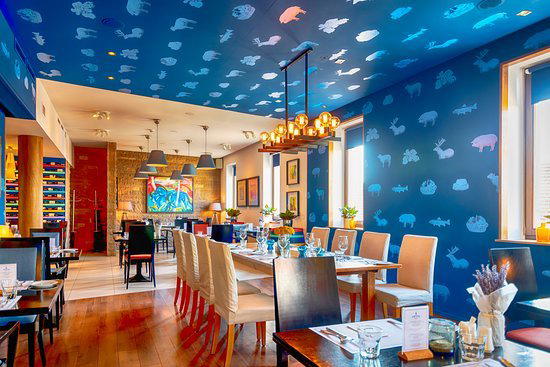
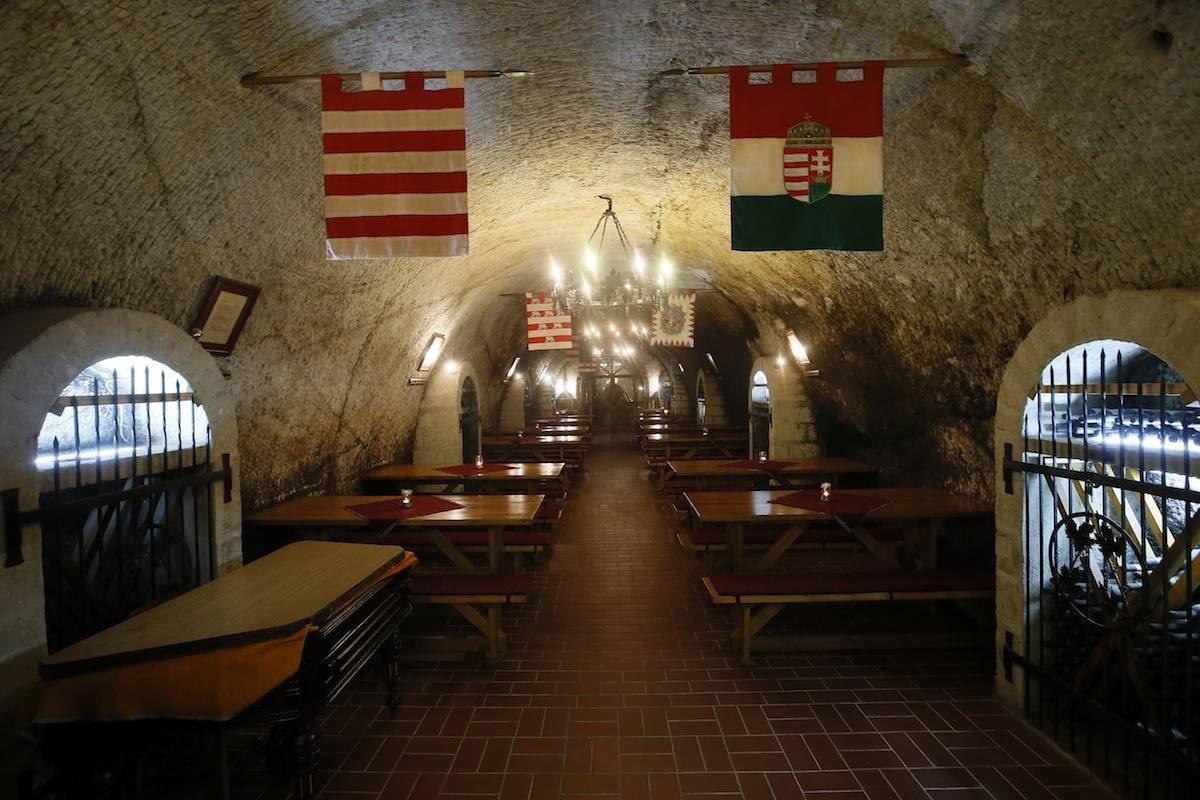
Elegant yet comfortable dining room with refined presentation; intimate atmosphere that feels welcoming rather than pretentious.