Törley Pezsgőpincészet occupies a particular position in Budapest's wine story: a historic sparkling wine house in the 22nd district. Where most visitors head to the Tokaj producers for Hungary's international credentials, Törley represents the country's older, less-discussed tradition of méthode champenoise production rooted in the capital itself.
Pearl is the En Primeur Club membership app — saves, bookings, and concierge access live there. Same editors, same standards.
- Address
- Budapest, Anna u 7, 1221
- Phone
- +36 1 229 2300
- Website
- torleymuzeum.hu
- Directions
- Get directions
 Saves & bookings on Pearl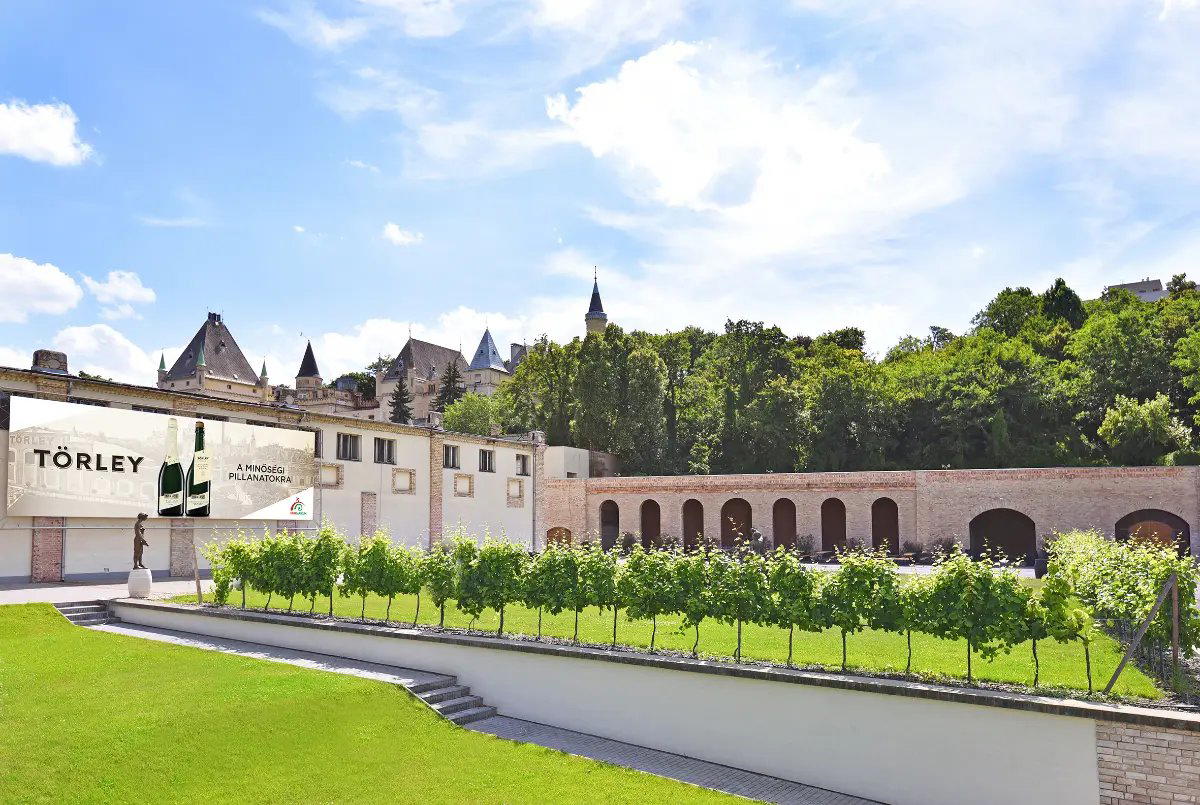
Budapest's Sparkling Wine Tradition and Where Törley Sits Within It
Hungary's wine identity abroad is almost entirely shaped by Tokaj. The golden botrytised Aszú wines from the northeastern volcanic slopes attract the collectors, the critics, and the comparison to Sauternes. Producers like Disznókő in Mezőzombor, Royal Tokaji in Mád, and Tokaj Hétszőlő in Tokaj have spent decades building that international reputation. But Budapest itself has a wine story that runs parallel and largely separate from the Tokaj narrative, and it centres on sparkling wine. Törley Pezsgőpincészet, at Anna u 7 in Budapest's Budafok district, is a winery devoted to Hungarian sparkling wine tradition.
The 22nd district sits in Budafok, a neighbourhood on the southern edge of Buda that has functioned as a wine and cellar district since at least the medieval period. The terrain here is riddled with volcanic tuff cellars cut directly into the hillside, a geological fact that determined the area's commercial function for centuries. What makes Budafok distinct from Hungary's vineyard regions is that it was always a production and ageing centre rather than a growing one: wine arrived here from across the country and the former empire, and the subterranean network of passages maintained the stable temperatures and humidity that secondary fermentation and extended lees ageing require. Törley occupies part of that underground infrastructure, and approaching the address on Anna utca, the scale of what lies beneath street level becomes apparent before you cross the threshold.
Terroir at One Remove: What the Cellar Expresses
The editorial angle around terroir at a sparkling wine house in a city cellar is necessarily different from the conversation at a single-vineyard estate like Tokaj Oremus in Tolcsva or Árvay Winery in Rátka. At those properties, terroir is a direct argument: the soil type, the slope aspect, the mesoclimate all feed into the liquid in the glass. At Törley, the terroir expression is architectural and geological. The volcanic tuff of the Budafok hillside is the medium through which the wine's character is partly shaped, maintaining cellar conditions across seasons that allow extended bottle ageing under consistent conditions. This is terroir understood as infrastructure rather than as origin, and it represents a genuinely different tradition from the estate model that dominates contemporary fine wine conversation.
This distinction matters because it places Törley in a lineage that has more in common with the large Champagne houses than with Hungary's artisan winery movement. The blending logic, the multi-vintage consistency, and the cellar-as-conditioning-environment model all point toward that older Central European sparkling wine tradition that Budafok once supplied to the Austro-Hungarian court. That historical context is not mere atmosphere: it shapes what the wines are attempting to do and what the visitor experience at the cellar is designed to communicate. For readers already familiar with the estate-focused producers of Eger via Bolyki Winery or the Villány reds of Bock Winery, Törley offers a different kind of Hungarian wine literacy.
The Cellars: What You Actually Encounter
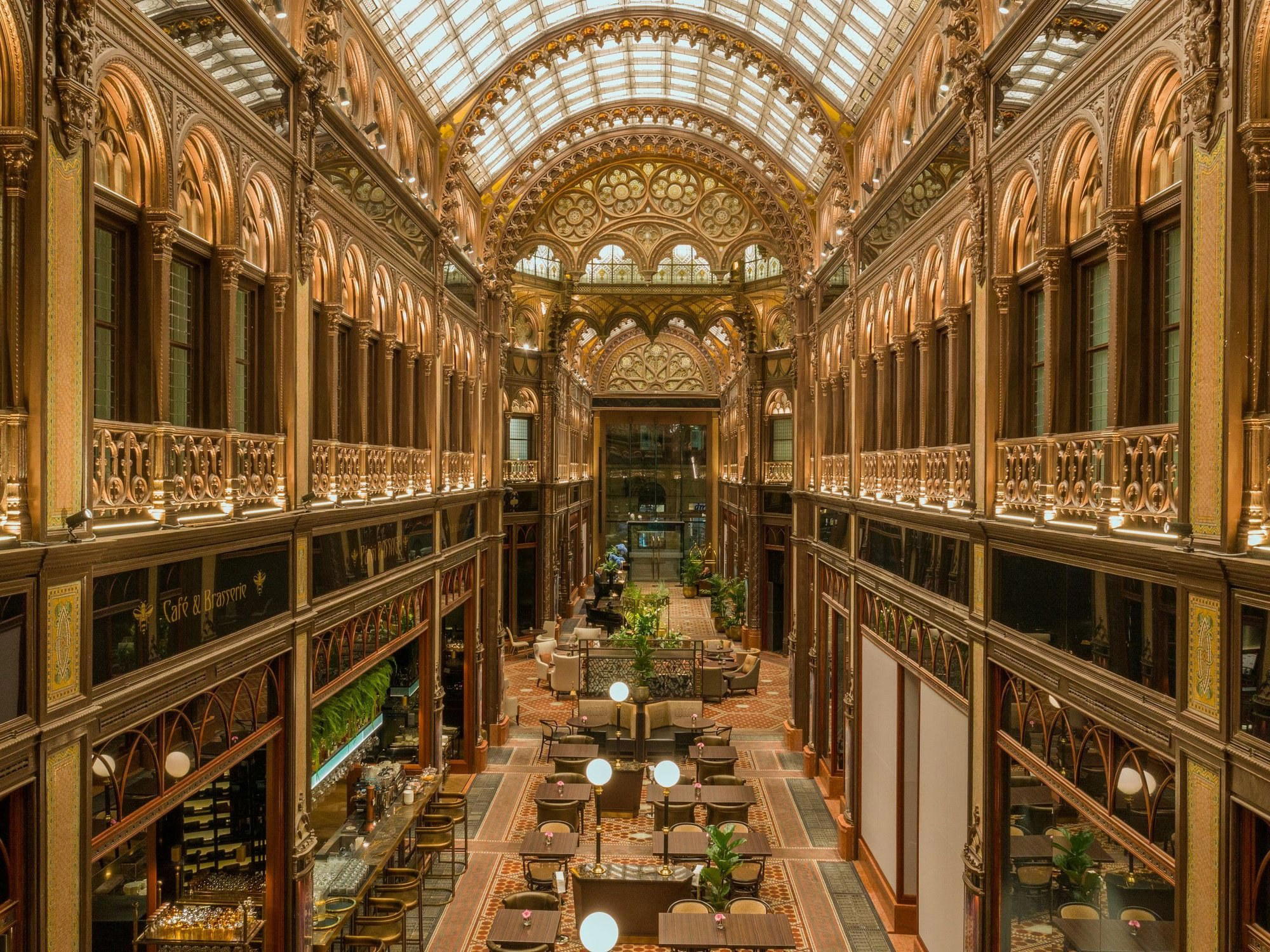
The physical experience of visiting the Törley cellars is defined by depth and scale. The tuff passages descend well below street level, and the temperature differential between the outside air and the cellar interior is noticeable within a few metres of entering. This is not a renovated boutique space designed around contemporary hospitality aesthetics; it is a working industrial heritage site where the architecture communicates function before beauty. The long corridors lined with bottles in riddling racks, the vaulted tuff ceilings, and the accumulated patina of a production facility that has operated continuously for over a century create an atmosphere that is documentary in character. You are reading the history of Central European sparkling wine production in the physical fabric of the space.
That atmosphere distinguishes Törley from the newer, design-led wine experiences appearing across Hungary's wine regions. Where a visit to Babarczi Winery in Gyor or Béres Winery in Erdőbénye tends to emphasise the estate's landscape and the winemaker's contemporary approach, the Törley visit is primarily an encounter with an industrial heritage of considerable age.
Hungarian Sparkling Wine in Comparative Context
Pezsgő, the Hungarian term for sparkling wine, occupies a complicated position in the country's wine hierarchy. For much of the post-war period, sparkling wine production in Hungary was industrialised under the state system, and the association with mass production has been slow to shift. The quality conversation around Hungarian wine since the 1990s has focused almost entirely on still wines: Tokaji Aszú from the northeast, Bull's Blood reconstructions from Eger, and Cabernet-driven reds from Villány, the latter tracked by producers including Bodri Winery in Szekszárd. Sparkling wine from Hungarian producers has received comparatively little international critical attention in that period.
It places Törley within the tier of Hungarian producers whose work merits serious attention, and it does so in a category that is still underexplored in the country's international wine narrative. For visitors arriving in Budapest primarily to explore still wine through properties like Carpinus Winery in Bodrogkisfalud or Bussay Pince in Csörnyeföld, the cellar at Budafok offers a dimension of the country's wine history that those estate visits do not cover.
The comparison set for Törley is not Hungary's estate wineries. It sits closer to the heritage sparkling houses of Central Europe, a peer group defined by cellar infrastructure, historical production lineage, and the technical requirements of extended lees contact. That places it in a different register from the new-wave producers appearing in Hungarian wine guides, and understanding that distinction is prerequisite to getting value from the visit.
Planning a Visit
Törley Pezsgőpincészet is located at Anna utca 7 in Budapest's 22nd district, which means the Budafok area of southern Buda. The address sits outside the central tourist circuit, and reaching it requires either a car or a combination of metro and local transit from the city centre. That distance is itself informative: this is not a venue positioned for casual foot traffic but one that rewards deliberate planning. The international comparison set for technically serious sparkling wine extends well beyond Hungary; readers interested in that broader frame will find adjacent reference points in our coverage of producers including Aberlour in Aberlour and Accendo Cellars in St. Helena, though the production tradition at Törley is specific to its Central European context.
A Quick Peer Check
Comparable venues nearby, for context on price, style, and recognition.
| Venue | Cuisine | Price | Notes |
|---|---|---|---|
| Törley PezsgőpincészetThis venue — the venue you are viewing | Chardonnay, Pinot Noir | $$ | Not listed |
| Miklós Csabi Pincészet | ezerjó, olaszrizling | $$ | Mór |
| Szőke Mátyás Winery | Irsai Olivér, Merlot | $$ | Gyöngyös |
| Etyeki Kúria | Pinot Noir, Sauvignon Blanc | $$ | Etyek |
| Mészáros Pál Winery | Kadarka, Cabernet Sauvignon | $$ | Szekszárd |
| Figula Winery | Olaszrizling, Pinot Gris | $$ | Balatonfüred |
Continue exploring
More in Budapest
Wineries in Budapest
Browse all →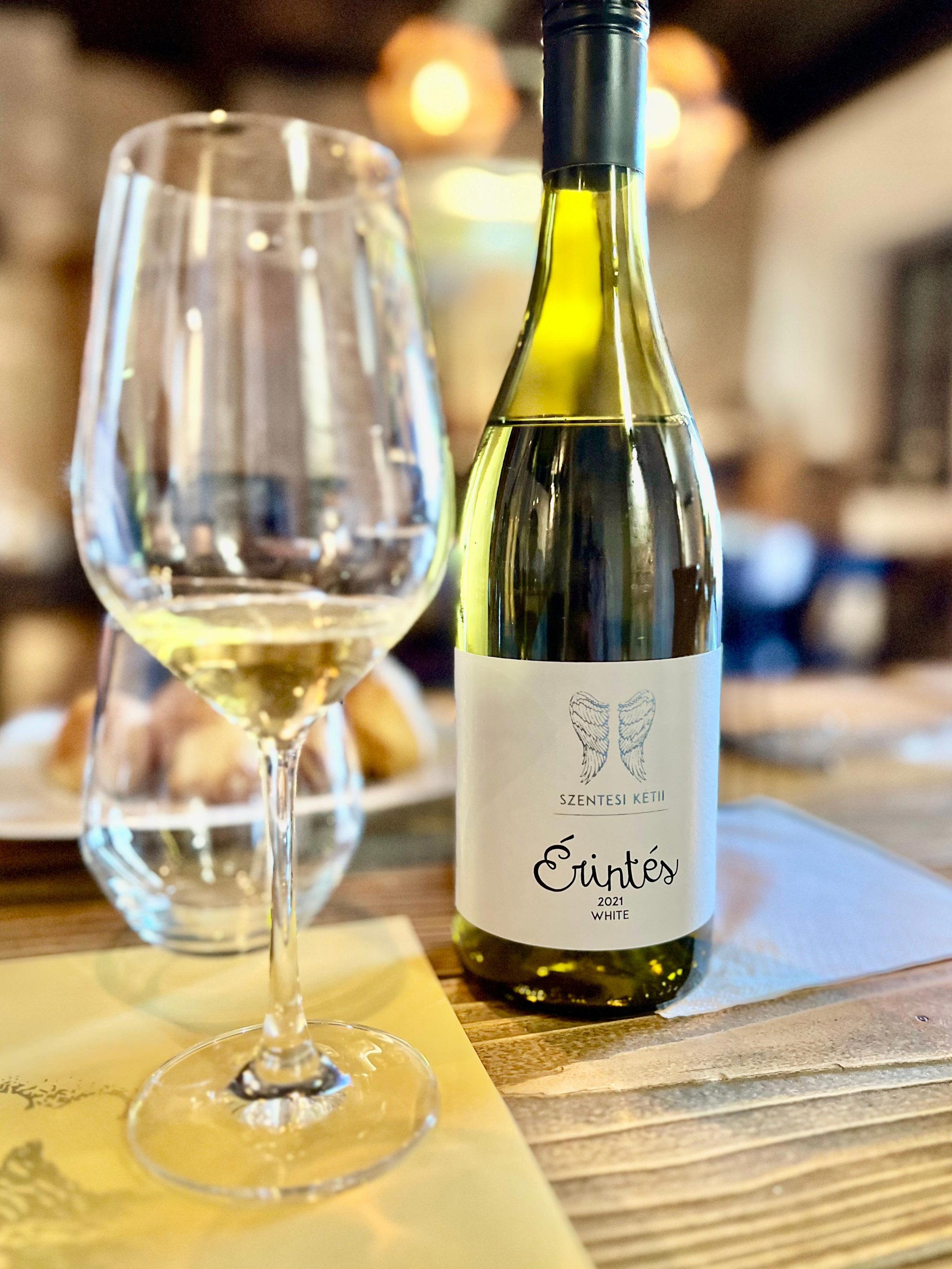

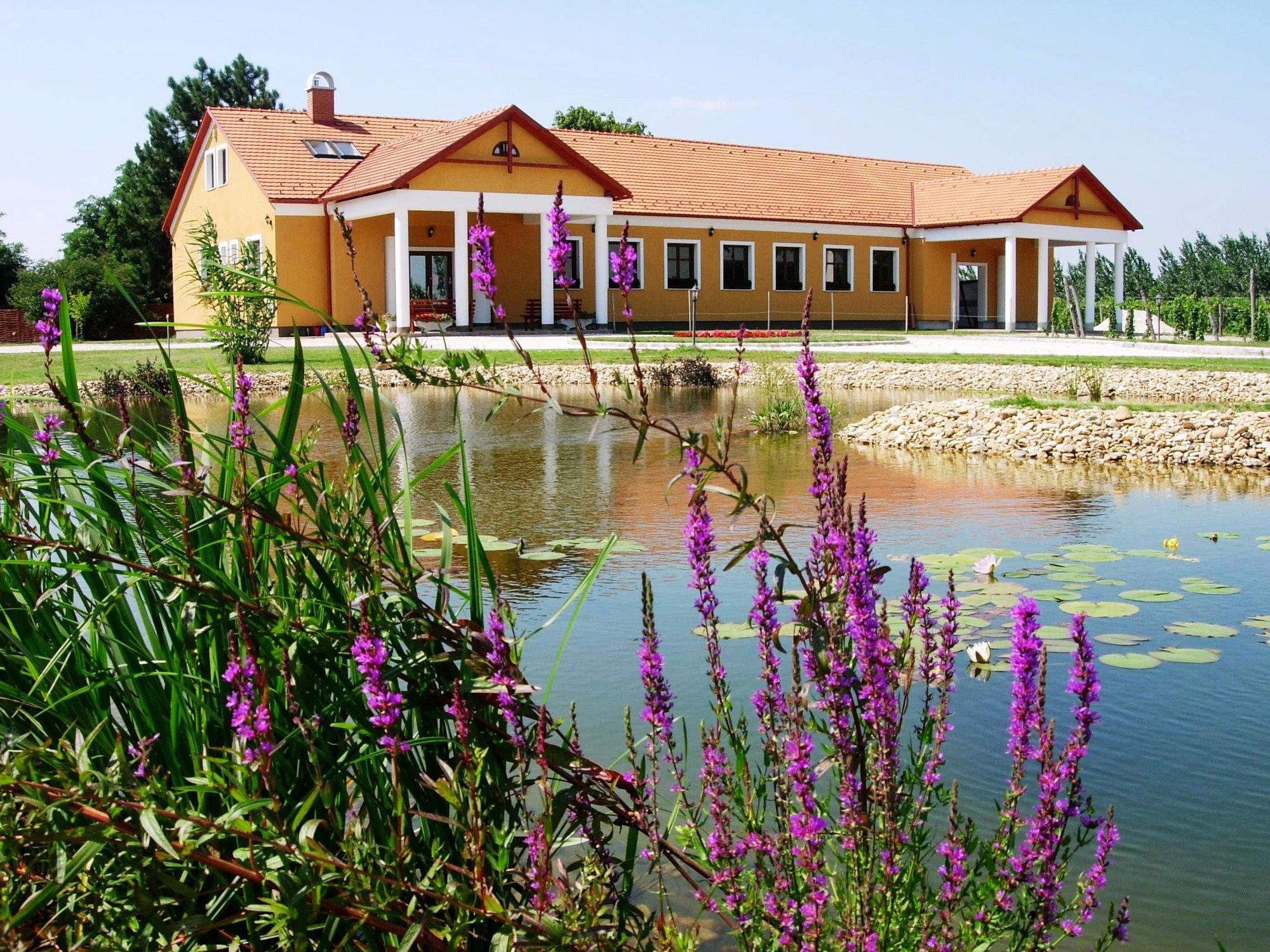
Bars in Budapest
Browse all →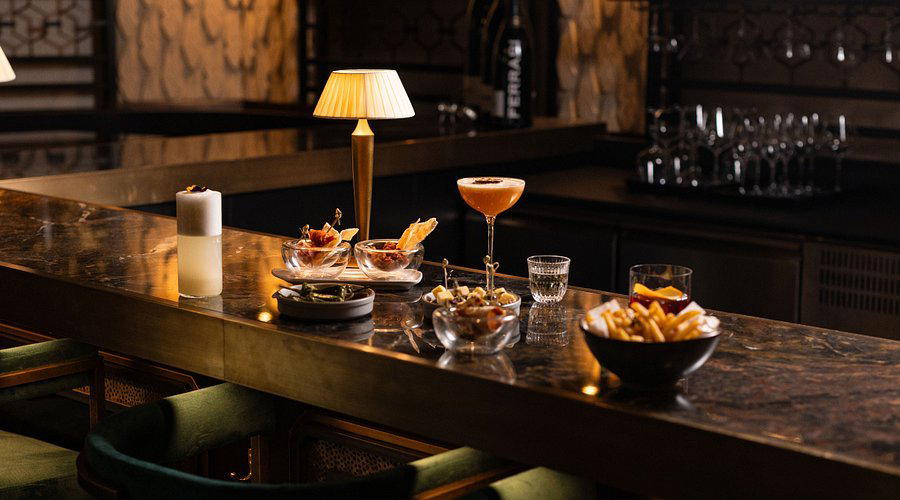
Restaurants in Budapest
Browse all →
At a Glance
- Classic
- Historic
- Elegant
- Well Known
- Celebration
- Wine Education
- Special Occasion
- Cave Tasting
- Historic Building
- Etyek Buda
- Chardonnay
- Pinot Noir
- Sparkling
- Classic Method
- Charmat
Atmospheric underground cellars with constant 12-14°C temperature, incandescent lighting, evoking tradition and elegance in a vast historic setting.