
Kadarka Bar sits on Király utca in Budapest's VII District, holding a 2026 Star Wine List award that places it among the Hungarian capital's more credentialled wine bar addresses. The focus is on Hungarian and regional Central European wines, served in a compact space where the drinks programme and food menu are designed to work in close conversation with each other.
Pearl is the En Primeur Club membership app — saves, bookings, and concierge access live there. Same editors, same standards.
- Address
- Budapest, Király u. 42, 1061 Hungary
- Phone
- +36 1 266 5094
- Website
- kadarkawinebar.com
- Directions
- Get directions
 Saves & bookings on Pearl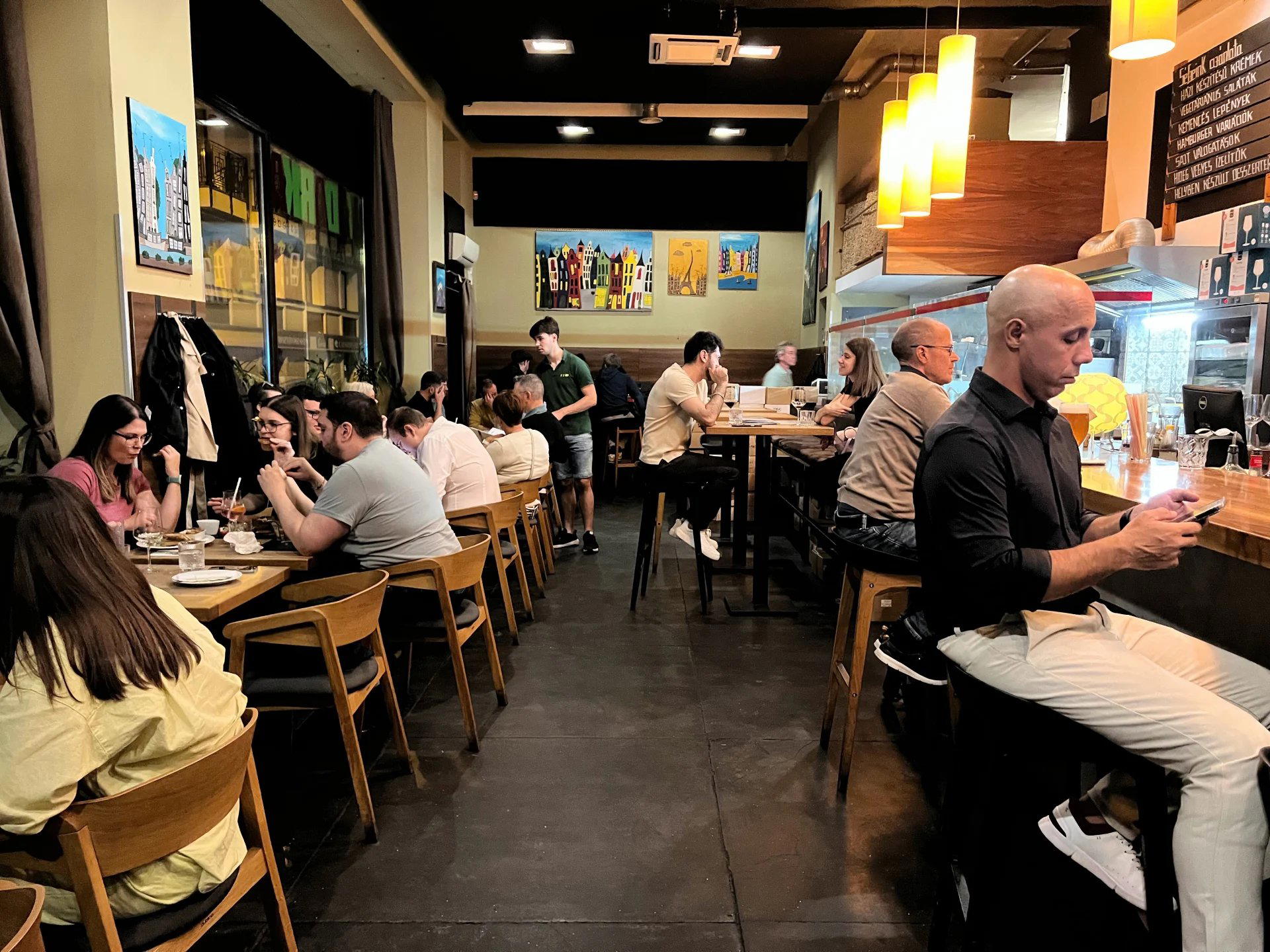
Király Utca and the Wine Bar That Earns Its Address
Király utca runs through the heart of Budapest's VII District, a street that has cycled through Jewish quarter heritage, ruin bar excess, and a more recent phase of format-specific drinking venues that prioritise product knowledge over spectacle. The bars that have lasted on this stretch tend to be smaller, more purposeful operations, places where the person pouring the wine can explain where the grapes were grown and why the producer made the choices they did. Kadarka Bar, at number 42, fits that pattern. Its 2026 Star Wine List recognition marks it as a notable Budapest wine venue.
The Star Wine List award functions as an orientation point here. It is not awarded for broad selection alone; the assessment weights the quality of the list's construction, the presence of interesting producers, and the venue's apparent understanding of what it is pouring. That credential signals Kadarka's positioning within the city's drinking scene.
Hungarian Wine as the Organizing Principle
Budapest's wine bar scene has matured considerably over the past decade, tracking a parallel revival in Hungarian winemaking itself. The country's wine regions, Tokaj, Eger, Villány, Somló, Badacsony, each produce styles that remain underexposed in western European markets, which makes a well-constructed Budapest wine bar one of the more efficient ways to cover significant ground across the domestic canon. Kadarka, the grape the bar takes its name from, is a thin-skinned red variety grown primarily in the Southern Great Plain and in parts of the Balkans. It produces lighter, often aromatic reds with savour and a structural delicacy that puts it closer to the Pinot Noir spectrum than to the tannic authority of Villány Cabernet Franc. That naming choice is a statement of editorial intent: this is not a bar that leads with the internationally recognisable or the commercially safe.
Wine bars anchored in native varietals and regional producers occupy a specific niche in the broader Central European bar conversation. They tend to attract a customer who has moved past the gateway producers and is looking for something that requires a bit more explanation. The parallel exists at venues like Kumiko in Chicago, where the Japanese whisky and liqueur programme is organised around rare and regional product, or at The Parlour in Frankfurt on the Main, where the drinks list is built around considered, specific sourcing. The logic is the same: depth over breadth, producer story over label recognition.
The Pairing Logic: Drinks and Food in Conversation
The defining feature of Kadarka's format is the relationship between what is in the glass and what arrives alongside it. Wine bars that treat food as an afterthought, boards of generic charcuterie, bread that arrives without context, are a different category of operation from those that engineer the food programme to extend and illuminate the wine list. Kadarka Bar operates in the latter mode. The food menu here functions as a pairing instrument rather than a distraction from the drinking, which changes the experience materially: you are not eating to soak up wine but eating to understand it better.
This approach has precedent in recent bar formats. Jewel of the South in New Orleans integrates a food programme that amplifies rather than competes with its cocktail list. Bar Leather Apron in Honolulu treats its kitchen output with the same specificity it applies to spirits sourcing. The through-line is intentionality: food and drink conceived together, not assembled in separate silos. Budapest's wine bar format is catching up to this standard, and Kadarka is among the addresses where that integration is most evident.
Ordering a glass alone is less complete than working through the menu with both columns in view. The wines, particularly the Hungarian naturals and lower-intervention bottlings that characterise the more interesting parts of the city's wine bar lists, tend to have textural and aromatic specificity that pairs with precision. Fat from cured meats, acidity from pickles, the slight bitterness of aged cheeses: these are not arbitrary pairings but a grammar that the bar's format is built around.
Kadarka in the Context of Budapest's Bar Scene
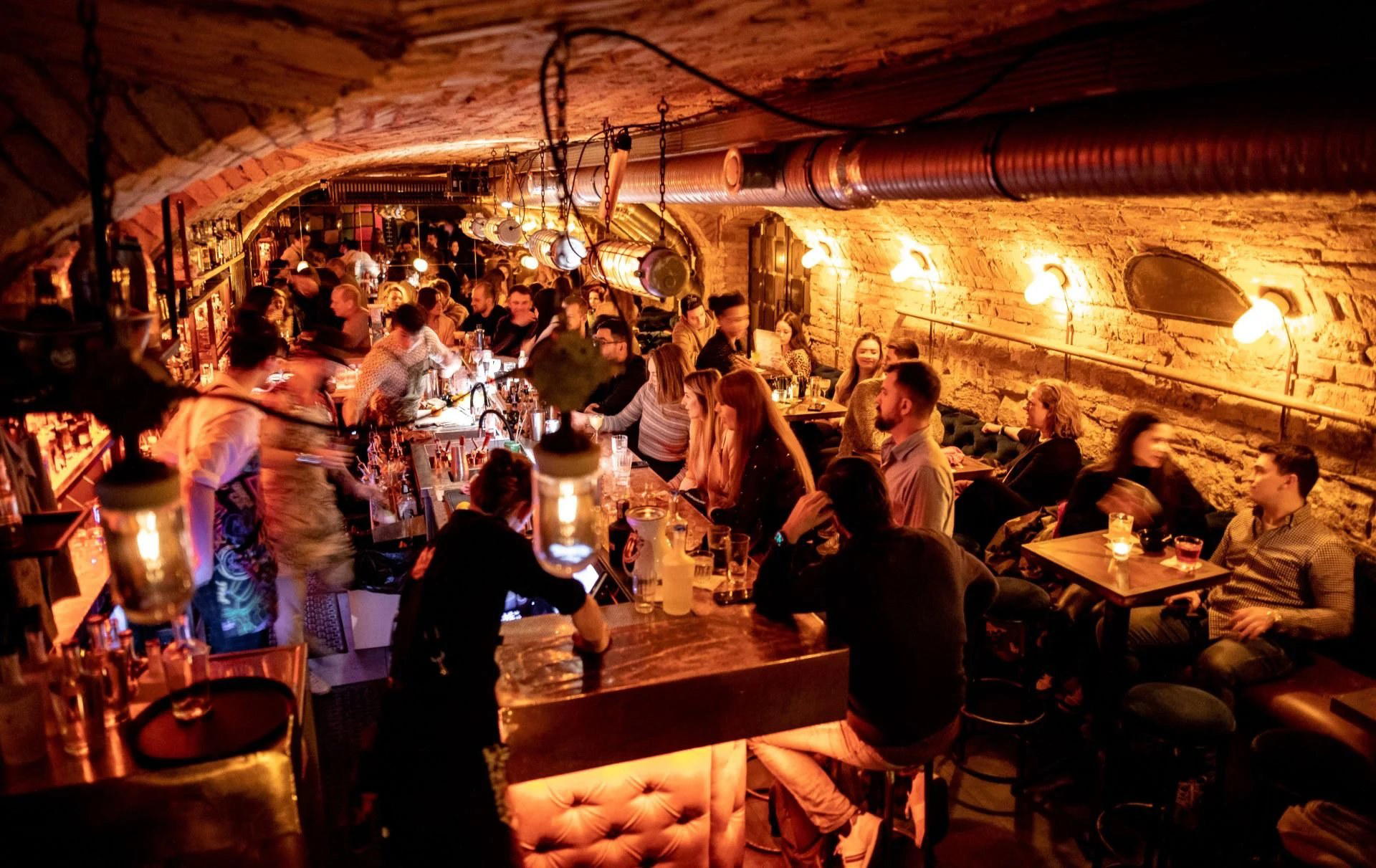
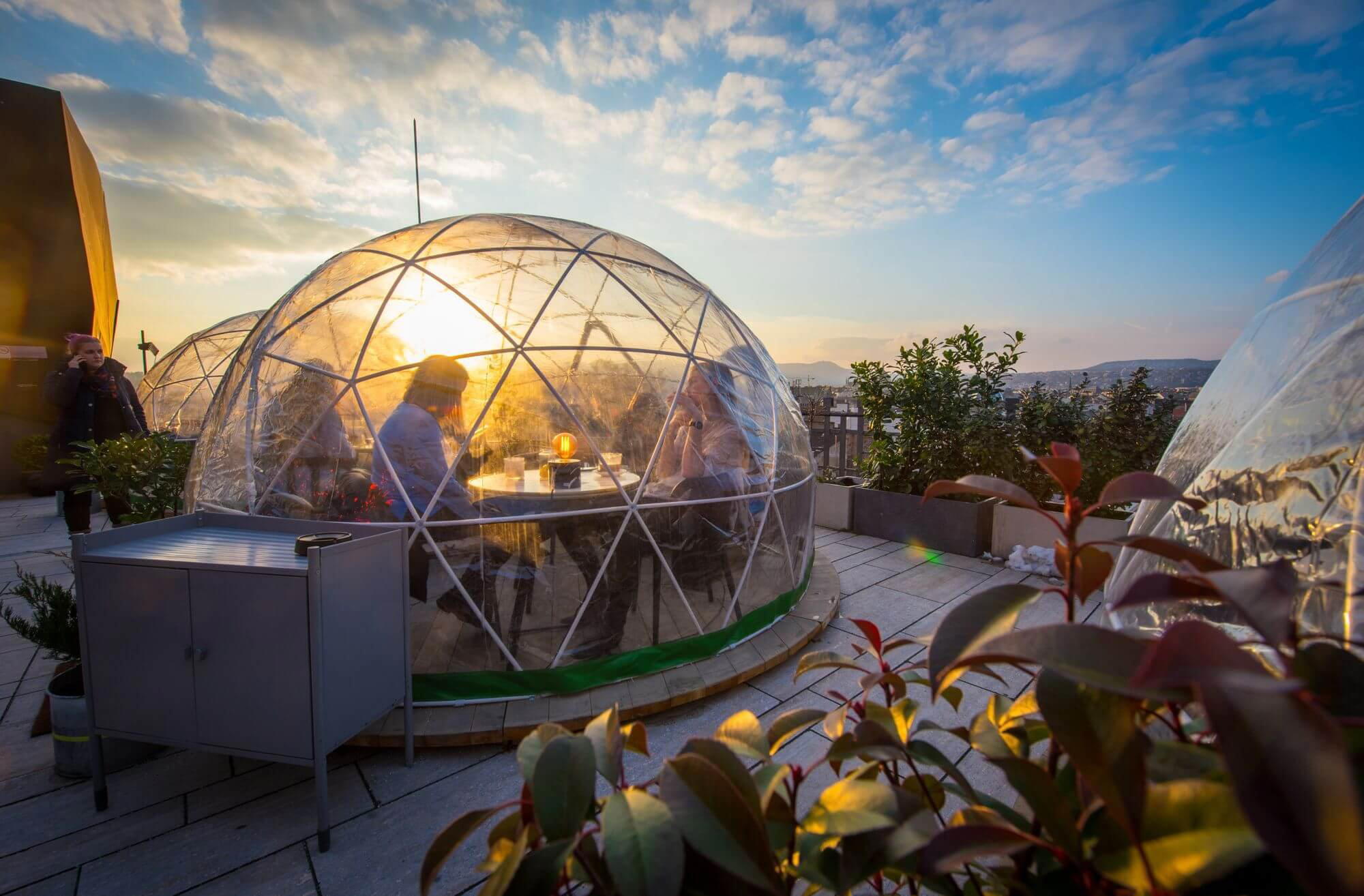
Budapest's bar programme has diversified sharply since the ruin bar model peaked. The city now supports a range of format-specific venues: cocktail bars with technical ambitions comparable to western European peers, natural wine operations with serious cellars, and hybrid spaces that do both. Boutiq'bar represents the cocktail-led end of Budapest's premium bar tier; 360 Bar trades on its rooftop position and broader accessibility; Black Swan Lab and BRKLYN each occupy distinct sub-formats within the cocktail category. Kadarka sits in a different tier: wine-specific, producer-focused, with a format that rewards return visits as the list rotates.
The comparison set for Kadarka is other wine-forward drinking venues in cities with similarly underexposed regional wine cultures. Superbueno in New York City and Julep in Houston each demonstrate how a drinks programme organised around a specific regional logic, rather than international familiarity, can develop a loyal, knowledgeable following. 1806 in Melbourne takes a historical approach to menu architecture, another example of how format discipline creates a distinct identity. Kadarka's version of that discipline is geographic and varietal: Hungarian wine, seriously considered.
Planning a Visit
Kadarka Bar is located at Király u. 42 in Budapest's VI/VII District border zone, within walking distance of the Deák Ferenc tér metro interchange and the broader Erzsébetváros bar cluster. The VII District is dense with evening options, which means the bar draws both destination visitors who have sought it out specifically and neighbourhood traffic from people already in the area. That dual audience tends to reward earlier arrival on weekend evenings, when the more considered end of the clientele tends to settle in before the street gets louder. For visitors building a broader Budapest evening, the address connects naturally to the wider circuit covered in our full Budapest restaurants guide. The format rewards time spent with both the list and the food menu.
Peers You’d Cross-Shop
Comparable venues nearby, for context on price, style, and recognition.
| Venue | Cuisine | Price | Notes |
|---|---|---|---|
| Kadarka BarThis venue — the venue you are viewing | wine_bar | $$ | Not listed |
| TÁBLA | wine_bar | $$ | Pest |
| Black Swan Lab | speakeasy | $$$ | Terézváros |
| Muzsa | cocktail_bar | $$$ | Varhegy |
| BRKLYN | cocktail_bar | $$ | Belvaros |
| 360 Bar | rooftop_bar | $$$ | Terézváros |
Recognition history
Dated appearances from independent guides and award organizations, with the underlying list record or original source where available.
Star Wine List
Star Wine List
Continue exploring
More in Budapest
Bars in Budapest
Browse all →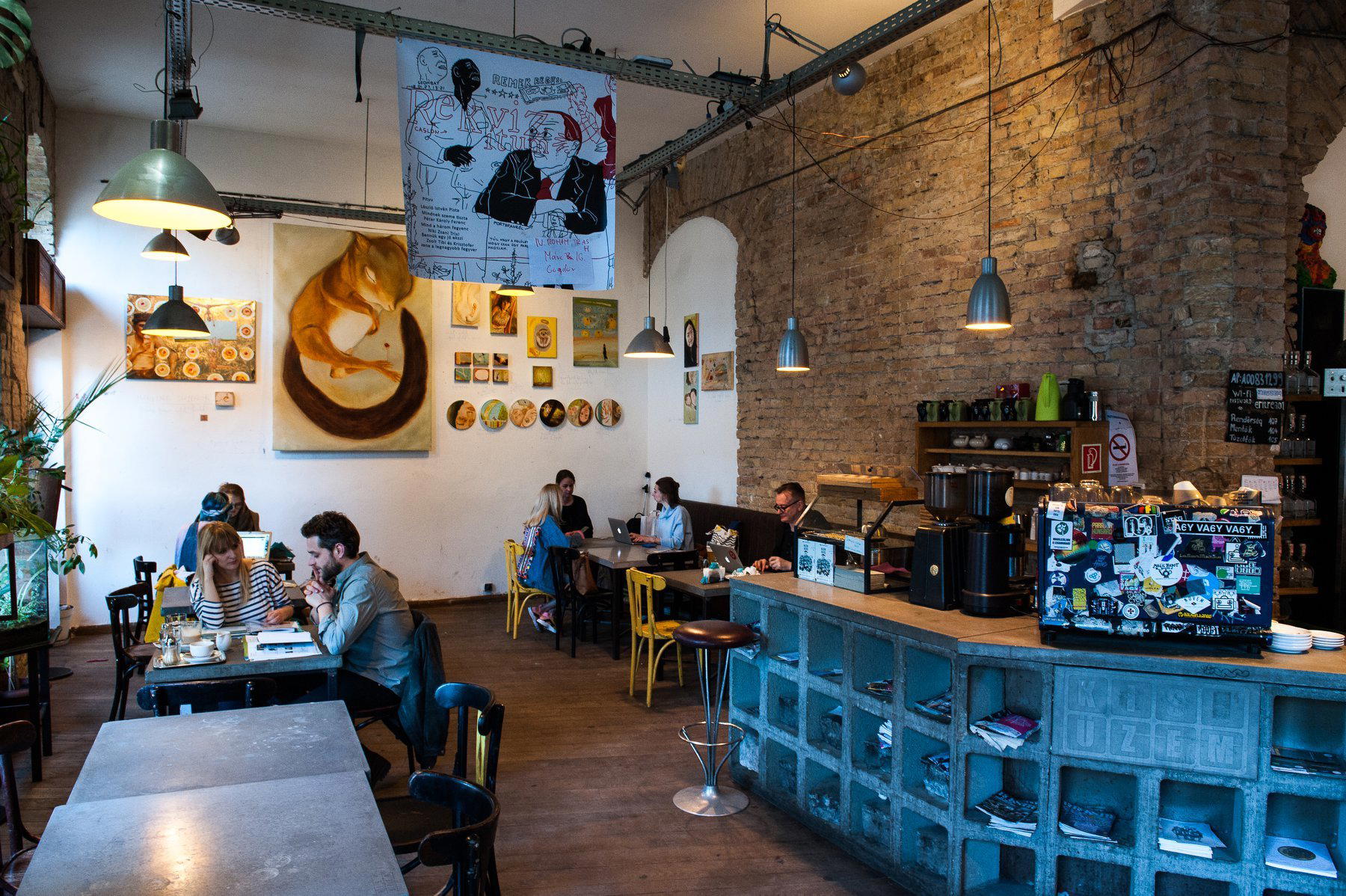
Restaurants in Budapest
Browse all →
Hotels in Budapest
Browse all →

At a Glance
- Cozy
- Lively
- Trendy
- Date Night
- After Work
- Casual Hangout
- Standalone
- Outdoor Terrace
- Seated Bar
- Conventional Wine
Current opening hours
- Monday
- 4 PM–12 AM
- Tuesday
- 4 PM–12 AM
- Wednesday
- 4 PM–12 AM
- Thursday
- 4 PM–12 AM
- Friday
- 4 PM–12 AM
- Saturday
- 4 PM–12 AM
- Sunday
- 4 PM–12 AM
Hours can change for holidays and private events. Last verified .
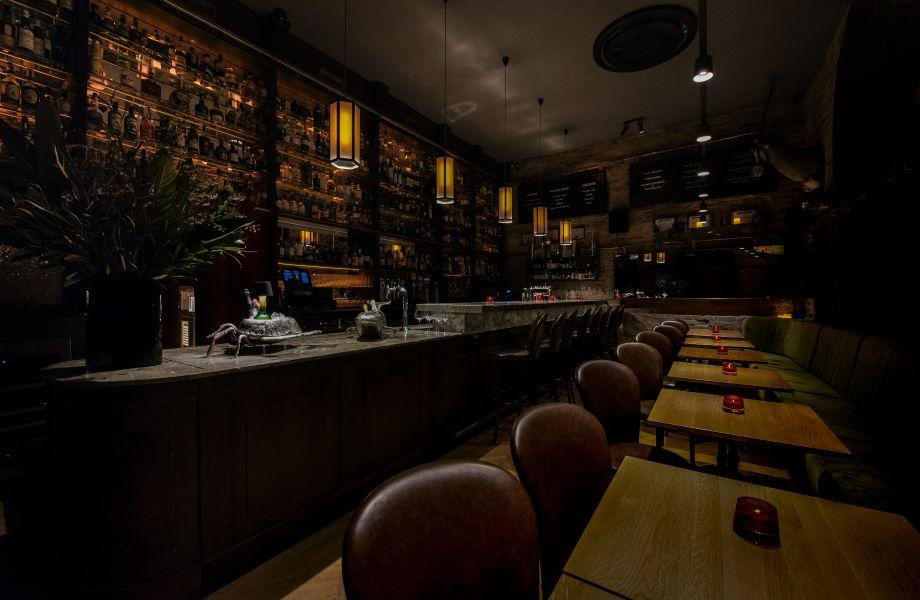
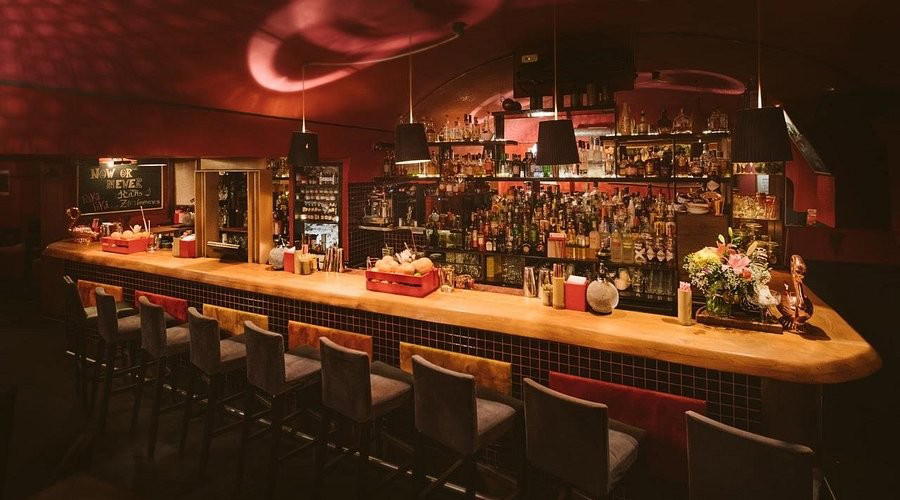
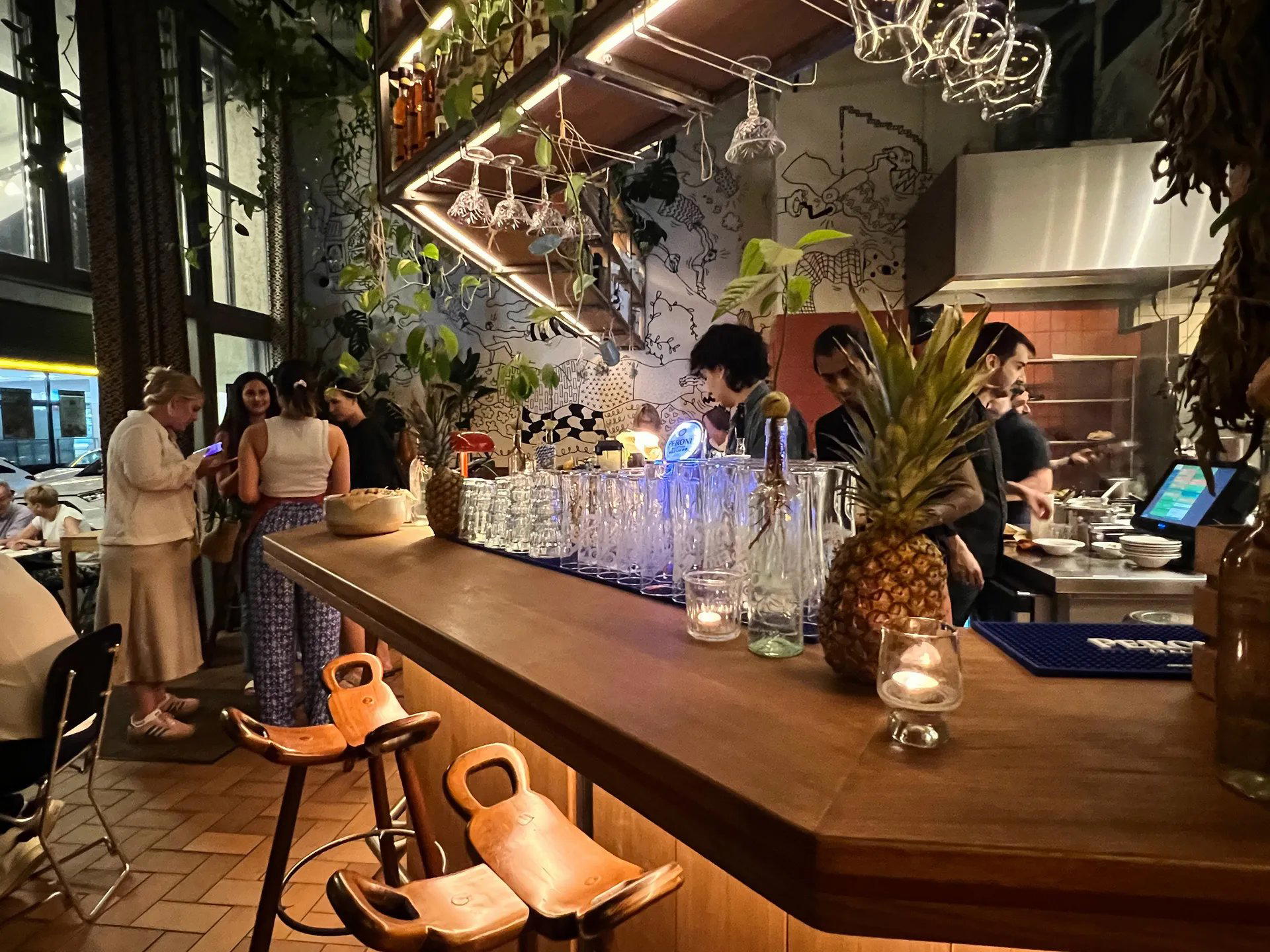
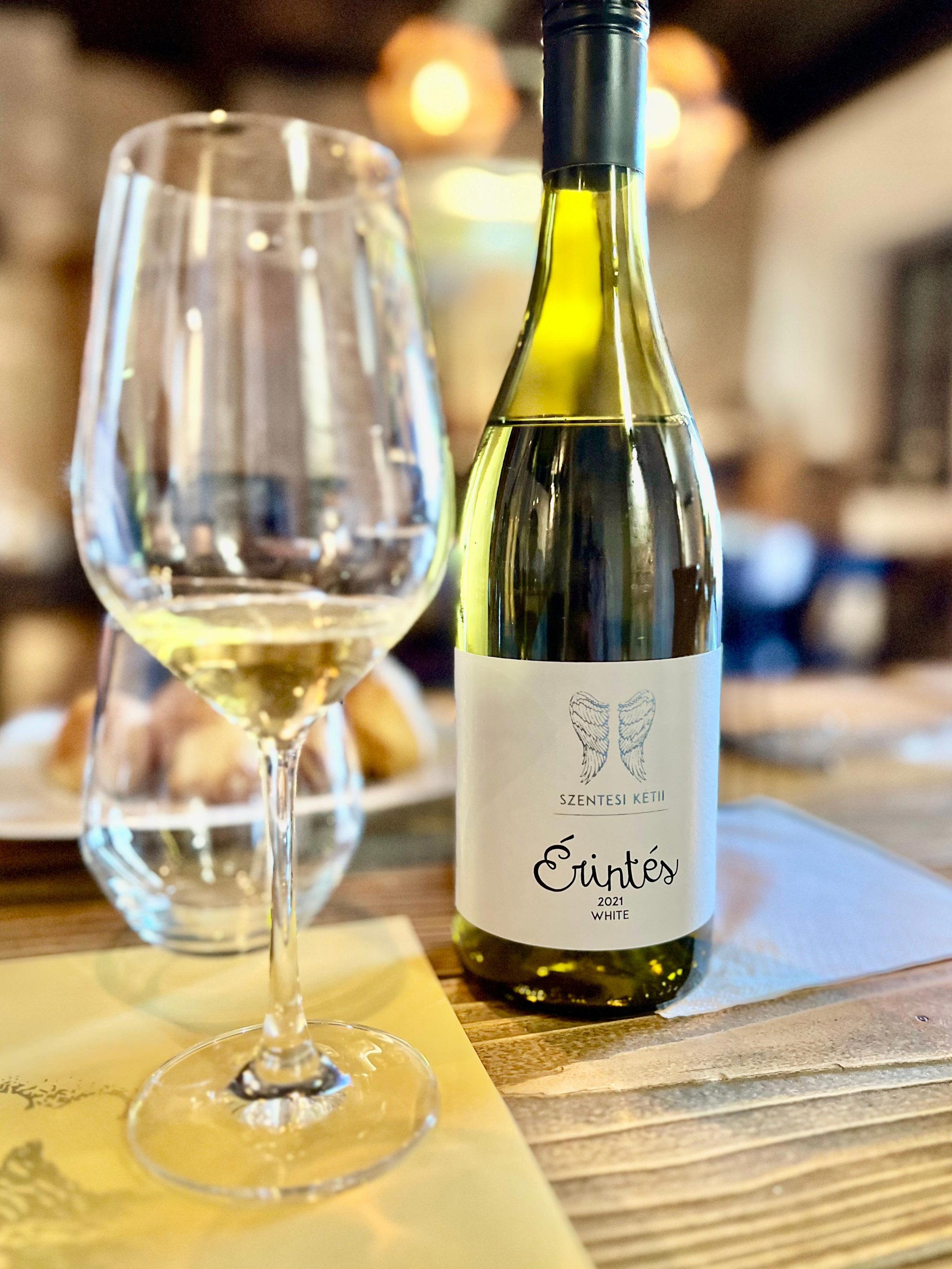
Inviting and friendly atmosphere with colorful outdoor seating, dimmed lights, and lively energy near the party quarter.