Positioned on Szeged's central Széchenyi tér, Classic Grill Serbian Restaurant Underground brings the grilling traditions of Serbia's meat-forward kitchen to one of Hungary's most food-conscious cities. The underground setting separates it physically and tonally from the square's tourist-facing options, pointing instead toward a tradition built on live fire, heavy cuts, and the herb profiles that define Serbian barbecue culture.
Pearl is the En Primeur Club membership app — saves, bookings, and concierge access live there. Same editors, same standards.
- Address
- Szeged, Széchenyi tér 5, 6720 Hungary
- Phone
- +36203946222
- Website
- classicgrill.hu
- Directions
- Get directions
 Saves & bookings on Pearl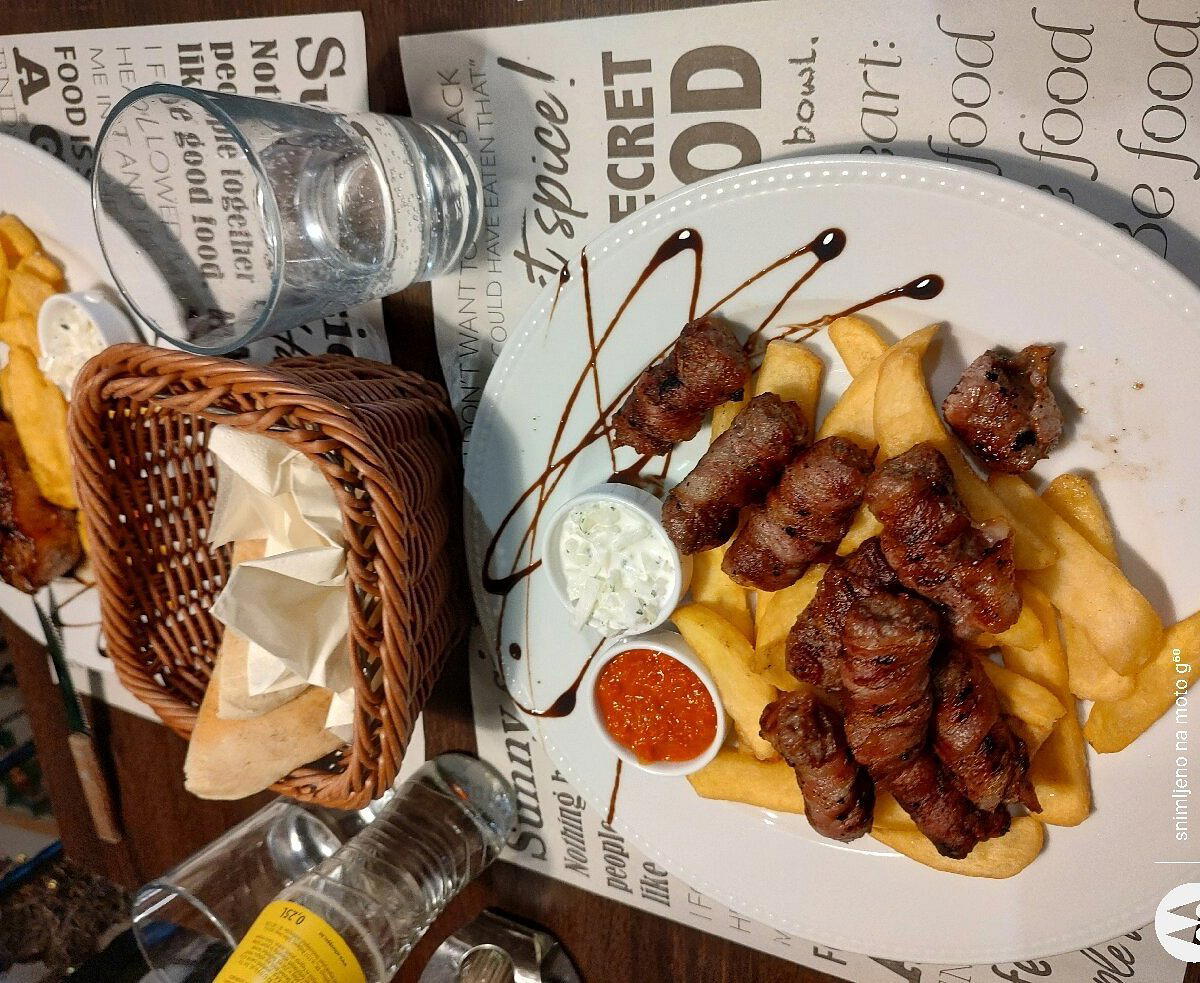
Fire Below the Square: Serbian Grilling on Széchenyi Tér
Szeged sits at the edge of two culinary worlds. To the north and west, the Hungarian kitchen asserts itself through paprika-heavy stews, river fish preparations, and the slow-cooked traditions of the Great Plain. To the south, across a border that once bisected a shared region, Serbian cooking takes a different line entirely: open flame, heavily seasoned minced and whole meats, and a grill culture that owes as much to Ottoman influence as it does to Balkan pastoral tradition. On Széchenyi tér, one of Hungary's most architecturally legible central squares, Classic Grill Serbian Restaurant Underground occupies a below-street position that immediately signals a different register from the café terraces and tourist-pitched menus above ground.
The descent underground is not incidental. In central European restaurant culture, basement and cellar dining spaces carry specific associations: more enclosed atmospheres, often more deliberate menus, and a physical separation from the ambient noise of a busy square. At this address, that descent frames what follows, a cooking tradition that centres on sourcing quality raw material and applying heat with discipline, rather than on elaborate technique or composed plating.
What Serbian Grill Culture Actually Means
Serbian barbecue tradition, broadly grouped under the term roštilj, represents among the more ingredient-direct cooking cultures in the Balkans. The logic is simple but demanding: when a menu is built primarily around grilled meats with minimal supplementary components, the quality of the meat itself, the freshness of the fat, and the precision of the spice blend become the entire argument. Ćevapčići, the small skinless minced-meat sausages that function as the category's calling card, live or die by the ratio of beef to pork, the coarseness of the grind, and the handling time before they reach the grate. Pljeskavica, the wider spiced patty that operates as a Serbian interpretation of a flat-grilled cut, is similarly unforgiving, there is nowhere to hide a poor ingredient choice under sauce or reduction.
This matters in Szeged specifically because the city already operates with sophisticated reference points for regional sourcing. Tiszavirág (€€€ · Modern Cuisine) applies a contemporary Hungarian lens to regional produce, while Alkimista Kulináris Műhely (€€€€ · Regional Cuisine) works within a higher price bracket with a firmly local-sourcing philosophy. The Serbian grill tradition represented at Classic Grill Underground works from a different set of assumptions, direct, high-heat, and product-led rather than technique-led, but the underlying commitment to raw material quality connects these approaches across different cultural traditions.
The Ingredient Logic of the Balkan Grill
Across the Balkans, the leading roštilj kitchens have historically sourced from a tight local radius, partly out of necessity and partly because the preparation style demands freshness. Minced meat that has traveled too far or rested too long will not hold together on an open grate, and will not carry the clean fat-and-smoke profile that defines the tradition at its most compelling. The geographic position of Szeged, less than twenty kilometres from the Serbian border at Horgos, means that the supply logic connecting this restaurant to its source traditions is shorter and more direct than it would be from Budapest or other Hungarian cities further north.
This proximity is worth understanding as context rather than as a claim about any specific sourcing arrangement. What it means in practice is that a Serbian-tradition grill kitchen in Szeged is operating closer to its culinary origin than almost any equivalent venue in Hungary. The cultural continuity is real: Serbian communities have had a documented presence in Szeged for centuries, and the cross-border food culture between the southern Hungarian plain and northern Serbia reflects shared pastoral and agricultural traditions that predate any modern political boundary.
Where It Sits in Szeged's Dining Picture
Szeged's restaurant scene has a clear hierarchy. The fish tradition, anchored to the Tisza river and the city's famous halászlé (fish soup), dominates the heritage end of the market. Kiskörössy Fish Tavern and Roosevelt téri halászcsárda both operate within that tradition, which is Szeged's most internationally recognized culinary export. At the other end, venues like Pizzarium operate in the casual, category-defined tier. Classic Grill Serbian Restaurant Underground sits in neither of these groups. It occupies a cultural position that is specifically cross-border: bringing a meat-and-fire tradition that has no direct local Hungarian equivalent, while remaining within a price and atmosphere register that makes it accessible as a regular dining option rather than an occasion restaurant.
For visitors moving through the broader Hungarian dining circuit, it is useful to understand how Szeged's regional character compares to other parts of the country. The wine-anchored restaurant culture around Villány, represented by venues like Sauska 48 in Villány, or the countryside-modern approach of Pajta in Őriszentpéter, reflects how Hungary's regional dining has increasingly organized itself around local identity. Szeged's proximity to Serbia gives it a different kind of regional identity, one that reaches south rather than turning inward on purely Hungarian traditions.
Planning a Visit
Classic Grill Serbian Restaurant Underground is located at Széchenyi tér 5, 6720 Szeged, in the centre of the city's main square. The underground position means the entrance requires attention; look for the descent rather than a street-facing facade. For those combining this with broader exploration of Szeged's dining options, the square is walkable from both the riverside halászcsárda belt and the city's central market area. Szeged is reachable by direct train from Budapest Keleti in approximately two hours, making it a viable day trip for visitors with a specific culinary objective, though an overnight stay allows for a more complete reading of the city's distinct food culture. Those building a longer Hungarian itinerary might also consider Platán Gourmet in Tata or Teyföl in Szentendre as part of a circuit that maps Hungarian regional cooking from north to south.
At-a-Glance Comparison
Comparable venues nearby, for context on price, style, and recognition.
| Venue | Cuisine | Price | Awards | Notes |
|---|---|---|---|---|
| Classic Grill Serbian Restaurant UndergroundThis venue — the venue you are viewing | Authentic Serbian Grill | $$ | Not listed | Not listed |
| Roosevelt téri halászcsárda | Traditional Hungarian Fish Restaurant | $$ | Not listed | Roosevelt tér |
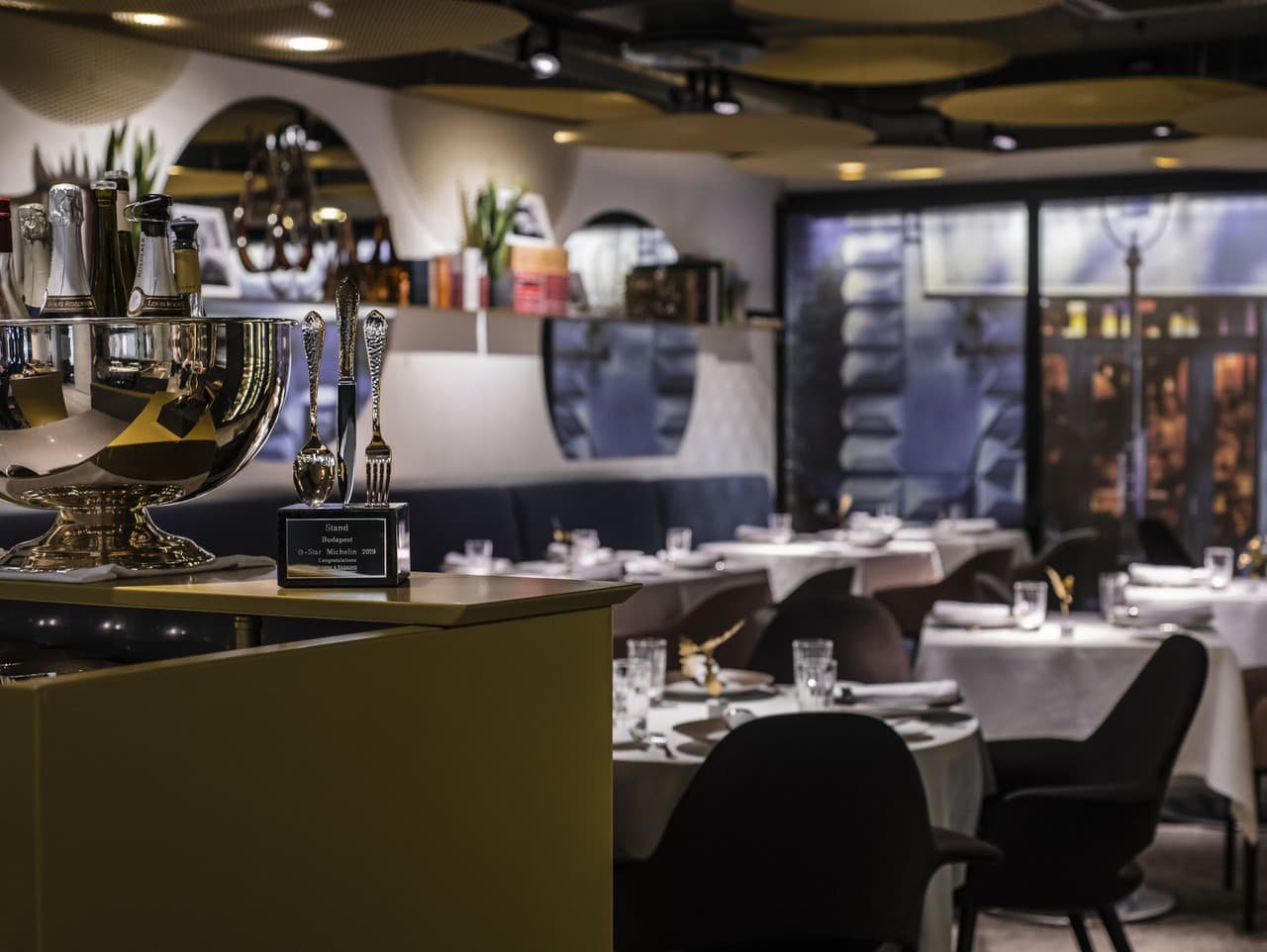
| Tiszavirág | Modern Hungarian | $$$ | Michelin Plate | city center |
| Kiskörössy Fish Tavern | Traditional Hungarian Fish Tavern | $$ | Not listed | Tiszaliget |
| Zero Streetfood & Restaurant | Gluten-Free Street Food | $ | Not listed | downtown Szeged |
| Pizzarium | Modern Artisan Pizza | $$ | Not listed | Szeged center |
Continue exploring
More in Szeged
Restaurants in Szeged
Browse all →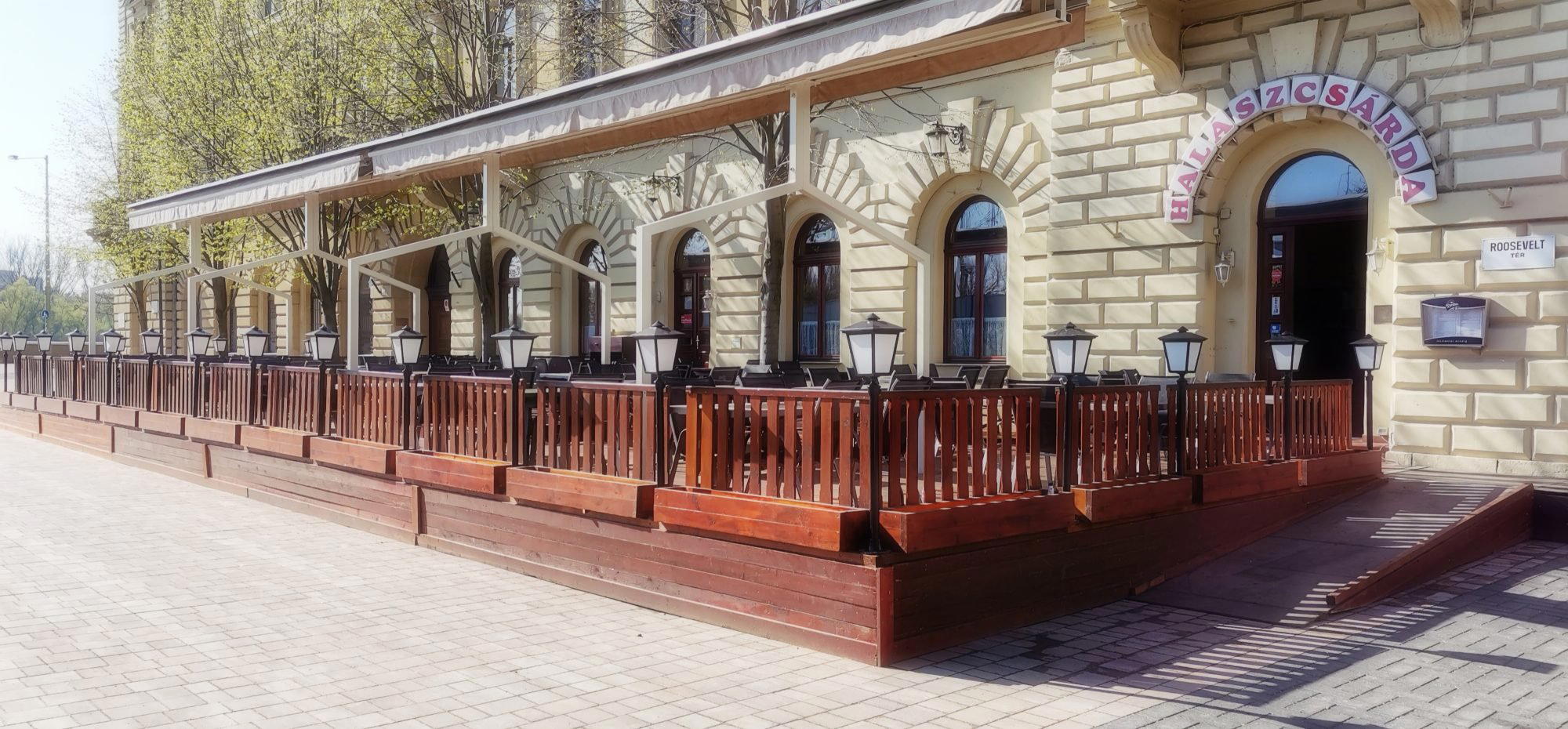

At a Glance
- Cozy
- Classic
- Lively
- Family
- Group Dining
- Casual Hangout
- Courtyard
- Open Kitchen
- Extensive Wine List
Current opening hours
- Monday
- 11 AM–10 PM
- Tuesday
- 11 AM–10 PM
- Wednesday
- 11 AM–10 PM
- Thursday
- 11 AM–10 PM
- Friday
- 11 AM–11 PM
- Saturday
- 11 AM–11 PM
- Sunday
- 11 AM–10 PM
Hours can change for holidays and private events. Last verified .
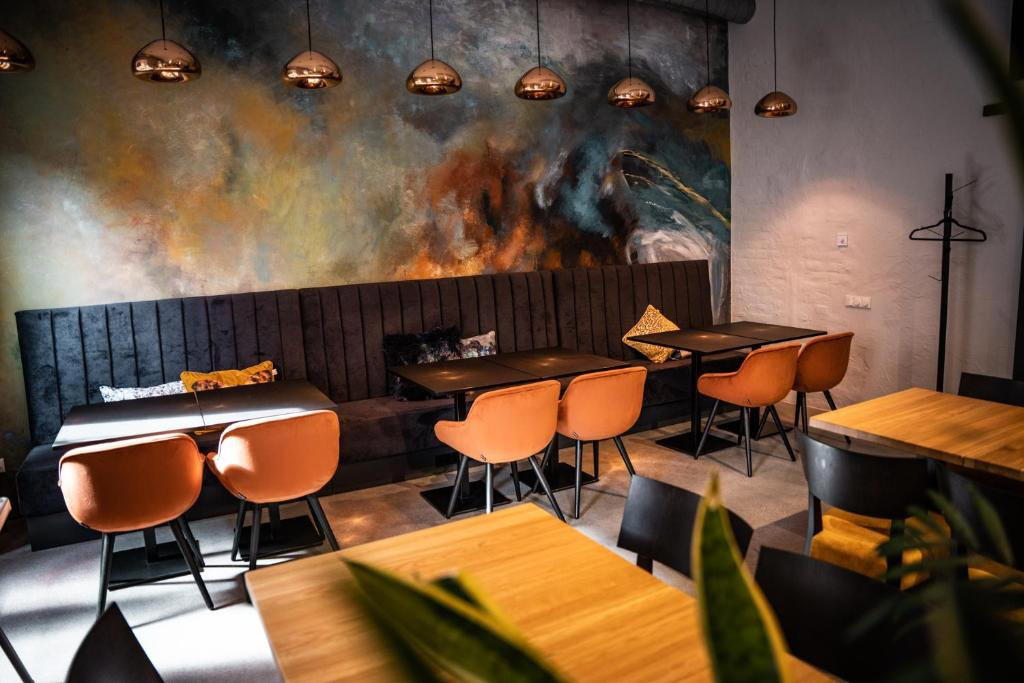
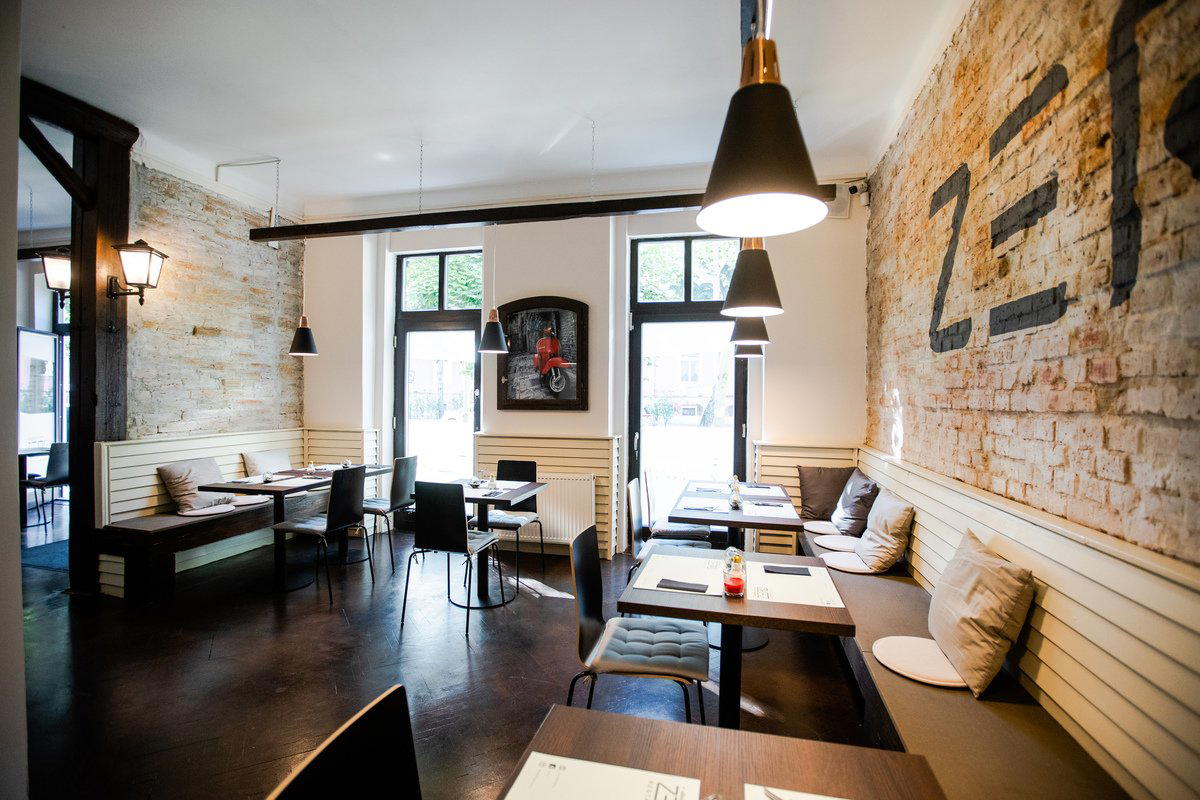
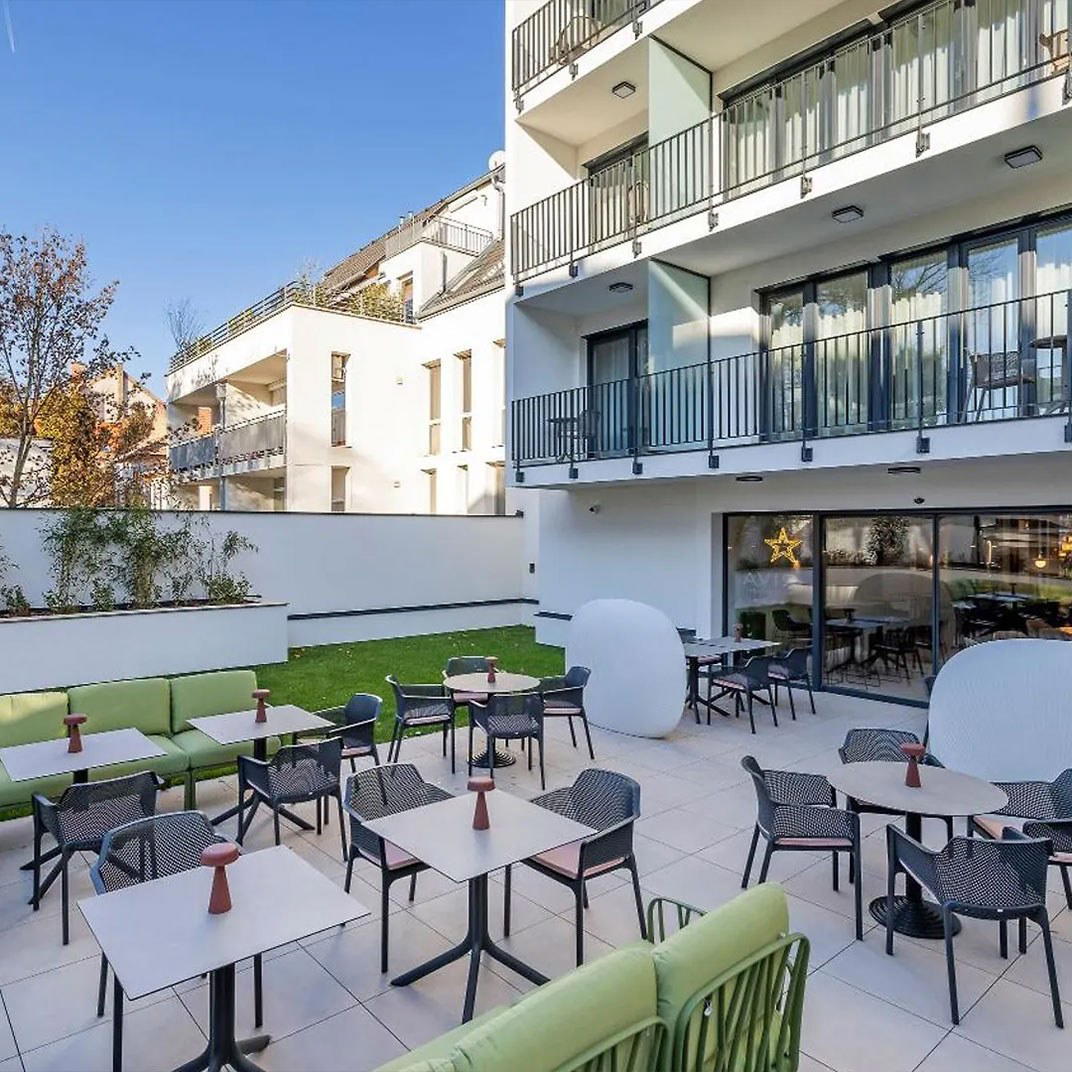
Cozy home-like atmosphere with a modern industrial vibe, pleasant courtyard dining, and warm lighting.