Fiume Étterem
Fiume Étterem occupies a address on Szent István tér in the centre of Békéscsaba, placing it within the Hungarian Great Plain's quietly serious dining tradition. The restaurant draws on the region's agricultural depth, a part of Hungary where sourcing from the surrounding farmland is less a trend than a given. For travellers passing through or based in Békéscsaba, it represents a grounded local option in a city that rewards slower attention.
Pearl is the En Primeur Club membership app — saves, bookings, and concierge access live there. Same editors, same standards.
- Address
- Békéscsaba, Szent István tér 2, 5600 Hungary
- Phone
- +3666443243
- Website
- hotelfiume.hu
- Directions
- Get directions
 Saves & bookings on Pearl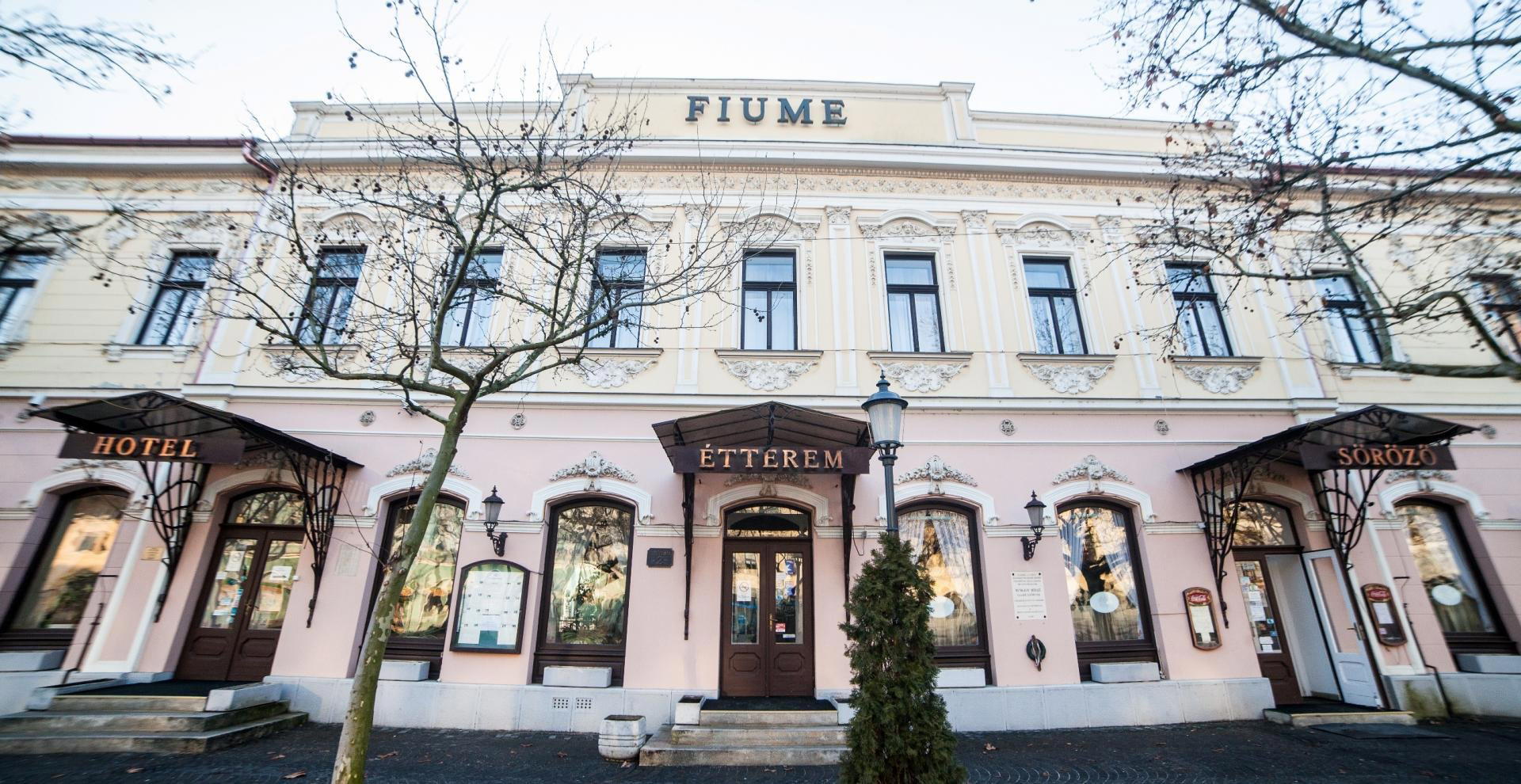
The Square and What It Signals
Fiume Étterem is a Hungarian restaurant in Békéscsaba at Szent István tér 2. The Great Plain, the Alföld, is not a region that imports its identity. The flat, agriculturally dense terrain between the Körös rivers has fed this part of Hungary for centuries, and the restaurants that endure here tend to be the ones that understand that provenance is not a marketing concept but a structural fact of cooking in this landscape. Fiume Étterem, at Szent István tér 2, sits inside that tradition.
Arriving at the square on foot, you encounter the kind of civic scale that provincial Hungarian towns do well: wide pavements, institutional buildings from the Austro-Hungarian period, and a pace that makes Budapest feel like a different country entirely. This physical context matters for understanding what kind of restaurant Fiume is. Békéscsaba's dining scene has never chased the capital's modernist energy. The comparison venues that define Hungarian fine dining, Stand in Budapest at the €€€€ tier, or the creative formats emerging in wine country, operate in a different register entirely. Békéscsaba runs closer to the tradition represented by Öreg Prés in Mór, where traditional Hungarian cuisine at accessible price points defines the offer.
The Great Plain as Kitchen Garden
The editorial angle that matters most for any restaurant in this part of Hungary is ingredient sourcing, because the Alföld makes that question unavoidable. This is one of Europe's most productive agricultural zones: paprika cultivation around Kalocsa and Szeged, pork production rooted in Mangalica breeding, freshwater fish from the Tisza and Körös river systems, and a vegetable and grain output that has historically supplied much of Central Europe. A restaurant on the Great Plain that ignores this supply network is making an active choice against its own geography.
The regional fish tradition is particularly instructive for understanding where Békéscsaba sits in the broader Hungarian dining map. Freshwater cooking along the Körös and Tisza rivers has its own vocabulary: catfish, carp, and pike-perch prepared with paprika-heavy broths or simply grilled over open fire. The Horgonyzó Kisvendéglő in Tiszalök and Tiszavirág in Szeged both demonstrate how deeply that river-sourcing tradition runs when a kitchen commits to it. For context, Old Kőrössy Fish Restaurant in Szegedin shows how differently the same raw material gets handled at different tiers. In Békéscsaba, the expectation is something closer to the latter: ingredient-honest cooking at moderate prices, rather than technique-forward elaboration.
Paprika deserves its own paragraph in any discussion of Great Plain cooking. Hungarian paprika is not a garnish or a flavouring agent, it is structural. The region around Békéscsaba sits within the paprika belt, and the spice appears across the cooking in forms that range from fresh peppers in summer dishes to dried, smoked, and sweet ground versions that define stews and soups from autumn through winter. A kitchen that sources its paprika locally, from growers within the county, produces a different dish than one buying commercially blended product. That difference is subtle but cumulative across a meal.
Békéscsaba's Dining Character
Békéscsaba is not a dining destination in the sense that the Badacsony wine region or Budapest's seventh district are. It is a working regional city with a Slovak minority cultural tradition, a textile and food-processing industrial history, and a civic pride that expresses itself through local institutions rather than external recognition. The restaurants that succeed here over long periods tend to be the ones that serve the city's own residents consistently, rather than optimising for passing food tourists.
That dynamic produces a different kind of value proposition than you find at, say, Platán Gourmet in Tata or Pajta in Őriszentpéter, where the destination-dining model drives the offer. In Békéscsaba, a restaurant's comparable set is local: the other established places around the square and along the main commercial streets. Kisvendéglő a Hargitához represents the kind of neighbourhood option that Fiume sits alongside, in a city where the dining choice is often between a handful of familiar addresses rather than a deep competitive field.
For travellers approaching from Hungary's wine regions, the contrast with western Transdanubia is sharp. The sourcing logic in places like Kővirág in Köveskál, Petrányi Csopak in Csopak, or Sauska 48 in Villány is built around wine-country agriculture and tourism infrastructure. The Great Plain operates without that wine-region scaffolding. Its sourcing story is older and less curated: grain, livestock, freshwater fish, and preserved vegetables rather than estate produce and boutique viticulture.
Planning a Visit
Békéscsaba is reached by rail from Budapest Keleti in approximately two hours on direct InterCity services, making it a feasible day trip or a base for exploring the south-eastern corner of the Alföld. The city also connects to Gyula, a spa town with its own food tradition, by local rail and road. Szent István tér is within walking distance of the main railway station, so arriving on foot is direct. For those cross-referencing the broader regional dining map, our full Békéscsaba District restaurants guide covers the wider options. Hungary's restaurant culture still skews toward weekday lunch as the main meal occasion in regional cities; evening dining is available but the energy at midday tends to be more representative of how these restaurants actually function day-to-day.
Specific booking methods, hours, and pricing for Fiume Étterem are not confirmed. Phoning ahead is advisable for groups.
What Lazy Bear in San Francisco does with communal format and sourcing narrative at the high end of the market represents one trajectory; what survives and matters in a regional Hungarian city like Békéscsaba represents another, and neither should be read against the other's criteria.
Side-by-Side Snapshot
Comparable venues nearby, for context on price, style, and recognition.
| Venue | Cuisine | Price | Notes |
|---|---|---|---|
| Fiume ÉtteremThis venue — the venue you are viewing | Hungarian | $$ | Not listed |
| Kisvendéglő a Hargitához | Transylvanian Hungarian | $$ | Békéscsaba |
| Hortobágyi Csárda | Traditional Hungarian Pastoral Cuisine | $$ | Hortobagy |
| Roosevelt téri halászcsárda | Traditional Hungarian Fish Restaurant | $$ | Roosevelt tér |
| Tanyacsárda | Traditional Hungarian | $$ | Lajosmizse |
| Fortuna | Contemporary Hungarian Bistro | $$ | Varhegy |
Continue exploring
More in Békéscsaba
Restaurants in Békéscsaba
Browse all →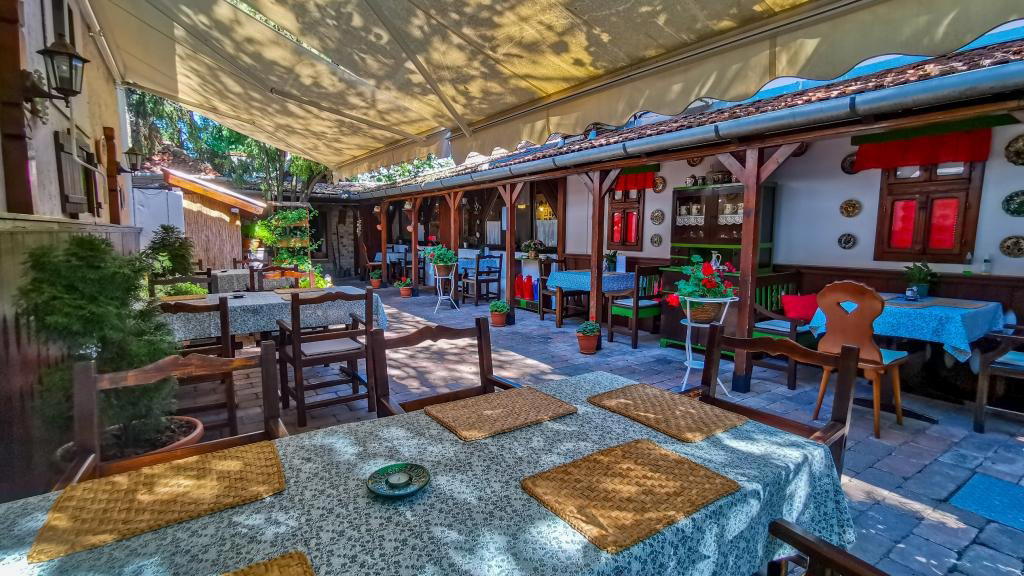
At a Glance
- Classic
- Elegant
- Cozy
- Intimate
- Family
- Group Dining
- Celebration
- Business Dinner
- Private Event
- Hotel Restaurant
- Terrace
- Historic Building
- Standalone
- Beer Program
- Street Scene
Classic and old-world, with guests describing a peaceful, spacious dining room that evokes earlier times and supports an intimate family meal atmosphere.