Kisüzem occupies a quiet address on Kis Diófa utca in Budapest's seventh district, where the ruin bar tradition has matured into something more considered. The bar sits at the neighbourhood end of the spectrum rather than the tourist-facing one, drawing a local crowd that treats it as a regular rather than a destination. For visitors, that distinction matters.

Pearl is the En Primeur Club membership app — saves, bookings, and concierge access live there. Same editors, same standards.
- Address
- Budapest, Kis Diófa u. 2, 1077 Hungary
- Phone
- +36 1 781 6705
- Hours
- Mon–Wed 12 PM–1 AMThu–Sat 12 PM–2 AMSun 12 PM–1 AM
- Website
- facebook.com
- Directions
- Get directions
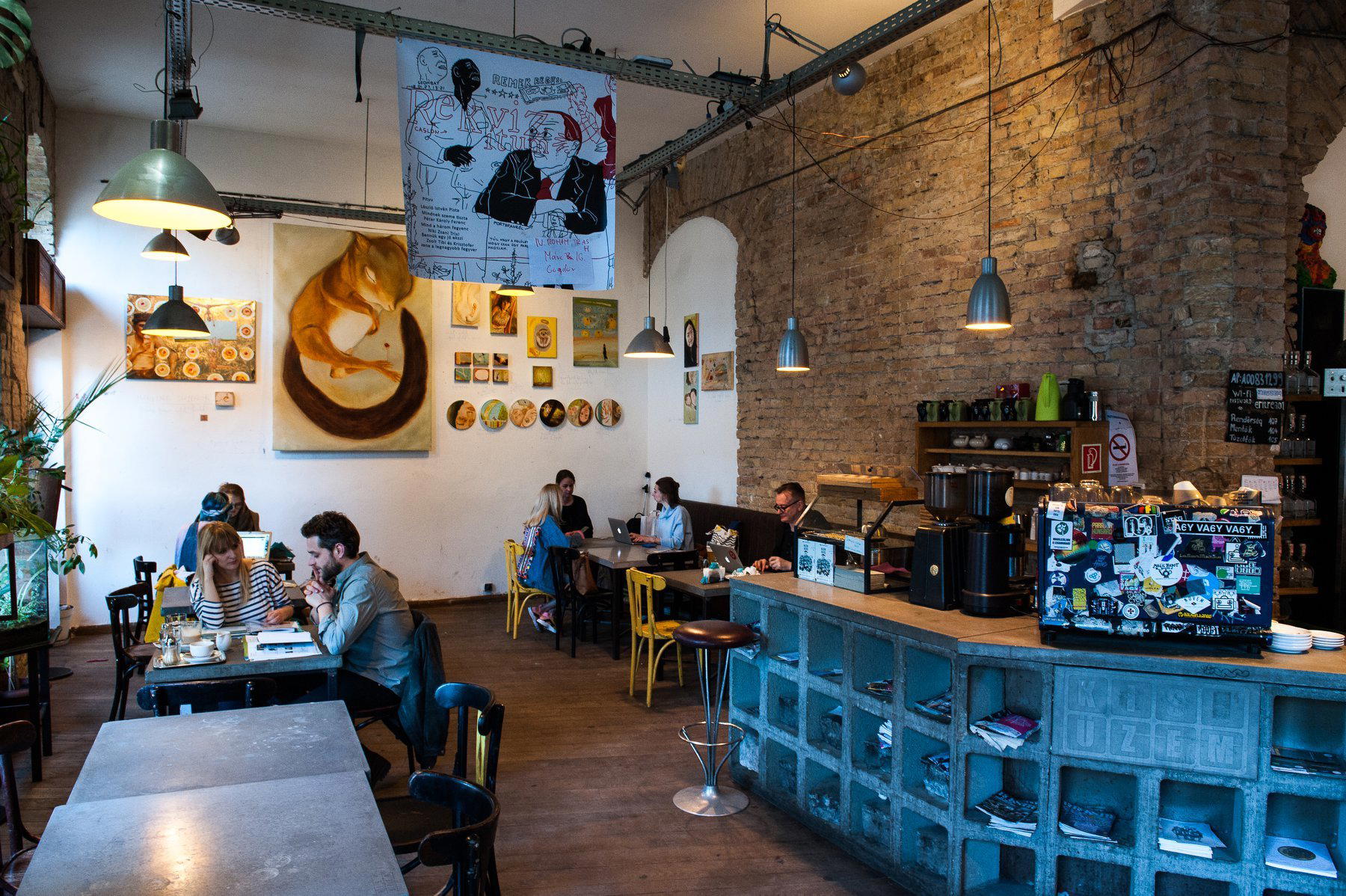
The Seventh District After the Ruin Bar Era
Budapest's seventh district built its international reputation on ruin bars: sprawling, deliberately decrepit venues that turned derelict Jewish Quarter courtyards into nightlife theatre. That format worked, and then it calcified. A second wave of smaller, more locally oriented bars has since grown alongside the originals, operating on different terms. Kisüzem on Kis Diófa utca belongs to that second wave. The street is narrow and residential, far enough from Kazinczy utca's weekend foot traffic to filter out most of the stag-party circuit. The bar's physical scale, modest by any measure, places it firmly in the neighbourhood-local category rather than the large-format venues designed around high throughput.
That neighbourhood positioning is the most useful frame for understanding what Kisüzem is and what it is not. It is not a cocktail program destination in the mode of Boutiq'bar, which has sustained serious recognition over many years and whose menu operates at a different level of technical ambition. It is not a rooftop spectacle like 360 Bar, where the panorama over the city is the primary product. And it is not in the experimental camp of Black Swan Lab, which positions itself around fermentation-led and science-inflected drinks. Kisüzem is something less formally ambitious and, for a particular kind of evening, more useful: a bar that functions as a genuine local gathering point in a district that has too few of them at this scale.
What the Seventh District Actually Looks Like at Street Level
The area around Kis Diófa utca sits just inside the inner ring of the Jewish Quarter, close enough to Dob utca and Rumbach Sebestyén utca to catch foot traffic from the main cultural sites, but far enough from the Szimpla Kert axis that the crowd composition changes. On weekday evenings the immediate streets are predominantly residential in character: older apartment blocks with inner courtyards, ground-floor businesses that serve the neighbourhood rather than visitors, and the kind of ambient city noise that belongs to a living district rather than a bar zone. That context matters for a venue like Kisüzem because the bar's appeal is inseparable from where it sits. A bar of this type in a more commercially saturated block would read differently.
The seventh district as a whole has been under sustained pressure from tourist infrastructure for well over a decade. Bars and restaurants that have maintained a local clientele through that period tend to have done so through a combination of pricing, scale, and deliberate low visibility. Venues at the higher end of this local tier, like BRKLYN, have shifted format to capture both local and visiting crowds. Kisüzem appears to have made different choices about scale and visibility, which is precisely what makes it function as it does.
Drinks in Context: Where Budapest's Bar Scene Has Moved
Hungarian drinking culture has a long tradition around pálinka and wine, both Tokaji and the increasingly serious output from Eger and Villány. The craft beer wave that reshaped bar formats across Central Europe arrived in Budapest in the early 2010s and produced a durable category of smaller bars oriented around rotating taps and local brewery relationships. Kisüzem operates in this general territory, where the offer tends to be defined by what is local, seasonal, and priced for repeat visits rather than special occasions.
For context on how seriously Budapest's bar scene can operate at the leading end, it is worth looking at what international comparators have achieved in similar mid-sized cities with strong local drinking traditions. Kumiko in Chicago built a reputation around Japanese-influenced spirits and a restrained, ingredient-led approach. Jewel of the South in New Orleans anchored itself in historical cocktail research. Julep in Houston focused on Southern spirits with curatorial depth. Bar Leather Apron in Honolulu built a program around Japanese whisky and spirit education. Each of these bars defined a clear lane within its city's scene. Budapest has its own version of that specialist top tier, concentrated in venues with documented award histories. Kisüzem occupies a different position in the ecosystem: not the destination that draws international bar travellers, but the kind of place that anchors an evening before or after one that does.
That is a legitimate and often underserved function. Cities like Frankfurt, where The Parlour has developed a reputation for hospitality-led programming, and Melbourne, where 1806 has built around cocktail history and education, show how bars at different tiers can coexist within a single city's drinking culture. New York's Superbueno demonstrates how neighbourhood identity can become a bar's primary asset. Kisüzem's version of that logic is rooted in the seventh district's residential character.
Planning a Visit: What to Expect
Kis Diófa utca 2 is walkable from several central metro stations, and the address places it within ten minutes of Keleti pályaudvar on foot. The bar's format, as far as the available information suggests, is a small-room, walk-in oriented operation rather than a reservation-driven one. Budapest's most popular neighbourhood bars in this category tend to fill quickly on Friday and Saturday evenings, and a venue of this size has limited capacity to absorb late arrivals during peak hours. Visiting earlier in the evening, or on a weekday, generally produces a more settled experience at bars of this type. For a broader orientation to eating and drinking in the city, our full Budapest restaurants guide covers the key neighbourhoods and venue tiers.
At a Glance
Comparable venues nearby, for context on price, style, and recognition.
| Venue | Cuisine | Price | Awards | Notes |
|---|---|---|---|---|
| KisüzemThis venue — the venue you are viewing | Belvaros, pub | $10–20 | Not listed | Not listed |
| Hotsy Totsy | Belvaros, speakeasy | $20–30 | Top 500 Bars Best Bars #428 | Not listed |
| Kadarka Bar | Not listed | $20–30 | Star Wine List | Terézváros, wine_bar |
| Mitico | Not listed | Not listed | Not listed | downtown bar district, cocktail_bar |
| TÁBLA | Not listed | Not listed | Not listed | Pest, wine_bar |
| Szimpla Kert | Not listed | $10–20 | Not listed | Belvaros, dive_bar |
Continue exploring
More in Budapest
Bars in Budapest
Browse all →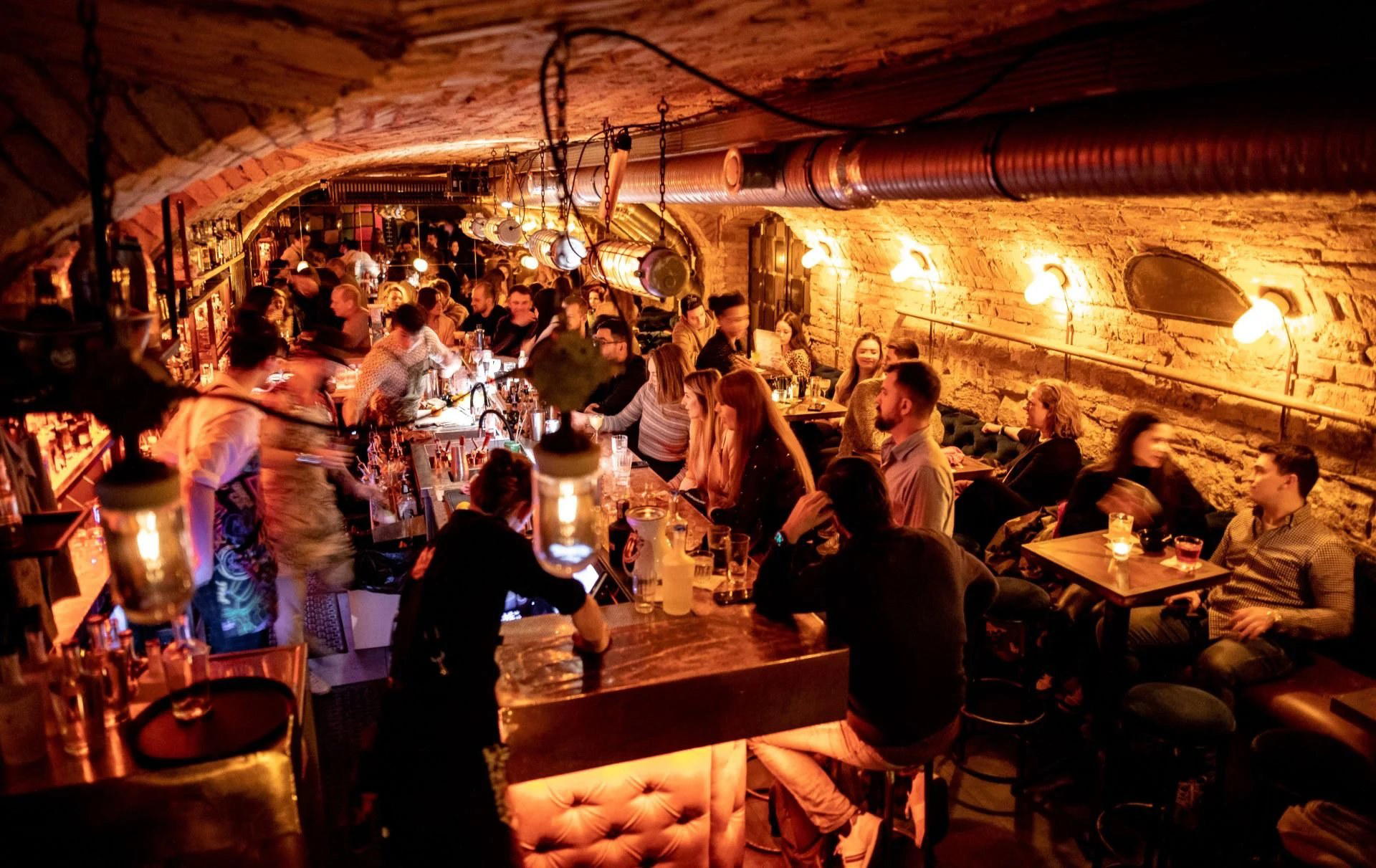
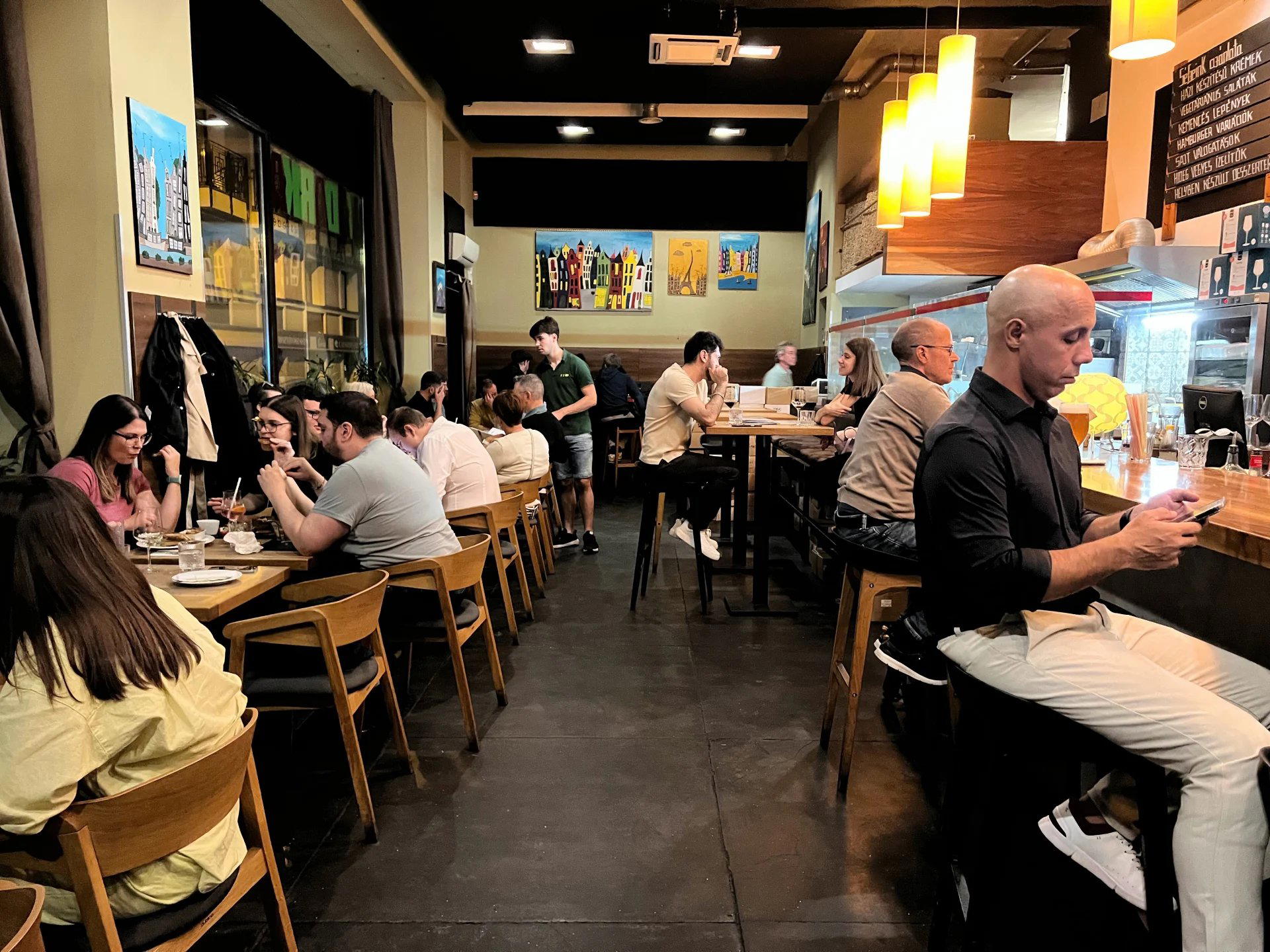
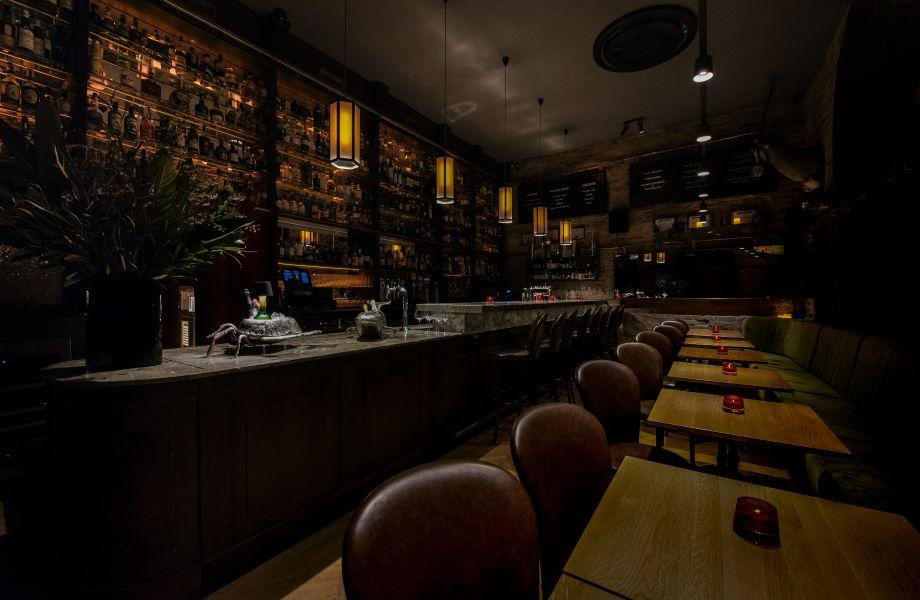
Restaurants in Budapest
Browse all →
Hotels in Budapest
Browse all →

Details
- Bohemian
- Cozy
- Trendy
- Intimate
- After Work
- Late Night
- Casual Hangout
- Live Music
- Seated Bar
- Lounge Seating
- Conventional Wine
- Craft Beer
- Whiskey
- Rum
Current opening hours
- Monday
- 12 PM–1 AM
- Tuesday
- 12 PM–1 AM
- Wednesday
- 12 PM–1 AM
- Thursday
- 12 PM–2 AM
- Friday
- 12 PM–2 AM
- Saturday
- 12 PM–2 AM
- Sunday
- 12 PM–1 AM
Hours can change for holidays and private events. Last verified .
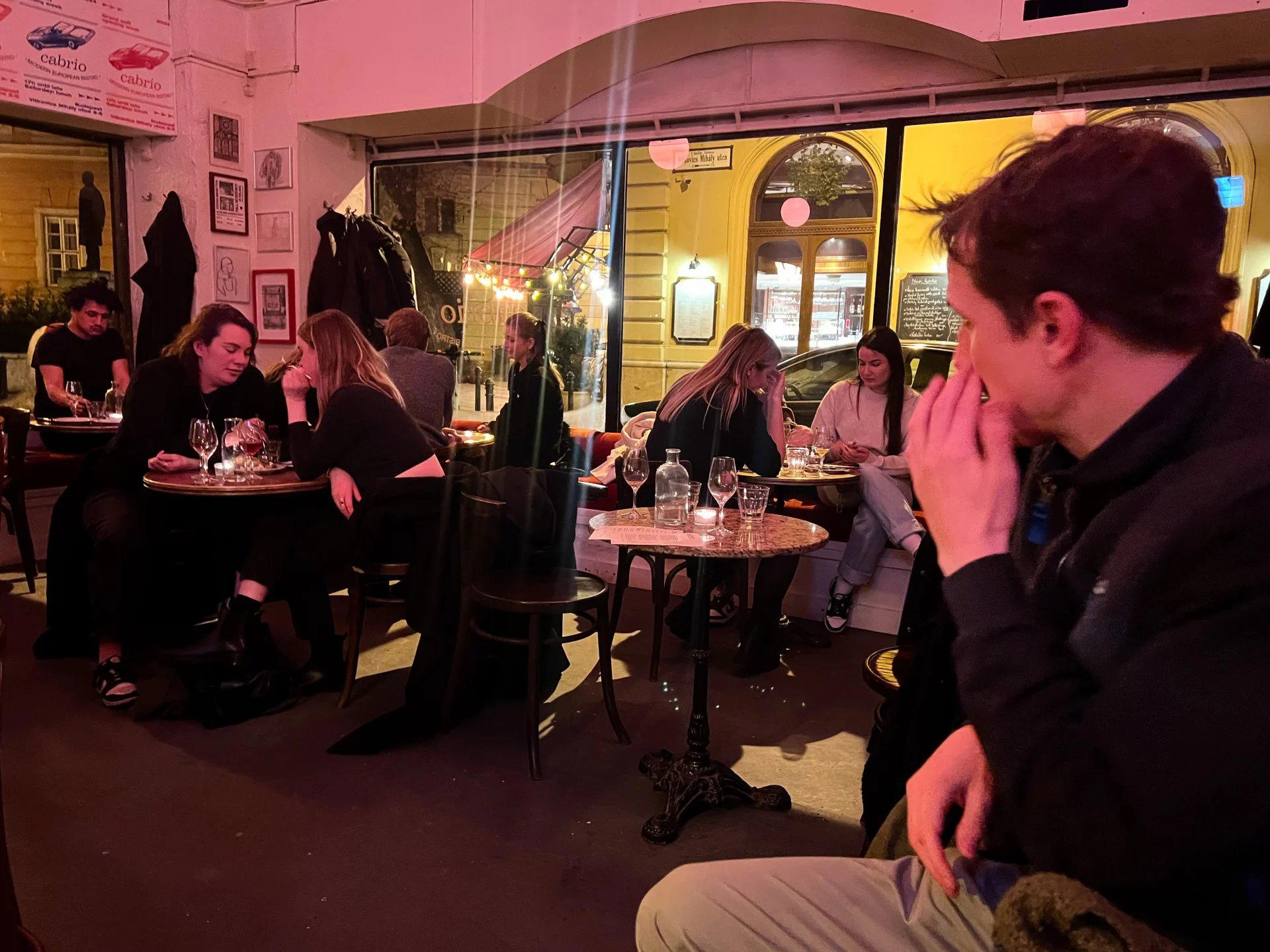
Dimly lit with industrial-chic and minimalist concrete decor, warm lighting, and a bohemian atmosphere frequented by artists and creatives.