
At Wamaki in Taipei's Zhongshan District, a chef of Amis descent with over two decades in Japanese cuisine applies kappo technique to Taiwanese indigenous ingredients, cooking over charcoal fire with native herbs including prickly ash seeds and Maqaw pepper. A single set menu runs at lunch and dinner, with advance customisation available.
Pearl is the En Primeur Club membership app — saves, bookings, and concierge access live there. Same editors, same standards.
- Address
- 104, Taiwan, Taipei City, Zhongshan District, Lane 36, Section 2, Chang'an E Rd, 1號1樓
- Phone
- +886 2 2542 7700
- Website
- m.facebook.com
- Directions
- Get directions
 Saves & bookings on Pearl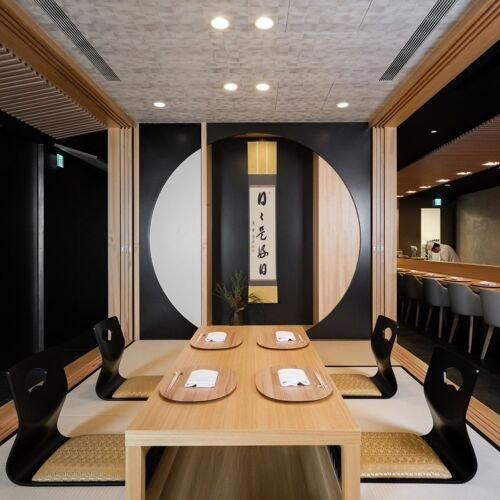
Charcoal, Kappo, and the Herbs of Taitung
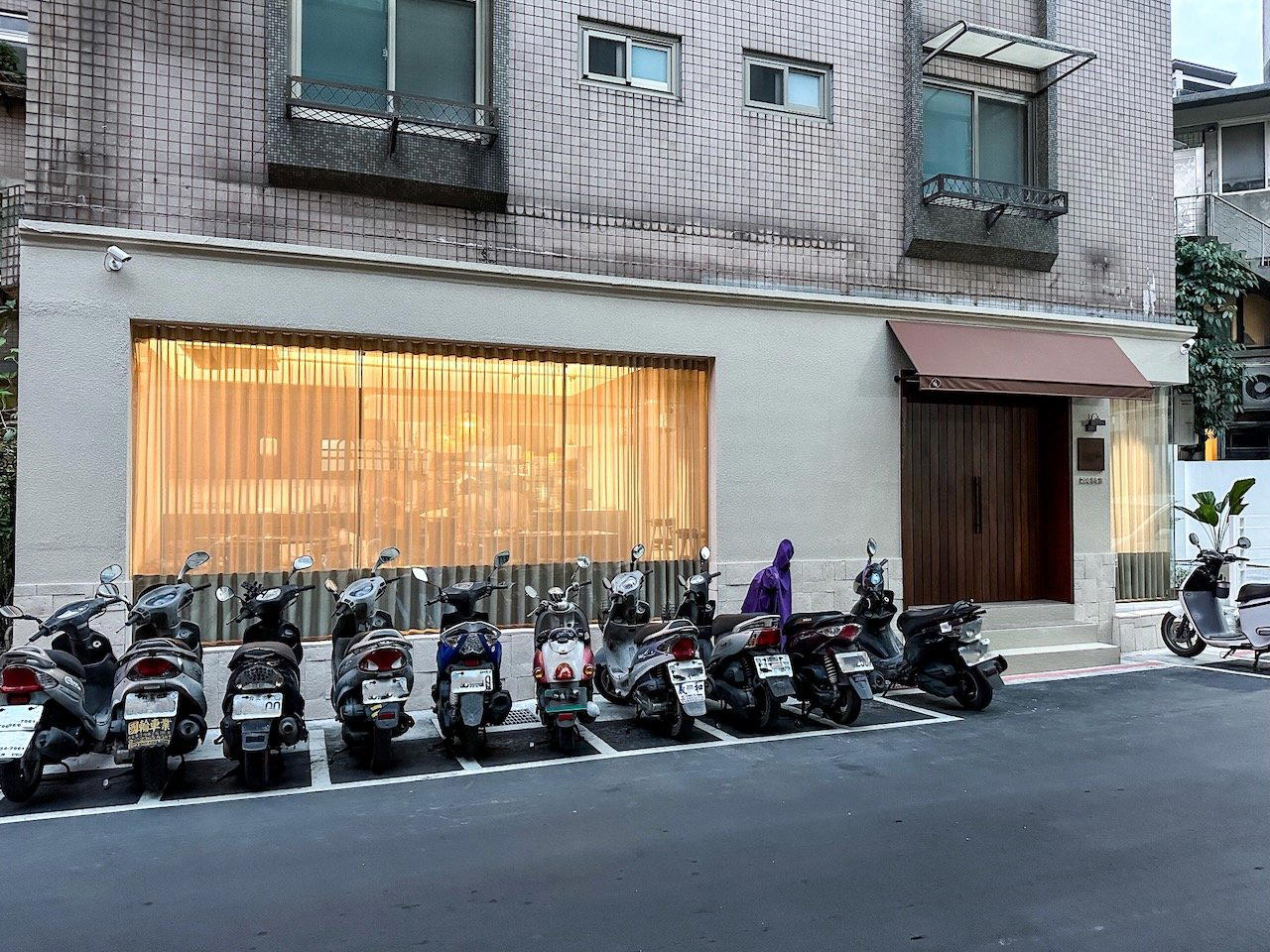
Wamaki is a Japanese kappo restaurant in Taipei's Zhongshan District, serving charcoal-fired dishes with Taiwanese ingredients at a $$$ price point. Mudan Tempura and the French-Taiwanese hybrids at Taïrroir. Wamaki sits at a $$$ price point in Zhongshan District, a quieter residential and low-rise commercial pocket that positions it as an alternative to that more expensive downtown tier. The physical approach matters here: the ground-floor space on a lane rather than a main artery sets an expectation of restraint before you have seen a single dish.
Inside, the cooking medium defines the room. Charcoal fire is not decorative at Wamaki; it is the structural logic of the kitchen. Kappo as a format historically emphasises the chef's direct relationship with heat and cutting, presenting dishes sequentially from a live cooking station rather than from a brigade kitchen. The charcoal element places Wamaki within a particular sub-tradition of Japanese cuisine where smoke and temperature control are the chef's primary instruments, a discipline visible in comparable counters in Tokyo, such as Myojaku and Azabu Kadowaki, and in Kyoto's older kaiseki tradition at places like Isshisoden Nakamura.
Where Japanese Technique Meets Indigenous Taiwanese Produce
The more compelling editorial story at Wamaki is not the technique but what it is applied to. Taiwan's indigenous culinary heritage has received growing attention in recent years, partly through the influence of restaurants outside Taipei, such as Akame in Wutai Township, which treats Paiwan ingredients through open-fire methods, and through the broader Taiwanese contemporary wave represented by venues like JL Studio in Taichung. What distinguishes Wamaki is the specific intersection: a Japanese kappo framework applied almost exclusively to Taiwanese produce and indigenous herbs.
The herbs are the signal detail. Prickly ash seeds and Maqaw pepper are not pantry imports. Maqaw is a berry used in Amis and other Taiwanese indigenous cooking, distinct in its citrus-pine character from the Sichuan peppercorns with which non-specialist audiences sometimes conflate it. Prickly ash, related but different in aromatic profile, appears in mountain community cooking across Taiwan's east coast. The chef is of Amis descent and sources these ingredients from Taitung, Taiwan's southeastern county, which is the cultural and geographic origin point for much of this produce. The detail that he travels to Taitung on weekends to gather herbs himself signals direct control over these native aromatics.
This positions Wamaki within a broader pattern visible across Taiwan's higher-end dining circuit: chefs trained in Japanese or European technique who have turned back toward indigenous and regional Taiwanese ingredients as the distinguishing element of their work. Ken Anhe and Yu Kapo operate within adjacent territory in Taipei's Japanese-influenced dining scene, as does AJIMI, though the specific emphasis on indigenous herbs and charcoal fire gives Wamaki a distinct point of difference within that comparable set.
Over Twenty Years in Japanese Cuisine
The chef's credentials matter here not as biography but as context for what the cooking represents technically. More than two decades in Japanese cuisine is a specific investment in a discipline that typically demands long apprenticeship before independent expression is considered appropriate. In the kappo format, where a single chef or small team executes every course sequentially, that depth of training determines the range and precision of what arrives at the table. The Amis heritage and the Taitung connection layer onto that technical foundation rather than replacing it, which is precisely what makes the format coherent as a dining proposition rather than a concept.
For comparison, Taipei's other Japanese fine dining counters in the $$$$-tier often import both technique and ingredient vocabulary wholesale from Japan, which produces high-quality but less distinctly Taiwanese experiences. Wamaki's $$$ positioning, combined with this ingredient sourcing approach, makes it a different proposition from those venues rather than a lower-budget version of the same thing. Alongside Dasuke and Kiku, it represents a tier of Taipei Japanese dining where the identity of the cooking is shaped by Taiwan as much as by Japan.
The Set Menu Format and What It Implies
A single set menu at both lunch and dinner is a format choice that concentrates sourcing and execution around a fixed sequence. For the kitchen, it allows the charcoal preparation and the herb use to be precisely calibrated per service rather than spread across a printed carte. For the diner, it removes choice in exchange for coherence. The chef's willingness to tailor the menu with advance notice is a practical accommodation without undermining that logic: the structure remains, the specific content adapts.
This format is standard across Japanese kappo and kaiseki traditions globally, and Wamaki's version at $$$ price sits below the typical entry point for set-menu Japanese fine dining in Taipei, where $$$$-tier counters dominate the format. That pricing differential matters for how the restaurant functions socially in the city: it reaches a broader professional audience without operating as a mass-market venue.7 from 222 reviews suggests consistent execution across a range of diner expectations.
For readers building a broader picture of Taiwan's dining scene, the references worth considering alongside Wamaki include GEN in Kaohsiung for a different approach to indigenous Taiwanese ingredients, and A Cun Beef Soup in Tainan for the south's more vernacular tradition.
Know Before You Go
- Address: Lane 36, Section 2, Chang'an East Road, Zhongshan District, Taipei 104
- Cuisine: Japanese kappo over charcoal fire, predominantly Taiwanese produce and indigenous herbs
- Price range: $$$
- Format: Single set menu, lunch and dinner; advance notice allows menu customisation
- Booking: Advance reservation recommended given the set-menu counter format 7 (205 reviews)
In Context: Similar Options
Comparable venues nearby, for context on price, style, and recognition.
| Venue | Cuisine | Price | Awards | Notes |
|---|---|---|---|---|
| WamakiThis venue — the venue you are viewing | Japanese Kappo with Taiwanese Ingredients | $$$ | Michelin Plate | Not listed |
| Vanne Yakiniku | Premium Yakiniku | $$$ | Michelin Plate | Jianlun |
| Sasa | Traditional Edomae Omakase | $$$$ | Michelin Plate | Zhongshan |
| Sushi Touryuumon | Japanese Omakase | $$$$ | Michelin Plate | Checeng |
| The Ukai | Japanese Kappou and Teppanyaki | $$$$ | Michelin Plate | Xicun |
| Sushi Kaori | Edomae Omakase Sushi | $$$$ | Michelin Plate | Juye |
Recognition history
Dated appearances from independent guides and award organizations, with the underlying list record or original source where available.
Michelin Plate
Michelin
Michelin Plate
Michelin
Continue exploring
More in Taipei
Restaurants in Taipei
Browse all →
Bars in Taipei
Browse all →
Hotels in Taipei
Browse all →
Wineries in Taipei
Browse all →
At a Glance
- Intimate
- Elegant
- Sophisticated
- Quiet
- Special Occasion
- Date Night
- Chefs Counter
- Open Kitchen
- Standalone
- Local Sourcing
- Farm To Table
Current opening hours
- Monday
- 12–2 PM, 6–10 PM
- Tuesday
- 12–2 PM, 6–10 PM
- Wednesday
- 12–2 PM, 6–10 PM
- Thursday
- 12–2 PM, 6–10 PM
- Friday
- 12–2 PM, 6–10 PM
- Saturday
- 12–2 PM, 6–10 PM
- Sunday
- Closed
Hours can change for holidays and private events. Last verified .
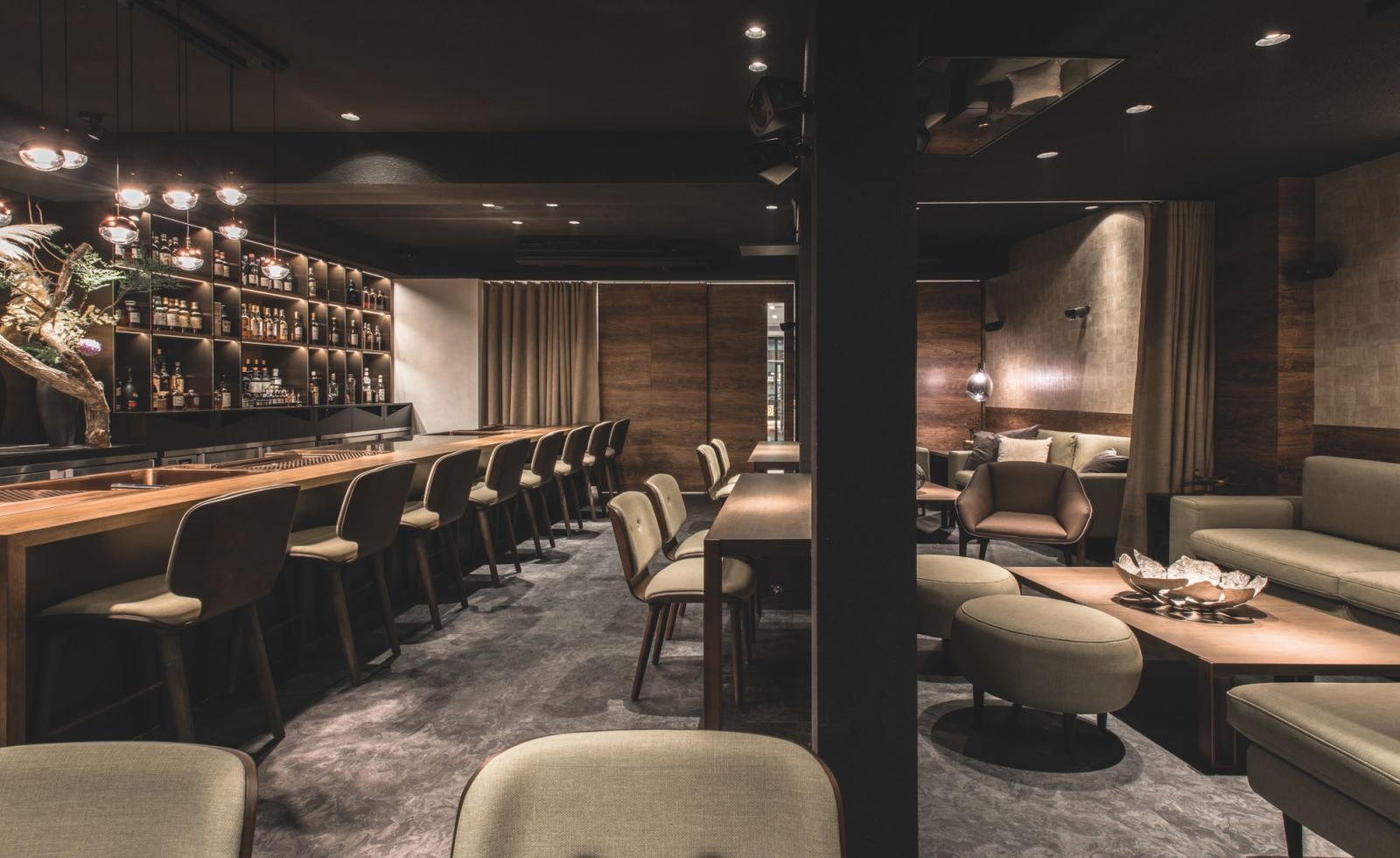
Raw yet chic interior with ambient glow and counter seating; hushed, meditative atmosphere guided by the cadence of the charcoal fire.