
Kiku brings precise Japanese cooking to Da'an District's quieter residential lanes, holding consecutive Michelin Plate recognition in 2024 and 2025. Tucked off Anhe Road's tree-lined Section 1, it operates at the summit of Taipei's mid-to-premium Japanese tier, a $$$$ address Pointing to a tight, repeat-loyal following rather than mass-market traffic.
Pearl is the En Primeur Club membership app — saves, bookings, and concierge access live there. Same editors, same standards.
- Address
- 106, Taiwan, Taipei City, Da’an District, Lane 135, Section 1, Anhe Rd, 4號1樓
- Phone
- +886 2 2700 2701
- Website
- instagram.com
- Directions
- Get directions
 Saves & bookings on Pearl
Da'an's Quieter Register
There is a particular kind of Taipei dining street that announces itself not with neon but with the sound of a passing scooter and the smell of rain on pavement. Lane 135 off Anhe Road Section 1 belongs to that category. Da'an District's residential blocks absorb a lot of the city's serious Japanese dining, the kind aimed at regulars rather than tourists, where the address is known within a certain circle and largely unknown outside it. Kiku sits on this lane at ground level.
The broader Da'an Japanese dining scene includes multiple Michelin-recognised addresses, and Kiku's consecutive Michelin Plate recognition in 2024 and 2025 places it in a defined tier.
Japanese Dining in Taipei: Where Kiku Fits
Taipei has developed one of the more layered Japanese dining ecosystems outside Japan itself. The city's proximity to Japan, the frequency of direct flights, and decades of cultural exchange have produced a population of diners who can compare what they eat here against what they have eaten in Tokyo, Osaka, or Kyoto. That creates pressure on Taipei's Japanese kitchens: the reference points are close, the comparison is live, and a kitchen that coasts on atmosphere alone gets found out quickly.
Within that environment, the $$$$ tier of Japanese restaurants in Taipei occupies a particular position. These are not the accessible neighbourhood spots that make Japanese food in Taiwan so widespread, they sit above that tier in both price and expectation. Kiku's pricing aligns it with addresses like Ken Anhe and Yu Kapo, restaurants operating in a comparable set where the diner is paying for precision and sourcing, not just a satisfying meal. Restaurants at this price point with this volume of reviews tend to be deeply embedded in a regular-clientele model rather than relying on passing trade or social media cycles.
For a sense of how Taipei's Japanese tier compares nationally, JL Studio in Taichung and GEN in Kaohsiung chart different trajectories, while the diversity of Taiwan's broader food scene is captured well through entries like A Cun Beef Soup in Tainan and Akame in Wutai Township.
The Anhe Road Axis
Section 1 of Anhe Road has become something of an axis for serious dining in Da'an, and Lane 135 is part of that cluster. The area rewards walkers who are willing to turn off the main road: the lanes here are residential in character, with ground-floor restaurants sitting below apartments, no fanfare at street level, and a general absence of the tourist infrastructure that marks Xinyi or Zhongshan. Finding Kiku requires knowing to look for it, which is itself a form of filtering. The address, 4號1樓 on Lane 135, puts it at the start of the lane, making it slightly more accessible than the deeper-lane addresses that test a visitor's map literacy more severely.
This neighbourhood character shapes the dining experience in practical terms.
How Kiku Reads Against the Taipei Japanese Scene
A useful comparison for calibrating Kiku's position: Taipei's most celebrated Japanese restaurants currently cluster around tempura specialists like Shi, whose format demands total focus on a single technique. Kiku's cuisine type is listed simply as Japanese, placing it in a broader classification, a kitchen that is not defined by a single technique or a single course structure. In Taipei's $$$$ Japanese tier, that breadth can mean either a high-end kaiseki-adjacent format or a more selective multi-course approach; the consecutive Michelin recognition suggests the execution warrants the price regardless of format.
For travellers arriving from Japan itself and wanting a reference point, the standard set by restaurants like Myojaku in Tokyo, Azabu Kadowaki in Tokyo, or Isshisoden Nakamura in Kyoto frames the bar. Kiku's Michelin Plate, rather than a star, positions it as a strong local address rather than a direct competitor to Japan's top tier, but within Taipei, and specifically within Da'an's Japanese dining cluster, that recognition carries genuine weight.
Planning a Visit
With a 4.7 average across a relatively small review base, Kiku operates in a register where tables can fill up quickly among its established regulars. At the $$$$ price tier, this is not a walk-in operation; booking ahead is the standard approach for premium Japanese addresses in Da'an, and there is little reason to assume Kiku works differently. Visits are worth timing around the seasons when Japanese ingredient sourcing is at its most expressive: late autumn through winter tends to produce the more intensive omakase-style offerings at Japanese restaurants operating at this level, with premium fish and seasonal produce from Japan at their peak in those months.
Comparable Options
Comparable venues nearby, for context on price, style, and recognition.
| Venue | Cuisine | Price | Notes |
|---|---|---|---|
| KikuThis venue — the venue you are viewing | Kappo | $$$$ | Not listed |
| Sushi Touryuumon | Japanese Omakase | $$$$ | Checeng |
| Uosho | Kanto-style Unagi | $$$$ | Sanzhong |
| Dasuke | Modern Niigata-inspired Japanese Izakaya | $$$ | Huxiao |
| Sushi Kaori | Edomae Omakase Sushi | $$$$ | Juye |
| Qi 27 (Sushi 27) | Edomae Omakase | $$$$ | Quan'an |
Recognition history
Dated appearances from independent guides and award organizations, with the underlying list record or original source where available.
Michelin 1 Star
Michelin
Michelin Plate
Michelin
Michelin Plate
Michelin
Continue exploring
More in Taipei
Restaurants in Taipei
Browse all →
Bars in Taipei
Browse all →
Hotels in Taipei
Browse all →
Wineries in Taipei
Browse all →
At a Glance
- Minimalist
- Elegant
- Intimate
- Special Occasion
- Open Kitchen
- Sake Program
- Local Sourcing
Current opening hours
- Monday
- Closed
- Tuesday
- 6–10 PM
- Wednesday
- 6–10 PM
- Thursday
- 6–10 PM
- Friday
- 6–10 PM
- Saturday
- 6–10 PM
- Sunday
- Closed
Hours can change for holidays and private events. Last verified .
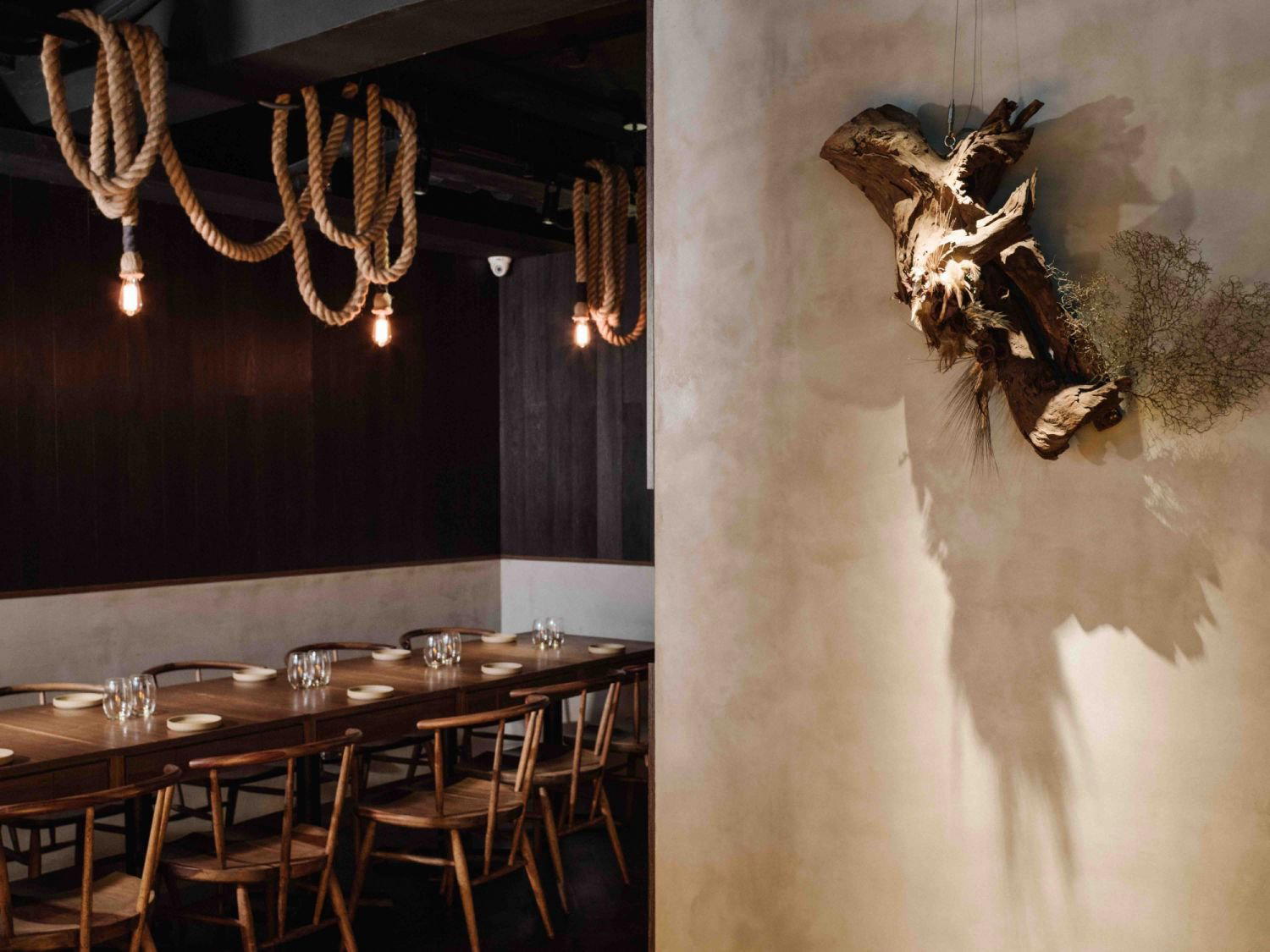
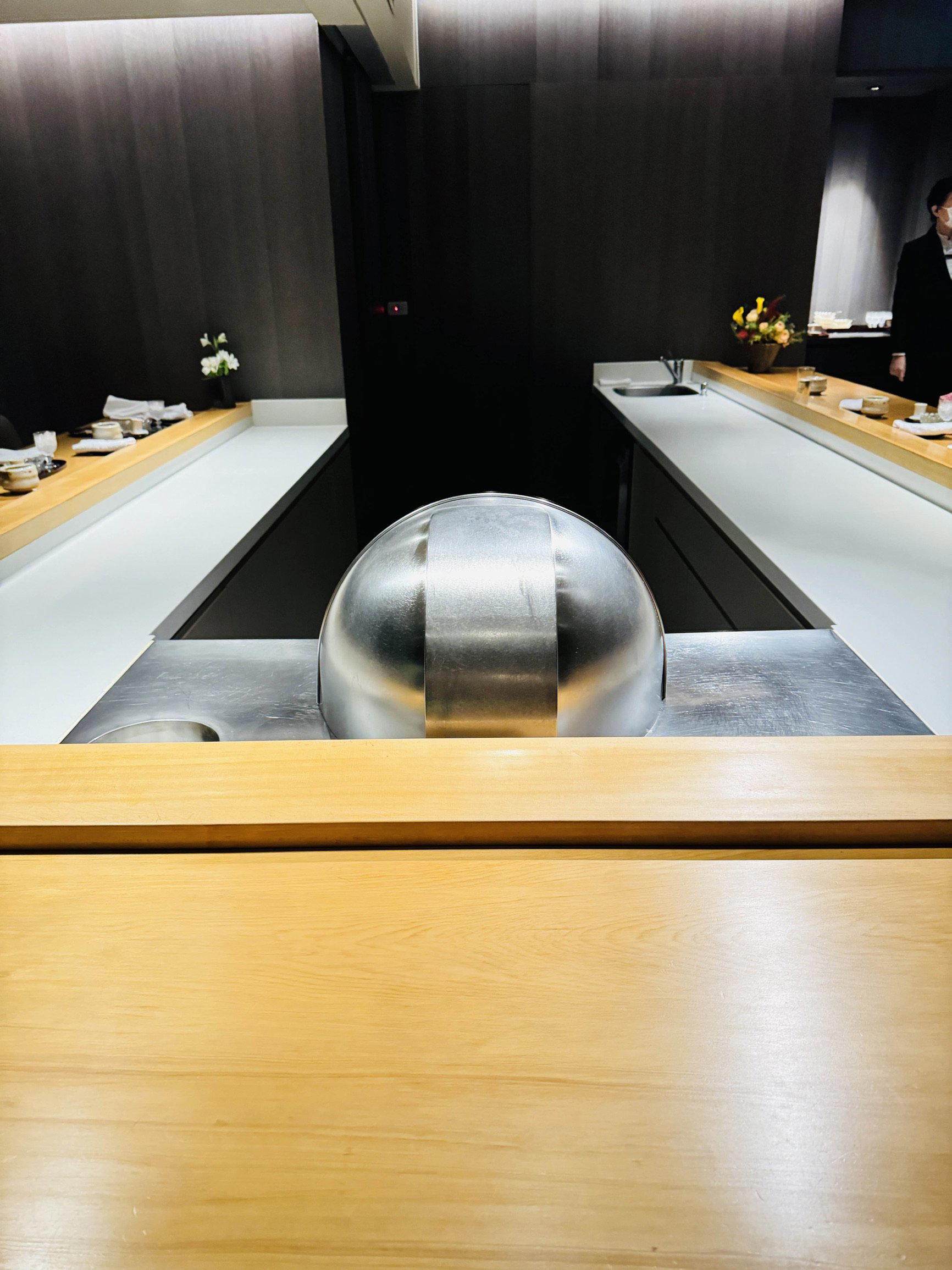
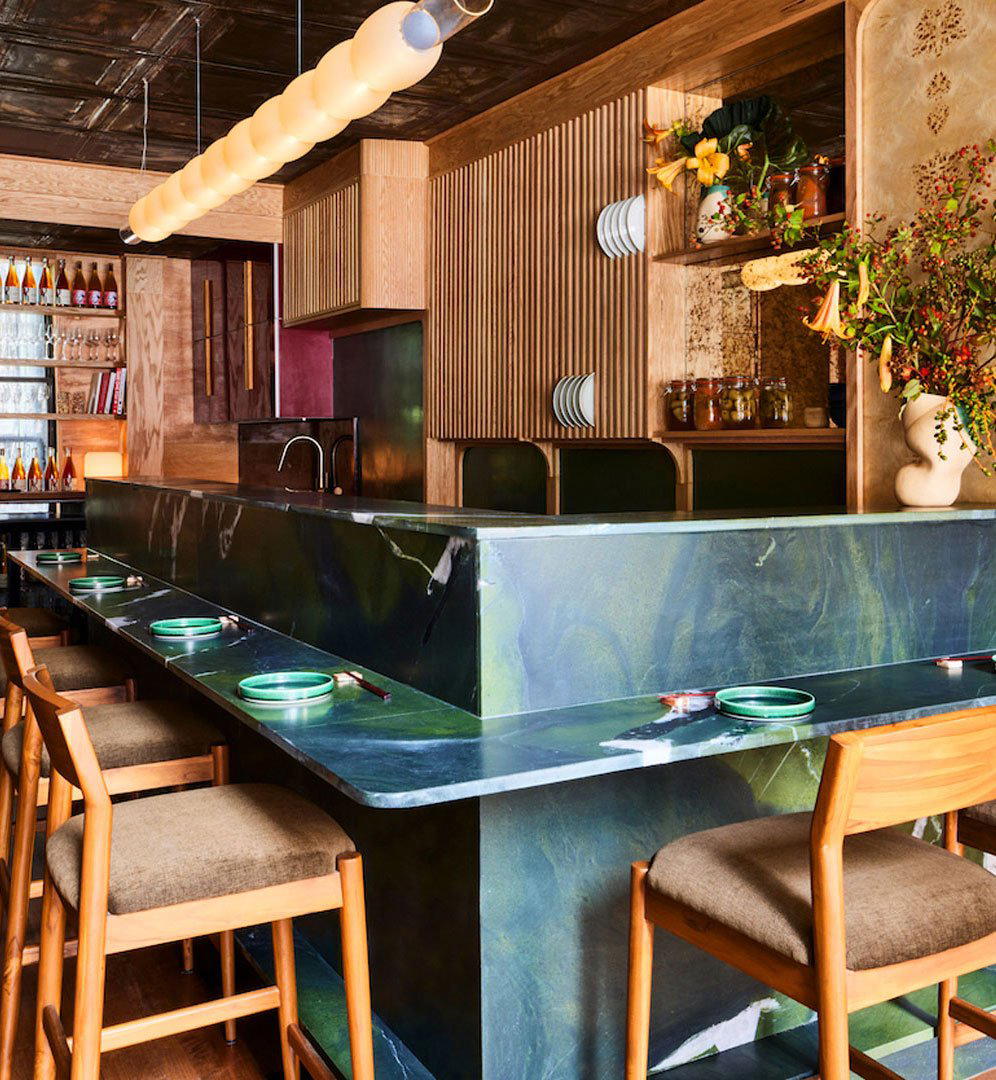
Wood-clad space inspired by Japanese traditions accented with Taiwanese art, creating a refined and minimalist atmosphere.