
A kappo-leaning omakase in Da'an District run by protégés of Chef Amamoto, Sushi Touryuumon has reshaped its menu around cooked dishes rather than the sushi-forward format most diners expect. Seasonal ingredients arrive directly from Japan's Toyosu Market, and the kamamushi, Hokkaido rice paired with the month's most significant produce, anchors every service. It occupies a niche between strict sushi counter and full kappo kitchen.
Pearl is the En Primeur Club membership app — saves, bookings, and concierge access live there. Same editors, same standards.
- Address
- 16, Alley 27, Lane 216, Zhongxiao East Road, Da'an District
- Directions
- Get directions
 Saves & bookings on Pearl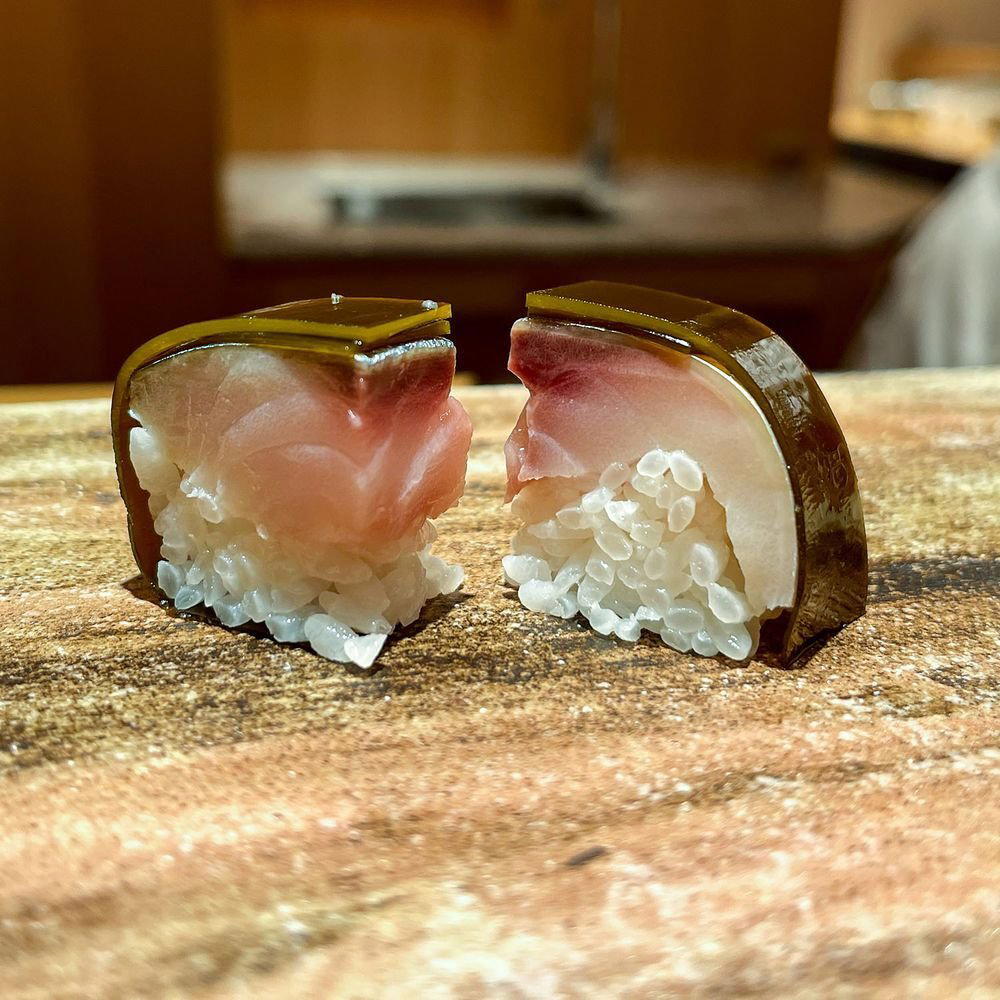
A Counter That Chose a Different Direction
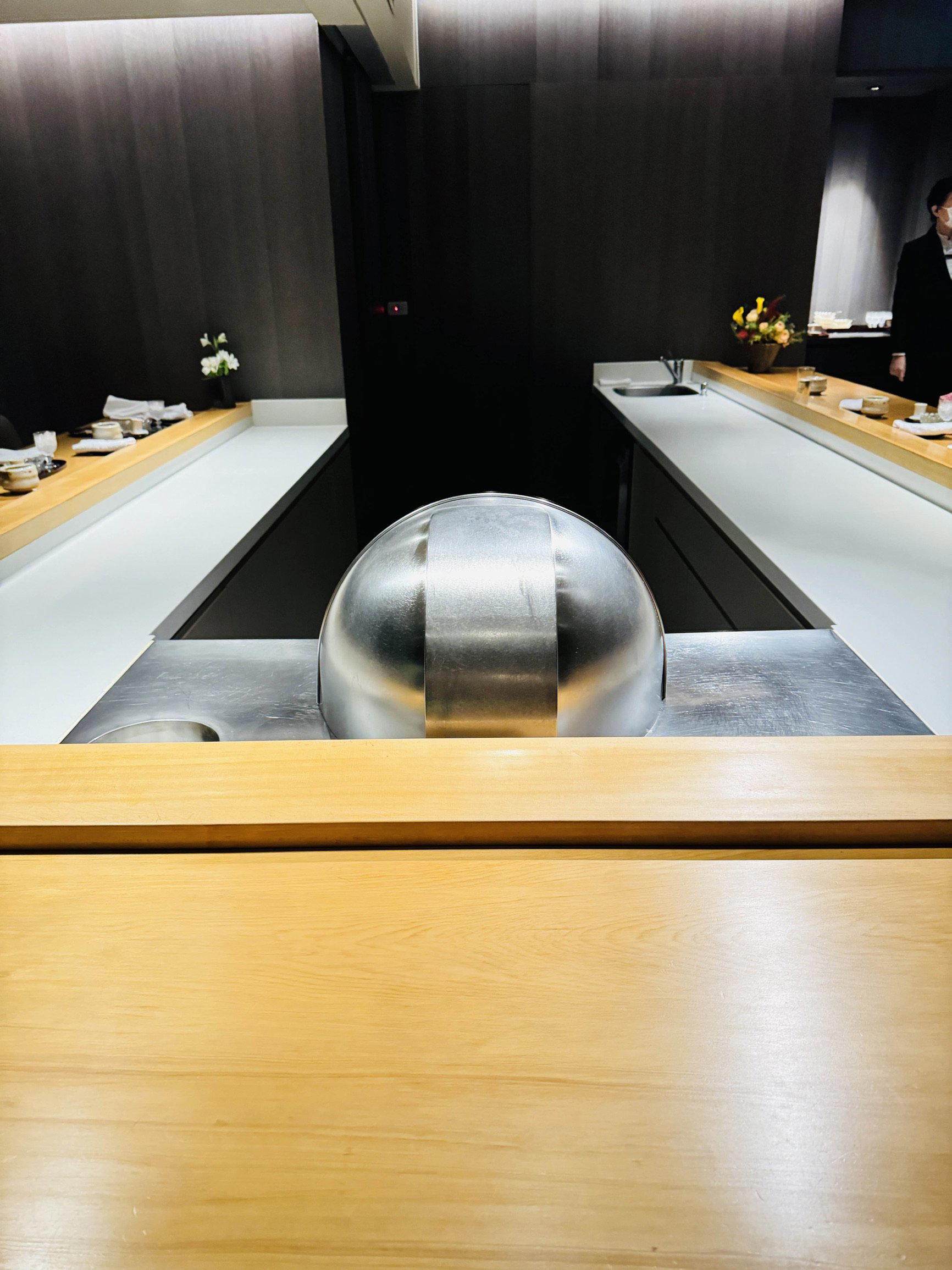
Taipei's premium Japanese dining scene has expanded considerably over the past decade, and the omakase format has become its dominant expression. Most of these counters follow a recognisable structure: raw courses building toward nigiri, with cooked dishes confined to a brief interlude. Sushi Touryuumon is a Japanese omakase restaurant in Taipei, set at 16, Alley 27, Lane 216, Zhongxiao East Road, Da'an District, and known for its kappo-style sequencing. The room frames a dining experience where the sushi counter's physical grammar and the low bar create intimate sightlines, and the chef works directly in front of guests.
Da'an is home to some of Taipei's most considered dining, and the address on Zhongxiao East Road places Sushi Touryuumon among a cluster of restaurants that price and operate at the serious end of the market. Peers like Taïrroir and logy have established Taipei as a city where formal tasting menus compete on ingredient sourcing and structural clarity rather than spectacle. Sushi Touryuumon occupies a distinct position within that ecosystem: a Japanese kitchen with omakase bones and a kappo philosophy at its core.
Space as Argument
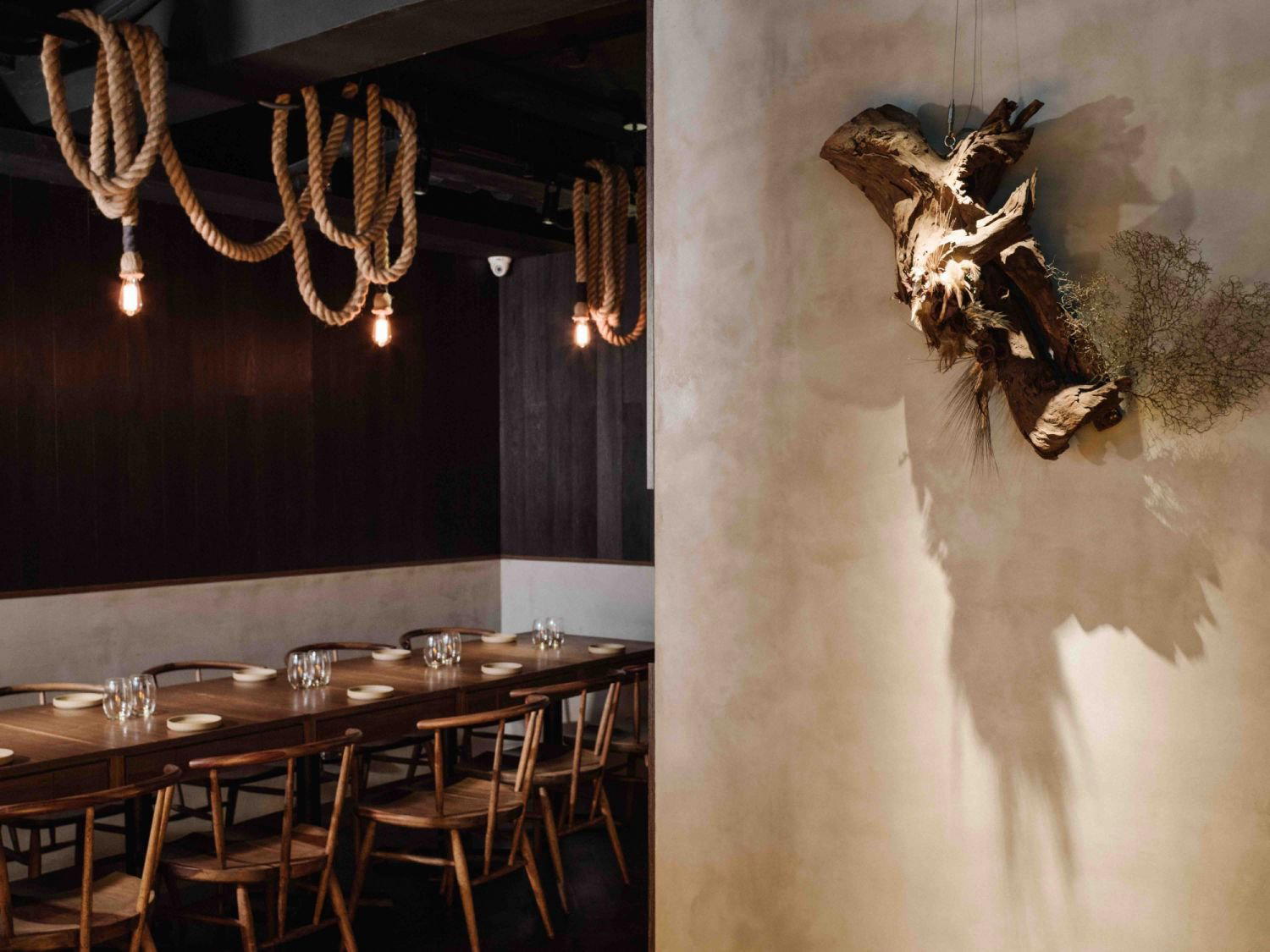
The physical setting of a kappo counter carries specific meaning in Japanese dining tradition. Kappo, derived from the verbs for cut and cook, developed as a format where the chef's technique is the theatre, visible and unmediated. Unlike the kaiseki dining room, which separates preparation from presentation, kappo architecture collapses that distance. The counter at Sushi Touryuumon functions as both stage and table: guests watch cooked courses assembled and finished within reach, which creates a tempo quite different from a nigiri-only omakase, where most drama is in the slicing and seasoning of fish.
This spatial arrangement carries practical consequence. Cooked dishes require more active attention, timing, heat, reduction, and the counter format makes that visible. A kamamushi, for instance, is not a dish you plate quietly in a back kitchen. The Hokkaido rice arrives in the context of its cooking, and the steam, the texture of the crust, and the arrangement of the month's featured produce become part of the experience in a way that plated delivery cannot replicate. The room at the restaurant is designed, whether consciously or by tradition, to make that process legible to the guest.
The Kappo Pivot and What It Means
The restaurant is run by protégés of Chef Amamoto, and the menu revision represents a significant departure from standard omakase sequencing. Where most counters at this level concentrate the majority of their budget and skill on raw fish, sourcing, temperature, knife work, the restaurant has redistributed that emphasis toward cooked preparation. The sushi courses remain, but they operate as a component within a broader kappo arc rather than as the primary statement of quality.
This is not a common choice in Taipei's Japanese fine-dining market, where the omakase format is so established that deviation can read as either innovation or confusion. In Tokyo, kappo houses like those in Ginza and Nihonbashi have long maintained a parallel prestige track to the sushi counter. Taipei has fewer reference points for that tradition, which means the restaurant is, in practice, defining its own comparative set. For diners who have visited serious kappo restaurants in Japan, or who have eaten at technically demanding tasting-menu restaurants like Molino de Urdániz or L'Atelier de Joël Robuchon in Taipei, the format will feel purposeful. For those expecting a conventional omakase, the menu structure may require recalibration.
Sourcing, Seasonality, and the Toyosu Line
The kitchen sources high-quality seasonal ingredients from Japan, with the freshest catch flown in from Toyosu Market. Toyosu is the reference point in global seafood sourcing, the replacement for Tsukiji and the primary clearinghouse for premium Japanese fish, shellfish, and marine produce. Restaurants in Taipei, Hong Kong, and Singapore that maintain direct Toyosu supply chains operate with a meaningful logistical advantage: the ingredient arrives with provenance intact and timing controlled.
This sourcing model is not distinctive to the restaurant among Taipei's Japanese restaurants, but the kappo format makes the supply chain more consequential. Cooked dishes are less forgiving than raw ones: a piece of nigiri can express freshness through texture and temperature alone, but a broth, a steamed preparation, or a rice dish requires ingredient quality to read through heat and time. The commitment to Toyosu sourcing, applied across a menu that is predominantly cooked rather than raw, represents a more demanding operational model than the standard omakase supply chain.
The courses rotate with the season. What holds constant is the kamamushi, a steamed rice preparation using Hokkaido rice, paired with whichever ingredient the kitchen has identified as the month's most significant. This anchoring dish gives each visit a fixed point of comparison: guests who return across seasons are tracking not just the menu evolution but the progression of Japan's seasonal produce calendar as expressed through a single format. That continuity is a specific kind of hospitality intelligence, and it mirrors what serious tasting-menu restaurants in Taiwan and beyond, from JL Studio in Taichung to Akame in Wutai Township, have understood about building a returning audience around seasonal rhythm rather than static menus.
Taipei's Broader Fine-Dining Frame
The restaurant sits within a Taipei fine-dining scene that has developed genuine range over the past several years. Le Palais operates at the three-Michelin-star level in Cantonese cuisine; Taïrroir applies Taiwanese ingredients to a French tasting-menu structure. The Japanese segment, meanwhile, has proliferated in both volume and format diversity. The restaurant's kappo-forward approach positions it apart from both the pure nigiri counter and the multi-cuisine tasting menu, occupying a space that has clearer precedent in Osaka and Kyoto than in Taipei itself.
For travellers building a serious eating itinerary across Taiwan, the restaurant joins a set of regionally distributed options worth cross-referencing. GEN in Kaohsiung and Zhu Xin Ju in Tainan represent different poles of the island's formal dining offer, while more casual registers like A Gan Yi Taro Balls in New Taipei illustrate how seriously Taiwan takes its food at every price point.
Planning Your Visit
The restaurant is located at 16, Alley 27, Lane 216, Zhongxiao East Road, Da'an District, a residential-adjacent side street that requires some navigation but is reachable from the Zhongxiao Dunhua or Zhongxiao Fuxing MRT stations on foot. Given the kappo-omakase format and the kitchen's reliance on daily-flown Japanese produce, advance reservation is the operating assumption: this is not a walk-in counter in any practical sense, and the seasonal menu means that availability tied to specific dates matters for what you will eat.
Recognition, Side-by-Side
Comparable venues nearby, for context on price, style, and recognition.
| Venue | Cuisine | Price | Awards | Notes |
|---|---|---|---|---|
| Sushi TouryuumonThis venue — the venue you are viewing | Japanese Omakase | $$$$ | Michelin Plate | Not listed |
| Yuu | Modern Japanese Nikukappo with Wagyu Focus | $$$$ | Michelin Plate | Checeng |
| Uke | Edomae-style Omakase | $$$$ | Michelin Plate | Xicun |
| The Ukai | Japanese Kappou and Teppanyaki | $$$$ | Michelin Plate | Xicun |
| Fumée Yakitori | Modern Yakitori Kappo | $$$$ | Michelin Plate | Kangle |
| AJIMI | Kappo Omakase | $$$$ | Michelin Plate | De'an |
Recognition history
Dated appearances from independent guides and award organizations, with the underlying list record or original source where available.
Michelin Plate
Michelin
Continue exploring
More in Taipei
Restaurants in Taipei
Browse all →
Bars in Taipei
Browse all →
Hotels in Taipei
Browse all →
Wineries in Taipei
Browse all →
At a Glance
- Relaxed
- Elegant
- Date Night
- Special Occasion
- Chefs Counter
- Sake Program
- Sustainable Seafood
Current opening hours
- Monday
- 12–2:30 PM, 6:30–9:30 PM
- Tuesday
- 6:30–9:30 PM
- Wednesday
- Closed
- Thursday
- 6:30–9:30 PM
- Friday
- 12–2:30 PM, 6:30–9:30 PM
- Saturday
- 12–2:30 PM, 6:30–9:30 PM
- Sunday
- Closed
Hours can change for holidays and private events. Last verified .
Inviting and relaxed atmosphere well-suited for sushi enthusiasts and newcomers alike.