
2 Michelin Stars
Our verdict
The appeal is less about spectacle than about the discipline of kaiseki thinking: sequence, seasonality, restraint, and the city’s growing appetite for Japanese formats that read as formal rather than casual.

Pearl is the En Primeur Club membership app, where members save venues, book tables and use the concierge.
The menu
What to order
- Kamameshi with unagi
- Kamameshi with Hiroshima oysters
- Uni and shiso tempura
- Grilled mackerel with citrus
- Seasonal sashimi platter
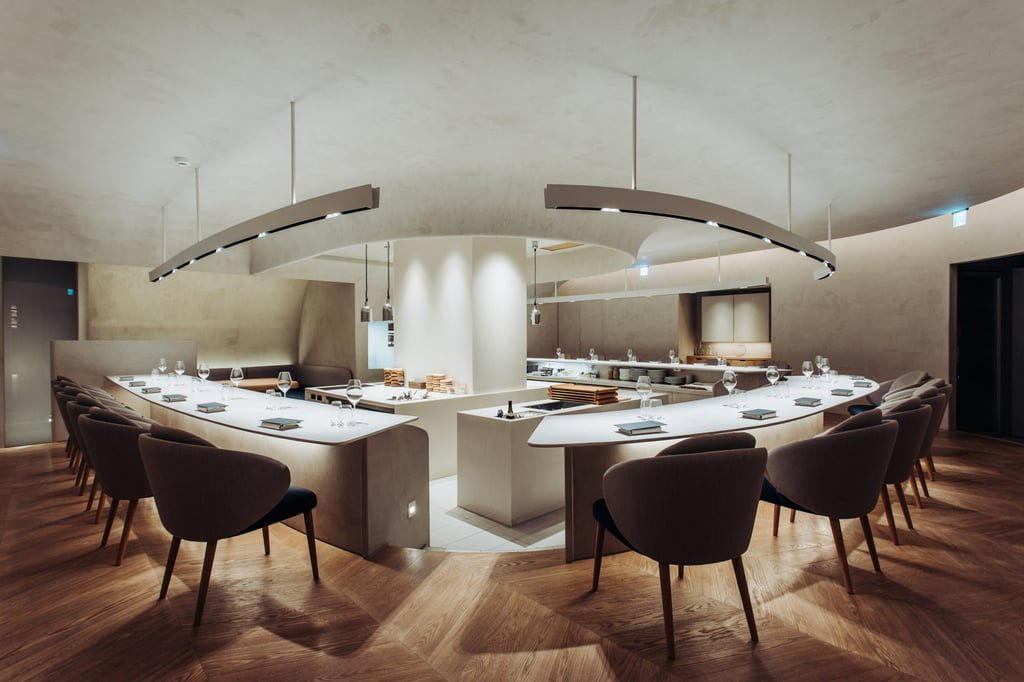
Taipei does not announce ceremony with grand theatre. The approach is urban Taipei in a lower register: traffic, shopfront light, the clipped rhythm of the city, then a shift into the quieter codes of composed dining. Yu Kapo belongs to the part of Taipei where dinner is measured by sequence rather than abundance, and where the room’s purpose is to slow attention enough for a multi-course format to make sense.
Taipei has long treated precise, restrained dining as both comfort and high-form discipline. Counters, composed tasting rooms, seasonal menus, and hybrid formats sit across a city shaped by travel, local appetite, and a diner base that understands seasonality without needing it overexplained.
Composed logic in a city fluent in restraint
The relevant frame here is sequence and control, not just a broad dining label. A meal of this kind progresses through temperature, texture, portion, vessel, and seasonal reference. The point is not maximal luxury on every plate, but control. Broth, grilled courses, raw preparations, and small composed servings may each have a role inside the arc. A restaurant working in this idiom is judged by pacing as much as by ingredients.
That matters in Taipei because the city’s premium dining scene can split in several directions. Some rooms lean toward counter intensity, where sourcing and serving temperature dominate the conversation. Others use chef-facing service and a looser sense of course progression. Yu Kapo sits closer to the multi-course seasonal tradition, where the meal’s intelligence is in accumulation: small decisions, careful transitions, and an aesthetic that favors quiet calibration over display.
It does not make the room self-explanatory. Diners who come expecting large portions, dramatic plating, or a quick premium meal may misread the format. The better comparison is with Taipei’s restrained dining circle, including AJIMI, Ken Anhe, and Kiku, where patience and craft literacy are part of the contract.
Taipei gives the meal a calmer register than louder luxury cues
Taipei’s luxury dining map is broader than any single district or shorthand. Some travelers think first of polished hotel energy, dense international dining zones, or late-night restaurant clusters. Yu Kapo works differently. Its restaurant culture is folded into the city’s everyday rhythm, and that lowers the performative temperature around a high-end meal. For a format built on restraint, that setting helps.
This is also why Yu Kapo reads as part of a wider Taipei pattern rather than an isolated special-occasion address. The city’s high-end restaurants do not need to imitate another capital to be credible; they are shaped by local hospitality habits, Taiwanese seasonality, and a dining public comfortable with tasting-menu commitment. The strongest rooms in this category understand that form can travel without becoming theme. Yu Kapo’s appeal rests in that tension: structured dining, Taipei tempo.
Within the comparison set, the restaurant’s Michelin-recognised status places it beside the city’s premium rooms rather than more casual or flexible addresses. That distinction matters for planning. This is not the category for a spontaneous family meal, a casual business lunch, or a broad-table ordering session. It is a controlled-format decision, with the award recognition pointing toward diners who want the discipline of a composed meal.
Where Yu Kapo fits in a Taipei itinerary
The strongest case for Yu Kapo is for travelers using Taipei as a serious eating city rather than a stopover. The city rewards contrast: casual snacks, tea culture, noodle shops, counters, hotel dining, and cocktail bars all belong to the same trip if paced correctly. A formal meal in Taipei works better when it is not forced into a day already crowded with heavy eating. Give it the calmer slot in the schedule and let the sequence carry the evening.
For wider planning, Our full Taipei restaurants guide maps the city’s dining range beyond fine dining, while Our full Taipei hotels guide, Our full Taipei bars guide, Our full Taipei wineries guide, and Our full Taipei experiences guide help place the meal inside a full itinerary rather than treating dinner as a standalone trophy.
Taiwan’s wider food map also explains Taipei’s range. Regional and casual addresses across the island show how far the dining scene moves between street-level utility, regional comfort, and formal dining. International comparisons underline the same point: refined culinary formats travel widely, but the serious rooms are defined by discipline rather than label alone.
The verdict is direct: Yu Kapo is for diners who understand that a multi-course meal asks for attention before it offers reward. In Taipei’s dining tier, that makes it a considered choice rather than a default one.
Frequently asked questions
Is Yu Kapo good for families?
It suits diners who are comfortable with a slower, quieter meal in Taipei.
What's the overall feel of Yu Kapo?
The rhythm makes it feel more controlled than a typical all-day restaurant.
What style of cooking does Yu Kapo do?
Yu Kapo serves a restrained, composed multi-course format in Taipei.
Quick Comparison
Comparable venues by cuisine and price in the same metro.
| Venue | Cuisine | Price | Awards |
|---|---|---|---|
| Yu KapoThis venue (the venue you are viewing) | Modern Japanese Omakase Kappo | $150–200 | 2 Michelin Stars |
| Uke | Edomae-style Omakase | Not listed | Michelin Plate |
| Wamaki | Japanese Kappo with Taiwanese Ingredients | $50–100 | Michelin Plate |
| Ken Anhe | Traditional Japanese Omakase | $150–200 | 1 Michelin Star |
| Kiku | Kappo | Not listed | 1 Michelin Star |
| AJIMI | Kappo Omakase | $150–200 | Michelin Plate |
Recognition history
Dated appearances from independent guides and award organizations, with the underlying list record or original source where available.
Michelin 2 Stars
Michelin
Full recognition history (2 entries)
Michelin 2 Stars
Michelin
Continue exploring
More in Taipei
Restaurants in Taipei
All restaurants in Taipei →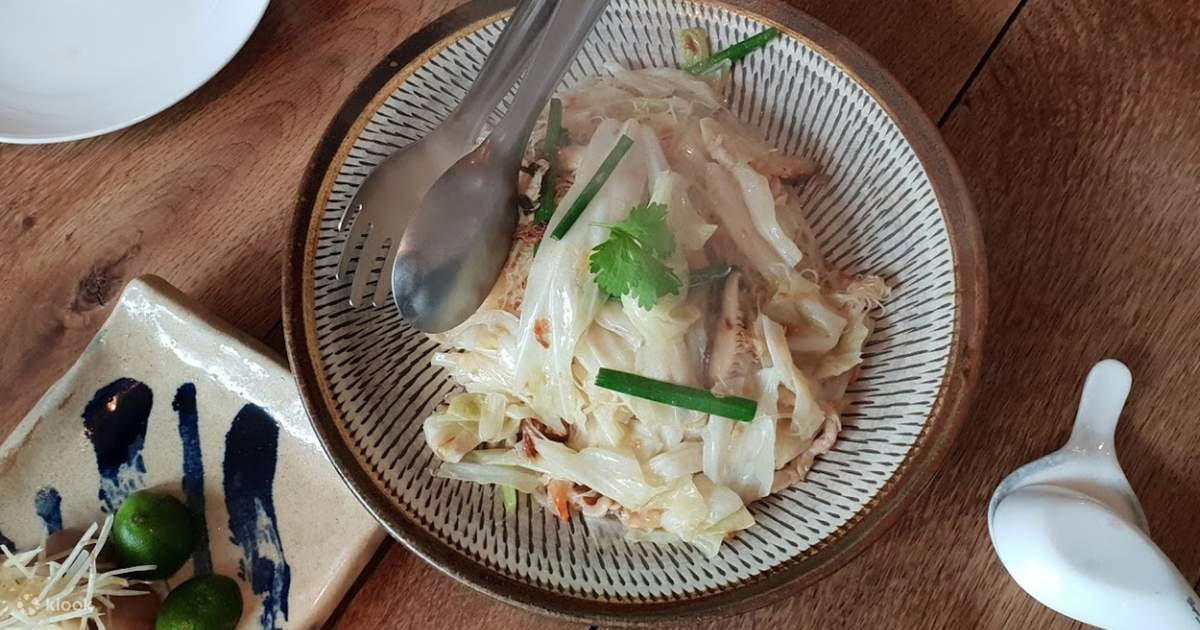
Bars in Taipei
All bars in Taipei →
Hotels in Taipei
All hotels in Taipei →
Wineries in Taipei
Browse all →
Details
- Intimate
- Elegant
- Minimalist
- Sophisticated
- Quiet
- Special Occasion
- Celebration
- Business Dinner
- Date Night
- Chefs Counter
- Open Kitchen
- Private Dining
- Sake Program
- Sommelier Led
- Local Sourcing
- Omakase
- Counter Dining
- Set Menu
- Sake
- Seasonal Japanese Beverages
- Pescatarian Friendly
Current opening hours
- Monday
- Closed
- Tuesday
- 12–2:30 PM, 6–10 PM
- Wednesday
- 12–2:30 PM, 6–10 PM
- Thursday
- 12–2:30 PM, 6–10 PM
- Friday
- Closed
- Saturday
- Closed
- Sunday
- Closed
Hours can change for holidays and private events. Hours as of .
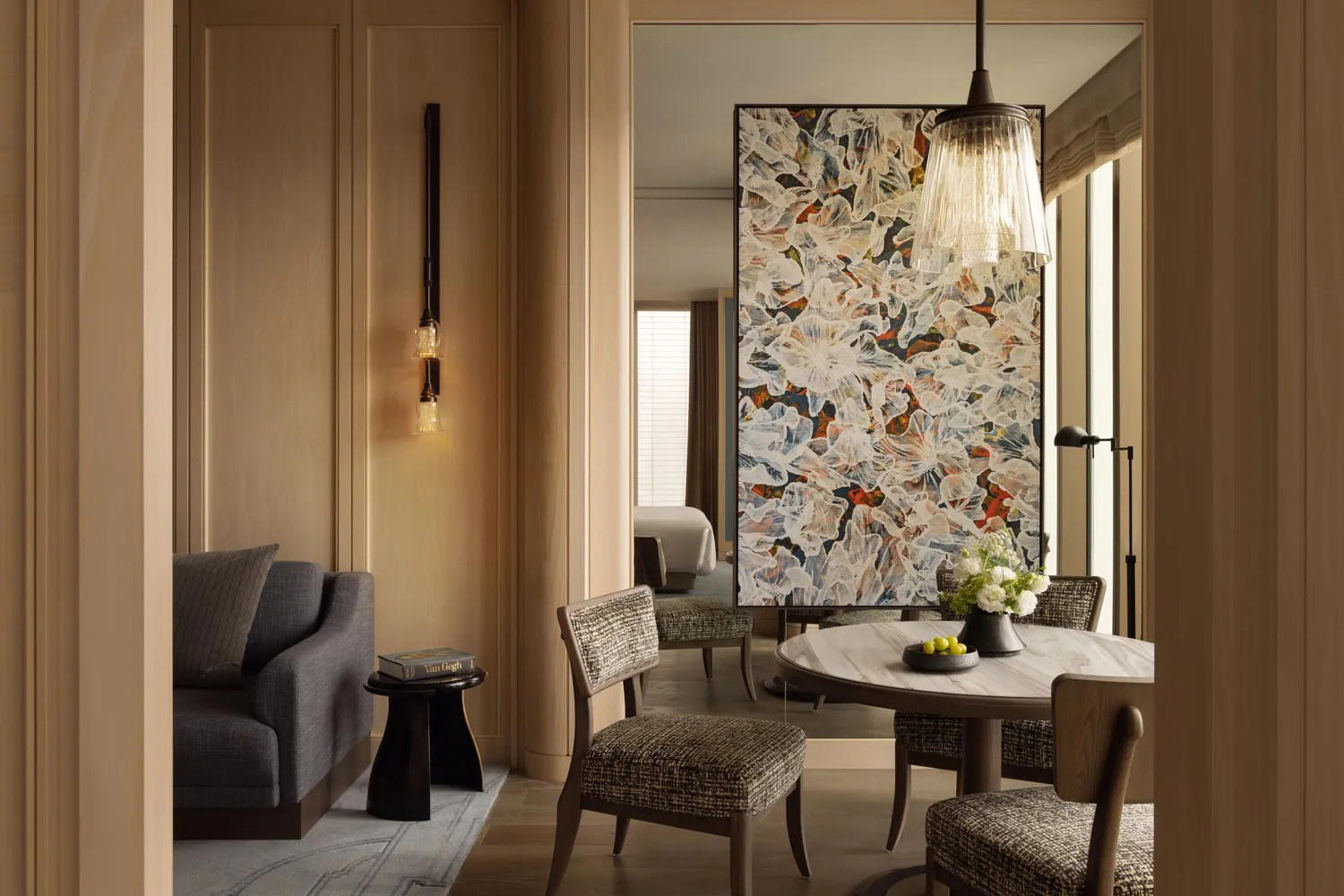
Minimalist luxury with light wood and slate grey tones, hushed atmosphere with soft lighting and whisper-soft sliding doors that signal quiet refinement and contemplative dining.