
Michelin Plate
Our verdict
It operates at the top of the city's Japanese price tier, where sourcing discipline and seasonal produce define the offer rather than scale or spectacle.

Pearl is the En Primeur Club membership app, where members save venues, book tables and use the concierge.
The menu
What to order
- Grilled bottarga in miso
- Fish bone ramen
- Yang Guifei soup
That circuit is more competitive than it might appear from outside. Within the Japanese category specifically, Mudan Tempura's two Michelin stars set a peer benchmark for the upper bracket. AJIMI's 2025 Michelin Plate recognition places it in the acknowledged tier of this field, restaurants the guide considers worth attention, even before star consideration.
Sourcing as the Argument
Japanese cuisine at the serious end of the price spectrum, and AJIMI's $$$$ tier puts it at that end, is largely an argument about where ingredients come from. The format, whether kaiseki, omakase, or tasting menu, exists primarily as a vehicle for showcasing produce at specific moments in its seasonal arc. In Japan, this logic is codified through centuries of kaiseki tradition, documented in the practices of restaurants like Isshisoden Nakamura in Kyoto, where the seasonal calendar governs every menu decision. Tokyo's top-tier Japanese restaurants, including Myojaku and Azabu Kadowaki, operate on the same logic: the sourcing story is the menu. Restaurants on quiet lane addresses in Da'an with no walk-in culture tend to accumulate reviews slowly, drawing a more deliberate guest profile: people who sought the reservation, not people who wandered past. A 4.6 average across that kind of early-adopter review base carries more weight than the same score across a thousand casual visitors. This neighbourhood character aligns naturally with the register of premium Japanese dining, which has always valued the sense of arrival that comes from a deliberately understated approach. The physical experience of finding a restaurant on a residential lane, at night, in a city where most restaurant activity pulses along commercial strips, creates a frame of anticipation that a high-street address cannot replicate. AJIMI uses that geography as part of its offer. Reservations are the expected mode of engagement for restaurants at this recognition level in Da'an, walk-in availability is unlikely, particularly given the apparent intimacy of the address.enprimeurclub. JL Studio in Taichung represents the island's contemporary fine dining ambition at a national level, while GEN in Kaohsiung, A Cun Beef Soup in Tainan, Akame in Wutai Township, and
Frequently asked questions
What's the address for AJIMI?
AJIMI is located at No. 5號, Alley 19, Lane 52, Siwei Rd, Da’an District, Taipei City, Taiwan 106, Taipei.
Is AJIMI expensive?
Pricing at AJIMI is listed as $$$$.
What's AJIMI known for in terms of accolades?
AJIMI has received recognition including: Michelin Plate (2025).
What do people recommend at AJIMI?
The consistent recommendation from diners familiar with this tier of Japanese dining in Taipei is to follow the kitchen's lead and let sourcing decisions drive the meal rather than arriving with fixed expectations.
Recognition Snapshot
Comparable venues nearby, for context on price, style, and recognition.
| Venue | Cuisine | Price | Awards | Notes |
|---|---|---|---|---|
| AJIMIThis venue (the venue you are viewing) | Kappo Omakase | $150–200 | Michelin Plate | Not listed |
| Sushi Touryuumon | Japanese Omakase | Not listed | Michelin Plate | Checeng |
| Yuu | Modern Japanese Nikukappo with Wagyu Focus | Not listed | Michelin Plate | Checeng |
| Sushi Nanami | Premium Japanese Omakase | Not listed | Michelin Plate | Zhenghe |
| The Ukai | Japanese Kappou and Teppanyaki | $200–300 | Michelin Plate | Xicun |
| Zan | Japanese Teppanyaki | Not listed | Michelin Plate | Fude |
Recognition history
Dated appearances from independent guides and award organizations, with the underlying list record or original source where available.
Michelin Plate
Michelin
Continue exploring
More in Taipei
Restaurants in Taipei
All restaurants in Taipei →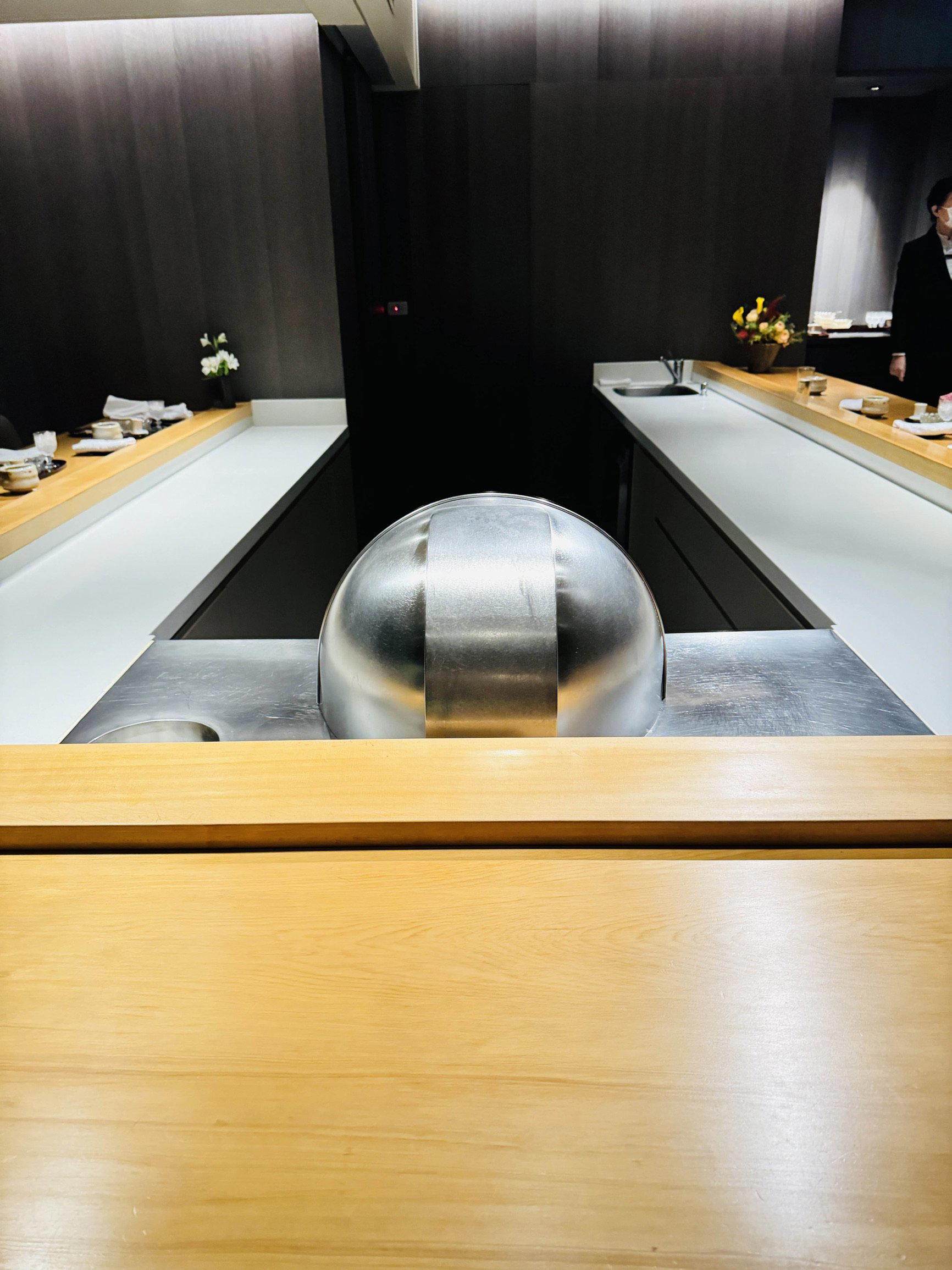
Bars in Taipei
All bars in Taipei →
Hotels in Taipei
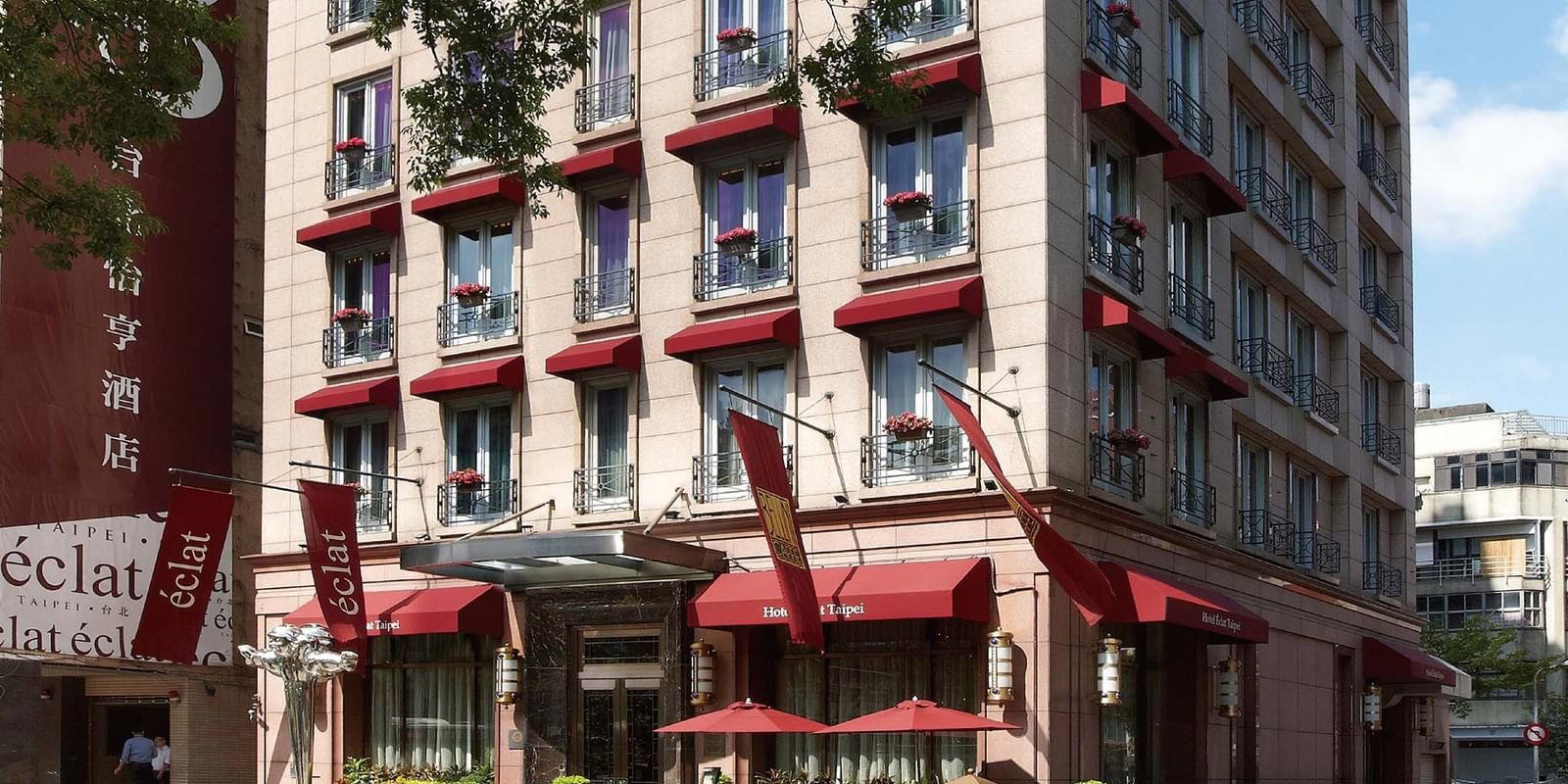
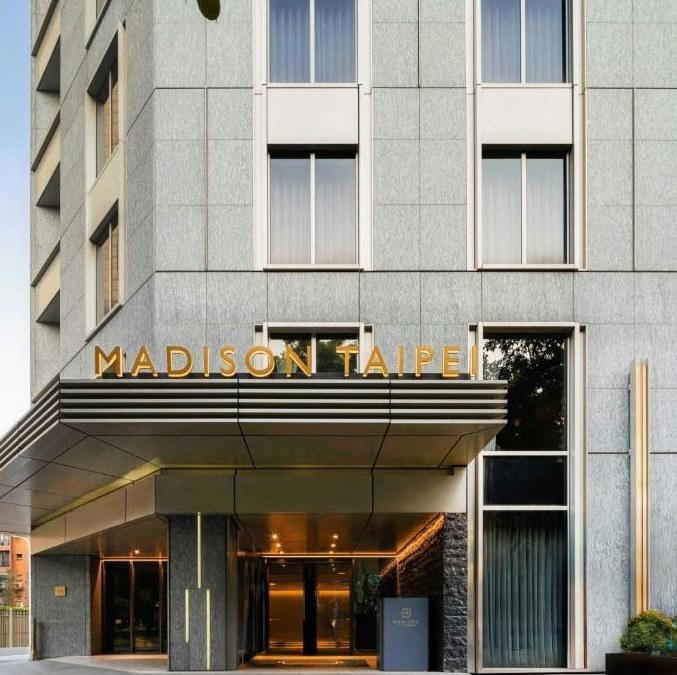
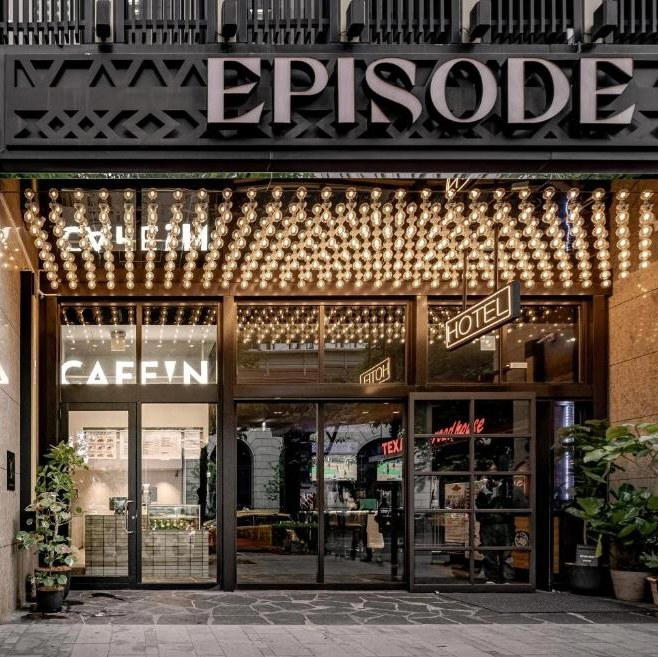
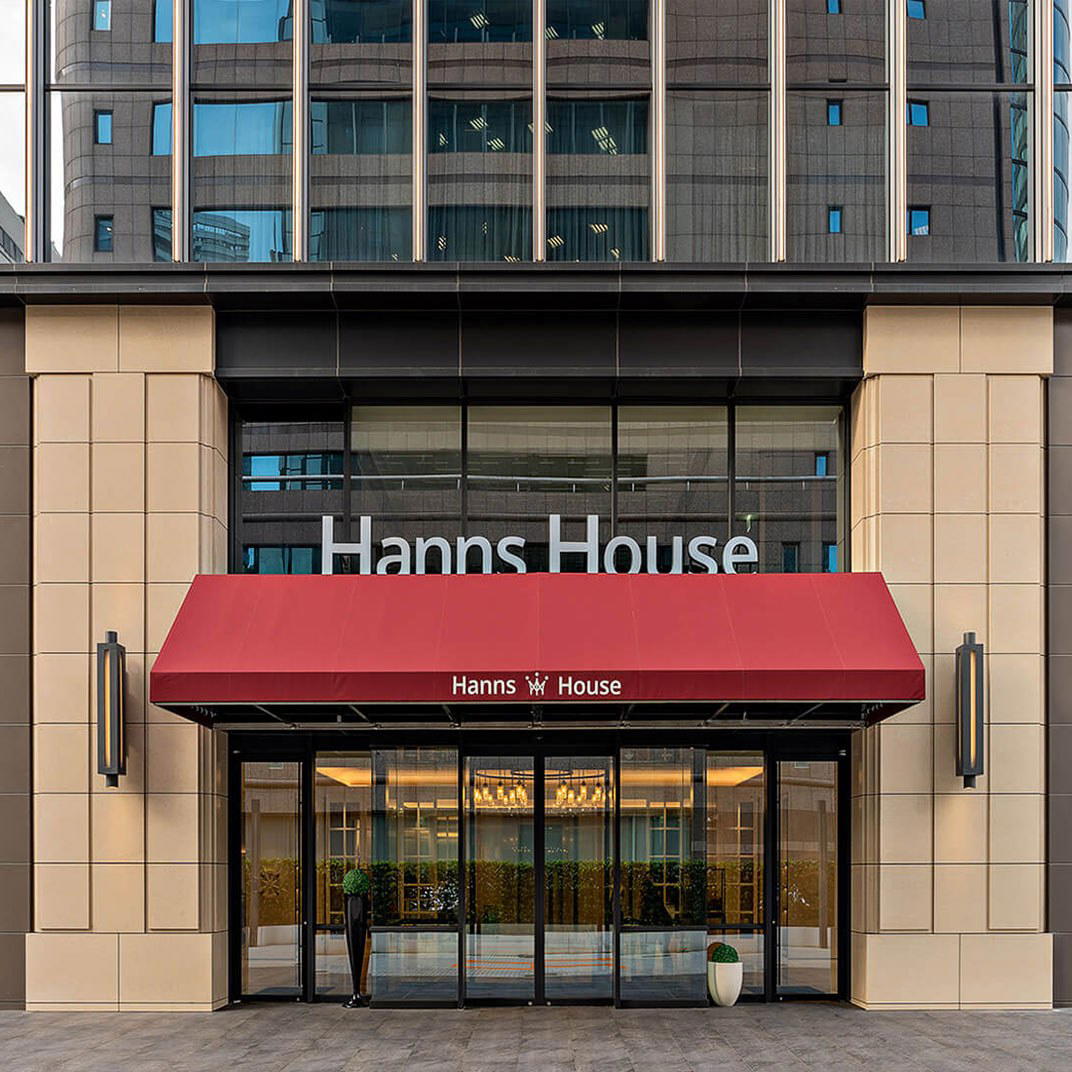
All hotels in Taipei →
Wineries in Taipei
Browse all →
Details
- Intimate
- Minimalist
- Elegant
- Cozy
- Sophisticated
- Date Night
- Special Occasion
- Chefs Counter
- Open Kitchen
- Sake Program
- Local Sourcing
- Omakase
- Counter Dining
- Sake
Current opening hours
- Monday
- Closed
- Tuesday
- 6–9:30 PM
- Wednesday
- 6–9:30 PM
- Thursday
- 6–9:30 PM
- Friday
- 6–9:30 PM
- Saturday
- 6–9:30 PM
- Sunday
- Closed
Hours can change for holidays and private events. Hours as of .
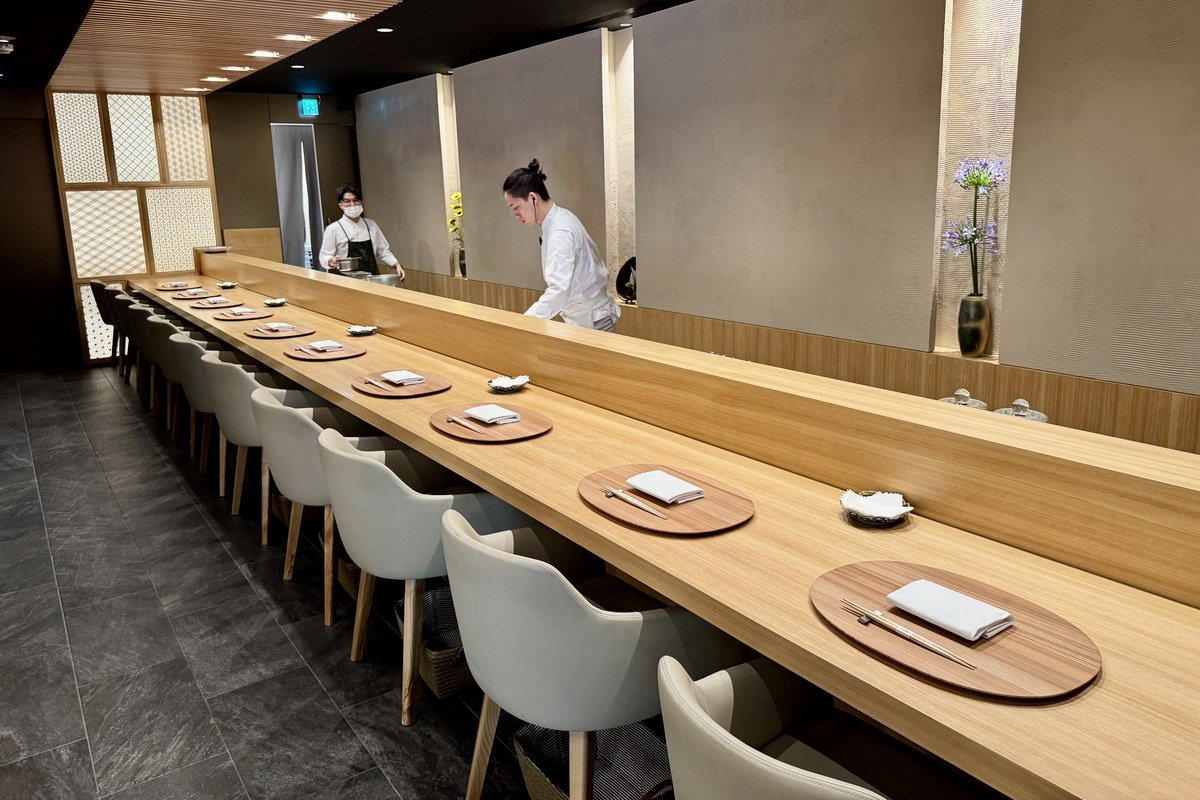
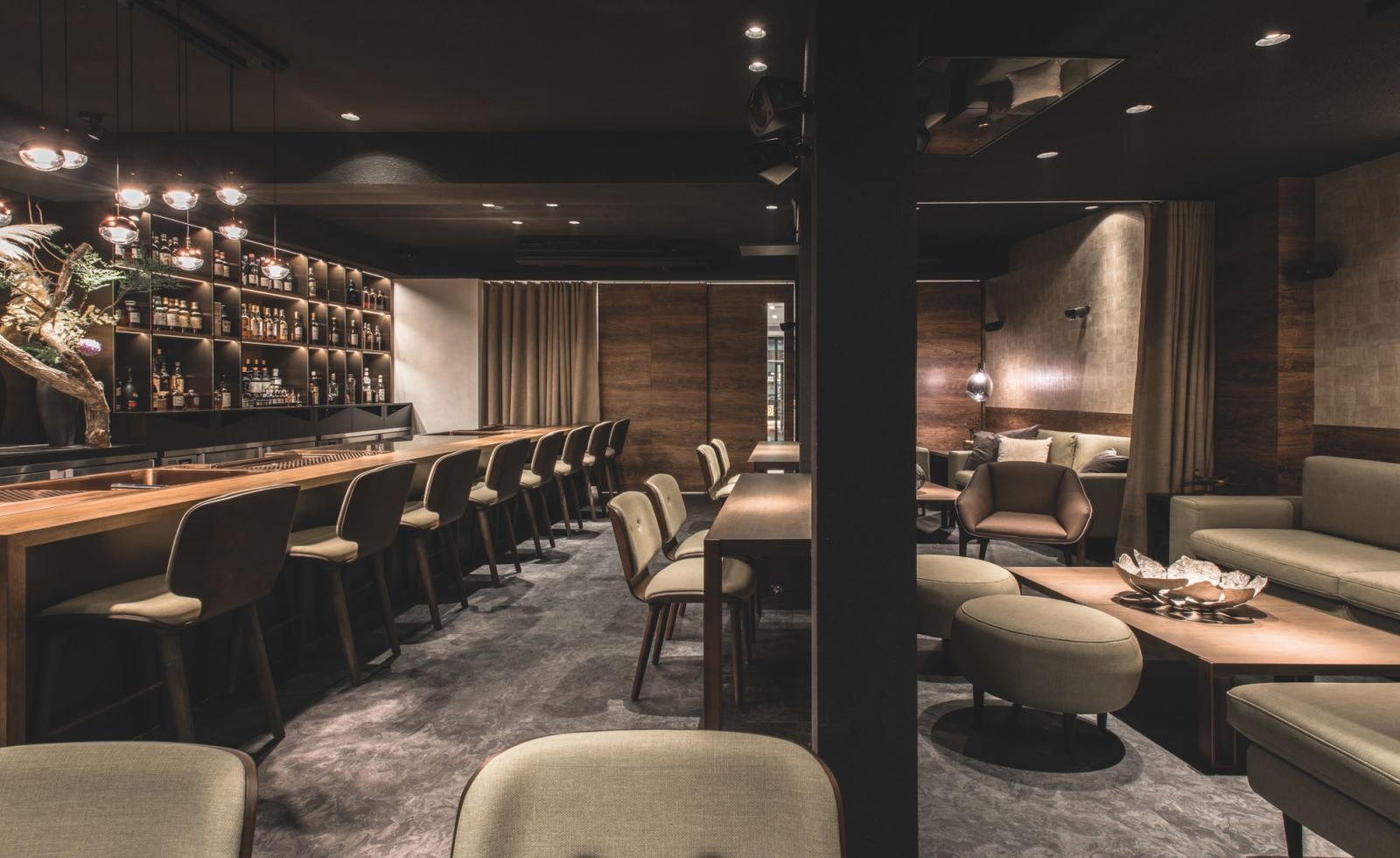
Wood-rich Japanese minimalist space with soft lighting, clean lines, counter seating for intimacy, and a tatami tearoom sanctuary.